
Search results
Search for "aggregate" in Full Text gives 196 result(s) in Beilstein Journal of Nanotechnology.
Radiosensitizing properties of dual-functionalized carbon nanostructures loaded with temozolomide
Beilstein J. Nanotechnol. 2025, 16, 229–251, doi:10.3762/bjnano.16.18
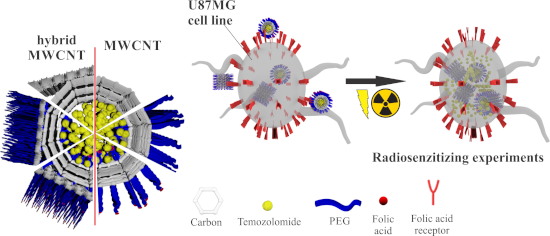
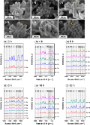
- , mitochondria, and endoplasmic reticulum), that NDs and CNTs aggregate in big clusters into the cells, and that some of these aggregates are wrapped by extended cell synapses. Although NDs and CNTs were taken up by the cells to a greater extent, the cell membranes remained intact in contrast to the ruptured




Recent advances in photothermal nanomaterials for ophthalmic applications
Beilstein J. Nanotechnol. 2025, 16, 195–215, doi:10.3762/bjnano.16.16
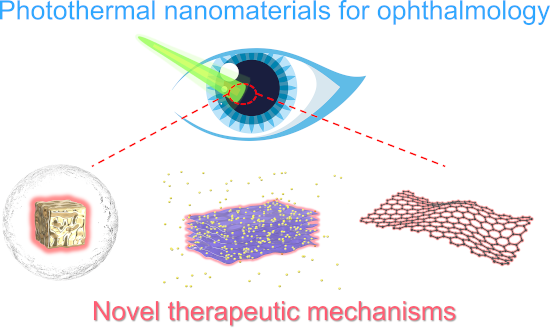
- collapse of these VNBs transform thermal energy into mechanical forces, such as jets and acoustic shock waves, enabling cellular or tissue treatment with minimal thermal damage. Currently, VNBs are being explored for applications in cancer cell eradication [51], harmful protein aggregate degradation [52


Theoretical study of the electronic and optical properties of a composite formed by the zeolite NaA and a magnetite cluster
Beilstein J. Nanotechnol. 2025, 16, 44–53, doi:10.3762/bjnano.16.5
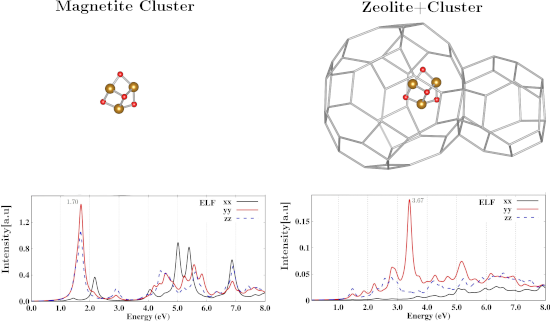
- example, the active centers of the most efficient heterogeneous catalysts commonly fall within this range [23][24][25][26]. The challenge lies in the fact that, because of their pronounced tendency to aggregate, these materials must be deposited with a high level of dispersion to achieve the desired




A nanocarrier containing carboxylic and histamine groups with dual action: acetylcholine hydrolysis and antidote atropine delivery
Beilstein J. Nanotechnol. 2025, 16, 11–24, doi:10.3762/bjnano.16.2
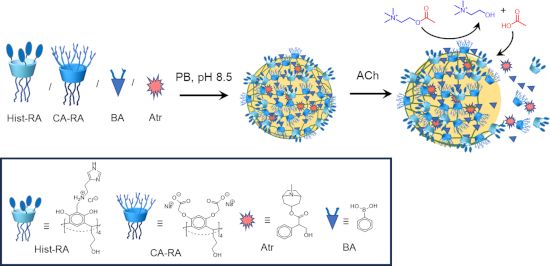
- corresponds to the hydrodynamic diameter of p(Hist-CA), while the latter one relates to the size of aggregates. The average molecular weight (M) of the aggregate was determined using the static light scattering (SLS) Debye plot. The plot of KC/Rθ against C, where K is the Debye constant, C is the


Integrating high-performance computing, machine learning, data management workflows, and infrastructures for multiscale simulations and nanomaterials technologies
Beilstein J. Nanotechnol. 2024, 15, 1498–1521, doi:10.3762/bjnano.15.119
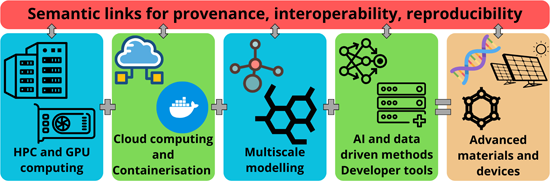
- decomposing the problem into tasks and subtasks. The definition of tasks and subtasks and the domain knowledge is organized in terms of the structure provided by MAMBO. Let us first consider a simulation workflow for the evaluation of the physicochemical properties of a molecular aggregate made of identical
- algorithms for equilibrating molecular aggregates under different conditions [66][67]. The workflow produces structured information containing, for example, a snapshot of the structure of the simulated aggregate under the considered conditions and/or derived properties (for example, the computed equilibrium
- density of the aggregate in kg·m−3). A sketch of this workflow is shown in Figure 11. The decomposition of the workflow sketched in Figure 11 highlights the parallelism between the involved knowledge and instances of MAMBO classes. For example, we can identify the following: (i) The initial information


Synthesis, characterization and anticancer effect of doxorubicin-loaded dual stimuli-responsive smart nanopolymers
Beilstein J. Nanotechnol. 2024, 15, 1189–1196, doi:10.3762/bjnano.15.96
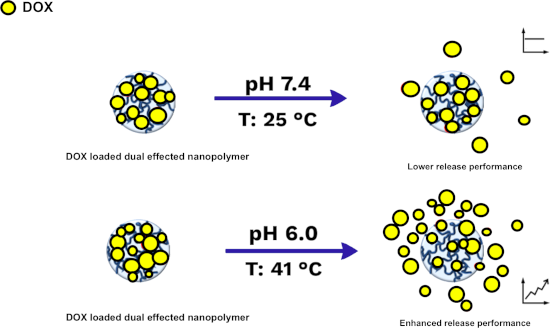
- of SNPs was measured as +14.1 mV at pH 7.0 [24]. Nanostructures with this surface charge will repel each other and will not aggregate. The high surface charge of the SNPs can be seen as evidence of suspension stability. In addition, the positively charged nanostructures are preferentially bound to


Therapeutic effect of F127-folate@PLGA/CHL/IR780 nanoparticles on folate receptor-expressing cancer cells
Beilstein J. Nanotechnol. 2024, 15, 954–964, doi:10.3762/bjnano.15.78
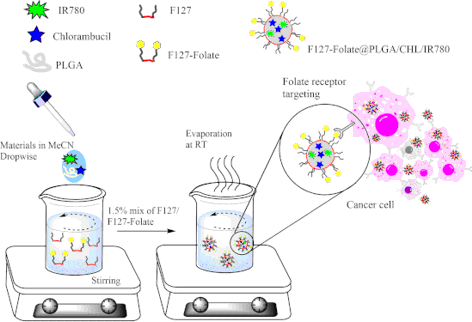
- [1][2][3][4][5]. In the study, we employed two methods, namely, single emulsion–evaporation and nanoprecipitation–diffusion, using F127 as a surfactant. The nanoparticles formulated by the emulsion–evaporation approach were not uniform and tended to aggregate (data not shown), while the nanoparticles
- medium did not affect the dispersion of nanoparticles; both F127-folate@PLGA/CHL/IR780 and F127@PLGA/CHL/IR780 did not aggregate much and remained well dispersed. Many factors contribute to an effective treatment using nanoparticles [39]. Among them, two can be deemed essential, namely, the half-life of



Electron-induced deposition using Fe(CO)4MA and Fe(CO)5 – effect of MA ligand and process conditions
Beilstein J. Nanotechnol. 2024, 15, 500–516, doi:10.3762/bjnano.15.45
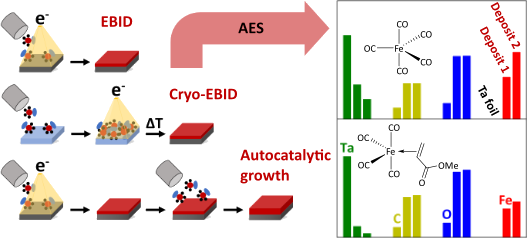
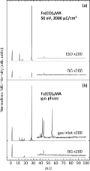
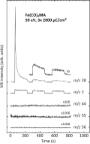
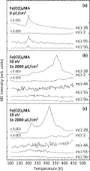
- combination with contributions of AG likely leads to aggregation and, thus, to a non-homogeneous thickness. In the extreme case that each aggregate has a thickness that exceeds the escape depth of the TaNNN Auger electrons (referred to herein as scenario B), the attenuation of the TaNNN signal would rather



Nanomedicines against Chagas disease: a critical review
Beilstein J. Nanotechnol. 2024, 15, 333–349, doi:10.3762/bjnano.15.30

- vicinity of target cells, signify they are bioavailable unless the drug is released or the nanomedicine is endocytosed. These factors make it difficult to determine the pharmacokinetics and biodistribution of nanomedicines. (iii) In the blood circulation, nanomedicines tend to aggregate, adsorb plasma
- advantageous because of the extraordinarily high BNZ loading, unexplored issues may arise from its huge specific surface area and interfacial free energy. Nanocrystals are thermodynamically unstable, with a tendency to aggregate, undergoing Oswald ripening and changes in the crystal polymorph, inducing

Fluorescent bioinspired albumin/polydopamine nanoparticles and their interactions with Escherichia coli cells
Beilstein J. Nanotechnol. 2023, 14, 1208–1224, doi:10.3762/bjnano.14.100

- and RhBITC-BSA/PDA NPs penetrated and accumulated in both cell wall and inner compartments of Escherichia coli (E. coli) cells. The fluorescence signals were diffuse or displayed aggregate-like patterns with both labelled NPs and free dyes. RhBITC-BSA/PDA NPs led to the most intense fluorescence in
- KE diad (e.g., catestatin) [13]. During the formation process, hydroxy groups of dopamine form hydrogen bonds with carboxylic groups (COO−) of glutamate (pKa = 4.3), whereas protonated amino groups (NH3+) of lysine (pKa = 10.5) further stabilize the aggregate by cation–π interactions with the
- interaction of the KE diad with DA [13]. Most of the DA molecules interact with the proteins, thus limiting the binding of proteins with each other or with PDA aggregates. This results in an increase in aggregate (i.e., particle) size. Hence, a rapid decrease in diameter was observed for BSA/DA ratios from



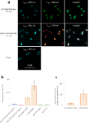
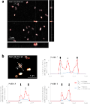
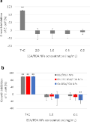
Curcumin-loaded albumin submicron particles with potential as a cancer therapy: an in vitro study
Beilstein J. Nanotechnol. 2023, 14, 1127–1140, doi:10.3762/bjnano.14.93
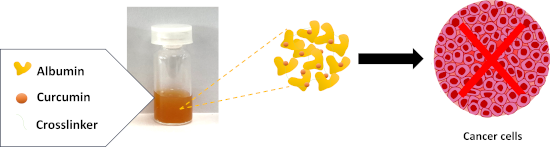
- silk core–shell nanoparticles show high cytotoxicity and cellular uptake regarding breast cancer cells [14]. However, the effectiveness of zein nanoparticles as a delivery vehicle is limited by their poor stability, as they tend to aggregate when suspended in water [15]. Lyophilizing the particles
- solution produced by reverse engineering, and make quality control more challenging [19]. Additionally, the degummed silk tends to aggregate when stored for long periods in an aqueous solution, typically for weeks at room temperature and for months at 4 °C [20]. Amongst various carriers, albumin seems to




Dual-heterodyne Kelvin probe force microscopy
Beilstein J. Nanotechnol. 2023, 14, 1068–1084, doi:10.3762/bjnano.14.88




Exploring internal structures and properties of terpolymer fibers via real-space characterizations
Beilstein J. Nanotechnol. 2023, 14, 1004–1017, doi:10.3762/bjnano.14.83

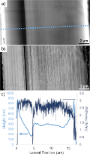
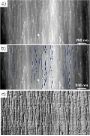
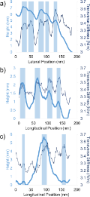
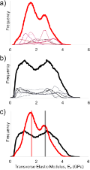
- above only reflect a semi-quantitative, relative comparison. To complement these qualitative comparisons, we also quantitatively compared the transverse elastic modulus (ET) obtained on suitable subdomains within Technora® and Kevlar® K29 fibers. Figure 8 highlights aggregate frequency distributions in





Green SPIONs as a novel highly selective treatment for leishmaniasis: an in vitro study against Leishmania amazonensis intracellular amastigotes
Beilstein J. Nanotechnol. 2023, 14, 893–903, doi:10.3762/bjnano.14.73

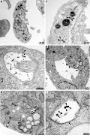
- flagellar pocket membrane. (D) In the macrophages infected with intracellular amastigotes, the SPIONs appear inside the parasitophorous vacuole and in the macrophage and parasite cytosol (arrowheads). In this image, it is also possible to observe the SPIONs surrounded by a membrane (arrows) and an aggregate




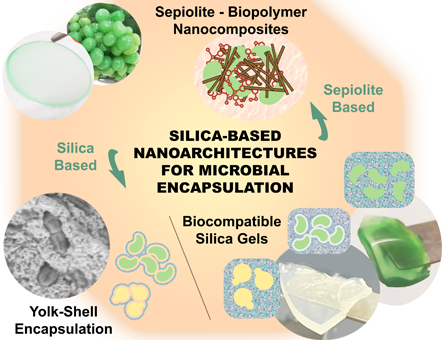
Nanoarchitectonics to entrap living cells in silica-based systems: encapsulations with yolk–shell and sepiolite nanomaterials
Beilstein J. Nanotechnol. 2023, 14, 522–534, doi:10.3762/bjnano.14.43
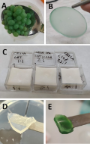
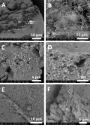
- cyanobacteria, the cells tend to aggregate around gel particles (Figure 3A). When cyanobacteria are encapsulated as yolk–shell structures, the microorganisms achieve a more homogeneous dispersion (Figure 3B). It is worth noting that this is not observed when yeasts are embedded within the material. Figure 3C


Quercetin- and caffeic acid-functionalized chitosan-capped colloidal silver nanoparticles: one-pot synthesis, characterization, and anticancer and antibacterial activities
Beilstein J. Nanotechnol. 2023, 14, 362–376, doi:10.3762/bjnano.14.31

- medium [74]. Since NPs are exposed to various forces that affect their stability and size in such environments (containing electrolytes, proteins and lipids), they may tend to collapse and aggregate. Although no aggregation and turbidity were observed during the preparation stage with the naked eye and


Biocatalytic synthesis and ordered self-assembly of silica nanoparticles via a silica-binding peptide
Beilstein J. Nanotechnol. 2023, 14, 280–290, doi:10.3762/bjnano.14.25

- critical value, the primary particles rapidly aggregate into larger particles, which results in the rapid drop in the OD (Figure 4a,d). Further studies are underway to take advantage of this interesting effect in synthesizing colloidally stable approx. 10 nm SiO2 particles at high volume fractions. Self




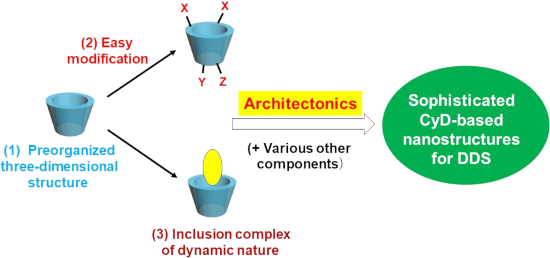
Cyclodextrins as eminent constituents in nanoarchitectonics for drug delivery systems
Beilstein J. Nanotechnol. 2023, 14, 218–232, doi:10.3762/bjnano.14.21
- photocatalytic process destroy subcellular structures (e.g., cell membranes or organelle membranes). Various types of cancers are effectively treatable without significant side effects. However, most photosensitizers available at present are hydrophobic and easily aggregate in aqueous solution. Thus, the




The influence of structure and local structural defects on the magnetic properties of cobalt nanofilms
Beilstein J. Nanotechnol. 2023, 14, 23–33, doi:10.3762/bjnano.14.3
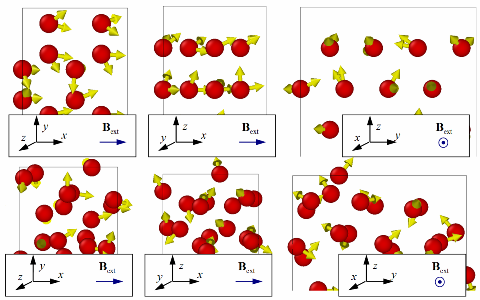
- working volume during change of aggregate states, and is actively implemented as a highly efficient and energy-saving technology in the field of construction [9] and solar energy [10]. Phase transformations occupy an important position in the theories of superconductivity and ferromagnetic alloys. These


Frequency-dependent nanomechanical profiling for medical diagnosis
Beilstein J. Nanotechnol. 2022, 13, 1483–1489, doi:10.3762/bjnano.13.122
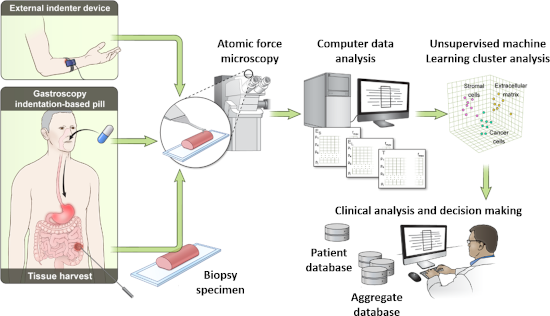
- nanomechanical measurements into medical diagnosis, which includes specialized in vivo sensing, computer analysis (AFM force spectroscopy analysis), communication with the healthcare provider, and mining of the aggregate community database. Given the mechanical nature of AFM, the above strategy naturally fits
- important features (“biomarkers”) within the data. Finally, the clinician correlates the obtained patient mechanical data with the patient demographics and an aggregate database to make a decision concerning disease stage and therapeutic approaches. Nomenclature: ES – storage modulus, EL – loss modulus, T


Facile preparation of Au- and BODIPY-grafted lipid nanoparticles for synergized photothermal therapy
Beilstein J. Nanotechnol. 2022, 13, 1432–1444, doi:10.3762/bjnano.13.118

- distinctive optical properties. However, AuNPs are easily aggregate and are difficult to eliminate in vivo. In a previous reported work, we synthesized LNPs grafted with tiny gold nanoclusters (Au-LNPs) to solve issues regarding aggregation and metabolism [8]. However, PTT of Au-LNPs is limited by the low
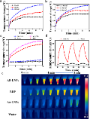
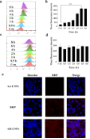
- = 18:2:5. The molar ratio of DSPE-DTPA/Au3+/BDP in all preparations was 2:1:1. AB-LNPs1 and AB-LNPs2 readily aggregate. AB-LNPs demonstrates good suspension stability. DLS size analysis of AB-LNPs. Data are shown as mean ± SD (n = 3). Funding This work received support from the National Natural




Design of surface nanostructures for chirality sensing based on quartz crystal microbalance
Beilstein J. Nanotechnol. 2022, 13, 1201–1219, doi:10.3762/bjnano.13.100
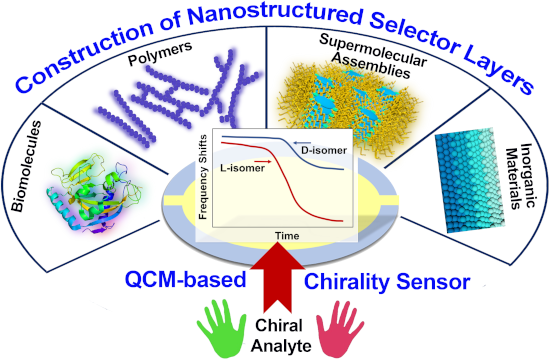
- deposition (MLD) using diethylzinc (DEZn) as the inorganic precursor and Cys enantiomer as the chiral organic precursor [122]. The Zn/Cys nanostructures showed a size of 15 nm and could tightly aggregate into a homogeneous and continuous film on the QCM surface. The QCM adsorption results indicated that ʟ


Recent advances in green carbon dots (2015–2022): synthesis, metal ion sensing, and biological applications
Beilstein J. Nanotechnol. 2022, 13, 1068–1107, doi:10.3762/bjnano.13.93
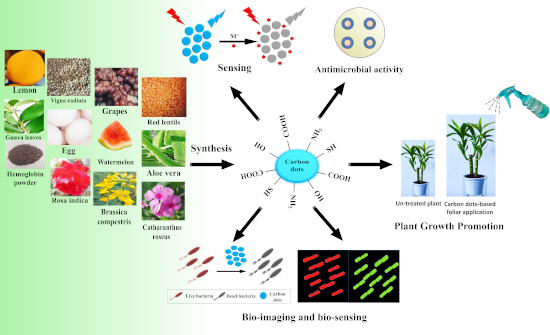
- that does not require complex post-chemical and ultrafiltration treatments, dialysis, and centrifugation was reported using table sugar. The resulting CDs aggregate and scatter light and help to visually detect Pb2+ ions by the turbidimetry method. It was found that there is a direct linear




Bioselectivity of silk protein-based materials and their bio-inspired applications
Beilstein J. Nanotechnol. 2022, 13, 902–921, doi:10.3762/bjnano.13.81

- fibres and, at the same time, to wrap their eggs and utilize sticky glue silk for prey capture. The different silks are named after the spidroin-producing spinning glands, such as major and minor ampulla, flagelliform, aggregate and piriform glands, which produce the scaffold thread, an auxiliary spiral


Zinc oxide nanostructures for fluorescence and Raman signal enhancement: a review
Beilstein J. Nanotechnol. 2022, 13, 472–490, doi:10.3762/bjnano.13.40
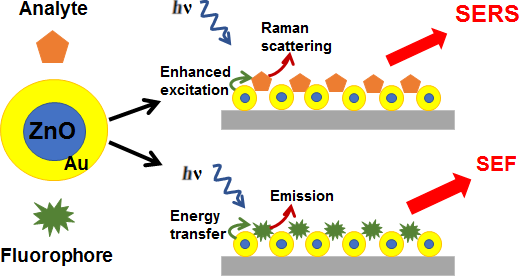
- annealing leads to ZnO NRs grown in the (002) direction and enhanced Raman signal. However, these types of NRs are not preferred for the growth of individual Au NPs used to further enhance the Raman signal, because the ZnO NRs tend to aggregate, which results in an inhomogeneous distribution of Au NPs on