Search results
Search for "gap" in Full Text gives 762 result(s) in Beilstein Journal of Nanotechnology. Showing first 200.
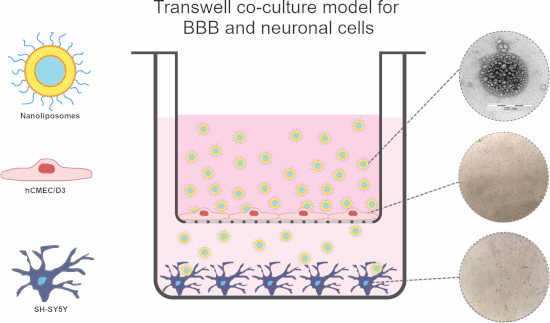
Influence of surface characteristics on the in vitro stability and cell uptake of nanoliposomes for brain delivery
Beilstein J. Nanotechnol. 2026, 17, 139–158, doi:10.3762/bjnano.17.9
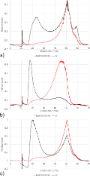




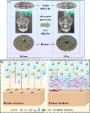
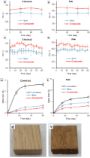
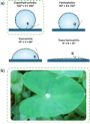
Functional surface engineering for cultural heritage protection: the role of superhydrophobic and superoleophobic coatings – a comprehensive review
Beilstein J. Nanotechnol. 2026, 17, 63–96, doi:10.3762/bjnano.17.6





Microscopic study of the intermediate mixed state in intertype superconductors
Beilstein J. Nanotechnol. 2026, 17, 57–62, doi:10.3762/bjnano.17.5
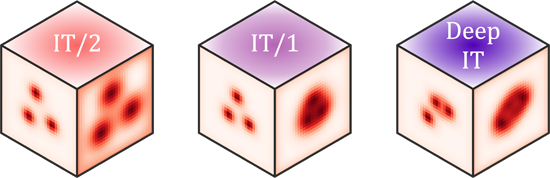
- type-I (κ < κ0) and type-II (κ > κ0) behavior [4]. However, experimental studies have shown that this traditional dichotomy is incomplete even for superconductors with a single gap function (single-band superconductors). In materials with κGL close to κ0, the magnetic flux penetrates the sample in
- beyond simple pairwise interactions and decisively shape IMS vortex configurations [26][27]. Despite the long-standing experimental evidence and theoretical efforts, IT superconductivity remains insufficiently explored. This gap arises from the limitations of perturbative approaches, which are strictly
- superconducting state is determined by solving the BdG equations [1][29]: where ui and vi are the particle and hole components of the quasiparticle wave function, and μ is the chemical potential. The superconducting gap Δi and Hartree–Fock potential Ui are obtained self-consistently from where n labels the BdG


Internal 3D temperature mapping in biological systems using ratiometric light-sheet imaging and lipid-coated upconversion nanothermometers
Beilstein J. Nanotechnol. 2025, 16, 2306–2316, doi:10.3762/bjnano.16.159
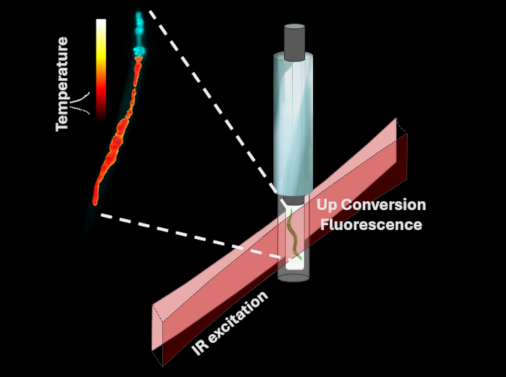
- energy gap between thermally coupled levels [42]. In our results, these effects are minimized, as the FIR calibration exhibits a consistent and linear temperature dependence over the 25–33 °C range, with no significant deviations from the expected response. This suggests that our UCNP system provides


Terahertz-range on-chip local oscillator based on Josephson junction arrays for superconducting quantum-limited receivers
Beilstein J. Nanotechnol. 2025, 16, 2296–2305, doi:10.3762/bjnano.16.158
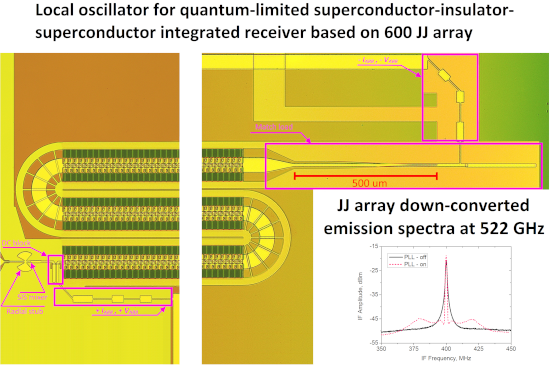
- junctions have ultimate characteristics unreachable to devices based on other principles [1][2][3]. The unique nonlinearity of the current–voltage characteristic (IVC) near the gap voltage of the junction enables the gain of the intermediate frequency (IF) signal after mixing with the radiation from the
- atmosphere gas components at the TELIS mission on board of the stratospheric balloon [17]. However, the LO based on FFO has some problems yet to be solved. The operation frequency of the FFO is limited by the gap frequency of the superconducting niobium that forms one or both of its electrodes [18
- ratio Rj/Rn over 20, where Rj and Rn are the resistance of the SIS junction below and above the gap voltage Vg, respectively [20]. A high tunnel current density is crucial for the RF and IF bandwidth of the mixer; however, to the best of our knowledge, the FFO based on Nb alloys has not been developed


Geometry-controlled engineering of the low-temperature proximity effect in normal metal–superconductor junctions
Beilstein J. Nanotechnol. 2025, 16, 2265–2273, doi:10.3762/bjnano.16.155
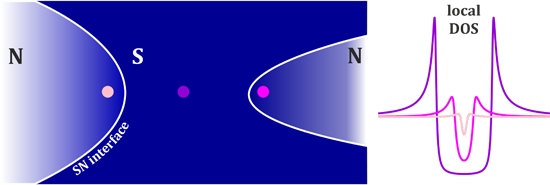
- to it. This phenomenon, known as the proximity effect, enables normal material to support supercurrents and to exhibit a reduced density of states near the Fermi level, where a gap opens in the single-particle spectrum as electrons form into Cooper pairs [1][2][3][4]. At the same time, unpaired
- the density of states (DOS) at low energies in the NM, that is, the proximity gap, induced by its proximity to the SC. The magnitude of the gap depends on the curvature parameter η. The proximity gap sets the lowest quasiparticle excitation energy scale in the NM region, crucial for coherence and
- stability of superconducting hybrid devices. For NS junctions with large positive curvature, that is, for quasi-low-dimensional structures, a robust proximity gap emerges, persisting over extended distances because of enhanced superconducting correlations. However, real systems often exhibit a soft gap in


Missing links in nanomaterials research impacting productivity and perceptions
Beilstein J. Nanotechnol. 2025, 16, 2168–2176, doi:10.3762/bjnano.16.149
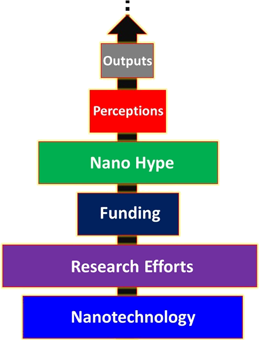
- very little penetration into everyday public life. This stark gap highlights a sobering reality: Even after decades of research and good funding, the real-world integration and due consumption of nanomaterials are still minimal. When we compare the return on investment and impact with other
- commercialization of these advancements. As a result, only a few companies are currently utilizing the potential of nanomaterials by training their workforce accordingly (Table 1). To overcome this gap, we need globally structured and domain-specific educational programs in nanoengineering, starting from secondary
Microplastic pollution in Himalayan lakes: assessment, risks, and sustainable remediation strategies
Beilstein J. Nanotechnol. 2025, 16, 2144–2167, doi:10.3762/bjnano.16.148
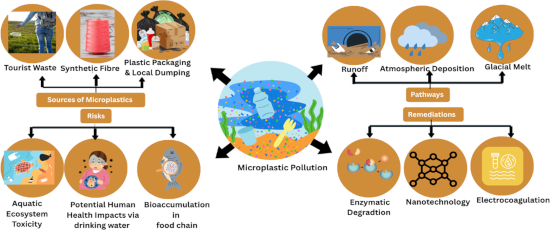
- application of nanomaterials for microplastic removal is elaborated in detail, and case studies validated their effectiveness, especially in cold environments with strong UV irradiation. In the face of increasing worldwide research into microplastic contamination, there remains a huge knowledge gap concerning
- spring water and fish highlights potential exposure. This gap underscores the urgent need for region-specific health monitoring and food safety assessments. Recent studies report the identification of MPs in bottled and mountain spring-collected tap water samples and their bioaccumulation in the human
- another important knowledge gap since toxicity mechanisms, exposure routes, and long-term risks are still not well established. It should be directed towards understanding ingestion, inhalation, and dermal exposure pathways, as well as to MP ability to act as a vector of toxic chemicals and microorganisms


Electron transport through nanoscale multilayer graphene and hexagonal boron nitride junctions
Beilstein J. Nanotechnol. 2025, 16, 2132–2143, doi:10.3762/bjnano.16.147
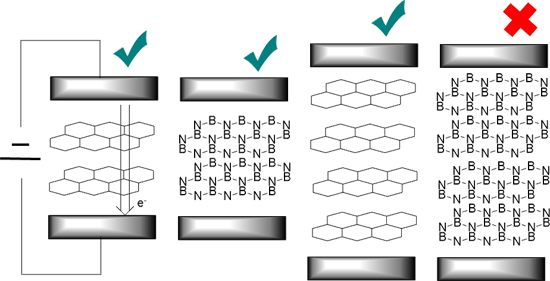
- Stone–Wales defect opens a direct bandgap of 0.06 eV and an indirect bandgap of 0.05 eV. In h-BN, the Stone–Wales defect leads to defect levels within the bandgap and narrows the direct gap to 3.31 eV and the indirect gap to 3.11 eV, which is in line with reported theoretical results [33]. Figure 3


Quality by design optimization of microemulsions for topical delivery of Passiflora setacea seed oil
Beilstein J. Nanotechnol. 2025, 16, 2116–2131, doi:10.3762/bjnano.16.146
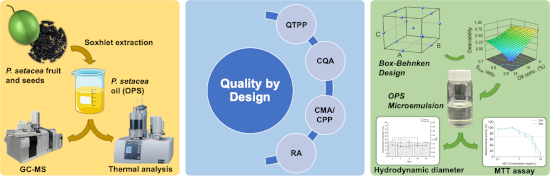
- surface tension [13]. Rheological analysis The rheological behavior of the ME formulations was evaluated using an MCR-302 rheometer (Anton Paar) equipped with a cone-plate geometry (50 mm diameter, 1° angle, and 96 µm gap). Samples were subjected to a shear rate ranging from 0.1 to 100 s−1 at both room


Stereodiscrimination of guests in chiral organosilica aerogels studied by ESR spectroscopy
Beilstein J. Nanotechnol. 2025, 16, 2034–2054, doi:10.3762/bjnano.16.140
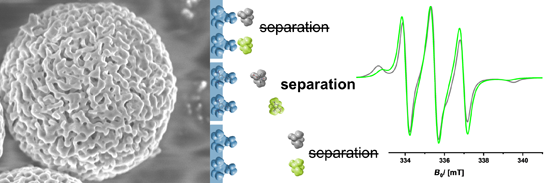
- , theoretical methods have helped to gain deeper insights, but there is still a gap in experimental data. Different experimental methods are used to investigate transport in porous media. Chromatography itself has to be counted as one method that delivers information about the macroscopic properties of a




Beyond the shell: exploring polymer–lipid interfaces in core–shell nanofibers to carry hyaluronic acid and β-caryophyllene
Beilstein J. Nanotechnol. 2025, 16, 2015–2033, doi:10.3762/bjnano.16.139
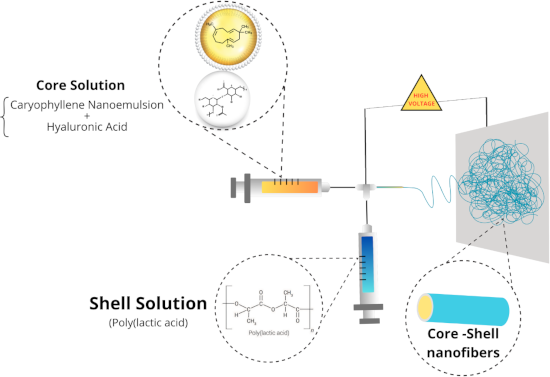
- critical gap persists in thoroughly understanding the complex polymer–lipid interactions, particularly in systems designed for the simultaneous co-encapsulation of compounds with vastly different physicochemical properties, such as hydrophilic HA and lipophilic βCp. An in-depth understanding of these
- engineered for hyaluronic acid and βCp co-delivery. The insights gained from this investigation are crucial for bridging this specific knowledge gap and may guide the design of optimized hybrid therapeutic platforms. Results and Discussion This study aimed to develop and investigate PLA nanofibers




The cement of the tube-dwelling polychaete Sabellaria alveolata: a complex composite adhesive material
Beilstein J. Nanotechnol. 2025, 16, 1998–2014, doi:10.3762/bjnano.16.138
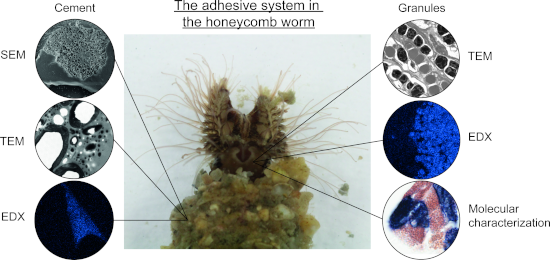
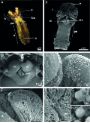
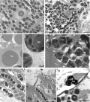
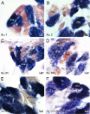
- characterization of the adhesive system of S. alveolata through the ultrastructural and chemical characterization of the two types of adhesive cells and the cement they produce, as well as the identification of new adhesive protein candidates. Another goal is to address the gap in knowledge about adhesive protein



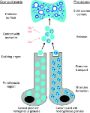
Laser ablation in liquids for shape-tailored synthesis of nanomaterials: status and challenges
Beilstein J. Nanotechnol. 2025, 16, 1963–1997, doi:10.3762/bjnano.16.137
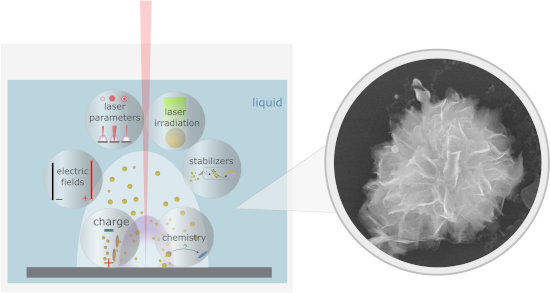
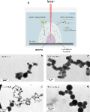
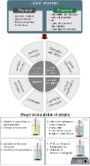
- achieved. Despite recent advances, there is still a gap in understanding the routes for shape control of the forming nanomaterials hindered by the limited information about the mechanisms of laser ablation process in liquids. The demand for anisotropic nanomaterials is growing, associated with the rapid




Quantum circuits with SINIS structures
Beilstein J. Nanotechnol. 2025, 16, 1931–1941, doi:10.3762/bjnano.16.134
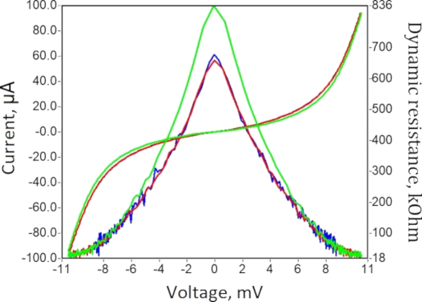
- contact. When tunneling from a normal metal into a superconductor, due to the presence of an energy gap (Δ), only electrons whose energy exceeds Δ can tunnel into the superconductor. Without applying an external voltage or in the case when eV < Δ (T = 0), tunneling does not occur. Accordingly, a tunnel
- the energy gap of the superconductor and kB is the Boltzmann constant. The differential resistance is expressed by the following formula: It should also be noted that, in addition to the tunnel current in NIS structures, the presence of a subgap (Andreev) current caused by the Andreev reflection
- external noise and increase the signal-to-noise ratio, the NIS junctions are connected in series arrays (Figure 3). The temperature dependency of the resistance ratio for aluminum SIN junctions is shown in Figure 4. Electron coolers The tunneling current, when biased near the energy gap, carries hot


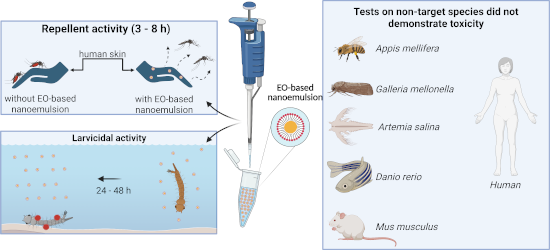
Targeting the vector of arboviruses Aedes aegypti with nanoemulsions based on essential oils: a review with focus on larvicidal and repellent properties
Beilstein J. Nanotechnol. 2025, 16, 1894–1913, doi:10.3762/bjnano.16.132


On the road to sustainability – application of metallic nanoparticles obtained by green synthesis in dentistry: a scoping review
Beilstein J. Nanotechnol. 2025, 16, 1851–1862, doi:10.3762/bjnano.16.128
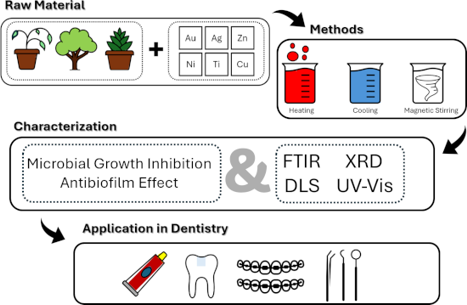
- conducted exclusively in vitro experiments, with no progression to in vivo experimentation in 53.7% (n = 53) of cases. Moreover, 47.8% (n = 45) lacked cytotoxicity assessments or evaluations in human cells. This gap raises important concerns regarding the long-term biocompatibility, biodistribution, and


Ambient pressure XPS at MAX IV
Beilstein J. Nanotechnol. 2025, 16, 1677–1694, doi:10.3762/bjnano.16.118

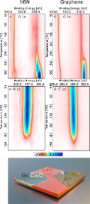
- the use of XPS in reactive environments. Ambient pressure XPS (APXPS) with soft X-rays addresses this limitation by enabling surface chemical analysis at pressures up to the millibar range, bridging the gap that restricts conventional XPS to UHV. This allows for in situ and operando investigations of
- as HfO2, which allows for the creation of much smaller gate sizes. Another suggested change is to substitute the silicon channels with a III–V semiconductor material such as InAs, which, among other properties, has a narrower band gap [62]. However, one challenge to overcome with the InAs/HfO2
- spectrometry will enable a more holistic understanding of structure–function relationships at working interfaces. Additionally, the development of correlated, spatially resolved measurements, potentially via photoemission electron microscopy (PEEM) or scanning probe methods, could further bridge the gap





Few-photon microwave fields for superconducting transmon-based qudit control
Beilstein J. Nanotechnol. 2025, 16, 1580–1591, doi:10.3762/bjnano.16.112
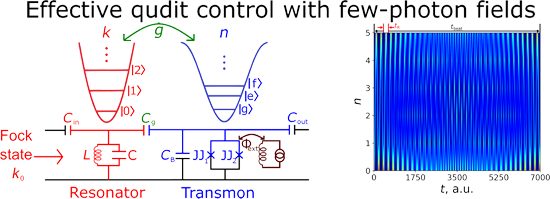
- experiments, where everyone deals with the weak coupling regime when g/2π ≈ 10 MHz and γ/2π ≈ −100 MHz. Devoret et al. [49] showed that the coupling of the JJ system with the resonator can be significantly enhanced by placing it in the gap of the central conductor of the coplanar waveguide. In this case, the


Transient electronics for sustainability: Emerging technologies and future directions
Beilstein J. Nanotechnol. 2025, 16, 1545–1556, doi:10.3762/bjnano.16.109
- -bandgap bioresorbable semiconductors based on magnesium–silicon alloys, such as Mg2Si, could be promising candidates to fill this gap (Figure 2a) [49][50]. However, further exploration is needed to discover and engineer additional semiconducting materials, including a broader range of silicon- or


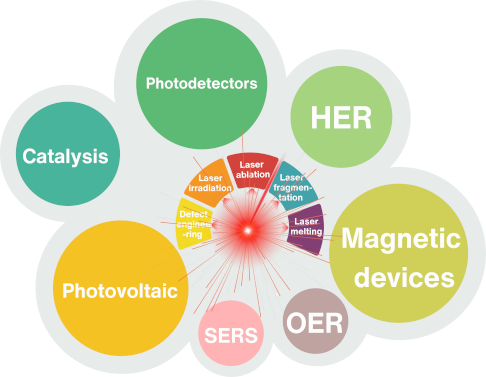
Laser processing in liquids: insights into nanocolloid generation and thin film integration for energy, photonic, and sensing applications
Beilstein J. Nanotechnol. 2025, 16, 1428–1498, doi:10.3762/bjnano.16.104
- empirical relationship based on the gap distance between the blade and the substrate, g, and c, the concentration of solid material in the ink in grams per cubic centimeter, and the density of the material, ρ in grams per cubic centimeter [112]: Thin films of ZnO and Ag/Au–ZnO hybrid nanomaterials were






The role of biochar in combating microplastic pollution: a bibliometric analysis in environmental contexts
Beilstein J. Nanotechnol. 2025, 16, 1401–1416, doi:10.3762/bjnano.16.102
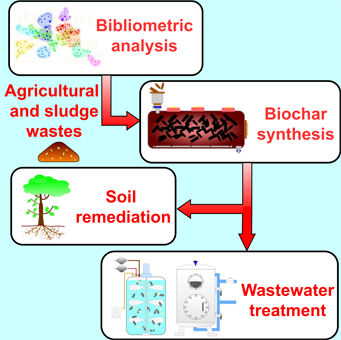
- multifunctionality presents a promising approach for mitigation. Nonetheless, further research is required to bridge the gap between laboratory-scale studies and real-world applications, ensuring technological feasibility, economic viability, and alignment with future regulatory frameworks. Conclusion and Future



Ferroptosis induction by engineered liposomes for enhanced tumor therapy
Beilstein J. Nanotechnol. 2025, 16, 1325–1349, doi:10.3762/bjnano.16.97
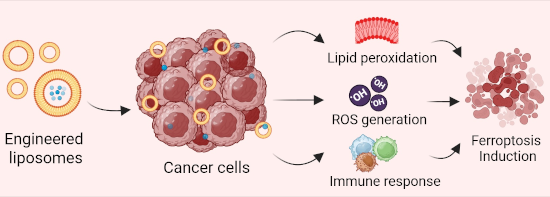
- therapy and is closely linked to alterations in cancer metabolism [2][3][4]. Changed metabolic pathways allow cancer cells to grow faster than usual, adapt to restricted nutrient conditions, and develop drug resistance [3]. There is still a gap in the efficacy of various cancer therapies despite numerous


Wavelength-dependent correlation of LIPSS periodicity and laser penetration depth in stainless steel
Beilstein J. Nanotechnol. 2025, 16, 1302–1315, doi:10.3762/bjnano.16.95
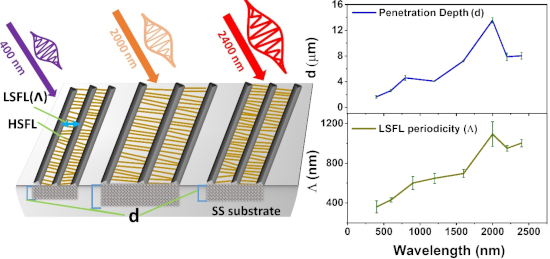
- -organization [33] to second harmonic generation [11] and cavitation instability [23][50][51]. Despite numerous studies, the formation mechanism of HSFL and the reason for their shorter periodicity compared to the laser wavelength remain elusive. Our previous work addressed this gap by patterning a single line




Enhancing the photoelectrochemical performance of BiOI-derived BiVO4 films by controlled-intensity current electrodeposition
Beilstein J. Nanotechnol. 2025, 16, 1289–1301, doi:10.3762/bjnano.16.94
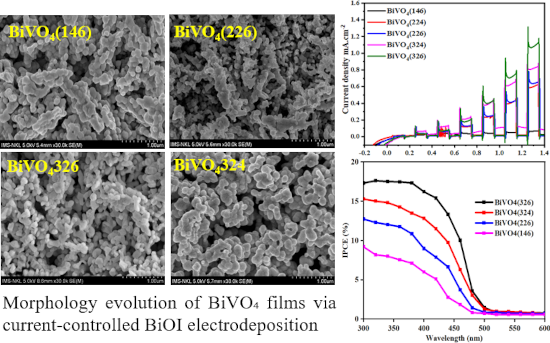
- absorption still measurable up to about 650 nm. This sub-bandgap absorption occurs because of the creation of mid-gap states, mainly caused by missing oxygen atoms and structural issues that arise during high-current electrodeposition or when using higher amounts of the VO(acac)2 precursor. The redshifted