Search results
Search for "hydrogen" in Full Text gives 824 result(s) in Beilstein Journal of Nanotechnology. Showing first 200.
Laser ablation in liquids for shape-tailored synthesis of nanomaterials: status and challenges
Beilstein J. Nanotechnol. 2025, 16, 1963–1997, doi:10.3762/bjnano.16.137
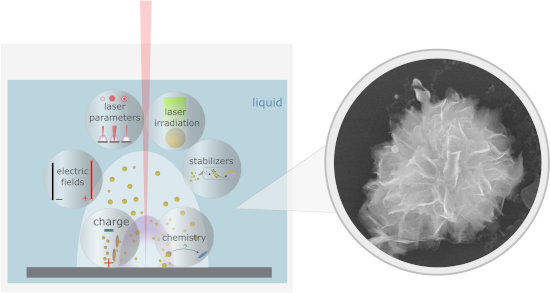
- hydrogen and peroxide radicals, as well as hydroxide and hydrogen ions that are changing the liquid parameters (such as pH) and can participate in the processes occurring with NPs during the later stages of growth, self-organization, and ageing. The produced reactive species might result in NP surface
- during Mn target ablation in a nickel chloride solution, by the involvement of hydrogen radicals, hydroxide ions, and hydroxyl groups reacting with Ni2+ ions. The authors state further shape transformation of the formed nanosheets into hierarchical spheres. In a similar process, Hunter et al. [51
- ] prepared nanosheets of mixed nickel and iron hydroxide with a complex composition ([Ni1−xFex(OH)2](NO3)y(OH)x−y·nH2O). The authors used nanosecond ablation of the dispersed metal powders in a salt solution of the second element. The effect of hydrogen ions formed as a result of a liquid decomposition was




PEGylated lipids in lipid nanoparticle delivery dynamics and therapeutic innovation
Beilstein J. Nanotechnol. 2025, 16, 1914–1930, doi:10.3762/bjnano.16.133
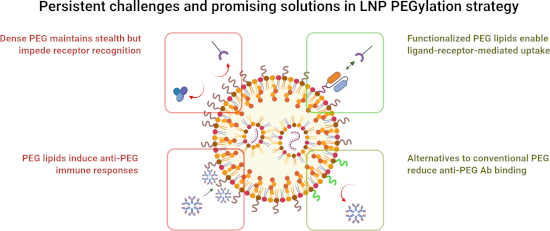
- ) (PMOZ) and poly(2-ethyl-2-oxazoline) (PEOZ) [82][83]. Structurally, these polymers have short alkyl side chains that contribute to high hydrophilicity and flexibility. Unlike the entangled PEG chains due to interchain hydrogen bonding and van der Waals forces, poly(2-oxazoline) chains have shorter side


Self-assembly and adhesive properties of Pollicipes pollicipes barnacle cement protein cp19k: influence of pH and ionic strength
Beilstein J. Nanotechnol. 2025, 16, 1863–1872, doi:10.3762/bjnano.16.129
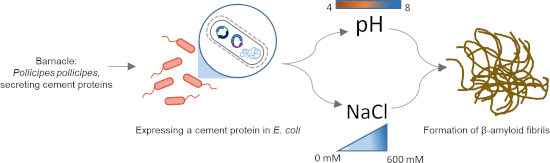
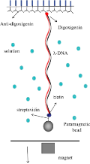
- secreted by the foot [4]. Each thread ends in an adhesive plaque composed of mussel foot proteins (Mfps), which are rich in the modified amino acid ʟ-3,4-dihydroxyphenylalanine (DOPA) [5]. DOPA is formed via post-translational hydroxylation of tyrosine and mediates wet surface adhesion through hydrogen


Current status of using adsorbent nanomaterials for removing microplastics from water supply systems: a mini review
Beilstein J. Nanotechnol. 2025, 16, 1837–1850, doi:10.3762/bjnano.16.127
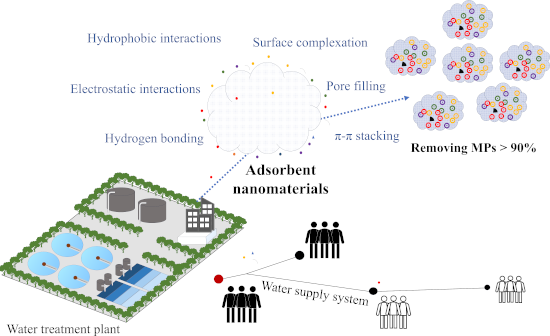
- conventional treatments removing only 40–70%, especially struggling with smaller particles. Based mainly on mechanisms like electrostatic interactions, hydrophobic interactions, pore filling, hydrogen bonding, π–π stacking, and surface complexation, adsorbent nanomaterials achieve over 90% removal of MPs and
- general and MPs in particular. By using corncob biochar, Abdoul Magid et al. showed an adsorption of polystyrene nanoplastics (PSNPs) of about 19 mg·g−1. The main mechanisms of PSNP adsorption include increased surface area from pyrolysis and oxidation, hydrophobic interactions (fresh biochar), hydrogen
- between oppositely charged functional groups (amino and carboxyl groups), hydrogen bonding between oxygen-containing groups and amine or carboxyl groups, and π–π stacking between GO and the aromatic rings of MPs [68]. Similarly, obtaining an MP adsorption capacity above 90.4% after three cycles, Ko et al


Piezoelectricity of layered double hydroxides: perspectives regarding piezocatalysis and nanogenerators
Beilstein J. Nanotechnol. 2025, 16, 1812–1817, doi:10.3762/bjnano.16.124
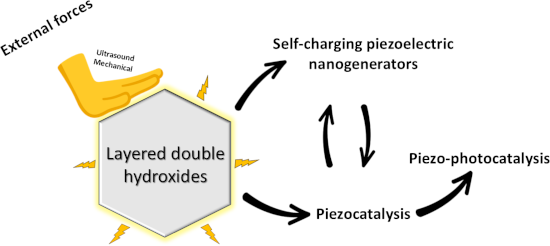
- piezoelectric performance of such promising materials for energy harvesting as polyvinylidene fluoride (PVDF) through strong hydrogen bonding between the hydroxy groups of LDHs and the electronegative fluorine atoms of PVDF [11]. In the work of Shetty et al., incorporation of a low content of sodium

Electrical, photocatalytic, and sensory properties of graphene oxide and polyimide implanted with low- and medium-energy silver ions
Beilstein J. Nanotechnol. 2025, 16, 1794–1811, doi:10.3762/bjnano.16.123
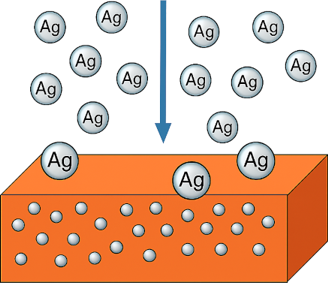
- × 1016 cm−2. This increase is accompanied by a slight decrease in the atomic concentration of oxygen and hydrogen, which decreases by 3 atom %, as indicated in Table 2 and Figure 3b. Next, we studied PI implanted with 20 keV Ag ions. It is clear from Figure 3c and Table 3 that there are only negligible
- elements such as oxygen and hydrogen in most cases (GO and PI). The most pronounced changes were achieved at an energy of 1.5 MeV and an ion fluence of 1 × 1016 cm−2. A similar trend was confirmed by XPS. We also observed changes in roughness as a result of ion irradiation. It was shown that the


Exploring the potential of polymers: advancements in oral nanocarrier technology
Beilstein J. Nanotechnol. 2025, 16, 1751–1793, doi:10.3762/bjnano.16.122
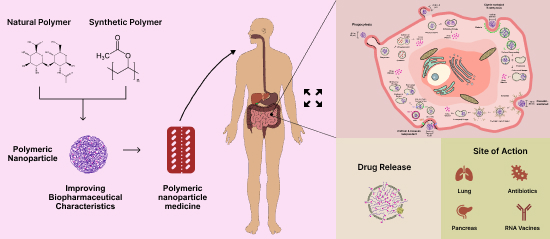
- system. Consequently, coating the nanoparticle surface with hydrophilic polymers decreases hydrophobicity and enhances its stealth properties [64]. Polymeric coating strategies are instrumental in preventing interactions with mucin through hydrophobic, electrostatic, and hydrogen bonds, while also


Ambient pressure XPS at MAX IV
Beilstein J. Nanotechnol. 2025, 16, 1677–1694, doi:10.3762/bjnano.16.118

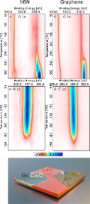
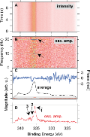
- revealed that H2 promotes the formation of a dense OH–H2O phase below the graphene. In contrast, CO alone showed minimal intercalation and instead scavenged oxygen. When CO and H2 were pulsed together, hydrogen modified the undercover chemistry: the formation of the OH-H2O phase lifts the graphene flake
- ) are coupled to the HIPPIE and SPECIES endstations to allow for photoirradiation in both UHV and ambient pressure environments (Figure 9) [44]. The most environmentally friendly alternative to fossil fuels is green hydrogen; however, producing it at a reasonable price remains challenging. A prominent
- application is photocatalytic water splitting for green hydrogen production. Urpelainen and colleagues clarified the mechanisms of photocatalytic hydrogen evolution reaction (HER) in a new prospective model system, the Ni@NiO/NiCO3 photocatalyst, under dark and illuminated conditions at 1 mbar of H2O [45





Prospects of nanotechnology and natural products for cancer and immunotherapy
Beilstein J. Nanotechnol. 2025, 16, 1644–1667, doi:10.3762/bjnano.16.116
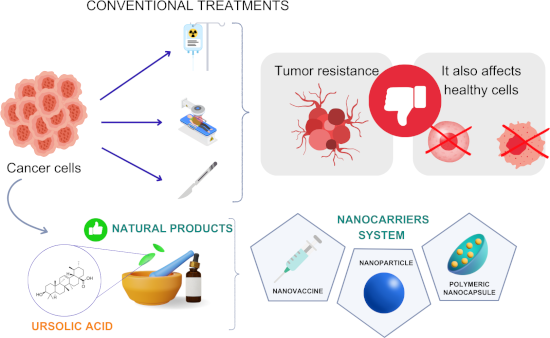
- spontaneously from the organization of active or natural compounds, without the presence of a carrier material or excipients. Their stability is due to the presence of intermolecular interactions, such as electrostatic forces, hydrogen bonding, π–π stacking, and hydrophobic interactions [104][105]. Among the
- ) complex that targets the PD-L1 gene, a cell-penetrating peptide, and a tumor cell membrane derived from HepG2 cells. Characterization of the nanoparticles showed that the nanocomplex was stabilized by hydrogen bonds, van der Waals forces, and hydrophobic forces. In addition, confocal microscopy, gene



Nanotechnology-based approaches for the removal of microplastics from wastewater: a comprehensive review
Beilstein J. Nanotechnol. 2025, 16, 1607–1632, doi:10.3762/bjnano.16.114
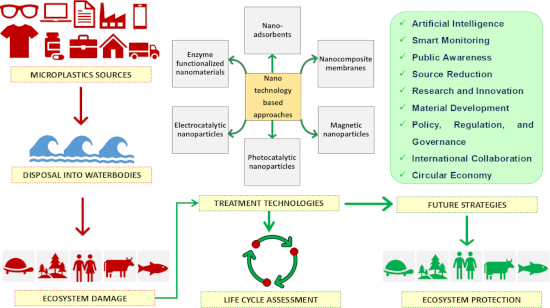
- pollutants adsorbed on its surface. In Fenton and Fenton-like processes, hydroxyl (•OH) radicals are formed when hydrogen peroxide reacts with a metallic active phase, such as Fe2+, facilitating the oxidation and breakdown of contaminants [58]. Table 2 depicts the advantages and limitations of various
- the process. The removal of MPs by adsorbents primarily relies on hydrophobic interactions, electrostatic attraction and hydrogen bonding, which are influenced by their surface characteristics. Among various adsorbents, activated carbon and biochar have gained wide attention for treating water
- . Interaction with oxygen forms peroxy radicals, which extract hydrogen atoms from the polymer backbone, creating hydroperoxide intermediates. These intermediates break down into alkoxy radicals, which further react to produce carbonyl and vinyl groups, markers of advanced photo-oxidation. The presence of these


Photocatalytic degradation of ofloxacin in water assisted by TiO2 nanowires on carbon cloth: contributions of H2O2 addition and substrate absorbability
Beilstein J. Nanotechnol. 2025, 16, 1567–1579, doi:10.3762/bjnano.16.111
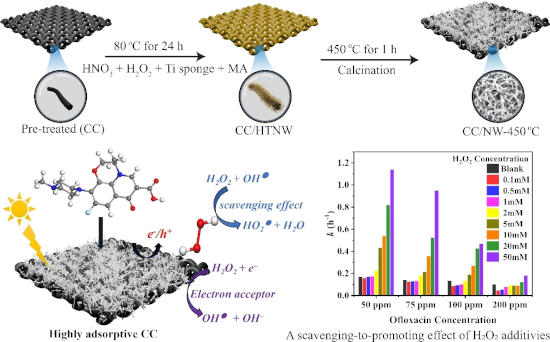
- nanowires remove 90–97% OFL in water with a high initial concentration of 50 ppm in 6 h under UV light irradiation for up to six cycles. The contributions of the hydrogen peroxide (H2O2) additive were also studied. An enhanced efficiency could be achieved only when the H2O2 in water reaches a critical
- . Hydrogen peroxide (30 wt %, AR), HNO3 (65 wt %, AR), and ethyl alcohol (99.7 wt %, AR) were purchased from Sinopharm Chemical Reagent Co., Ltd., China. Melamine (99 wt %, AR) was purchased from Aladdin, China. PHILPS Lighting Investment Company Limited, China, provided the UV lamp. All chemicals were used
- and deionized water alternately in an ultrasonic bath, followed by drying at 60 °C. After that, it was immersed in 200 mL of a 30 wt % H2O2 solution, containing 60 mg of melamine, 4 mL of 65 wt % HNO3, and 1 g of titanium sponge, at 80 °C for 24 h to facilitate the precipitation of hydrogen titanate


Transient electronics for sustainability: Emerging technologies and future directions
Beilstein J. Nanotechnol. 2025, 16, 1545–1556, doi:10.3762/bjnano.16.109
- and the presence of specific ions, such as hydrogen phosphate and chloride (HPO42− and Cl−) [43] are known to accelerate the degradation process. The biodegradation rate of silicon is also influenced by its crystallographic structure. Polycrystalline silicon degrades faster than single-crystalline


Dendrimer-modified carbon nanotubes for the removal and recovery of heavy metal ions from water
Beilstein J. Nanotechnol. 2025, 16, 1522–1532, doi:10.3762/bjnano.16.107
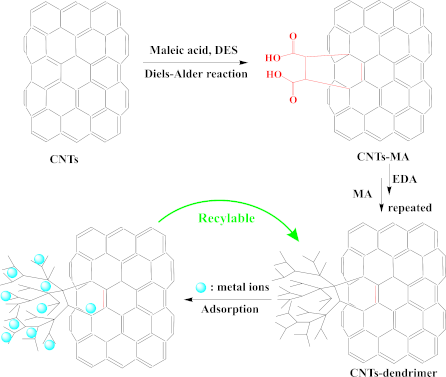
- reagents or solvent systems [39][40]. DESs are formed through hydrogen bonding between two solid components resulting in eutectic liquids having a melting point lower than those of the individual components [41][42]. They offer advantages such as simple synthesis, low cost, and broad applications in
- the CNTs was found to be increased with the successive growth of dendrimers resulting in dense carbon nanotubes. It could be due to the interactions such as hydrogen bonding between the growing number of functional groups on the surface of CNTs because of successive growth of dendrimers. Moreover


Laser processing in liquids: insights into nanocolloid generation and thin film integration for energy, photonic, and sensing applications
Beilstein J. Nanotechnol. 2025, 16, 1428–1498, doi:10.3762/bjnano.16.104
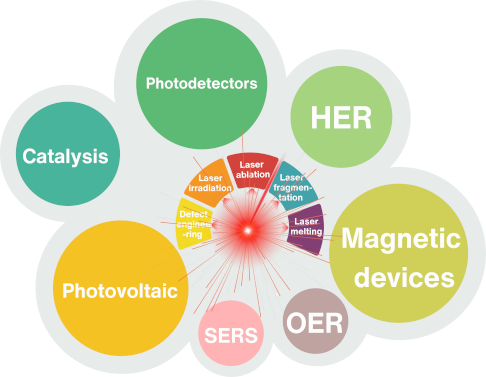
- , electrochemical/photoelectrochemical sensors, hydrogen/oxygen evolution, SERS sensors and other types of devices reported so far. The last section explains the challenges and further scope of these devices from laser-generated nanocolloids. Keywords: HER/OER/water splitting; laser synthesis of nanomaterials






Photochemical synthesis of silver nanoprisms via green LED irradiation and evaluation of SERS activity
Beilstein J. Nanotechnol. 2025, 16, 1417–1427, doi:10.3762/bjnano.16.103
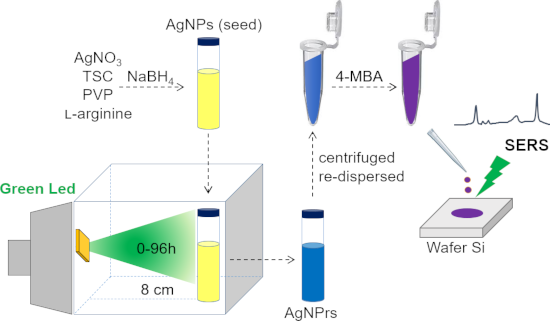
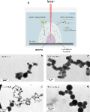
- step of the entire process [3]. During this stage, small silver nanoparticles (seeds) can combine and evolve into anisotropic nanostructures through a chemical process in the presence of hydrogen peroxide (H2O2) and sodium borohydride, commonly referred to as the Mirkin method [4]. Recently


The role of biochar in combating microplastic pollution: a bibliometric analysis in environmental contexts
Beilstein J. Nanotechnol. 2025, 16, 1401–1416, doi:10.3762/bjnano.16.102
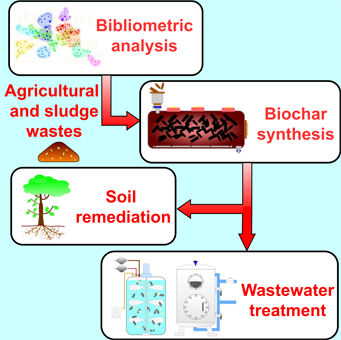
- utilizing silica sand and corn straw biochar for 10 µm PS particles [38]. For particles larger than 75 µm, mechanisms such as hydrogen bonding and hydrophobic interactions dominate, while smaller particles (<75 µm) are removed through π–π interactions between the benzene rings of PS and biochar surfaces
- , surface adsorption, hydrogen bonding, and surface complexation [67]. These findings highlight the potential of diverse biochar configurations for efficient MP removal under various conditions. Recent studies on biochar derived from coffee waste modified with amino-functionalized zeolite/phosphoric acid



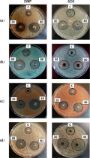
Synthesis and antibacterial properties of nanosilver-modified cellulose triacetate membranes for seawater desalination
Beilstein J. Nanotechnol. 2025, 16, 1380–1391, doi:10.3762/bjnano.16.100
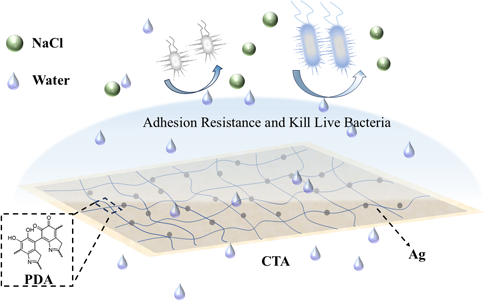
- the C/O ratio of the PCTA film. This decrease in the C/O ratio is likely attributed to hydrogen bonding interactions between the –OH groups in Ag(NH3)2OH and the PDA layer. These interactions enhance the oxygen content relative to carbon, thereby reducing the C/O ratio. Collectively, these results
- primary factors. First, the abundant –OH and amino groups in PDA promote hydrogen bonding with water molecules, thereby enhancing the hydrophilicity of the membrane surface. This effect is further amplified by the dopamine coating, which not only increases the membrane thickness but also augments its


Ferroptosis induction by engineered liposomes for enhanced tumor therapy
Beilstein J. Nanotechnol. 2025, 16, 1325–1349, doi:10.3762/bjnano.16.97
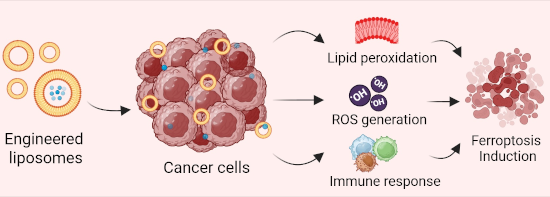
- reactions of hydrogen peroxides in LIPs under the name of the Fenton reaction [59][60]. In addition, iron regulatory proteins (IRPs) such as IRP1 and IRP2 regulate the expression of DMT1 and TfR1, ferritin, and FPN1 by binding to the mRNA of iron response elements (IREs). Under iron deficiency conditions


Enhancing the photoelectrochemical performance of BiOI-derived BiVO4 films by controlled-intensity current electrodeposition
Beilstein J. Nanotechnol. 2025, 16, 1289–1301, doi:10.3762/bjnano.16.94
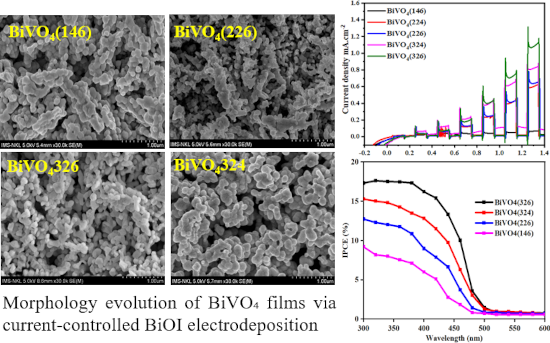
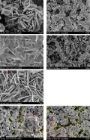
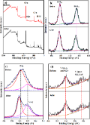
- renewable and sustainable energy sources has become a top priority in science and technology [1][2]. Photoelectrochemical (PEC) water-splitting systems hold significant promises for converting abundant solar energy into chemical fuels, such as hydrogen [3][4]. However, their widespread application is still



Functional bio-packaging enhanced with nanocellulose from rice straw and cinnamon essential oil Pickering emulsion for fruit preservation
Beilstein J. Nanotechnol. 2025, 16, 1234–1245, doi:10.3762/bjnano.16.91
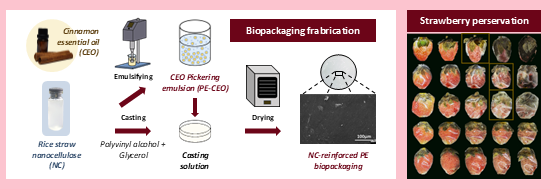
- matrix properties, including tensile strength, elasticity, and thermal stability, due to its high surface area, hydroxy groups forming hydrogen bonds, and excellent dispersion within the matrix [20][21]. This improvement is attributed to interaction between hydroxy groups in NC and PVA, effectively
- ), 2900 cm−1 (C–H stretching), and 1420 cm−1 (C–H bending), which align with the chemical structure of PVA [22][24]. When NC was added, the O–H stretching peak became broader and shifted slightly to 3315 cm−1, which can be attributed to the hydrogen bonding between PVA and NC [24]. For rCBP, additional
- characteristic peaks confirm the presence of functional groups associated with PE-CEO and polymer interactions. The broad absorption band around 3300 cm−1 corresponds to O–H stretching vibrations, indicating hydrogen bonding between the biopolymer and PE-CEO components [24]. The intensity of the peaks at 1730 cm



Hydrogels and nanogels: effectiveness in dermal applications
Beilstein J. Nanotechnol. 2025, 16, 1216–1233, doi:10.3762/bjnano.16.90
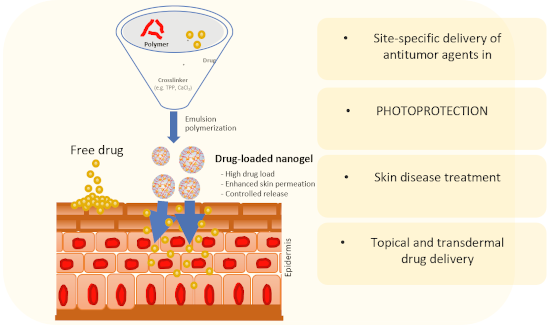
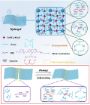
- - or intermolecularly cross-linked by chemical bonding or physical interaction (Figure 1). Physical cross-linking is performed using interactions other than the covalent bond, such as hydrogen bonding or ionic interaction. Physical cross-links can be reversibly dissociated and recombined under specific
- through the oxidative coupling of catechol groups using a hydrogen peroxide/horseradish peroxidase (H2O2/HRP) catalytic system [41]. The addition of the antibiotic doxycycline provided the hydrogels with antimicrobial activity to treat infected full-thickness defect wounds. Flexible films composed of


Chitosan nanocomposite containing rotenoids: an alternative bioinsecticidal approach for the management of Aedes aegypti
Beilstein J. Nanotechnol. 2025, 16, 1197–1208, doi:10.3762/bjnano.16.88
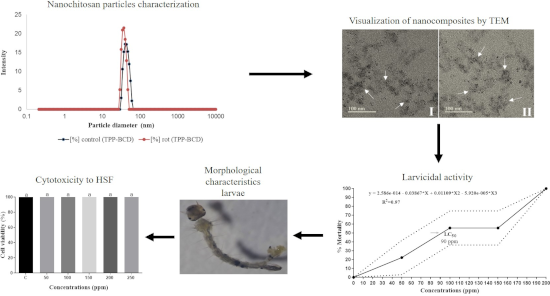
- with smaller size, improved polydispersity index, and enhanced stability, evidenced by a higher zeta potential. FTIR analysis confirmed rotenoid incorporation into the nanocomposite and suggested hydrogen bonding or potential covalent interaction with chitosan functional groups. Bioassays demonstrated
- nanocomposite. Additionally, a noticeable reduction in the intensity of the amide-related bands in CS/TPP-β-CD-rot suggests possible interactions – such as hydrogen bonding or covalent bonding – between rotenoids and the chitosan matrix. These spectral features confirm the successful incorporation of rotenoids
- suggest the occurrence of hydrogen bonding or potential covalent interaction with functional groups of chitosan, which may help explain the improved stability of the formulation. The high efficacy of the nanocomposite was demonstrated by bioassays which revealed an LC50 of 91.7 ppm, equivalent to a 23.6



Single-layer graphene oxide film grown on α-Al2O3(0001) for use as an adsorbent
Beilstein J. Nanotechnol. 2025, 16, 1082–1087, doi:10.3762/bjnano.16.79
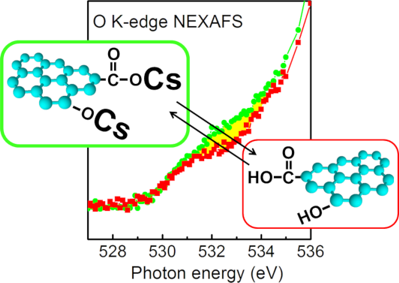
- therefore be surmised that the ability of SLGO for the Cs adsorption is significantly decreased in strong acid aqueous solutions due to the suppression of hydrogen dissociation from oxygen functional groups in SLGO. It is claimed that the pH value of the aqueous solution should be maintained at neutrality
- groups. It was also indicated that SLGO shows the high Cs adsorption capacity of 650–850 mg·g−1 in the 1.0 mol/L-Cs aqueous solution. SLGO adsorbs Cs via hydrogen exchange, resulting in an accelerated adsorption rate and a higher weight adsorption capacity compared to existing adsorbents, including


Piezoelectricity of hexagonal boron nitrides improves bone tissue generation as tested on osteoblasts
Beilstein J. Nanotechnol. 2025, 16, 1068–1081, doi:10.3762/bjnano.16.78
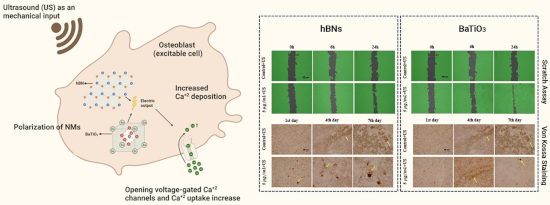
- ’-dicfloroflurescin diacetate (DCFDA) (D6883-50MG; Mw: 487.29 g/mol) probe, chosen specifically for its ability to detect the presence of cellular hydrogen peroxide (H2O2) in HOb cells following treatment with NMs and US exposure. First, the cells were seeded in 96-well plates at 104 cells/well and incubated for 24 h


Soft materials nanoarchitectonics: liquid crystals, polymers, gels, biomaterials, and others
Beilstein J. Nanotechnol. 2025, 16, 1025–1067, doi:10.3762/bjnano.16.77
- colleagues have reported the rapid and reversible microactuation of liquid crystals based on the surface catalysis of H₂ and O₂ at room temperature on a late transition metal alloy film (Figure 7) [242]. The reaction of gaseous hydrogen and oxygen, catalyzed by a Pd/Au surface, is employed to rapidly and
- reversibly alter the orientation of liquid crystals at room temperature. The dissociative adsorption of hydrogen on the palladium/gold film results in the reduction of pre-adsorbed oxygen and the generation of adsorbed hydrogen. This process causes the nitrile-containing liquid crystal to undergo a change in
- alignment, from vertical to planar. Subsequently, exposure to oxygen oxidizes the adsorbed hydrogen, reforming the adsorbed oxygen on the Pd/Au surface and restoring the liquid crystal to its initial alignment. The motion of the liquid crystal can be controlled by exposure to gas mixtures of H2 and O2 with