
Search results
Search for "imaging" in Full Text gives 977 result(s) in Beilstein Journal of Nanotechnology. Showing first 200.
Reduced graphene oxide paper electrode for lithium-ion cells – towards optimized thermal reduction
Beilstein J. Nanotechnol. 2026, 17, 24–37, doi:10.3762/bjnano.17.3
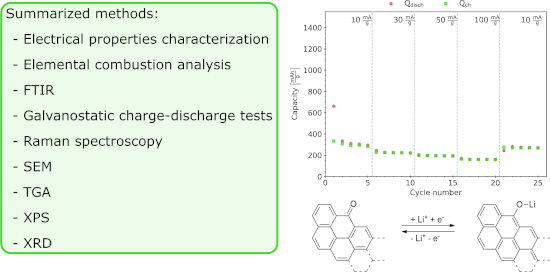
- and thickness were determined with scanning electron microscopy imaging. This paper also reveals electrical and electrochemical properties of the material. The conductivity of the material obtained at 800 °C reached ≈70 S/cm, and the discharge capacity reached ≈160 mAh/g at 100 mA/g current density
- . SEM imaging The morphological properties of the rGO paper were described based on SEM imaging (Phenom ProX). The thicknesses of the obtained sheets were determined from SEM images of the samples’ cross sections as an averaged value calculated over 50 length readings. TGA TGA Q5000 equipment was



Quantitative estimation of nanoparticle/substrate adhesion by atomic force microscopy
Beilstein J. Nanotechnol. 2026, 17, 1–14, doi:10.3762/bjnano.17.1

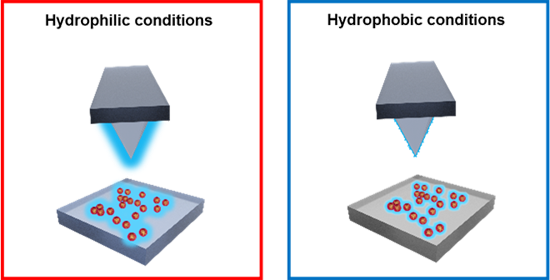
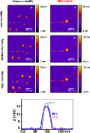
- deposited at a bias voltage of 10 V with a scan angle of 90° and a z-scale of 14 nm. The red, green, and white circles highlight three NP manipulation examples: (a) the initial scan for imaging Cu NPs, (b) the second scan where the NPs start to be pushed, and (c) the third scan showing the removal of NPs



Internal 3D temperature mapping in biological systems using ratiometric light-sheet imaging and lipid-coated upconversion nanothermometers
Beilstein J. Nanotechnol. 2025, 16, 2306–2316, doi:10.3762/bjnano.16.159
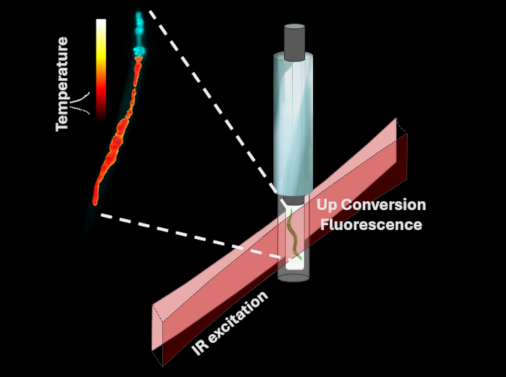
- estimate temperature through ratiometric imaging of two thermally coupled fluorescence bands. This work demonstrates the feasibility of volumetric temperature mapping in internal biological systems using light-sheet fluorescence microscopy and lipid-coated UCNPs as nanothermometry markers. This approach
- enables real-time thermal mapping with both high spatial and temporal resolution at the cellular and subcellular levels. To validate the method, we performed 3D temperature imaging on fixed Caenorhabditis elegans (C. elegans) after UCNP ingestion. The proposed technique represents a cutting-edge method
- for accurate 3D analysis of temperature-driven biological processes. It holds significant potential for applications in living organisms, offering a non-invasive tool to monitor intracellular and organ-specific temperature dynamics. Keywords: C. elegans; 3D imaging; fluorescent intensity ratio; light


Improving magnetic properties of Mn- and Zn-doped core–shell iron oxide nanoparticles by tuning their size
Beilstein J. Nanotechnol. 2025, 16, 2285–2295, doi:10.3762/bjnano.16.157
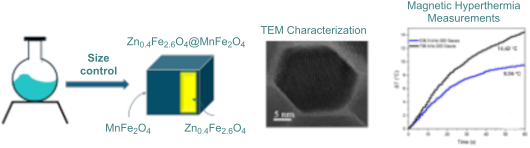
- unique magnetic properties, small size, and biocompatibility, which enable them to be used in a wide range of biomedical applications. These applications include magnetic resonance imaging, magnetic separation, targeted drug delivery, and hyperthermia [1][2]. Magnetic hyperthermia has been extensively



Visualizing nanostructures in supramolecular hydrogels: a correlative study using confocal and cryogenic scanning electron microscopy
Beilstein J. Nanotechnol. 2025, 16, 2274–2284, doi:10.3762/bjnano.16.156
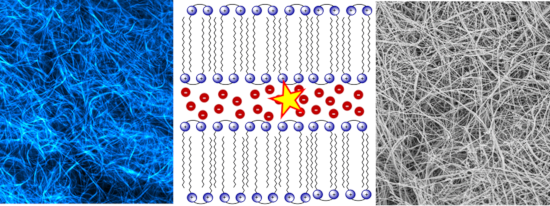
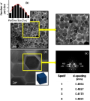
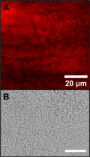
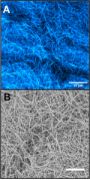
- visualization of the native fibrous network. These results demonstrate the complementary nature of CLSM and cryo-SEM and highlight the value of cryo-SEM as a very useful tool for imaging soft nanomaterials with low fluorescence or limited optical contrast. Keywords: anion binding; colloid; fluorophore
- forms of microscopy have naturally been undertaken, as comprehensive characterization of such systems requires the application of multiple imaging methods. Within the realm of hydrogels, it is typical to see comparative fluorescence and electron microscopy imaging being used to characterize a given
- material. The application of confocal microscopy, stimulated emission depletion (STED) microscopy, and conventional transmission electron microscopy (TEM) to a supramolecular peptide material has been shown to allow for sub-diffraction resolution imaging of fibre morphology in situ without covalent




Chiral plasmonic nanostructures fabricated with circularly polarized light
Beilstein J. Nanotechnol. 2025, 16, 2245–2264, doi:10.3762/bjnano.16.154


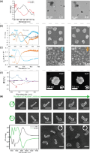


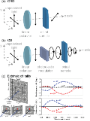
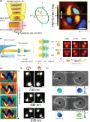

Optical bio/chemical sensors for vitamin B12 analysis in food and pharmaceuticals: state of the art, challenges, and future outlooks
Beilstein J. Nanotechnol. 2025, 16, 2207–2244, doi:10.3762/bjnano.16.153
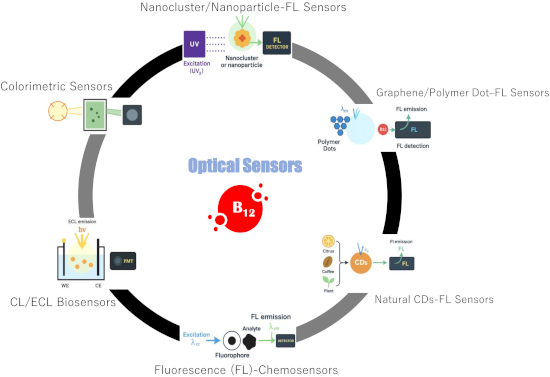


Ultrathin water layers on mannosylated gold nanoparticles
Beilstein J. Nanotechnol. 2025, 16, 2183–2198, doi:10.3762/bjnano.16.151
- good contrast [25]. The STEM images in dark-field mode (imaging scattered electrons) show the gold cores as bright structures, whereas the thin organic layers are darker. The carbon grid yields practically no scattering and appears essentially black, such that both the core and shell of the particles
- sensing, imaging, or drug delivery systems. The success of these platforms stems from their dispersion in water, stability, and biocompatibility in fully hydrated states, as well as in biological fluids. Our investigation shows a novel approach to these particles by testing the hydration properties under
- for ppp polarization (all beams polarized normal to the surface) and 2 min for ssp (laser beams polarized parallel to the surface, sum frequency emission and up-conversion polarized perpendicular and infrared parallel to the plane of incidence). Electron microscopy imaging SEM and STEM images were



Microplastic pollution in Himalayan lakes: assessment, risks, and sustainable remediation strategies
Beilstein J. Nanotechnol. 2025, 16, 2144–2167, doi:10.3762/bjnano.16.148
- than SEM. It is particularly useful in morphological examination, size grading, and rapid particle identification. The combination of optical microscopes and modern digital imaging techniques allows for automatic particle classification and counting, which greatly decreases the extent of human


Rapid synthesis of highly monodisperse AgSbS2 nanocrystals: unveiling multifaceted activities in cancer therapy, antibacterial strategies, and antioxidant defense
Beilstein J. Nanotechnol. 2025, 16, 2105–2115, doi:10.3762/bjnano.16.145
- , these materials have also been used in various imaging applications for the detection of cancer cells. Ag2Te and Ag2S nanocrystals (NCs) were used in cancer imaging studies by Nieves and colleagues. In this study, computed tomography contrasts changes of NCs injected into mice were examined at 2 and 24
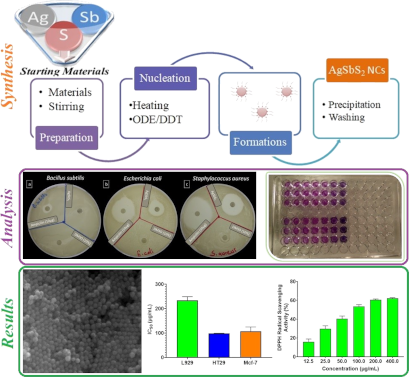
- findings were consistent across various imaging modalities. Analyzing the HRTEM image in Figure 2c revealed a lattice d-spacing of 3.214 Å, corresponding precisely to the (111) crystallographic planes. The SAED patterns in Figure 2d exhibited distinct, discontinuous diffraction rings with sharp points


Toward clinical translation of carbon nanomaterials in anticancer drug delivery: the need for standardisation
Beilstein J. Nanotechnol. 2025, 16, 2092–2104, doi:10.3762/bjnano.16.144
- energy sectors (Figure 1). NMs have seen use as antimicrobial agents [1], catalysts [2], bioimaging agents [3][4][5][6], magnetic particle imaging agents [7], nanofluids [8], antiviral agents [9], photothermal convertors [10], and in environmental remediation [11]. Topically, the biomedical applications




Multifrequency AFM integrating PeakForce tapping and higher eigenmodes for heterogeneous surface characterization
Beilstein J. Nanotechnol. 2025, 16, 2077–2085, doi:10.3762/bjnano.16.142
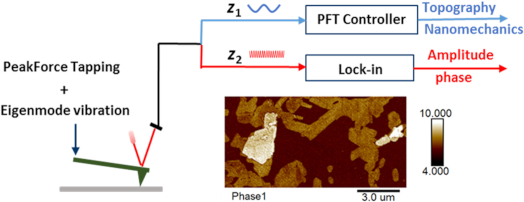
- ) technique that synergistically integrates PeakForce tapping mode with higher eigenmode vibrations to achieve simultaneous high-resolution topographical imaging and to access additional contrast channels for distinguishing material regions or compositions. Unlike conventional multimodal AFM, our method
- signals can be correlated with specific interaction types, such as conservative and dissipative processes [10][11][12]. Despite these advances, critical limitations persist. The inherent nonlinearity of tip–sample dynamics in tapping and multimodal AFM often introduces imaging artifacts. Typical examples
- traditional dynamic modes, PFT eliminates the need for intricate cantilever tuning by real-time regulation of the interaction force at each scan point. This innovation not only simplifies operation but also enables high-resolution topographic imaging with exceptional stability, even in challenging


Stereodiscrimination of guests in chiral organosilica aerogels studied by ESR spectroscopy
Beilstein J. Nanotechnol. 2025, 16, 2034–2054, doi:10.3762/bjnano.16.140
- measurements more difficult. There are other valuable methods for investigating transport in porous media such as gas-adsorption methods, X-ray tomography [24][25], neutron imaging techniques [26][27], optical imaging techniques [27][28], or impedance spectroscopy [29][30]. For all of them, it is difficult to
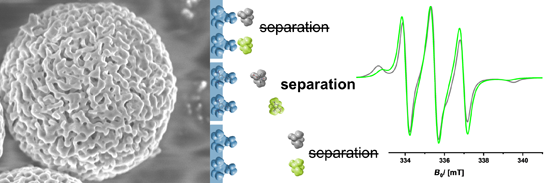
- ), quantitative evaluation of the spectra allowed for investigating various confinement effects. Our focus was on understanding how a particular functionalization of the surfaces in combination with 3CP and the solvent influences transport properties, and novel ESR imaging techniques were used to determine




Beyond the shell: exploring polymer–lipid interfaces in core–shell nanofibers to carry hyaluronic acid and β-caryophyllene
Beilstein J. Nanotechnol. 2025, 16, 2015–2033, doi:10.3762/bjnano.16.139
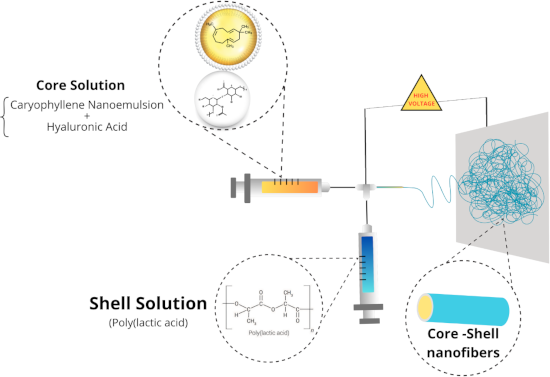
- -sectional imaging, and attenuated total reflectance with Fourier transform infrared (ATR-FTIR) spectroscopy provided compelling evidence for the successful formation of the intended core–shell structure. The resulting nanofibers exhibited surface hydrophobicity, suggesting potential for anti-adhesive
- SEM imaging of the cross-section of the HA+NE2/PLA sample was performed before and after core removal to observe the core–shell structure. For core removal, a portion of the sample was washed multiple times with distilled water, followed by ethanol, and then dried at room temperature. Samples, both
- distribution of the core within nanofibers produced via coaxial electrospinning. A disk scanning unit confocal microscope (Olympus, Japan) was utilized for this analysis. Fluorescein was added to the core solution (1% HA + 2% NE) to enable fluorescence imaging during microscopic observation. Thermogravimetric




The cement of the tube-dwelling polychaete Sabellaria alveolata: a complex composite adhesive material
Beilstein J. Nanotechnol. 2025, 16, 1998–2014, doi:10.3762/bjnano.16.138
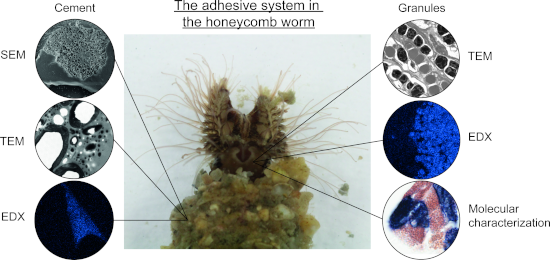
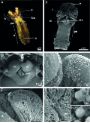
- electron imaging, the anterior parts of a few worms as well as some reconstructed tube fragments were fixed in Bouin’s fluid for 24 h, dehydrated in graded ethanol, dried by the critical-point method, and mounted on aluminium stubs using carbon adhesive tabs. The samples were then coated with gold
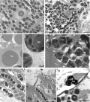
- unfixed, air-dried tube fragment that was subsequently broken, SEM imaging and microanalysis of a fractured cement spot showed one NaCl crystal within each of the pores (Figure 2E, Supporting Information File 1, Figure S1). A decalcified cement spot that held two glass beads together was also observed in



Laser ablation in liquids for shape-tailored synthesis of nanomaterials: status and challenges
Beilstein J. Nanotechnol. 2025, 16, 1963–1997, doi:10.3762/bjnano.16.137
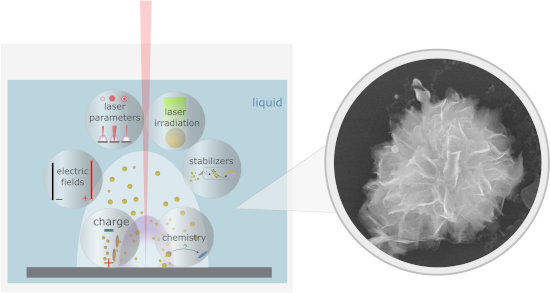
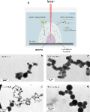
- , Figure 2 demonstrates the correlation of the shape of laser-induced plasma generated in the electric field applied directly to a Zn target with NP structure. The plasma imaging (Figure 2b,c) demonstrates clear differences in shape depending on the applied field direction. In case of cathode ablation, the




Mechanical property measurements enabled by short-term Fourier-transform of atomic force microscopy thermal deflection analysis
Beilstein J. Nanotechnol. 2025, 16, 1952–1962, doi:10.3762/bjnano.16.136
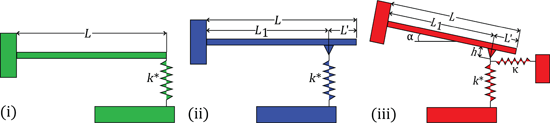
- ); mechanical property measurements; surface science; Introduction Atomic force microscopy (AFM) has become an indispensable tool for imaging the surface topography on a variety of surfaces [1]. Since the invention of the AFM [2], several other modes of AFM have been developed, including friction force




Evaluating metal-organic precursors for focused ion beam-induced deposition through solid-layer decomposition analysis
Beilstein J. Nanotechnol. 2025, 16, 1942–1951, doi:10.3762/bjnano.16.135
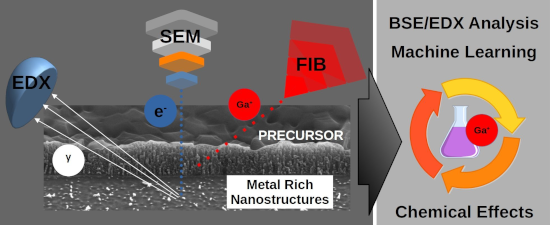
- the thickness of the precursor layer on the substrate. (2) Performing SEM imaging of the growth layers, which provide detailed information about the surface structure and composition of the precursor layer. They are essential for understanding how the precursors are decomposed under the following FIB
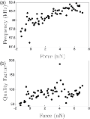
- island-like features become more apparent. The precursor layer underwent decomposition leading to the development of surface features enriched with metallic element of the primary film. The quantitative changes are presented in Figure 2b, which shows the mean BSE signal intensity, acquired while imaging


PEGylated lipids in lipid nanoparticle delivery dynamics and therapeutic innovation
Beilstein J. Nanotechnol. 2025, 16, 1914–1930, doi:10.3762/bjnano.16.133
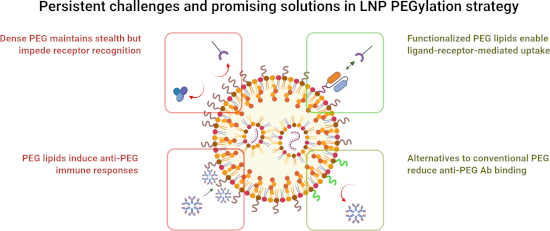
- , respectively, 18.9-fold and 17.3-fold higher luciferase expression compared to 5 mol % PEG LNPs. Fundus imaging and immunohistochemistry confirmed robust tdTomato fluorescence in the retinal pigment epithelium (RPE), with a twofold to 3.4-fold increase in signal, showing the 0.5% PEG LNPs consistently
- . Imaging and histological analysis showed that maleimide-LNPs remained localized near the injection site, implying enhanced interaction with the tumor microenvironment. In contrast, carboxylic acid-LNPs showed a reduced cellular association, likely due to electrostatic repulsion [52]. PDP-LNPs had minimal


Low-temperature AFM with a microwave cavity optomechanical transducer
Beilstein J. Nanotechnol. 2025, 16, 1873–1882, doi:10.3762/bjnano.16.130
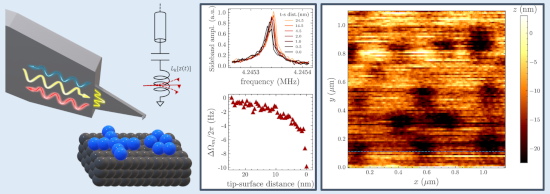
- /bjnano.16.130 Abstract We demonstrate atomic force microscopy (AFM) imaging with a microcantilever force transducer where an integrated superconducting microwave resonant circuit detects cantilever deflection using the principles of cavity optomechanics. We discuss the detector responsivity and added
- refrigerator (DR). We operate the microscope with surface-tracking feedback using the two most common imaging modes of dynamic AFM: amplitude modulation (AM-AFM) and frequency modulation (FM-AFM) [19]. One of the biggest challenges of operating an AFM in a closed-cycle DR is the pulse tube cryogenic head
- can therefore be made light and compact, significantly reducing their susceptibility to external vibrations, the complexity of vibration isolation, and their thermal mass. For this prototype, we implement a rather simple vibration isolation which, as we will show, is sufficient to demonstrate imaging


Self-assembly and adhesive properties of Pollicipes pollicipes barnacle cement protein cp19k: influence of pH and ionic strength
Beilstein J. Nanotechnol. 2025, 16, 1863–1872, doi:10.3762/bjnano.16.129
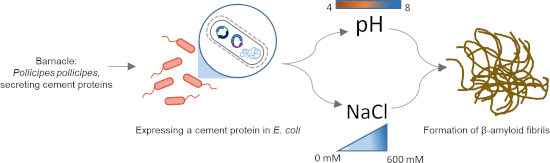
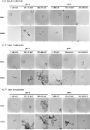
- study, we investigated the influence of environmental parameters on the self-assembly of recombinant cp19k, a key adhesive protein in Pollicipes pollicipes. Using TEM imaging, a low pH (4.0) and high salt concentration (600 mM NaCl) environment, mimicking P. pollicipes gland conditions, was identified
- washes in dH2O. Negative staining with uranyl acetate was performed by incubating 5 µL of R1000 UA-Zero EM stain (Agar Scientific) on grids for 3 min. Grids were washed five times with dH2O and air-dried overnight. Bright-field TEM imaging was carried out using a Hitachi H7000 microscope operated at an
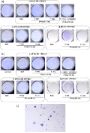
- ) rPolcp19k-his incubated at pH 4.0, 150 mM NaCl for 21 days, on hydrophilic surface, at 11.5× magnification. Supporting Information Supporting Information File 22: Additional figures. Acknowledgements The authors acknowledge the facilities of the Anatomy Imaging and Microscopy Facility at the University of


Phytol-loaded soybean oil nanoemulsion as a promising alternative against Leishmania amazonensis
Beilstein J. Nanotechnol. 2025, 16, 1826–1836, doi:10.3762/bjnano.16.126
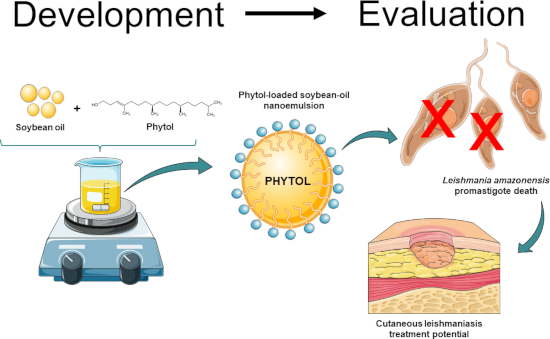
- Company, Hillsboro, OR, USA). The samples were diluted in purified water at a 1:20 (v/v) ratio, and a drop of the diluted suspension was deposited onto square-mesh copper grids and allowed to adsorb for 2 min. The grids were then air-dried at room temperature prior to imaging. Cytocompatibility Mammalian


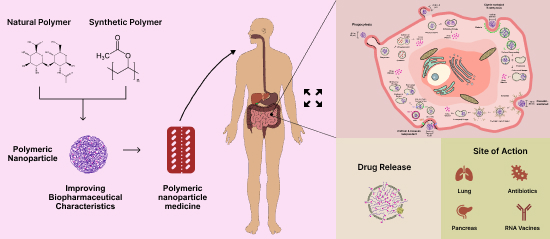
Exploring the potential of polymers: advancements in oral nanocarrier technology
Beilstein J. Nanotechnol. 2025, 16, 1751–1793, doi:10.3762/bjnano.16.122


Advances of aptamers in esophageal cancer diagnosis, treatment and drug delivery
Beilstein J. Nanotechnol. 2025, 16, 1734–1750, doi:10.3762/bjnano.16.121

- obtain nucleic acid aptamer S3-2-3 with binding specificity to ESCC cells. After labeled with Cy5 dye, it can yield highly specific fluorescence imaging for ESCC tissues, providing accurate display tools for clinical diagnosis. The remarkably short 18-nucleotide length of aptamer S3-2-3 enables its
- aptamers. After Cy3 staining, the results showed that the two staining results were similar. The imaging method of the aptamer is simpler, indicating that the aptamer SYL3C can be used as a molecular diagnostic tool instead of antibody. Although there are many potential biomarkers for ESCC, and noninvasive
- single-stranded DNA aptamer Te4, which specifically binds to TE-1 cells, through Cell-SELEX and further formed aptamer–DOX complexes to deliver DOX directly to cancer cells. In vivo imaging showed that the fluorescence signal of the complex weakened after 150 min, and the circulation time was short


Multifunctional anionic nanoemulsion with linseed oil and lecithin: a preliminary approach for dry eye disease
Beilstein J. Nanotechnol. 2025, 16, 1711–1733, doi:10.3762/bjnano.16.120

- was analyzed using transmission electron microscopy (TEM) with a MORGAGNI 268D (FEI Company, USA), operated at 80 kV. Before imaging, the samples were sonicated in an ultrasound bath for 15 min, and a drop of the suspension was placed onto a copper grid (200 mesh) coated with formvar/carbon. Excess