
Search results
Search for "magnetic" in Full Text gives 890 result(s) in Beilstein Journal of Nanotechnology. Showing first 200.
Chiral plasmonic nanostructures fabricated with circularly polarized light
Beilstein J. Nanotechnol. 2025, 16, 2245–2264, doi:10.3762/bjnano.16.154
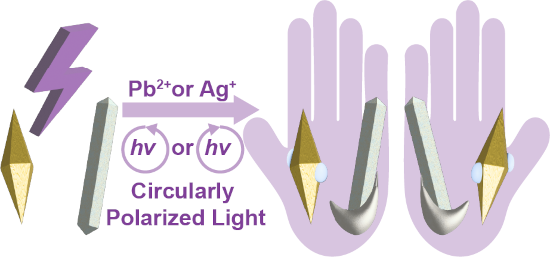
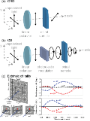
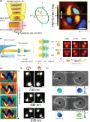
- the fabrication details and morphology of the CPL-enabled cPNSs in Section 2. In recent years, chiral assemblies of PNSs from mechanical forces via magnetic fields [60][61] or strain [62][63] have also been demonstrated. Although the cPNSs prepared via mechanical forces are relatively scarce, they
- magnetic fields, respectively. Derived by Tang and Cohen [119], the optical chirality is relevant to gλ, the fractional difference in rates of excitation of a small molecule between LCPL and RCPL at wavelength λ through Equation 2, where gCPL is the material dissymmetry factor, c is the speed of light, Ue





Electromagnetic study of a split-ring resonator metamaterial with cold-electron bolometers
Beilstein J. Nanotechnol. 2025, 16, 2199–2206, doi:10.3762/bjnano.16.152
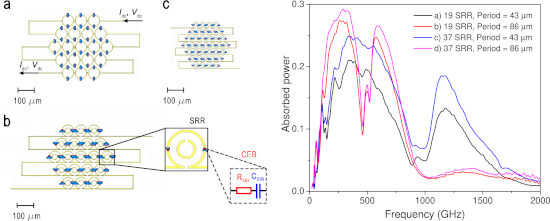
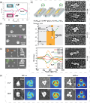
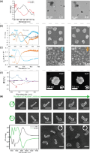
- -established magnetic metamaterial element whose resonant properties are governed by its internal inductance and capacitance, allowing for a strong magnetic response and associated current loops at the designed resonance frequency. The simulations of the metamaterial arrays were performed in the time-domain
- of SRRs in providing a stronger magnetic resonance and greater field concentration within the capacitive gaps where the CEBs are located. Our investigation of the scaling of the metamaterial array revealed a critical design trade-off. While reducing the dimensions of the SRR unit cells effectively


Microplastic pollution in Himalayan lakes: assessment, risks, and sustainable remediation strategies
Beilstein J. Nanotechnol. 2025, 16, 2144–2167, doi:10.3762/bjnano.16.148
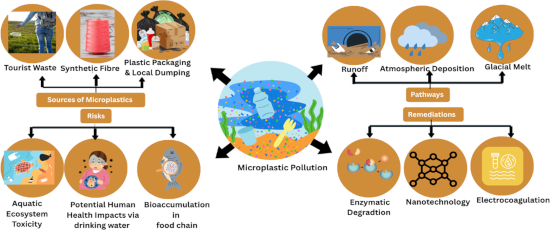
- mechanisms, efficiency, and experimental conditions. To improve clarity and compare functional mechanisms, the nanomaterials are grouped based on their primary MP removal strategy, that is, adsorption, photocatalysis, and magnetic/hybrid systems. Tables 4–6 highlight that adsorption and photocatalysis are


Quality by design optimization of microemulsions for topical delivery of Passiflora setacea seed oil
Beilstein J. Nanotechnol. 2025, 16, 2116–2131, doi:10.3762/bjnano.16.146
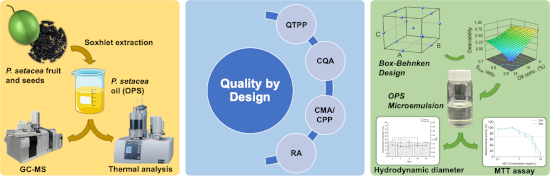
- , accurately weighed amounts of OPS and surfactants were homogenized under magnetic stirring for 2 min. Ultrapure water was then added dropwise (≈0.5 mL/min) under continuous stirring (≈900 rpm, IKA® C-MAG HS7 – Staufen, Germany). The entire process was conducted at 75 ± 3 °C. After water addition, the mixture


Toward clinical translation of carbon nanomaterials in anticancer drug delivery: the need for standardisation
Beilstein J. Nanotechnol. 2025, 16, 2092–2104, doi:10.3762/bjnano.16.144
- energy sectors (Figure 1). NMs have seen use as antimicrobial agents [1], catalysts [2], bioimaging agents [3][4][5][6], magnetic particle imaging agents [7], nanofluids [8], antiviral agents [9], photothermal convertors [10], and in environmental remediation [11]. Topically, the biomedical applications




Stereodiscrimination of guests in chiral organosilica aerogels studied by ESR spectroscopy
Beilstein J. Nanotechnol. 2025, 16, 2034–2054, doi:10.3762/bjnano.16.140
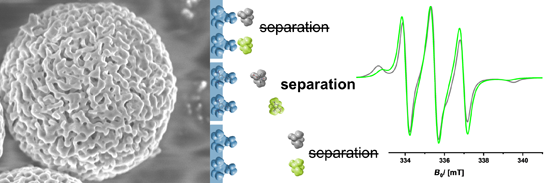
- surfaces has proven challenging. For the separation of the individual factors, researchers developed powerful nuclear magnetic resonance (NMR) techniques. Great success was reached using pulsed field gradient (PFG)-NMR [19][20][21]. PFG-NMR incorporates the application of magnetic field gradients in
- addition to the uniform external magnetic field. A sequence of gradient pulses is used to label the position of the nuclear spins. The first pulse encodes spatial information; if the spins move (diffuse) during the interval, a second gradient pulse will partially or fully refocus them. The extent to which
- bands are seen at 1666 cm−1 (amide I) and 1557 cm−1 (amide II), and the bands at 1046 and 948 cm−1 originate from the siloxane network (Si–O–Si). The 13C magic angle spinning (MAS) nuclear magnetic resonance (NMR) spectrum (Figure 2e) displays signals for Ala-CH3 (δ = 16.0 ppm), Ala-CH (45.3 ppm




Beyond the shell: exploring polymer–lipid interfaces in core–shell nanofibers to carry hyaluronic acid and β-caryophyllene
Beilstein J. Nanotechnol. 2025, 16, 2015–2033, doi:10.3762/bjnano.16.139
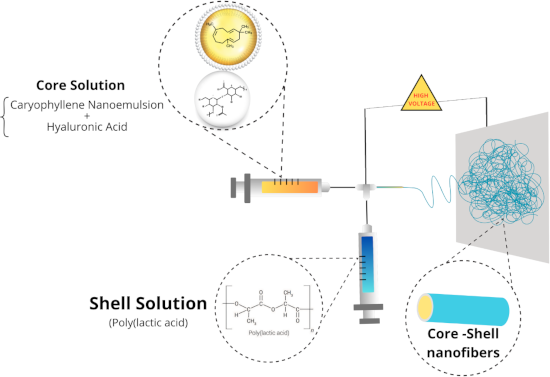
- an oil phase were prepared under magnetic stirring, with their composition specified in Table 4. Subsequently, the aqueous phase was carefully added to the oil phase. The mixture was subjected to vortex (IKA) mixing for 5 min, followed by ultrasonication for 5 min at an amplitude of 40% using an




Laser ablation in liquids for shape-tailored synthesis of nanomaterials: status and challenges
Beilstein J. Nanotechnol. 2025, 16, 1963–1997, doi:10.3762/bjnano.16.137
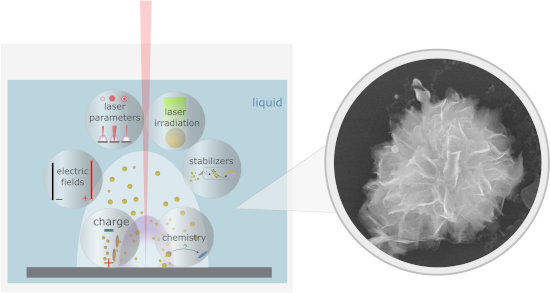
- shape control, the understanding of the underlying mechanisms is required to elucidate the major stages and key parameters to influence the shape of the nanomaterials during synthesis. It is especially relevant when external action is applied, such as temperature, electrical, and magnetic fields, as
- based on the introduction of external electric, magnetic, or temperature fields during the ablation process (Figure 4f). In the following sections, the strategies for the shape-controlled synthesis of nanomaterials by laser ablation in liquids are summarized. 3 Discussion: Strategies for NP shape




Targeting the vector of arboviruses Aedes aegypti with nanoemulsions based on essential oils: a review with focus on larvicidal and repellent properties
Beilstein J. Nanotechnol. 2025, 16, 1894–1913, doi:10.3762/bjnano.16.132
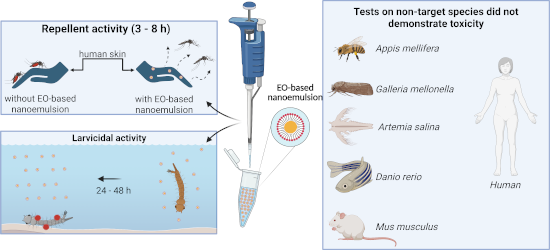
- , bicyclogermacrene, and α-zingiberene as the main constituents [128][129]. The nanoemulsion was prepared with essential oil, polysorbate 20, and distilled water using magnetic stirring and aqueous titration, followed by emulsification. The resulting formulation had an average size of 171.1 nm (±1.2), a
- ), gamma-terpinene, globulol, and gamma-pinene, with eucalyptol being considered the main agent responsible for the larvicidal action [139][140]. The nanoemulsion formulation was obtained in a 1:2 (v/v) ratio between the oil phase (oil + polysorbate 20) and water, prepared by magnetic stirring followed by


Programmable soliton dynamics in all-Josephson-junction logic cells and networks
Beilstein J. Nanotechnol. 2025, 16, 1883–1893, doi:10.3762/bjnano.16.131
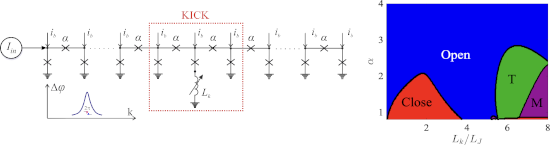
- JJ-based architectures face fundamental density constraints imposed by magnetic flux manipulation requirements and complex mutual inductive crosstalks. Circuits composed entirely of Josephson junctions (all-JJ circuits) [10][11][12][13][14][15][16] represent a promising platform for energy-efficient
- ], voltage [20], or magnetic fields [21][22]. At the same time, the use of hybrid superconductor–normal metal structures makes it possible to increase the effect of frequency tuning [23][24], while the addition of ferromagnetic layers permits the non-volatile control [25][26]. Another feature of tunable
- unperturbed. Remarkably, a further increase of inductance to L/LJ = 4 (see Figure 2c) leads to the re-emergence of the Open mode. This non-trivial effect is governed by transient energy storage in the inductor L. Although the soliton is momentarily halted at the KICK, the subsequent release of stored magnetic


Current status of using adsorbent nanomaterials for removing microplastics from water supply systems: a mini review
Beilstein J. Nanotechnol. 2025, 16, 1837–1850, doi:10.3762/bjnano.16.127
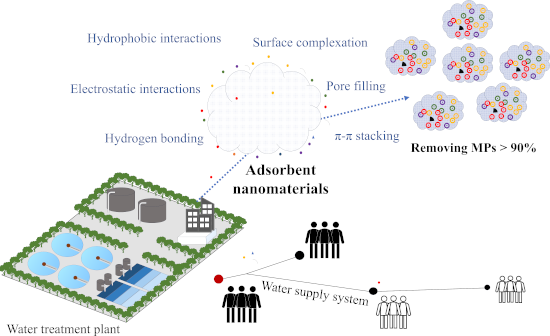
- methods Adsorbent nanomaterials have recently shown great potential for removing MPs. They can be classified into four main groups, including carbon-based adsorbents, metal-organic frameworks (MOFs), magnetic nanomaterials, and aerogels and sponge-based adsorbents [49]. These materials are fabricated and
- . Fabricated FeNi12-CNTs-800 samples achieved 100% removal of PVC after 20 min of treatment, with the mechanisms attributed to the hydrophobic surface and magnetic properties of the material [57]. In a water treatment plant, by applying granular activated carbon (GAC), Arenas et al. reached 90% of MP removal
- (pore sizes of 0.3–3.4 nm) and adsorbed MPs through coordination and hydrophobic interactions [60]. Haris et al. introduced a magnetic C@FeO nanopillar adsorbent on a 2D-MOF, achieving approximately 100% removal of MPs (sizes <5 μm) after 1 h, significantly faster than conventional methods [61


Phytol-loaded soybean oil nanoemulsion as a promising alternative against Leishmania amazonensis
Beilstein J. Nanotechnol. 2025, 16, 1826–1836, doi:10.3762/bjnano.16.126
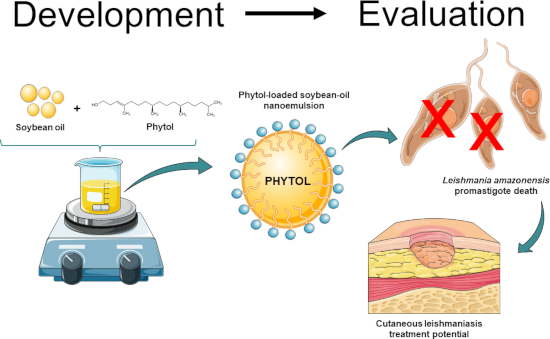
- ). Nanoemulsion preparation and composition Nanoemulsions were prepared using the phase inversion composition method, a low-energy technique wherein the aqueous phase (AP) was gradually added dropwise to the oil phase (OP) under continuous magnetic stirring at 1500 rpm, using a magnetically stirrer (IKA® C-MAG


Advances of aptamers in esophageal cancer diagnosis, treatment and drug delivery
Beilstein J. Nanotechnol. 2025, 16, 1734–1750, doi:10.3762/bjnano.16.121

- prognosis [51]. Therefore, the detection of EGFR biomarkers by developing simple and efficient methods may become an important strategy for early diagnosis of ESCC. Ilkhani et al. [52] designed an electrochemical sandwich immunosensor. The anti-EGFR aptamer was immobilized on magnetic beads, and the anti


Multifunctional anionic nanoemulsion with linseed oil and lecithin: a preliminary approach for dry eye disease
Beilstein J. Nanotechnol. 2025, 16, 1711–1733, doi:10.3762/bjnano.16.120

- ophthalmic nanoemulsion containing the co-surfactant (with a final concentration of 3.66% w/w), 3.75 mL of optimized pre-formulation (after 24 h of rest) was diluted in 6.25 mL of the OV, which had 100 mg of Kolliphor® HS15 pre-solubilized through magnetic stirring. The resulting formulation was then
- g of LO was mixed with 100 mL methanolic KOH (2.5% w/v) and heated at 70 °C under magnetic stirring (3,000 rpm) for 1 h. Afterward, 100 mL of ethyl acetate was added, and the mixture was stirred at 3,000 rpm for 5 min. The resulting mixture was transferred to a separation funnel to remove the denser
- deviation. Acid value for linseed oil The acid value (AV) of LO was determined following the American Oil Chemists Society (AOCS) Cd 3d-63 method. For quantification, 5 g of LO was dissolved in 50 mL of a petroleum ether and ethanol mixture (1:1 v/v ratio) at 25 °C under magnetic stirring. The sample was



Energy spectrum and quantum phase transition of the coupled single spin and an infinitely coordinated Ising chain
Beilstein J. Nanotechnol. 2025, 16, 1668–1676, doi:10.3762/bjnano.16.117
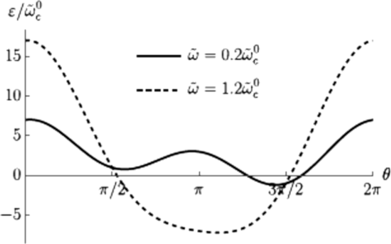
- mostly aligned along the z-axis due to the large term. Effectively, an interaction with the single spin creates a strong magnetic field parallel to the single spin direction. Thus, the perpendicular component of the “magnetic field” can be considered as a small perturbation. Formally, this means that

![[Graphic 39]](/bjnano/content/inline/2190-4286-16-117-i63.svg?max-width=637&scale=1.18182)


![[Graphic 51]](/bjnano/content/inline/2190-4286-16-117-i75.svg?max-width=637&scale=1.18182)
Prospects of nanotechnology and natural products for cancer and immunotherapy
Beilstein J. Nanotechnol. 2025, 16, 1644–1667, doi:10.3762/bjnano.16.116
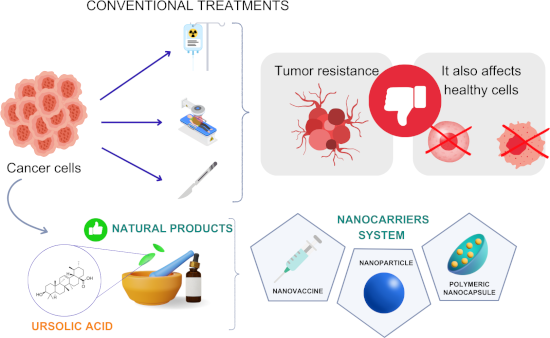
- traditional therapies. Advances in cancer nanotechnology include the development of smart nanocarriers capable of responding to internal stimuli (such as pH, redox potential, and enzymes) and external stimuli (such as magnetic fields, heat, or ultrasound), enabling precise and controlled drug release [16][17



Venom-loaded cationic-functionalized poly(lactic acid) nanoparticles for serum production against Tityus serrulatus scorpion
Beilstein J. Nanotechnol. 2025, 16, 1633–1643, doi:10.3762/bjnano.16.115
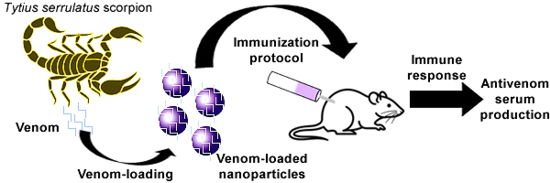
- PVA (1.0% w/v), at an output flux of 3.0 mL⋅min−1. After titrations, the acetone organic solvent evaporation occurred under a 700 rpm of magnetic stirring overnight. After solvent evaporation, colloidal dispersions were centrifuged at 22,000g for 5 minutes. The T. serrulatus venom loading in the
- cationic nanoparticles was tested at two different formulations containing 0.5% and 1.0% (w/w) of Tsv in the nanoparticle suspension. The venom aqueous solution was added to the colloidal dispersion containing the cationic-functionalized NPs at 22 °C, which remained under magnetic stirring at 360 rpm for 5



Nanotechnology-based approaches for the removal of microplastics from wastewater: a comprehensive review
Beilstein J. Nanotechnol. 2025, 16, 1607–1632, doi:10.3762/bjnano.16.114
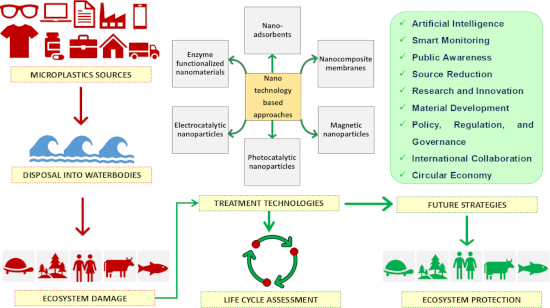
- fabrication process involves thermally transforming Ti3C2Tx MXene into multilayered TiO2 with photocatalytic properties, followed by coating with platinum and decorating the surface with magnetic γ-Fe2O3 nanoparticles. These engineered γ-Fe2O3/Pt/TiO2 microrobots exhibit light-driven, fuel-free movement with
- six degrees of freedom due to their negative photogravitaxis. Their self-propelling capability, combined with tunable surface charge (zeta potential), enables rapid attraction and capture of nanoplastics onto their surfaces and between layered structures. The magnetic nature of the microrobots allows
- system complexity. Preventive approaches, such as glutenin-genipin cross-linked coatings, effectively reduce plastic shedding under harsh conditions using biodegradable materials; however, they address only source control and lack proven scalability. Imine-functionalized mesoporous magnetic silica


Few-photon microwave fields for superconducting transmon-based qudit control
Beilstein J. Nanotechnol. 2025, 16, 1580–1591, doi:10.3762/bjnano.16.112
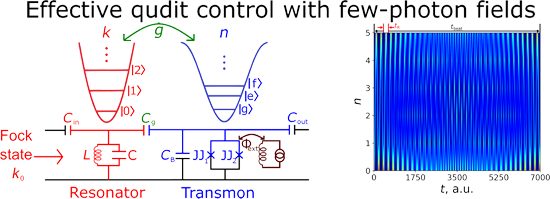
- ), or a pair of JJs forming an interferometer-like circuit, so the spectrum is no longer equidistant. In the case where the JJ pair is used, the characteristic (plasma) frequency of the transmon can be quickly adjusted in 10–20 ns in the range of 1 GHz by an external magnetic field [35]. In practice
- , researchers try to reduce the transmon frequency dependence on the external magnetic field to get rid of parasitic flux fluctuations. A large shunt capacitance CB is needed to increase resistance to parasitic charge fluctuations [36]. A few-photon non-classical microwave field (with a certain number of
- description of Fock-based qudit control First, we need to quantize the field in the harmonic oscillator that corresponds to a high-quality resonator. The energy of the electric field stored in the capacitor and the energy of the magnetic field stored in the inductor can be written as follows: with operators


Modeling magnetic properties of cobalt nanofilms used as a component of spin hybrid superconductor–ferromagnetic structures
Beilstein J. Nanotechnol. 2025, 16, 1557–1566, doi:10.3762/bjnano.16.110
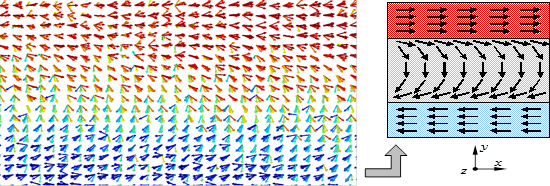
- ., Dolgoprudny, 141701, Russia 10.3762/bjnano.16.110 Abstract The paper presents a mathematical model for studying the magnetic behavior of atoms, which takes into account spin and interatomic interactions. Two problems were solved by means of mathematical modeling. At the first stage, the problem of modeling a
- previously obtained data confirmed the adequacy of the applied mathematical model. The second stage of numerical studies was devoted to the analysis of the magnetic behavior of cobalt nanofilms of different thicknesses. It was shown that the film thickness has a significant influence on the magnetic
- parameters of the modeled nanoscale systems. It was found that the magnetic energy and magnetization norm of the system change in a nonlinear manner with increasing number of crystalline layers of the nanofilm. The peaks found on the graph of the magnetization rate change can be caused by surface effects in


Dendrimer-modified carbon nanotubes for the removal and recovery of heavy metal ions from water
Beilstein J. Nanotechnol. 2025, 16, 1522–1532, doi:10.3762/bjnano.16.107
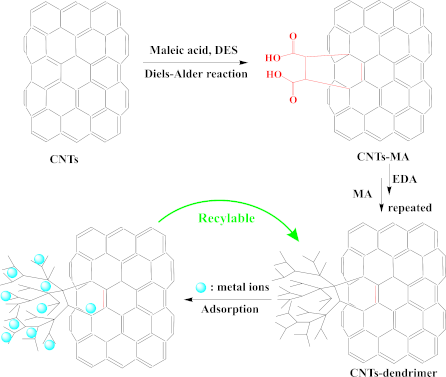
- formed [52]. The mixture of MA and DES was stirred at room temperature for 10 min and then diluted with 3 mL of deionized water to obtain a homogeneous solution. Subsequently, 100 mg of pure CNTs were gradually added to the MA-DES solution under continuous magnetic stirring for 30 min to ensure proper


Cross-reactivities in conjugation reactions involving iron oxide nanoparticles
Beilstein J. Nanotechnol. 2025, 16, 1504–1521, doi:10.3762/bjnano.16.106
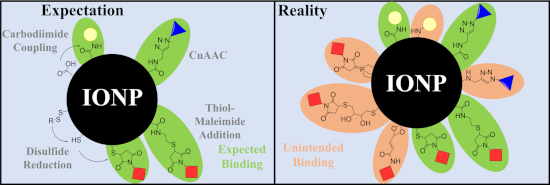
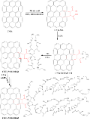
- Shoronia N. Cross Katalin V. Korpany Hanine Zakaria Amy Szuchmacher Blum Department of Chemistry, McGill University, 801 Sherbrooke Street West, Montreal, QC H3A 0B8, Canada 10.3762/bjnano.16.106 Abstract The preparation of multimodal nanoparticles by capping magnetic iron oxide nanoparticles
- Michael addition; Introduction Iron oxide nanoparticles (IONPs) have been the subject of an immense body of research in the field of biomedicine, where their magnetic properties are appealing for such applications as MRI contrast agents [1], tumor hyperthermia [2], and magnetic drug delivery [3
- targeting and drug payload delivery. The ability to chemically modify the ligand layer of IONPs, while maintaining their morphology and magnetic properties, is thus paramount to the preparation of functional IONPs. The use of highly selective conjugation reactions such as 1-ethyl-3-(3-dimethylaminopropyl







Nanomaterials for biomedical applications
Beilstein J. Nanotechnol. 2025, 16, 1499–1503, doi:10.3762/bjnano.16.105
- . Drugs or genetic material can be carried by these cylindrical nanoparticles and directed towards specific cells through external stimuli such as a magnetic field or light [12]. A new nanoscale drug delivery system has been developed by using carbon nanotubes and a carbon nanotube–graphene hybrid to more
- color upon detecting the virus. Their capability to attach to specific antibodies or DNA strands makes them perfect for detecting even faint traces of disease [18]. Moreover, magnetic nanoparticles specially made from iron oxide are also being used in medical imaging. They are usually employed as
- contrast agents in magnetic resonance imaging (MRI) process [19]. There is more clarity in MRI images due to these nanoparticles, which help doctors to see even the smallest details in tissues and organs [20]. Apart from imaging, magnetic nanoparticles are now used in biosensors and lab-on-a-chip devices
Laser processing in liquids: insights into nanocolloid generation and thin film integration for energy, photonic, and sensing applications
Beilstein J. Nanotechnol. 2025, 16, 1428–1498, doi:10.3762/bjnano.16.104






The role of biochar in combating microplastic pollution: a bibliometric analysis in environmental contexts
Beilstein J. Nanotechnol. 2025, 16, 1401–1416, doi:10.3762/bjnano.16.102

- techniques according to their treatment models, such as batch and fixed-column systems [22]. Modified biochars have been developed to enhance MP capture efficiency, including magnetic biochar, which facilitates easy separation from aqueous environments [22][23]. A comparative study by Mulindwa, et al. [24
- removal efficiency in wastewater treatment applications. Biochar synthesis techniques and functional optimization Biochar synthesis The synthesis methods for biochar, as illustrated in Figure 4, encompass traditional hydrolysis techniques and modified approaches utilizing materials such as magnetic
- modifiers, magnetic-derived amphoteric metals and cooperative microbes [31][32][33][34]. Traditional biochar synthesis aims to optimize specific surface area and structural stability by controlling reaction time, heating rate and reactor temperature [35]. For example, biochar produced from oilseed rape