
Search results
Search for "penetration" in Full Text gives 377 result(s) in Beilstein Journal of Nanotechnology. Showing first 200.
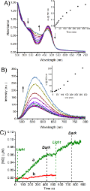
Internal 3D temperature mapping in biological systems using ratiometric light-sheet imaging and lipid-coated upconversion nanothermometers
Beilstein J. Nanotechnol. 2025, 16, 2306–2316, doi:10.3762/bjnano.16.159
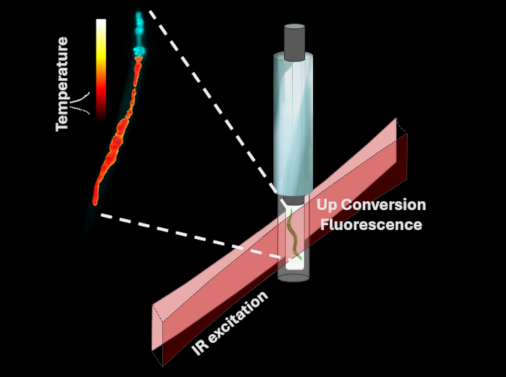
- volumetric temperature sensing through fluorescence-lifetime or UC nanothermometry. However, these approaches remain limited by point-by-point scanning, shallow penetration depth, and narrow fields of view (typically below 100 µm), restricting their applicability to intact organisms. Beyond these


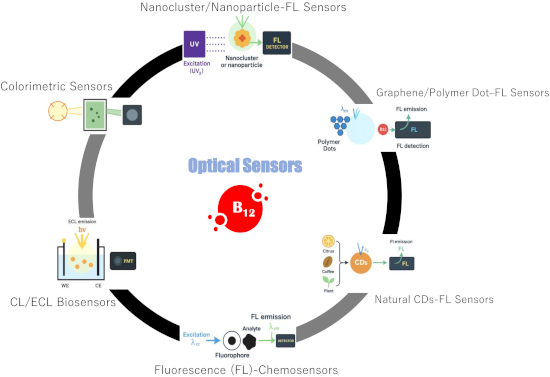
Optical bio/chemical sensors for vitamin B12 analysis in food and pharmaceuticals: state of the art, challenges, and future outlooks
Beilstein J. Nanotechnol. 2025, 16, 2207–2244, doi:10.3762/bjnano.16.153


Missing links in nanomaterials research impacting productivity and perceptions
Beilstein J. Nanotechnol. 2025, 16, 2168–2176, doi:10.3762/bjnano.16.149
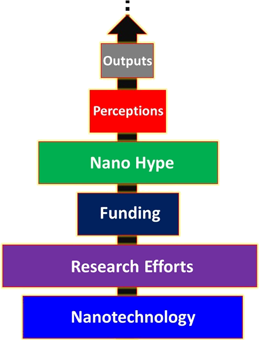
- very little penetration into everyday public life. This stark gap highlights a sobering reality: Even after decades of research and good funding, the real-world integration and due consumption of nanomaterials are still minimal. When we compare the return on investment and impact with other
Microplastic pollution in Himalayan lakes: assessment, risks, and sustainable remediation strategies
Beilstein J. Nanotechnol. 2025, 16, 2144–2167, doi:10.3762/bjnano.16.148
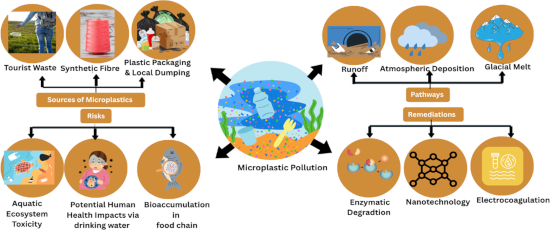
- degrading enzymes from biofilms with nanomaterial carries can enhance MP degradation under cold, UV-rich conditions [47]. Such synergies offer sustainable MP removal in remote high-altitude lakes. Future work should explore their performance under freeze–thaw cycles, low sunlight penetration, and high


Laser ablation in liquids for shape-tailored synthesis of nanomaterials: status and challenges
Beilstein J. Nanotechnol. 2025, 16, 1963–1997, doi:10.3762/bjnano.16.137




Mechanical property measurements enabled by short-term Fourier-transform of atomic force microscopy thermal deflection analysis
Beilstein J. Nanotechnol. 2025, 16, 1952–1962, doi:10.3762/bjnano.16.136
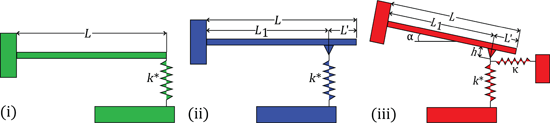
- frequency response, which is unexpected for a soft material such as PEO. We attribute this to a very high elastic modulus measured a low penetration depths in PEO samples [26]. Model 3 (Figure 1a(iii))) in this case does not saturate as early, but the plateau in the dispersion curve translates into a wide




PEGylated lipids in lipid nanoparticle delivery dynamics and therapeutic innovation
Beilstein J. Nanotechnol. 2025, 16, 1914–1930, doi:10.3762/bjnano.16.133
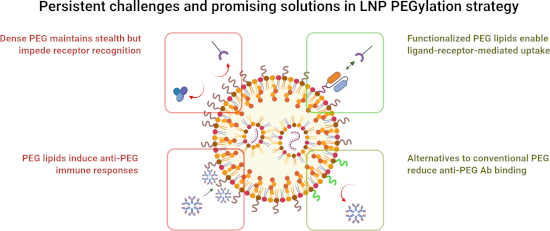
- Flory radius (RPEG) of PEG and the interchain distance (D). According to polymer scaling theory, when D exceeds twice RF (D > 2RPEG), chains exist as isolated mushrooms with minimal overlap, enabling protein penetration to the nanoparticle surface. Experimental validation using quartz crystal


Targeting the vector of arboviruses Aedes aegypti with nanoemulsions based on essential oils: a review with focus on larvicidal and repellent properties
Beilstein J. Nanotechnol. 2025, 16, 1894–1913, doi:10.3762/bjnano.16.132
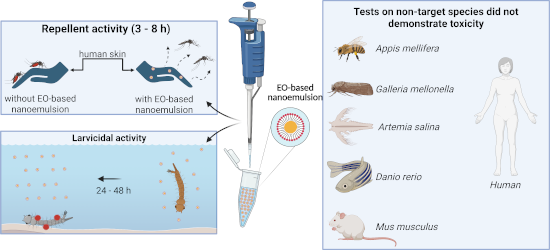
- . aegypti mosquitoes using thermal fogging techniques in outdoor environments [104]. This superior performance was attributed to the reduced droplet size, which facilitates penetration through mesothoracic spiracles and into the inner walls of the mesothoracic trachea, thereby increasing insect mortality


On the road to sustainability – application of metallic nanoparticles obtained by green synthesis in dentistry: a scoping review
Beilstein J. Nanotechnol. 2025, 16, 1851–1862, doi:10.3762/bjnano.16.128
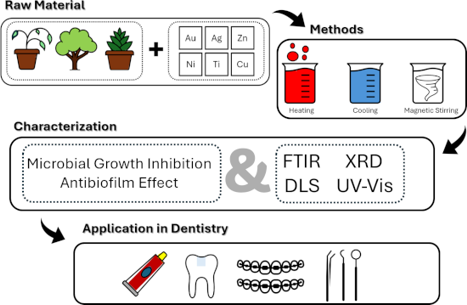
- of these particles facilitate deeper penetration into complex canal anatomies and improve antimicrobial action against resistant endodontic pathogens, which is critical for preventing reinfection and ensuring treatment success. The incorporation of biogenic nanoparticles into irrigating solutions
- , intracanal medicaments, and filling materials enhances their penetration and antibacterial action against resistant microorganisms, including Enterococcus faecalis [8][43][44]. Green-synthesized AgNPs and ZnO-NPs are particularly relevant due to their ability to disrupt biofilm architecture within dentinal


Phytol-loaded soybean oil nanoemulsion as a promising alternative against Leishmania amazonensis
Beilstein J. Nanotechnol. 2025, 16, 1826–1836, doi:10.3762/bjnano.16.126
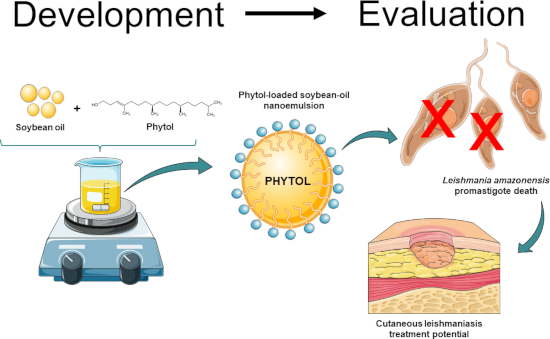
- thermal degradation of sensitive compounds, as well as excessive loss of volatile substances such as PHYT [30]. The small droplet size results in a large surface area, which enables effective interaction with biological membranes and consequently enhances drug penetration and retention [31]. Key
- nanoscale size, lipid fusion with membrane components, or disruption of the plasma membrane structure [48][49]. However, several studies have also highlighted the remarkable potential of nanoemulsions against intracellular amastigote forms. In addition to enhancing cutaneous penetration, nanoemulsions also


Electrical, photocatalytic, and sensory properties of graphene oxide and polyimide implanted with low- and medium-energy silver ions
Beilstein J. Nanotechnol. 2025, 16, 1794–1811, doi:10.3762/bjnano.16.123
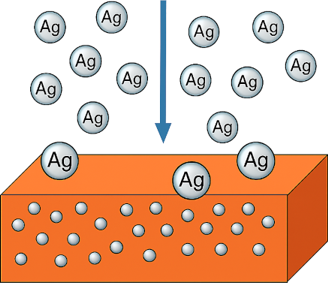
- MeV Ag ions. In this case, the electron stopping powers dominate near the surface. At 1.5 MeV, the Sn/Se ratio is lower (3.3–3.6), meaning that electronic interactions dominate, especially in the initial stages of penetration. The ions penetrate much deeper (Rp = 700–760 nm). At this energy, the
- ions with an energy of 1.5 MeV show reasonable agreement with the Ag concentration depth profiles in Figure 4a for GO and Figure 4b for PI. At this depth of ion penetration, we anticipate the most significant disruption of the carbon structures in both materials, involving the formation of vacancies
- to deeper ion penetration. While higher fluences also distort the surface, the resulting densification or redistribution of defects may lead to a decrease in roughness at the highest fluence. The findings for PI suggest that the application of low-energy 20 keV Ag (Figure 10) ion implantation results


Exploring the potential of polymers: advancements in oral nanocarrier technology
Beilstein J. Nanotechnol. 2025, 16, 1751–1793, doi:10.3762/bjnano.16.122
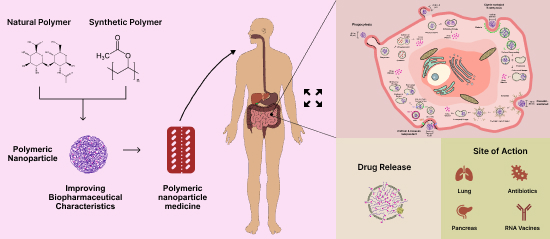
- increasing mucus penetration by modulating cellular absorption and reducing particle entrapment [65][66]. Maisel et al. [67] demonstrated that hydrophobic mucoadhesive particles adhere to mucus, leading to aggregation and limited distribution along the GIT after oral administration. Conversely, non
- polymer begins to degrade at the outer layer of the matrix and progressively advances inward, with the degradation rate exceeding that of water penetration. In bulk erosion, water rapidly penetrates the entire polymer structure, promoting homogeneous degradation of the matrix. This type of erosion
- physiological pH 7.4, by enhancing penetration and opening epithelial tight junctions in basic and neutral environments, thereby improving the paracellular transport of the drug molecule and reducing transepithelial electrical resistance [135][136]. In this regard, Farhadian et al. [118] manufactured


Advances of aptamers in esophageal cancer diagnosis, treatment and drug delivery
Beilstein J. Nanotechnol. 2025, 16, 1734–1750, doi:10.3762/bjnano.16.121

- to improve the penetration and accumulation of drugs in the lesion, providing more possibilities for the treatment strategy of EC. In addition, aptamer-based biosensors offer flexibility in design, combined with nanotechnology to achieve outstanding sensitivity [41]. Detection of EC-related
- penetration. Cell-penetrating peptides can improve aptamer transport by triggering adsorption-mediated endocytosis and may be an alternative strategy to solve this puzzle. For example, Le et al. [132] constructed nanocomplexes promising for the treatment of hepatocellular carcinoma by double modification of


Multifunctional anionic nanoemulsion with linseed oil and lecithin: a preliminary approach for dry eye disease
Beilstein J. Nanotechnol. 2025, 16, 1711–1733, doi:10.3762/bjnano.16.120

- partly increasing due to the widespread use of screens and computers [5]. Systemic administration of medications for treating ocular diseases requires high doses to achieve therapeutic effects, which can increase the risk of toxicity [6]. Several barriers limit the penetration of ocular medications, such



Prospects of nanotechnology and natural products for cancer and immunotherapy
Beilstein J. Nanotechnol. 2025, 16, 1644–1667, doi:10.3762/bjnano.16.116
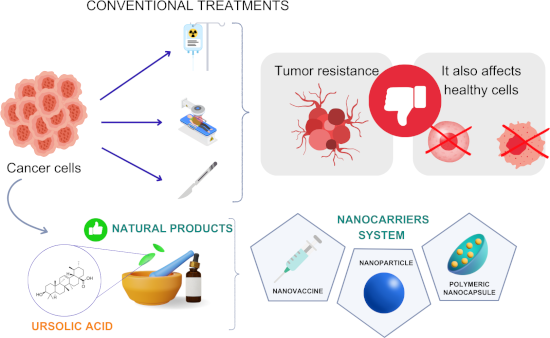
- biological environments, potential immunogenicity, scalability of manufacturing processes, and the need for comprehensive long-term toxicity studies [20][21]. Overcoming biological barriers, such as penetration through the dense tumor extracellular matrix, also remains a major hurdle [19]. Nevertheless



Photocatalytic degradation of ofloxacin in water assisted by TiO2 nanowires on carbon cloth: contributions of H2O2 addition and substrate absorbability
Beilstein J. Nanotechnol. 2025, 16, 1567–1579, doi:10.3762/bjnano.16.111
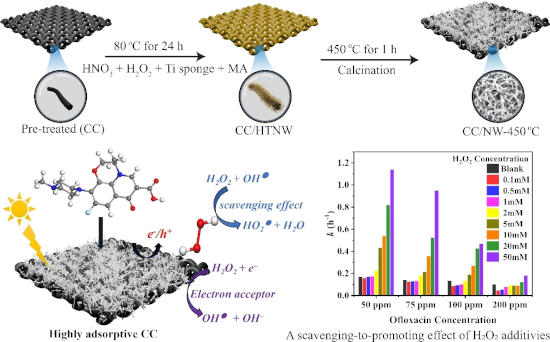
- lower OFL concentrations is attributed to the more efficient utilization of active sites and better light penetration in the solution. The TOC removal efficiency of the carbon cloth-supported TiO2 nanowires (CC/NW-450 °C) was also evaluated, as shown in Figure 5c. The TOC values decreased over time for
- higher at lower concentrations due to efficient light penetration and active site utilization, the absolute TOC removal was significantly higher at 200 ppm, highlighting the catalyst’s capacity to mineralize large organic loads under optimized conditions. The reusability of the CC/NW-450 °C photocatalyst


Transient electronics for sustainability: Emerging technologies and future directions
Beilstein J. Nanotechnol. 2025, 16, 1545–1556, doi:10.3762/bjnano.16.109
- the water diffusion pathway [92][93]. For instance, blending high-aspect-ratio inorganic flakes (e.g., SiO2) with a biodegradable poly(caprolactone) matrix has been shown to create tortuous diffusion paths that hinder direct water penetration, thereby improving moisture resistance and achieving a


Enhancing the therapeutical potential of metalloantibiotics using nano-based delivery systems
Beilstein J. Nanotechnol. 2025, 16, 1350–1366, doi:10.3762/bjnano.16.98
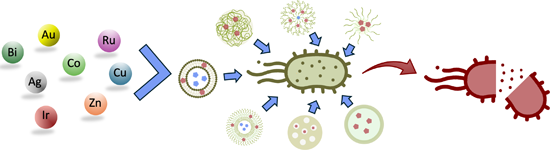
- delivery mechanism are broadly categorized into passive and active targeting [38]. Passive targeting is controlled by size, charge, and composition of the nanoparticle, which influences the localization, cell penetration, and release of the drug as physicochemical features of pathogenic tissues facilitate
- , improve biofilm penetration, and increase antibacterial efficacy, offering a promising strategy against resistant bacterial strains [96]. Recent developments in the design of heavy metal-free QDs along with biocompatible surface coatings have also significantly reduced concerns regarding toxicity, thus


Ferroptosis induction by engineered liposomes for enhanced tumor therapy
Beilstein J. Nanotechnol. 2025, 16, 1325–1349, doi:10.3762/bjnano.16.97


Wavelength-dependent correlation of LIPSS periodicity and laser penetration depth in stainless steel
Beilstein J. Nanotechnol. 2025, 16, 1302–1315, doi:10.3762/bjnano.16.95
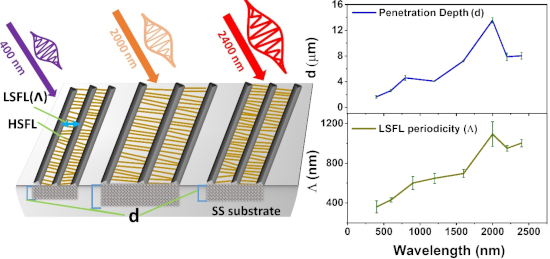
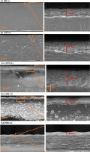
- observed. By employing cross-sectional electron microscopy, we scrutinize the penetration depth of laser radiation or laser-affected zone, in the LIPSS-formed SS sheets, revealing a parallel trend with LSFL and HSFL spatial periodicity. Specifically, the penetration depth increases with wavelength up to
- ); maximum LIPSS; penetration depth; Introduction Nanostructuring on surfaces plays a pivotal role in governing surface properties, and laser-induced periodic surface structures (LIPSS) have emerged as a potent method for achieving nanoscale surface modifications. Over the past decade, LIPSS and laser
- 400 to 2400 nm laser irradiation. This enabled the examination of the cross-sectional zone where the cumulative effect of the laser irradiation occurs. We analyzed how these effects correlate with the incident laser wavelength. The manuscript delves into the critical parameter of penetration depth, or




Better together: biomimetic nanomedicines for high performance tumor therapy
Beilstein J. Nanotechnol. 2025, 16, 1246–1276, doi:10.3762/bjnano.16.92
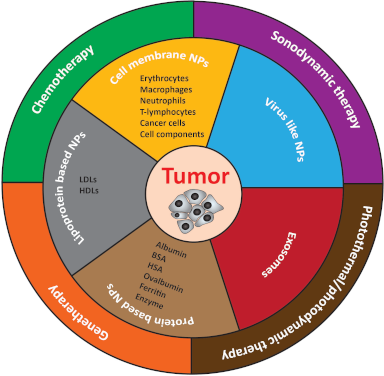
- release behavior, targeting ability, and surface modifications [12][13][14][15]. A variety of nanoparticles have been researched including liposomes, polymer NPs, solid lipid NPs, and hybrid NPs [16]. Nanoscale drug carriers with the advantage of high penetration, long circulation, and significant
- , high efficiency, and better tissue penetration. They developed small Fe@Fe3O4-DHCA nanoparticles (≈14 nm) and coated them with macrophages (RAW267.4 cells) for magnetic resonance imaging (MRI) and MHT of solid tumors. The Fe@Fe3O4-DHCA NPs showed accumulation in tumor cells resulting in enhanced MRI
- penetration of drugs and drug carriers. In addition, cancer cell membranes express specific receptors and antigens that help them recognize and target through a homotypic binding mechanism [44][45]. Therefore, cancer cell membranes are also extensively explored to localize nanomedicines to cancer cells







Hydrogels and nanogels: effectiveness in dermal applications
Beilstein J. Nanotechnol. 2025, 16, 1216–1233, doi:10.3762/bjnano.16.90
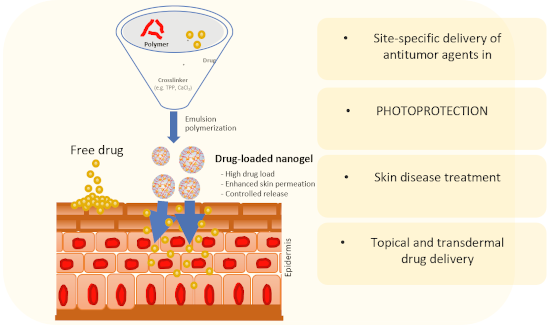
- concept on hydrogels, underlining compounds such as chitosan and alginate, and methods used for their preparation. Nanogels, with their attractive features, such as high drug encapsulation and penetration enhancer embedding, are also addressed. Finally, the application of these systems in dermal
- partition coefficient, the diffusion coefficient, and the path to be taken by the molecule, mainly through SC [174][175][176]. Overall, it is possible to improve drug penetration through the skin by using three different approaches: (i) increasing the drug saturation in the vehicle [177], (ii) elevating the
- /vehicle, drug/skin, and skin/vehicle [169][176][177]. Besides the drug/vehicle interaction, skin permeability can be changed by the effect of vehicles on the SC [170][174][178]. Many solvents, including dimethyl sulfoxide (DMSO) [175], glycols [179], and fatty acids [180] act as penetration enhancers (i.e


Mechanical stability of individual bacterial cells under different osmotic pressure conditions: a nanoindentation study of Pseudomonas aeruginosa
Beilstein J. Nanotechnol. 2025, 16, 1171–1183, doi:10.3762/bjnano.16.86
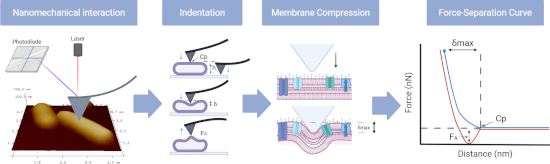
- intentionally selected from the middle regions of PA. The corresponding mean values for the maximum deformation or penetration δmax, attained by the AFM tip during compression on the central region of the bacteria, are also given. Table 1 shows that the mechanical resistance to deformation reflected in the
- stiffness remain almost unchanged for the tested conditions. However, mean values obtained for Young’s modulus show a shallow trend to decrease with higher osmolarities, particularly when point nanoindentations were used. On the other hand, a clear increase in the penetration depth δmax is observed for
- hypotonic and hypertonic solutions yielded mean values for the maximum penetration depths (δmax) of about 52 and 92 nm, respectively. In contrast, for PBS, an intermediate value was obtained. Considering the above information regarding the states of swelling or plasmolysis, our results for the stiffening


Crystalline and amorphous structure selectivity of ignoble high-entropy alloy nanoparticles during laser ablation in organic liquids is set by pulse duration
Beilstein J. Nanotechnol. 2025, 16, 1141–1159, doi:10.3762/bjnano.16.84
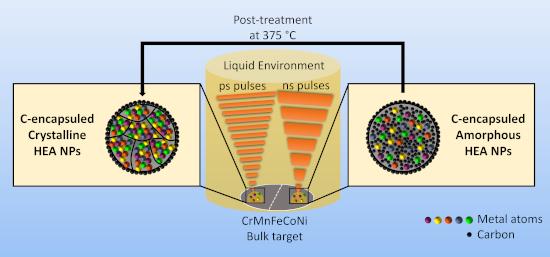
- pulses is that ns-LAL goes along with a more pronounced melting of the target surface (higher thermal penetration depth and lateral heating), compared to that of ps-LAL, a process that Waag et al. experimentally described by comparing target surfaces after both ps- and ns-LAL [87]. This is because in ns
- -LAL, thermal processes are dominant and thus, the ablation process is not as vigorous as in ps-LAL. Further, due to the longer exposure of thermal penetration in ns-LAL, the ablation plume tends to be heated for a longer time compared to that in ps-LAL. However, in both ns- and ps-laser ablation in




A calix[4]arene-based supramolecular nanoassembly targeting cancer cells and triggering the release of nitric oxide with green light
Beilstein J. Nanotechnol. 2025, 16, 1003–1013, doi:10.3762/bjnano.16.75
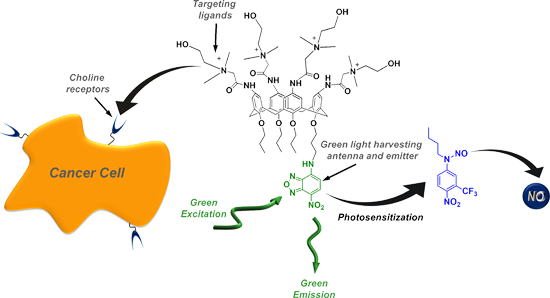
- light, not only for its intrinsic low toxicity but also for its deeper tissue penetration. Our recent work reported a supramolecular approach to trigger the NO release from a blue-light-activatable nitroso-derivative NOPD through red light [51][52]. This was achieved by a bimolecular photochemical