
Search results
Search for "silica" in Full Text gives 402 result(s) in Beilstein Journal of Nanotechnology. Showing first 200.
Clays enhanced with niobium: potential in wastewater treatment and reuse as pigment with antibacterial activity
Beilstein J. Nanotechnol. 2025, 16, 141–154, doi:10.3762/bjnano.16.13
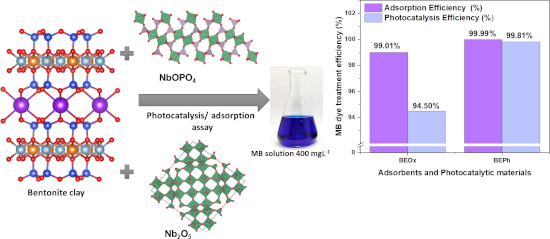
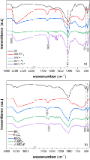
- modified with the niobium compounds, the element sodium had its percentage decreased compared with that in the bentonite sample. However, the little change in the percentage of aluminum and silica, corresponding to the octahedral and tetrahedral layer, respectively, confirms that the niobium compounds are



Nanocarriers and macrophage interaction: from a potential hurdle to an alternative therapeutic strategy
Beilstein J. Nanotechnol. 2025, 16, 97–118, doi:10.3762/bjnano.16.10
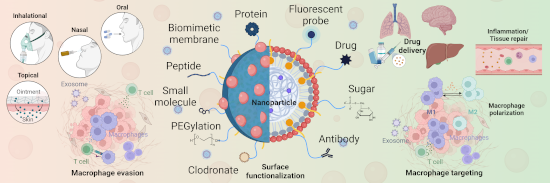
- decades of technological evolution, during which NCs have become indispensable components of drug delivery systems, known for their adaptability and efficiency [2]. The “family” of nanoparticles (NPs) includes a broad range of materials such as lipids, polymers, proteins, dextran, silica [3], and metals
- in KCs, is essential for clearing infections caused by the Gram-positive bacterium Listeria monocytogenes [30]. In nanomedicine, SRs are also responsible for clearing negatively charged NPs such as those composed of silica [31][32]. This interaction leads to the internalization of NCs via endocytosis
- into clinical practice requires overcoming key challenges, such as ensuring molecular stability, achieving targeted delivery, and minimizing immune activation. Ongoing research is addressing these barriers by advancing RNA delivery systems [77]. For example, mesoporous silica NPs have been utilized to


Instance maps as an organising concept for complex experimental workflows as demonstrated for (nano)material safety research
Beilstein J. Nanotechnol. 2025, 16, 57–77, doi:10.3762/bjnano.16.7
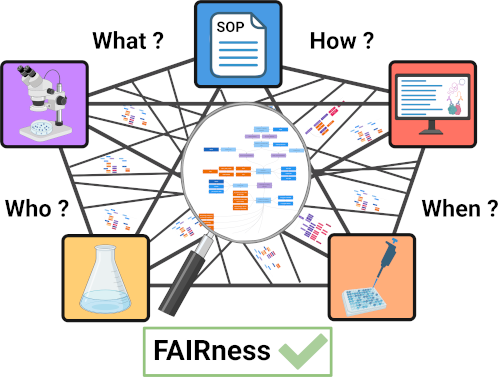
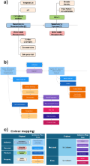
- allow for benchmarking and interoperability of data from different labs, similar to the CHADA and MODA concepts. Example 4: Showcasing complex workflows in human immunotoxicity assessment using cell lines and primary cellular models In the context of studying bio-nano interactions of silica-based
- focused on silica (SiO2) nanomaterials in the size range of 50–100 nm (depending on the method used, i.e., transmission electron microscopy, nanoparticle tracking analysis, or dynamic light scattering (intensity or number distribution)) with different surface modifications, which are reported to be


Orientation-dependent photonic bandgaps in gold-dust weevil scales and their titania bioreplicates
Beilstein J. Nanotechnol. 2025, 16, 1–10, doi:10.3762/bjnano.16.1
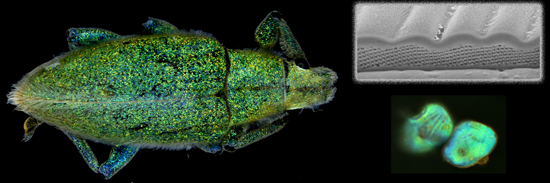
- templating process employed here, the 3D geometry did not significantly increase the porosity of titania. Our estimate for the effective refractive index of titania in the 3D lattice is in the range reported for pure titania thin films (1.95–2.55 [38], 1.72–2.03 [39]), hybrid silica/titania thin films (1.95
- [40], 1.50–1.95 [41] and hybrid organotitania (1.75–2.05 [42], 1.55–1.65 [43]). This is lower than the tabulated values of titania prepared by, for example, layer deposition (2.10 [44], 2.40 [45], see also [46][47]), but higher than that of pure silica replicas (1.50 [18]). This is not unexpected as
- , during templating, it unfortunately introduces lattice breakage and shrinkage. Therefore, a calcination process at high temperatures is likely not the best option for pure titania [24], although it seems to work better for silica [18]. The replication process used here had a modestly high temperature


Attempts to preserve and visualize protein corona on the surface of biological nanoparticles in blood serum using photomodification
Beilstein J. Nanotechnol. 2024, 15, 1654–1666, doi:10.3762/bjnano.15.130
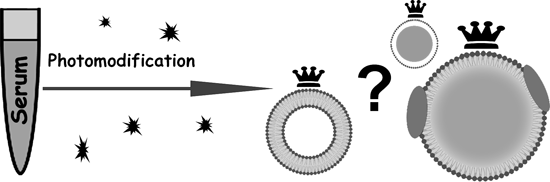
- photomodification to obtain NPs bearing a full protein corona on the lipid surface, the proteins of which could be identified by mass analysis [23]. Hossein Mohammad-Beigi and colleagues published another approach in 2020 [7]. They used methods of click chemistry to fix proteins on the surface of silica and



Biomimetic nanocarriers: integrating natural functions for advanced therapeutic applications
Beilstein J. Nanotechnol. 2024, 15, 1619–1626, doi:10.3762/bjnano.15.127
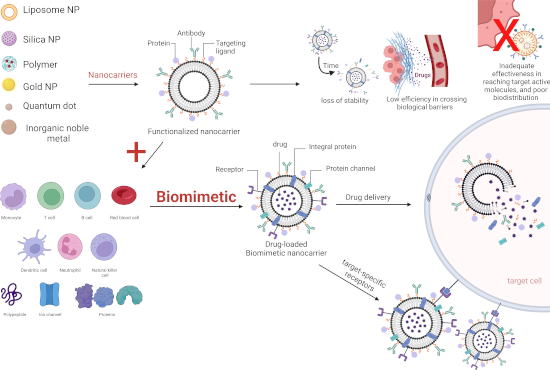
- coated nanocarriers, such as PLGA NPs and silica NPs, enhance interactions with dendritic cells, leading to antitumor responses [25][26]. In a similar study with CMC-NPs composed of C-phycocyanin (C-PC) and a CD59-specific binding peptide (CD59sp), the antitumor activity of the C-PC/CMC-CD59sp


Dual-functionalized architecture enables stable and tumor cell-specific SiO2NPs in complex biological fluids
Beilstein J. Nanotechnol. 2024, 15, 1238–1252, doi:10.3762/bjnano.15.100
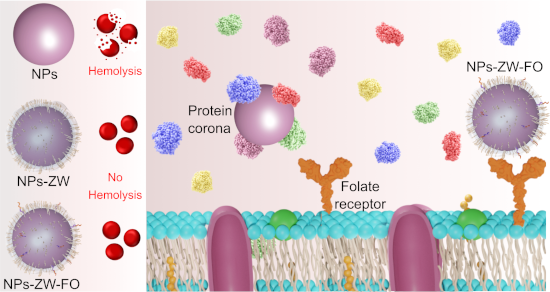
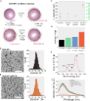
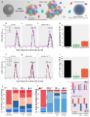
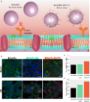
- -depth studies in complex environments to evaluate nanoparticle stability, protein corona formation, hemolytic activity, and targeting capabilities. To address this issue, fluorescent silica nanoparticles (SiO2NPs) are here functionalized with zwitterionic (kinetic stabilizer) and folate groups
- active groups (amino, mercapto, or carboxylic functionalities) to interact with cells, viruses, and bacteria [17][18][20]. Pan et al. [24] developed mesoporous silica nanoparticles (SiO2NPs) covalently attached to (i) poly(oligo(ethylene glycol) monomethyl ether methacrylate) for improved stabilization
- four washes with deionized water. Finally, they were re-dispersed in 120.0 mL of water. After, a silica shell was synthesized around the preformed fluorescent core by the addition of ethanol (60.0 mL), ammonia solution (1.4 mL), and TEOS (1.7 mL). The addition of TEOS was done at a rate of 1.0 mL per

Realizing active targeting in cancer nanomedicine with ultrasmall nanoparticles
Beilstein J. Nanotechnol. 2024, 15, 1208–1226, doi:10.3762/bjnano.15.98
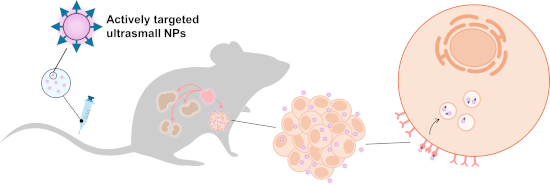
- modalities of actively targeted usNPs and their current applications in cancer diagnosis and treatment. 2 Inorganic ultrasmall NPs in cancer nanomedicine Important classes of inorganic usNPs under investigation for cancer nanomedicine include metallic usNPs (gold, silver), oxide and sulfide usNPs (silica
- ][156][157][158][159]; and Table 2 provides a quantitative assessment of tumor uptake for actively targeted usNPs compared to control groups, limited to studies including quantitative values of % ID/g. 5.1 Folic acid ligand/folate receptor Wu et al. developed core–shell silica NPs (Cornell dots, or C
- targeting and rapid clearance of PSMA-targeting AuNCs offers the potential for reducing radiation dosage and minimizing exposure to healthy tissue. Chen et al. developed renal-clearable and PSMA-targeting C’ dots for dual-modality imaging of prostate cancer [130]. These particles featured a ≈4 nm silica


Recent updates in applications of nanomedicine for the treatment of hepatic fibrosis
Beilstein J. Nanotechnol. 2024, 15, 1105–1116, doi:10.3762/bjnano.15.89
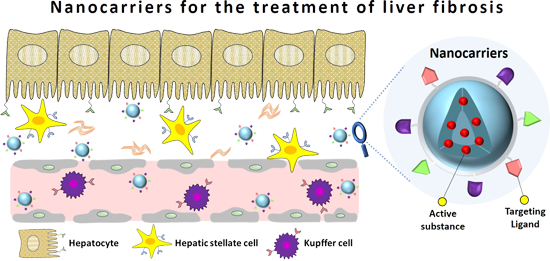
- hepatobiliary clearance in vivo. For example, positively charged mesoporous silica NPs (MSNPs) underwent significant uptake by hepatocytes, while MSNPs with negative charges were rapidly internalized by Kupffer cells in liver sinusoids [33]. The negative charge of the nanocarriers could facilitate efficient


Unveiling the potential of alginate-based nanomaterials in sensing technology and smart delivery applications
Beilstein J. Nanotechnol. 2024, 15, 1077–1104, doi:10.3762/bjnano.15.88


Therapeutic effect of F127-folate@PLGA/CHL/IR780 nanoparticles on folate receptor-expressing cancer cells
Beilstein J. Nanotechnol. 2024, 15, 954–964, doi:10.3762/bjnano.15.78
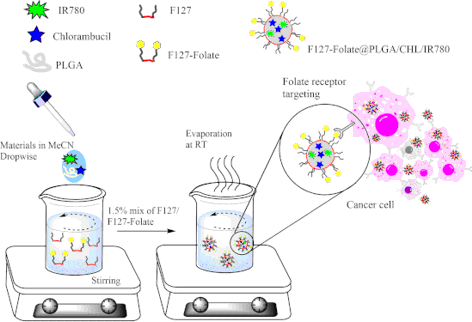
- /IR780 (10 μL) suspension was loaded on a silica film for 1 min, and water was allowed to evaporate. Then, the nanoparticles were coated with titanium, and the SEM images were acquired using a FE-SEM S4800 HITACHI, Japan. Drug loading efficiency The F127-folate@PLGA/CHL/IR780 suspension was freeze-dried



Classification and application of metal-based nanoantioxidants in medicine and healthcare
Beilstein J. Nanotechnol. 2024, 15, 396–415, doi:10.3762/bjnano.15.36
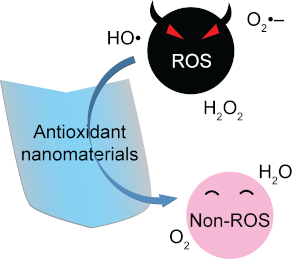
- , Kharlamov et al. investigated 180 patients diagnosed with coronary artery disease (CAD). Their findings unveiled a notable regression of coronary atherosclerosis associated with plasmonic photothermal therapy using silica–gold NPs (SiO2-AuNPs) [177]. Metal-based NPs exhibit the ability to scavenge free


Vinorelbine-loaded multifunctional magnetic nanoparticles as anticancer drug delivery systems: synthesis, characterization, and in vitro release study
Beilstein J. Nanotechnol. 2024, 15, 256–269, doi:10.3762/bjnano.15.24
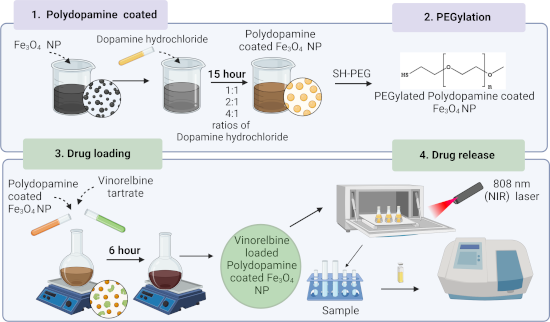
- , as they increase permeability and retention effect in solid tumors, enabling precise application to the targeted cells. Various structures such as silica-based conjugates, inorganic polymers, ceramic nanomaterials, gold, iron oxide, and noble metal nanoparticles have been utilized [9][10]. Among the


Graphene removal by water-assisted focused electron-beam-induced etching – unveiling the dose and dwell time impact on the etch profile and topographical changes in SiO2 substrates
Beilstein J. Nanotechnol. 2024, 15, 190–198, doi:10.3762/bjnano.15.18
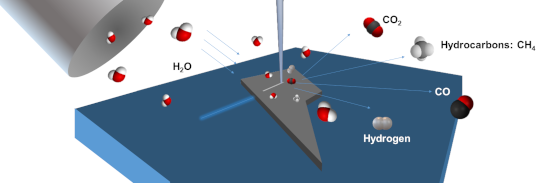
- using electron beams and gas precursors was not widely recognized at the time when earlier studies regarding morphological changes in silica upon the electron irradiation were performed [24]. Therefore, neither of the electron-beam-induced changes into the SiO2 surface during the water purification of
- FEBID materials were taken into account. The topographical changes in silica can be a consequence of removing Si and O atoms by OH− groups, which are the product of adsorbed water molecules upon electron beam exposure. The related process of silica removal by hot water molecules at a high pressure has
- dissociation products of water molecules and thus could be actively involved in the SiO2 removal process. Our results, showing topographical changes in SiO2 are partially consistent with former studies reported by Steven Kalceff et al. [24] of either swelling or deswelling of a silica substrate upon electron


Nanocarrier systems loaded with IR780, iron oxide nanoparticles and chlorambucil for cancer theragnostics
Beilstein J. Nanotechnol. 2024, 15, 180–189, doi:10.3762/bjnano.15.17
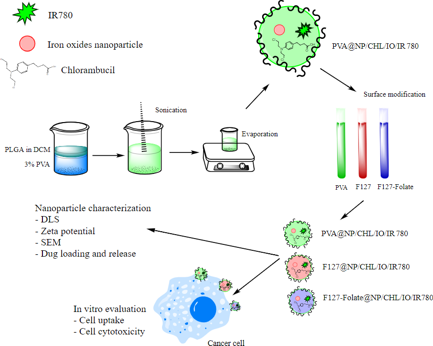
- were performed in both 0.1× PBS (13.7 mM of NaCl, 0.27 mM of KCl, 1 mM of Na2HPO4, and 0.18 mM of KH2PO4, pH 7.4) and animal cell culture media containing DMEM and 10% FBS. Scanning electron microscopy For scanning electron microscopy (SEM) experiments, 10 μL of F127-folate@NP was loaded on the silica


Modification of graphene oxide and its effect on properties of natural rubber/graphene oxide nanocomposites
Beilstein J. Nanotechnol. 2024, 15, 168–179, doi:10.3762/bjnano.15.16
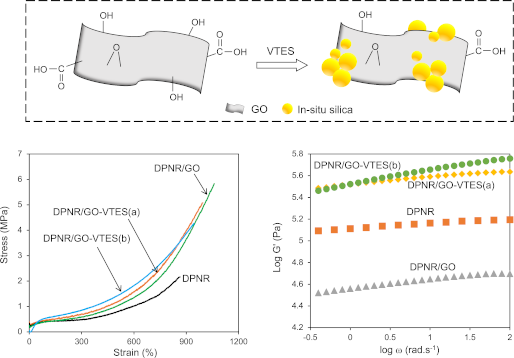
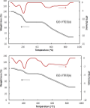
- characterized by X-ray diffraction (XRD), Fourier-transform infrared spectroscopy, contact angle, thermal gravimetric analysis, and scanning electron microscopy. The XRD results showed the appearance of an amorphous region of silica particles at a diffraction angle of 22°. The formation of silica was
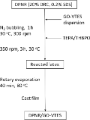
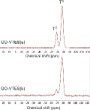
- investigated by 29Si NMR, and it was found that the hydrolysis and condensation of VTES proceed more completely in basic conditions than in acidic conditions. The silica content of GO-VTES(b) was 43%, which is higher than that of GO-VTES(a) (8%). Morphology of silica was observed by SEM. The DPNR/GO-VTES
- , GO has quite poor compatibility with NR. It is necessary to modify GO to have a better interaction with the NR matrix. Various researchers have attempted to functionalize GO with silane coupling agents to prepare hybrid GO/silica fillers [25][26]. The concept is based on the hydrolysis and






Berberine-loaded polylactic acid nanofiber scaffold as a drug delivery system: The relationship between chemical characteristics, drug-release behavior, and antibacterial efficiency
Beilstein J. Nanotechnol. 2024, 15, 71–82, doi:10.3762/bjnano.15.7

- , iron oxide, and mesoporous silica nanoparticles) [4]. Additionally, nanocarrier-free systems, such as drug nanocrystals, are also used to improve the delivery of poorly soluble drugs [5][6]. In our previous study, the saturation concentration of BBR in water was 2.0 mg/mL, while BBR nanoparticles


Nanotechnological approaches in the treatment of schistosomiasis: an overview
Beilstein J. Nanotechnol. 2024, 15, 13–25, doi:10.3762/bjnano.15.2

- ) are derived from metals or silica [25]. The most common metal used in the production of IN found in this work was gold, even though it was also possible to observe a great amount of works using silver and zinc (Figure 5). While silica-derived nanoparticles are used in the treatment against


Elasticity, an often-overseen parameter in the development of nanoscale drug delivery systems
Beilstein J. Nanotechnol. 2023, 14, 1149–1156, doi:10.3762/bjnano.14.95

- biological applications Mechanical properties of particles have a significant impact on the cell–particle interaction; most particles are reported to be taken up faster when they are more rigid [36]. Some materials such as phospholipids and organic silica NPs with a hyaluronic acid coating show superior
- variable elasticity were prepared by immersing mesoporous silica nanoparticles in carboxybetaine methacrylate (CBMA) and crosslinking those with different amounts of carboxybetaine dimethacrylate (CBMAX). Particles with Young’s moduli between 4.5 and 162 MPa (measured in air) were obtained. By measuring
- convinced that elasticity as a formulation parameter can help to promote more nanoparticulate drug delivery systems to be translated to the clinics. (A) Height image of gelatin nanoparticles on a silica surface imaged in Milli-Q® water at 37 °C in the quantitative imaging mode. (B) A force–distance curve


A multi-resistance wide-range calibration sample for conductive probe atomic force microscopy measurements
Beilstein J. Nanotechnol. 2023, 14, 1141–1148, doi:10.3762/bjnano.14.94

- -AFM imaging and I–V curves measurement to define the conditions for calibrated measurements. Calibration sample design and fabrication The sample developed in this work consisted of a square fused silica substrate (11 mm wide, 2 mm thick), on which gold connection lines and pads were fabricated by
- droplets (F42240, lead-free solder paste – class 5, CIF, France). The fused silica substrate was placed on a heating plate set to 270 °C, which required around 3 min to reach the melting temperature of the solder droplets (217 °C), as observed under an optical microscope. Upon cooling, 16 SMD resistors


Nanoarchitectonics of photothermal materials to enhance the sensitivity of lateral flow assays
Beilstein J. Nanotechnol. 2023, 14, 988–1003, doi:10.3762/bjnano.14.82
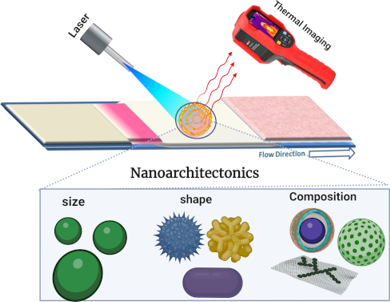
- by changing the composition of core–shell nanoparticles of silica and gold. A Au–Ag nanocomposite material developed by Lin et al. underwent structural changes, resulting in reduced photothermal conversion in the presence of H2S [78]. A multifunctional nanocomposite based on Au–Pt was developed by Li


Antibody-conjugated nanoparticles for target-specific drug delivery of chemotherapeutics
Beilstein J. Nanotechnol. 2023, 14, 912–926, doi:10.3762/bjnano.14.75

- copper-free click reaction to decorate fluorescent silica NPs with bicyclononyne. They exposed the NPs to media that mimicked in vitro culture conditions (10% serum) and biological fluids present in vivo (100% serum). They observed an increase in size and a slight decrease in negative charge in serum
- -containing media, which confirmed protein corona formation. The protein corona establishes a barrier between the ligand and the target, significantly reducing the NP targeting efficiency as compared to bare NPs [79]. Salvati et al. developed transferrin (Tf)-modified fluorescent silica NPs to evaluate the
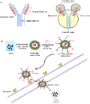
- increased the binding affinity of the NPs to bind to the Zika virus NS1 [84]. In contrast, Dai et al. examined the effect of protein corona formation on the targeting ability of silica-poly(methacrylic acid)-PEG-AntiHER2 NPs. They demonstrated that a protein corona from human serum affects the NPs surface



A wearable nanoscale heart sound sensor based on P(VDF-TrFE)/ZnO/GR and its application in cardiac disease detection
Beilstein J. Nanotechnol. 2023, 14, 819–833, doi:10.3762/bjnano.14.67

- are welded onto the edges of the copper foil. In the mold shown in Figure 2, a thin layer of silica gel is injected and left to stand until it is dry. The nanofilm attached to the electrode is then placed in the mold, and an appropriate amount of silica gel is slowly injected until the film is
- sensor after bending. It was observed that the sensor encapsulated by silica gel was highly flexible and could fit snugly onto the skin. Additionally, the food-grade silica gel used in the outermost layer is ecologically friendly, harmless to human health, and makes for a great wearable, flexible
- piezoelectric nanoscale heart sensor, and the outermost layer of silica gel effectively protected the flexible nanofilm and adhered to the skin. In this paper, the acoustic-electric conversion performance of P(VDF-TrFE)/ZnO/GR piezoelectric composite films was evaluated using a self-built acoustic-electric


Carboxylic acids and light interact to affect nanoceria stability and dissolution in acidic aqueous environments
Beilstein J. Nanotechnol. 2023, 14, 762–780, doi:10.3762/bjnano.14.63

- resulted in loss or overcoating of the surface citrate, and, in some cases, agglomeration [10]. Exposure to vitamin C and glutathione led to dissolution-accompanied aggregation of mesoporous silica CeO2 nanoparticles [35]. The shortening of ceria nanorods from 25 to 8 nm after 14 days at 200 °C was
Nanoarchitectonics to entrap living cells in silica-based systems: encapsulations with yolk–shell and sepiolite nanomaterials
Beilstein J. Nanotechnol. 2023, 14, 522–534, doi:10.3762/bjnano.14.43
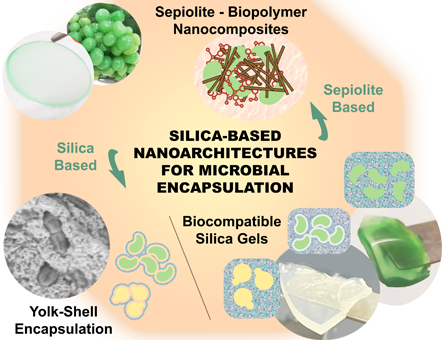
- microorganisms, that is, cyanobacteria and yeast cells, have been immobilized in silica and silicate-based substrates organized as nanostructured materials. In a first attempt, matrices based on bionanocomposites of chitosan and alginate incorporating sepiolite clay mineral and shaped as films, beads, or foams
- have been explored for the immobilization of cyanobacteria. It has been observed that this type of biohybrid substrates leads to serious problems regarding the long-time survival of the encapsulated microorganisms. Alternative procedures using silica-based matrices with low sodium content, generated by
- sol–gel methods, as well as pre-synthesised yolk–shell bionanohybrids have been studied subsequently. Optical microscopy and SEM confirm that the silica shell microstructures provide a reduced contact between cells. The inorganic matrix increases the survival of the cells and maintains their