
Search results
Search for "REACH" in Full Text gives 727 result(s) in Beilstein Journal of Nanotechnology. Showing first 200.
Piezoelectricity of hexagonal boron nitrides improves bone tissue generation as tested on osteoblasts
Beilstein J. Nanotechnol. 2025, 16, 1068–1081, doi:10.3762/bjnano.16.78
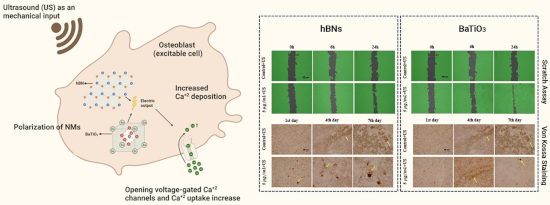
- undergoes continuous remodeling, where old bone is replaced with new tissue, a process that becomes particularly prominent once bones reach peak mass and continues through adulthood, replacing most of the skeleton approximately every decade [1]. Hydroxyapatite crystals (Ca10(PO4)6(OH)2) form through the


Time-resolved probing of laser-induced nanostructuring processes in liquids
Beilstein J. Nanotechnol. 2025, 16, 968–1002, doi:10.3762/bjnano.16.74
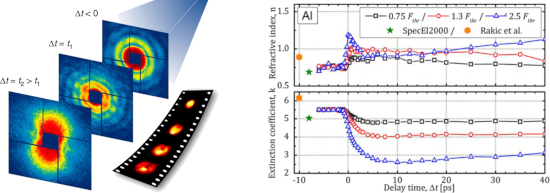
- ablation section, such as phase explosion, do require fast heating for the material to leave the binodal of liquid–gas coexistence and reach the critical point or the spinodal line [38]. This model offers a conceptually straightforward access to classifying structure formation according to the maximally
- reach the boiling point of the irradiated material. With these complications in mind, it is useful to take a closer look at the energy distribution pathway. In almost all cases of linear absorbing materials, the laser light interacts first with electrons that are excited into a state far above the Fermi


Synthesis of biowaste-derived carbon-dot-mediated silver nanoparticles and the evaluation of electrochemical properties for supercapacitor electrodes
Beilstein J. Nanotechnol. 2025, 16, 933–943, doi:10.3762/bjnano.16.71
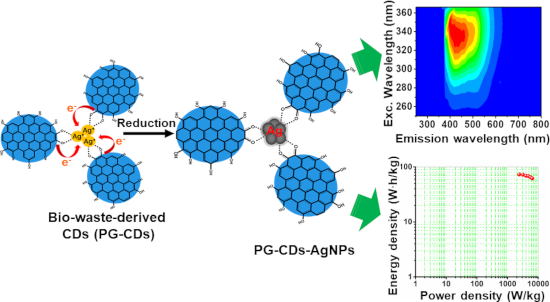
- examined within a 0–0.8 V potential window. Aqueous (aq.) electrolytes are inexpensive, readily accessible, and environmentally benign. In this case, KCl (aq.) is neutral and contains small-sized, highly mobile K+ and Cl− ions. These ions should be easier to reach in order to optimize the electrochemical


Facile one-step radio frequency magnetron sputtering of Ni/NiO on stainless steel for an efficient electrode for hydrogen evolution reaction
Beilstein J. Nanotechnol. 2025, 16, 837–846, doi:10.3762/bjnano.16.63
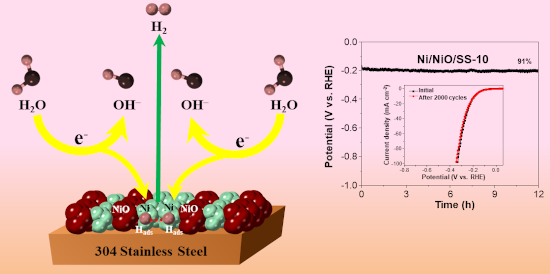
- provides better HER efficacy than other as-synthesized catalysts. To reach a cathodic current density of 10 mA·cm−2, SS, Ni/NiO/SS-5, Ni/NiO/SS-10 Ni/NiO/SS-15, and Ni/NiO/SS-20 electrodes needed overpotentials of 431, 247, 184, 326, and 382 mV vs RHE, respectively. A smaller overpotential implies a


Morphology and properties of pyrite nanoparticles obtained by pulsed laser ablation in liquid and thin films for photodetection
Beilstein J. Nanotechnol. 2025, 16, 785–805, doi:10.3762/bjnano.16.60
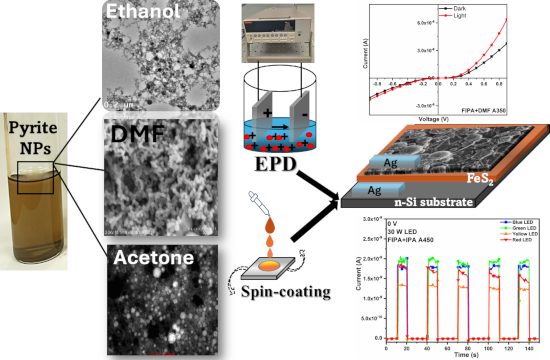
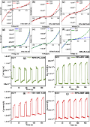
- mechanism is suggested for the formation of FeS. First, the FeS2 target may effectively absorb the laser light upon ablation, reach a high temperature, and split into Fe2+ and S22− ions. The presence of FeS in the target is also another reason for favoring this phase change. In the meantime, the surrounding






Nanostructured materials characterized by scanning photoelectron spectromicroscopy
Beilstein J. Nanotechnol. 2025, 16, 700–710, doi:10.3762/bjnano.16.54
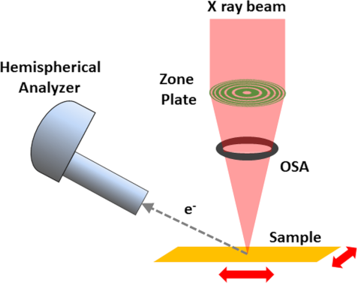
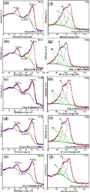
- Ni3+ to reach charge neutrality. Additionally, NiO exhibits a wide bandgap, which also prompts considerable research interest. The properties of NiO are highly dependent on the synthesis method, owing to the variable dimensionality, morphology, crystalline orientation, and defect structure [44


High-temperature epitaxial growth of tantalum nitride thin films on MgO: structural evolution and potential for SQUID applications
Beilstein J. Nanotechnol. 2025, 16, 690–699, doi:10.3762/bjnano.16.53
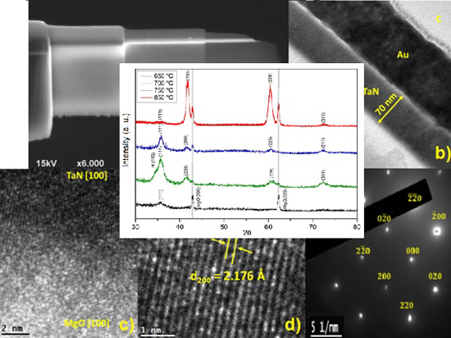
- physical property measurement system. To achieve temperatures below 4.2 K, a vacuum pump was used to reduce the pressure on the helium bath. This technique allows the liquid helium temperature to be lowered to approximately 1.8 K. Reducing the vapor pressure provides an efficient method to reach 2.0 K


Aprepitant-loaded solid lipid nanoparticles: a novel approach to enhance oral bioavailability
Beilstein J. Nanotechnol. 2025, 16, 652–663, doi:10.3762/bjnano.16.50
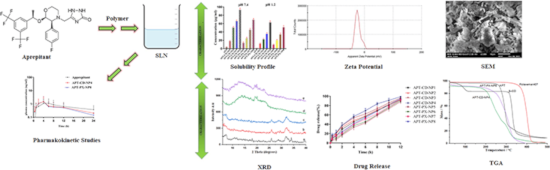
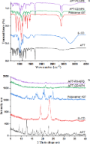
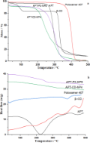
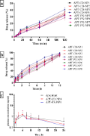
- parameters were calculated by using PK Solver: half-life (t1/2), time to reach maximum concentration of drug in plasma (Tmax), maximum concentration of drug in plasma (Cmax), mean residence time (MRT), and area under the plasma concentration curve (AUC). Conclusion APT-loaded SLN formulations with the



Nanoscale capacitance spectroscopy based on multifrequency electrostatic force microscopy
Beilstein J. Nanotechnol. 2025, 16, 637–651, doi:10.3762/bjnano.16.49
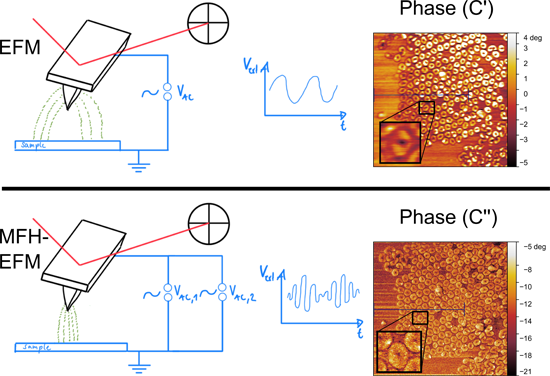
- to at least 50 MHz, limited by the bandwidth of the LIA. To reach a nanoscale-sensitive measurement of the dielectric constant in media besides air, a detection at higher excitation frequencies in the megahertz regime is strictly necessary [59]. The indirect detection of local capacitance variations




A formulation containing Cymbopogon flexuosus essential oil: improvement of biochemical parameters and oxidative stress in diabetic rats
Beilstein J. Nanotechnol. 2025, 16, 617–636, doi:10.3762/bjnano.16.48
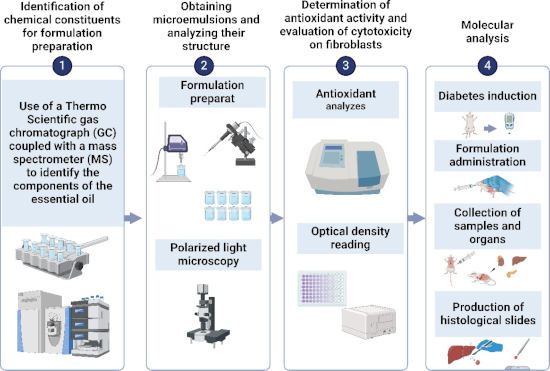
- reach 700 million cases by 2045 [1]. The main causes of DM are related to a deficit in insulin production due to a loss of pancreatic β-cell function (type-1 DM) [1], or due to insulin resistance and a partial deficit in the secretion of this hormone by pancreatic β-cells (type-2 DM). Various therapies




Electron beam-based direct writing of nanostructures using a palladium β-ketoesterate complex
Beilstein J. Nanotechnol. 2025, 16, 530–539, doi:10.3762/bjnano.16.41
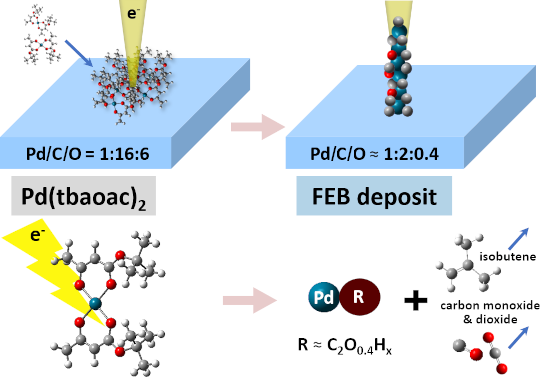
- given the same molecular and electron flux. However, for the pillar, the surface diffusion contribution of adsorbates is lower as the diffusing molecules need to travel a longer distance from the surface to reach the irradiated area. Also, molecules are lost because of thermal decomposition that is


Effect of additives on the synthesis efficiency of nanoparticles by laser-induced reduction
Beilstein J. Nanotechnol. 2025, 16, 464–472, doi:10.3762/bjnano.16.35
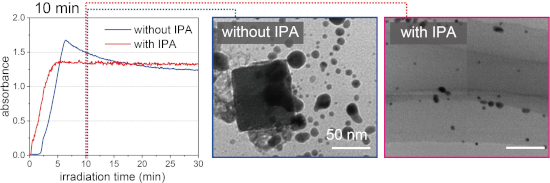
- efficiency of Au nanoparticle synthesis using LRL by about five times. By applying these results to the current synthesis system (20 mg/h), the synthesis efficiency can reach 100 mg/h. We also investigated the optimal concentration of IPA as a radical scavenger. Figure 3 shows the reaction finishing time of


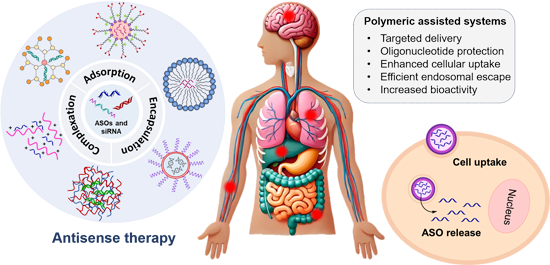
Synthetic-polymer-assisted antisense oligonucleotide delivery: targeted approaches for precision disease treatment
Beilstein J. Nanotechnol. 2025, 16, 435–463, doi:10.3762/bjnano.16.34


Development of a mucoadhesive drug delivery system and its interaction with gastric cells
Beilstein J. Nanotechnol. 2025, 16, 371–384, doi:10.3762/bjnano.16.28
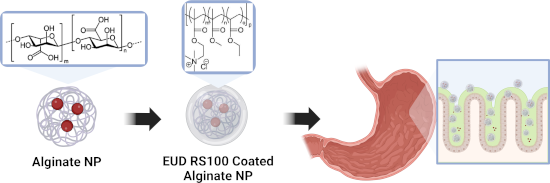
- can be concluded that the presence of Eudragit polymer on the alginate nanoparticles as a coating is beneficial, particularly at neutral pH because after the nanoparticles reach the mucus and start diffusing, the coating would protect and slow down the otherwise much faster release of the drug to the
- . Mucoadhesive drug delivery systems eventually lead to an increased amount of drug at the mucosa. However, these nanocarriers might also be trapped in the mucus layer and get washed away with mucus turnover. The ability to penetrate through the mucus layer and to reach the underlying epithelium are therefore
- nanoparticles, leading to immobilization of the carriers [64]. It should also be noted that the mucus layer through which the nanoparticles must diffuse to reach to the underlying gelatin layer (where the fluorescence measurements were taken from) is approximately 7 mm thick. The mean mucus thickness in stomach


Vortex lattices of layered HTSCs at different vortex–vortex interaction potentials
Beilstein J. Nanotechnol. 2025, 16, 362–370, doi:10.3762/bjnano.16.27
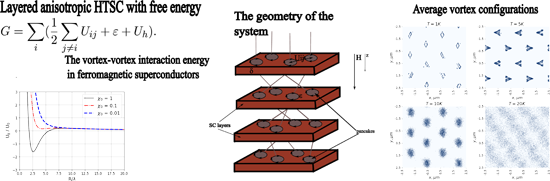
- . As further calculations show, this leads to the formation of clusters, the number of vortices in which can reach 100. The shape of the potential from Equation 3 depends significantly on the value of the magnetic susceptibility of the superconductor, χ0. With an increase in χ0, the depth of the


Recent advances in photothermal nanomaterials for ophthalmic applications
Beilstein J. Nanotechnol. 2025, 16, 195–215, doi:10.3762/bjnano.16.16
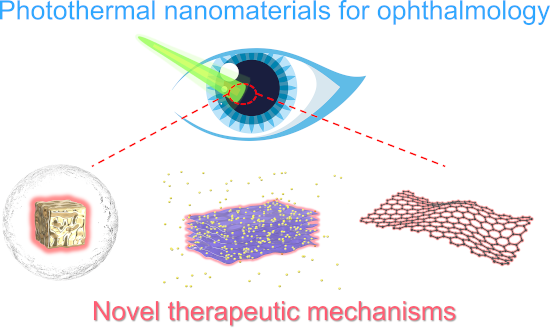
- reach the retina (the size of the ICG NPs should be greater than 100 nm). Therefore, in subsequent studies, two types of ICG NPs were synthesized using lipids and poly (lactic-co-glycolic acid) (PLGA) [53]. Size, surface charge, and ICG concentration of the NPs were modulated by varying the synthesis


Probing the potential of rare earth elements in the development of new anticancer drugs: single molecule studies
Beilstein J. Nanotechnol. 2025, 16, 187–194, doi:10.3762/bjnano.16.15
- interdisciplinary research to find, produce, and test drug candidates until they can reach the market [1][2]. Cancer chemotherapy, for instance, is a type of treatment that deserves improvements not only in the efficacy of the drugs employed to kill tumor cells, but also in reducing the occurrence of the well-known
- side effects related to these therapies. Actually, both aspects depend on the development of new drugs and/or drug carriers that can improve the selectivity of these anticancer agents to reach their specific targets inside tumor cells [3][4][5]. Although commonly used in a number of technological


A review of metal-organic frameworks and polymers in mixed matrix membranes for CO2 capture
Beilstein J. Nanotechnol. 2025, 16, 155–186, doi:10.3762/bjnano.16.14
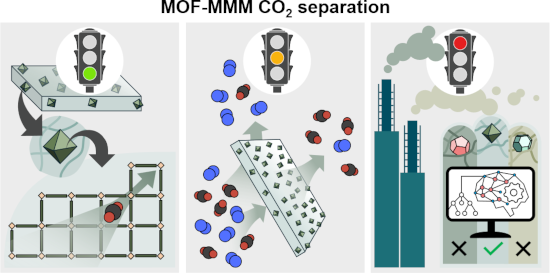
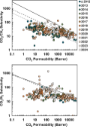
- scientific CO2 capture community as the field has matured and the demand for scalable solutions has increased [97][98][99][100][101][102]. Asymmetric MOF-based MMMs can reach a MMM layer thickness below 1 µm due to a thick non-selective structural support layer [24], see Figure 4c. Hollow fiber MMMs (HFMMMs




Nanocarriers and macrophage interaction: from a potential hurdle to an alternative therapeutic strategy
Beilstein J. Nanotechnol. 2025, 16, 97–118, doi:10.3762/bjnano.16.10
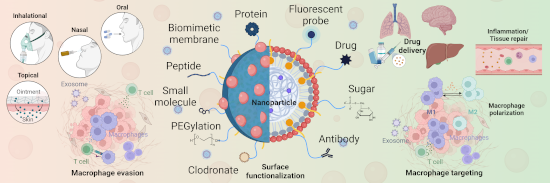
- degenerative diseases [23][24]. 3 NC accumulation in macrophages: a challenge for drug delivery To exert their therapeutic effects, NCs must efficiently reach and accumulate in the target tissues. However, numerous biological barriers hinder this process, which vary depending on the administration route, as
- to protect their cargo, promote extravasation, and reach the target tissue effectively. Fluid forces can strip NCs of their surface coatings, reducing their ability to adhere to vessel walls, an essential step for extravasation into the parenchyma of target tissues. Particles larger than 200 nm and


Precursor sticking coefficient determination from indented deposits fabricated by electron beam induced deposition
Beilstein J. Nanotechnol. 2025, 16, 35–43, doi:10.3762/bjnano.16.4
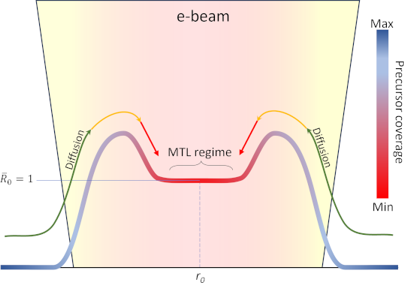
- the strand and the stage itself. To reach a stable temperature, the substrate was first cooled to 5 °C below the target temperature and then heated up. Profiles of the deposits were obtained using an AFM (Nanosurf EasyScan 2) with an uncertainty of ±3 nm. Conclusion The introduced method enables the


A nanocarrier containing carboxylic and histamine groups with dual action: acetylcholine hydrolysis and antidote atropine delivery
Beilstein J. Nanotechnol. 2025, 16, 11–24, doi:10.3762/bjnano.16.2
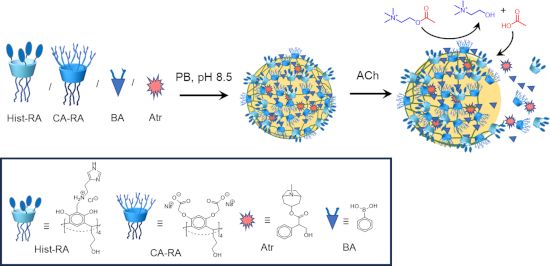
- in PBS to reach a final volume of 5 mL (final erythrocyte concentration, 10% v/v). The resultant suspension was agitated and incubated at 37 °C for 1 h. After that, the samples were centrifuged for 10 min at 2000 rpm. The absorbance of the supernatant at 540 nm was used to calculate the amount of


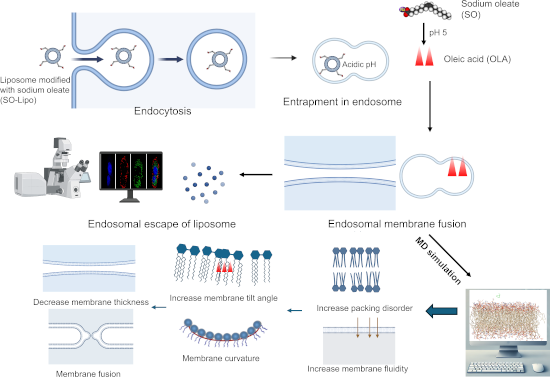
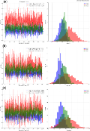
Mechanistic insights into endosomal escape by sodium oleate-modified liposomes
Beilstein J. Nanotechnol. 2024, 15, 1667–1685, doi:10.3762/bjnano.15.131




Electrochemical nanostructured CuBTC/FeBTC MOF composite sensor for enrofloxacin detection
Beilstein J. Nanotechnol. 2024, 15, 1522–1535, doi:10.3762/bjnano.15.120
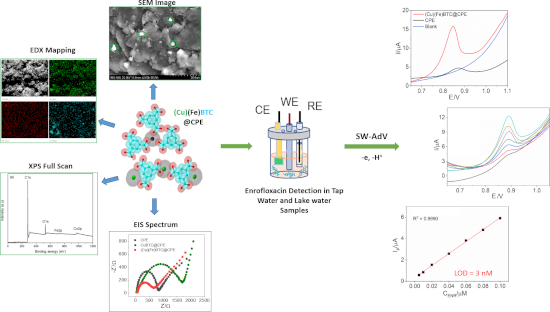
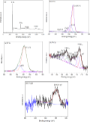
- require shorter times to reach equilibrium. Repeatability and reproducibility of the (Cu)(Fe)BTC@CPE electrode Figure 11a depicts eight successive measurements conducted in 0.20 µM ENR solution using a single electrode without renewing the electrode surface. Clearly, in the second measurement, the ENR





Polymer lipid hybrid nanoparticles for phytochemical delivery: challenges, progress, and future prospects
Beilstein J. Nanotechnol. 2024, 15, 1473–1497, doi:10.3762/bjnano.15.118
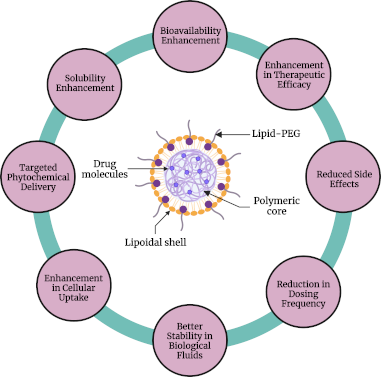
- ability of phytochemicals to reach intracellular or central nervous system targets, reducing therapeutic efficacy in tissues that are difficult to access. Variability in absorption is another significant issue. The absorption of phytochemicals can be influenced by various factors, including food intake
- , meaning more of the phytochemical can reach the systemic circulation, resulting in greater therapeutic efficacy. Structurally, PLHNPs maintain their integrity through a unique hybrid architecture. They typically consist of a lipid core or shell surrounded by a polymer matrix. The lipid components


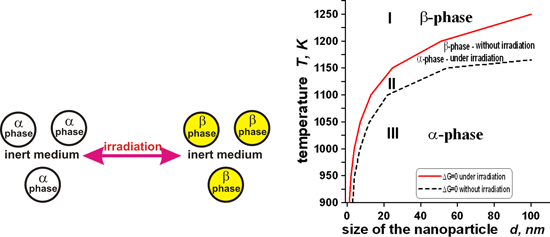
Effect of radiation-induced vacancy saturation on the first-order phase transformation in nanoparticles: insights from a model
Beilstein J. Nanotechnol. 2024, 15, 1453–1472, doi:10.3762/bjnano.15.117