


Search results
Search for "conductivity" in Full Text gives 673 result(s) in Beilstein Journal of Nanotechnology. Showing first 200.
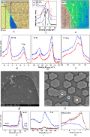
Nanostructured materials characterized by scanning photoelectron spectromicroscopy
Beilstein J. Nanotechnol. 2025, 16, 700–710, doi:10.3762/bjnano.16.54
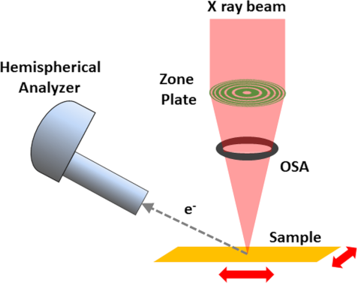
- supercapacitors [35][36] fast spintronics [37], electrochromic devices [38][39], catalysts, and gas sensors [40][41], [42][43]. The characteristic p-type conductivity of this transition metal oxide is related to the presence of oxygen interstitials and the inherent nickel deficiency which leads to the formation


High-temperature epitaxial growth of tantalum nitride thin films on MgO: structural evolution and potential for SQUID applications
Beilstein J. Nanotechnol. 2025, 16, 690–699, doi:10.3762/bjnano.16.53
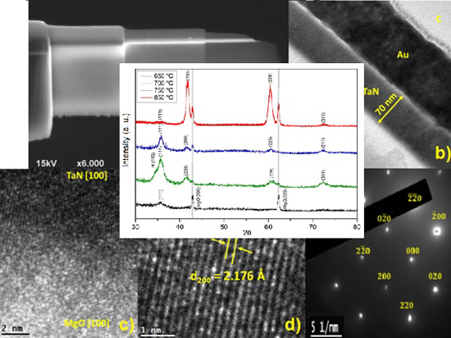
- transition temperature (Tc). Discovered in 1911 by Heike Kamerlingh Onnes [1], superconductors exhibit unique properties, including perfect conductivity and the Meissner effect [2], that is, the expulsion of magnetic fields. These remarkable properties make them highly valuable for diverse applications, such


The impact of tris(pentafluorophenyl)borane hole transport layer doping on interfacial charge extraction and recombination
Beilstein J. Nanotechnol. 2025, 16, 678–689, doi:10.3762/bjnano.16.52
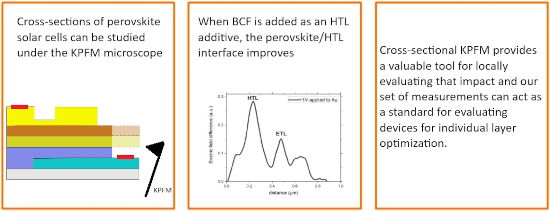
- conductivity of selective contacts, as well as the junction quality and energetic alignment with the absorber. On the hole extracting side, organic semiconductors have been extensively used due to their flexibility and favorable properties. Two of such compatible materials that have yielded high performing
- )amine] (PTAA) [24]. These compounds exhibit favorable solubility, reasonable energetic alignment with most perovskites, and an amorphous nature. The main issues that arise from their usage involve poor conductivity and mechanical stability [25], the existence of pinholes, and a poor adhesion with the
- ]. For PTAA, under illumination, a similar mechanism is proposed, whereby the oxidation of PTAA raises the conductivity of the polymer [33]. For both HTLs, the inclusion of tBP promotes a better distribution of the HTL on the perovskite, preventing organic semiconductor/LiTFSI phase segregation [34


Nanoscale capacitance spectroscopy based on multifrequency electrostatic force microscopy
Beilstein J. Nanotechnol. 2025, 16, 637–651, doi:10.3762/bjnano.16.49
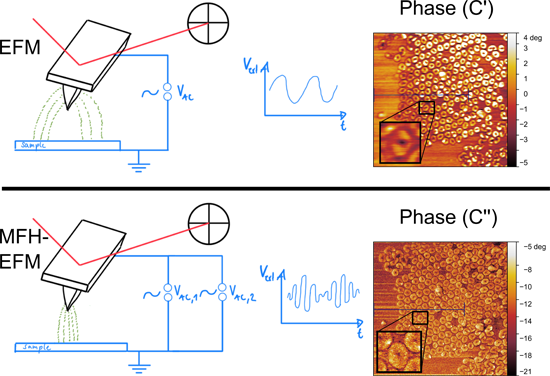
- , which is 25·1021 Ω, taking into account the electrical resistivity of silicon dioxide of [92] and a thickness of the SiO2 layer of 300 nm on an area of 9 μm2. The observed discrepancy may be attributed to the increased conductivity of the microcapacitors, which is a result of the incorporation of Ga




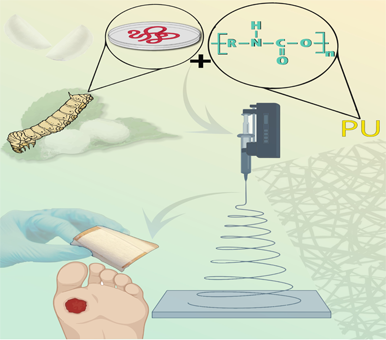
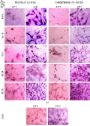
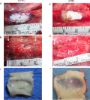
Polyurethane/silk fibroin-based electrospun membranes for wound healing and skin substitute applications
Beilstein J. Nanotechnol. 2025, 16, 591–612, doi:10.3762/bjnano.16.46



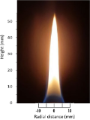
Feasibility analysis of carbon nanofiber synthesis and morphology control using a LPG premixed flame
Beilstein J. Nanotechnol. 2025, 16, 581–590, doi:10.3762/bjnano.16.45
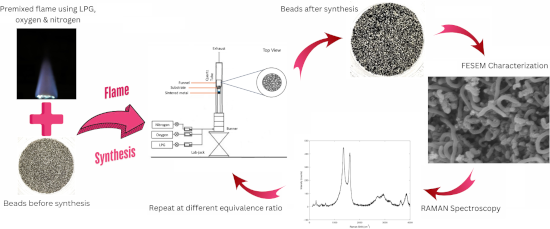
- also contributes to the percolation threshold, which is a fundamental parameter controlling electrical conductivity and crucial for certain applications such as sensors, where accurate modulation is required [9]. An initial work by Naha et al. developed a model to enhance the understanding and
- growth [17]. A study by Zhuang et al. used electrospinning to synthesize CNFs. Polyacrylonitrile was used a carbon precursor and phosphomolybdic acid was added to improve the structure and the conductivity of CNFs. A voltage of 15 kV was applied to a stainless steel needle containing the solution and an



Retrieval of B1 phase from high-pressure B2 phase for CdO nanoparticles by electronic excitations in CdxZn1−xO composite thin films
Beilstein J. Nanotechnol. 2025, 16, 551–560, doi:10.3762/bjnano.16.43
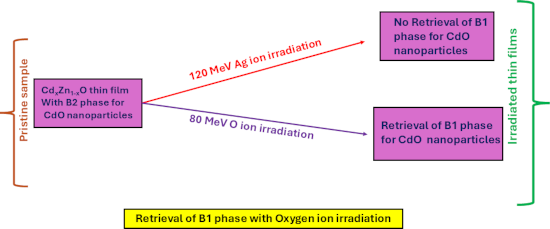
- electron mobility (>100 cm2/V/s) and high electrical conductivity (>1014 S/cm), demonstrating its potential for optoelectronic applications [2][3][4]. The incorporation of cadmium into ZnO effectively reduces the bandgap, rendering the thin films suitable for applications in the visible region of the
- electromagnetic spectrum [5]. Composite semiconducting thin films have garnered significant attention as their bandgap can be lowered without compromising mobility and conductivity. Beyond optoelectronic applications, CdO–ZnO-based alloys are also employed in gas-sensing technologies [6]. In prior investigations
- the melting temperature derived from multiple impact processes. Given that CdO has significantly high electrical conductivity (>1014 S/cm) and high mobility (>100 cm2/V/s), the simulation was conducted under the assumption that CdO behaves as a metallic system [2][3][4]. Furthermore, due to the


Functionalized gold nanoflowers on carbon screen-printed electrodes: an electrochemical platform for biosensing hemagglutinin protein of influenza A H1N1 virus
Beilstein J. Nanotechnol. 2025, 16, 540–550, doi:10.3762/bjnano.16.42
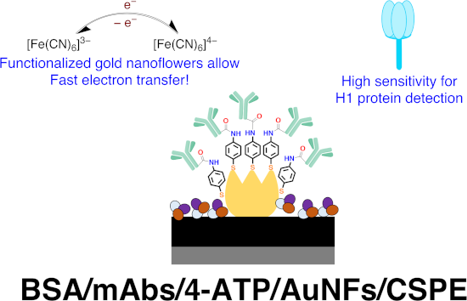
- .16.42 Abstract An electrochemical biosensor based on modified carbon screen-printed electrodes was developed for the detection of hemagglutinin of influenza A H1N1 virus (H1). Gold nanoflowers were electrodeposited on the electrode to increase conductivity and surface area. The electrochemical signal
- protein at clinically relevant concentrations. Scanning electron microscopy Scanning electron microscopy (SEM) analysis was explored to characterize the surface of the electrodes after electrodeposition of gold nanoparticles (Figure 2). Because of the high conductivity of gold, a difference in contrast is


Zeolite materials with Ni and Co: synthesis and catalytic potential in the selective hydrogenation of citral
Beilstein J. Nanotechnol. 2025, 16, 520–529, doi:10.3762/bjnano.16.40
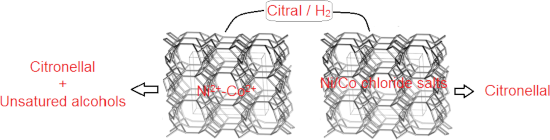
- reduction (TPR) analyses were performed on an AutoChem 2910 instrument (Micromeritics, USA) equipped with a thermal conductivity detector (TCD). The procedure for TPR involved heating the sample in a 1.0 vol % H2/Ar gas mixture at a flow rate of 30 mL/min, from room temperature to 600 °C, at a ramp rate of


N2+-implantation-induced tailoring of structural, morphological, optical, and electrical characteristics of sputtered molybdenum thin films
Beilstein J. Nanotechnol. 2025, 16, 495–509, doi:10.3762/bjnano.16.38
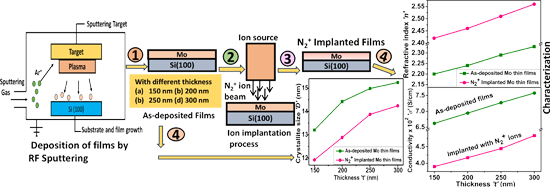
- . Optical studies using spectroscopic ellipsometry reveal a significant increase in absorbance and reflectance in as-deposited and N2+-implanted films. Electrical investigations show that the conductivity increases with film thickness in both as-deposited and implanted films. The conductivity decreases for
- the slope of the I–V curve. The observed increase in current across the thin films suggests their superior electrical conductivity. Such characteristics are highly desirable for various electronic and electrical applications where efficient electrical conduction is paramount. The stress in the films
- . Such structural changes can influence the movement of electrons through the material, particularly at grain boundaries, resulting in nonlinear I–V behavior. Resistivity and conductivity The resistivity of thin films is defined by the relation [51][52]: where ρ is the resistivity, R is the resistance, A


Quantification of lead through rod-shaped silver-doped zinc oxide nanoparticles using an electrochemical approach
Beilstein J. Nanotechnol. 2025, 16, 422–434, doi:10.3762/bjnano.16.33
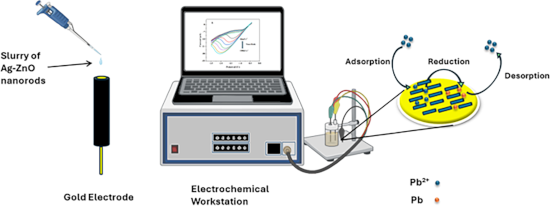
- particularly well-suited for ZnO doping because of its notable characteristics, including strong conductivity, solubility, favorable ionic size, and low orbital energy. These features contribute to the improvement of optical and electrical characteristics of ZnO. The incorporation of silver boosts the mobility
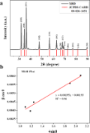
- the calculated amount of lead using the aforementioned technique. As the detected amount of lead in real samples are slightly higher than the spiking amount of lead, this is probable due to lead toxicity of real samples or greater conductivity of real samples due to the presence of more ions, which




Size control of nanoparticles synthesized by pulsed laser ablation in liquids using donut-shaped beams
Beilstein J. Nanotechnol. 2025, 16, 407–417, doi:10.3762/bjnano.16.31
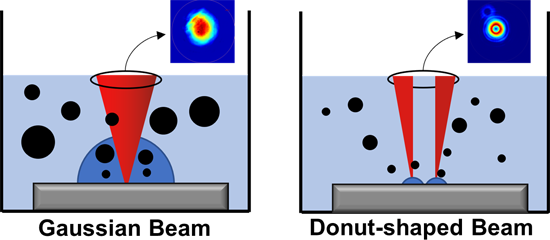
- top-view setup was applied to observe the bubble morphology evolution on a transparent yttrium aluminum garnet (YAG) target. The YAG crystal has a low thermal conductivity and a high laser-ablation threshold, minimizing the influence of the ablation products on cavitation bubble dynamics and, thus


ReactorAFM/STM – dynamic reactions on surfaces at elevated temperature and atmospheric pressure
Beilstein J. Nanotechnol. 2025, 16, 397–406, doi:10.3762/bjnano.16.30
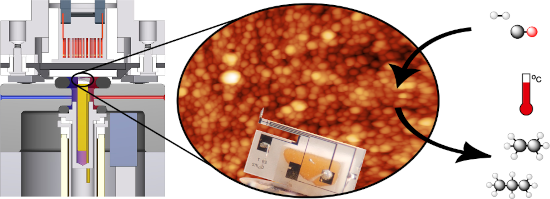
- the electric tunneling effect, AFM probes the forces of the tip–sample interaction. This makes AFM independent of surface conductivity and therefore a powerful tool to bridge the materials gap. The drawback of this high-pressure AFM setup is that it could not be combined with STM. While STM provides
- AFM/STM reactor is the possibility to observe the structural and electronic properties of the surface at high gas pressures and temperatures, independent of its conductivity. The extension from STM-only and AFM-only to the combined AFM/STM reactor is an ongoing development of the existing ReactorSTM
- tunneling current simultaneously (Figure 5c,d). Consequently, the tip–sample distance will be maintained throughout the image while the current signal will be a direct indication of the conductivity of the surface. The Pd(100) surface has been prepared using the standard recipe of repeated cycles of Ar-ion


Pulsed laser in liquid grafting of gold nanoparticle–carbon support composites
Beilstein J. Nanotechnol. 2025, 16, 349–361, doi:10.3762/bjnano.16.26
- ]. Alkaline electrolytes can decrease acid-based side reactions but alter Nafion [11][14], impeding ion conductivity and overall performance [5]. Adding binders additionally complicates reaction mechanisms and introduces competing pathways or by-products [5]. Further challenges in traditional nanoparticle
- not obfuscate the electrical characteristics [2]. The other circuit elements are the electrolyte resistance (Rel, the x-axis intercept), which was small because of the high ionic conductivity of the 1.0 M aqueous KHCO3 electrolyte, the Warburg impedance (Zw) due to mass transport limitations of the
- headspace of the working electrode compartment of the electrochemical cell. Hydrogen was detected by a thermal conductivity detector, and a flame ionization detector equipped with a methanizer was used to detect all other gases. Following a published procedure [82], the gas chromatograph was programmed to


Tailoring of physical properties of RF-sputtered ZnTe films: role of substrate temperature
Beilstein J. Nanotechnol. 2025, 16, 333–348, doi:10.3762/bjnano.16.25
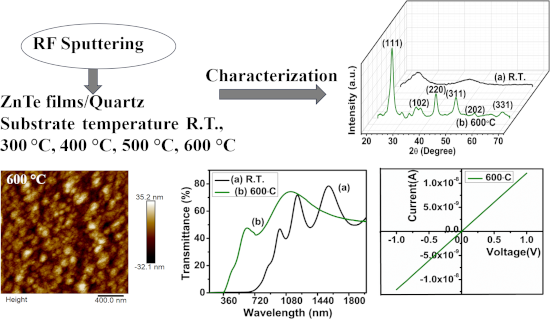
- , skewness, and kurtosis were determined. Current–voltage characteristics indicate that the conductivity of the films increased with substrate temperature. The observed variations in structural, morphological, and optical parameters have been discussed and correlated. The wide bandgap (3.11 eV), high
- crystallinity, high transmittance, and high conductivity of the ZnTe film produced at 600 °C make it a suitable candidate for use as a buffer layer in solar cell applications. Keywords: bandgap; physical properties; RF sputtering; substrate temperature; ZnTe; Introduction The industrialization and burning of
- points towards a nearly ohmic contact between ZnTe film and quartz substrate, which is necessary for the fabrication of the optoelectronic device. The conductivity (σ) of films was determined using the relation [41] where ρ is the electrical resistivity, R is the resistance of the film, A is the area of




Enhancing mechanical properties of chitosan/PVA electrospun nanofibers: a comprehensive review
Beilstein J. Nanotechnol. 2025, 16, 286–307, doi:10.3762/bjnano.16.22
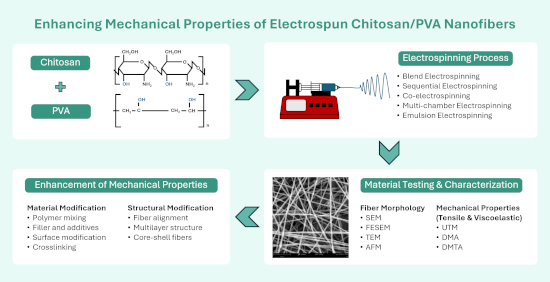
- conductivity. Finally, environmental parameters include relative humidity and temperature [15]. Chitosan, a widely utilized material in electrospun nanofiber membranes, is derived from the crystalline microfibrils of crustaceans, including crabs and prawns. It is biodegradable and exhibits a high capacity for
- central axis, which separates two different solutions into two separate chambers within the nozzle [96]. The two different solutions should possess similar electrical conductivity for the materials to eject as a single jet without any phase separation. This technique can be regarded as a variant of


Emerging strategies in the sustainable removal of antibiotics using semiconductor-based photocatalysts
Beilstein J. Nanotechnol. 2025, 16, 264–285, doi:10.3762/bjnano.16.21
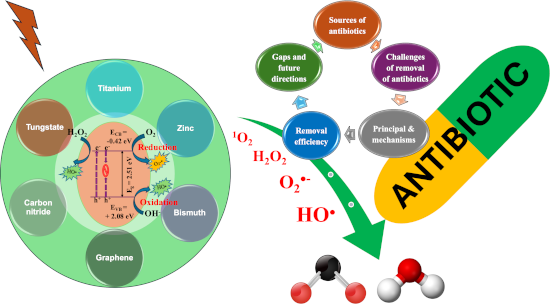
- such as V2O5, W2O3, Mo2O3, and TiO2. BiVO4 is a newly designed n-type semiconductor with enhanced photocatalytic efficiency. This is attributed to its specific physicochemical features, including ferro-elasticity and ionic conductivity [90]. Regrettably, bismuth-based metal oxides exhibit a low light
- level of reduction and the specific production techniques employed. GO is a type of insulating material that is made from graphene by oxidizing graphite. The reduction process eliminates functional groups in GO that contain oxygen, restoring π-conjugated structures and electrical conductivity. rGO has a



Synthesis and the impact of hydroxyapatite nanoparticles on the viability and activity of rhizobacteria
Beilstein J. Nanotechnol. 2025, 16, 216–228, doi:10.3762/bjnano.16.17
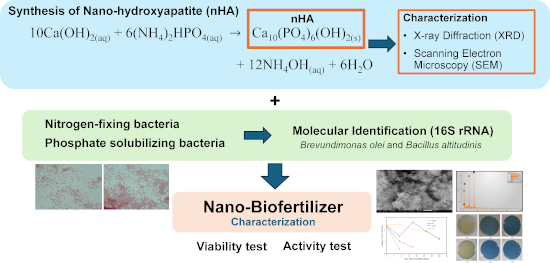
- sustaining rhizobacterial viability with pH 8.95 and an electrical conductivity of 55.4 μS/cm. Rhizobacteria loaded onto the nHA carrier maintained comparable viability to those without carriers. The highest viability of the rhizobacterial strains Pd and Tb loaded onto the nHA carrier was observed on the
- microscope JSM-6510LA JEOL SEM, followed by in-depth analysis using ImageJ and OriginLab 8.5.1 software tools. Additionally, the physical parameters of nHA utilized as a carrier material, including pH and electrical conductivity (EC), were determined using a digital pH meter (Mettler Toledo, MP220 pH meter
- ) and precise digital measurement of electrical conductivity (Mettler Toledo, MC 226 conductivity meter). Preparation of inoculum and formulation of rhizobacteria-nHA nHA was carefully placed into 2 mL EP tubes and underwent sterilization through autoclaving. The rhizobacteria were introduced into


Recent advances in photothermal nanomaterials for ophthalmic applications
Beilstein J. Nanotechnol. 2025, 16, 195–215, doi:10.3762/bjnano.16.16
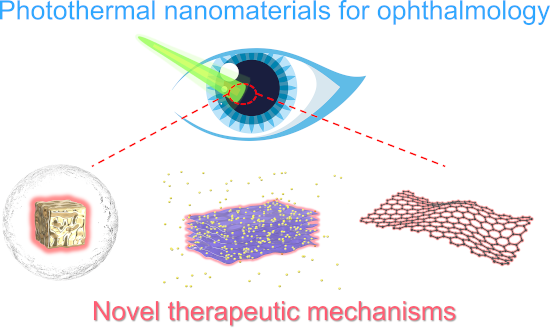
- the dielectric environment present during their synthesis (see below in Figure 2b) [48][49]. Because of the direct occurrence of photothermal conversion on the surfaces of LSPR metals and its rapid nature, combined with the metals’ inherent high thermal conductivity and strong hydrophilicity, LSPR
- , including exceptional biocompatibility, biodegradability, wide availability, low cost, and a highly tunable structure, making them well-suited for such uses [67][68][69][70][71]. 2.3 Inorganic semiconductor materials Inorganic semiconductor materials, such as TiO2, SiO2, and Fe2O3, possess conductivity


Comparison of organic and inorganic hole transport layers in double perovskite material-based solar cell
Beilstein J. Nanotechnol. 2025, 16, 119–127, doi:10.3762/bjnano.16.11
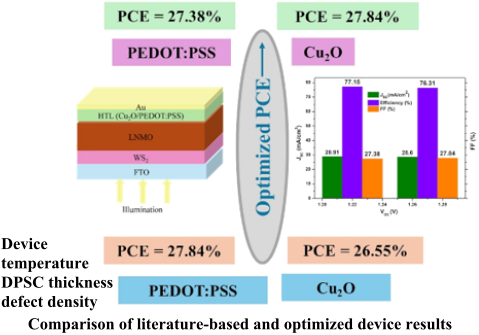
- PEDOT:PSS are the two HTLs that are analyzed concerning the double perovskite material LNMO. The HTL needs better conductivity, better electron blocking, and more hole mobility for better carrier transportation at the perovskite/HTL interface. It is hydrophobic with a wider bandgap and does not easily


Modeling and simulation of carbon-nanocomposite-based gas sensors
Beilstein J. Nanotechnol. 2025, 16, 90–96, doi:10.3762/bjnano.16.9
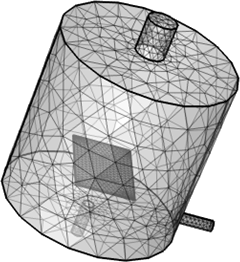
- nanocomposites, like high surface area, excellent electrical conductivity, and chemical stability, make them ideal candidates for the development of high-performance CO gas sensors. Carbon-nanocomposite gas sensors find their application in detecting pollutants such as nitrogen dioxide (NO2), sulfur dioxide (SO2
- , mathematical models to predict the behavior of these sensors have been developed using numerical analysis software [1]. The polymer PEDOT: PSS aligns the surface of the CNT film by filling most of the gaps in the CNT network. The effective electrical conductivity at tube-to-tube junctions within the CNT



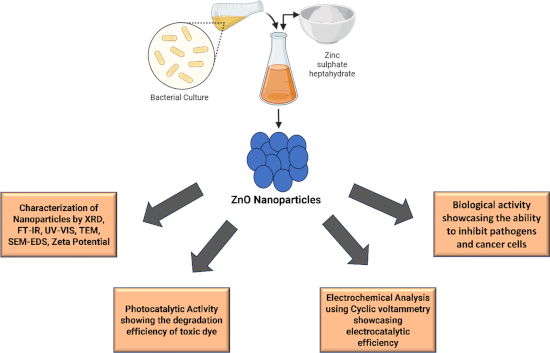
Characterization of ZnO nanoparticles synthesized using probiotic Lactiplantibacillus plantarum GP258
Beilstein J. Nanotechnol. 2025, 16, 78–89, doi:10.3762/bjnano.16.8
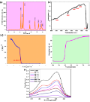
- reduction currents and increased peak oxidation, indicating rapid electron transport at the contacts between the electrolyte and electrode. Pseudo-capacitive behavior was observed in both electrolytes, where ionic conductivity influenced capacitance [17][18]. The addition of dextrose increased the redox



Advanced atomic force microscopy techniques V
Beilstein J. Nanotechnol. 2025, 16, 54–56, doi:10.3762/bjnano.16.6
- 10.3762/bjnano.16.6 Keywords: AFM; atomic force microscopy; conductivity; drift correction; force spectroscopy; NC-AFM; non-contact atomic force microscopy; resistivity; tip–surface interaction; With the restrictions on travelling and social distancing lifted, we were delighted to continue two series of
- accurate knowledge of the quartz cantilever stiffness, the authors develop a method to quantify the stiffness based on thermal noise measurements and numerical simulation. Calibrated measurements of conductivity and resistivity are the focus of the contribution by Piquemal et al. [3]. A particular
- inaccuracy caused by electrostatic or capillary forces, this is an additional mechanism having an impact on AFM height measurements. Closely related is the measurement of conductivity. Skolaut et al. investigate conductivity in dependence on the roughness of the substrate using alkanethiol self-assembled
A nanocarrier containing carboxylic and histamine groups with dual action: acetylcholine hydrolysis and antidote atropine delivery
Beilstein J. Nanotechnol. 2025, 16, 11–24, doi:10.3762/bjnano.16.2
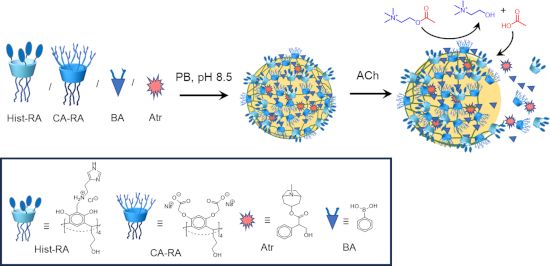
- degradation products, and hydrolysis products of phenylboronate esters. Resorcinarenes are known for their self-assembly properties [18]. The electrical conductivity plotted against RA concentration shows a nonlinear relationship for free Hist-RA, CA-RA, and their mixture in water, indicating a critical
- association constant (CAC) at the break point. The CACs for Hist-RA, CA-RA, and the Hist-RA + CA-RA mixture are 0.34, 0.26, and 0.32 mM, respectively (Figure 5a). In contrast, p(Hist-CA) post-dialysis shows a direct relationship between electrical conductivity and RA fragment concentration, despite its
- aggregation tendency (Figure 5b). Adding ACh to the p(Hist-CA) solution enhances the electrical conductivity and establishes a break point in the conductivity–concentration curve, with a CAC around 0.2 mM. These results suggest that ACh destabilizes p(Hist-CA), resulting in ensembles of Hist-RA, CA-RA, TO


Heterogeneous reactions in a HFCVD reactor: simulation using a 2D model
Beilstein J. Nanotechnol. 2024, 15, 1627–1638, doi:10.3762/bjnano.15.128
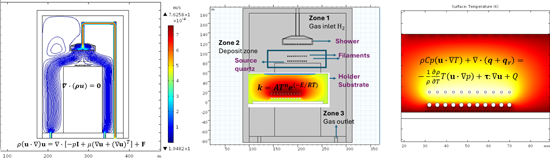
- ratio x = [O]/[Si], which is determined by controlling key parameters in the deposition process [2]. This ratio determines optical and electrical properties such as bandgap energy, absorption coefficient, photoluminescence, refractive index, and electrical conductivity [3]. SiOx cannot only be obtained





