


Search results
Search for "environmental" in Full Text gives 604 result(s) in Beilstein Journal of Nanotechnology. Showing first 200.
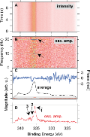
Ambient pressure XPS at MAX IV
Beilstein J. Nanotechnol. 2025, 16, 1677–1694, doi:10.3762/bjnano.16.118

- material interfaces under more realistic conditions, which is a critical advancement in material research, gaining increasing popularity across various fields. APXPS is crucial for studying dynamic processes in catalysis, environmental science, and energy materials, where reactions typically occur at or
- precious metals such as Rh, Pd, and Pt [14][15]. Their atom-level dispersion maximizes surface exposure and minimizes metal consumption, which is critical for both economic and environmental sustainability. However, their inherently low site density and metastability under reaction conditions present
- interface phenomena under realistic environmental conditions. At MAX IV, the synergy between fourth-generation synchrotron source brightness and beamline-specific developments, such as advanced electron analyzers, tailored AP cells, and time-resolved detection schemes, has enabled operando and in situ







Prospects of nanotechnology and natural products for cancer and immunotherapy
Beilstein J. Nanotechnol. 2025, 16, 1644–1667, doi:10.3762/bjnano.16.116
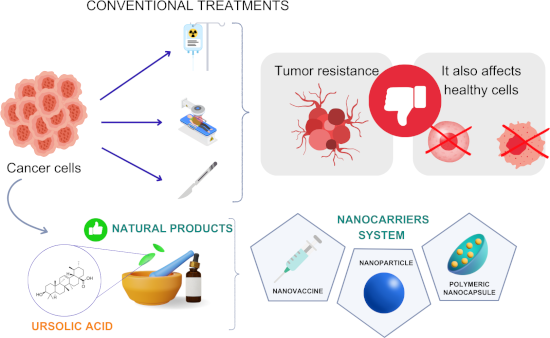
- of genetic and environmental factors, while common cancer types, such as lung, breast, and prostate cancer, present significant therapeutic challenges due to their biological heterogeneity and resistance to conventional treatments [4]. The immune system is crucial for identifying and eliminating
- absence of a carrier substance [104][106][107]. In short, this technology reduces adverse effects and environmental risks, mainly due to the greater use of natural products over synthetic ones, and promotes increased stability and drug load efficiency [104][108]. For example, patent CN114129571 (2022



Nanotechnology-based approaches for the removal of microplastics from wastewater: a comprehensive review
Beilstein J. Nanotechnol. 2025, 16, 1607–1632, doi:10.3762/bjnano.16.114
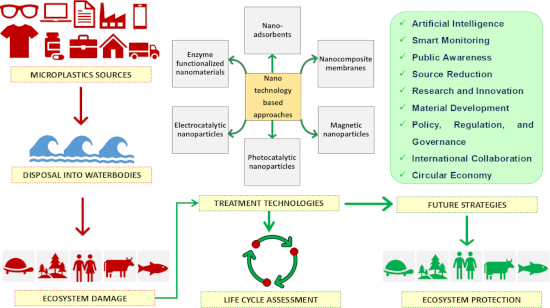
- for MP monitoring. Despite high laboratory scale efficiencies, there are several challenges such as material scalability, environmental safety, regulatory frameworks, and real water applicability. This study proposes future directions for sustainable nanotechnology deployment, including green
- ; nanotechnology; nanoadsorbents; nano robots; photocatalysis; Introduction Plastic pollution has become a crucial environmental concern recently. It was reported that from 1950 to 2015, global plastic production increased from 5 to over 300 megatons, with approximately 60 to 99 megatons turning into waste. It is
- , that is, primary and secondary. Primary MPs are intentionally produced in small sizes for the use in a range of products like cosmetics, clothing, and personal care items. In contrast, secondary MPs are formed when larger plastic items break down due to environmental factors like sunlight, physical


Bioinspired polypropylene-based functionally graded materials and metamaterials modeling the mistletoe–host interface
Beilstein J. Nanotechnol. 2025, 16, 1592–1606, doi:10.3762/bjnano.16.113
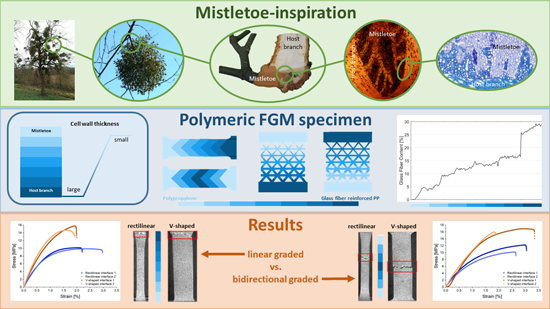
- ]. Biological materials and their highly modified structure–function relationship are designed to enable organisms to survive and/or adapt to the environmental conditions in which they live [24][25]. The European mistletoe (Viscum album) is an excellent model of a long-lasting connection between two material


Photocatalytic degradation of ofloxacin in water assisted by TiO2 nanowires on carbon cloth: contributions of H2O2 addition and substrate absorbability
Beilstein J. Nanotechnol. 2025, 16, 1567–1579, doi:10.3762/bjnano.16.111
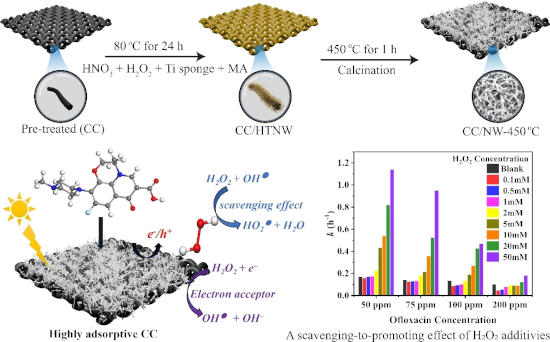
- Environmental and Optoelectronic Applications, Institute of Wenzhou, Zhejiang University, Wenzhou 325006, P. R. China 10.3762/bjnano.16.111 Abstract Vertically aligned TiO2 nanowires demonstrate exceptional photoactivity owing to their high specific surface area and improved charge separation; however, their
- and contamination of aquatic environments. Studies have reported OFL concentrations in surface waters ranging from 0.05 to 17.7 μg/L, posing a potential risk to aquatic organisms and disrupting ecosystem balance [4][5]. Therefore, OFL removal from water is an important issue in environmental science
- materials for environmental remediation. (a) The Ti–H2O2 interaction approach to precipitate TiO2 nanowire arrays on carbon cloth. (b–d) FESEM images of TiO2 nanowires grown on carbon cloth at different magnifications. (e) TEM, (f) HRTEM images, and (g) the corresponding SAED pattern of the CC/NW-450 °C. (a


Transient electronics for sustainability: Emerging technologies and future directions
Beilstein J. Nanotechnol. 2025, 16, 1545–1556, doi:10.3762/bjnano.16.109
- oceans [1][2][3]. This shift in perspective has catalyzed interest in materials whose functional lifespans can be precisely programmed and that are capable of safely degrading under biological or environmental conditions following their use. Although this need has become more prominent in recent
- constituent (Figure 1e) [27]. Crucially, the utility of transient systems is not confined to the biomedical domain. Their degradation mechanisms are equally applicable in broader environmental settings where biocompatibility constraints are relaxed. In contexts such as soil, compost, freshwater, or marine
- environmental cues [37][40][41]. Perspective Expanding the material palette for biodegradable electronics The elucidation and experimental validation of the biodegradation mechanism of single-crystalline silicon [14][42][43][44] marked a significant turning point in the development of bioresorbable electronics


Laser processing in liquids: insights into nanocolloid generation and thin film integration for energy, photonic, and sensing applications
Beilstein J. Nanotechnol. 2025, 16, 1428–1498, doi:10.3762/bjnano.16.104
- challenges such as thin film defects, including comet marks, striation, chuck marks, environmental sensitivity, and edge effects. Remedies for these issues have been explained in a comprehensive review of the spin coating technique that emphasized parameters controlling the process, including spin speed






The role of biochar in combating microplastic pollution: a bibliometric analysis in environmental contexts
Beilstein J. Nanotechnol. 2025, 16, 1401–1416, doi:10.3762/bjnano.16.102
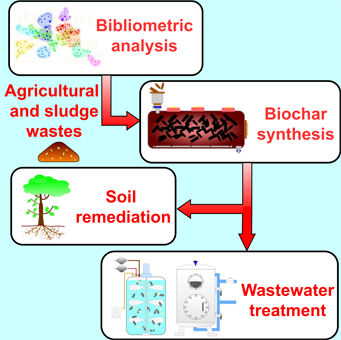
- Tuan Minh Truong Dang Thao Thu Thi Huynh Guo-Ping Chang-Chien Ha Manh Bui Department of Environmental and Safety Engineering, Dayeh University, Changhua County 510006, Taiwan Institute of Environmental Toxin and Emerging-Contaminant Research, Cheng Shiu University, Kaohsiung 833301, Taiwan Super
- Micro Mass Research and Technology Center, Cheng Shiu University, Kaohsiung 833301, Taiwan Center for Environmental Toxin and Emerging-Contaminant Research, Cheng Shiu University, Kaohsiung 833301, Taiwan Faculty of Engineering and Technology, Saigon University, 273 An Duong Vuong Street, Cho Quan Ward
- sources in the environment and biota. Although MPs are produced in large quantities, effective removal techniques remain underdeveloped [5][6]. Recent studies have confirmed the widespread presence of MPs in agricultural soils and water bodies, highlighting their environmental and human health risks. In



Parylene-coated platinum nanowire electrodes for biomolecular sensing applications
Beilstein J. Nanotechnol. 2025, 16, 1392–1400, doi:10.3762/bjnano.16.101
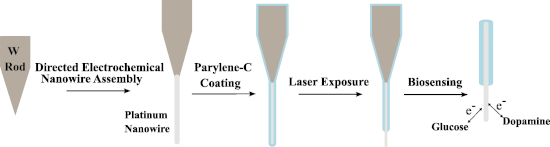
- ]. After 100 years of evolution, electrodes have become ubiquitous across numerous industries including medical diagnostics, food safety, agricultural and environmental monitoring, bioprocess management, and more [2]. Despite the differences in design and function, all electrodes share similar requirements


Synthesis and antibacterial properties of nanosilver-modified cellulose triacetate membranes for seawater desalination
Beilstein J. Nanotechnol. 2025, 16, 1380–1391, doi:10.3762/bjnano.16.100
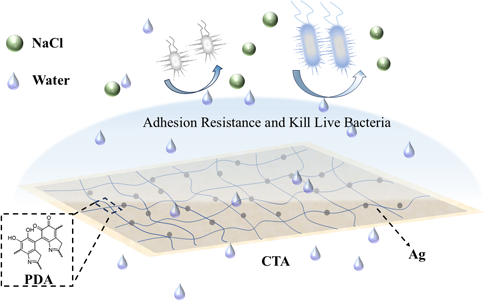
- fibers boast exceptional hydrophilicity, facile film-forming ability, high salt retention rate, cost effectiveness, environmental friendliness, and resistance to chlorine; making it a promising material for water desalination [25][26][27]. However, CTA is susceptible to erosion and degradation by


Enhancing the therapeutical potential of metalloantibiotics using nano-based delivery systems
Beilstein J. Nanotechnol. 2025, 16, 1350–1366, doi:10.3762/bjnano.16.98
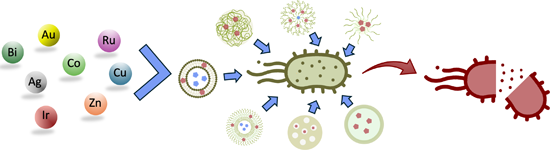
- , which improves cellular uptake and facilitates drug release within the target site [90]. The incorporation of stimuli-responsive agents in the pores also enables MSiNPs to release therapeutic agents upon exposure to specific environmental cues, such as pH or temperature. These interesting features for


Ferroptosis induction by engineered liposomes for enhanced tumor therapy
Beilstein J. Nanotechnol. 2025, 16, 1325–1349, doi:10.3762/bjnano.16.97
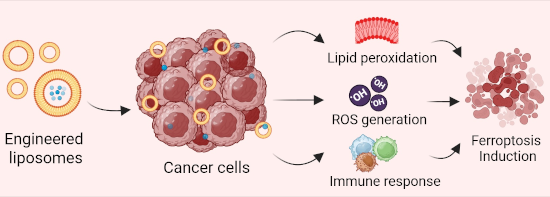
- their potential ability to regulate drug release according to biological and environmental triggers [167][168][169][170]. Compared to normal tissue, the tumor microenvironment (TME) typically exhibits increased acidity, ROS and GSH levels, hypoxia, expression of enzymes, and ATP levels because of tumors




Deep-learning recognition and tracking of individual nanotubes in low-contrast microscopy videos
Beilstein J. Nanotechnol. 2025, 16, 1316–1324, doi:10.3762/bjnano.16.96
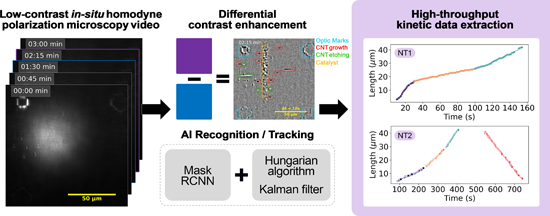
- situ imaging platforms for nanomaterials, such as environmental transmission electron microscopy (ETEM) of CNTs [31][33] and environmental scanning electron microscopy (ESEM) of graphene growth and etching processes [34]. Snapshots from (a) the raw video of carbon nanotube (CNT) synthesis on a stable


Acrocomia aculeata oil-loaded nanoemulsion: development, anti-inflammatory properties, and cytotoxicity evaluation
Beilstein J. Nanotechnol. 2025, 16, 1277–1288, doi:10.3762/bjnano.16.93
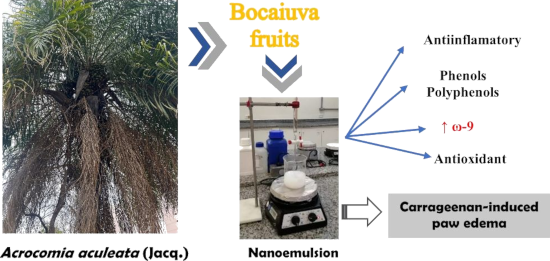
- composition may be attributed to variations in environmental conditions, such as climatic conditions, temperature, and pulp drying duration before oil extraction. Additionally, the specific extraction technique employed can influence lipid degradation and promote the formation of free fatty acids [19


Functional bio-packaging enhanced with nanocellulose from rice straw and cinnamon essential oil Pickering emulsion for fruit preservation
Beilstein J. Nanotechnol. 2025, 16, 1234–1245, doi:10.3762/bjnano.16.91
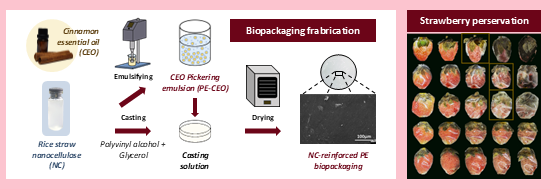
- Tuyen B. Ly Duong D. T. Nguyen Hieu D. Nguyen Yen T. H. Nguyen Bup T. A. Bui Kien A. Le Phung K. Le Institute for Tropical Technology and Environmental Protection, Ho Chi Minh City, Vietnam Faculty of Chemical Engineering, Ho Chi Minh City University of Technology (HCMUT), VNU-HCM, Ho Chi Minh
- alternative materials to traditional oil-based plastic packaging that help mitigate environmental and health concerns relating to food preservation. They are used particularly in the food, pharmaceutical, and cosmetic sectors thanks to their good mechanical properties, high biocompatibility, and
- , enhanced bioactivity, and greater environmental sustainability. This synergy paves the way for scalable, eco-friendly solutions that align with industrial demands for highly functional packaging materials. To validate its real-world applicability, the biopackaging was tested on strawberry, a nutritious




Hydrogels and nanogels: effectiveness in dermal applications
Beilstein J. Nanotechnol. 2025, 16, 1216–1233, doi:10.3762/bjnano.16.90
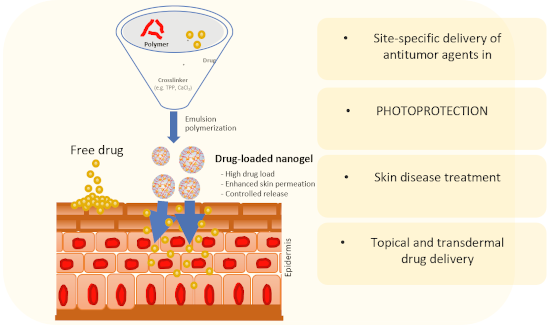
- increased drug encapsulation [195], penetration enhancer embedding [157], stimuli responsiveness, as well as controlled drug release [37]. Due to their unique characteristics, nanogels have also shown promise as site-specific DDSs. Changes in environmental conditions, such as pH [151][199], temperature [197
- consumers have shown an increasing interest in products with features indicating environmental friendliness. This applies to production, materials, and packaging. Among the trends in the development of nanogels, one is to obtain them by methods that incorporate only biodegradable polymers in the formulation


Chitosan nanocomposite containing rotenoids: an alternative bioinsecticidal approach for the management of Aedes aegypti
Beilstein J. Nanotechnol. 2025, 16, 1197–1208, doi:10.3762/bjnano.16.88
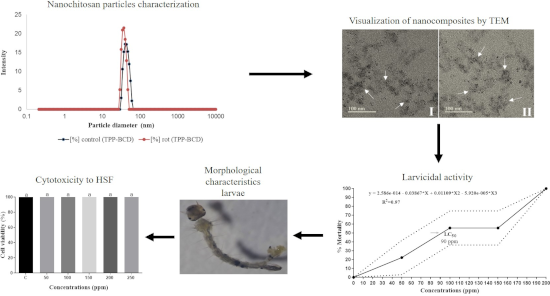
- nanoparticles exhibited no adverse effects on larval survival, which is attributed to the biocompatibility and nontoxic nature of chitosan, a biodegradable polysaccharide structurally related to the insect exoskeleton and widely recognized for its environmental safety. Additionally, neither rotenoids nor the CS
- /TPP–β-CD–rot nanocomposite exerted cytotoxic effects, confirming their favorable safety profile. These findings highlight the potential of nanotechnology to enhance the efficacy of bioactive compounds while minimizing environmental and human health risks, offering a sustainable and innovative strategy
- for vector control. Keywords: dengue; nanoparticle; pest management; phytochemicals; Introduction Climate change has significantly impacted public health, intensifying the proliferation of disease vectors such as those transmitted by the mosquito Aedes aegypti. Environmental conditions exacerbated



Electronic and optical properties of chloropicrin adsorbed ZnS nanotubes: first principle analysis
Beilstein J. Nanotechnol. 2025, 16, 1184–1196, doi:10.3762/bjnano.16.87
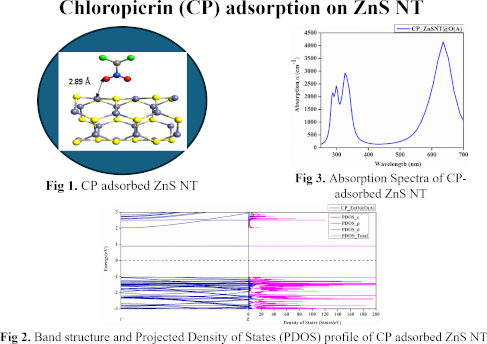
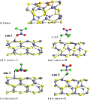
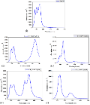
- -functional-theory-based approach. Our findings suggest that ZnS NT is a promising candidate for developing advanced sensors for detecting chemical warfare agents, with potential applications in safety, environmental monitoring, and public health protection. Computational Methodology The computational




Mechanical stability of individual bacterial cells under different osmotic pressure conditions: a nanoindentation study of Pseudomonas aeruginosa
Beilstein J. Nanotechnol. 2025, 16, 1171–1183, doi:10.3762/bjnano.16.86
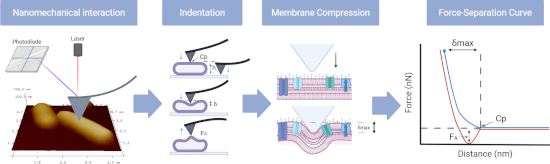
- performed in solution in a fluid chamber under controlled environmental conditions. Thus, critical structural changes on the lifestyle of the pathogen can be investigated [38][39][40][41][42]. Beyond imaging, AFM force spectroscopy capabilities are essential to extract material properties of the


Soft materials nanoarchitectonics: liquid crystals, polymers, gels, biomaterials, and others
Beilstein J. Nanotechnol. 2025, 16, 1025–1067, doi:10.3762/bjnano.16.77
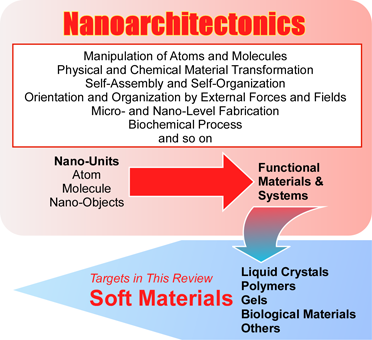
- ][182][183], fuel cells [184][185][186][187][188], batteries [189][190][191][192][193], supercapacitors [194][195][196][197][198], and other energy applications [199][200][201][202][203]. Furthermore, it is employed in environmental remediation [204][205][206][207][208], drug delivery [209][210][211






Shape, membrane morphology, and morphodynamic response of metabolically active human mitochondria revealed by scanning ion conductance microscopy
Beilstein J. Nanotechnol. 2025, 16, 951–967, doi:10.3762/bjnano.16.73
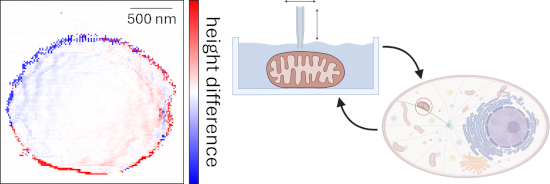
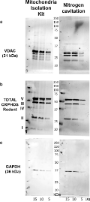
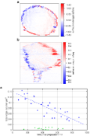
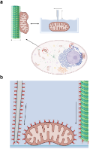
- , Rostock University Medical Center, 18057 Rostock, Germany 10.3762/bjnano.16.73 Abstract Mitochondrial network dynamics play a key role in enabling cells to adapt to environmental changes. Fusion and fission of mitochondria, as well as their contact with other organelles, are central processes





Synthesis of biowaste-derived carbon-dot-mediated silver nanoparticles and the evaluation of electrochemical properties for supercapacitor electrodes
Beilstein J. Nanotechnol. 2025, 16, 933–943, doi:10.3762/bjnano.16.71
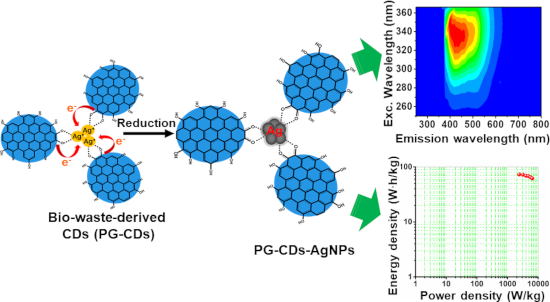
- reduction of Ag is extremely hazardous and can be dangerous to humans and the environment [17]. Hence, safer nontoxic methods for the production of AgNPs are in high demand. Green chemistry emphasizes the use of nontoxic chemicals and production pathways for environmental safety. Motivated by these


Insights into the electronic and atomic structures of cerium oxide-based ultrathin films and nanostructures using high-brilliance light sources
Beilstein J. Nanotechnol. 2025, 16, 860–871, doi:10.3762/bjnano.16.65
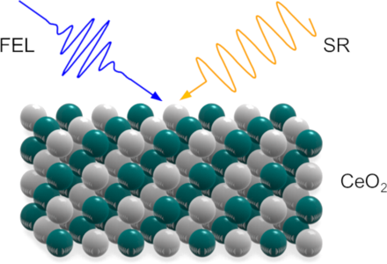
- ; Introduction Transition metal oxides in the form of thin films or nanostructures find extensive use in sustainable energy technologies [1][2]. They serve as active materials or supports for catalysts for various chemical reactions, essential to energy conversion, sensing, and environmental remediation [3][4
- field of environmental remediation [9]. The related ability of the material to easily store and release oxygen also plays a key role in energy conversion technologies, including fuel cells and batteries [10][11]. Gas sensing applications of ceria-based materials are based on the modifications of the


Synthesis and magnetic transitions of rare-earth-free Fe–Mn–Ni–Si-based compositionally complex alloys at bulk and nanoscale
Beilstein J. Nanotechnol. 2025, 16, 823–836, doi:10.3762/bjnano.16.62
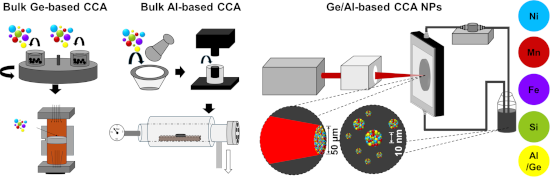
- potential to replace rare earth elements in magnetic materials [18]. The development of rare-earth-free or rare-earth-lean magnets is critical because of the economic, environmental, and supply chain challenges associated with rare earth elements [19][20]. For instance, mining and processing of rare earths
- are linked to significant environmental risks, while geopolitical factors pose supply chain vulnerabilities [21]. By avoiding the use of rare earth elements, CCAs present a sustainable alternative for functional magnetic materials [14]. Specifically, MnTX-based CCA alloys (where T is the transition
- ], wear resistant coatings [29], environmental [30], biomedical [31], magnetic [32] and electronic [33] technologies. In magnetic NPs, a key feature is the superparamagnetic blocked-to-superparamagnetic fluctuating transition, which occurs at a characteristic blocking temperature (TB). Below TB, NPs


Supramolecular hydration structure of graphene-based hydrogels: density functional theory, green chemistry and interface application
Beilstein J. Nanotechnol. 2025, 16, 806–822, doi:10.3762/bjnano.16.61
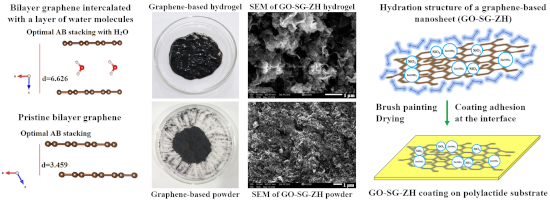
- graphene oxide, silica gel, nanosilica–zinc hydroxide, and graphene oxide–nanosilica–zinc hydroxide nanocomposites. The chemical methods used saved chemical reagents and production energy, converted rice hush ash waste into nanosilica, improved materials quality, and contributed to environmental





