Search results
Search for "ethanol" in Full Text gives 697 result(s) in Beilstein Journal of Nanotechnology. Showing first 200.
Supramolecular hydration structure of graphene-based hydrogels: density functional theory, green chemistry and interface application
Beilstein J. Nanotechnol. 2025, 16, 806–822, doi:10.3762/bjnano.16.61
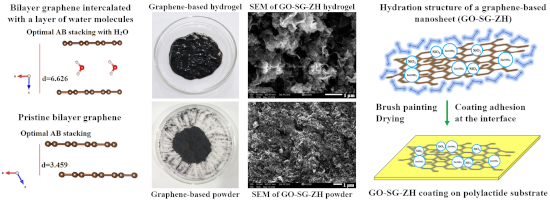
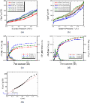
- of SG (Figure 10a) and GO-SG-ZH/PLA (Figure 10b) coatings after 1, 3, 5, 7, 10 and 30 days in aqueous solutions containing water, 3% acetic acid, 10% ethanol, and 50% ethanol. Both coatings were quite stable in pure water as the weight losses were insignificant even after 30 days. However, acidic and
- alcoholic solutions gave more notable effects on coating stability. Especially, the weight losses of SG coating in 50% ethanol were 0.32 mg/cm2 after 3 days and 1.48 mg/cm2 after 30 days. The high coating weight loss indicated that the coating of silica nanoparticles was not stable in 50% ethanol solution
- (equivalent to a fatty food environment). Besides, the coating of GO-SG-ZH nanocomposite showed weight losses of 0.3 mg/cm2 after 3 days and 0.62 mg/cm2 after 30 days in 50% ethanol. Although the coating weight losses were considerable in the first 3 days, the trend curve became steady in the period from 3 to


Morphology and properties of pyrite nanoparticles obtained by pulsed laser ablation in liquid and thin films for photodetection
Beilstein J. Nanotechnol. 2025, 16, 785–805, doi:10.3762/bjnano.16.60
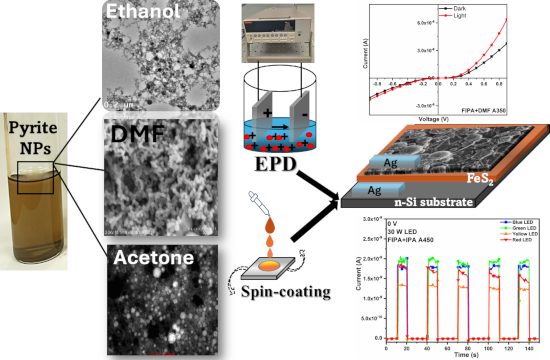
- synthesize pyrite nanoparticles in various solvents, including isopropyl alcohol (IPA), dimethyl formamide (DMF), ethanol, methanol, and acetone, using a 532 nm wavelength output from a Nd:YAG laser. Pulsed laser ablation in liquid has been demonstrated as a reliable alternative to conventional chemical
- % pure, Beijing Goodwill Metals, China) was placed in a 250 mL beaker with 25 mL of solvent (IPA, DMF, ethanol, methanol, and acetone – all from Fermont, 99.9% pure, analytical grade). The FeS2 target surface was polished and washed each time using the respective solvent for ablation to get rid of any
- nanocolloids obtained in different solvents are shown in Supporting Information File 1, Figure S1. The NPs of FeS2 in IPA are referred to as FIPA, in DMF as FDMF, in ethanol as FET, in methanol as FMET, and in acetone as FAC. Morphology and composition of the nanoparticles obtained in all solvents are analyzed






Serum heat inactivation diminishes ApoE-mediated uptake of D-Lin-MC3-DMA lipid nanoparticles
Beilstein J. Nanotechnol. 2025, 16, 740–748, doi:10.3762/bjnano.16.57
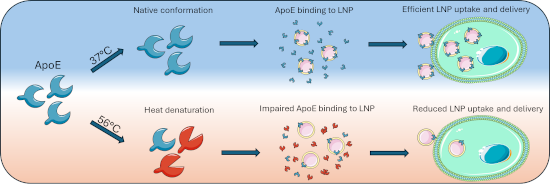
- , cholesterol, DSPC and DMG-PEG(2000) were dissolved in ethanol at a molar ratio of 50:38.5:10:1.5 and a final lipid concentration of 10 mM. For biotinylated LNPs, 1 M DSPC was substituted with 1 M DSPE-PEG(2000)-biotin. For C12 LNPs, C12-200, cholesterol, DOPC and DMG-PEG(2000) were dissolved in ethanol at a


The impact of tris(pentafluorophenyl)borane hole transport layer doping on interfacial charge extraction and recombination
Beilstein J. Nanotechnol. 2025, 16, 678–689, doi:10.3762/bjnano.16.52
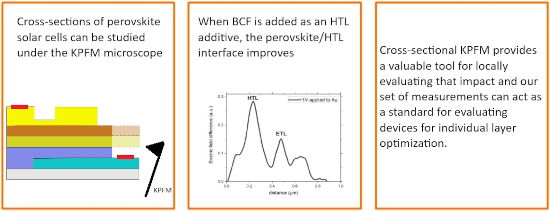
- deposited a mesoporous TiO2 layer from a (transparent) titania paste solution (Aldrich, 16.67 wt % in ethanol) via spin coating and annealed it (same parameters as in the previous step). After each of these titania deposition steps, we subjected the films to a UV-ozone cleaning step (FHR UVO 150) for 30 min


Colloidal few layered graphene–tannic acid preserves the biocompatibility of periodontal ligament cells
Beilstein J. Nanotechnol. 2025, 16, 664–677, doi:10.3762/bjnano.16.51
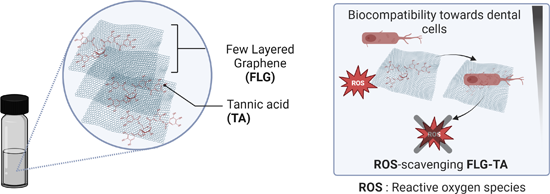
- ethanol, and 1 mL of this solution was mixed with 1 mL of TA solution at various concentrations (0.006–4.000 μg·mL−1). The absorbance was then measured at 517 nm against a blank sample (ethanol). Lower absorbance values in the reaction mixture indicate higher DPPH free radical scavenging activity. A
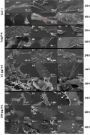
- then washed three times with cold 0.175 M sodium cacodylate buffer for 10 min each. The samples then underwent dehydration through a cold graded ethanol series (30%, 50%, 70%, and 95%) for 7 min each, followed by two 5-minute rinses in cold absolute ethanol and one 5-minute rinse in room-temperature
- absolute ethanol. Finally, samples were dehydrated with hexamethylenedisilazane for 15 min and air-dried in a fume hood for 24 h and coated with a gold–palladium alloy using a Hummer JR sputtering device (Technics, CA, USA), creating a 12.5 nm thick gold layer (50 s at 20 mA sputter current). SEM




Aprepitant-loaded solid lipid nanoparticles: a novel approach to enhance oral bioavailability
Beilstein J. Nanotechnol. 2025, 16, 652–663, doi:10.3762/bjnano.16.50
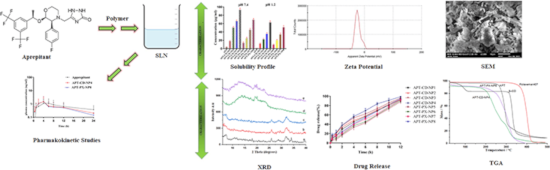
- . Stearic acid was purchased from Lab Alley, Texas, USA. Acetonitrile, ethanol, and phosphoric acid were purchased from Merck, Germany. Double distilled water was obtained from the post-graduate research laboratory, Faculty of Pharmacy, University of Lahore. Solid lipid nanoparticle preparation and
- solubility studies APT and stearic acid were dissolved in different proportions (Table 6) in 10 mL ethanol (organic phase); the polymers (β-CD and poloxamer 407) were dissolved in 10 mL distilled water (aqueous phase). A suspension was obtained by adding the aqueous phase dropwise to the organic phase under
- content and encapsulation efficiency of APT in each formulation were determined via the total amount of drug added to the nanoparticles and the amount of free drug in the aqueous phase. Formulations equal to 2 mg of APT were dissolved in 10 mL of ethanol, filtered through a 0.45 µm membrane filter and the


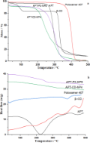
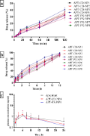

A formulation containing Cymbopogon flexuosus essential oil: improvement of biochemical parameters and oxidative stress in diabetic rats
Beilstein J. Nanotechnol. 2025, 16, 617–636, doi:10.3762/bjnano.16.48
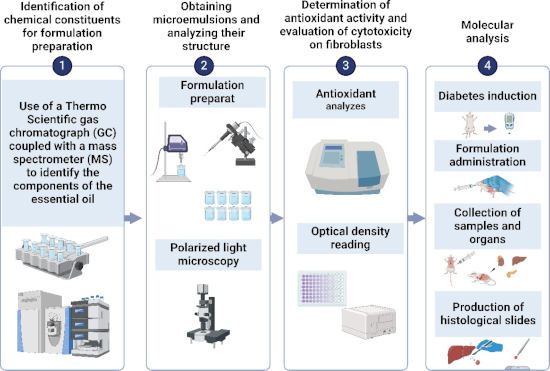


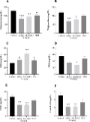


Polyurethane/silk fibroin-based electrospun membranes for wound healing and skin substitute applications
Beilstein J. Nanotechnol. 2025, 16, 591–612, doi:10.3762/bjnano.16.46
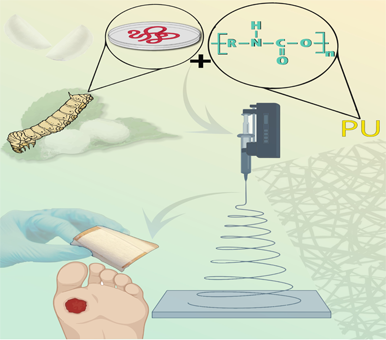
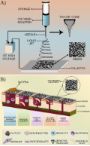
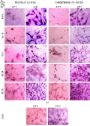
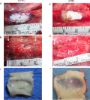
- crystalline), whereas random globules make up the amorphous region [80]. Silk I with α-helical structure can be turned into silk II with β-sheets through shearing, spinning, heating, or by using methanol or ethanol solvents; this transition is considered irreversible [81]. Triple helices of collagen and β



Feasibility analysis of carbon nanofiber synthesis and morphology control using a LPG premixed flame
Beilstein J. Nanotechnol. 2025, 16, 581–590, doi:10.3762/bjnano.16.45
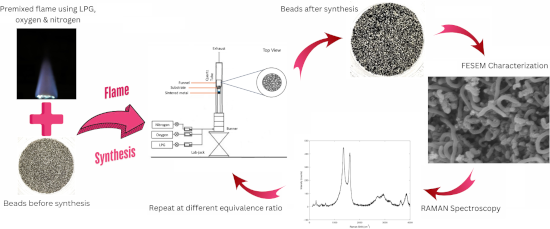
- room temperature, the product was purified with 1% HCl solution, distilled water, and ethanol, then vacuum-dried at 50 °C for about 4 h. The final product was nearly pure CNFs, as shown by FESEM images. TEM images indicated an average CNF diameter of 100 nm. Raman spectra showed a strong, narrow peak
- impregnated beads Zirconia beads of 0.30 mm diameter were selected as a substrate. The beads were cleaned by sonication in ethanol followed by rinsing with distilled water; the rinsed beads were dried in an oven to remove contaminants. The cleaned zirconia beads were impregnated with nickel catalyst to be
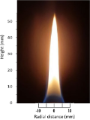
- stoichiometric equivalence ratio, increasing the overall temperature of the flame. The temperature distribution in the center of ethanol diffusion flame studied by Pan et al. showed results similar to those of the LPG flame in Figure 4b [26]. The wire mesh lowers the temperature below 731 °C at 10 mm HAB. Wei et



Functionalized gold nanoflowers on carbon screen-printed electrodes: an electrochemical platform for biosensing hemagglutinin protein of influenza A H1N1 virus
Beilstein J. Nanotechnol. 2025, 16, 540–550, doi:10.3762/bjnano.16.42
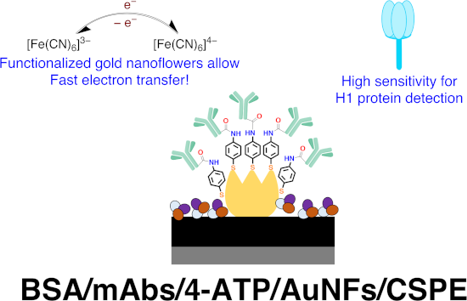
- process, forming stable AuNFs that remain at the surface of the electrode upon contact with water and ethanol as no change in the CV was observed after contact with these solvents (Supporting Information File 1, Figure S1). This suggests strong mechanical adhesion of the AuNFs to the CSPE surface. The
- Flour 568 were obtained from ThermoFisher (USA). Artificial saliva was obtained from LCTech GmbH (Germany). Syringeless filters of regenerated cellulose membrane (0.45 μm) were purchased from Cytiva (Sweden). Chloroauric acid (HAuCl4), hydrochloric acid, sulfuric acid, 4-aminothiophenol (4-ATP), ethanol
- modifications was employed. Briefly, the working electrode was covered with 10 μL of 10 mM 4-ATP solution in ethanol and incubated at 22 °C for 15 min. Unreacted 4-ATP was removed by two consecutive washings with 1 mL of ethanol and 1 mL of PBS, respectively. The 4-ATP/AuNFs/CSPE electrode was then dried under


Effect of additives on the synthesis efficiency of nanoparticles by laser-induced reduction
Beilstein J. Nanotechnol. 2025, 16, 464–472, doi:10.3762/bjnano.16.35
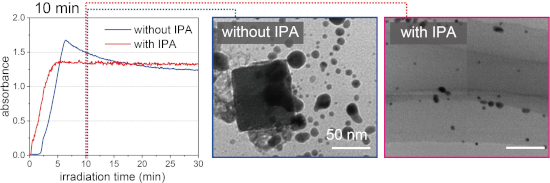
- by laser irradiation is low. We also investigated the effect of other additives other than IPA as radical scavengers. Figure 4 shows the change in absorbance at a wavelength of 520 nm in UV–vis absorption spectra of an Au solution with IPA, ethanol, and glycerin during laser irradiation. In all cases
- , the reaction finishing time was shorter than that of the solution without additives. When ethanol was used, the reaction finishing time was almost the same in the case of IPA, but when glycerin was used, the nanoparticle synthesis efficiency was improved by 1.6 times. Therefore, compared to the case
- two methyl groups in IPA, so the stability of the radicals is higher than in ethanol, which has only one methyl group. However, there was no significant difference in the synthesis efficiency when using these additives. So, the stability of the radical has little effect on the synthesis efficiency of


Quantification of lead through rod-shaped silver-doped zinc oxide nanoparticles using an electrochemical approach
Beilstein J. Nanotechnol. 2025, 16, 422–434, doi:10.3762/bjnano.16.33
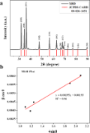
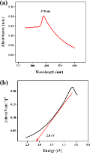
- 2854 cm−1 relate to the stretching vibration of carbon and hydrogen bonds. The peaks at 1030 and 1380 cm−1 are related to vibrational or in-plane bending of residual ethanol which was used for washing the nanoparticles and KBr pellet die set (used for pellet making for FTIR) [18][19]. Optical study of
- stirring for 2 h at room temperature. Once the stirring was complete, the deposited precipitate was formed. These precipitates were subjected to centrifugation and the pellet was collected; further washing was done multiple times using distilled water and ethanol. The obtained nanoparticles were oven-dried
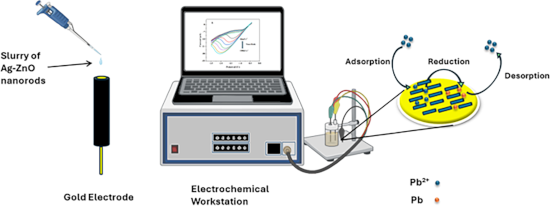
- electron mediator for creating a lead electrochemical sensor with high sensitivity. In order to coat the Ag@ZnO NRs, a mixture of 1 mg of as-produced nanorods was mixed in 10 mL of ethanol and sonicated for 30 min. This 4 µL mixture was then applied to the cylindrical gold electrode of 2 mm diameter and




Graphene oxide–chloroquine conjugate induces DNA damage in A549 lung cancer cells through autophagy modulation
Beilstein J. Nanotechnol. 2025, 16, 316–332, doi:10.3762/bjnano.16.24
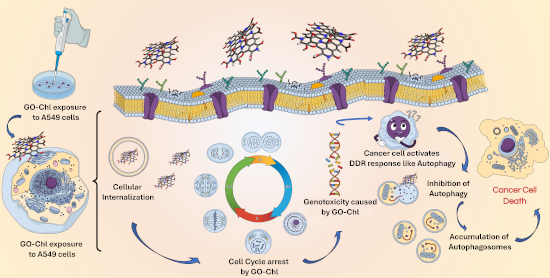
- min, and the pellet was resuspended in 300 μL of 1× PBS. Furthermore, the cells were fixed with 70% ice-cold ethanol and incubated overnight at −20 °C. Thereafter, cells were centrifuged at 1200 rpm for 4 min and the resulting pellet was resuspended in 200 μL of lysis buffer (1× PBS with 0.2% Triton X



Enhancing mechanical properties of chitosan/PVA electrospun nanofibers: a comprehensive review
Beilstein J. Nanotechnol. 2025, 16, 286–307, doi:10.3762/bjnano.16.22
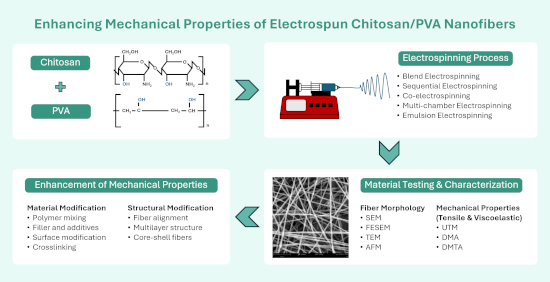
- insoluble in water, alkali, and most mineral acid systems. Additionally, chitosan is soluble in mixtures of water, methanol, ethanol, and acetone [52], making it feasible for the electrospinning process. Unbound amino groups make chitosan a positively charged polyelectrolyte in acidic media, resulting in


A review of metal-organic frameworks and polymers in mixed matrix membranes for CO2 capture
Beilstein J. Nanotechnol. 2025, 16, 155–186, doi:10.3762/bjnano.16.14
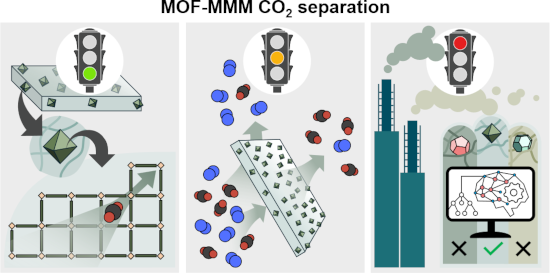
- -case basis. An entirely different approach to improving the MOF–polymer interface is shown in the study by Maleh and Raisi [91], where ZIF-8 MOFs were grown in situ in a Pebax® 2533 polymer matrix. The authors prepared a polymer solution in ethanol containing well-dispersed zinc nitrate hexahydrate and




TiO2 immobilized on 2D mordenite: effect of hydrolysis conditions on structural, textural, and optical characteristics of the nanocomposites
Beilstein J. Nanotechnol. 2025, 16, 128–140, doi:10.3762/bjnano.16.12
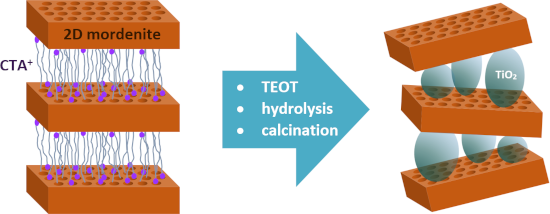
- nanocomposites were synthetized by the introduction of titanium tetraethoxide (TEOT) into the interlamellar space of 2D mordenite, its subsequent hydrolysis in water or a solution of 70% ethanol in water for 6, 12, and 24 h, and calcination. The resulting TiO2/2D mordenite materials were studied by a set of
- complementary characterization techniques, including XRD, SEM-EDX, TGA, N2 sorption, NMR, XPS and UV–vis spectrometry. It was observed that treatment in 70% ethanol solution preserves the ordered layered structure of 2D mordenite because TEOT hydrolysis is slowed down. This, in turn, leads to higher
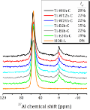
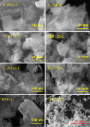
- ) samples are labeled as Ti-WNh-C and Ti-ENh-C with N = 6, 12, and 24 for materials hydrolyzed in water (W) and 70% ethanol solution (E) for 6, 12, and 24 h, respectively. The non-calcined samples are designated as Ti-WNh and Ti-ENh. XRD, 27Al NMR, and SEM-EDX studies Figure 1a and Figure 1b show small



Bioinspired nanofilament coatings for scale reduction on steel
Beilstein J. Nanotechnol. 2025, 16, 25–34, doi:10.3762/bjnano.16.3
- cleaned by sonication for five minutes in toluene, acetone, and Milli-Q water, and the samples were rinsed with the solvent following in the sequence before each sonication step. Finally, the samples were dipped into ethanol and dried. The samples were washed in toluene, acetone and Milli-Q water, toluene


A nanocarrier containing carboxylic and histamine groups with dual action: acetylcholine hydrolysis and antidote atropine delivery
Beilstein J. Nanotechnol. 2025, 16, 11–24, doi:10.3762/bjnano.16.2
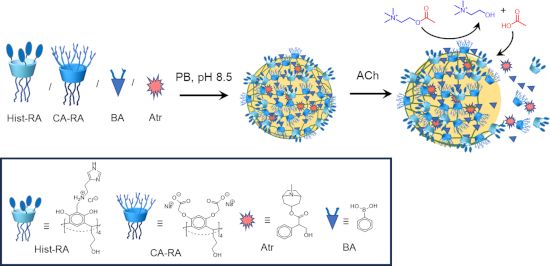
- , resulting in the decomposition of the polymer. Fluorescein encapsulation and release under the influence of ACh To verify the degradation of p(Hist-CA) by ACh, fluorescein (Fl) was encapsulated into the nanocarrier cavity. Initially, 5 mg of Fl was dissolved in 15–20 mL of ethanol. Next, 7.3 μL of TO was
- under reduced pressure, and the residue was dissolved in 10–15 mL of ethanol to obtain the Hist solution. In a 100 mL round-bottom flask, RA (0.53 g, 0.74 mmol) was dissolved in 20 mL of ethanol, and a 37% CH2O solution (1.79 mL, 22 mmol) was added. Subsequently, the Hist solution was added, and the
- reaction mixture was stirred at room temperature for 24 h. Following this, the precipitate was filtered and washed with a cold ethanol/water mixture (9/1), which was then dissolved in 15 mL of butanol. After adding 1.5 mL of concentrated hydrochloric acid and 5 mL of double-distilled water, the mixture was


Orientation-dependent photonic bandgaps in gold-dust weevil scales and their titania bioreplicates
Beilstein J. Nanotechnol. 2025, 16, 1–10, doi:10.3762/bjnano.16.1
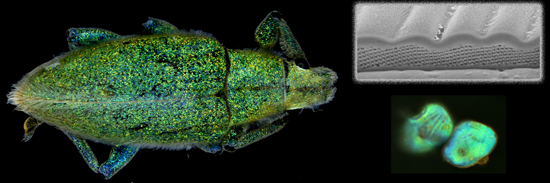
- containing 1.6 mL of concentrated trifluoroacetic acid (99%) and 0.4 mL of concentrated hydrocloric acid (12 M). After stirring the mixture for 20 min, 4 mL of ethanol was added to adjust the viscosity of the solution. Titania sol was formed by stirring the mixture continuously for 24 h. Two drops of 1 μL of


Liver-targeting iron oxide nanoparticles and their complexes with plant extracts for biocompatibility
Beilstein J. Nanotechnol. 2024, 15, 1593–1602, doi:10.3762/bjnano.15.125
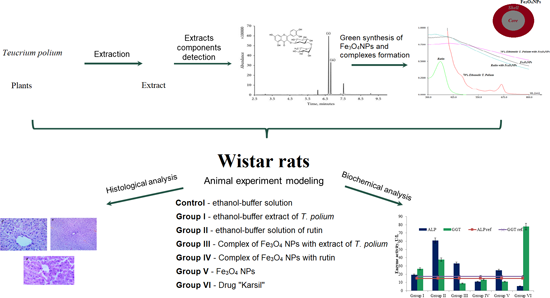
- Wistar rats. Results Effects on liver function Previous studies have identified pronounced biocompatible properties in a 70% ethanol extract of T. polium, with a total flavonoid content (TFC) value of 26.34 ± 0.11 µg/mL and an IC50 value of 1.40 ± 0.05 mg/mL; in addition, rutin (3.74 µg/mL) and genistein
- applications. Spectral analysis of the composite of Fe3O4 NPs with 70% ethanol extract of T. polium in our previous studies revealed the formation of a complex with leveling of peaks characteristic of the extract and a hypochromic shift in the Fe3O4 NPs absorption spectrum [50]. The results of the impact of
- of the NPs, their dose, and the application [18]. Thus, based on ALT/AST activity values, it can be concluded that Fe3O4 NPs do not exhibit pronounced toxic effects on the livers of healthy Wistar rats; however, when co-administered with 70% ethanol extract of T. polium and rutin, changes occur in


Green synthesis of silver nanoparticles derived from algae and their larvicidal properties to control Aedes aegypti
Beilstein J. Nanotechnol. 2024, 15, 1566–1575, doi:10.3762/bjnano.15.123
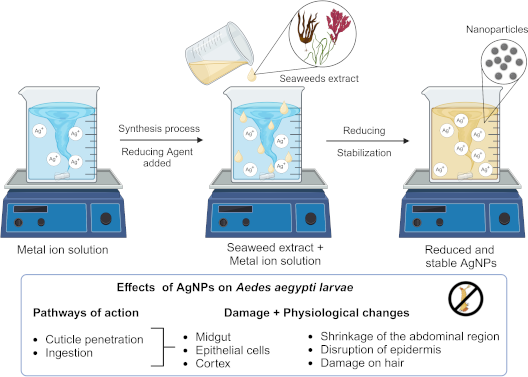
- ethanol, concentrated in a rotary vacuum evaporator, and finally stored at refrigerator temperature. A hydroalcoholic extract was produced by adding 1 mL of S. natans extract to 99 mL of purified water and 0.5 mL of Triton®. This extract was treated with AgNO3 (100 mM; 99:1) and conditioned at room
- . lactuca extract [56]. Initially, 10 g of the extract powder was extracted using a Soxhlet extractor (ethanol, 78 °C for 8 h) and concentrated in a rotary vacuum evaporator (40 °C). 100 mL of the extract was treated with AgNO3 solution (1 mM), showing the formation of NPs by the yellowish color. The


Electrochemical nanostructured CuBTC/FeBTC MOF composite sensor for enrofloxacin detection
Beilstein J. Nanotechnol. 2024, 15, 1522–1535, doi:10.3762/bjnano.15.120
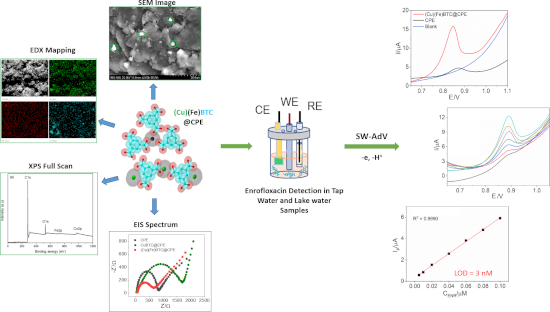
- . The mixture was heated at 150 °C for 12 h and stirred continuously to facilitate the MOF formation process. Finally, the synthesized powder was separated from the solution using a centrifuge at 6000 rpm, washed several times with DMF and ethanol, and dried to obtain CuBTC and FeBTC MOFs. Preparation





A biomimetic approach towards a universal slippery liquid infused surface coating
Beilstein J. Nanotechnol. 2024, 15, 1376–1389, doi:10.3762/bjnano.15.111
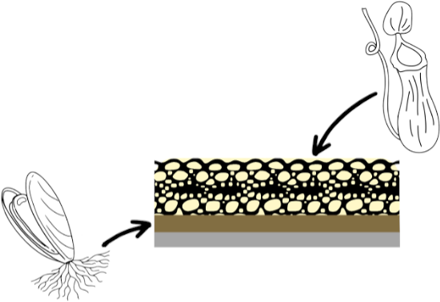
- a 1:1 mixture of ethanol and acetone for 30 min. Si substrates were fabricated via a diamond-tipped blade in a Disco wafer saw (Disco, Tokyo, Japan) from a silicon wafer cut into 1 × 1 cm2 substrates. These Si substrates were left overnight to soak in DI water and then sonicated in 20 min intervals
- with dichloromethane, acetone, and ethanol. 316 SS was purchased from McMaster-Carr (Elmhurst, IL) and ground up to grit 3000 with SiC emery paper and cut by hand into 1 × 1 cm2 chips. The cut SS substrates were rinsed in DI water and ethanol followed by sonication in a 1:1 mixture of chloroform and
- 2.5% glutaraldehyde in 0.1 M sodium cacodylate buffer overnight. Samples were then rinsed twice in 0.1 M cacodylate buffer for 15 min each. Samples were dehydrated in a graded series of ethanol (10%, 30%, 50%, 70%, 90%, 95%, and 100%) for 10–15 min each, followed by critical point drying (Electron




Mn-doped ZnO nanopowders prepared by sol–gel and microwave-assisted sol–gel methods and their photocatalytic properties
Beilstein J. Nanotechnol. 2024, 15, 1283–1296, doi:10.3762/bjnano.15.104
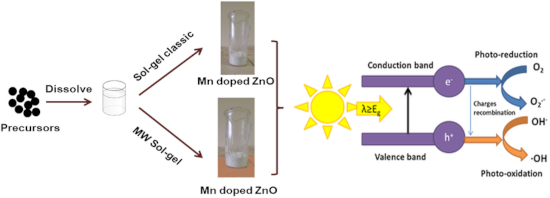
- solutions comprising zinc acetate dihydrate, anhydrous manganese acetate, absolute ethanol, and triethanolamine. This was followed by gelation and subsequent drying and thermal treatment steps to yield Mn-doped ZnO nanopowders (see Experimental section). White-pink powders were obtained using both SG and MW
- purification and pollutant remediation. Experimental Synthesis The starting materials (all reagent grade) for obtaining precursor solutions are zinc acetate dehydrate (Zn(CH3COO)2·2H2O), anhydrous manganese acetate (Mn(CH3COO)2), absolute ethanol (C2H5OH), and triethanolamine (C6H15NO3, TEA). The precursor
- solutions 0.1 M of (0.098% Zn2+ + 0.002% Mn2+) were stirred in absolute ethanol at 50 °C for 15 min. Then, triethanolamine in a molar ratio of ZnAc/TEA = 5:1 was slowly added drop wise. The resulted solution was homogenized at 50 °C for 2 h in the sol–gel method without microwaves or exposed to microwaves


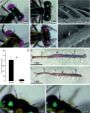
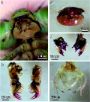
Functional morphology of cleaning devices in the damselfly Ischnura elegans (Odonata, Coenagrionidae)
Beilstein J. Nanotechnol. 2024, 15, 1260–1272, doi:10.3762/bjnano.15.102
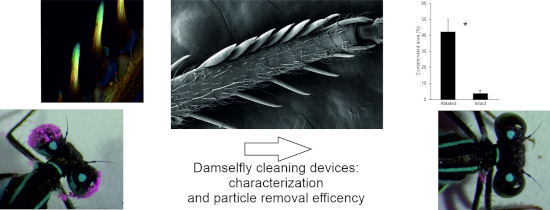
- the same buffer, dehydrated by using ascending ethanol concentrations, and finally embedded in an Epon–Araldite resin mixture (Sigma-Aldrich). Afterwards, semithin sections of the foretibial grooming structures were cut with a diamond knife using a Leica EM UC6 ultramicrotome, collected on glass
- Foretibiae were dissected from anaesthetised specimens (ten males and ten females), fixed for 12 h in 2.5% glutaraldehyde in cacodylate buffer (Electron Microscopy Sciences) at pH 7.2, repeatedly rinsed in the same buffer and dehydrated using ascending ethanol gradients (20%, 50%, 70%, 80%, 95%, and 100
- conventional lab freezer (ca. −20 °C) for 10 min. The foretibiae were cut from males and females by a scalpel. The specimens were washed in 70% ethanol and then immersed in glycerine (≥99.5%, Carl Roth GmbH & Co. KG, Karlsruhe, Germany). After fixing the specimens in glycerine between a glass slide and a cover