


Search results
Search for "mechanisms" in Full Text gives 873 result(s) in Beilstein Journal of Nanotechnology. Showing first 200.
Molecular and mechanical insights into gecko seta adhesion: multiscale simulations combining molecular dynamics and the finite element method
Beilstein J. Nanotechnol. 2025, 16, 2055–2076, doi:10.3762/bjnano.16.141
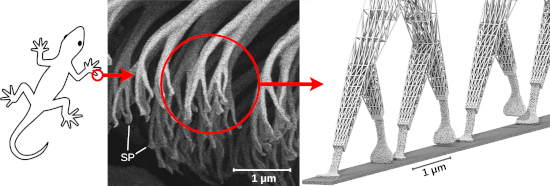
- detachment, thereby enhancing adhesion strength. The computed pull-off forces and observed mechanisms are consistent with atomic force microscopy measurements and previous simulations. These results align with existing experimental and computational studies. They also overcome scale and resolution
- ][20] are necessary to capture both large-scale geometry and local molecular interactions at the adhesive interface. There have been several pure finite element studies of gecko adhesion, which examine mechanisms like peeling from and pushing (loading) onto a substrate [21][22][23][24][25][26][27][28
- geometry was sufficient as a first step in validating our concurrent MD–FEM approach and extracting fundamental insights about contact formation, load transfer, and spatula detachment mechanisms. Simulating each spatula in its own MD simulation, while coupling them all with the seta FEM model, becomes






Stereodiscrimination of guests in chiral organosilica aerogels studied by ESR spectroscopy
Beilstein J. Nanotechnol. 2025, 16, 2034–2054, doi:10.3762/bjnano.16.140
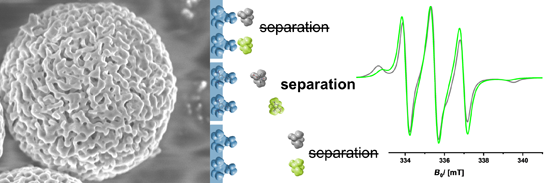
- extensive description of the enormous progress of liquid chromatography with chiral, stationary phases made over several decades [18]. The author analyzes that a molecular understanding of the recognition mechanisms on chiral surfaces is still scarce, particularly regarding dynamic aspects. Meanwhile




The cement of the tube-dwelling polychaete Sabellaria alveolata: a complex composite adhesive material
Beilstein J. Nanotechnol. 2025, 16, 1998–2014, doi:10.3762/bjnano.16.138
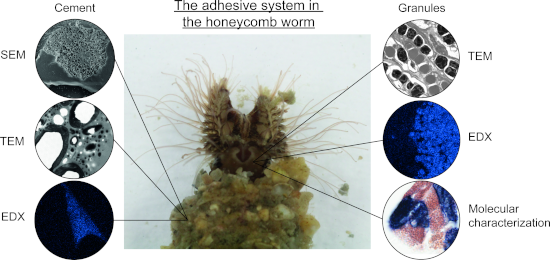
- material; Polychaeta; protein phosphorylation; Introduction Many invertebrate marine organisms have adhesive mechanisms that allow them to firmly attach to various substrates in a wet and salty environment [1][2]. This remarkable ability has raised the interest of scientists in developing bio-inspired
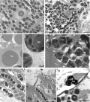
- in the largest spheroids). The occurrence of expanded inclusions in some samples, although it may be an artifact of preparation, could mimic intermediate states between inclusions and hollow spheroids. Time-lapse experiments on extracted secretory granules could help decipher the mechanisms behind



Laser ablation in liquids for shape-tailored synthesis of nanomaterials: status and challenges
Beilstein J. Nanotechnol. 2025, 16, 1963–1997, doi:10.3762/bjnano.16.137
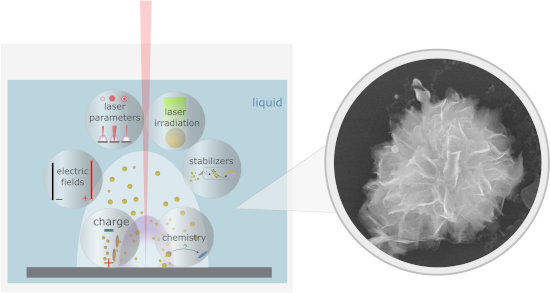
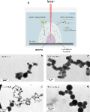
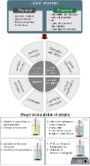
- liquids; laser irradiation; nanofabrication; nanoparticles; shape control; Perspective 1 Introduction: Mechanisms and key parameters influencing the morphology of laser-produced NPs The precise control and tailoring of NP parameters has long been an aim of the laser ablation synthesis in liquids
- progress in the pulsed laser ablation in liquid (PLAL) field has been achieved by getting new insights into the process of laser ablation, its stages, and mechanisms allowing to significantly boost the productivity and reach gram-scale NP production [1][4]. Another direction of the research is the control
- achieved. Despite recent advances, there is still a gap in understanding the routes for shape control of the forming nanomaterials hindered by the limited information about the mechanisms of laser ablation process in liquids. The demand for anisotropic nanomaterials is growing, associated with the rapid




Evaluating metal-organic precursors for focused ion beam-induced deposition through solid-layer decomposition analysis
Beilstein J. Nanotechnol. 2025, 16, 1942–1951, doi:10.3762/bjnano.16.135
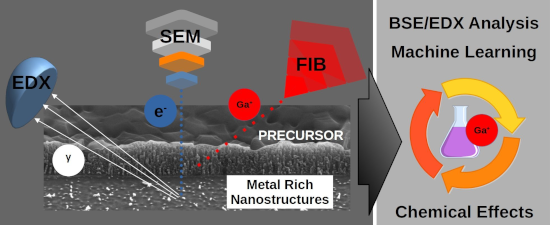
- decomposition mechanisms are proposed. Studies have been conducted on ion–molecule interactions in both solid and gas phases. Ultrahigh vacuum experiments on a few monolayers of FIBID precursors, such as [Ru(CO)4I2], [(η5-C5H5)Fe(CO)2Re(CO)5], and [Fe(CO)5], have been used to elucidate decomposition pathways
- analysis of nanostructures [33]. Finally, we determined the quantitative chemical composition of the formed metal-rich deposits (structures). While the decomposition of precursor layers presents a significant challenge compared to gas-phase deposition driven by differing mechanisms, our approach of layer
- versus the metal content determined using our ion-beam-based decomposition method. It is seen that, on average, there is a relation between these two values of the metal content. Independently of the different mechanisms governing layer decomposition under ion beam irradiation and gas-phase deposition in


Quantum circuits with SINIS structures
Beilstein J. Nanotechnol. 2025, 16, 1931–1941, doi:10.3762/bjnano.16.134
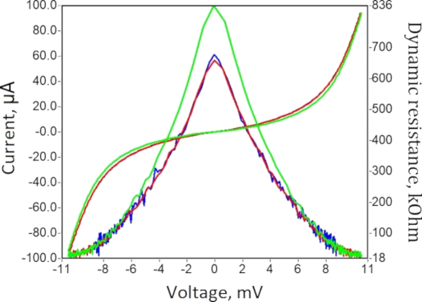
- an energy much higher than the thermal energy, the quantum absorption mechanism is already realized, and the real absorption picture becomes much more complicated [19]. It is necessary to take into account many other parameters and relaxation mechanisms. An example of the thermalization process of a


PEGylated lipids in lipid nanoparticle delivery dynamics and therapeutic innovation
Beilstein J. Nanotechnol. 2025, 16, 1914–1930, doi:10.3762/bjnano.16.133
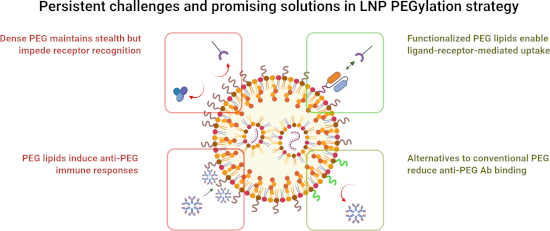
- activation in different mechanisms [57][65][66][67]. Although the immunogenicity of PEG lipids can be beneficial in certain cases to modulate immune responses for enhanced therapeutic outcomes, such applications are minimal compared to the well-documented downsides in LNP delivery function. Given this


Targeting the vector of arboviruses Aedes aegypti with nanoemulsions based on essential oils: a review with focus on larvicidal and repellent properties
Beilstein J. Nanotechnol. 2025, 16, 1894–1913, doi:10.3762/bjnano.16.132
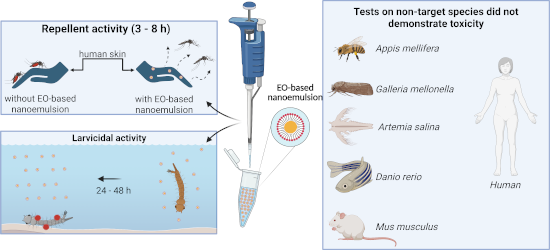
- compared to that of free EOs, in both activities. However, the repellent activity has been less explored, present in only three of the studies evaluated, in the last 10 years. Correlatingh with this, other aspects such as botanical species of EOs, mechanisms of action, composition, and characteristics of
- to the larvae, and enzymatic analysis showed that thymol nanoemulsion inhibited 83.48% of acetylcholinesterase, while oil inhibited 53.62%, suggesting multiple mechanisms of action. Gupta et al. (2022) investigated the larvicidal efficacy of a Thymus vulgaris essential oil nanoemulsion against Ae
- of the enzymes α-esterase, β-esterase, and glutathione S-transferase (GST) in the larvae, suggesting interference in the detoxification mechanisms and indicating the involvement of enzymatic pathways in the larvicidal action. Almadiy and Nenaah (2022) developed an oil-in-water nanoemulsion containing


Self-assembly and adhesive properties of Pollicipes pollicipes barnacle cement protein cp19k: influence of pH and ionic strength
Beilstein J. Nanotechnol. 2025, 16, 1863–1872, doi:10.3762/bjnano.16.129
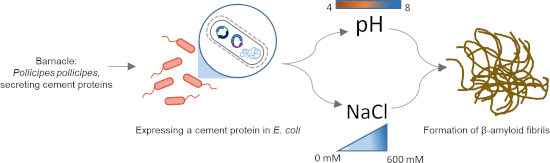
- , ship hulls, and even other organisms [1]. These bioadhesives function under challenging aquatic conditions, including high and fluctuating salinity, and constant turbulence. Unlocking the molecular mechanisms behind their ability to achieve robust, long-term adhesion under wet and dynamic conditions


On the road to sustainability – application of metallic nanoparticles obtained by green synthesis in dentistry: a scoping review
Beilstein J. Nanotechnol. 2025, 16, 1851–1862, doi:10.3762/bjnano.16.128
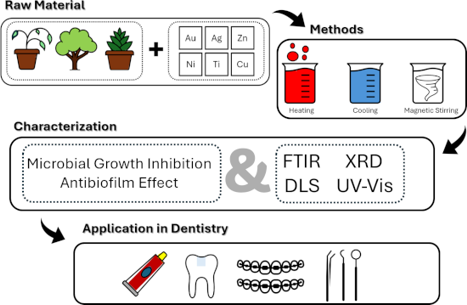
- properties. Only a minority of studies investigated mechanisms of action (18.9%; n = 16) or addressed the scalability and reproducibility of the synthesis process (17.6%; n = 15), which are crucial for industrial and clinical translation. Comparisons with conventional treatments or commercial products were


Current status of using adsorbent nanomaterials for removing microplastics from water supply systems: a mini review
Beilstein J. Nanotechnol. 2025, 16, 1837–1850, doi:10.3762/bjnano.16.127
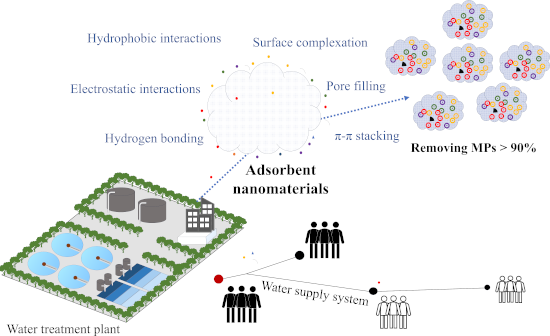
- efficiency of MPs in water supply systems, as well as the mechanisms and performance when applying these materials for treatment. In addition, the related risk of adsorbent nanomaterials is also considered. Microplastics from land-based sources and wastewater plants persist in water supplies, with
- conventional treatments removing only 40–70%, especially struggling with smaller particles. Based mainly on mechanisms like electrostatic interactions, hydrophobic interactions, pore filling, hydrogen bonding, π–π stacking, and surface complexation, adsorbent nanomaterials achieve over 90% removal of MPs and
- mechanisms and performance; and (iii) risk assessments and associated problems when applying adsorbent nanomaterials. In addition, it is important to identify critical gaps regarding large-scale applications and insufficient integration into existing systems. By expanding the scope of the research to


Phytol-loaded soybean oil nanoemulsion as a promising alternative against Leishmania amazonensis
Beilstein J. Nanotechnol. 2025, 16, 1826–1836, doi:10.3762/bjnano.16.126
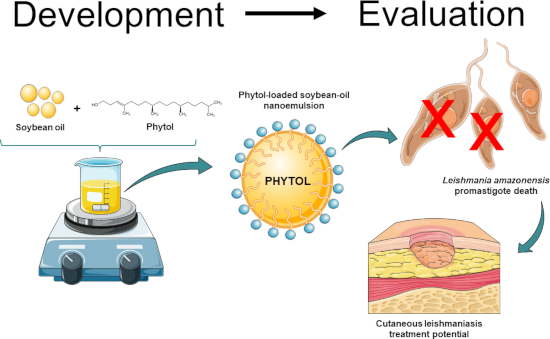
- incorporation of poloxamer 407 increased the viscosity of the external aqueous phase, thereby reducing Brownian motion and droplet collision frequency – mechanisms that are often associated with delayed creaming and phase separation [42][43]. Taken together, these compositional strategies demonstrate the


Piezoelectricity of layered double hydroxides: perspectives regarding piezocatalysis and nanogenerators
Beilstein J. Nanotechnol. 2025, 16, 1812–1817, doi:10.3762/bjnano.16.124
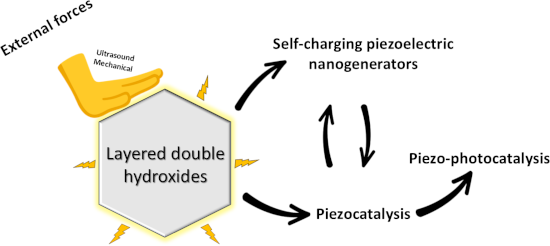
- instead arise from triboelectric, electrochemical, or mechanochemical contributions. (2) Confusion of mechanisms: Different studies attribute performance improvements either to symmetry breaking (ultrathin LDH, loss of inversion centers, piezoelectrical properties), to defects (oxygen vacancies and
- carrier localization effects), or to interfacial electronic interactions that facilitate charge transfer. While these mechanisms may coexist, many publications lack the necessary control experiments (e.g., mechanical stimulation without light/oxidant, photocatalysis without stress, or defect-free samples

Electrical, photocatalytic, and sensory properties of graphene oxide and polyimide implanted with low- and medium-energy silver ions
Beilstein J. Nanotechnol. 2025, 16, 1794–1811, doi:10.3762/bjnano.16.123
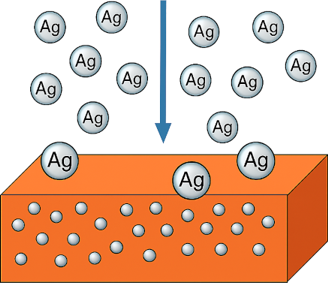
- properties of the modified materials. In our previous studies, light ions such as Cu [1][2] and C [3] were implanted into GO, PI, and other polymers. In contrast, the implantation of heavier ions like Ag interacts with the target material through different mechanisms. Owing to its higher mass, Ag has a


Exploring the potential of polymers: advancements in oral nanocarrier technology
Beilstein J. Nanotechnol. 2025, 16, 1751–1793, doi:10.3762/bjnano.16.122
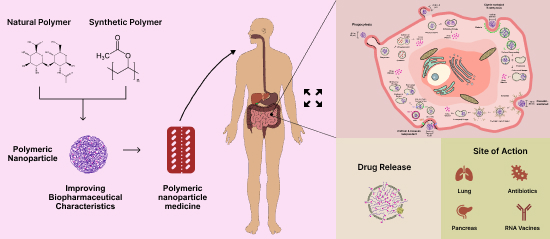
- , along with the mechanisms of active substance internalization and release within the body. Special attention is given to how PNs have been applied to enhance the oral delivery of peptides, nucleic acids, poorly soluble drugs, and small molecules. Additionally, current strategies for administration and
- preformed polymers are the most commonly used techniques. Methods based on the polymerization of monomers include emulsion polymerization, miniemulsion, microemulsion, and interfacial polymerization, which differ in initiation mechanisms and stabilization strategies. Emulsion polymerization, for instance
- suitability for safe and effective oral nanoparticle delivery [44][51][56]. 3 Polymers and their absorption mechanisms in the body 3.1 Physical properties of polymers and their relationship with biodegradation in the body Analyzing the Greek etymology of the word “polymer” provides insight into its definition


Advances of aptamers in esophageal cancer diagnosis, treatment and drug delivery
Beilstein J. Nanotechnol. 2025, 16, 1734–1750, doi:10.3762/bjnano.16.121

- /mTOR/S6 pathway [5], and SOX2/miR-30e/USP4/SMAD4/CK2 pathway [6] are important mechanisms promoting the malignant phenotype of cancer cells. Some of the pathogenesis and risk factors of ESCC and EAC are shown in Figure 1. The initial clinical manifestations of both conditions are often nonspecific and
- limitation. By exploring deeper spatial patterns of gene expression [60], combined with single-cell RNA sequencing [61], it increases our understanding of the full range of ESCC mechanisms. Genomic studies of ESCC and EAC [62] revealed significant differences in marker expression, possibly indicating
- evolution of ligands by SELEX; (3) validate binding affinity and functional modulation in vitro and in vivo models; and (4) elucidate the underlying molecular mechanisms (Figure 4). At present, significant progress has been made in peptide aptamers targeting SOX2 protein or its binding partner, aptamers


Beyond the bilayer: multilayered hygroscopic actuation in pine cone scales
Beilstein J. Nanotechnol. 2025, 16, 1695–1710, doi:10.3762/bjnano.16.119
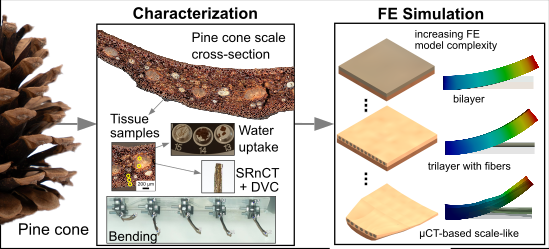
- integrate high-resolution computed tomography-based geometries to further elucidate the mechanisms underlying hygroscopic actuation. This integrative approach will bridge experimental findings with computational modeling and advance plant biomechanics and biomimetic transfer. Keywords: digital volume


Ambient pressure XPS at MAX IV
Beilstein J. Nanotechnol. 2025, 16, 1677–1694, doi:10.3762/bjnano.16.118

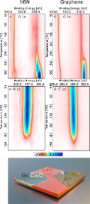
- operando. With IRRAS, vibrational information is available, which greatly complements the electronic information obtained by photoelectron spectroscopy. This combination enables a more complete picture of surface reaction mechanisms. The examples discussed here focus on “model catalysts”, that is, systems
- and mechanisms in single-atom catalysis. 2D confined catalysis Confined catalysis is an emerging field that investigates how spatial constraints can influence the efficiency, selectivity, and performance of catalytic reactions. This approach leverages the principles of confinement within various
- application is photocatalytic water splitting for green hydrogen production. Urpelainen and colleagues clarified the mechanisms of photocatalytic hydrogen evolution reaction (HER) in a new prospective model system, the Ni@NiO/NiCO3 photocatalyst, under dark and illuminated conditions at 1 mbar of H2O [45





Prospects of nanotechnology and natural products for cancer and immunotherapy
Beilstein J. Nanotechnol. 2025, 16, 1644–1667, doi:10.3762/bjnano.16.116
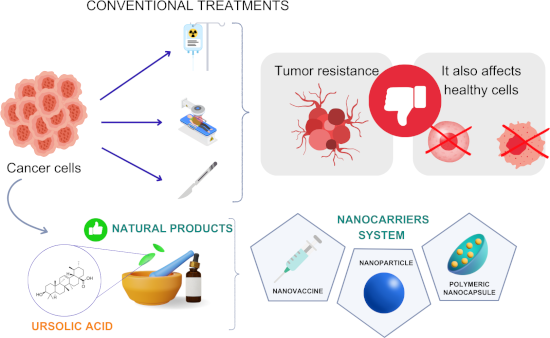
- to evade the immune system, such as expressing immunosuppressive molecules and creating a hostile tumor microenvironment that suppresses antitumor activity [7]. One of the most exploited mechanisms by tumors involves immune checkpoints, such as PD-L1 (programmed death-ligand 1) and CTLA-4 (cytotoxic
- ]. Given this scenario, bioactive compounds from natural products, such as alkaloids, flavonoids, and terpenoids, have garnered interest due to their anticancer and immunomodulatory properties [13][14]. Derivatives from plants, fungi, and microorganisms offer diverse mechanisms of action, including immune
- immunotherapy is nanotechnology, as it presents physicochemical benefits for drugs. Among the advantages, nanotechnology can eliminate the limitations of using bioactive compounds in cancer treatment formulations, leading to increased bioavailability and pharmacokinetics [55]. The mechanisms behind the



Nanotechnology-based approaches for the removal of microplastics from wastewater: a comprehensive review
Beilstein J. Nanotechnol. 2025, 16, 1607–1632, doi:10.3762/bjnano.16.114
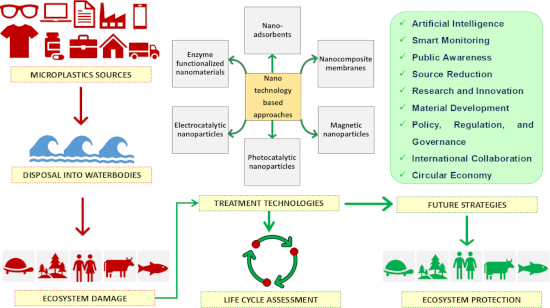
- oxidation mechanisms. These processes generate reactive oxygen species (ROS) through methods such as photocatalysis, ozonation, and electrochemical activation, which effectively break down the polymer chains of MPs, leading to their mineralization. The primary AOP techniques used for removing MPs from water
- be fine-tuned at the molecular or atomic level to selectively target specific contaminants [16]. Figure 6 illustrate the key mechanisms of MP removal using nanoparticles. Nanoparticles as adsorbent: Adsorption is the most commonly used method for eliminating inorganic and organic pollutants from
- seawater and brackish water [111]. The physical mechanisms involved in the removal of pollutants are schematically represented in Figure 9 and explained in Table 5 [112]. Membrane technology faces a key limitation in balancing selectivity with permeability, often resulting in a compromise between the two


Bioinspired polypropylene-based functionally graded materials and metamaterials modeling the mistletoe–host interface
Beilstein J. Nanotechnol. 2025, 16, 1592–1606, doi:10.3762/bjnano.16.113
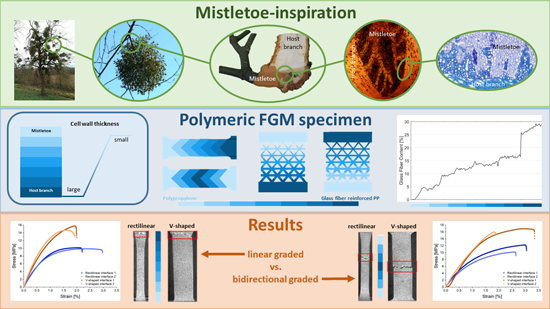
- crucial importance to withstand severe conditions, prevent damage, and maintain their functionality [1]. Furthermore, damage control mechanisms can be used to enable the targeted and economical use of resources and the recyclability of individual parts or the entire materials system [2]. In addition to
- self-healing mechanisms for reusing damaged structures [3][4][5], the targeted and pre-programmed discard of non-functional parts can also be used to maintain the overall function or recyclability of the materials used [6]. In order to achieve this in a spatially controlled manner, predetermined
- manufacturing. We intend to transfer the connection mechanisms of mistletoe to a bioinspired material system in which the interface between different materials is not only geometrically structured (V-shape), but also has continuous gradients along the geometry to enable smooth transition between materials


Photocatalytic degradation of ofloxacin in water assisted by TiO2 nanowires on carbon cloth: contributions of H2O2 addition and substrate absorbability
Beilstein J. Nanotechnol. 2025, 16, 1567–1579, doi:10.3762/bjnano.16.111
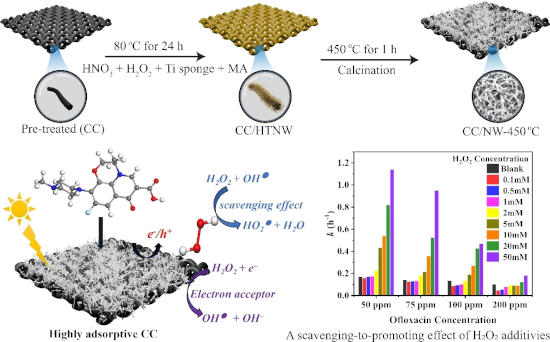
- is insignificant in the current investigation. OFL may be compromised by those reactive species (Equations 12–14). The potential photocatalytic degradation mechanisms of OFL are thus delineated as follows and demonstrated schematically in Figure 8b. The effects of the substrate with high adsorption


Modeling magnetic properties of cobalt nanofilms used as a component of spin hybrid superconductor–ferromagnetic structures
Beilstein J. Nanotechnol. 2025, 16, 1557–1566, doi:10.3762/bjnano.16.110
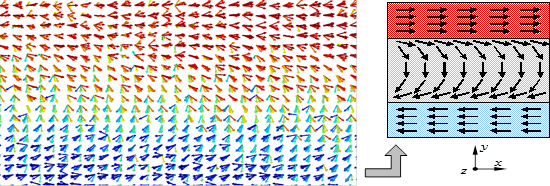
- different thicknesses and to reveal the main interdependence mechanisms of dimensional, structural, and magnetic subsystems. The proposed modeling methodology and the conducted studies make it possible to analyze the regularities determining the magnetic properties of thin films, which will further make it


Transient electronics for sustainability: Emerging technologies and future directions
Beilstein J. Nanotechnol. 2025, 16, 1545–1556, doi:10.3762/bjnano.16.109
- constituent (Figure 1e) [27]. Crucially, the utility of transient systems is not confined to the biomedical domain. Their degradation mechanisms are equally applicable in broader environmental settings where biocompatibility constraints are relaxed. In contexts such as soil, compost, freshwater, or marine
- . Third, precise lifetime control remains a critical challenge, necessitating not only improved encapsulation strategies but also dynamic, stimuli-responsive degradation mechanisms. Given the intricate nature of biological environments and the variability of therapeutic requirements, materials used in
- , offering the potential to replace conventional high-performance silicon-based devices with transient alternatives. In aqueous environments, silicon undergoes degradation via well-defined mechanisms with the rate of dissolution being highly sensitive to external conditions [42][44]. Elevated temperatures


Nanomaterials for biomedical applications
Beilstein J. Nanotechnol. 2025, 16, 1499–1503, doi:10.3762/bjnano.16.105
- for quick and accurate identification of biomarkers from blood or similar samples [21]. A novel biosensor type, called a biosensing drug delivery system, combines sensors with drug release mechanisms. This could make it easier to treat chronic diseases such as diabetes, heart disease, and cancer. When



