Search results
Search for "nanoparticle" in Full Text gives 747 result(s) in Beilstein Journal of Nanotechnology. Showing first 200.
Time-resolved probing of laser-induced nanostructuring processes in liquids
Beilstein J. Nanotechnol. 2025, 16, 968–1002, doi:10.3762/bjnano.16.74
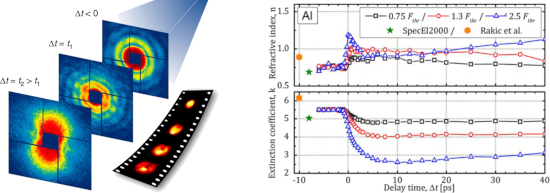
- early-time structural relaxation and chemical bond dynamics in laser-induced ionization of liquid water. In the third chapter “Nanoparticle excitation in an ensemble and energy exchange with medium”, an approach is shown on how reactions of both the excited NPs as well as the interaction with the
- by the expanding NPs. Nanoparticle excitation in an ensemble and energy exchange with the medium With the latest advances in ultrafast imaging down to an atomic scale (see the section on single-particle imaging), it became possible to visualize photoreactions in individual particles [68][101][102


Supramolecular hydration structure of graphene-based hydrogels: density functional theory, green chemistry and interface application
Beilstein J. Nanotechnol. 2025, 16, 806–822, doi:10.3762/bjnano.16.61
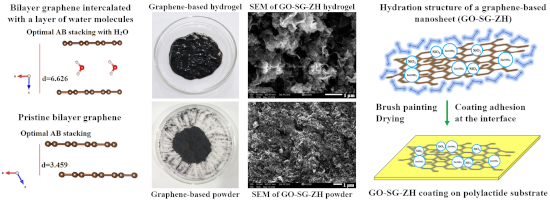
- reduced graphene oxide (RGO), causes the drawbacks of small effective surface area and low dispersibility in media [10]. Several approaches have been reported to prevent the irreversible stacking of graphene-based nanosheets, including electrostatic repulsion, nanoparticle intercalation, three-dimensional


Morphology and properties of pyrite nanoparticles obtained by pulsed laser ablation in liquid and thin films for photodetection
Beilstein J. Nanotechnol. 2025, 16, 785–805, doi:10.3762/bjnano.16.60
- such properties [31]. For instance, it has been demonstrated that the wavelength-shifting characteristics of Si nanoparticles were caused by the effects of quantum-size confinement. The bandgap of silicon increased from its typical 1.1 eV in elemental form to nearly 3 eV in nanoparticle form, enhancing
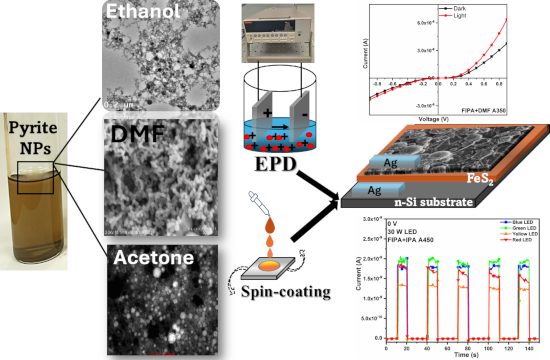
- nanocolloid in this work. The optical properties of nanocolloids and their thin films were evaluated using UV–visible (UV–vis) spectroscopy. The nanoparticle characterization and surface morphology were studied using transmission electron microscopy (TEM), scanning electron microscopy (SEM), and the
- standard deviation values in each case are given in the respective figures (Figures 4–6d). From the above analysis, it is evident that different morphologies of FeS2 nanoparticles are generated by PLAL as the liquid medium changes. The ablation and nanoparticle formation mechanism begins with the FeS2






Changes of structural, magnetic and spectroscopic properties of microencapsulated iron sucrose nanoparticles in saline
Beilstein J. Nanotechnol. 2025, 16, 762–784, doi:10.3762/bjnano.16.59
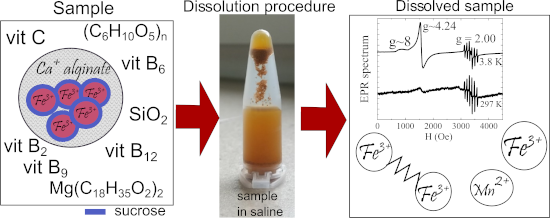
- that stabilized the entire nanoparticle [2][3][4]. Such a variety of the iron delivery drugs in the pharmaceutical market results from the continuous improvement of their properties, such as absorption of iron in the human body, time of iron release after administration to the patient, and shape and
- core–shell nanoparticle form, where the shell consists of sucrose, while the core is iron(III) oxide mineral. The average diameter of iron sucrose nanoparticles included in Venofer® was estimated as ≈7 nm, whose core diameter is 3 nm [2][7][8][13]. The elemental analysis for a single iron sucrose
- nanoparticle with a 3 nm core [7], showed that the core consists of 416 akaganeite (β-FeOOH) and is surrounded by 24 sucrose molecules. However, some studies have shown that iron sucrose contains ferrihydrite [4][6], 2-line ferrihydrite and akaganeite together [13], or even lepidocrocite [15]. Such





Serum heat inactivation diminishes ApoE-mediated uptake of D-Lin-MC3-DMA lipid nanoparticles
Beilstein J. Nanotechnol. 2025, 16, 740–748, doi:10.3762/bjnano.16.57
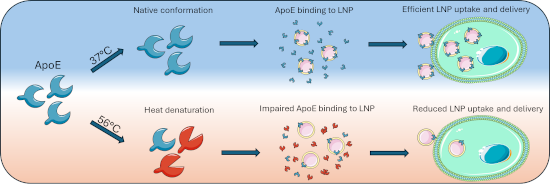
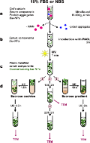
- surface of nanoparticles after administration has garnered substantial attention due to the significant effects it has on their performance. Lipid nanoparticles (LNPs) depend on protein corona formation to mediate their targeting. Such protein–nanoparticle interactions are often initially studied using in
- protein corona formation in vitro and prevent bias in LNP development. Keywords: apolipoprotein E; fetal calf serum; heat inactivation; lipid nanoparticle; protein corona; Introduction Nanotechnology has gained a strong foothold in the field of drug delivery, having significant promise to overcome the
- and efficacy [1]. It is becoming increasingly clear that the biological fate and overall performance of nanoparticles are influenced by their interaction with the bioenvironment. As a nanoparticle interacts with a biological matrix upon administration, a layer of biomolecules, primarily composed of


Efficiency of single-pulse laser fragmentation of organic nutraceutical dispersions in a circular jet flow-through reactor
Beilstein J. Nanotechnol. 2025, 16, 711–727, doi:10.3762/bjnano.16.55
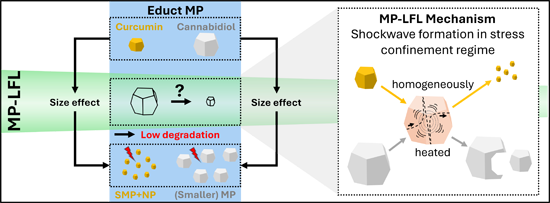
- viability even at high curcumin concentrations. Keywords: antioxidant; cannabidiol; curcumin; drug; food additive; low degradation; nanoparticle; pulsed laser ablation in liquids; solubilization; Introduction Laser synthesis and processing of colloids (LSPC) has become increasingly popular over the last
- ) nanoparticles [60]. On the other hand, it has been shown that optical breakdown and the production of ROS are hampered at high nanoparticle concentrations [60], which may be responsible for the low degradation by LFL-generated radicals at high particle mass concentrations. Furthermore, it has to be considered


Aprepitant-loaded solid lipid nanoparticles: a novel approach to enhance oral bioavailability
Beilstein J. Nanotechnol. 2025, 16, 652–663, doi:10.3762/bjnano.16.50
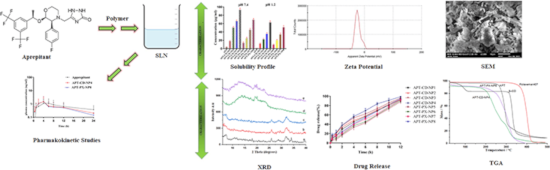
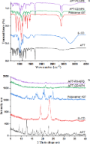
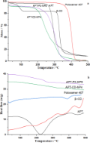
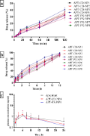
- . Stearic acid was purchased from Lab Alley, Texas, USA. Acetonitrile, ethanol, and phosphoric acid were purchased from Merck, Germany. Double distilled water was obtained from the post-graduate research laboratory, Faculty of Pharmacy, University of Lahore. Solid lipid nanoparticle preparation and



Nanomaterials in targeting amyloid-β oligomers: current advances and future directions for Alzheimer's disease diagnosis and therapy
Beilstein J. Nanotechnol. 2025, 16, 561–580, doi:10.3762/bjnano.16.44
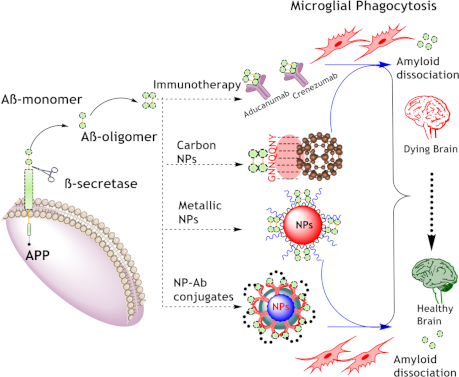
- different therapeutic strategies, highlighting both conventional and emerging methods for addressing the challenges posed by AβOs in AD pathology. Nanoparticle-based approaches for the diagnosis and dissociation/inhibition of AβOs Although conventional approaches for diagnosing and targeting AβOs have laid
- improved associated neurotoxicity [52]. Shifting from imaging to electrochemical approaches, researchers have developed biosensors comprising immobilized thiolated PrPC peptides on a graphene oxide/gold nanoparticle hydrogel electrode. This nanobiosensor displayed high specificity and sensitivity for
- aptamer-tagged gold nanoparticle/Cu-MOFs conjugates to produce sensitive signals. This resulted in a highly effective sandwich sensor capable of detecting AβOs in a linear range from 1 nM to 2 μM, demonstrating a correlation coefficient of 0.996 and a low detection limit of 0.45 nM [75]. Phan and team


Retrieval of B1 phase from high-pressure B2 phase for CdO nanoparticles by electronic excitations in CdxZn1−xO composite thin films
Beilstein J. Nanotechnol. 2025, 16, 551–560, doi:10.3762/bjnano.16.43
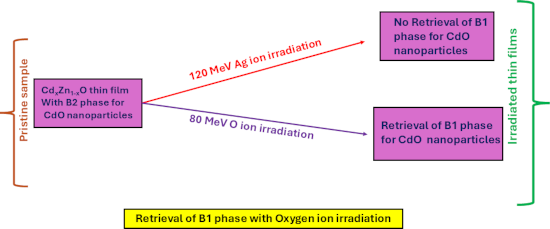
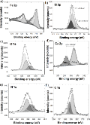
- . Kandasami and C. Bittencourt, "Stabilization of the high-pressure phase of CdO by nanoparticle formation in CdxZn1−xO thin films", article no. 119744, Copyright (2024), with permission from Elsevier. This content is not subject to CC BY 4.0 (b) XRD pattern for CZ900_Pris, CZ900_113O, CZ900_313O, CZ900_113Ag


Effect of additives on the synthesis efficiency of nanoparticles by laser-induced reduction
Beilstein J. Nanotechnol. 2025, 16, 464–472, doi:10.3762/bjnano.16.35
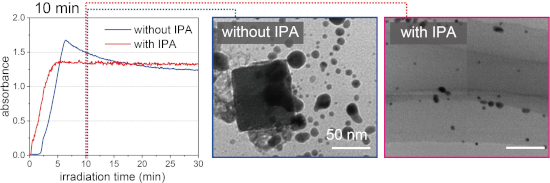
- , which have been difficult to synthesize using the LRL. In addition, the efficiency of nanoparticle synthesis has been dramatically improved, and the variety of materials that can be produced has increased. This expands the potential of nanoparticles synthesized by LRL to be used in industrial
- synthesis of various nanoparticles that maintain the crystal structure and composition of the source solid material. In contrast to those methods, laser-induced reduction in liquid (LRL) is a nanoparticle synthesis method based on reduction reactions induced by laser in solution. Synthesis of nanoparticles
- nanoparticle synthesis. It was assumed that the synthesis of nanoparticles would be promoted by removing the hydroxyl radicals formed by laser irradiation. Isopropyl alcohol acts as a radical scavenger, and reacts with •OH to produce a reducing radical (E0 = −1.8 V) [34]. Therefore, we added IPA to the


Synthetic-polymer-assisted antisense oligonucleotide delivery: targeted approaches for precision disease treatment
Beilstein J. Nanotechnol. 2025, 16, 435–463, doi:10.3762/bjnano.16.34
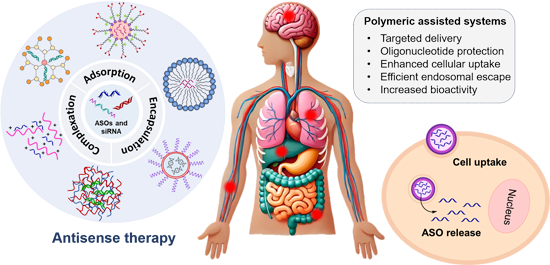
- . Emerging strategies, including stimuli-responsive polymers and advanced nanoparticle systems, offer potential solutions to these challenges. The review underscores the transformative potential of polymer-enhanced ASO delivery in personalised medicine, emphasising the importance of continued innovation to
- either by direct conjugation to carriers or through their incorporation into nanoparticle-based complexes. Various synthetic polymers used for targeted ASO delivery include poly(amino acids), polyamines, polyacrylates and polyolefins, and neutral polymers. Poly(amino acids) Poly(ʟ-lysine). Poly(ʟ-lysine


Quantification of lead through rod-shaped silver-doped zinc oxide nanoparticles using an electrochemical approach
Beilstein J. Nanotechnol. 2025, 16, 422–434, doi:10.3762/bjnano.16.33
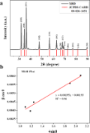
- straight line using a W–H plot is a good fit as the correlation coefficient value of R2 is 0.96. Using the value of the intercept, the calculated size of the nanoparticle is found to be 71.8 nm. The value of the crystalline size obtained by the Williamson–Hall method is 2.5 times than that obtained by the




Size control of nanoparticles synthesized by pulsed laser ablation in liquids using donut-shaped beams
Beilstein J. Nanotechnol. 2025, 16, 407–417, doi:10.3762/bjnano.16.31
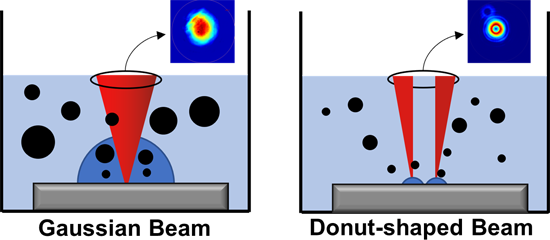
- this pioneering study, further investigation with higher temporal and spatial resolution are warranted. Keywords: beam shaping; cavitation bubble; donut beam; gold nanoparticles; high-entropy alloy nanoparticles; nanoparticle size analysis; yttrium oxide nanoparticles; Introduction The demand for
- most elegant, surfactant-free size quenching method by micromolar anion addition only works for soft Lewis-acid nanoparticle materials, in particular, Au, Pt, and Pd, as the process is driven by anion adsorption Hofmeister effects, but not for oxide or multi-base metal materials such as the Cantor
- the spatial distribution of the laser intensity and, thus, the radiation absorption by the target, influencing plasma plume and cavitation bubble formation, evolution, cooling, and the temperature and pressure conditions that determine nanoparticle formation. In the case of a donut-shaped beam, the


ReactorAFM/STM – dynamic reactions on surfaces at elevated temperature and atmospheric pressure
Beilstein J. Nanotechnol. 2025, 16, 397–406, doi:10.3762/bjnano.16.30
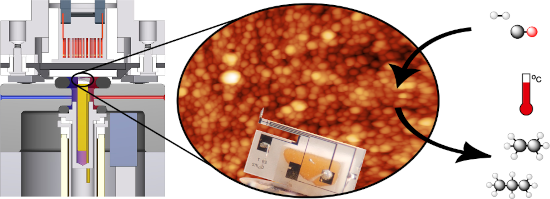
- cobalt nanoparticle catalysts on an aluminum oxide support, industrially relevant in the Fischer–Tropsch synthesis. The catalysts are imaged before and after reaction at 430 K as the current maximum temperature of the qPlus sensor used falls just below the reaction temperature. Quadrupole mass


Engineered PEG–PCL nanoparticles enable sensitive and selective detection of sodium dodecyl sulfate: a qualitative and quantitative analysis
Beilstein J. Nanotechnol. 2025, 16, 385–396, doi:10.3762/bjnano.16.29
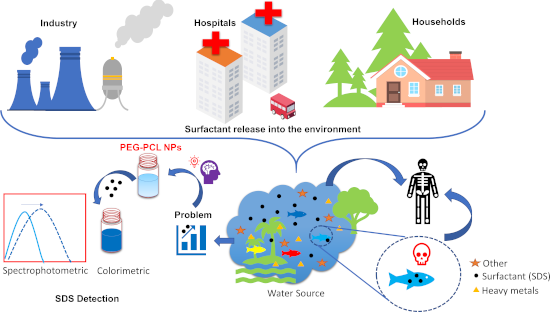
- ]. Apart from that, quantitative and qualitative measurements of SDS in terms of laboratory use are necessary. The SDS is widely used in protein estimation via polyacrylamide gel electrophoresis (PAGE) [10]. Several research groups widely explore nanoparticle synthesis using SDS as a capping agent for
- different applications [11]. The application of nanoparticles depends on the amount of capping agent adsorbed on the surface of the nanoparticles [12]. This suggests that quantifying the amount of surface capping, such as SDS, is necessary for designing nanoparticle-based applications. The food industry has
- performed using SEM (FEI Quanta 250, Netherlands). Transmission electron microscopy (TEM) was also performed to measure nanoparticle mean size and their distribution. The sample was diluted 1000-fold from the stock solution, and 5 µL of the sample was placed onto a carbon-coated copper grid with 200 mesh


Development of a mucoadhesive drug delivery system and its interaction with gastric cells
Beilstein J. Nanotechnol. 2025, 16, 371–384, doi:10.3762/bjnano.16.28
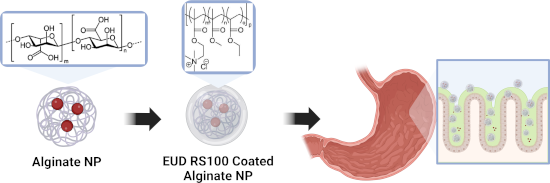
- , there are few studies focusing on this property when they are used as nanoparticle formulations [17]. Over the years, several valuable alginate-based applications have been reported as gastroretentive drug delivery systems, in which alginate beads were either coated with aminated chitosan [24], or
- used for nanoparticle preparation. The nanoscale size is particularly important in mucoadhesive systems designed for gastric delivery because of the mesh-like structure of gastric mucus. Since the pore size in gastric mucus is around 500 nm [9], the smaller the nanoparticle, the better the mucus
- corresponding fluorescence intensity (FI) values (λex = 485 nm, λem = 530 nm) was used to calculate the amount of peptide within the nanoparticles. Based on the parameters used for the nanoparticle synthesis in this study, the encapsulation efficiency of the FAM-labeled peptide model within EudAlg NPs was (58.6


Pulsed laser in liquid grafting of gold nanoparticle–carbon support composites
Beilstein J. Nanotechnol. 2025, 16, 349–361, doi:10.3762/bjnano.16.26
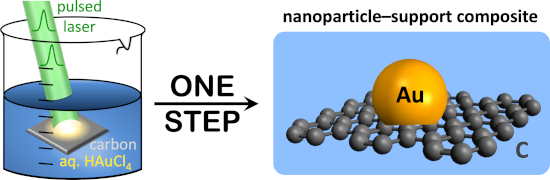
- nanoparticles with their surface attachment and solves longstanding nanoparticle adhesion and electrical contact issues. Irradiation of hydrophilic carbon fiber paper submerged in aqueous HAuCl4 solution by nanosecond laser pulses produced composites with uniform distribution of gold nanoparticles on carbon
- must be integrated with macroscopic supports to function as electrodes. A major obstacle in contemporary manufacturing of nanoparticle–support composites is their laborious inefficient multistep preparation, involving chemical synthesis, heating, cooling, collection, purification, distribution, and
- ]. Alkaline electrolytes can decrease acid-based side reactions but alter Nafion [11][14], impeding ion conductivity and overall performance [5]. Adding binders additionally complicates reaction mechanisms and introduces competing pathways or by-products [5]. Further challenges in traditional nanoparticle


Fabrication and evaluation of BerNPs regarding the growth and development of Streptococcus mutans
Beilstein J. Nanotechnol. 2025, 16, 308–315, doi:10.3762/bjnano.16.23
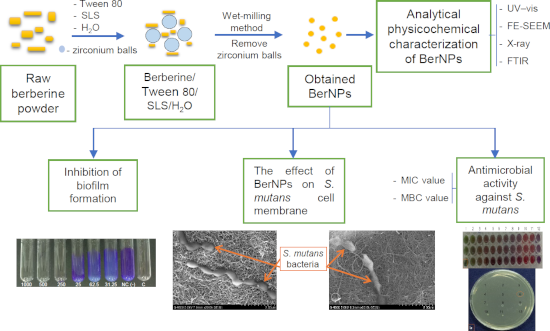
- formation. The results demonstrated that BerNPs were produced with an average particle size of 40–65 nm. The chemical structure of BerNPs remained consistent with that of berberine, with no modifications occurring during nanoparticle preparation. The BerNPs exhibited the ability to inhibit S. mutans, with




Preferential enrichment and extraction of laser-synthesized nanoparticles in organic phases
Beilstein J. Nanotechnol. 2025, 16, 254–263, doi:10.3762/bjnano.16.20
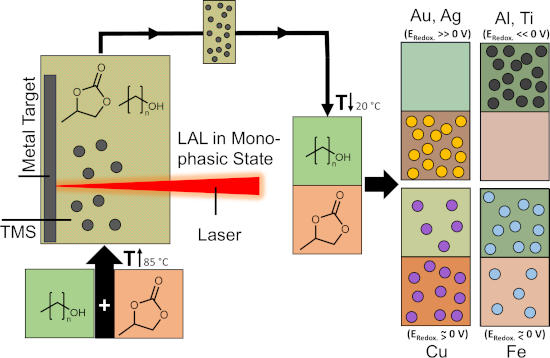
- ) was found to direct both the nanoparticles’ phase selectivity and recovery after cycling. The observed correlations provide potential guidelines for nanoparticle extraction and size separation, relevant for phase transfer and cycling during homogeneous catalysis. Keywords: catalysis; laser ablation
- nanoparticle synthesis was shown to produce gas phases consisting of hydrogen [11][12][13], carbon dioxide [12][14], and carbon monoxide [12][14], as well as carbon-based gases such as methane or C2 hydrocarbons [12][13][14][15][16]. In addition to gaseous by-products, the decomposition was found to produce
- ], and/or carbon shells on the nanoparticle surface [7]. These carbon shells are either amorphous or graphitic [7][8][30], while doping of the shells [31] is also possible. Besides carbon formation, the choice of organic solvent influences the properties of the generated nanoparticles and process




Recent advances in photothermal nanomaterials for ophthalmic applications
Beilstein J. Nanotechnol. 2025, 16, 195–215, doi:10.3762/bjnano.16.16
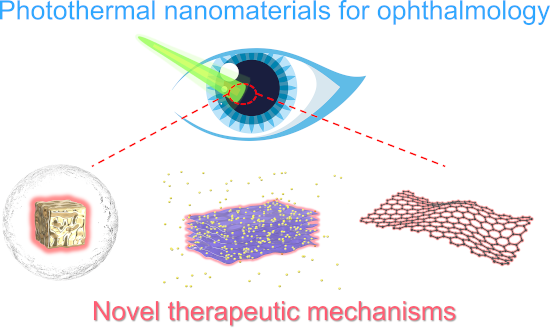
- PAI contrast agents [195][196]. Gold nanorods [197], gold nanostars [198], hollow gold nanocages [199], chains of gold nanoparticles [200], and ultraminiature chain-like gold nanoparticle clusters [201] have been used for the detection of ocular structures such as retinal blood vessels, choroidal
- explanations of material size, structure, dosage, and administration methods [215]. During treatment, processes such as nanoparticle aggregation, material degradation, cellular uptake/excretion, and unintended release of adsorbents require comprehensive safety analysis. In inorganic photothermal nanomaterials


A review of metal-organic frameworks and polymers in mixed matrix membranes for CO2 capture
Beilstein J. Nanotechnol. 2025, 16, 155–186, doi:10.3762/bjnano.16.14




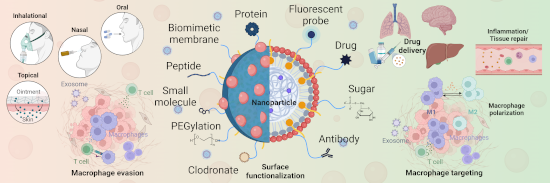
Nanocarriers and macrophage interaction: from a potential hurdle to an alternative therapeutic strategy
Beilstein J. Nanotechnol. 2025, 16, 97–118, doi:10.3762/bjnano.16.10


Characterization of ZnO nanoparticles synthesized using probiotic Lactiplantibacillus plantarum GP258
Beilstein J. Nanotechnol. 2025, 16, 78–89, doi:10.3762/bjnano.16.8
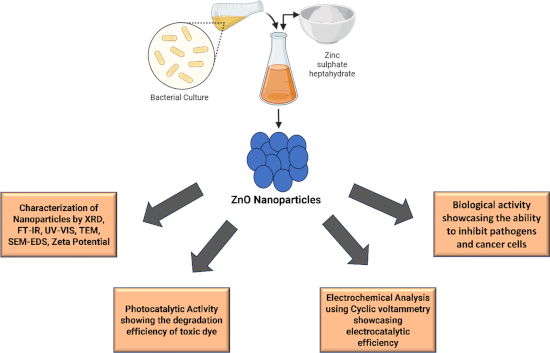
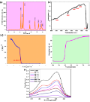
- as capping and reducing agents for ZnO NP synthesis, offering a sustainable and environmentally friendly route for nanoparticle fabrication. To characterize the synthesized ZnO NPs, a range of analytical techniques were harnessed. XRD analysis established the occurrence of ZnO NPs with the hexagonal
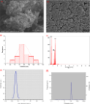
- . Microscopic examination via TEM and SEM offered details about nanoparticle size and shape. Our study reported a size range from 7 to 98 nm, with an average size of 10 nm. Suba et al. [22] reported an average size of 32 nm, while Mohd Yusof et al. [23] synthesized ZnO NPs with a size of 291 nm (flower-like
- NPs with orange values representing the Miller indices of the diffraction planes, confirming the hexagonal wurtzite structure. (a, b) Scanning electron microscopy images depicting morphology, structure, and size of ZnO NPs. (c) Frequency distribution of nanoparticle sizes derived from SEM analysis. (d



Instance maps as an organising concept for complex experimental workflows as demonstrated for (nano)material safety research
Beilstein J. Nanotechnol. 2025, 16, 57–77, doi:10.3762/bjnano.16.7
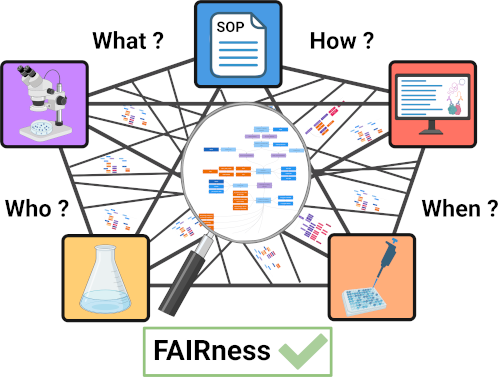
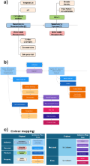
- focused on silica (SiO2) nanomaterials in the size range of 50–100 nm (depending on the method used, i.e., transmission electron microscopy, nanoparticle tracking analysis, or dynamic light scattering (intensity or number distribution)) with different surface modifications, which are reported to be


Attempts to preserve and visualize protein corona on the surface of biological nanoparticles in blood serum using photomodification
Beilstein J. Nanotechnol. 2024, 15, 1654–1666, doi:10.3762/bjnano.15.130
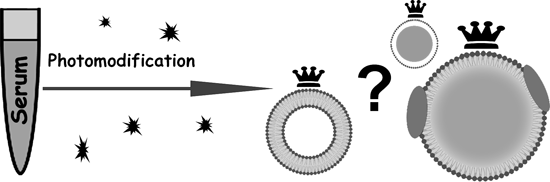
- protein corona is present on any nanoparticle (NP) entering biological fluids; however, the existence of a natural protein corona on natural NPs has not been experimentally confirmed. We used our previously developed photomodification method to fix the natural corona on “biological nanoparticles” (bio-NPs