
Search results
Search for "polymer" in Full Text gives 790 result(s) in Beilstein Journal of Nanotechnology. Showing first 200.
Functional bio-packaging enhanced with nanocellulose from rice straw and cinnamon essential oil Pickering emulsion for fruit preservation
Beilstein J. Nanotechnol. 2025, 16, 1234–1245, doi:10.3762/bjnano.16.91
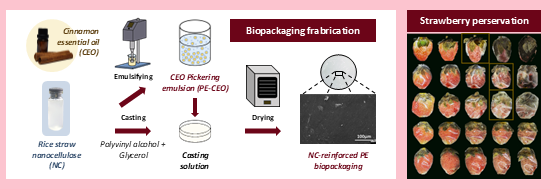
- develop composite materials with superior properties. Compared to other inorganic nanomaterials, nanocellulose (NC) has been noted to be a highly potential sustainable and bio-based filler that can be obtained from otherwise wasted agricultural byproducts like rice straw [11][19]. NC can enhance polymer
- the trapping effect of the polymer matrix on CEO [31]. XRD analysis (Figure 1c) shows that all biopackaging samples exhibit only large peaks at around 22° and 26°, which correspond to the (101) and (200) planes of the PVA structure [40]. It is to note that a slight peak shift to higher angles can be
- ]. Differential thermogravimetry (DTG) results (Figure 1b) revealed three distinct stages of weight loss. The first stage (30–130 °C) was attributed to water evaporation, consistent with the hydrophilic nature of PVA [41]. The second stage (260–380 °C) involved polymer chain degradation and volatile compound



Hydrogels and nanogels: effectiveness in dermal applications
Beilstein J. Nanotechnol. 2025, 16, 1216–1233, doi:10.3762/bjnano.16.90
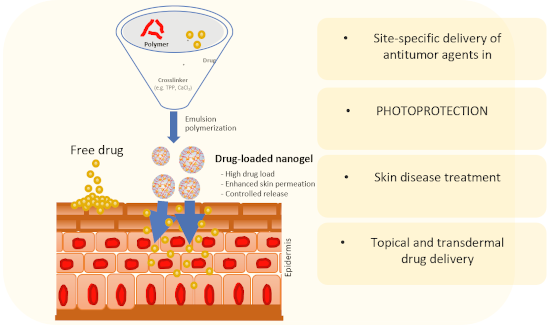
- pathophysiological processes through the incorporation of drugs for enhancing skin permeation brings out promising prospects for innovation which may arise in the drug delivery field. Keywords: cross-linking; drug delivery; formulation; nanogel; polymer; Introduction The systematic study of gels began in the mid
- application of hydrogels and nanogels as DDSs are particularly addressed. Review Preparation of hydrogels Cross-linking, one of the main techniques for hydrogel formation, is the process of linking polymer chains by covalent or noncovalent bonds, forming tridimensional networks [43][44]. Polymers can be intra
- stimuli such as heating/cooling [45][46]. Polymer chemical cross-linking can be performed by the formation of a network structure from monomers by polymerization or post-cross-linking of linear polymers with a cross-linking agent. Examples of chemical cross-linking methods are covalent bonding between


Investigation of the solubility of protoporphyrin IX in aqueous and hydroalcoholic solvent systems
Beilstein J. Nanotechnol. 2025, 16, 1209–1215, doi:10.3762/bjnano.16.89
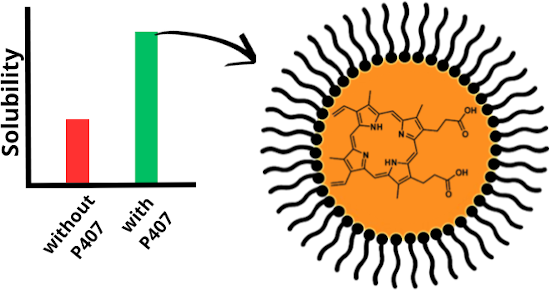
- concentration gradients, while the micellar structure remains intact throughout the dissolution process [25]. The kinetic constant (k) was elevated for all the systems, although polymer, temperature, and the solvent properties may influence this parameter. Overall, the water + P407 system demonstrated the most


Chitosan nanocomposite containing rotenoids: an alternative bioinsecticidal approach for the management of Aedes aegypti
Beilstein J. Nanotechnol. 2025, 16, 1197–1208, doi:10.3762/bjnano.16.88
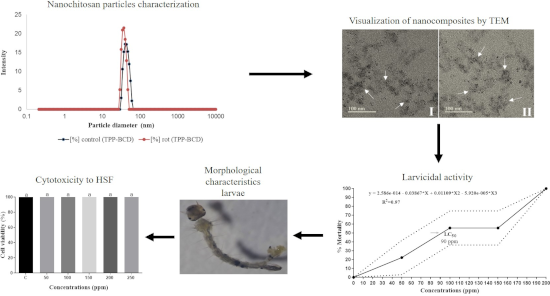
- diseases, we produced a chitosan nanocomposite with the isolated rotenoids. Chitosan is an aminated polysaccharide derived from the deacetylation of chitin and is the main structural component of insect and crustacean exoskeletons. It is widely recognized as the second most abundant natural polymer

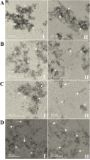


Mechanical stability of individual bacterial cells under different osmotic pressure conditions: a nanoindentation study of Pseudomonas aeruginosa
Beilstein J. Nanotechnol. 2025, 16, 1171–1183, doi:10.3762/bjnano.16.86
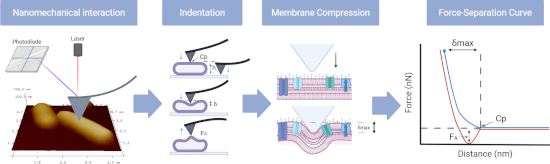
- regular adhesive tape, and coated with 5 μL of the cationic polymer poly-ʟ-lysine (PLL, MW 40 kDa, Sigma-Aldrich). The drop of PLL was not allowed to dry but incubated for 10 min, and then the surfaces were repeatedly rinsed with Milli-Q water to allow the formation of a thin film. This coating promotes
- approximation for the last assumption. However, the thin polymer layer of PLL applied to enhance the adhesion of PA is expected to introduce a certain but rather small degree of mechanical resistance. Visually, from the maps in the column for stiffness, it is difficult to discern a difference in the brightness
- obtained on PLL and PA for each investigated condition for a maximal loading force of 500 pN. These curves show the mechanical response from the polymer layer on the mica surface and the outer membrane of PA. From the black line, it is easy to observe how the tip, upon contact, almost immediately attains


Fabrication of metal complex phthalocyanine and porphyrin nanoparticle aqueous colloids by pulsed laser fragmentation in liquid and their potential application to a photosensitizer for photodynamic therapy
Beilstein J. Nanotechnol. 2025, 16, 1088–1096, doi:10.3762/bjnano.16.80
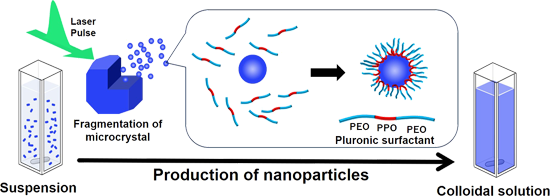
- = AlCl, Fe, Co, Zn) and Pt complex octaethylporphyrin (PtOEP) by nanosecond laser fragmentation of the corresponding microcrystalline powders in an aqueous solution of the amphiphilic polymer Pluronic® F-127. All nanoparticles dispersed stably in phosphate-buffered saline and cell culture media without
- biological optical window (wavelengths from 650 to 1000 nm) and have recently attracted attention for applications in biomedical research such as photoacoustic imaging of tissues and PDT of tumors [2][3]. Porphyrins and Pcs are hydrophobic hydrocarbons that are insoluble in water. Hence, polymer composite
- amphiphilic polymer (Pluronic® F-127, Figure 1) [28] was used as a dispersant to ensure high dispersion stability in various aqueous environments in anticipation of future bio-applications. F-127 is a less toxic and non-ionic copolymer containing hydrophilic polyethylene oxide (PEO) and hydrophobic


Piezoelectricity of hexagonal boron nitrides improves bone tissue generation as tested on osteoblasts
Beilstein J. Nanotechnol. 2025, 16, 1068–1081, doi:10.3762/bjnano.16.78
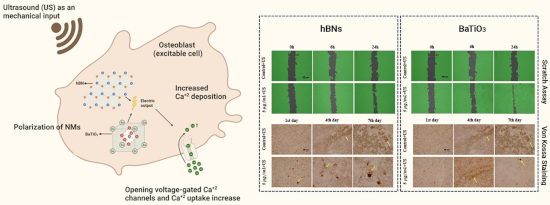
- allografts, come with several disadvantages, including limited availability, donor site morbidity, and risk of immune rejection [14]. To address these challenges, new strategies are being developed, including synthetic substitutes, bioactive porous polymer/inorganic composites, scaffolds combined with


Soft materials nanoarchitectonics: liquid crystals, polymers, gels, biomaterials, and others
Beilstein J. Nanotechnol. 2025, 16, 1025–1067, doi:10.3762/bjnano.16.77
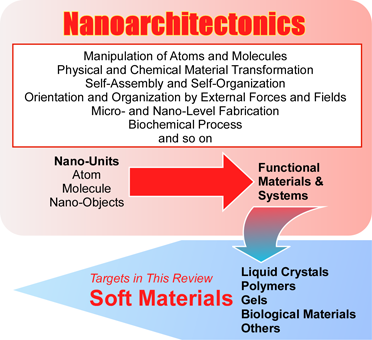
- nanoarchitectonics. As an overall conclusion, it is highly anticipated that soft materials nanoarchitectonics will continue to develop significantly in the future. Keywords: biomaterials; gel; liquid crystal; nanoarchitectonics; polymer; soft materials; Introduction The growing interest in soft and responsive
- disciplines such as organic chemistry [31][32][33][34][35], polymer chemistry [36][37][38][39][40], and materials chemistry [41][42][43][44]. Consequently, soft materials, including polymers [45][46][47][48][49], liquid crystals [50][51][52][53][54] and gels [55][56][57][58][59], have been developed
- the synthesis of covalent organic frameworks via polymer chemistry [70][71][72][73][74]. In particular, some thin-film techniques based on interface science are useful for the deliberate and rational assembly of ordered aggregated membrane structures. This is exemplified by the development of methods






Multifunctional properties of bio-poly(butylene succinate) reinforced with multiwalled carbon nanotubes
Beilstein J. Nanotechnol. 2025, 16, 1014–1024, doi:10.3762/bjnano.16.76
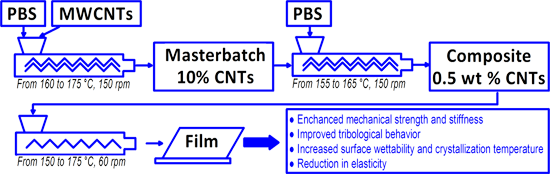
- Volodymyr Krasinskyi Krzysztof Bajer Ludmila Dulebova Nickolas Polychronopoulos Oksana Krasinska Daniel Kaczor Łukasiewicz Research Network – Institute of Polymer Materials, 55 M. Skłodowska-Curie St., 87-100 Toruń, Poland Faculty of Mechanical Engineering, Technical University of Košice
- in microbial environments is primarily attributed to its high degree of crystallinity [6][7][8]. A well-established approach to improving polymer properties involves the incorporation of nanofillers, particularly carbon nanotubes (CNTs). Even at low concentrations, CNTs can significantly affect the
- morphology and properties of the polymer matrix by altering its structure, crystallinity, thermal stability, and mechanical behavior [9][10][11]. CNTs can be classified into two basic types, namely, single-walled carbon nanotubes (SWCNTs) and multiwalled carbon nanotubes (MWCNTs). SWCNTs exhibit slightly



Shape, membrane morphology, and morphodynamic response of metabolically active human mitochondria revealed by scanning ion conductance microscopy
Beilstein J. Nanotechnol. 2025, 16, 951–967, doi:10.3762/bjnano.16.73
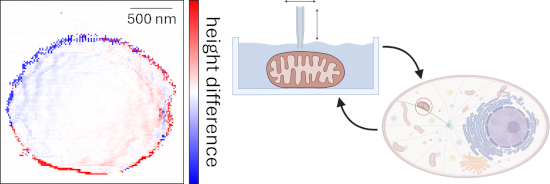
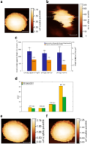
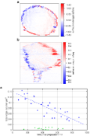
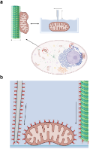
- added to the bioinert cover slip of a “35 mm imaging dish with a polymer coverslip bottom and low walls” (Cat. No.: 80136, ibidi). After an incubation time of 10 min at room temperature to allow the mitochondria to settle on the coverslip, the excess medium was carefully removed. The imaging dish was
- characterised using a AFM, see Supporting Information File 1, Section S7, Figure S19. The bioinert and hydrophilic polymer surface exhibited height variations up to 3 nm. Scanning ion conductance microscopy Mitochondria were examined using a SICM, a SPM technique employing an ion current through a nanopipette



Synthesis and magnetic transitions of rare-earth-free Fe–Mn–Ni–Si-based compositionally complex alloys at bulk and nanoscale
Beilstein J. Nanotechnol. 2025, 16, 823–836, doi:10.3762/bjnano.16.62
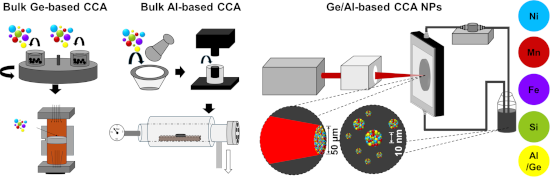
- successful in producing CCA NPs, they come with certain drawbacks. For instance, carbothermal synthesis requires an electrically conductive substrate, making it unsuitable for large-scale production [37]. Pyrolysis requires purification steps to eliminate polymer impurities and also result in phase


Supramolecular hydration structure of graphene-based hydrogels: density functional theory, green chemistry and interface application
Beilstein J. Nanotechnol. 2025, 16, 806–822, doi:10.3762/bjnano.16.61
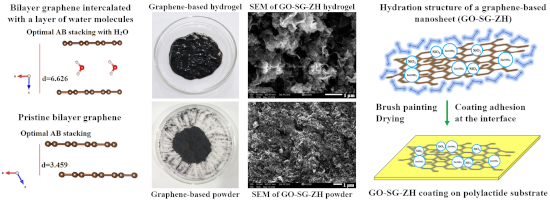
- coating on polymer substrates, typically polylactide films. Interfacial adhesion of graphene-based nanosheets on polylactide substrates made the antibacterial coating stable for several application purposes. In general, supramolecular graphene-based hydrogels are bioinspired hydration structures to
- dispersibility and reduced surface area of graphene-based materials in many applications, such as aqueous dispersions, polymer nanocomposites, and water-based paints. Our previous works demonstrated that in graphene-based hydrogel structures, the intercalation of water molecules between graphene-based sheets


Morphology and properties of pyrite nanoparticles obtained by pulsed laser ablation in liquid and thin films for photodetection
Beilstein J. Nanotechnol. 2025, 16, 785–805, doi:10.3762/bjnano.16.60
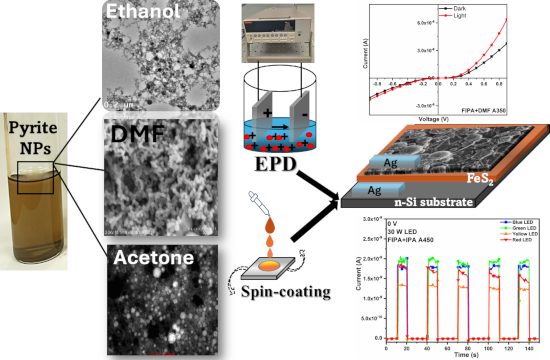
- , which demonstrated a detectivity of 1011 Jones. Phase-pure pyrite nanocrystals produced using a hydrothermal polymer-assisted technique had a broad photoresponse in the UV–vis spectral region, with normalized photocurrents as high as 1 to 100 A·cm–2 when a voltage between 0 and 3 V was applied [69]. In




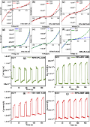


Changes of structural, magnetic and spectroscopic properties of microencapsulated iron sucrose nanoparticles in saline
Beilstein J. Nanotechnol. 2025, 16, 762–784, doi:10.3762/bjnano.16.59
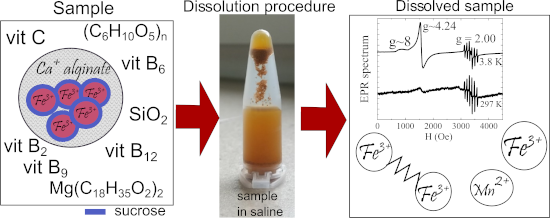
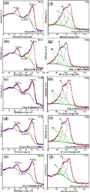
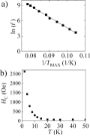
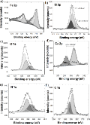
- . It may indicate the presence of some exchange coupled iron ions in the FST sample. The type of magnetic interactions between remaining Fe ions are hard to determine, since most probably the Fe ions are randomly dispersed in the polymer residues, which translates into random distribution of bond





Synthesis of a multicomponent cellulose-based adsorbent for tetracycline removal from aquaculture water
Beilstein J. Nanotechnol. 2025, 16, 728–739, doi:10.3762/bjnano.16.56
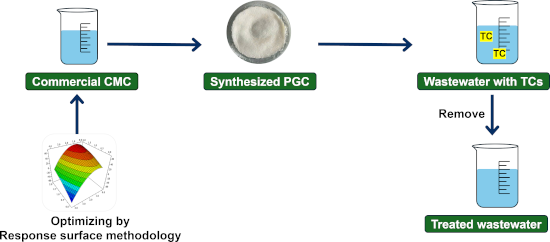
- hydroxy groups attached to its polymer chain, is widely used as a binding agent in material synthesis. PVA promotes chemical cross-linking between CMC molecules by interacting with acidic and/or basic functional groups under thermal conditions [33][34]. This cross-linking occurs when the polymer’s free
- , in a cellulose solution, Ca2+ cross-linking with Zn‒cellulose chains enhance the mechanical properties of the resulting membranes. These ions can be incorporated into the cellulose polymer matrix with an appropriate ratio, forming a controlled hydrogen bonding network that strengthens connectivity in
- the overall polymer network [40]. Preparation of PGC As illustrated in Figure 7, CMC was selected as the base material for the synthesis of PGC, in combination with the presence of the following agents: PVA, which acts as a binder by facilitating chemical cross-linking of CMC molecules through


Efficiency of single-pulse laser fragmentation of organic nutraceutical dispersions in a circular jet flow-through reactor
Beilstein J. Nanotechnol. 2025, 16, 711–727, doi:10.3762/bjnano.16.55
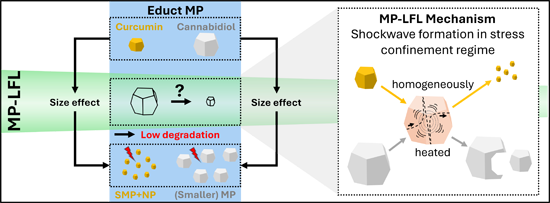
- molecule has higher absorption values than CBD. Multiphoton absorption has been discussed to be responsible for the 523 nm picosecond-LFL of polymer-capped gold nanoparticles [71]. Based on these findings, laser absorption cannot be the only reason for the elevated fragmentation efficiency in curcumin


The impact of tris(pentafluorophenyl)borane hole transport layer doping on interfacial charge extraction and recombination
Beilstein J. Nanotechnol. 2025, 16, 678–689, doi:10.3762/bjnano.16.52
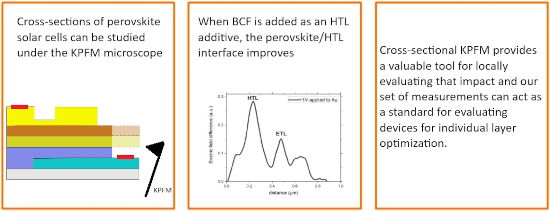
- Konstantinos Bidinakis Stefan A. L. Weber Max Planck Institute for Polymer Research, Ackermannweg 10, 55128 Mainz, Germany Institute for Photovoltaics, University of Stuttgart, Pfaffenwaldring 47, 70569 Stuttgart, Germany 10.3762/bjnano.16.52 Abstract Selective charge transport layers have a
- devices are the small molecule 2,2',7,7'-tetrakis[N,N-di(4-methoxyphenyl)amino]-9,9'-spirobifluorene (spiro-OMeTAD) and the polymer poly[bis(4-phenyl)(2,4,6-trimethylphenyl)amine] (PTAA). In this work, we investigate the impact of hole transport layer doping on the performance and potential distribution
- ]. For PTAA, under illumination, a similar mechanism is proposed, whereby the oxidation of PTAA raises the conductivity of the polymer [33]. For both HTLs, the inclusion of tBP promotes a better distribution of the HTL on the perovskite, preventing organic semiconductor/LiTFSI phase segregation [34


Aprepitant-loaded solid lipid nanoparticles: a novel approach to enhance oral bioavailability
Beilstein J. Nanotechnol. 2025, 16, 652–663, doi:10.3762/bjnano.16.50
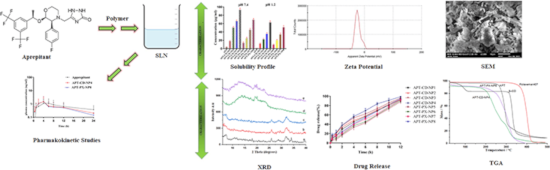
- as hot homogenization, cold homogenization, and solvent evaporation are used to prepare SLNs, but precipitation is the most compatible method for compound, polymer, and lipid. The precipitation method consists of dissolving the lipid with organic solvents and adding water to cause supersaturation of
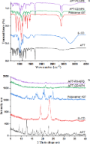
- −1 (C=O stretching). The peak at 1119 cm−1 slightly shifted to 1110 cm−1 in APT-loaded SLNs formulations (Figure 4a). The peaks at 2849 and 2921 cm−1 are attributed to C–H bonds of poloxamer 407 or β-CD. A reduction in intensity and shift of the polymer peaks indicates the interaction between APT and
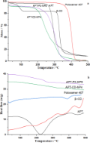
- exhibited less sharp peaks than APT because of a reduction of the polymer crystallinity. Also, the interaction of polymeric content with APT via hydrogen bonding converts the crystalline form of APT into an amorphous form [20]. TGA and DSC studies Thermogravimetric analysis showed that the thermal



Nanoscale capacitance spectroscopy based on multifrequency electrostatic force microscopy
Beilstein J. Nanotechnol. 2025, 16, 637–651, doi:10.3762/bjnano.16.49
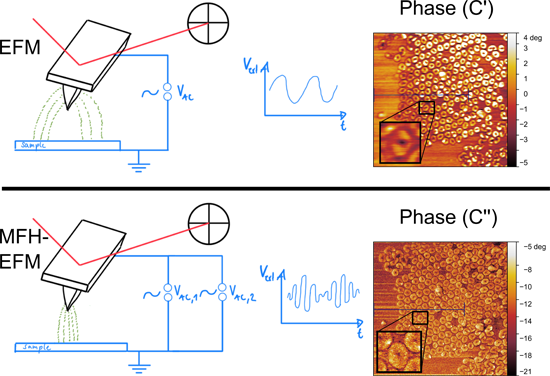
- Pascal N. Rohrbeck Lukas D. Cavar Franjo Weber Peter G. Reichel Mara Niebling Stefan A. L. Weber Max Planck Institute for Polymer Research, Ackermannweg 10, 55128 Mainz, Germany Department of Chemistry, University of Mainz, Duesbergweg 10-14, 55128 Mainz, Germany Department of Physics, University
- , in microelectronic devices, high-κ dielectric materials such as HfO2 and ZrO2 are critical for minimizing leakage currents and enhancing gate capacitance in transistors [7][8][9]. In energy storage systems, the dielectric constants of polymer–ceramic composites determine the efficiency and
- materials science, biology, and nanotechnology. Experimental Polymer blend samples We used F14H20 samples that we bought from SPM Labs LLC, Tempe, AZ, USA. Microcapacitors Si wafers “CZ” were bought from “Si-Mat” with a diameter of 150 mm, ⟨100⟩ surface orientation, a thickness of 675 ± 20 μm, a resistivity




Polyurethane/silk fibroin-based electrospun membranes for wound healing and skin substitute applications
Beilstein J. Nanotechnol. 2025, 16, 591–612, doi:10.3762/bjnano.16.46
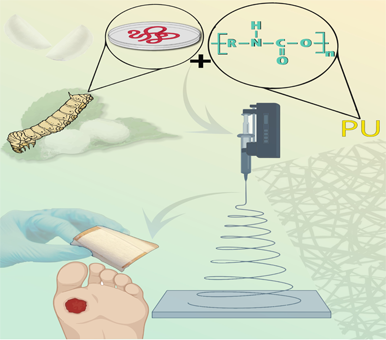
- melts into continuous fibers with nano/microscale diameters [52]. It is one of the most extensively used methods for continuous fiber preparation nowadays, which works by using electrostatic forces to produce and stretch fibers from a polymer solution [53]. Typically, a polymer solution is passed
- electrospun polymer fibers is affected by electric field intensity, solution viscosity, charge density of the solution, and solution supply rate [56]. The size of the fibers also affects the performance of electrospun nanofiber composites [57]. Numerous polymers and precursors including polylactic acid, PU
- biodegradable [124]. Degradation is limited in crystalline regions, while amorphous regions get degraded easily within PU. The molecular structure and composition of the polymer, its molecular weight, crystallinity, and the presence of cross-links and additives are a few elements that impact polymer degradation



Nanomaterials in targeting amyloid-β oligomers: current advances and future directions for Alzheimer's disease diagnosis and therapy
Beilstein J. Nanotechnol. 2025, 16, 561–580, doi:10.3762/bjnano.16.44
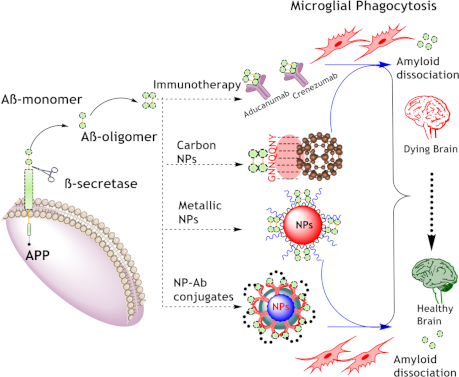
- . When administered to APP/PS1 mice, these NPs significantly improved cognitive function and reduced neuropathology associated with AD [58]. Carradori et al. investigated the therapeutic efficacy of antibody-functionalized polymer NPs for AD. In an AD-like transgenic mouse model, these NPs demonstrated


Synthetic-polymer-assisted antisense oligonucleotide delivery: targeted approaches for precision disease treatment
Beilstein J. Nanotechnol. 2025, 16, 435–463, doi:10.3762/bjnano.16.34
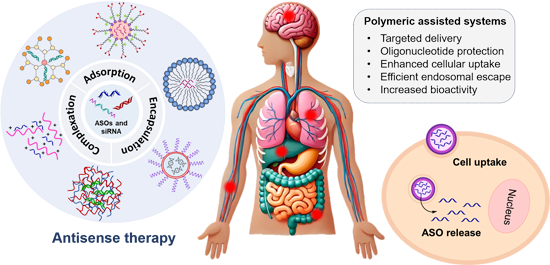
- Ana Cubillo Alvarez Dylan Maguire Ruairi P. Brannigan School of Chemical Sciences, Dublin City University, Glasnevin, Dublin 9, Ireland 10.3762/bjnano.16.34 Abstract This review explores the recent advancements in polymer-assisted delivery systems for antisense oligonucleotides (ASOs) and their
- . Emerging strategies, including stimuli-responsive polymers and advanced nanoparticle systems, offer potential solutions to these challenges. The review underscores the transformative potential of polymer-enhanced ASO delivery in personalised medicine, emphasising the importance of continued innovation to
- with delivering antisense drugs and explores multiple synthetic-polymer-based strategies developed to enhance target tissue specificity and minimise off-target effects. In particular, we focus on synthetic polymer-based methodologies to deliver ASO therapeutics across biological barriers and their


Engineered PEG–PCL nanoparticles enable sensitive and selective detection of sodium dodecyl sulfate: a qualitative and quantitative analysis
Beilstein J. Nanotechnol. 2025, 16, 385–396, doi:10.3762/bjnano.16.29
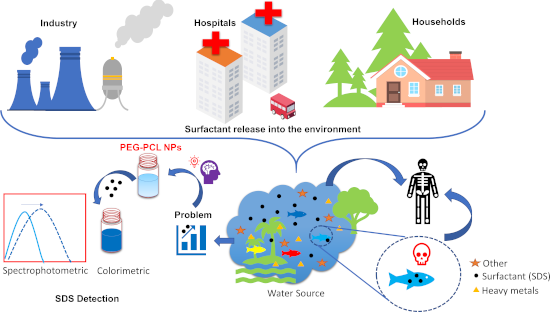
- inherent toxicity, and their post-synthesis functionalization is laborious for selective detection [25][26]. Furthermore, alternatives such as polymer nanoparticles emerged as potential candidates for detecting contaminants such as SDS. Fu et al. developed a method for detecting SDS using polyethyleneimine
- (PEI) and ascorbic acid [27]. However, their approach is fluorescence-based, which makes it difficult to estimate at the target site and also requires a sophisticated instrument such as a spectrofluorometer. Consequently, developing a simple colorimetric detection method for SDS using polymer
- nanoparticles is a step ahead of the reported studies. Polymer nanoparticles prepared from PEG–PCL are widely used for drug delivery, tumour targeting, and imaging [28]. To our knowledge, there is no report regarding using PEG–PCL nanoparticles (PEG–PCL NPs) as a contaminant detection system. Accordingly, we


Development of a mucoadhesive drug delivery system and its interaction with gastric cells
Beilstein J. Nanotechnol. 2025, 16, 371–384, doi:10.3762/bjnano.16.28
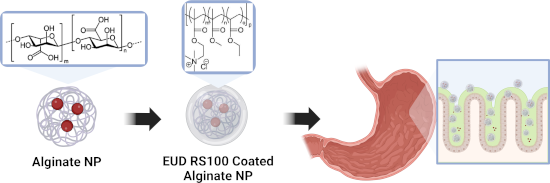
- mucoadhesive drug delivery system that was developed to fulfill these requirements. Alginate nanoparticles were synthesized by water-in-oil emulsification followed by external gelation and then coated with the mucoadhesive polymer Eudragit RS100. The formulated nanoparticles had a mean size of 219 nm and
- synthesized from mucoadhesive polymers such as chitosan, alginate, cellulose, polyacrylic acid, and polymethacrylic acid have been introduced as gastroretentive drug delivery systems. The mucoadhesive properties of these polymers are attributed to electrostatic bonding between polymer and sialic acid of mucin
- systems because of their ability to form gel-like structures in the presence of divalent cations such as Ca2+. Despite the advantages of alginate polymer such as its biodegradability, biocompatibility, and gelation ability, its instability, fast wettability, and rapid release at high pH result in the


Pulsed laser in liquid grafting of gold nanoparticle–carbon support composites
Beilstein J. Nanotechnol. 2025, 16, 349–361, doi:10.3762/bjnano.16.26
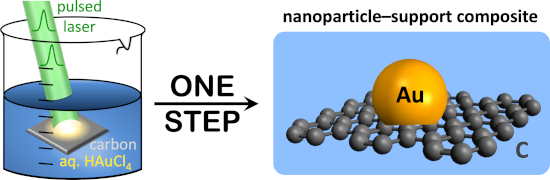
- electrochemical conditions [2]. On the laboratory scale, attachment is achieved electrostatically or by adding ion-conducting polymer (i.e., ionomer) binders to the nanoparticles, either as mixtures (inks) or overlayers [3][4][5][6][7][8][9][10]. Electrostatic attachment of nanoparticles to supports lacks long