


Search results
Search for "scanning electron microscopy" in Full Text gives 772 result(s) in Beilstein Journal of Nanotechnology. Showing first 200.
Synchrotron X-ray photoelectron spectroscopy study of sodium adsorption on vertically arranged MoS2 layers coated with pyrolytic carbon
Beilstein J. Nanotechnol. 2025, 16, 847–859, doi:10.3762/bjnano.16.64
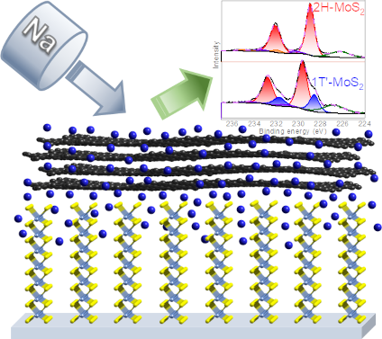
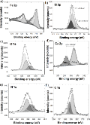
- . The scanning electron microscopy (SEM) images of the surface of raw MoS2 film, hydrogen-annealed film, and PyC film are compared in Figure 1b,c,e. The raw MoS2 film covers the entire area of the substrate and contains polysulfide nanoparticles on the surface (Figure 1b). These nanoparticles are absent


Facile one-step radio frequency magnetron sputtering of Ni/NiO on stainless steel for an efficient electrode for hydrogen evolution reaction
Beilstein J. Nanotechnol. 2025, 16, 837–846, doi:10.3762/bjnano.16.63
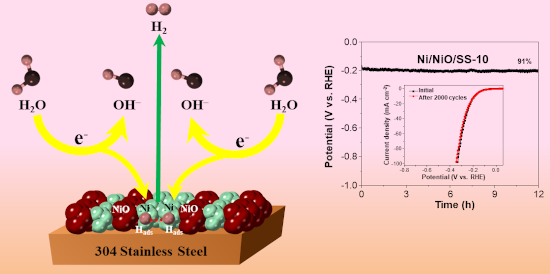
- and metal oxide phases, offering a potential for HER. These outcomes indicated the successful Ni/NiO thin film fabrication on SS substrates. The uniformity of the electrocatalyst material is a vital factor that has a direct effect on electrode performance. Scanning electron microscopy (SEM) was


Supramolecular hydration structure of graphene-based hydrogels: density functional theory, green chemistry and interface application
Beilstein J. Nanotechnol. 2025, 16, 806–822, doi:10.3762/bjnano.16.61
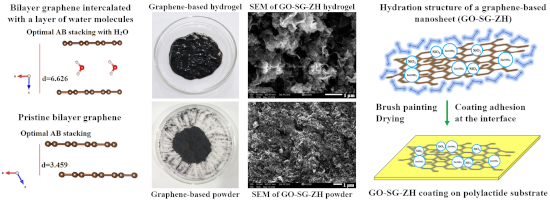
- GO-SG-ZH powder. The graphene-based nanocomposites in hydrogel form and in powder form were comparatively characterized using moisture analysis, scanning electron microscopy (SEM), energy-dispersive X-ray spectroscopy (EDS), and aqueous dispersibility. Brush coating of graphene oxide–nanosilica–zinc
- coated with nanosilica. The nanosilica-coated films were denoted as SG/PLA. Materials characterization Materials weight and moisture values were measured using a laboratory balance (Ohaus Pioneer, 220 g/0.0001 g) and a moisture analyzer (A&D Weighing MX-50, 51 g/0.001 g), respectively. Scanning electron
- microscopy and energy-dispersive X-ray spectroscopy were performed using a JSM-IT200 system (JEOL). Samples were coated with Pt before the SEM-EDS analysis. X-ray diffraction was performed on a D8 Advance instrument (Bruker). Fourier-transform infrared spectroscopy (FTIR) was characterized with a FT/IR-6600


Morphology and properties of pyrite nanoparticles obtained by pulsed laser ablation in liquid and thin films for photodetection
Beilstein J. Nanotechnol. 2025, 16, 785–805, doi:10.3762/bjnano.16.60
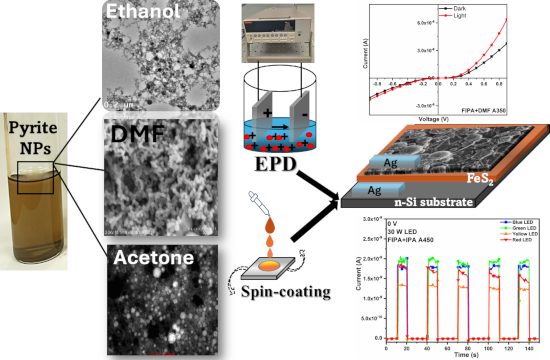
- microscopy, scanning electron microscopy, X-ray photoelectron spectroscopy, and ultraviolet–visible spectroscopy. The morphology of the NPs in different solvents varied from spherical, rice-like to rod-like particles which demonstrates the effect of the solvent on the morphology/composition of NPs
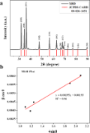
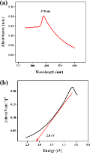
- nanocolloid in this work. The optical properties of nanocolloids and their thin films were evaluated using UV–visible (UV–vis) spectroscopy. The nanoparticle characterization and surface morphology were studied using transmission electron microscopy (TEM), scanning electron microscopy (SEM), and the






Changes of structural, magnetic and spectroscopic properties of microencapsulated iron sucrose nanoparticles in saline
Beilstein J. Nanotechnol. 2025, 16, 762–784, doi:10.3762/bjnano.16.59
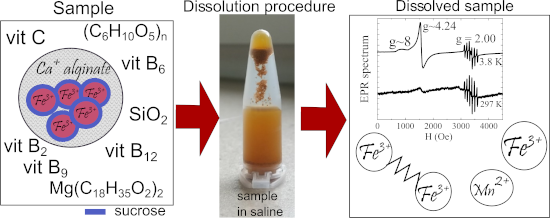
- changes upon dissolution in saline were tested. For the undissolved sample, calcium alginate microcapsules with irregular shapes were registered via scanning electron microscopy, inside which core–shell nanoparticles were identified by transmission electron microscopy micrographs. Magnetic studies (DC and
- information about the iron release process from such microcapsules based on changes in physical properties. In order to carry out this study, a multi-technique analysis of undissolved and dissolved compounds was performed, including microstructure studies using scanning electron microscopy (SEM) and





Efficiency of single-pulse laser fragmentation of organic nutraceutical dispersions in a circular jet flow-through reactor
Beilstein J. Nanotechnol. 2025, 16, 711–727, doi:10.3762/bjnano.16.55
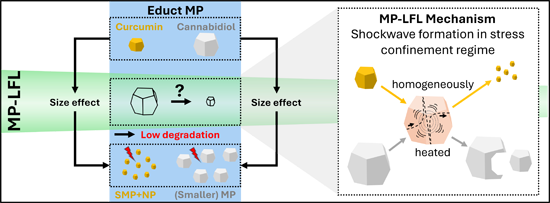
- yield of submicrometer particles and nanoparticles was quantified using UV–vis extinction spectroscopy, scanning electron microscopy, and analytical centrifugation, while high-performance liquid chromatography determined degradation. We found improved fragmentation efficiency at lower mass


The impact of tris(pentafluorophenyl)borane hole transport layer doping on interfacial charge extraction and recombination
Beilstein J. Nanotechnol. 2025, 16, 678–689, doi:10.3762/bjnano.16.52
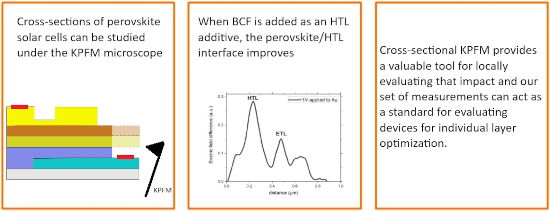
- scanning electron microscopy (SEM) and atomic force microscopy (AFM) images (See Supporting Information File 1, Section 4). The lateral resolution for both AFM and SEM measurements is a few nanometers. The AFM channel that exhibited the clearest contrast between the layers was the amplitude error signal


Colloidal few layered graphene–tannic acid preserves the biocompatibility of periodontal ligament cells
Beilstein J. Nanotechnol. 2025, 16, 664–677, doi:10.3762/bjnano.16.51
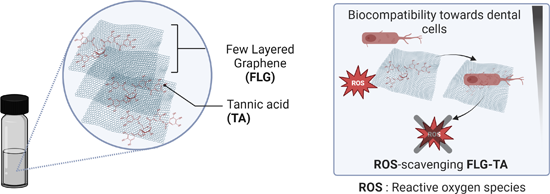
- with FLG–TA concentrations ranging from 1 to 200 µg·mL−1. Cellular morphology was examined using scanning electron microscopy (SEM, Figure 5), with untreated cells as controls. The occupancy index (OI) of FLG–TA in cell populations and the lateral dimensions of FLG–TA particles on cell membranes were
- the percentage reduction in ROS levels compared to the control group. Cell morphology To assess potential changes in cell morphology induced by FLG–TA, scanning electron microscopy (SEM) was performed on treated and untreated cells after 24 and 48 h of direct contact. Cells were cultured on 12 mm
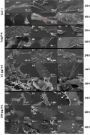
- following treatment with increasing concentrations of FLG–TA (B). Scanning electron microscopy (SEM) images of PDL cells in contact with FLG–TA for 24 and 48 h, showing the progressive interaction between cells and the FLG–TA composite over time. Images are shown for control (A0–A5) and concentrations of 1




Aprepitant-loaded solid lipid nanoparticles: a novel approach to enhance oral bioavailability
Beilstein J. Nanotechnol. 2025, 16, 652–663, doi:10.3762/bjnano.16.50
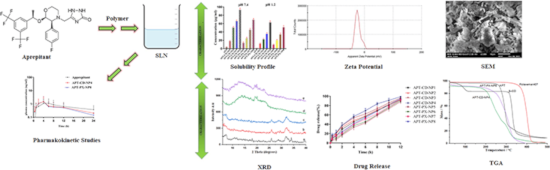
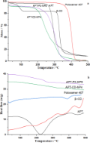
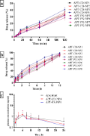
- solubility and enhanced dissolution using a minimum quantity of carriers. The developed SLNs were evaluated regarding drug content and using scanning electron microscopy (SEM), thermal gravimetric analysis (TGA) and differential scanning calorimetry (DSC), as well as polydispersity index (PDI), particle size
- . Scanning electron microscopy (SEM) photographs of APT-NPs were obtained on a JSM-6380A, Joel, Japan operating at a voltage of 10.0 kV. The specimens were mounted on a metallic stub with double-sided adhesive tape and gold-coated in an argon atmosphere prior to observation [28]. Drug excipient interaction
- analysis. APT-loaded SLNs were prepared by the precipitation method and characterized by physicochemical studies including particle size and zeta potential measurements, drug content, encapsulation efficiency and solubility studies, Fourier-transform infrared spectroscopy (FTIR), scanning electron



Feasibility analysis of carbon nanofiber synthesis and morphology control using a LPG premixed flame
Beilstein J. Nanotechnol. 2025, 16, 581–590, doi:10.3762/bjnano.16.45
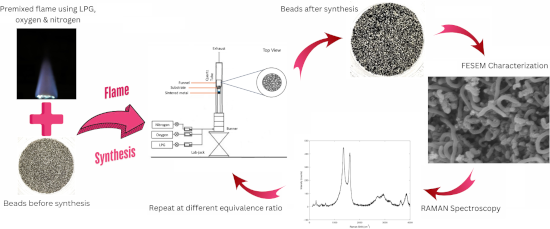
- placement of the thermocouple within the flame, a two-axis positioning system was employed with an Arduino-based control unit. The positioning system has 1 mm accuracy with x- and y-axis traverse ranges of 100 and 200 mm, respectively. The grown CNFs were characterized by field-emission scanning electron
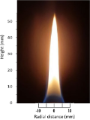
- microscopy (FESEM, Zeiss Crossbeam 340) for morphological analysis. Raman spectroscopy (HORIBA XploRA PLUS, 532 nm) was carried out to analyze the signature spectra of the grown CNFs. Results and Discussion Flame characterization and temperature The flames were characterized regarding flame shape and



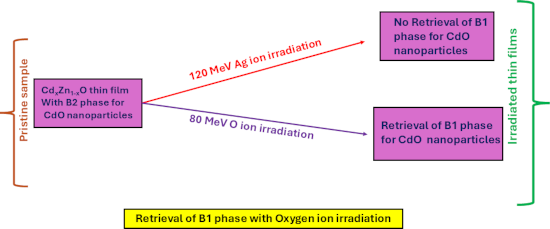
Retrieval of B1 phase from high-pressure B2 phase for CdO nanoparticles by electronic excitations in CdxZn1−xO composite thin films
Beilstein J. Nanotechnol. 2025, 16, 551–560, doi:10.3762/bjnano.16.43
- spectrometer (Bruker), equipped with an Ar ion laser (532 nm) with 0.2 mW laser operating power. Scanning electron microscopy (SEM) analysis was carried out with a HITACHI SU8020 model, using an electron beam energy of 3.0 keV. X-ray photoelectron spectroscopy (XPS) was performed using an ESCA-5000 Versa Probe


Functionalized gold nanoflowers on carbon screen-printed electrodes: an electrochemical platform for biosensing hemagglutinin protein of influenza A H1N1 virus
Beilstein J. Nanotechnol. 2025, 16, 540–550, doi:10.3762/bjnano.16.42
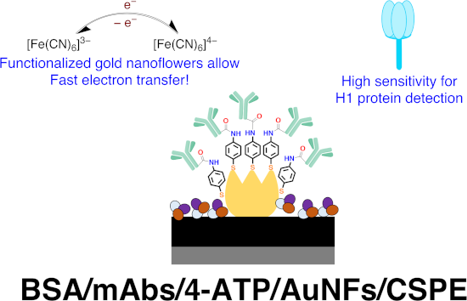
- protein at clinically relevant concentrations. Scanning electron microscopy Scanning electron microscopy (SEM) analysis was explored to characterize the surface of the electrodes after electrodeposition of gold nanoparticles (Figure 2). Because of the high conductivity of gold, a difference in contrast is


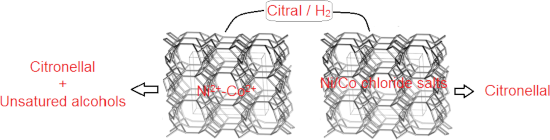
Zeolite materials with Ni and Co: synthesis and catalytic potential in the selective hydrogenation of citral
Beilstein J. Nanotechnol. 2025, 16, 520–529, doi:10.3762/bjnano.16.40
- nitrogen adsorption at 77 K. The initial natural zeolite samples were also examined via powder X-ray diffraction (XRD) and scanning electron microscopy (SEM). XRD patterns were recorded using a PW 1218 diffractometer (Philips, Almelo, Netherlands) equipped with a curved graphite monochromator and Cu Kα


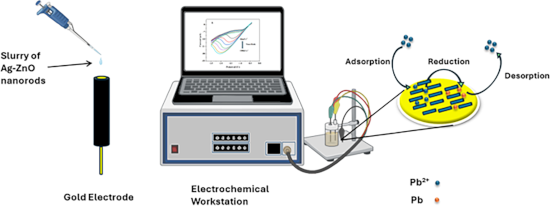
Quantification of lead through rod-shaped silver-doped zinc oxide nanoparticles using an electrochemical approach
Beilstein J. Nanotechnol. 2025, 16, 422–434, doi:10.3762/bjnano.16.33
- Scherrer method. This difference is proportional to the strain value [17]. Field-emission scanning electron microscopy of Ag@ZnO nanorods The general morphological characteristics of the as-obtained nanorods were analyzed by electron microscopy. Figure 2a depicts the typical field-emission scanning
- electron microscopy (FESEM) image of the as-obtained nanomaterials. The produced nanomaterials had rod-shaped morphologies and were grown at extremely high densities, as seen by the SEM image. Figure 2b represents the average diameter of Ag@ZnO NRs which was calculated using the Image J software. The




Size control of nanoparticles synthesized by pulsed laser ablation in liquids using donut-shaped beams
Beilstein J. Nanotechnol. 2025, 16, 407–417, doi:10.3762/bjnano.16.31
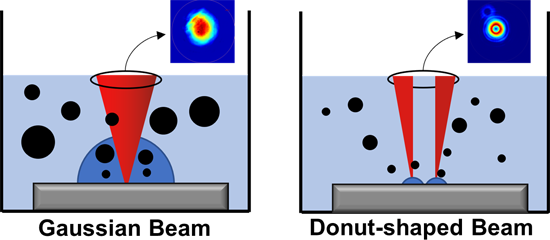
- the morphology and size of the NPs synthesized by PLAL, the colloidal samples were drop-cast on a silicon wafer and dried for microscopic analysis. All NPs were characterized using scanning electron microscopy (SEM, Quanta 400 FEG, FEI Company, USA and TESCAN MIRA3 LMH, Brno, Czech Republic). The


ReactorAFM/STM – dynamic reactions on surfaces at elevated temperature and atmospheric pressure
Beilstein J. Nanotechnol. 2025, 16, 397–406, doi:10.3762/bjnano.16.30
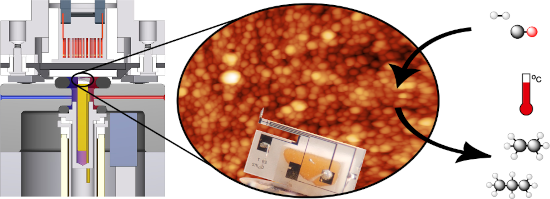
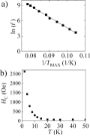
- connected through a 3-contact slider for AFM drive, AFM readout, and STM readout. (b) Scanning electron microscopy image of a 25 μm wide chemically etched Pt/Ir wire tip. qPlus resonance frequency (black dots) as a function of the temperature ranging from room temperature to 500 K. The red curve is a fit


Engineered PEG–PCL nanoparticles enable sensitive and selective detection of sodium dodecyl sulfate: a qualitative and quantitative analysis
Beilstein J. Nanotechnol. 2025, 16, 385–396, doi:10.3762/bjnano.16.29
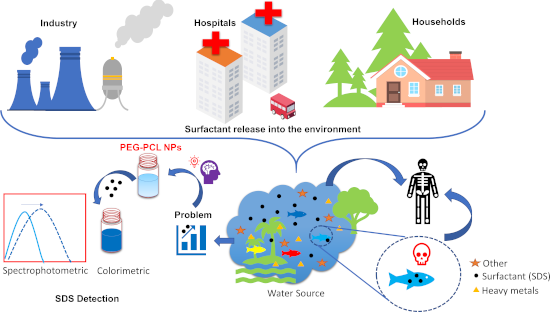
- delivery and biosensing. Further insights into the size and morphology of the PEG–PCL NPs were obtained through electron microscopy. Scanning electron microscopy was used to examine the surface structure and to conduct a quantitative size distribution analysis. The SEM images (Figure 2c) revealed that the
- . Polystyrene latex absorption coefficient and refractive index were used to measure synthesized nanoparticles, prefilled in the software with values of 0.01 and 1.59, respectively. All measurements were performed at 25 °C. The surface morphology of PEG–PCL nanoparticles was analyzed using scanning electron
- microscopy (SEM). The nanoparticles obtained from the 10 mg/mL stock solution were diluted 100-fold for the SEM analysis. The slide for SEM imaging was prepared with a sputter coating of gold as a conductive material, followed by the addition of 10 μL of nanoparticles, and air drying. The imaging was


Development of a mucoadhesive drug delivery system and its interaction with gastric cells
Beilstein J. Nanotechnol. 2025, 16, 371–384, doi:10.3762/bjnano.16.28
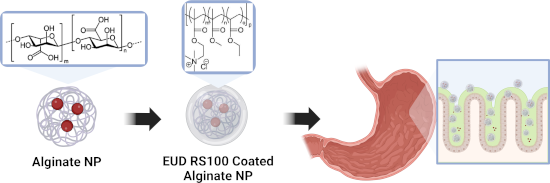
- nanoparticles Morphology of nanoparticles The morphological characterization of nanoparticles was done via scanning electron microscopy (SEM, Zeiss, GeminiSEM500) and scanning transmission electron microscopy (STEM, Ziess, GeminiSEM500). For SEM analysis, nanoparticles were air-dried on SEM stabs and coated


Pulsed laser in liquid grafting of gold nanoparticle–carbon support composites
Beilstein J. Nanotechnol. 2025, 16, 349–361, doi:10.3762/bjnano.16.26
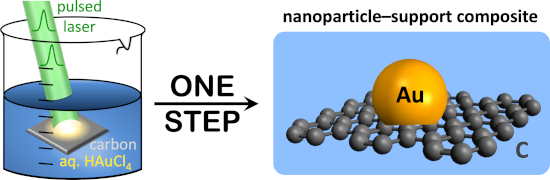
- , rapid, scalable, acid-free process to make carbon fiber paper hydrophilic without destroying the carbon network, as other carbon fiber paper oxidation methods do [22], evident from scanning electron microscopy (SEM) imaging (Figure 2A). Hydrophilicity was achieved by graphitic edge carbon oxygenation
- custom-made Teflon tub, in 2.0 mL of commercially available aqueous colloid of citrate-capped gold nanoparticles (100 nm, nanoComposix), followed by drying under a heat lamp at 60 °C for 20 min. Physical characterization Scanning electron microscopy (SEM) images were obtained at UR-Nano. A Zeiss Auriga


Tailoring of physical properties of RF-sputtered ZnTe films: role of substrate temperature
Beilstein J. Nanotechnol. 2025, 16, 333–348, doi:10.3762/bjnano.16.25
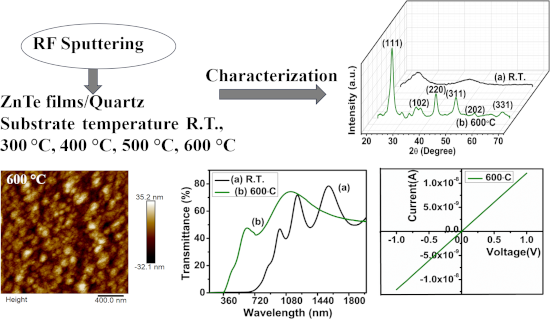
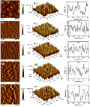
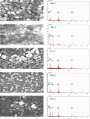
- obtained micrographs were then analysed regarding various statistical parameters such as roughness, skewness, kurtosis, and power spectral density using the NanoScope Analysis software. Surface morphology and composition of the films were studied by field-emission scanning electron microscopy attached with




Graphene oxide–chloroquine conjugate induces DNA damage in A549 lung cancer cells through autophagy modulation
Beilstein J. Nanotechnol. 2025, 16, 316–332, doi:10.3762/bjnano.16.24
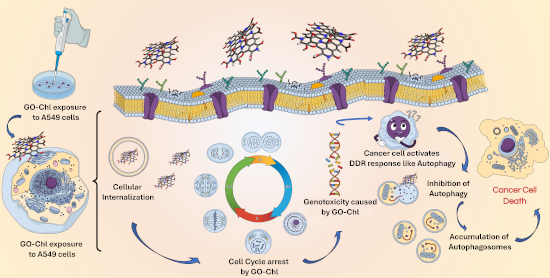
- nanoconjugates. The observed data with relative % are shown in Supporting Information File 1, Table S1. The morphological analysis of GO was carried out using field-emission scanning electron microscopy (FESEM) and high-resolution transmission electron microscopy (HRTEM). In Supporting Information File 1, Figure



Fabrication and evaluation of BerNPs regarding the growth and development of Streptococcus mutans
Beilstein J. Nanotechnol. 2025, 16, 308–315, doi:10.3762/bjnano.16.23
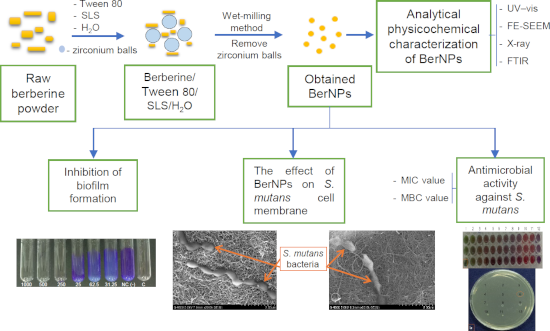
- prepared using a wet-milling method with zirconium balls to enhance bioavailability and expand potential applications. The particle size and physicochemical properties of the BerNPs were analyzed using field-emission scanning electron microscopy (FE-SEM), UV–vis spectroscopy, X-ray diffraction, and Fourier
- from the wells in the MIC assay were dripped on the TSA plate and incubated at 37 °C for 24 h. The MBC value was determined as the lowest concentration at which no visible bacterial colonies were observed. Evaluation of the effect of BerNPs on S. mutans cells Filed-emission scanning electron microscopy




Enhancing mechanical properties of chitosan/PVA electrospun nanofibers: a comprehensive review
Beilstein J. Nanotechnol. 2025, 16, 286–307, doi:10.3762/bjnano.16.22
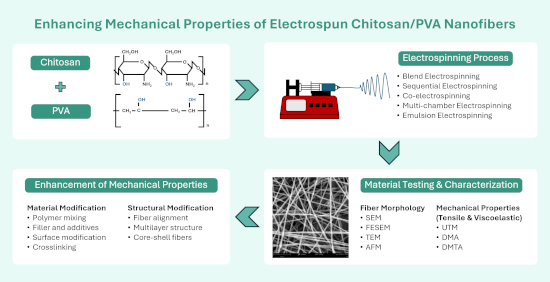
- electron microscopy (SEM) and field-emission scanning electron microscopy (FESEM) are more commonly used to analyze the fiber diameter, distribution, and overall surface morphology [144]. Microscopic images obtained from these techniques help to identify defects such as beading or non-uniformity in fibers
- not impossible. This was demonstrated by Olvera Bernal et al. [58] who employed differentially interferential contrasting to accentuate the color contrast for the fiber diameter measurements of electrospun chitosan/PVA. Imaging techniques based on the principles of electron beams such as scanning


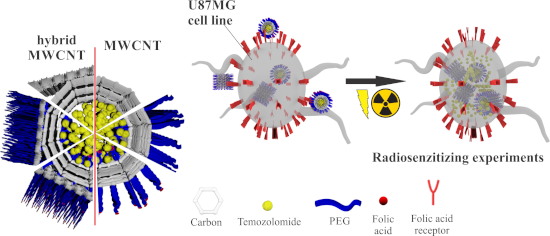
Radiosensitizing properties of dual-functionalized carbon nanostructures loaded with temozolomide
Beilstein J. Nanotechnol. 2025, 16, 229–251, doi:10.3762/bjnano.16.18




Synthesis and the impact of hydroxyapatite nanoparticles on the viability and activity of rhizobacteria
Beilstein J. Nanotechnol. 2025, 16, 216–228, doi:10.3762/bjnano.16.17
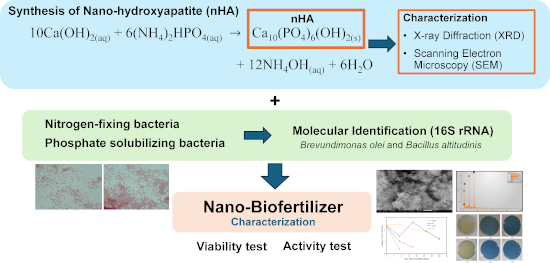
- used as a carrier for two rhizobacteria strains (Pd and Tb). The structural and morphological properties of nHA were examined through XRD and scanning electron microscopy analyses. Rhizobacteria were encapsulated within the carrier material, and their viability was evaluated using the total plate count
- . The morphology of the analyzed sample, observed through scanning electron microscopy (SEM) at magnifications of 15,000× and 50,000× are depicted in Figure 3. Figure 3 provides a clear view of the sample demonstrating spherical shapes with a consistent particle size distribution. The SEM analysis





