

Search results
Search for "flow" in Full Text gives 946 result(s) in Beilstein Journal of Nanotechnology. Showing first 200.
Performance optimization of a microwave-coupled plasma-based ultralow-energy ECR ion source for silicon nanostructuring
Beilstein J. Nanotechnol. 2025, 16, 484–494, doi:10.3762/bjnano.16.37
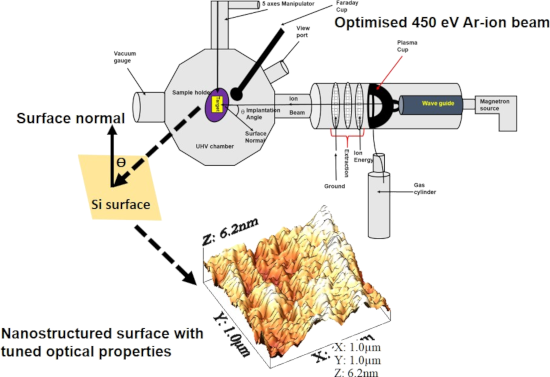
- extents of near-surface mass transport by the surface-confined ion-enhanced viscous flow [46]. Here, up to an ion incidence angle of 58°, the surface becomes unstable under 450 eV Ar-ion bombardment. Due to sputtering, a well-defined ripple formation is found after 1 h of 450 eV Ar-ion bombardment. With


Impact of adsorbate–substrate interaction on nanostructured thin films growth during low-pressure condensation
Beilstein J. Nanotechnol. 2025, 16, 473–483, doi:10.3762/bjnano.16.36
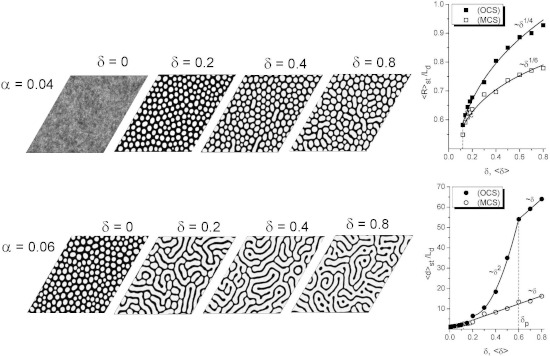
- structures. In the general case, the reaction–diffusion equation for the field x1(r,t) has the form The reaction term R(x1,x2) is responsible for adsorption, desorption, and diffusion of adatoms between neighbor layers. The adsorbate flow J is defined through the free energy ℱ of the adsorbed layer Here, D0


Synthetic-polymer-assisted antisense oligonucleotide delivery: targeted approaches for precision disease treatment
Beilstein J. Nanotechnol. 2025, 16, 435–463, doi:10.3762/bjnano.16.34


Size control of nanoparticles synthesized by pulsed laser ablation in liquids using donut-shaped beams
Beilstein J. Nanotechnol. 2025, 16, 407–417, doi:10.3762/bjnano.16.31
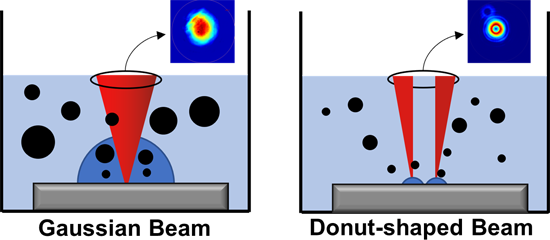
- any possible oxide layer from the surface. PLAL NP generation Figure 1 shows a general scheme of the experimental setup. Each ablated target was positioned in the flow-through PLAL chamber [50] with a liquid volume of ca. 5 mL and laser-irradiated at normal incidence through a glass window. The
- distance between the target surface and the window was ca. 7 mm. Deionized water was used as liquid in all experiments and pumped through the chamber at a flow rate of 0.13 L·min−1, ensuring the complete filling of the chamber volume under laminar flow conditions. For the synthesis of gold and Y2O3 NPs


ReactorAFM/STM – dynamic reactions on surfaces at elevated temperature and atmospheric pressure
Beilstein J. Nanotechnol. 2025, 16, 397–406, doi:10.3762/bjnano.16.30
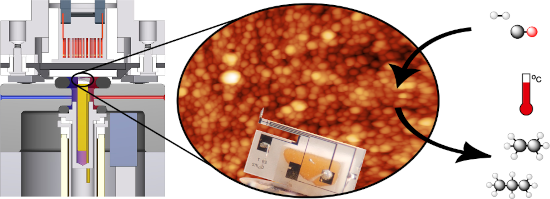
- AFM/STM integrated in a high-pressure gas flow reactor. The combined technique is based on the state-of-the-art tuning fork sensor in a qPlus configuration with three contacts, two for AFM and one for STM [17]. In order to illustrate the applicability of the technique, operando oxidation of Pd(100
- contact with the sample surface, the seal’s maximum temperature poses a reaction temperature limitation of 600 K [11]. The vacuum is maintained by a corrosion-resistant turbo pump as well as an ion pump. A gas cabinet for gas mixing, consisting of several rotating valves, mass flow controllers, and back
- pressure controllers, is connected to the AFM/STM reactor, permitting pressures of up to 20 bar. Four gases plus a carrier gas can be mixed and transported to and from the reactor by capillaries at gas mixing ratios ranging from 1:1 up to 1:100 with a flow up to 40 mL/min controlled via a Python script. A


Vortex lattices of layered HTSCs at different vortex–vortex interaction potentials
Beilstein J. Nanotechnol. 2025, 16, 362–370, doi:10.3762/bjnano.16.27
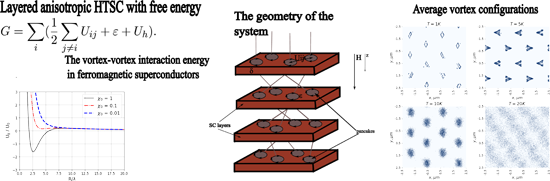
- discovered. Indications were also obtained that the second peak on the magnetization curve (second magnetization peak) at low temperature (less than 0.55Tc) coincides with the transition between the regimes of the flow of the vortex lattice. The measurements were also performed in a magnetic field inclined


Tailoring of physical properties of RF-sputtered ZnTe films: role of substrate temperature
Beilstein J. Nanotechnol. 2025, 16, 333–348, doi:10.3762/bjnano.16.25
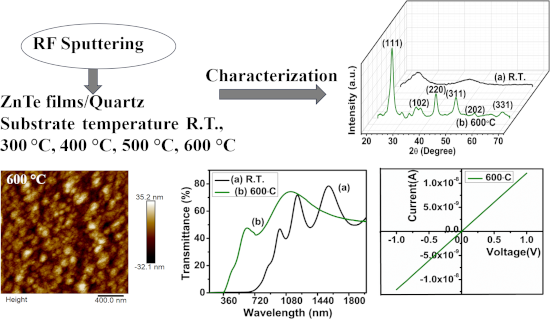
- accountable for morphological changes on the surface of ZnTe films grown on quartz substrate at different substrate temperatures. Values of b equal to 1, 2, 3, and 4 represent four surface growth mechanisms, that is, viscous flow, evaporation–condensation, volume diffusion, and surface diffusion, respectively
- –condensation and volume diffusion. The b value for the films deposited at substrate temperature of 300–600 °C lies in the range from 1.12 to 1.84. This shows that the possible surface growth mechanism at these temperatures is a combined effect of viscous flow and evaporation–condensation [32]. The




Graphene oxide–chloroquine conjugate induces DNA damage in A549 lung cancer cells through autophagy modulation
Beilstein J. Nanotechnol. 2025, 16, 316–332, doi:10.3762/bjnano.16.24
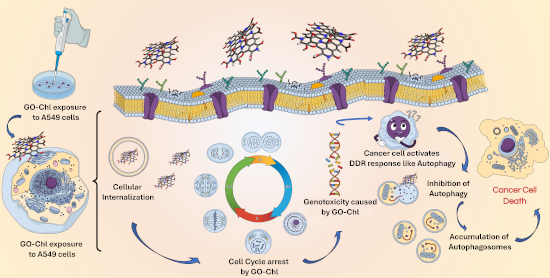
- of cells with compromised membrane and used for quantitative estimation of plasma membrane integrity using flow cytometry [31]. Briefly, A549 cells (1 × 10⁵ cells/mL/well) were seeded onto 12-well culture plates and exposed to varying concentrations (1–100 μg/mL) of GO–Chl for 24 h. Cells were washed
- . Further, the cell suspension was diluted by adding 400 μL of 1× PBS, and red fluorescence emitted from PI was analyzed by flow cytometry (BD FACS Canto II, BD Biosciences, San Jose, CA, USA) using a 650 ± 13 nm band-pass filter. Three independent experiments were performed for each group. The proportion
- analysis The cell cycle analysis was carried out by flow cytometry using PI [31]. Briefly, A549 cells were treated with different concentrations (1–100 μg/mL) of the GO–Chl nanoconjugate for 24 h. The cells were washed twice with cold 1× PBS, harvested using 0.25% trypsin, centrifuged at 1000 rpm for 10



Enhancing mechanical properties of chitosan/PVA electrospun nanofibers: a comprehensive review
Beilstein J. Nanotechnol. 2025, 16, 286–307, doi:10.3762/bjnano.16.22
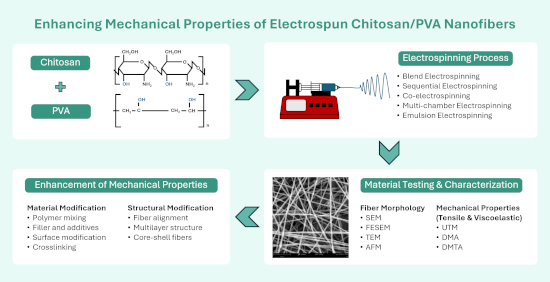
- , and environment. For electrospinning, factors such as applied electric field, distance between the needle and collector, flow rate, and needle diameter affect the fabrication of the nanofibrous sample. Solution parameters include the types of solvent, polymer concentration, viscosity, and solution
- nozzles so that the fibers attract instead of repelling each other, or using auxiliary electrodes to control the electric field and concentrate the flow of fiber jets into a smaller deposition area [89]. Multichamber electrospinning Multichamber electrospinning incorporates special nozzle designs to
- selecting the plasma source and controlling discharge conditions such as voltage, pressure, and gas flow rate, various functional groups can be introduced on the fiber surface, enabling tailored modifications that enhance polymer biocompatibility. Punamshree et al. [162] performed surface modification of


Emerging strategies in the sustainable removal of antibiotics using semiconductor-based photocatalysts
Beilstein J. Nanotechnol. 2025, 16, 264–285, doi:10.3762/bjnano.16.21
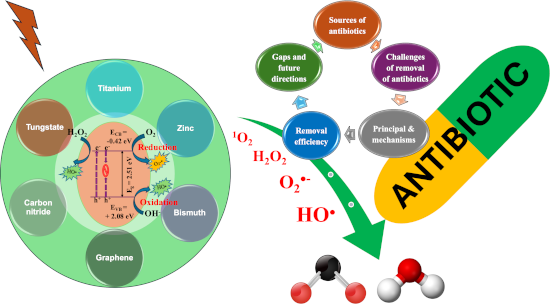
- , they also reduce compound semiconductors’ redox capacity and pose problems to the continuous flow of electrons and holes because of electrostatic repulsion. A Schottky junction is also formed by combining two different semiconductor materials (Figure 5d). The oxidation capability of Schottky



Recent advances in photothermal nanomaterials for ophthalmic applications
Beilstein J. Nanotechnol. 2025, 16, 195–215, doi:10.3762/bjnano.16.16
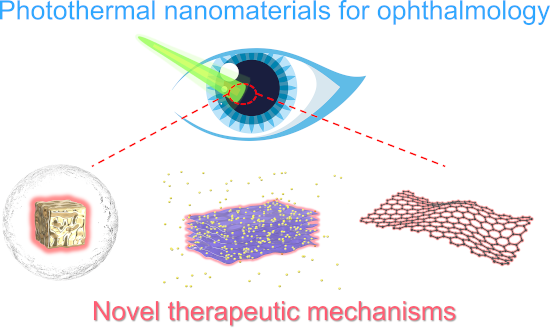
- example, blood flow, oxygen saturation, oxygenated and deoxygenated hemoglobin, oxygen metabolism, and melanin concentration [187][188]. The main limitations of PAI are the slower imaging speed and the decreasing resolution as the depth of imaging is increased [189]. The use of contrast agents can improve


TiO2 immobilized on 2D mordenite: effect of hydrolysis conditions on structural, textural, and optical characteristics of the nanocomposites
Beilstein J. Nanotechnol. 2025, 16, 128–140, doi:10.3762/bjnano.16.12
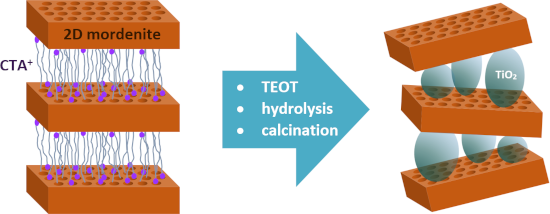
- . Despite the still large bandgap, the immobilization of TiO2 on the zeolite matrix, combined with the mesopore structure important for high mass transfer properties, suggests that these materials may be promising catalysts under flow conditions. However, it is necessary to further search for parameters to
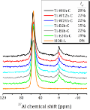
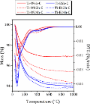
- the mBET method. Thermal gravimetric analysis (TGA) was carried out using a Netzsch STA 449 F1 Jupiter instrument in the temperature range of 40–990 °C at a heating rate of 10 °C/min in an Ar flow of 90 mL/min. 27Al MAS NMR spectra were recorded using a Bruker Avance IIIWB 400 MHz solid-state NMR



Nanocarriers and macrophage interaction: from a potential hurdle to an alternative therapeutic strategy
Beilstein J. Nanotechnol. 2025, 16, 97–118, doi:10.3762/bjnano.16.10

- delivery route despite the potential advantages of local approaches [6]. Once in the bloodstream, NCs are exposed to a wide range of forces, such as fluid shear stress, blood flow, opsonization, excretion, and interaction with the MPS, all of which influence NC stability and delivery. This challenging and


Modeling and simulation of carbon-nanocomposite-based gas sensors
Beilstein J. Nanotechnol. 2025, 16, 90–96, doi:10.3762/bjnano.16.9
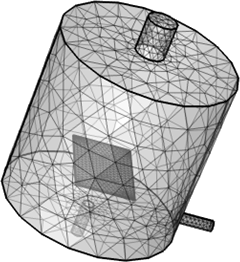
- crucial for understanding the adsorption mechanism in a system and predicting its behavior [17]. Methods Gas sensor analysis with COMSOL Multiphysics To implement the methodology from the flow chart in Figure 1, we begin with pre-processing. During this step, we define the domain with physics modules
- (reaction engineering, transport of diluted species, laminar flow, and chemistry interface), create the geometry of the sensor within a gas chamber, and select the materials. We then set up the physics with boundary conditions, mesh the geometry using tetrahedral and triangular elements, and define study
- designed to facilitate gas flow and continuous stirring, ensuring the elimination of concentration gradients and the maintenance of a homogeneous gas mixture inside the chamber. The target gas CO is introduced into the chamber in a Gaussian pulse form. At the start of the experiment (t = 0 s), the sensor



Instance maps as an organising concept for complex experimental workflows as demonstrated for (nano)material safety research
Beilstein J. Nanotechnol. 2025, 16, 57–77, doi:10.3762/bjnano.16.7

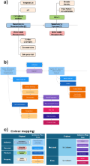
- . The material and medium categories are used to describe the instance. A physical or chemical change to the nanomaterial that (potentially) alters the physicochemical or biological properties of the material results in a new instance. An instance map then represents a flow chart of the nanomaterial
- , instance maps visualise the flow of data collection and methodologies, including the biological culture information and chemical pre- and post-exposure data (Figure 4A). The instances in the example in Figure 4 follow the timeline of exposure; at each instance, the nodes depict the data pertaining to that
- reporting structure following SOPs. Afterwards, these APCs were incubated with the materials generated in section A, and their immunologic activation profile was investigated utilising flow cytometry and enzyme-linked immunosorbent assay. Sections C and E in Figure 8 are quite similar in concept [49] and


Precursor sticking coefficient determination from indented deposits fabricated by electron beam induced deposition
Beilstein J. Nanotechnol. 2025, 16, 35–43, doi:10.3762/bjnano.16.4
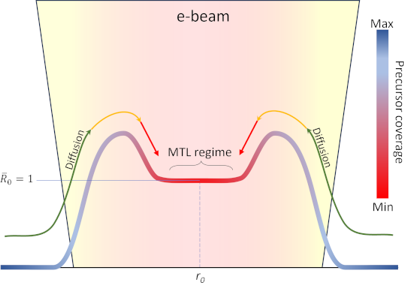
- . Firstly, the sticking coefficient of the molecules stemming from directed and diffuse flow will be different due to the different kinetic energies, as precursor gas from the gas injection system and precursor gas from surrounding surfaces are at different equilibrium temperatures. In other work involving


Bioinspired nanofilament coatings for scale reduction on steel
Beilstein J. Nanotechnol. 2025, 16, 25–34, doi:10.3762/bjnano.16.3
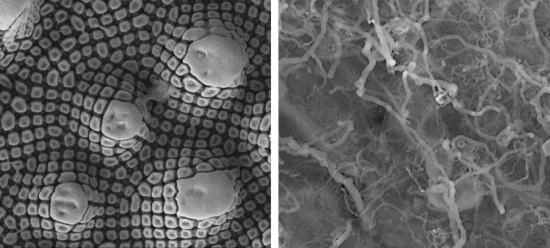
- . This reduction is attributed to altered flow dynamics near the super-hydrophobic surface, inhibiting nucleation and growth of scale. Our findings highlight the potential of bioinspired SNF coatings to enhance the performance and longevity of steel surfaces in industrial environments. Keywords
- the plate corresponding to the flow of oil/water equivalent to 10,000 barrels per day in a 4-inch nominal steel pipe. Figure 2C shows a simulation of the fluid streamlines and shear stress on the samples matching the shear stress value in a 4-inch pipe at a flow rate of 10,000 barrels per day. The
- shear stress at the plate is reported in Figure 2D for different angular velocities and corresponding volumetric flow rates. Super-hydrophobicity of SNF coatings on steel Figure 3A shows a scanning electron microscopy (SEM) image of a stainless-steel surface coated with SNFs. The wire-type structures


A nanocarrier containing carboxylic and histamine groups with dual action: acetylcholine hydrolysis and antidote atropine delivery
Beilstein J. Nanotechnol. 2025, 16, 11–24, doi:10.3762/bjnano.16.2
- to use. Elution was carried out using 0.05 M K2HPO4, pH 7.4, at a flow rate of 0.5 mL·min−1 and a column temperature of 40 °C with refractive index detection on a 1260 Infinity detector (Agilent, Germany) at an optical unit temperature of 35 °C. Polyacrylic acid standards of 240, 5, and 1.8 kDa (Alfa


Fabrication of hafnium-based nanoparticles and nanostructures using picosecond laser ablation
Beilstein J. Nanotechnol. 2024, 15, 1639–1653, doi:10.3762/bjnano.15.129
- , repetition rate, wavelength, and pulse energy, as is evident from earlier reports [11][18][31], where no such nanofibre formation is reported. However, the formation of nanofibres has been reported in [10][30]. Due to Brownian motion [48], some nuclei and crystals escape from the jet flow and agglomerate [43




Heterogeneous reactions in a HFCVD reactor: simulation using a 2D model
Beilstein J. Nanotechnol. 2024, 15, 1627–1638, doi:10.3762/bjnano.15.128
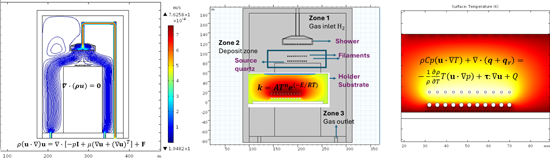
- the substrate is 450 to 500 °C for different deposition parameters. In the simulation, the laminar flow of species contributing to the film growth was confirmed, and the simulated concentration profiles of H° and SiO near the filaments and the sources were as expected. H° and SiO are essential species
- ; chemical reactions; flow dynamics; HFCVD; hot filament chemical vapor deposition; SiOx films; Introduction The growth of materials such as non-stoichiometric silicon oxide (SiOx) is an important step in semiconductor devices development. Control of deposition parameters determines the success of the
- process and the properties of the films, with the most important parameters being substrate temperature, gas pressure, species concentration, and flow velocity [1]. The structural, optical, and electrical properties of the SiOx, more generally known as silicon-rich oxide (SRO), films are determined by the


Natural nanofibers embedded in the seed mucilage envelope: composite hydrogels with specific adhesive and frictional properties
Beilstein J. Nanotechnol. 2024, 15, 1603–1618, doi:10.3762/bjnano.15.126
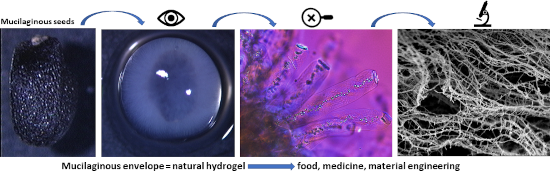
- run-off [30][127][128]. Pan et al. [36] tested the effect of erosive surface flow on seeds attached by wet mucilage to the substrate; they summarised that wet (as well as dry) mucilage allowed most species to stay anchored to the substrate. However, the adhesion strength of hydrated mucilage is much


Electrochemical nanostructured CuBTC/FeBTC MOF composite sensor for enrofloxacin detection
Beilstein J. Nanotechnol. 2024, 15, 1522–1535, doi:10.3762/bjnano.15.120
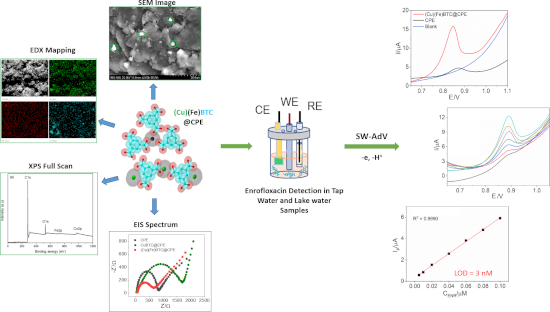
- developed to detect ENR, including microbiological methods, such as enzyme-linked immunosorbent assay (ELISA) [6], chromatography-mass spectrometry (LC-MS), chromatography (HPLC, UPLC), [3][7][8], flow immunochromatographic assays [9], and fluorescence measurements [10]. However, these methods have high





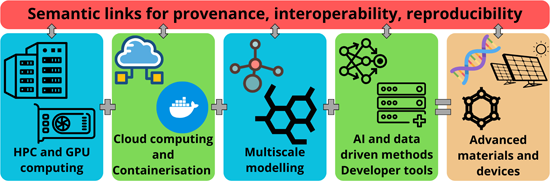
Integrating high-performance computing, machine learning, data management workflows, and infrastructures for multiscale simulations and nanomaterials technologies
Beilstein J. Nanotechnol. 2024, 15, 1498–1521, doi:10.3762/bjnano.15.119


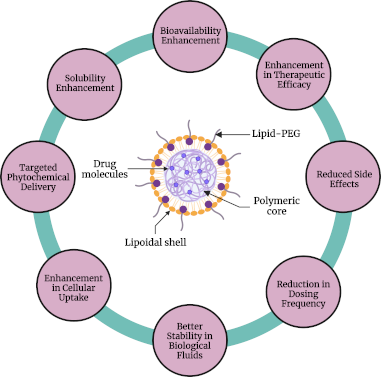
Polymer lipid hybrid nanoparticles for phytochemical delivery: challenges, progress, and future prospects
Beilstein J. Nanotechnol. 2024, 15, 1473–1497, doi:10.3762/bjnano.15.118
- . Cell cycle analysis and apoptotic studies by flow cytometry revealed much higher apoptotic activity and cellular internalization of CUR-PLHNPs in MCF-7 cells compared to free CUR. Further, the CUR-PLHNPs showed a significantly lower IC50 value (i.e., 7 µg/mL) than free CUR (10.72 µg/mL). Zhao et al
- against HCT-116 cells, in terms of apoptosis and cell cycle arrest, was assessed using flow cytometry. Comparison with APN suspension showed significant improvements favoring APN-PLHNPs. Additionally, the anticancer mechanism was further explored by examining the gene expression of key signaling molecules


Lithium niobate on insulator: an emerging nanophotonic crystal for optimized light control
Beilstein J. Nanotechnol. 2024, 15, 1415–1426, doi:10.3762/bjnano.15.114
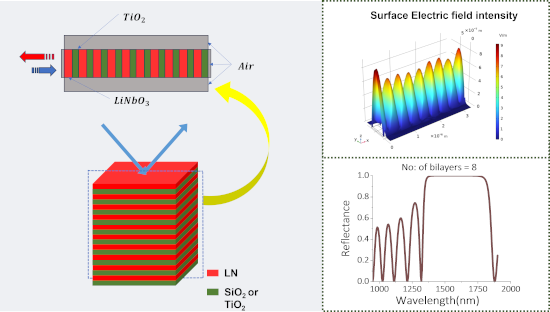
- approach takes the form Equation 8 [51]: where U(x) and S(x) are the quantities corresponding to the resultant electric field and phase, respectively. The power flow density across the structure also known as the Poynting vector S(x) is proportional to the square of new field intensity and the spatial