


Search results
Search for "laser" in Full Text gives 904 result(s) in Beilstein Journal of Nanotechnology. Showing first 200.
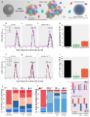
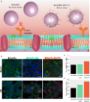
Recent advances in photothermal nanomaterials for ophthalmic applications
Beilstein J. Nanotechnol. 2025, 16, 195–215, doi:10.3762/bjnano.16.16
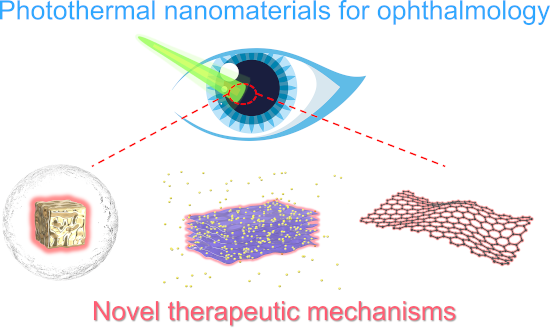
- clinical adoption of anti-vascular endothelial growth factor drugs and laser therapy [3][4]. Despite these strides, challenges remain in effectively addressing complex ophthalmic issues, particularly in underprivileged areas where high costs associated with precision optical diagnostics and advanced drug
- nanometals can be swiftly heated to temperatures around 100 °C using low-energy laser pulses of specific wavelength. This rapid heating effectively evaporates a limited amount of water in the adjacent nanoscale region, forming vapor nanobubbles (VNBs) (see below in Figure 2c) [50]. The swift expansion and
- photothermal conversion of iron oxide minimizes the necessary laser energy. The mechanical force generated by laser-induced VNBs enables the selective destruction of single corneal cells. The PLA films aid in precisely positioning the photothermal therapy, restrain the dispersion of iron oxide nanoclusters


Clays enhanced with niobium: potential in wastewater treatment and reuse as pigment with antibacterial activity
Beilstein J. Nanotechnol. 2025, 16, 141–154, doi:10.3762/bjnano.16.13
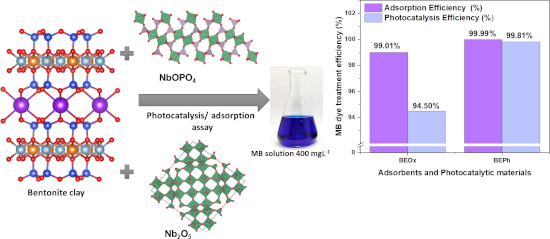
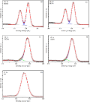
- photoelectron spectroscopy, and laser-induced breakdown spectroscopy assessed the modifications induced by the incorporation of niobium compounds into the clay, confirming the presence of niobium in the bentonite clay. Following characterization, the BEOx and BEPh samples were used as adsorbents or
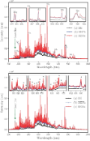
- Physical Electronics (Chanhassen, MN, USA), equipped with a monochromatic Al Kα X-ray source. The binding energy was calibrated based on the C 1s peak at 284.6 eV. Laser-induced breakdown spectroscopy (LIBS) analyses were carried out by using the Applied Spectra J200 equipment. The clay samples were
- pelletized in circular discs of 1.2 cm and approximately 0.2–0.3 cm of height. The discs were prepared using 5 mg of each sample, and then they was pressed at 10 tons. The spectra were collected under air atmosphere between 186 and 1050 nm using a laser line at 50% as the source performing 10 shots per spot



TiO2 immobilized on 2D mordenite: effect of hydrolysis conditions on structural, textural, and optical characteristics of the nanocomposites
Beilstein J. Nanotechnol. 2025, 16, 128–140, doi:10.3762/bjnano.16.12
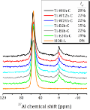
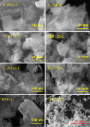
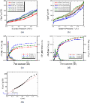
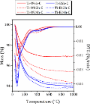
- ; Thermogravimetric and Calorimetric Research Centre; Centre for Optical and Laser Materials Research). The authors thank the Department of Zeolite Research of the Institute of Science of the BUAP (ICUAP), and its staff, for fruitful discussions of the results obtained. Funding This research was supported by DGAPA



Advanced atomic force microscopy techniques V
Beilstein J. Nanotechnol. 2025, 16, 54–56, doi:10.3762/bjnano.16.6
- parameters can precisely be determined regardless of the oscillation amplitude. As the periodicity of the cavity light field scales with the length standard given by the laser light wavelength, this specifically facilitates a calibration of the oscillation amplitude with unprecedented accuracy and precision
Orientation-dependent photonic bandgaps in gold-dust weevil scales and their titania bioreplicates
Beilstein J. Nanotechnol. 2025, 16, 1–10, doi:10.3762/bjnano.16.1
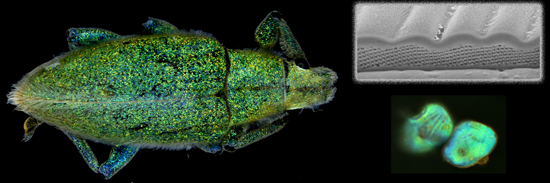
- copolymers [10][11], lithography, or laser etching [12][13], but it can be routinely found in animal integuments. Biomimetic approaches using templates from natural structures offers a possible alternative. The scales of many beetles and weevils contain diamond photonic crystals [14][15][16] that may serve


Mechanistic insights into endosomal escape by sodium oleate-modified liposomes
Beilstein J. Nanotechnol. 2024, 15, 1667–1685, doi:10.3762/bjnano.15.131




Fabrication of hafnium-based nanoparticles and nanostructures using picosecond laser ablation
Beilstein J. Nanotechnol. 2024, 15, 1639–1653, doi:10.3762/bjnano.15.129
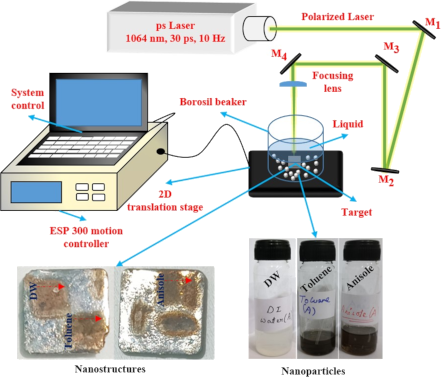
- /bjnano.15.129 Abstract This work presents a unique and straightforward method to synthesise hafnium oxide (HfO2) and hafnium carbide (HfC) nanoparticles (NPs) and to fabricate hafnium nanostructures (NSs) on a Hf surface. Ultrafast picosecond laser ablation of the Hf metal target was performed in three
- formation of laser-induced periodic surface structures (LIPSS) with low spatial frequency (LSFL) and high spatial frequency (HSFL) orthogonal to each other was also demonstrated. The LSFL and HSFL both exhibited quasi-periodicity. This work presents a simple way to fabricate HfO2 and HfC NPs and provides
- insight into their morphological and optical characteristics paving way for their applications in future. Keywords: hafnium; laser ablation in liquids; nanofibres; nanoparticles; nanostructures; Introduction Hafnium (Hf) is a tetravalent transition metal with compounds showing excellent thermal and




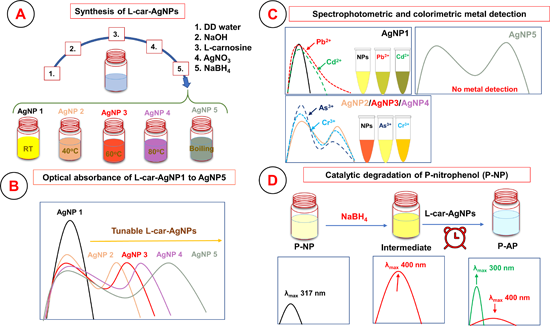
Facile synthesis of size-tunable L-carnosine-capped silver nanoparticles and their role in metal ion sensing and catalytic degradation of p-nitrophenol
Beilstein J. Nanotechnol. 2024, 15, 1576–1592, doi:10.3762/bjnano.15.124
- Raman spectra of ʟ-carnosine-capped silver nanoparticles, as well as ʟ-carnosine, as solid and in aqueous solution, were recorded at RT using an excitation source of 532 nm. The light source was a diode-pumped solid-state Nd3+:YAG laser (Cobolt Samba 0532-01-0500-500, Cobolt AB, Sweden). For solid ʟ
- -carnosine and ʟ-car-AgNPs, powdered samples were placed on glass slides, and the Raman signal was collected in a backscattering geometry using a 50× long working distance objective. The incident laser of approximately 10 mW power had a spot size of approximately 50 μm on the sample surface. Aqueous ʟ




Green synthesis of silver nanoparticles derived from algae and their larvicidal properties to control Aedes aegypti
Beilstein J. Nanotechnol. 2024, 15, 1566–1575, doi:10.3762/bjnano.15.123
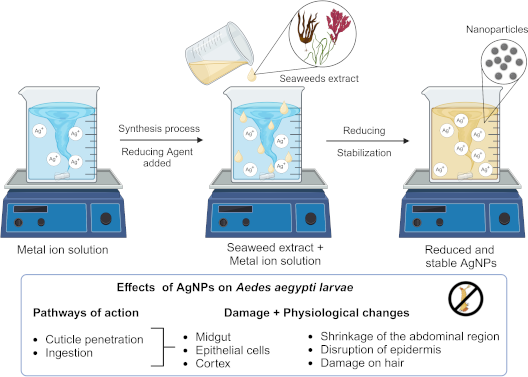
- residues in the environment [30]. Physical methods include laser ablation, UV irradiation, evaporation condensation, aerosol methods, and lithography. High cost, high energy consumption, and expensive equipment make these techniques uneconomical [31]. Because of these disadvantages, synthesis methods based


Ultrablack color in velvet ant cuticle
Beilstein J. Nanotechnol. 2024, 15, 1554–1565, doi:10.3762/bjnano.15.122
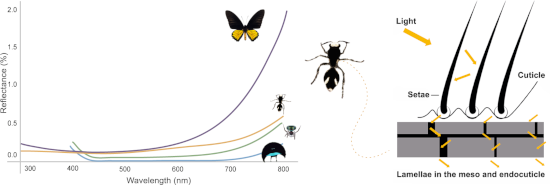
- of the ultrablack cuticle in Traumatomutilla bifurca, an enigmatic and visually striking species of velvet ants (Hymenoptera, Mutillidae). Using a combination of scanning electron microscopy (SEM), transmission electron microscopy (TEM), confocal laser scanning microscopy (CLSM), and optical
- , Leica Biosystems, Solms, Germany) and contrasted with osmium tetroxide. Confocal laser scanning microscopy (CLSM) The capacity of insect cuticle to emit autofluorescence at various wavelengths is extensively documented, influenced by material composition, degree of sclerotization, and the presence of
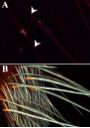
- resilin [18]. Insect cuticle with protein-dominated regions, which can include resilin, an elastic protein present in arthropod cuticles, or unsclerotized chitin exhibits autofluorescence when excited with a laser of 405 nm wavelength. Regions with a low degree or high degree of sclerotization emit



Lithium niobate on insulator: an emerging nanophotonic crystal for optimized light control
Beilstein J. Nanotechnol. 2024, 15, 1415–1426, doi:10.3762/bjnano.15.114
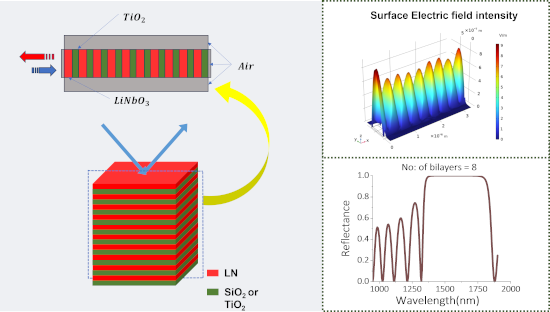
- bottom mirror of the microcavity improved the green light emission intensity of LEDs. The wide application of DBR also extends to laser devices in which DBR acts as a highly selective mirror within the laser cavity. By reflecting a narrow wavelength range, the DBR enables single-mode operation, resulting
- in a laser emitting light with a precise, pure wavelength and high stability [48]. Yu et al. demonstrated a tunable InGaAs quantum well DBR laser which provides a larger tuning range, single-longitudinal-mode operation, and narrow spectral linewidth, finding it suitable for multiple gas-sensing


Nanotechnological approaches for efficient N2B delivery: from small-molecule drugs to biopharmaceuticals
Beilstein J. Nanotechnol. 2024, 15, 1400–1414, doi:10.3762/bjnano.15.113
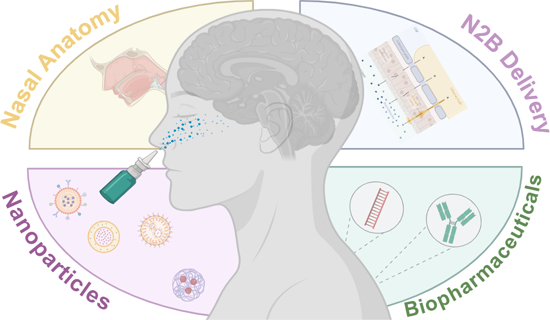
- another widely used complex vector, polyplexes. They took the approach one step further and combined these polyplexes formed by a cationic polymer and anionic mRNA with a photosensitizer for photochemical internalization and subsequent enhancement in delivery to the cytoplasm. They showed that laser


Various CVD-grown ZnO nanostructures for nanodevices and interdisciplinary applications
Beilstein J. Nanotechnol. 2024, 15, 1390–1399, doi:10.3762/bjnano.15.112
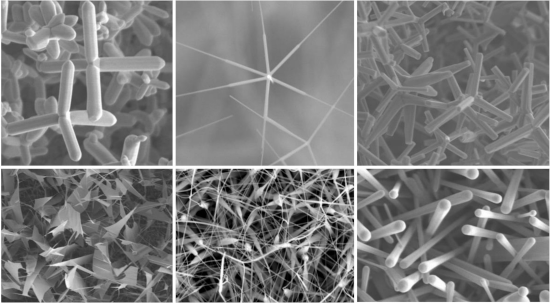
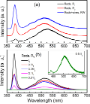
- down to collect white products formed on Si substrates. They were characterized by scanning electron microscopy (SEM, JEOL-6330F) and energy-dispersive X-ray (EDX) spectroscopy. Renishaw’s RS and PL spectrometers operating with laser wavelengths of 488 and 325 nm were also employed to study phonon
- ], radio-frequency magnetron sputtering [47], pulsed laser ablation [48], and electrodeposition methods [49]. They have many application potentials in dye-sensitized solar cells [46], self-powered energy-harvesting devices [47], photocatalysts [48], and turbid lenses [50]. It has been suggested that the
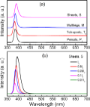
- wavelength of 325 nm, which were measured at wavelengths of 350–700 nm. In this investigation, the maximum excitation laser-power density (Io) was maintained at ≈170 kW/cm2, and filters were utilized to tune the excitation density on experimental samples [65]. Recorded results revealed two main features of



A biomimetic approach towards a universal slippery liquid infused surface coating
Beilstein J. Nanotechnol. 2024, 15, 1376–1389, doi:10.3762/bjnano.15.111
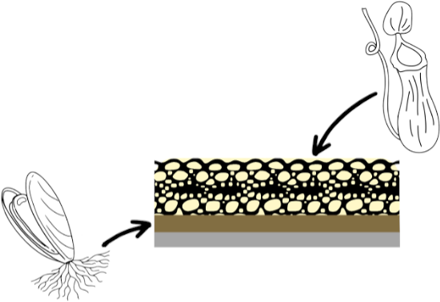
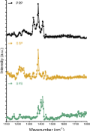
- processing and analysis of the collected scans included a lowpass filter and took place in the “NanoScope analysis” software. Sum frequency generation vibrational spectroscopy The SFG setup used an EKSLPA Nd:YAG laser operated at 50 Hz to generate a fixed visible (532 nm−1) and tunable infrared beam (1000




Out-of-plane polarization induces a picosecond photoresponse in rhombohedral stacked bilayer WSe2
Beilstein J. Nanotechnol. 2024, 15, 1362–1368, doi:10.3762/bjnano.15.109
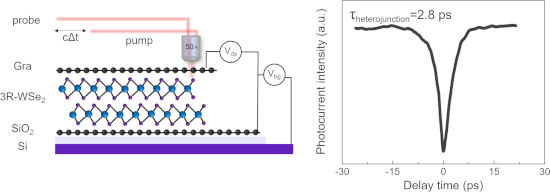
- graphene/3R bilayer WSe2/graphene vertical heterojunction shown in Figure 1b. We performed SHG measurements with an 800 nm laser to excite monolayer WSe2 and artificially stacked bilayer WSe2. A stronger SHG intensity at 400 nm was detected in bilayer WSe2 constructed by artificial stacking, which
- under zero bias, known as BPVE [33][39]. Under 520 nm laser excitation, a short-circuit current of approximately 21.5 nA was observed in the output characteristic curve of the vertical heterojunction device (Figure 1d), proving the existence of spontaneous OOP polarization. To compare to the graphene
- explored the photogenerated carrier dynamics and the intrinsic photoresponse in the vertical heterojunction through time-resolved photocurrent measurements (TRPC). The custom-built TRPC setup is shown in Figure 2a. A 780 nm pulse laser is used as the excitation source and split into two separate beams, one


Interaction of graphene oxide with tannic acid: computational modeling and toxicity mitigation in C. elegans
Beilstein J. Nanotechnol. 2024, 15, 1297–1311, doi:10.3762/bjnano.15.105
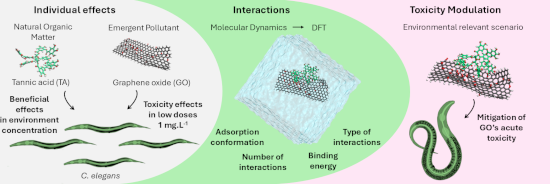
- confocal microscope (50× objective). The excitation wavelength was set at 532 nm, and spectra were acquired with five accumulations of 5 s each. The slit width was set to 50 μm, and the hole width was set to 100 μm, resulting in a laser spot of approximately 1 µm on the sample. Characterization of the GO


Functional morphology of cleaning devices in the damselfly Ischnura elegans (Odonata, Coenagrionidae)
Beilstein J. Nanotechnol. 2024, 15, 1260–1272, doi:10.3762/bjnano.15.102
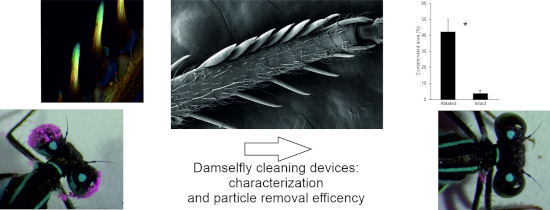
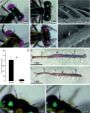
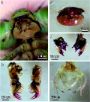
- , situated on the foreleg tibiae, were observed using scanning electron microscopy, and the presence and distribution of resilin, an elastomeric protein that enhances cuticle flexibility, were analyzed using confocal laser scanning microscopy. Eye and antennal grooming behavior were analyzed to evaluate the
- confocal laser scanning microscopy (CLSM). The eye and antennal grooming behavior of the damselfly Ischnura elegans (Vander Linden, 1820) adults (Odonata, Coenagrionidae) was observed and analyzed to evaluate the particle removal efficiency in intact and ablated insects. Material and Methods Insects
- scanning electron microscope FE SEM LEO 1525 (ZEISS, Oberkochen, Germany) at 5 kV accelerating voltage. Confocal laser scanning microscopy A CLSM-based method established by Michels and Gorb [37], to analyze material compositions and their gradients in arthropod cuticle by visualizing autofluorescence, was


The role of a tantalum interlayer in enhancing the properties of Fe3O4 thin films
Beilstein J. Nanotechnol. 2024, 15, 1253–1259, doi:10.3762/bjnano.15.101
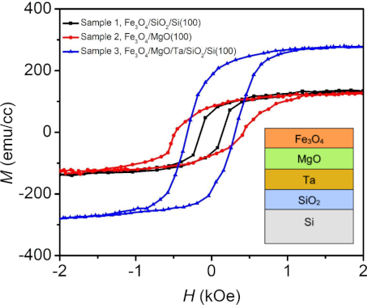
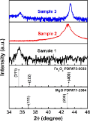
- study of analog resistive switching of Fe3O4-based cross-cell memristive devices [7][8][9][10]. Fe3O4 thin films can be grown by many processes, including molecular beam epitaxy, which is employed for depositing single crystal films, and pulsed laser deposition, which is utilized to achieve epitaxial


Dual-functionalized architecture enables stable and tumor cell-specific SiO2NPs in complex biological fluids
Beilstein J. Nanotechnol. 2024, 15, 1238–1252, doi:10.3762/bjnano.15.100
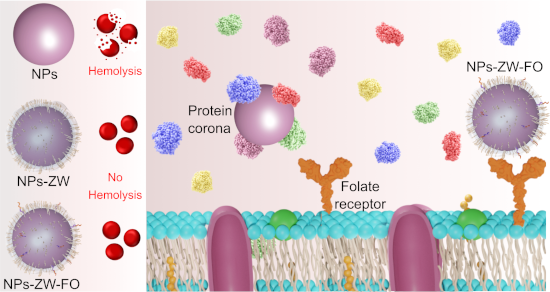
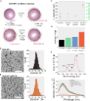
- equipment (Malvern Instruments Ltd., UK – detection angle of 173° and laser wavelength of 633 nm). For DLS measurements, NPs were dispersed in MilliQ water (1.0 mg·mL–1). To determine the zeta potential, the NPs were diluted in 10 Mm of phosphate buffer at a concentration of 1.0 mg·mL–1. All measurements

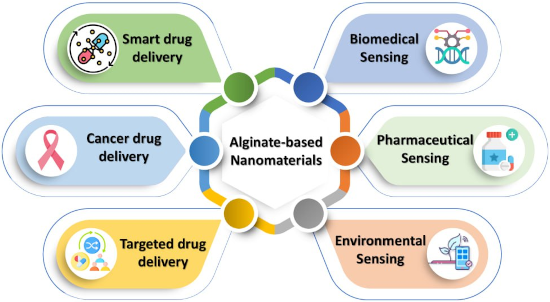
Unveiling the potential of alginate-based nanomaterials in sensing technology and smart delivery applications
Beilstein J. Nanotechnol. 2024, 15, 1077–1104, doi:10.3762/bjnano.15.88


Signal generation in dynamic interferometric displacement detection
Beilstein J. Nanotechnol. 2024, 15, 1070–1076, doi:10.3762/bjnano.15.87
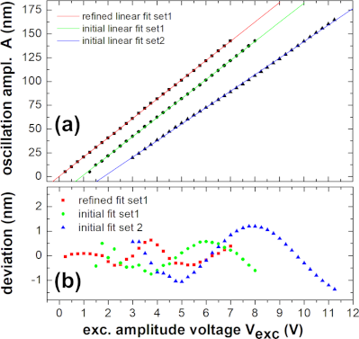
- Knarik Khachatryan Simon Anter Michael Reichling Alexander von Schmidsfeld Institut für Physik, Universität Osnabrück, Barbarastr. 7, 49076 Osnabrück, Germany 10.3762/bjnano.15.87 Abstract Laser interferometry is a well-established and widely used technique for precise displacement measurements
- in the Michelson mode resulting in a detector signal IM that is much smaller than what could be obtained by working in the Fabry–Pérot mode [12]. A temperature- and intensity-stabilized laser diode light source (type 48TA-1-42037, Schäfter + Kirchhoff GmbH, Hamburg, Germany) operating at a vacuum
- amplitude error. The relative error in the wavelength measurement is δλ/λ = 0.00075 as detailed below. The error in the adjustment of the light spot on the cantilever with length lc is the positioning error δlc = 5 μm, which is the distance between the laser spot position and the tip position as illustrated


Effect of wavelength and liquid on formation of Ag, Au, Ag/Au nanoparticles via picosecond laser ablation and SERS-based detection of DMMP
Beilstein J. Nanotechnol. 2024, 15, 1054–1069, doi:10.3762/bjnano.15.86
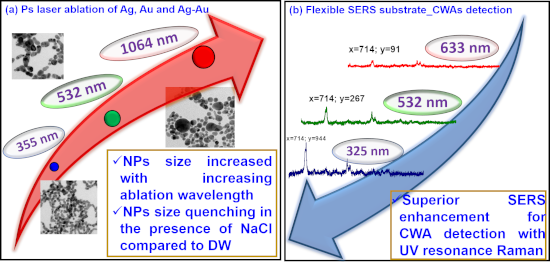
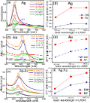
- Abstract The present study investigates the effects of input wavelength (1064, 532, and 355 nm) and surrounding liquid environment (distilled water and aqueous NaCl solution) on the picosecond laser ablation on silver (Ag), gold (Au), and Ag/Au alloy targets. The efficacy of the laser ablation technique
- detect chemical warfare agent (CWA) simulants such as methyl salicylate (a CWA simulant for sulfur mustard) and dimethyl methyl phosphonate (has some structural similarities to the G-series nerve agents) at different laser excitations (325, 532, and 633 nm). A notably higher SERS efficiency for CWA
- implications for developing more efficient and stable SERS substrates for chemical detection applications. Keywords: dimethyl methyl phosphonate; laser material interaction; metal nanoparticles; picosecond laser ablation; SERS; thiram; Introduction Metal nanoparticles (NPs) are versatile materials widely


Interface properties of nanostructured carbon-coated biological implants: an overview
Beilstein J. Nanotechnol. 2024, 15, 1041–1053, doi:10.3762/bjnano.15.85
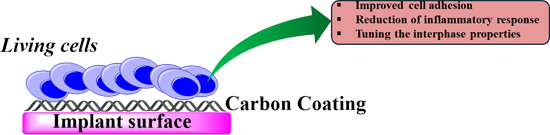
- deposition (PVD), and in situ formation through laser treatments. CVD offers several advantageous features such as a high degree of control over the deposition process. CVD involves the deposition of a thin film of material onto a substrate through homogeneous or heterogeneous reactions [79]. Homogeneous
- of the superior friction reduction achievable using thin ND films as reported by Blum and co-workers [142]. The authors sintered a 75 µm thick layer of NDs onto an aluminum alloy using a focused laser beam and reached a friction coefficient smaller than 0.2. Similar results can be obtained by using



Bolometric IR photoresponse based on a 3D micro-nano integrated CNT architecture
Beilstein J. Nanotechnol. 2024, 15, 1030–1040, doi:10.3762/bjnano.15.84
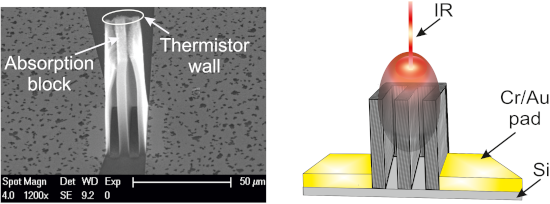
- minimum power that can be detected by the bolometer for a 1 Hz detection bandwidth. The experimental setups for the responsivity and noise measurements included several devices, such as a DC power supply, an IR laser source, an optical chopper (Thorlabs MC2000B), a low-noise transimpedance amplifier (TIA
- ), model HMS 564, an oscilloscope (Tektronix TDS), and a lock-in amplifier (Stanford Research Systems SR510), as shown in Figure 4c,d. The oscilloscope data was read by a computer. The responsivity of the CNT-based microbolometer was characterized using a continuous-wave laser source emitting radiation at
- 980 nm. A Thorlabs compact laser diode controller set the output power to 4 mW. The spot size of the laser beam of 100 μm was accurately determined using the knife edge method [17]. A mechanical chopper was used to modulate the laser beam intensity. The key component in the responsivity measurement


Atomistic insights into the morphological dynamics of gold and platinum nanoparticles: MD simulations in vacuum and aqueous media
Beilstein J. Nanotechnol. 2024, 15, 995–1009, doi:10.3762/bjnano.15.81
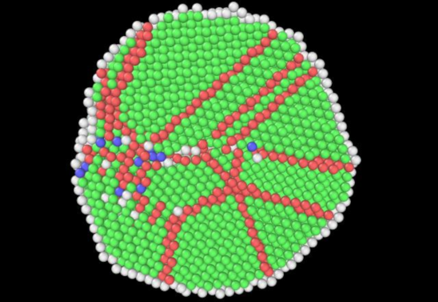
- cooling, is still hindered by several factors. For instance, observing NPs under real working conditions remains a challenge for experimentalists, as the capability to conduct in situ experiments has not yet been fully realized [21]. Experimental methods, such as confocal microscopy [22], laser light





