


Search results
Search for "membranes" in Full Text gives 373 result(s) in Beilstein Journal of Nanotechnology. Showing first 200.
Graphene removal by water-assisted focused electron-beam-induced etching – unveiling the dose and dwell time impact on the etch profile and topographical changes in SiO2 substrates
Beilstein J. Nanotechnol. 2024, 15, 190–198, doi:10.3762/bjnano.15.18
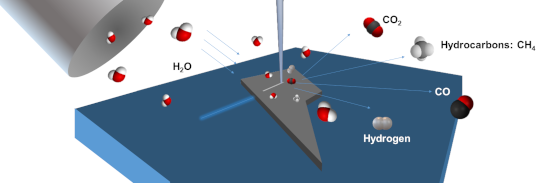
- on the direct delivery of water molecules into the scanning electron microscope chamber. This process is called focused electron-beam-induced etching (FEBIE) and was already demonstrated for thin amorphous carbon membranes a decade ago [15]. Oxygen or water vapor can be used for etching graphene [16


Modification of graphene oxide and its effect on properties of natural rubber/graphene oxide nanocomposites
Beilstein J. Nanotechnol. 2024, 15, 168–179, doi:10.3762/bjnano.15.16
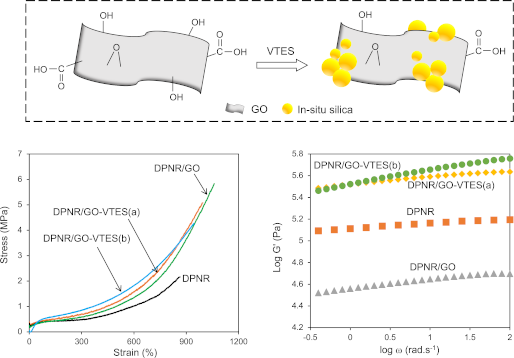
- condensation reaction of VTES to form nanosilica on GO membranes, using both acidic and basic conditions to catalyze these reactions. The hybrid GO/silica fillers could enhance the interaction, dispersion, and properties of various composites. For example, GO/3-aminopropyltriethoxysilane and GO/3






In situ optical sub-wavelength thickness control of porous anodic aluminum oxide
Beilstein J. Nanotechnol. 2024, 15, 126–133, doi:10.3762/bjnano.15.12
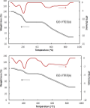
- of science and engineering. However, production of ultrathin PAAO membranes with precise thickness in the optical sub-wavelength range remains challenging because of difficulties regarding process control at the initial stage of anodic oxidation. In this study, we demonstrate a technique for
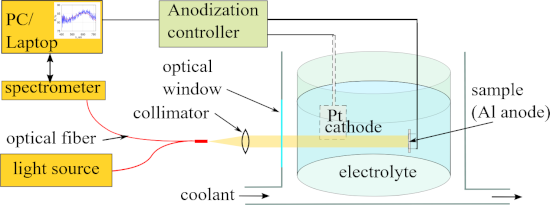
- . This makes it particularly suitable for quality control in the small-scale production of thin PAAO membranes for optical applications and other uses, where precise thickness is of importance. Experimental A dedicated setup (Figure 5) was built and optimized for anodization of 10 mm × 10 mm aluminum


Curcumin-loaded nanostructured systems for treatment of leishmaniasis: a review
Beilstein J. Nanotechnol. 2024, 15, 37–50, doi:10.3762/bjnano.15.4

- areas of the skin, or diffuse when several lesions occur over an extensive area of skin tissue [3]; (ii) mucocutaneous leishmaniasis, which causes total or partial degeneration of the mucous membranes of the nose, mouth, and throat [4], and (iii) visceral leishmaniasis (also known as kala-azar), can
- through biological membranes [13][24]. Therefore, this review focuses on mapping the nanotechnologies used to load curcumin and discussing the increase in the leishmanicidal properties of this drug according to its nanostructured vehicles. Review Leishmaniasis: general aspects Leishmaniasis is a neglected
- favors adsorption by negatively charged cell membranes [103]. Additionally, studies have revealed antileishmanial properties of this polymer against Leishmania parasites, making it attractive for the synthesis of NPs intended for this treatment [56][104]. Therefore, Chaubey and colleagues developed


TEM sample preparation of lithographically patterned permalloy nanostructures on silicon nitride membranes
Beilstein J. Nanotechnol. 2024, 15, 1–12, doi:10.3762/bjnano.15.1

- Abstract We have prepared ferromagnetic nanostructures intended for the investigation of high-frequency magnetization dynamics in permalloy (Py) nanodisks using Lorentz transmission electron microscopy (LTEM) and electron holography. Py nanodisks were fabricated on thin silicon nitride (SiN) membranes
- submicrometer apertures were milled on SiN membranes using a focused ion beam. Furthermore, we have developed a new TEM sample preparation method, where we fabricated Py nanostructures on a bulk substrate with a SiN buffer layer and etched the substrate to create a thin SiN membrane under the Py nanostructure
- information down to the nanometer/atomic scale. However, the corresponding samples need to be prepared on electron-beam-transparent membranes, which are very fragile and can easily break during standard lithography procedures. Although a lift-off approach has been demonstrated [20], alternative methods may be


Elasticity, an often-overseen parameter in the development of nanoscale drug delivery systems
Beilstein J. Nanotechnol. 2023, 14, 1149–1156, doi:10.3762/bjnano.14.95

- barriers besides cellular membranes need to be addressed. A few examples of these barriers are penetration in or permeation through mucus, skin penetration, overcoming the blood brain barrier, or extravasation from blood vessels. Another challenge is the accumulation of particulate drug delivery systems in


Sulfur nanocomposites with insecticidal effect for the control of Bactericera cockerelli
Beilstein J. Nanotechnol. 2023, 14, 1106–1115, doi:10.3762/bjnano.14.91

- formulations, and reduce the amount of insecticide required for pest control [22]. Nanoparticles are known for their insecticidal properties; they interact with the cell membranes of the insects, causing the denaturation of organelles and enzymes, oxidative stress, and cell death [23][24]. Essential oils are



Spatial mapping of photovoltage and light-induced displacement of on-chip coupled piezo/photodiodes by Kelvin probe force microscopy under modulated illumination
Beilstein J. Nanotechnol. 2023, 14, 1059–1067, doi:10.3762/bjnano.14.87

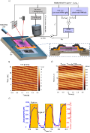
- spatially map voltage-induced oscillation of various sizes of piezoelectric membranes without the photodiode to investigate their position- and size-dependent displacement. Keywords: Kelvin probe force microscopy (KPFM); light-driven micro/nano systems; piezoelectric membrane; surface photovoltage (SPV
- each function of the components on the overall motion behavior. A variety of characterization techniques, such as white light interferometry, laser Doppler vibrometry (LDV), and double-beam laser interferometry (DBLI) have been used to determine the displacement of piezoelectric membranes [9][10
- previously been developed and reported by our group [32]. In further investigations, we used time-dependent AFM to determine the voltage-induced displacement of solely piezoelectric membranes without the photodiode. This experiment was performed to probe the local electromechanical properties of the


Green SPIONs as a novel highly selective treatment for leishmaniasis: an in vitro study against Leishmania amazonensis intracellular amastigotes
Beilstein J. Nanotechnol. 2023, 14, 893–903, doi:10.3762/bjnano.14.73

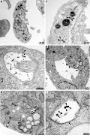
- different sizes. Furthermore, at high magnification, it is possible to observe that the SPIONS are frequently surrounded by membranes (Figure 3B, arrows). In addition, SPIONs were also observed inside the flagellar pocket (Figure 3C, arrowheads) and closely associated with the membrane. The uptake of SPIONs




Nanoarchitectonics for advanced applications in energy, environment and biology: Method for everything in materials science
Beilstein J. Nanotechnol. 2023, 14, 738–740, doi:10.3762/bjnano.14.60
- also discuss coordination-assembled myricetin nanoarchitectonics [32], nanoarchitectonics for membranes with enhanced gas separation capabilities [33], nanoarchitectonics of the cathode of Li–O2 batteries [34], nanoarchitectonics in moist-electric generation [35], nanoarchitectonics for drug delivery

Suspension feeding in Copepoda (Crustacea) – a numerical model of setae acting in concert
Beilstein J. Nanotechnol. 2023, 14, 603–615, doi:10.3762/bjnano.14.50

- a basis to unravel the interplay between the feeding structures of suspension feeders, the preferred food, and the gathering performance. Additionally, it could open new avenues in the development of new filtration technologies (e.g., mucus-like filter media or bioinspired membranes) that use


On the use of Raman spectroscopy to characterize mass-produced graphene nanoplatelets
Beilstein J. Nanotechnol. 2023, 14, 509–521, doi:10.3762/bjnano.14.42
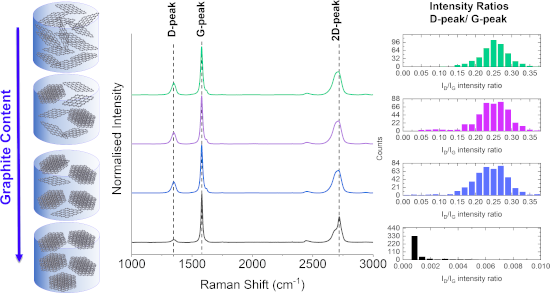
- was then vacuum-filtered through alumina membranes (20 nm pore size), rinsed with IPA to remove residual NMP, and dried in a vacuum oven at 60 °C overnight. For samples 2 to 7, 3 mL of the dispersion was filtered, while for sample 1, ca. 30 mL was used to ensure adequate coverage of the membrane


Conjugated photothermal materials and structure design for solar steam generation
Beilstein J. Nanotechnol. 2023, 14, 454–466, doi:10.3762/bjnano.14.36
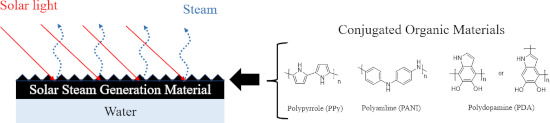
- on conjugated organic materials. Conjugated organic materials are processed into fibers, membranes, and porous structures. Therefore, nanostructure design based on the concept of nanoarchitectonics is crucial to achieve high SSG efficiency. We discuss the considerations for designing SSG absorbers
- ratio, high porosity, and high mass transport. Therefore, they are often applied to SSG absorbers along with other macrostructures such as membranes and foams [29][52][53][54][55]. One noticeable example is the study of nanofiber-based light-trapping coatings [29]. Ma et al. proposed an ultrasonic spray
- applied on top of the PS insulator without the need for an additional water transport layer. Membranes Janus structural membranes with hydrophilic and hydrophobic surfaces are key structures for highly efficient SSGs. Such Janus membranes can be easily produced by filtering or coating hydrophilic


Plasmonic nanotechnology for photothermal applications – an evaluation
Beilstein J. Nanotechnol. 2023, 14, 380–419, doi:10.3762/bjnano.14.33




The steep road to nonviral nanomedicines: Frequent challenges and culprits in designing nanoparticles for gene therapy
Beilstein J. Nanotechnol. 2023, 14, 351–361, doi:10.3762/bjnano.14.30
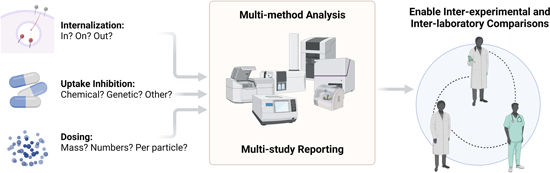
- should be closely monitored, as cell death can be misinterpreted as efficient inhibition, especially in metabolism-based assays. For these inhibitors that involve the permeablization of plasma membranes, such as filipin III, appropriate controls for plasma membrane integrity during the inhibition
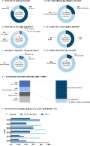

Overview of mechanism and consequences of endothelial leakiness caused by metal and polymeric nanoparticles
Beilstein J. Nanotechnol. 2023, 14, 329–338, doi:10.3762/bjnano.14.28

- NP interaction with cell membranes in order to eliminate the participation of transcellular transport was also investigated. In fact, TEM micrographs revealed a small number of 18 nm AuNPs undergoing endocytosis. However, subsequent studies with a cocktail of endocytosis inhibitors confirmed the


Recent progress in cancer cell membrane-based nanoparticles for biomedical applications
Beilstein J. Nanotechnol. 2023, 14, 262–279, doi:10.3762/bjnano.14.24

- nanoparticles exhibit various effects (e.g., homotypic targeting, prolonging drug circulation, regulating the immune system, and penetrating biological barriers) after encapsulation by cancer cell membranes. The sensitivity and specificity of diagnostic methods will also be improved by utilizing the properties
- of cancer cell membranes. In this review, different properties and functions of cancer cell membranes are presented. Utilizing these advantages, nanoparticles can exhibit unique therapeutic capabilities in various types of diseases, such as solid tumors, hematological malignancies, immune system
- membranes, provides a new approach to address NP deficiencies [9]. The encapsulation of NPs with cell membranes can endow the NPs with biomimetic functions and replicate the biological characteristics derived from the original cells, such as the immune evasion of erythrocytes [10] and platelets [11] and the


Cyclodextrins as eminent constituents in nanoarchitectonics for drug delivery systems
Beilstein J. Nanotechnol. 2023, 14, 218–232, doi:10.3762/bjnano.14.21
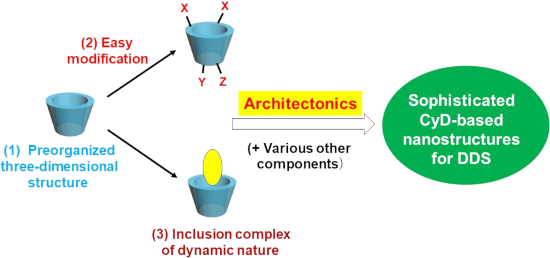
- applications. However, nucleic acids are intrinsically unstable in serum and do not readily cross the cellular plasma membranes. Accordingly, it is a big challenge to deliver them in the intact form into target cells. Conventional gene transfection reagents are not very good candidates, since multiple positive
- charges of high density can damage the membranes and organelles of normal cells. With the use of CyD-based DDSs, however, high transfection efficiency and low cytotoxicity have been accomplished with minimal immune stimulation. The preorganized three-dimensional molecular structure of CyD as well as the
- photocatalytic process destroy subcellular structures (e.g., cell membranes or organelle membranes). Various types of cancers are effectively treatable without significant side effects. However, most photosensitizers available at present are hydrophobic and easily aggregate in aqueous solution. Thus, the




A novel approach to pulsed laser deposition of platinum catalyst on carbon particles for use in polymer electrolyte membrane fuel cells
Beilstein J. Nanotechnol. 2023, 14, 190–204, doi:10.3762/bjnano.14.19
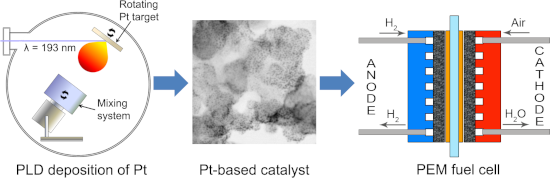
- electric power generation. Among various fuel cells, polymer electrolyte membrane fuel cells (PEMFCs) have received considerable attention because of several physicochemical advantages over other fuel cell types [1][2][3][4][5]. PEMFCs, constructed of polymer electrolyte membranes as the proton conductor
- cost of PEMFCs depend on the materials used to construct their major components, which are anode, cathode, and polymer electrolyte membranes [3][6]. Therefore, supplying good-performance materials with controlled nanostructures to fuel cell technology is a crucial issue [7]. One solution to this
- catalysts in a membrane electrode assembly (MEA) of PEMFCs fed with H2/air. The materials with Pt deposited on Vulcan XC-72R (samples A and B), like commercial catalysts, formed a good quality catalyst layer on the Nafion membranes. However, we encountered some issues during electrode preparation from the



Intermodal coupling spectroscopy of mechanical modes in microcantilevers
Beilstein J. Nanotechnol. 2023, 14, 123–132, doi:10.3762/bjnano.14.13

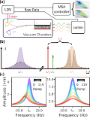
- coupling was proven in doubly clamped beams, square membranes and circular membranes [18][26][27][28][29][30][31]. For atomic force microscopy imaging, a slight angle between the sensing mechanical resonator and the sample of interest is required, ensuring that the only contact occurs between the sample


Frequency-dependent nanomechanical profiling for medical diagnosis
Beilstein J. Nanotechnol. 2022, 13, 1483–1489, doi:10.3762/bjnano.13.122
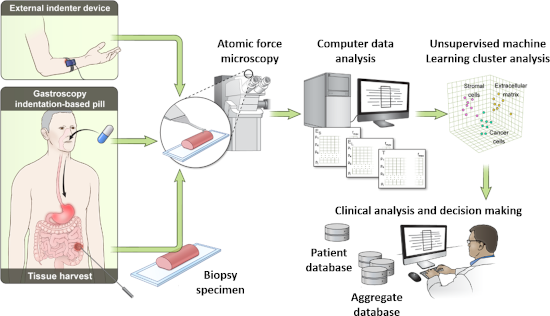
- optical imaging, the device could be equipped with one or more piezoelectrically excited membranes coupled with a sensing mechanism, such as an AFM cantilever or other type of mechanical sensor (similar stand-alone developments already exist [31][32]). The mechanical response of the membrane could be


Straight roads into nowhere – obvious and not-so-obvious biological models for ferrophobic surfaces
Beilstein J. Nanotechnol. 2022, 13, 1345–1360, doi:10.3762/bjnano.13.111
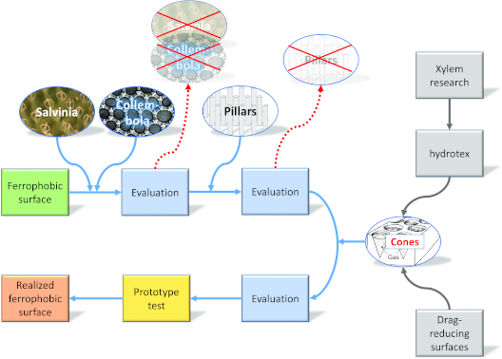
- segmentation of the water conduit network into compartments. Each pit pore connects two conduits, and this joint pore space is separated by a special nanoporous membrane, the pit membrane (Figure 4). When a conduit becomes dysfunctional due to embolism, the nanopores within the pit membranes prevent the


Roll-to-roll fabrication of superhydrophobic pads covered with nanofur for the efficient clean-up of oil spills
Beilstein J. Nanotechnol. 2022, 13, 1228–1239, doi:10.3762/bjnano.13.102

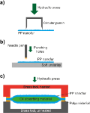
- , mixtures of oil (nonpolar) and water (polar) are easily separated. A promising application of nanofur is therefore the cleaning of oil spills [23][31]. This behavior can be also utilized for the fabrication of membranes that filter oil out of water (or vice versa) [17]. For that, the nanofur is perforated




Design of surface nanostructures for chirality sensing based on quartz crystal microbalance
Beilstein J. Nanotechnol. 2022, 13, 1201–1219, doi:10.3762/bjnano.13.100
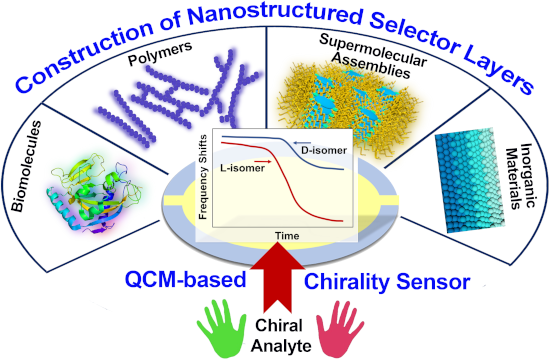
- recognition of biomolecules (Figure 2) [38]. The sensing films of poly(EDOT-OH) with either R or S chirality were directly synthesized on the surface of the QCM electrode and engineered with different morphologies of nanotubular arrays and smooth membranes. The binding effects of fetal bovine serum, RGD
- -alanine was 307.97% more enantioselective than ᴅ-alanine. Similar enantioselectivity could also be achieved by Al/ʟ-Cys MLD films [123]. The methodology is also versatile and promising for the deposition of chiral thin films over any substrates or membranes of interest, which may promote the exploration
- oligomers, and the subsequent fibrillation process. The results give interesting insights into the crucial roles of biological membranes on protein amyloidosis, and how intrinsic chirality contributes to this process. It also brings the prospect of chiral-modified carbon nanostructures for biological and


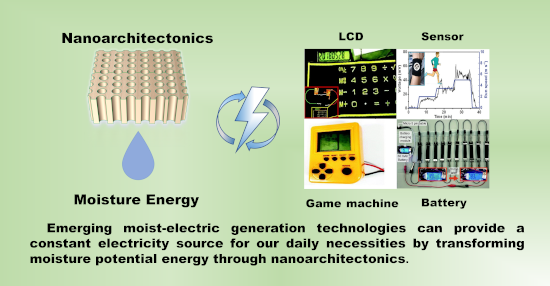
Application of nanoarchitectonics in moist-electric generation
Beilstein J. Nanotechnol. 2022, 13, 1185–1200, doi:10.3762/bjnano.13.99
- liquids, the selection of ion-permeable membranes, and the effects of surface functional groups are discussed in detail in the paper and will not be repeated here. By adding an ion-selective membrane, ion concentration diffusion can take place in the fluid, not just in the bulk material. This innovation





