


Search results
Search for "substrate" in Full Text gives 1410 result(s) in Beilstein Journal of Nanotechnology. Showing first 200.
Supramolecular hydration structure of graphene-based hydrogels: density functional theory, green chemistry and interface application
Beilstein J. Nanotechnol. 2025, 16, 806–822, doi:10.3762/bjnano.16.61
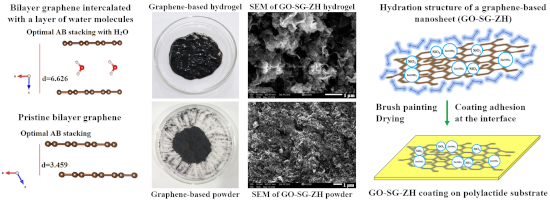
- , leading to facile brush coating on plastic films of polylactide (PLA). Dehydrated GO-SG-ZH coating is adhered to the PLA substrate through interfacial interactions. Furthermore, antibacterial activities, coating stability, and mechanical properties of the nanocomposite materials were investigated and
- graphene-based nanosheets adhere to the substrate through electrostatic interaction, hydrogen bonding, and van der Waals interaction (Figure 2d). Experimentally, GO nanosheets, SG, nanoparticles, and SG-ZH nanoparticles were synthesized and separately characterized as exhibited in SEM images in Figure 3a–c
- resulted in the transparency decline of 19% due to the white color of ZH nanoparticles and black color of GO nanosheets. Microscopic structures of the GO-SG-ZH coating on a PLA film were observed and imaged using the optical stereo microscope. Since the PLA substrate was almost transparent, pictures in


Morphology and properties of pyrite nanoparticles obtained by pulsed laser ablation in liquid and thin films for photodetection
Beilstein J. Nanotechnol. 2025, 16, 785–805, doi:10.3762/bjnano.16.60
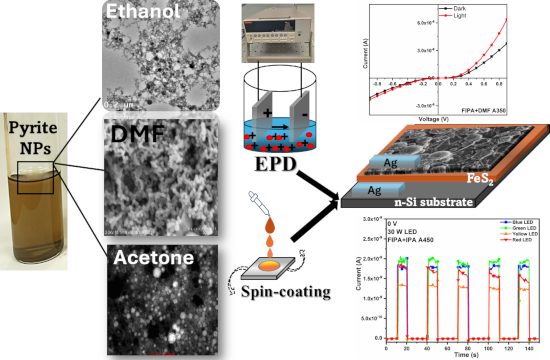
- synthesized by PLAL. FeS2 NPs were successfully synthesized in five different solvents, along with a minor phase of iron sulfide (FeS). Additionally, by combining electrophoretic deposition and spin-coating techniques, thin film photodiodes of FeS2 were fabricated on an n-type Si substrate utilizing the
- a large range of applications. This method does not require expensive equipment or expert labor, and the coatings produced are generally quite homogenous. Other benefits include quick deposition, no substrate shape constraint, application to any material that is available as a fine powder or charged
- film deposition technique where a substrate surface can be uniformly coated by spreading an evenly distributed layer of a desired material ink (in this case, NPs in a solvent) across the surface of the rotating substrate [30]. With these benefits, EPD and spin coating can be described as






Thickness dependent oxidation in CrCl3: a scanning X-ray photoemission and Kelvin probe microscopies study
Beilstein J. Nanotechnol. 2025, 16, 749–761, doi:10.3762/bjnano.16.58
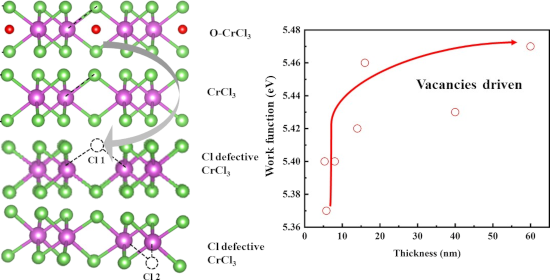
- [2][11][8][10], focusing on thin layered flakes and the role of the layer thicknesses obtained by spectro- and scanning microscopy with a lateral resolution of a few tens of nanometers. The interaction with the supporting substrate is a crucial factor [3][12] regarding the properties of the flakes
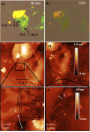
- optical microscope. Therefore, we opted for an alternative substrate, indium tin oxide (ITO), to conduct the SPEM measurements on thinner layers. Figure 1 gives a direct comparison of AFM images and O.C. on the 1 nm SiO2/Si substrate. Optical contrast, AFM image, and a complete series of profiles showing
- layer thicknesses are given. To overcome the visibility barrier, systematic optical and AFM studies were performed for CrCl3 flakes on an ITO substrate and are reported for comparison in Figure 2a,b. Based on the colors of the flakes seen in the optical microscope images, an interval of thickness values





Serum heat inactivation diminishes ApoE-mediated uptake of D-Lin-MC3-DMA lipid nanoparticles
Beilstein J. Nanotechnol. 2025, 16, 740–748, doi:10.3762/bjnano.16.57
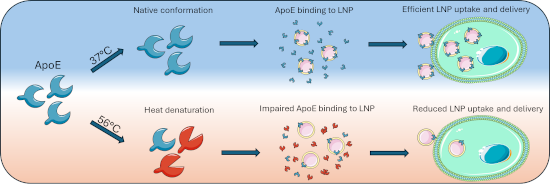
- short, after LNP uptake, the first reagent is added to the cells to lyse them and provide firefly luciferase substrate. After 10 min incubation at rt, the lysates are transferred to white lumitrac 96-well plates (Greiner) and firefly luminescence is measured using a Spectramax iD3 plate reader
- (Molecular Devices). Subsequently, the second reagent is added which quenches firefly luminescence and provides the Renilla substrate. After 10 min, Renilla luminescence is measured as an internal control to account for any non-specific luciferase activity knockdown such as treatment induced cell death. A


Nanostructured materials characterized by scanning photoelectron spectromicroscopy
Beilstein J. Nanotechnol. 2025, 16, 700–710, doi:10.3762/bjnano.16.54
- expensive III–V materials to the active device area. The flexible geometry of nanowires standing upright on their growth substrate directly leads to gate-all-around metal-oxide-semiconductor stacks [23][24], and advanced electronic device designs such as nanowire tunneling field-effect transistors [24] or
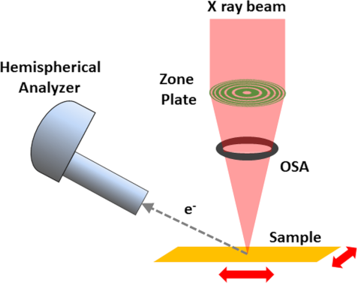
- few nanometers along the entire nanowire. For operando SPEM measurements, nanowires were transferred onto a prepatterned device template with flat, individually contacted Au/Ti electrodes deposited onto a SiO2/Si substrate, separated by a 1.5 µm wide insulating gap. Optical microscopy images of the


High-temperature epitaxial growth of tantalum nitride thin films on MgO: structural evolution and potential for SQUID applications
Beilstein J. Nanotechnol. 2025, 16, 690–699, doi:10.3762/bjnano.16.53
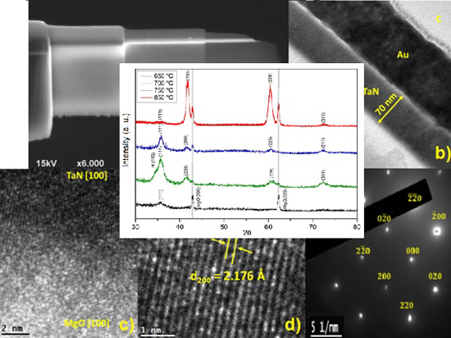
- using pulsed laser deposition (PLD). This research investigates the influence of varying deposition parameters, including substrate temperature and ambient gas composition, on the structural, morphological, and superconducting properties of the films. X-ray photoelectron spectroscopy, X-ray diffraction
- diffusion barrier with potential application for microelectronics were fabricated [10][11]. In contrast, the stoichiometric mononitride TaN phase with face-centered cubic (FCC) structure exhibits superconductivity with a Tc of 8.15 K [12]; when the thin films were grown epitaxially on an FCC substrate, Tc
- the present work, superconducting TaN thin films were synthesized using PLD. A high-purity Ta target was ablated in a N2 atmosphere while the N2 pressure was varied to investigate its effect on film properties. The substrate temperature was systematically altered to explore its impact on the growth


Colloidal few layered graphene–tannic acid preserves the biocompatibility of periodontal ligament cells
Beilstein J. Nanotechnol. 2025, 16, 664–677, doi:10.3762/bjnano.16.51
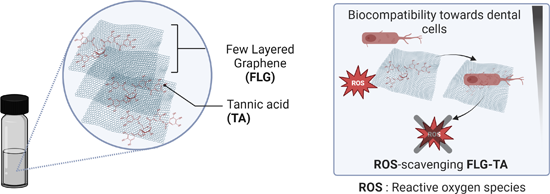
- research indicating that TA coatings markedly enhanced the adhesion and proliferation of human liver cancer cells, specifically HepG2, on the PDMS substrate when compared to pristine PDMS [37]. TA may possibly play a role in cellular adhesion mechanisms, potentially through surface protein interactions
- . The cellular response on different graphene surfaces was previously studied, and it was demonstrated that substrate characteristics such as surface roughness, surface chemistry, and electronic properties can influence cell response [38]. The implications of these results are particularly significant
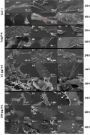
- recognized as a reliable metric for cellular health and substrate attachment quality [39][40]. Confocal micrographs (Figure 7A) demonstrated a well-preserved actin filament architecture across all evaluated FLG–TA concentrations (1, 25, and 200 µg·mL−1), thereby substantiating our prior assessments of




Nanoscale capacitance spectroscopy based on multifrequency electrostatic force microscopy
Beilstein J. Nanotechnol. 2025, 16, 637–651, doi:10.3762/bjnano.16.49
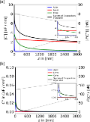
- mechanical resonance. All spectra were normalized against a reference spectrum recorded on the bare substrate far away from the capacitors to compensate any frequency response arising from the stray capacitance in the signal paths and cantilever. The electrostatic signal of the capacitor C3 showed a drop at
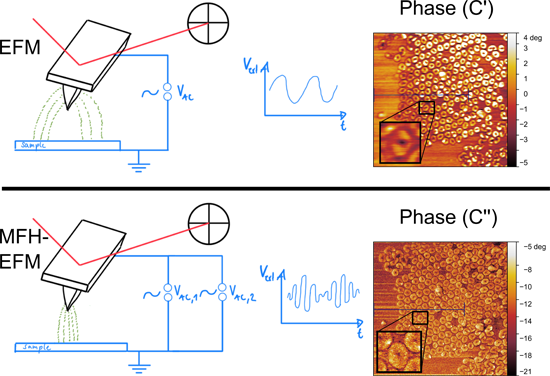
- parts [93], leading to a strong nanoscale contrast in the dielectric signal. On the silicon substrate, F14H20 formed groups of spherical particles with a diameter of 40 ± 5 nm (Figure 7a) [94][95]. Simultaneously with the topography, we recorded the C″ amplitude and phase at electrical excitation
- frequencies of 1.59 and 1.98 MHz. In the dielectric spectroscopy images, we see a sharp contrast between the F14H20 particles and the silicon substrate, both in C′ (Figure 7b,c) and C″ (Figure 7d,e). Within all images, the particles exhibit a lower amplitude signal than the surroundings [95]. The latter is




Focused ion and electron beams for synthesis and characterization of nanomaterials
Beilstein J. Nanotechnol. 2025, 16, 613–616, doi:10.3762/bjnano.16.47
- the substrate. Metallic structures can be fabricated directly or through post-purification methods, such as water-assisted treatment, which has been effective for Au and Pt deposits [10]. Interestingly, morphological changes in the underlying SiO2 layer were observed during the process, resembling

Feasibility analysis of carbon nanofiber synthesis and morphology control using a LPG premixed flame
Beilstein J. Nanotechnol. 2025, 16, 581–590, doi:10.3762/bjnano.16.45
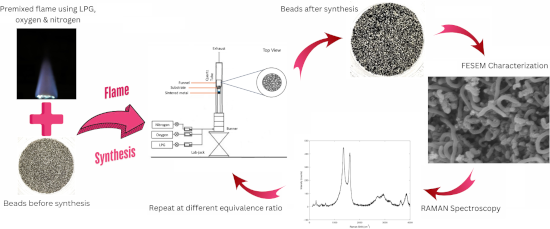
- optimization of CNT/CNF synthesis in flame environments. An ethylene/air co-flow, non-premixed flame was used with a catalyst substrate of iron, nickel, and platinum wires of 0.1–0.25 mm diameter. The study found that carbon monoxide is a major contributor to CNT formation in flames, and the model also showed
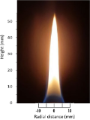
- sidewalls, while the G′ peak at 2500–2900 cm−1 represents photon–phonon interactions [22]. To the best of our knowledge, the present study describes the first flame synthesis using a LPG premixed flame and a spherical substrate for CNF growth. The characteristics of the LPG premixed flame are studied with
- impregnated beads Zirconia beads of 0.30 mm diameter were selected as a substrate. The beads were cleaned by sonication in ethanol followed by rinsing with distilled water; the rinsed beads were dried in an oven to remove contaminants. The cleaned zirconia beads were impregnated with nickel catalyst to be



Retrieval of B1 phase from high-pressure B2 phase for CdO nanoparticles by electronic excitations in CdxZn1−xO composite thin films
Beilstein J. Nanotechnol. 2025, 16, 551–560, doi:10.3762/bjnano.16.43
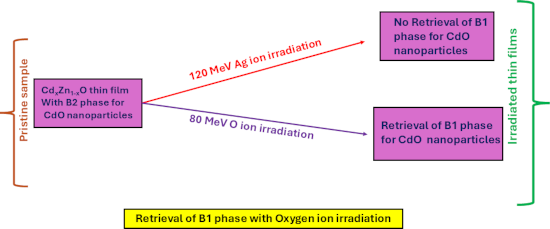
- are predominantly attributed to the silicon substrate, with notable peaks at 303, 520, 620, and 671 cm−1. The peak at 435.9 cm−1 corresponds to the E2(H) mode characteristic of the wurtzite ZnO phase [17]. The persistence of the E2(high) mode across all O and Ag ion irradiated thin films, indicates
- interdiffusion at the interface between the CdxZn1−xO (x = 0.4) alloy film and the Si wafer substrate [24]. This process initiates significant diffusion of Si atoms, starting at the film–substrate interface and extending into the thin film layer, leading to the formation of Si–O bonds. At an annealing
- temperature of 900 °C, Si diffusion intensifies, resulting in an increased thickness of the amorphous silicon oxide layer at the film–substrate interface [24]. The interdiffusion of Si, O, Cd, and Zn atoms near the SiOx layer (i.e., at the substrate–film interface) facilitates the formation of willemite


Electron beam-based direct writing of nanostructures using a palladium β-ketoesterate complex
Beilstein J. Nanotechnol. 2025, 16, 530–539, doi:10.3762/bjnano.16.41
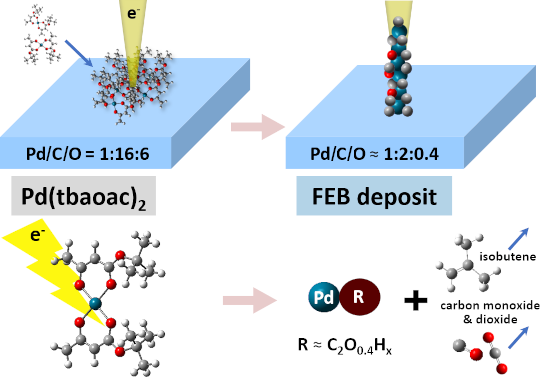
- ][11][12] properties at the nanometer scale. One method that is capable of creating such nanostructures is focused electron beam-induced deposition (FEBID) [13][14][15][16][17][18][19][20][21][22][23]. In this technique, a focused electron beam decomposes adsorbed molecules on a substrate in vacuum
- , resulting in a localized deposit at the irradiated area. When the precursor is delivered to the substrate in its gaseous form through a gas injection system (GIS), the process is termed as gas-assisted FEBID [23], commonly called FEBID. Variants such as liquid FEBID [24] and cryo-FEBID [25] also exist
- , though they follow a two-step process similar to lithography techniques [26]. Since the dissociation of molecules under an electron beam on the substrate can follow multiple pathways, the deposition parameters can greatly influence the composition, leading to the creation of novel materials [27


N2+-implantation-induced tailoring of structural, morphological, optical, and electrical characteristics of sputtered molybdenum thin films
Beilstein J. Nanotechnol. 2025, 16, 495–509, doi:10.3762/bjnano.16.38
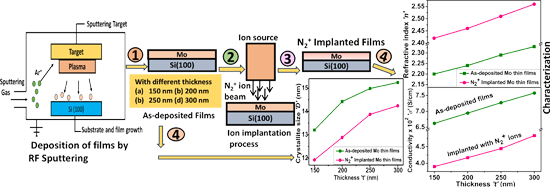
- of the as-deposited and N2+-implanted Mo films increases from 13.22 to 15.24 nm and from 11.92 to 14.42 nm with an increase in thickness from 150 to 300 nm, respectively. This variation may relate to several factors involving film growth and substrate interactions. Thicker films (i.e., 250 and 300 nm
- the formation of certain planes [41]. Furthermore, the interaction between the substrate and the thin film can generate stress and strain, affecting the growth of specific planes. If the substrate promotes the (111) orientation through lattice compatibility, the resultant Mo thin film exhibits a


Performance optimization of a microwave-coupled plasma-based ultralow-energy ECR ion source for silicon nanostructuring
Beilstein J. Nanotechnol. 2025, 16, 484–494, doi:10.3762/bjnano.16.37
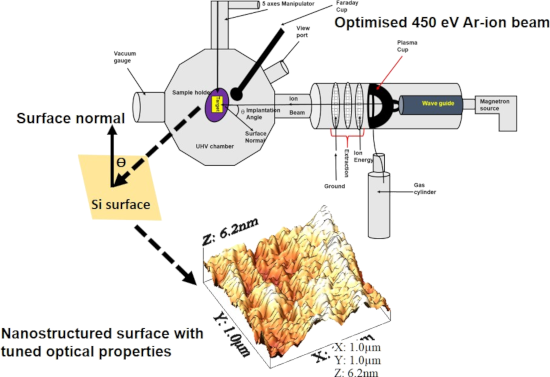
- maximum eccentric tilt angle of ±70°. Sample preparation for cross sectional TEM measurement involved mechanically grinding the substrate into a circular disk with a diameter of 3 mm and a thickness of approximately 100 μm. The disk was then subjected to dimpling to achieve uniform thinning. To further


Impact of adsorbate–substrate interaction on nanostructured thin films growth during low-pressure condensation
Beilstein J. Nanotechnol. 2025, 16, 473–483, doi:10.3762/bjnano.16.36
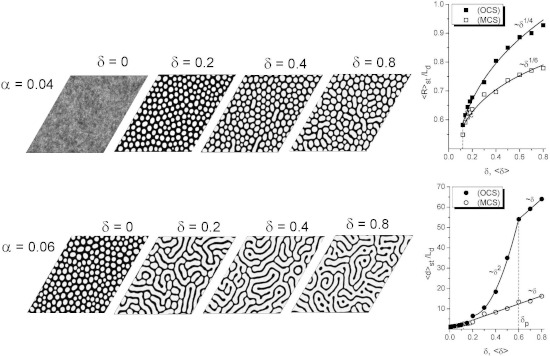
- elastic adsorbate–substrate interactions in processes of nanostructuring of thin films during low-pressure condensation in the framework of theoretical approaches and numerical simulations. It will be shown that an increase in the elastic interaction strength induces first-order transitions and pattern
- formation. We simulate deposition on one- and multicomponent substrates with different strengths of adsorbate–substrate interactions. We will show that an increase in the strength of adsorbate–substrate interactions stimulates the formation of stable surface structures during deposition, which leads to an
- increase in its coverage and the formation of a smaller number of adsorbate islands of larger size. At elevated adsorption rates, an increase in adsorbate–substrate interactions results in the transformation of the surface morphology and the formation of percolating adsorbate structures. Deposition onto


Synthetic-polymer-assisted antisense oligonucleotide delivery: targeted approaches for precision disease treatment
Beilstein J. Nanotechnol. 2025, 16, 435–463, doi:10.3762/bjnano.16.34
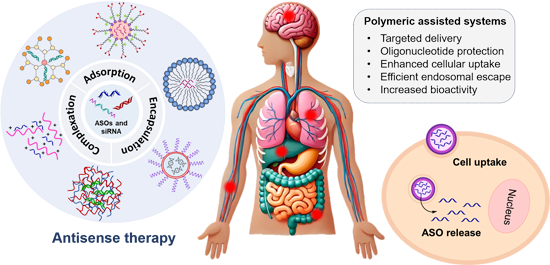
- design, ASOs can regulate protein expression by either knocking down mRNA transcripts or modulating the pre-mRNA splicing process (Figure 2). RNase H-dependent ASOs promote mRNA cleavage by forming stable RNA–DNA hybrids, which serve as enzymatic substrate for RNase H activation, thereby reducing RNA


Biomimetics and bioinspired surfaces: from nature to theory and applications
Beilstein J. Nanotechnol. 2025, 16, 418–421, doi:10.3762/bjnano.16.32
- , substrate compliance, and overall pad geometry. The attachment system of a second stick insect species was structurally investigated by Thomas et al. [4]. This article employed a range of imaging techniques to elucidate the ultrastructure and material composition of the two attachment pad types of this

ReactorAFM/STM – dynamic reactions on surfaces at elevated temperature and atmospheric pressure
Beilstein J. Nanotechnol. 2025, 16, 397–406, doi:10.3762/bjnano.16.30
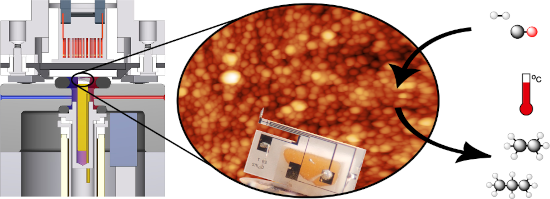
- conductive substrate limits STM techniques in relevant industrial applications involving such more complex catalysts. For this reason, an atomic force microscopy (AFM) version of the high-pressure STM employing a quartz tuning fork (QTF) was introduced to overcome this limitation [16]. Unlike STM, which uses
- damping for vibration isolation. The sample holder (highlighted in blue in Figure 2a is inserted by locking the spring mechanism with the locking bellow and then fixed to the microscope by inflating the “reactor” bellow. The substrate can be heated from behind by electron bombardment using a tungsten
- place, with QMS data of the product gases during reaction. In this experiment, the substrate is an aluminum oxide layer through which electrons cannot tunnel and, thus, cannot be studied by STM methods. Before presenting these high-temperature, high-pressure experiments, we show the temperature


Tailoring of physical properties of RF-sputtered ZnTe films: role of substrate temperature
Beilstein J. Nanotechnol. 2025, 16, 333–348, doi:10.3762/bjnano.16.25
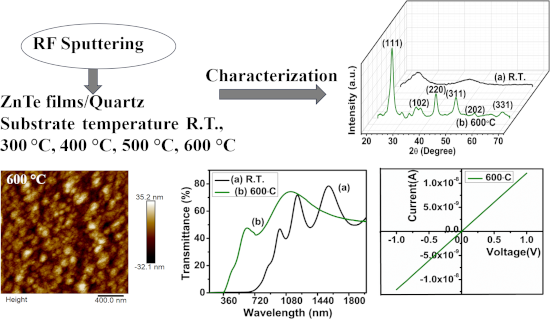
- °C, and 600 °C using RF sputtering. The thickness of the films has been found to decrease from 940 nm at room temperature to 200 nm at 600 °C with increasing substrate temperature. The structural investigation using grazing incidence angle X-ray diffraction revealed that films deposited at room
- temperature are amorphous; those deposited at other substrate temperatures are polycrystalline with a cubic zincblende structure and a preferred orientation along the [111] direction. An increase in crystallite size (from 37.60 ± 0.42 Å to 68.88 ± 1.04 Å) is observed with increased substrate temperature. This
- leads to a reduction in microstrain and dislocation density. The optical studies using UV–vis–NIR spectroscopy reveal that the transmittance of films increases with substrate temperature. Further, the shift in transmittance threshold towards lower wavelengths with substrate temperature indicates that




Graphene oxide–chloroquine conjugate induces DNA damage in A549 lung cancer cells through autophagy modulation
Beilstein J. Nanotechnol. 2025, 16, 316–332, doi:10.3762/bjnano.16.24
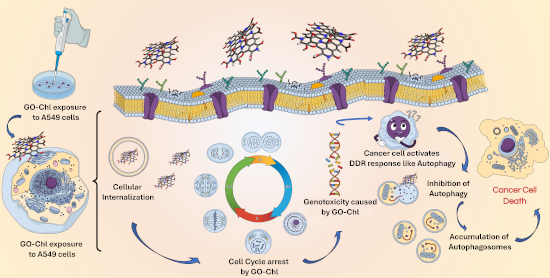
- processes [73]. Recent studies reveal the importance of p62 in regulating cell death processes, harnessing the DNA-damage response capability, and inducing complex signaling networks responsible for cellular detoxification [73][74]. Most importantly, it was found that the autophagy substrate SQSTM1/p62



Fabrication and evaluation of BerNPs regarding the growth and development of Streptococcus mutans
Beilstein J. Nanotechnol. 2025, 16, 308–315, doi:10.3762/bjnano.16.23
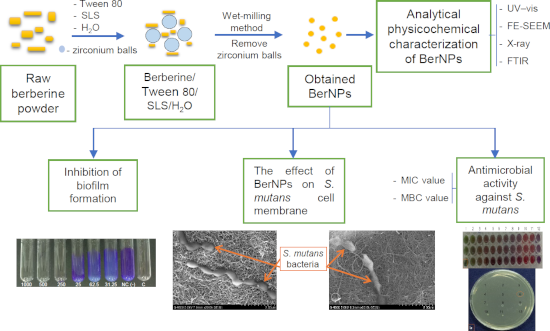
- tubes were incubated at 37 °C. After 24 h, the samples were fixed onto a graphite substrate, and FE-SEM imaging was performed. Inhibition of biofilm formation The Crystal Violet Biofilm Assay was used to evaluate the biofilm formation of S. mutans [43]. BerNPs solution was diluted in TSB + 1% sucrose




Correction: AFM-IR investigation of thin PECVD SiOx films on a polypropylene substrate in the surface-sensitive mode
Beilstein J. Nanotechnol. 2025, 16, 252–253, doi:10.3762/bjnano.16.19
Probing the potential of rare earth elements in the development of new anticancer drugs: single molecule studies
Beilstein J. Nanotechnol. 2025, 16, 187–194, doi:10.3762/bjnano.16.15
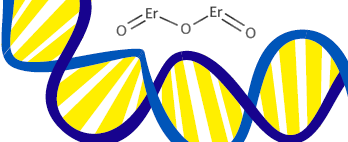
- prepared in a microtube and allowed to equilibrate for ca. 30 min. Then, an aliquot of 20 μL is deposited on the substrate and completely dried, first with nitrogen at ambient temperature (≈25 °C) and then in a fridge (4 °C) for 12 h. The 3 kbp DNA was used here to allow for the visualization of various


A review of metal-organic frameworks and polymers in mixed matrix membranes for CO2 capture
Beilstein J. Nanotechnol. 2025, 16, 155–186, doi:10.3762/bjnano.16.14
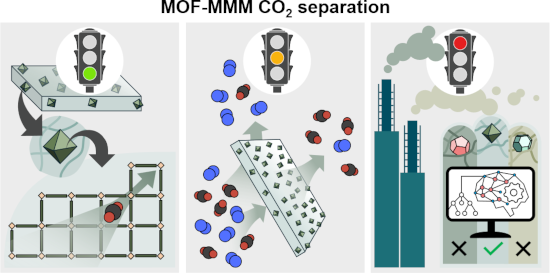
- preparing flat sheet MOF-based MMMs through various techniques. Conventionally, flat-sheet MOF-based MMMs are prepared by casting a precursor slurry of the membrane polymer with well-dispersed MOF particles onto a glass plate or support substrate [87][89]. As seen in Figure 4a, the precursor mixture can be
- suited for industrial applications [80][87]. Both membrane types are typically prepared through simple solution casting. For symmetric membranes, the precursor slurry is cast in a thick layer on a rigid flat substrate, such as a glass or Teflon® petri dish. For asymmetric membranes, the slurry is cast in




Advanced atomic force microscopy techniques V
Beilstein J. Nanotechnol. 2025, 16, 54–56, doi:10.3762/bjnano.16.6
- carry out a more detailed characterization of the optoelectronic properties. Rothhardt et al. map the local work function on graphene nanoribbons [7]. They experimentally investigate the charge transfer between a gold substrate and graphene nanoribbons and compare that to DFT calculations. Indeed, the
- inaccuracy caused by electrostatic or capillary forces, this is an additional mechanism having an impact on AFM height measurements. Closely related is the measurement of conductivity. Skolaut et al. investigate conductivity in dependence on the roughness of the substrate using alkanethiol self-assembled



