

Search results
Search for "light" in Full Text gives 1542 result(s) in Beilstein Journal of Nanotechnology. Showing first 200.
A calix[4]arene-based supramolecular nanoassembly targeting cancer cells and triggering the release of nitric oxide with green light
Beilstein J. Nanotechnol. 2025, 16, 1003–1013, doi:10.3762/bjnano.16.75
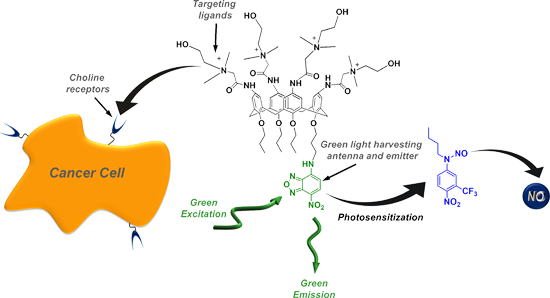
- cancer cells that overexpress the choline transporters, and it can be visualized thanks to the fluorescent tag. The fluorogenic unit also acts as a green light harvesting center, making the nanoassembly a photo-nanoreactor able to encapsulate a hydrophobic nitric oxide (NO) photodonor, otherwise
- activatable with blue light, and encouraging the NO release with the more biocompatible green light probably by an intra-cage photoinduced electron transfer. Keywords: calixarenes; cell targeting; fluorescence; light; nitric oxide; Introduction Calix[n]arenes are a family of polyphenolic macrocycles
- ][27][28][29][30][31][32][33][34][35][36]. The strict dependence of the NO effects on site and doses [37] has made NO generation accurately controlled by light stimuli through suitable NO photodonors (NOPDs) a hot topic in the emerging area of photopharmacology [38][39]. Many molecular systems


Time-resolved probing of laser-induced nanostructuring processes in liquids
Beilstein J. Nanotechnol. 2025, 16, 968–1002, doi:10.3762/bjnano.16.74
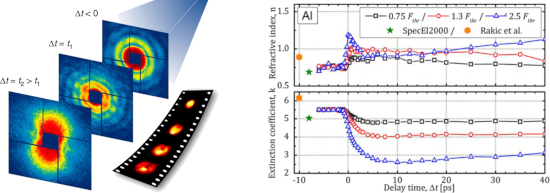
- , we describe structural pathways for particle generation, fragmentation, and energy coupling to the liquid environment to establish a mechanistic knowledge of fundamental and applied processes. The first chapter entitled “Ultrafast light–matter interaction directly observed via single-pulse, single
- many setups designed for NP generation by laser ablation in liquid, is probed with optical methods from the picosecond time domain up to the final state in the millisecond domain. Ultrafast light–matter interaction directly observed via single-pulse, single-particle imaging The interaction of intense
- in aqueous solutions via laser pulse exposures [1][59], demonstrating practical applications and underscoring the need for deeper insights into non-equilibrium light–matter interactions. Experimental approaches to uncover the underlying reaction kinetics of such complex interactions have been diverse


Shape, membrane morphology, and morphodynamic response of metabolically active human mitochondria revealed by scanning ion conductance microscopy
Beilstein J. Nanotechnol. 2025, 16, 951–967, doi:10.3762/bjnano.16.73
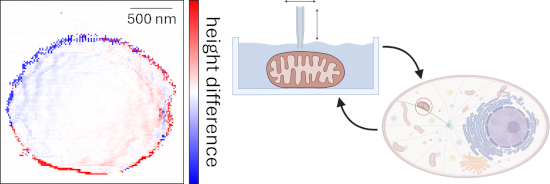
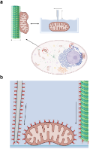
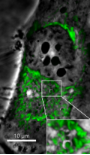
- Eric Lieberwirth Anja Schaeper Regina Lange Ingo Barke Simone Baltrusch Sylvia Speller Institute of Physics, University of Rostock, 18059 Rostock, Germany Department of Life, Light and Matter, University of Rostock, 18059 Rostock, Germany Institute of Medical Biochemistry and Molecular Biology
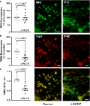
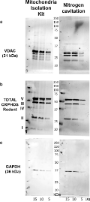
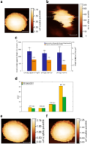
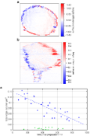
- specific proteins of the outer mitochondrial membrane, may shed light on the mechanisms underlying this phenomenon. Experimental Cell culture, isolation protocol, and viability measurements HeLa cells [54][55] (CCL™), obtained from ATTC, were cultured and harvested in Dulbecco’s modified eagle medium (DMEM
- ) Collaborative Research Centre (CRC) 1477 “Light-Matter Interactions at Interfaces”, project number 441234705 and the CRC 1270/2 “Electrically Active Implants”, project number 299150580.



Heat-induced transformation of nickel-coated polycrystalline diamond film studied in situ by XPS and NEXAFS
Beilstein J. Nanotechnol. 2025, 16, 887–898, doi:10.3762/bjnano.16.67
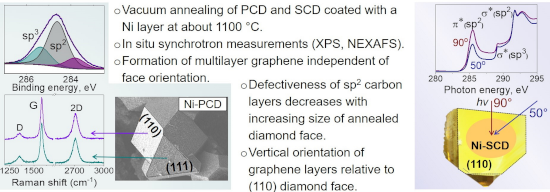
- Russian–German dipole beamline (RGBL dipole) of the Berliner Elektronenspeicherring für Synchrotronstrahlung (BESSY II) operated by the Helmholtz-Zentrum Berlin für Materialien und Energie (Berlin, Germany) [55]. Light polarization at the RGBL dipole is linearly horizontal. The samples were fixed in pairs


Ar+ implantation-induced tailoring of RF-sputtered ZnO films: structural, morphological, and optical properties
Beilstein J. Nanotechnol. 2025, 16, 872–886, doi:10.3762/bjnano.16.66
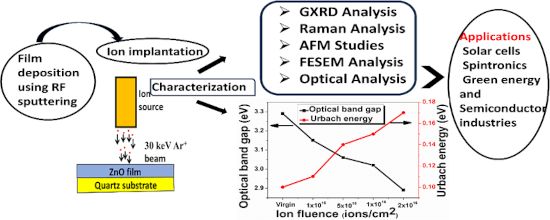
- displays [5], solar cells [6], and light-emitting diodes [7]. There are numerous methods for synthesizing ZnO films, including pulsed laser deposition, spray pyrolysis, radio frequency (RF) sputtering, and sol–gel techniques. Here RF sputtering is preferred over other methods because it provides high
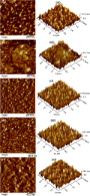
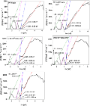
- in ion fluence, F(R) of the films increases (Figure 10). This points towards the degradation of the crystal quality of ZnO films with disordering of atoms and defects in the films. This causes an increased absorption of UV and visible light. Moreover, additional peaks are observed, centered at around
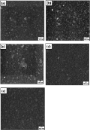
- in implanted films are ascribed to oxygen vacancies and zinc interstitials, respectively. The film implanted at the highest fluence exhibits the smoothest surface and lowest grain size, which boosts light absorption and lower reflection. The optical bandgap values of ZnO films declined from 3.29 to






Insights into the electronic and atomic structures of cerium oxide-based ultrathin films and nanostructures using high-brilliance light sources
Beilstein J. Nanotechnol. 2025, 16, 860–871, doi:10.3762/bjnano.16.65
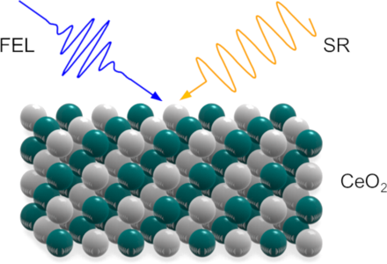
- light sources, such as synchrotrons and free-electron lasers, allow researchers to probe the structural, electronic, and dynamic properties of functional materials at an unprecedented level of detail. Techniques like X-ray photoelectron spectroscopy and X-ray absorption spectroscopy, can reveal atomic
- applications, examining the application of high-brilliance light sources on model systems such as supported thin films and epitaxial nanostructures. We review selected studies exploiting the high energy resolution and sensitivity of synchrotron radiation-based X-ray photoelectron spectroscopy and X-ray
- desorbed from the surface with the uptake of oxygen from cerium oxide [58]. The same method was used to investigate the same system also during exposure to water and to laser light at different temperatures [59]. Also in this case the Cu dopant ions were found to be active in modifying the electronic


Synthesis and magnetic transitions of rare-earth-free Fe–Mn–Ni–Si-based compositionally complex alloys at bulk and nanoscale
Beilstein J. Nanotechnol. 2025, 16, 823–836, doi:10.3762/bjnano.16.62
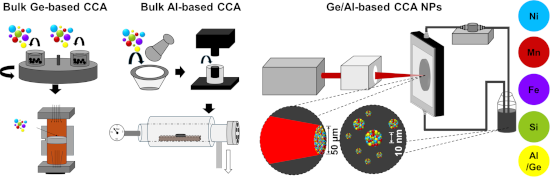
- and their corresponding diffractograms. The observed contrast variations (with light and dark areas marked in red and green, respectively) indicate differences in elemental distribution, suggesting the presence of distinct phases and crystalline defects, such as twin boundaries and inhomogeneous


Supramolecular hydration structure of graphene-based hydrogels: density functional theory, green chemistry and interface application
Beilstein J. Nanotechnol. 2025, 16, 806–822, doi:10.3762/bjnano.16.61
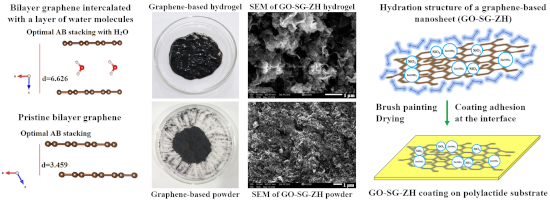
- instrument (Jasco). Ultraviolet–visible absorption spectroscopy (UV–vis) and light transmittance spectroscopy were recorded using a V-670 spectrophotometer (Jasco). Microscopic texture and imaging were observed by a stereo zoom microscope (Optika SZM). Agar diffusion assays were used for testing
- of GO-SG-ZH hydrogel present light absorption in the ultraviolet range (200–400 nm) that was proportional to the colloidal concentrations (50, 40, 30, and 20 ppm). Small absorption peaks at 340 and 360 nm correspond to nanosilica and zinc hydroxide nanoparticles, respectively [21][43]. In addition
- literature, it is elucidated that water layers between graphene-based nanosheets significantly lower the interfacial frictions of the nanomaterials [53][54][55]. In this study, hydration lubrication makes supramolecular graphene-based hydrogels suitable for direct brush coating on PLA films. Light


Morphology and properties of pyrite nanoparticles obtained by pulsed laser ablation in liquid and thin films for photodetection
Beilstein J. Nanotechnol. 2025, 16, 785–805, doi:10.3762/bjnano.16.60
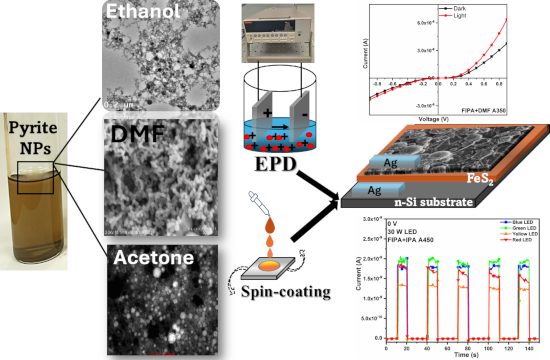
- a narrow bandgap (0.95 eV), high light absorption coefficient (≈105 cm−1), excellent properties in photoelectric conversion, and has enormous potential as an efficient photodetector system and in lithium batteries [1][2]. The prevalent forms of FeS2 are cubic-system pyrite and the orthorhombic
- number of benefits, including small size, light weight, affordable price, low power consumption, high photoresponsivity, quick response, and most importantly, it independently operates without an external power supply and relies on the built-in potential, which helps to save energy [33]. Moreover, self
- crystalline structure of the films was characterized by X-ray diffraction (XRD). The UV–vis–NIR photodetection properties of p-n junction-based thin films composed of FeS2 nanoparticles are reported. Additionally, the results of various light-sensing parameters evaluated in these photodetectors are also




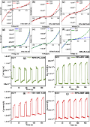


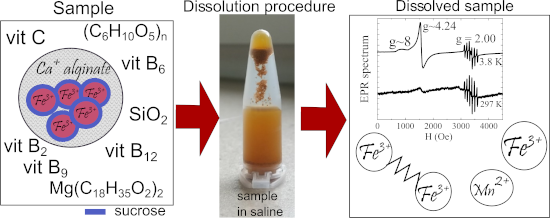
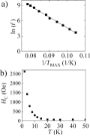
Changes of structural, magnetic and spectroscopic properties of microencapsulated iron sucrose nanoparticles in saline
Beilstein J. Nanotechnol. 2025, 16, 762–784, doi:10.3762/bjnano.16.59





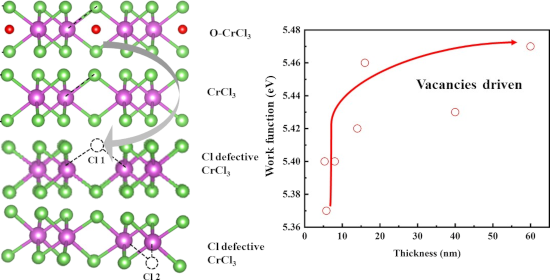
Thickness dependent oxidation in CrCl3: a scanning X-ray photoemission and Kelvin probe microscopies study
Beilstein J. Nanotechnol. 2025, 16, 749–761, doi:10.3762/bjnano.16.58
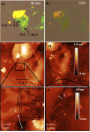
- for each flake could be determined. Since we have already mentioned that flakes thinner than 10 nm on 1 nm SiO2/Si substrates are hardly visible, we have defined the color range starting from 10 nm or higher. In Figure 1, light olive indicates a thickness range of 10 to 20 nm, brown represents
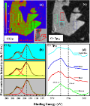
- beam effects were strong (light blue square in Figure 5c), but it is almost absent anywhere else. We also performed the core level analysis on the ITO substrate. Figure 6a shows the Cl 2p map around 199.5 eV binding energy. Leaner and thicker regions are designated with L and T, respectively. Figure 6b
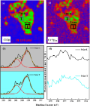
- processes and the lower number of defects present per unit volume that can be exploited in the process. These numbers are increased under beam irradiation, when damages occurs as shown by the light blue area in Figure 5. These results are consistent with previous studies on bulk samples cleaved in vacuum





Serum heat inactivation diminishes ApoE-mediated uptake of D-Lin-MC3-DMA lipid nanoparticles
Beilstein J. Nanotechnol. 2025, 16, 740–748, doi:10.3762/bjnano.16.57
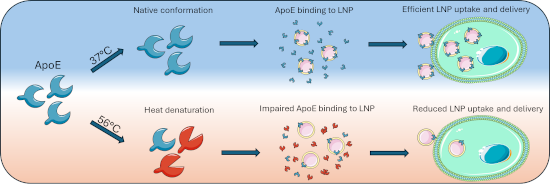
- Slide-A-Lyzer, MWCO 20,000, 0.5–3 mL, dark, 4 °C). LNP stocks were stored at 4 °C in the dark. LNP characterization The hydrodynamic diameter of LNPs was determined via dynamic light scattering (DLS). LNP stocks were diluted 1:20 in PBS and analyzed at 25 °C using a ZetaSizer Nano ZS 90 (Malvern
- incubated 1 h at 37 °C under light agitation. Afterwards, 2 µL Dynabeads MyOne Streptavidin C1 (Fisher Scientific) prewashed with PBA were added to the samples and incubated for 1 h at 37 °C to capture LNPs. The beads were pelleted with a magnet and washed with PBA to remove unbound protein. Per well, 100
- µL anti-ApoE antibody was added in PBA (1:200) and incubated for 1 h at rt. After incubation, beads were pelleted and washed with PBA. Beads were then resuspended in 100 µL goat-anti mouse antibody (Alexa fluor-488 labeled) in PBA (1:200) and incubated for 45 min in the dark at rt, under light


Efficiency of single-pulse laser fragmentation of organic nutraceutical dispersions in a circular jet flow-through reactor
Beilstein J. Nanotechnol. 2025, 16, 711–727, doi:10.3762/bjnano.16.55
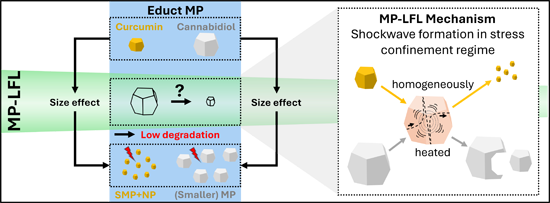
- , unless multiphoton absorption is responsible for the higher LFL efficiency. A further obvious difference between the two model substances is the educt particle size, which strongly affects the extinction of the laser light, while particularly in MP-containing samples the ratio of absorption and Mie
- of 309 and 59 m−1, respectively (assuming the same ratio of absorption of curcumin and CBD, Figure S14, Supporting Information File 1), were experimentally determined by Beer–Lambert calculations of the attenuation of the laser light and the measured ratio of absorption in the double integrating
- diameters was investigated under one-PPV conditions. Here, the key is to use feedstock particle diameters of 5–10 µm as there is an interplay between two opposing effects, namely, (I) an increased absorbance-to-scattering ratio of laser light by larger MPs, which benefits efficient particle fragmentation


Nanostructured materials characterized by scanning photoelectron spectromicroscopy
Beilstein J. Nanotechnol. 2025, 16, 700–710, doi:10.3762/bjnano.16.54
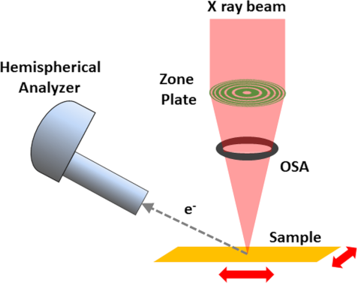
- several improvements have been developed at synchrotron light facilities where unique properties of X-ray radiation can be found. Scanning photoelectron microscopy (SPEM) combines XPS analysis with lateral resolution; chemical imaging as well as XPS spectroscopy at nanoscale sized areas can be performed
- one-transistor-one-resistor cells with minimal footprint [25] can be realized. Optimizing nanowire diameter and distance further enhances the strong light adsorption of III–V materials, resulting in nanowire-based solar cells of high efficiency [26]. While such nanowire-based devices are highly
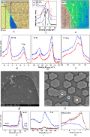
- spectroscopy can provide an elemental, chemical, and electronic mapping of sample surfaces in the pristine form or after/during their response to external stimuli such as temperature changes, electric and magnetic fields, and light and gas exposure. In the first example chemical heterogeneous layered


Colloidal few layered graphene–tannic acid preserves the biocompatibility of periodontal ligament cells
Beilstein J. Nanotechnol. 2025, 16, 664–677, doi:10.3762/bjnano.16.51
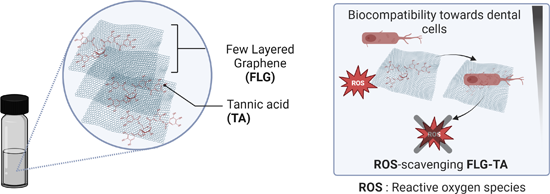
- determination of the size distribution was attempted by means of dynamic light scattering but was unsuccessful owing to the lack of transparency of the suspensions even after strong dilution. The TEM images also reveal visible granules atop the layers (Figure 1D,E). Additional analysis of these granules (Figure
- suspension could not be determined owing to uncontrolled heating of the cell during illumination of the black suspension with laser light. FLG–TA preserves the metabolic activity of PDL cells Previous findings demonstrated that TA adheres to the surface of graphene layers, with a portion of it retaining its
- deposited film was put in contact with a 10−4 M DPPH solution in the absence of light, followed by the absorbance measurement at 517 nm. Biological assays Isolation and culture of PDL cells PDL cells were isolated from human alveolar ligament obtained from extracted human teeth. This study was conducted





Aprepitant-loaded solid lipid nanoparticles: a novel approach to enhance oral bioavailability
Beilstein J. Nanotechnol. 2025, 16, 652–663, doi:10.3762/bjnano.16.50
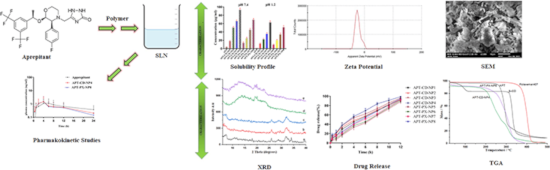
- after one, two, three, and six months [33]. In vivo pharmacokinetic studies Study protocol 10 male rabbits (2 kg body weight) were housed in an animal house under standard environmental conditions of 22 ± 3 °C and 45% relative humidity under a 12 h dark/light cycle (Faculty of Pharmacy, University of



A formulation containing Cymbopogon flexuosus essential oil: improvement of biochemical parameters and oxidative stress in diabetic rats
Beilstein J. Nanotechnol. 2025, 16, 617–636, doi:10.3762/bjnano.16.48
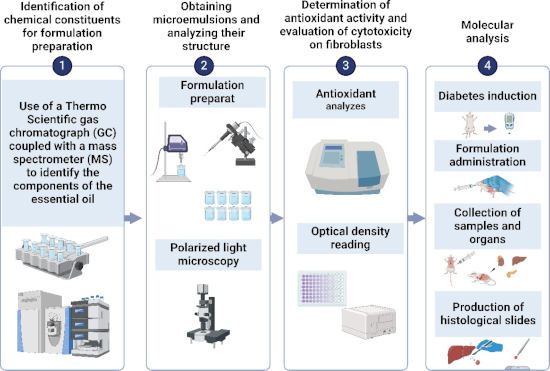
- antidyslipidemic properties in vivo [4][5][6]. EOs are volatile components that are sensitive to temperature, light, oxygen, and humidity [7]. Therefore, it is recommended to use them in drug delivery systems, such as nanostructured systems, which are able to guarantee stability and a better therapeutic effect
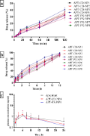
- characterizing nanostructured systems such as MEs, including droplet size, optical properties, and rheological profile. M7-EOCF therefore underwent tests to investigate these parameters. First, the M7-EOCF sample was analyzed by dynamic light scattering, which showed that the system had an average hydrodynamic
- of this system. The literature reports that a PDI below 0.5 also indicates greater physical stability of the obtained formulation [20][21]. The M7-EOCF sample was also examined using polarized light microscopy to investigate its optical properties. Isotropic behavior was observed (Supporting




Polyurethane/silk fibroin-based electrospun membranes for wound healing and skin substitute applications
Beilstein J. Nanotechnol. 2025, 16, 591–612, doi:10.3762/bjnano.16.46
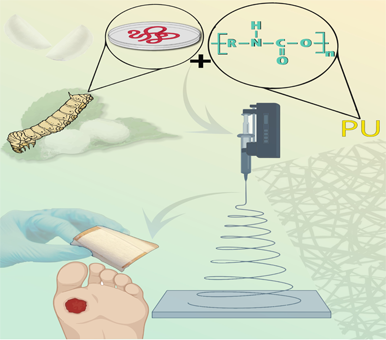
- typically range from 200 to 300 nm [74]. The basic structure of SF is formed by the HL complex, in which H is the heavy peptide chain with a molecular weight of 350 kDa and L is the light peptide chain of about 25 kDa; both are bonded together by disulfide connections [83]. The glycoprotein P25 is non
- ability of SF films to enhance light trapping in photoelectronic devices. Furthermore, combining SF films with biodegradable solar cells has the potential to power next-generation biomedical equipment, providing long-term energy solutions for diagnostic and therapeutic applications [93]. Silk fibroin
- shield the wound region from external harm and dehydration. Microstructure, mechanical characteristics, surface wettability, anti-microbial action, biodegradability, biocompatibility, and effectiveness of the bilayer wound dressing were also examined [166]. Light-activable nanostructures Biomaterials



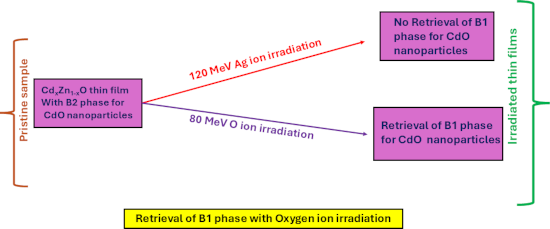
Retrieval of B1 phase from high-pressure B2 phase for CdO nanoparticles by electronic excitations in CdxZn1−xO composite thin films
Beilstein J. Nanotechnol. 2025, 16, 551–560, doi:10.3762/bjnano.16.43
- any polarization effects of the incident laser light. The optically active phonon modes at the center of the Brillouin zone have the following point symmetries: In this equation, the A1 and E1 modes correspond to Raman and infrared (IR) active branches, characterized by polar symmetries that further


Water in nanoporous hexagonal boron nitride nanosheets: a first-principles study
Beilstein J. Nanotechnol. 2025, 16, 510–519, doi:10.3762/bjnano.16.39
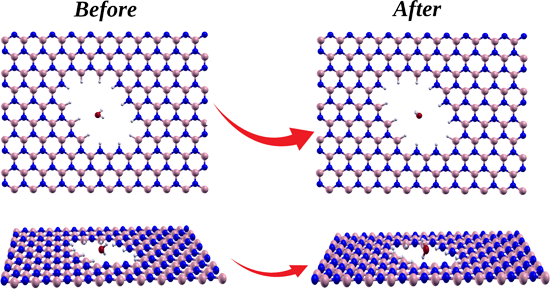
- graphene membranes interacting with water, where wrinkles significantly impact the mechanical response of the membranes when filled with water on a platform. Conclusion Our investigation of pores in a free-standing hexagonal boron nitride monolayer sheds light on the intricate interactions between 2D




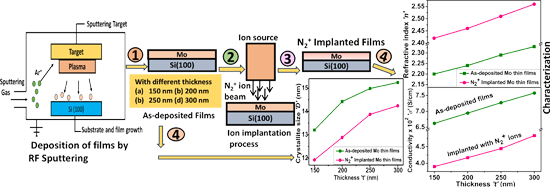
N2+-implantation-induced tailoring of structural, morphological, optical, and electrical characteristics of sputtered molybdenum thin films
Beilstein J. Nanotechnol. 2025, 16, 495–509, doi:10.3762/bjnano.16.38
- two parameters ψ and Δ characterize a change in polarization state. ψ denotes the amplitude ratio between p-polarized (parallel to the plane of incidence) and s-polarized (perpendicular to the plane of incidence) light components after interaction with the sample. Δ denotes the phase difference
- film thickness and peaks between 300 and 700 nm, corresponding to the localized surface plasmon resonance (LSPR) of molybdenum nanoparticles [45][46]. The formation of defects through ion irradiation increased the scattering of light and absorption within the film, resulting in enhanced overall
- and implanted Mo thin films increases with increasing film thickness. The increased refractive index suggests increased particle density and a better interaction between light and Mo thin films. Electrical properties Figure 10 shows the current–voltage (I–V) characteristics of the as-deposited and


Performance optimization of a microwave-coupled plasma-based ultralow-energy ECR ion source for silicon nanostructuring
Beilstein J. Nanotechnol. 2025, 16, 484–494, doi:10.3762/bjnano.16.37
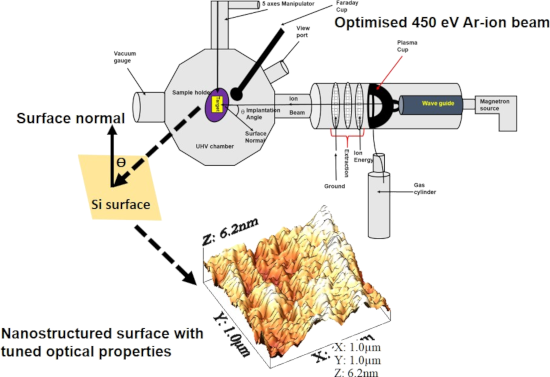
- surface reduces the reflection of UV–visible light because of light trapping by multiple reflections [47][48][49]. Ar-ion bombardment for 3 h leads to the development of a well-defined nanopattern on the silicon surface; hence, the reflectivity becomes minimal compared to the other two surfaces that were


Effect of additives on the synthesis efficiency of nanoparticles by laser-induced reduction
Beilstein J. Nanotechnol. 2025, 16, 464–472, doi:10.3762/bjnano.16.35
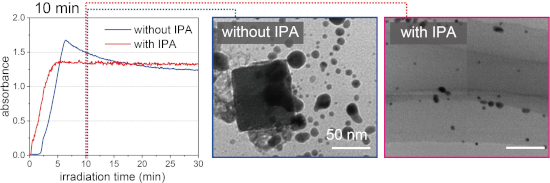
- . However, in the solution with a concentration of 1.0 × 10⁻² mol/dm3, an increase in absorbance was observed in the long wavelength region of the absorption spectrum. Therefore, we evaluated the dispersion state of nanoparticles using dynamic light scattering (DLS) measurements. The obtained particle size


Quantification of lead through rod-shaped silver-doped zinc oxide nanoparticles using an electrochemical approach
Beilstein J. Nanotechnol. 2025, 16, 422–434, doi:10.3762/bjnano.16.33
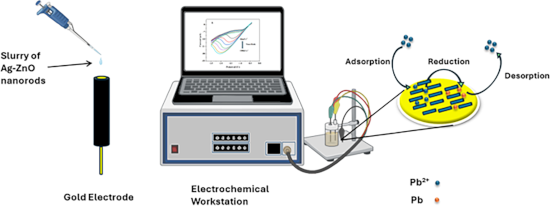
- NRs were studied using dynamic light scattering analysis, and their zeta potential was determined. Figure 5 represents the zeta potential of Ag@ZnO NRs. The samples were collected in the liquid state and the Ag@ZnO NRs zeta potential of ≈30 mV accounts for the stability of the nanoparticles in water




Size control of nanoparticles synthesized by pulsed laser ablation in liquids using donut-shaped beams
Beilstein J. Nanotechnol. 2025, 16, 407–417, doi:10.3762/bjnano.16.31
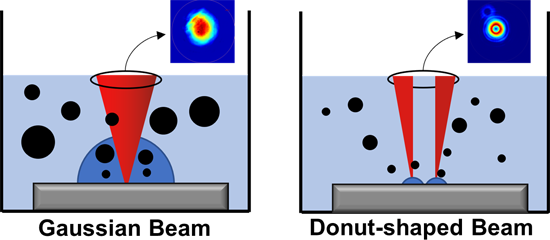
- synthesized using a middle-class 6 ps, 1030 nm Yb:KGW laser PHAROS (Light Conversion, Vilnius, Lithuania) and a ScanCube IV galvanometric scanner (Scanlab, Pichheim, Germany) equipped with a 163 mm focal length lens. The irradiation conditions were 50–250 µJ pulse energy range, 10 kHz pulse repetition rate