Search results
Search for "particle size" in Full Text gives 590 result(s) in Beilstein Journal of Nanotechnology. Showing first 200.
Assessing phytotoxicity and tolerance levels of ZnO nanoparticles on Raphanus sativus: implications for widespread adoptions
Beilstein J. Nanotechnol. 2024, 15, 115–125, doi:10.3762/bjnano.15.11

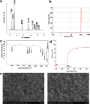
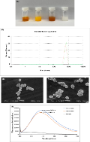
- to the reflection from (100), (002), (101), (102), (110), (103), (200), (112), and (201) crystal planes of ZnO NPs, respectively. The average size reported in the particle size analyzer for ZnO NPs was 122.4 nm, as shown in Figure 1b, with a polydispersity index of 0.332. The FTIR spectrum of ZnO NPs
- ZnO NPs characterization The PXRD technique provides important insights into the chemical composition, physical characteristics of the material and crystallographic structure, and crystalline particle size based on the scattered X-ray beam intensity [20][21]. The PXRD pattern (Figure 1a) of
- NPs (>30 nm to <50 nm) in the intercellular space, vacuole, and cytoplasm of Triticum aestivum roots when exposed to 15,000 ppm of ZnO NPs has been reported [50]. However, the average particle size in the present study (70 nm) is beyond the size-exclusion limits (5–20 nm) of the cell wall [51]. Hence


Development and characterization of potential larvicidal nanoemulsions against Aedes aegypti
Beilstein J. Nanotechnol. 2024, 15, 104–114, doi:10.3762/bjnano.15.10
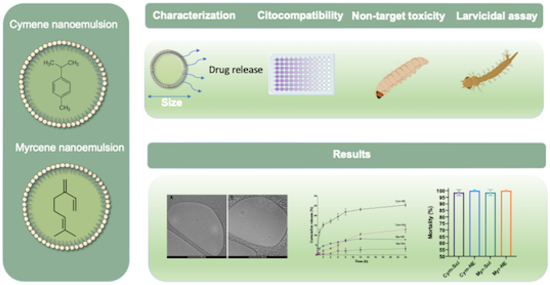
- , and after 21 days there was no significant change in particle size, nor in polydispersity index (PdI) and zeta potential. The formulation with HLB 15 exhibited smaller particle size and lower PdI and zeta potential than the HLB 14 formulation. Also, there was no significant variation in these
- aqueous media [37]. According to NTA measurements, the Cym-NE particle size was 145.7 ± 7.7 nm, while the Myr-NE particle size was 126.4 ± 5.6 nm, confirming the nanometric droplet size. Cryogenic transmission electron microscopy Cryogenic transmission electron microscopy (cryo-TEM) is one of the most


Curcumin-loaded nanostructured systems for treatment of leishmaniasis: a review
Beilstein J. Nanotechnol. 2024, 15, 37–50, doi:10.3762/bjnano.15.4

- hydrodynamic mean particle size of 312 ± 1.89 nm, PdI of 0.305 ± 0.17 and zeta potential of −38 ± 0.93 mV. These particles were able to entrap 88% of curc due to the irregular lipid crystal structure of NLCs [53]. The NLCs proved to be safe for macrophages, which promptly internalized the nanostructures, as
- mannose-conjugated curcumin–chitosan nanoparticles (curc-MCNPs) intended for visceral leishmaniasis [50]. The selected nanoparticles (curc-MCNPs) presented spherical morphology, hydrodynamic mean particle size of 215 nm, PdI of 0.381, zeta potential of +24.37 mV, and entrapment efficiency of 82.12%. Curc
- curc-coated gold nanoparticles (curc-AuNPs) against L. major [125]. The NPs showed spherical morphology, particle size of 22 nm, and adequate polydispersity. Curc-AuNPs revealed IC50 values against L. major promastigotes of 64.79 μg/mL and 29.89 μg/mL in 24 h and 48 h, respectively. Additionally, they


Nanotechnological approaches in the treatment of schistosomiasis: an overview
Beilstein J. Nanotechnol. 2024, 15, 13–25, doi:10.3762/bjnano.15.2

- use known drugs which have its effectivity attested, and aim to increase the dissolution of the drug in vitro [48][94]. Yang et al. [94] verified that PZQ nanocrystals had a more significant dissolution rate than that of the conventional drug due to the particle size and, consequently, it also showed
- contact the authors and ask for a copy. The available articles were read entirely, and those unrelated to the theme were excluded. For exclusion, the criteria used were: (1) particle size over 999 nm; (2) articles that approach only prophylactic nanoformulations. After that, a search in the references of


Fluorescent bioinspired albumin/polydopamine nanoparticles and their interactions with Escherichia coli cells
Beilstein J. Nanotechnol. 2023, 14, 1208–1224, doi:10.3762/bjnano.14.100

- interaction of the KE diad with DA [13]. Most of the DA molecules interact with the proteins, thus limiting the binding of proteins with each other or with PDA aggregates. This results in an increase in aggregate (i.e., particle) size. Hence, a rapid decrease in diameter was observed for BSA/DA ratios from



A combined gas-phase dissociative ionization, dissociative electron attachment and deposition study on the potential FEBID precursor [Au(CH3)2Cl]2
Beilstein J. Nanotechnol. 2023, 14, 1178–1199, doi:10.3762/bjnano.14.98
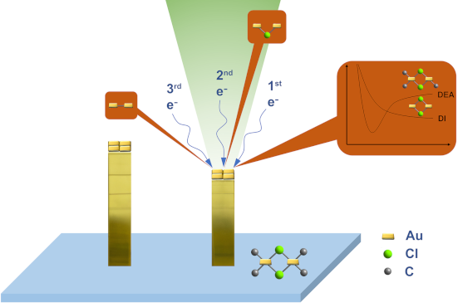
- performed on these structures to determine their composition and to better understand the effect of different beam currents on the compositions. The respective spectra are shown in Figure 3c. A careful investigation of the SEM images reveals that the particle size gets smaller when the current is increased
- purification of FEBID deposits, where carbon removal led to ≈18% height reduction of the respective nanoparticles [42]. Notwithstanding, changes in the deposition time and in the associated different volume of the deposited material may also contribute to the observed particle size reduction. AFM of FEBID on
- (SiO2 (500 nm)/Si(111)) at different beam currents In order to obtain complementary information on the structures deposited with different beam currents, noncontact AFM was used to investigate the height of the deposits and their particle size. Figure 4a and Figure 4b depict the 2D AFM images and



Curcumin-loaded albumin submicron particles with potential as a cancer therapy: an in vitro study
Beilstein J. Nanotechnol. 2023, 14, 1127–1140, doi:10.3762/bjnano.14.93
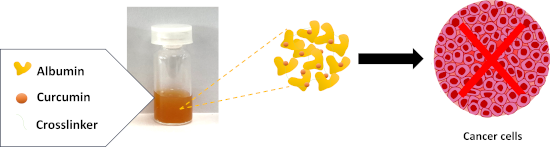
- , Table S1). CUR loading did not change significantly the particle size. The particles were quite monodisperse as indicated by the relatively low PDI values. In addition, the zeta potential values of CUR-HSA-MPs (−15.30 ± 0.02 mV) and HSA-MPs (−14.50 ± 0.06 mV) were similar. The zeta potential analysis of
- . To enhance cell uptake, it is necessary to reduce the particle size. In this case, the size of MnCO3 templates can be reduced by modifying the experimental conditions, such as increasing the salt concentration, decreasing the reaction time and cosurfactant concentration, and changing the solvent type
- Cytation™ 5 Cell Imaging Multi-Mode Reader and analyzed using Gen5 data analysis software (BioTek® Instruments, Inc., Winooski, VT, USA). Particle size and zeta potential Hydrodynamic size, polydispersity index (PDI), and zeta potential of the particles were evaluated using a Zetasizer Nano ZS (Malvern




Sulfur nanocomposites with insecticidal effect for the control of Bactericera cockerelli
Beilstein J. Nanotechnol. 2023, 14, 1106–1115, doi:10.3762/bjnano.14.91

- different chemical methods [18][19]. Elemental sulfur nanoparticles (SNPs) have already demonstrated significant insecticidal, fungicidal, and bactericidal activity [20][21]. By manipulating particle size and surface area, SNPs can exhibit higher absorption, increase the efficacy of new insecticide



Experimental investigation of usage of POE lubricants with Al2O3, graphene or CNT nanoparticles in a refrigeration compressor
Beilstein J. Nanotechnol. 2023, 14, 1041–1058, doi:10.3762/bjnano.14.86
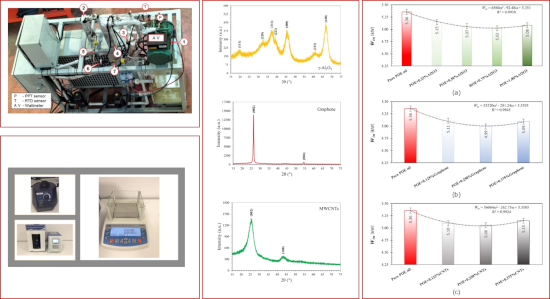
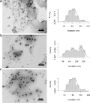
- (XRD) analyses were performed. Characterization of Al2O3 nanoparticles The morphological features of the Al2O3 nanoparticles were investigated with the help of FE-SEM micrograph (Figure 2a). It is seen that the Al2O3 nanoparticles exhibit amorphous nature. Thus, it can be stated that the particle size
- cannot be clearly determined in FE-SEM micrograph, but the primary particle size is smaller than 50 nm. On the other hand, EDS analysis was conducted on the Al2O3 sample to determine the elemental composition and purity of Al2O3 nanoparticles. The result of the EDS analysis is given in Figure 2b and it





Recognition mechanisms of hemoglobin particles by monocytes – CD163 may just be one
Beilstein J. Nanotechnol. 2023, 14, 1028–1040, doi:10.3762/bjnano.14.85

- content in this suspension was 5.4 ± 0.02 mg/mL. Analysis by zetasizer showed an average particle size of 781 ± 7 nm, a conductivity of 1.34 ± 0.07 mS/cm, and a zeta potential of −28.0 ± 0.5 mV. The oxygen release method measurement showed a percentage of 81.4% ± 2.13% functional Hb. Light microscopy
- in the uptake of HbMPs. Further research on this topic will be conducted in the future. To be considered as well is a possible mechanism leading to particle uptake by phagocytes based on the particle size. Our own results regarding PMMA-FluoroGreen-COOH particles (microparticles GmbH, Berlin, Germany
- ., hydrophilicity/hydrophobicity) also played a role. Together with the particle composition, this might be a possible explanation for the difference in the results of Champion et al. and our own. Buehler et al. observed a dependence on particle size in their studies of direct Hb/HBOC–CD163 interaction. HBOCs from




Nanoarchitectonics of photothermal materials to enhance the sensitivity of lateral flow assays
Beilstein J. Nanotechnol. 2023, 14, 988–1003, doi:10.3762/bjnano.14.82
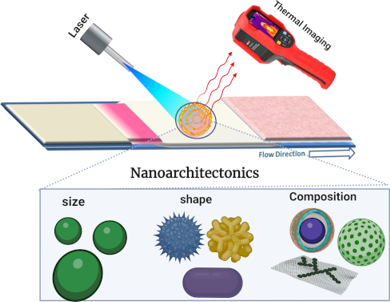
- particle size from 50 to 4.98 nm. In another study, the size-dependent photothermal conversion efficiency of platinum nanomaterials was studied by Depciuch et al. for cancer therapy. Spherical platinum nanoparticles with diameters of 2 and 80 nm were studied regarding the photothermal activity in colon


Upscaling the urea method synthesis of CoAl layered double hydroxides
Beilstein J. Nanotechnol. 2023, 14, 927–938, doi:10.3762/bjnano.14.76

- alkalinization rate, which (mainly) controls the nucleation and growth processes, and therefore particle size, morphology, and crystallinity [33][36][37]. Attempts to upscale the production of LDHs included incrementing the concentration of the reactants [38][39], the use of large-scale reactors [40][41], byway
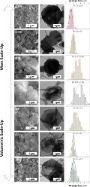
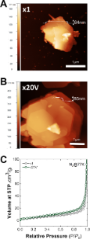
- concentration increase (x25M), the formation of a simonkolleite-like Co-based layered hydroxide impurity is observed, indicating phase competition during precipitation related to the thermodynamic stability of the growing phases. In the case of the volumetric scale-up, a reduction of ca. 45% of the particle
- size is observed as the volume increases. This feature is related to changes in the heating process (heat transfer) modifying the alkalinization kinetics and the concomitant precipitation process, even after 48 h of recrystallization. These results suggest that the final LDH morphology (size and


A wearable nanoscale heart sound sensor based on P(VDF-TrFE)/ZnO/GR and its application in cardiac disease detection
Beilstein J. Nanotechnol. 2023, 14, 819–833, doi:10.3762/bjnano.14.67

- bottle was sealed and placed in a shaking mixer and shaken for 3 h. Next, ZnO nanoparticles (Shanghai Keyan Industrial Co., Ltd., particle size 3 ± 5 nm, content ≥99.8%) and GR filler (Shenzhen Turing Evolution Technology Co., Ltd., carbon content 98%, average diameter/thickness ratio = 9500) were added


Nanostructured lipid carriers containing benznidazole: physicochemical, biopharmaceutical and cellular in vitro studies
Beilstein J. Nanotechnol. 2023, 14, 804–818, doi:10.3762/bjnano.14.66
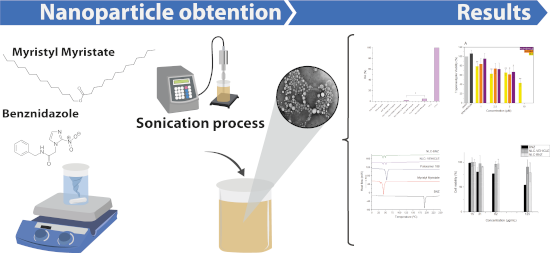
- ] software showed a mean particle size of 150 ± 13 nm. Accordingly, the hydrodynamic diameter of the nanoparticles measured by dynamic light scattering (DLS) was in the 100–200 nm range (≈150 nm), with a moderate distribution of sizes as indicated by a polydispersity index (PdI) of 0.204. The zeta potential
- this description has its limitations, it has been widely used to describe drug release from similar lipidic formulations [35][36][37][38]. The mean particle size, PdI, zeta potential, and encapsulation efficiency were selected as parameters to follow the physical stability of the nanoparticle
- with acceptable particle size, PdI, and EE%. Complementary to these results, TEM images showed a spherical configuration. Thermal and crystallographic experiments indicated that BNZ was dispersed into the lipid matrix. The formulations showed a sustained drug release profile for 24 h, achieving a


Silver-based SERS substrates fabricated using a 3D printed microfluidic device
Beilstein J. Nanotechnol. 2023, 14, 793–803, doi:10.3762/bjnano.14.65
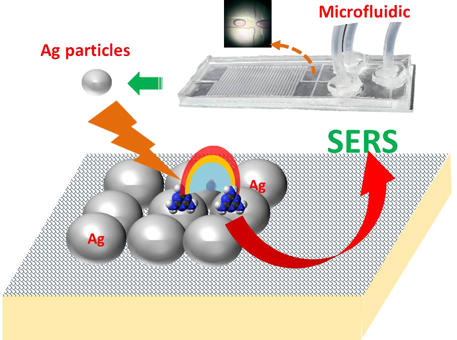
- the Ag particles become smaller when the size of the particles increases, resulting in a stronger hot spot effect. However, when the particle size exceeds a critical threshold, the Ag particles come into contact with each other, causing the hot spots to dissipate. Based on these findings, we selected



Silver nanoparticles loaded on lactose/alginate: in situ synthesis, catalytic degradation, and pH-dependent antibacterial activity
Beilstein J. Nanotechnol. 2023, 14, 781–792, doi:10.3762/bjnano.14.64
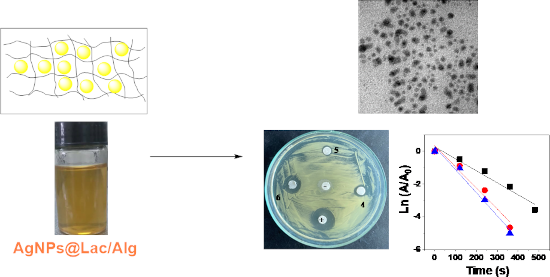
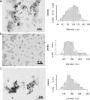
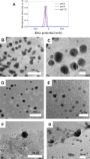
- different magnifications and particle size distributions of AgNPs@Lac/Alg-0.3 (A, B and C) and AgNPs@Lac/Alg-0.7 (D, E and F). Proposed mechanism of AgNPs@Lac/Alg catalysis in reduction of methyl orange and rhodamine B using NaBH4. UV–vis spectra of the catalyst at concentrations of 1.0 μg/mL (A), 2.0 μg/mL


Carboxylic acids and light interact to affect nanoceria stability and dissolution in acidic aqueous environments
Beilstein J. Nanotechnol. 2023, 14, 762–780, doi:10.3762/bjnano.14.63

- Table 2 of Grulke et al. [34], changes in the valence state at the edge and core of the nanoparticles were shown over twelve weeks of dissolution. The Ce3+ concentration increased as the particle size decreased, but only slightly. Figure 7 of Yokel et al. [33] shows little to no change within four weeks
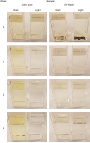
- following identifies the members of the five groups and describes their effect on nanoceria dissolution/stability. Group one includes nanoceria exposed to citric, malic, and isocitric acid. For all three samples stored in the dark, there was an immediate reduction in hydrodynamic particle size, followed by
- slow dissolution over time. The solution color remained yellow for the experimental duration. For the samples exposed to light, there was an immediate reduction in hydrodynamic particle size accompanied by a color change from yellow to clear. The nanoceria particles decreased to 8.4, 7.3, and 10.9 nm
In situ magnesiothermic reduction synthesis of a Ge@C composite for high-performance lithium-ion batterie anodes
Beilstein J. Nanotechnol. 2023, 14, 751–761, doi:10.3762/bjnano.14.62

- microscopy (HR-TEM, JEOL JEM-2100F) were conducted for morphology and particle size investigation. A well-blended mixture of active material, conductive carbon C65, and polyvinylidene fluoride (PVDF) binder with a mass ratio of 75:15:10 in N-methyl-2-pyrrolidone solvent was used for fabricating the working


Control of morphology and crystallinity of CNTs in flame synthesis with one-dimensional reaction zone
Beilstein J. Nanotechnol. 2023, 14, 741–750, doi:10.3762/bjnano.14.61
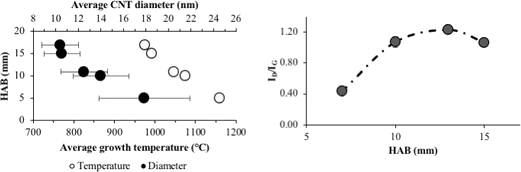
- temperature field and the gas phase chemistry evolve concurrently inside the flame [24]; thus, particle formation and CNT growth occur almost instantaneously. The rapid particle formation from the surface breakup produces a heterogenous particle size distribution. Consequently, particle bundles can be
- temperatures at lower and higher HAB values. The lowest HAB value shows the highest temperature reading, which linearly decreases with increasing HAB values. The temperature differences are expected to produce different particle size distributions due to aggregation of particles on the surface of the nickel
- wire. The CNT diameters, which often correlate to the particle size, show a similar trend, as discussed in the next section. CNT characterization The diameter of the synthesized CNTs has been measured using the image post-processing software DigimizerTM with 200–300 data points per sample to produce


Metal-organic framework-based nanomaterials as opto-electrochemical sensors for the detection of antibiotics and hormones: A review
Beilstein J. Nanotechnol. 2023, 14, 631–673, doi:10.3762/bjnano.14.52


Titania nanoparticles for photocatalytic degradation of ethanol under simulated solar light
Beilstein J. Nanotechnol. 2023, 14, 616–630, doi:10.3762/bjnano.14.51
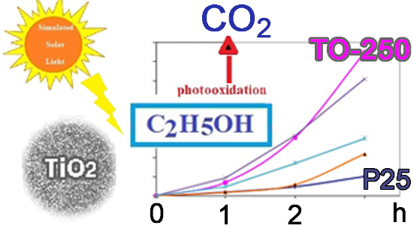
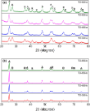
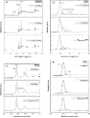
- correlation between specific surface area and particle/crystallite size is most obvious when comparing the TO-850-a sample with those synthesized at lower pressures. When the average particle size increases, the surface area diminishes. X-ray photoelectron spectroscopy (XPS) analysis was performed, and the




On the use of Raman spectroscopy to characterize mass-produced graphene nanoplatelets
Beilstein J. Nanotechnol. 2023, 14, 509–521, doi:10.3762/bjnano.14.42
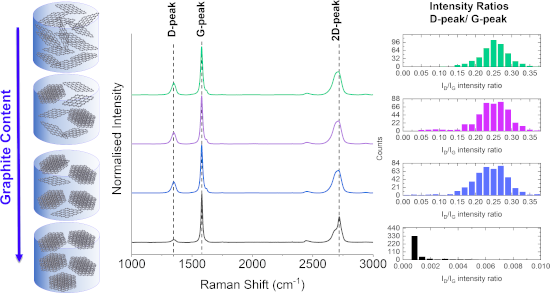
- prepare the mixed GNPref/graphite samples, 1.2 mg of the as-purchased graphite was mixed with 40 mL of NMP, and the mixture bath was sonicated for 30 min. Sonication was carried out to reduce the particle size while still maintaining the thickness to be graphite-like [29]. The graphite and GNPref


Specific absorption rate of randomly oriented magnetic nanoparticles in a static magnetic field
Beilstein J. Nanotechnol. 2023, 14, 485–493, doi:10.3762/bjnano.14.39

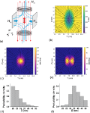
- magnetic field, shown in Figure 5b, are presented in Figure 5с. The particle size distribution for this assembly is given in Figure 5d. It is easy to see that in the given case only particles located in a small cylindrical region near the FFP with a radius of about 1 cm are capable of effectively absorbing
- the energy of the ac magnetic field. Furthermore, near the FFP the assembly SAR reaches 200 W/g. However, if the assembly of nanoparticles contains a large fraction of nanoparticles with the particle size distribution shown in Figure 5f, the spatial SAR distribution near the FFP changes. Figure 5e


Mixed oxides with corundum-type structure obtained from recycling can seals as paint pigments: color stability
Beilstein J. Nanotechnol. 2023, 14, 467–477, doi:10.3762/bjnano.14.37
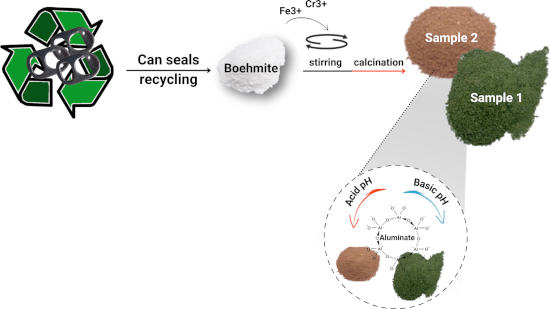
- a color change with increasing particle size from brighter yellow-green to darker blue-green [14]. Usually, chromium oxide pigments are synthesized starting from dichromats with chromium in the oxidation state +6, which are toxic [15]. However, using boehmite as a host matrix, the opportunity arises




Plasmonic nanotechnology for photothermal applications – an evaluation
Beilstein J. Nanotechnol. 2023, 14, 380–419, doi:10.3762/bjnano.14.33
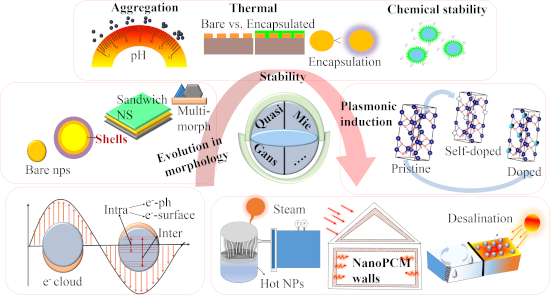
- where the incident electric field is assumed to be spatially uniform. This assumption is valid only for wavelengths much larger than the particle size. The extinction cross section, which is the result of this modelling and which is an expression summing up absorption and scattering of the incident
- coefficient (σext) is introduced as: where Cext is the extinction cross section. On substituting for the polarizability, the final expression for the extinction cross section [57] for a spherical particle interacting with light is arrived at as where a and εm are the particle size and dielectric constant of
- Electron–electron scattering is followed by electron–phonon coupling and heat transfer to the surrounding [71][72]. These non-radiative decay processes specifically concern PT applications. Electron–phonon coupling, which reduces with decreasing particle size, and electron–surface scattering, which rises