
Search results
Search for "electron" in Full Text gives 2019 result(s) in Beilstein Journal of Nanotechnology. Showing first 200.
The impact of tris(pentafluorophenyl)borane hole transport layer doping on interfacial charge extraction and recombination
Beilstein J. Nanotechnol. 2025, 16, 678–689, doi:10.3762/bjnano.16.52
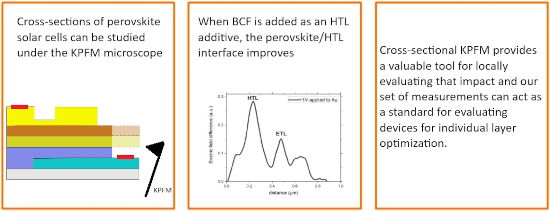
- about charge generation and transport within the absorber material, as well as charge extraction to the relevant interfaces [9][10][11][12]. The details of interfacial electronic carrier extraction at the junctions of the perovskite with the electron and hole transport layers (ETL, HTL) define the
- therefore a charge accumulation within the perovskite. Initial studies suggested that this asymmetrical charge carrier behavior indicates an unfavorable hole extraction and a promoted electron extraction [9][13][14], but the migration and interaction of mobile ions (such as I− ions interacting with 2,2',7,7
- scanning electron microscopy (SEM) and atomic force microscopy (AFM) images (See Supporting Information File 1, Section 4). The lateral resolution for both AFM and SEM measurements is a few nanometers. The AFM channel that exhibited the clearest contrast between the layers was the amplitude error signal


Colloidal few layered graphene–tannic acid preserves the biocompatibility of periodontal ligament cells
Beilstein J. Nanotechnol. 2025, 16, 664–677, doi:10.3762/bjnano.16.51
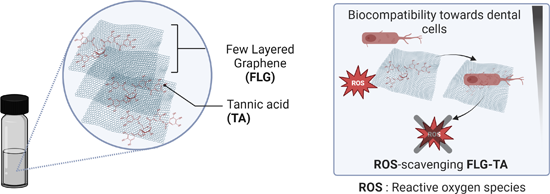
- include superoxide radicals, hydroxyl radicals, and hydrogen peroxide, are natural byproducts of the oxidative metabolism. Mammalian cells maintain balanced ROS levels for homeostasis and cellular proliferation. However, excess ROS creates an electron imbalance that triggers continuous electron transfer
- granules, each being hundreds of micrometers in size (Figure 1A). In contrast, the obtained FLG–TA colloid has a layered structure, and sheets seem to have been peeled off from the graphite surface (Figure 1B,C). Transmission electron microscopy (TEM) micrographs of the flakes’ edges (Figure 1D,E) reveal
- significantly lower than the ratios reported for alternative synthesis methods in earlier studies [15]. In fact, polyphenolic compounds, such as TA, can act as electron donors [15][22], consequently triggering a change in the G band intensity. This change is likely due to the incorporation of electron donor





Aprepitant-loaded solid lipid nanoparticles: a novel approach to enhance oral bioavailability
Beilstein J. Nanotechnol. 2025, 16, 652–663, doi:10.3762/bjnano.16.50
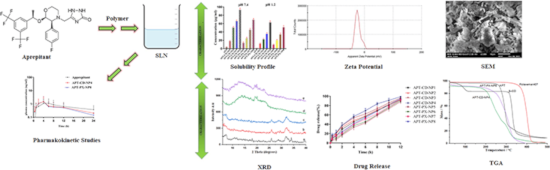
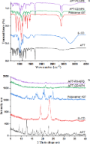
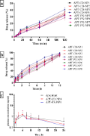
- analysis. APT-loaded SLNs were prepared by the precipitation method and characterized by physicochemical studies including particle size and zeta potential measurements, drug content, encapsulation efficiency and solubility studies, Fourier-transform infrared spectroscopy (FTIR), scanning electron
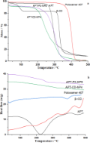
- solubility and enhanced dissolution using a minimum quantity of carriers. The developed SLNs were evaluated regarding drug content and using scanning electron microscopy (SEM), thermal gravimetric analysis (TGA) and differential scanning calorimetry (DSC), as well as polydispersity index (PDI), particle size
- dispersion. SEM studies Scanning electron micrographs of APT-CD-NP4 and APT-PX-NP8 shown in Figure 3 illustrate that polymeric content was deposited on the SLN surface because of organic solvents. After evaporation of the organic solvent, colloidal particles are closely packed. Dispersions in organic



A formulation containing Cymbopogon flexuosus essential oil: improvement of biochemical parameters and oxidative stress in diabetic rats
Beilstein J. Nanotechnol. 2025, 16, 617–636, doi:10.3762/bjnano.16.48
- difference between the DPPH method and the others can be explained by the different antioxidant mechanisms. DPPH is more useful in apolar surroundings and mainly involves hydrogen donation. ABTS is a method that includes electron and hydrogen donation, in addition to being useful for both nonpolar and polar
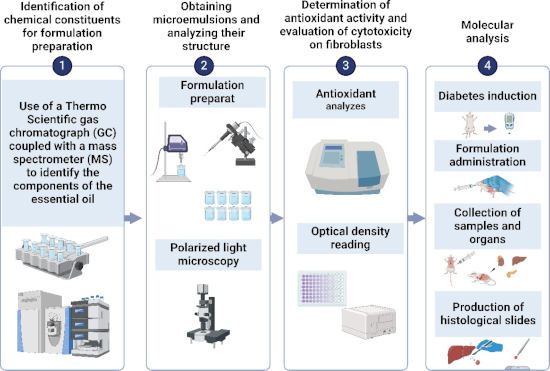
- 220 °C, detector temperature 240 °C, solvent cut-off time 2 min, electron ionization (EI) mode at 70 eV with a mass-to-charge ratio (m/z) range of 40 to 350 Da. The components of the essential oil were identified using their retention indices (RI), calculated for each constituent by injecting a series




Focused ion and electron beams for synthesis and characterization of nanomaterials
Beilstein J. Nanotechnol. 2025, 16, 613–616, doi:10.3762/bjnano.16.47
- Aleksandra Szkudlarek Academic Centre for Materials and Nanotechnology, AGH University of Krakow, av. Mickiewicza 30, 30-059, Krakow, Poland 10.3762/bjnano.16.47 Keywords: deposition; etching; focused electron beams; focused ion beams; lithography; milling; nanofabrication; 3D nanostructures; It
- underdeveloped technology at that time. In his visionary address, he proposed techniques such as direct ion lithography using focused beams and introduced the concept of combined photo-electron lithography. Feynman's contribution was not limited to his visionary approach of advancing technology through
- the best of times, it was the worst of times" [2] – onto a 200 × 200 micron square of plastic using an electron beam. This achievement prompts a reflection: is nowadays the best or the worst of times for the development of electron and ion beam technologies? With the hope to contribute addressing this

Feasibility analysis of carbon nanofiber synthesis and morphology control using a LPG premixed flame
Beilstein J. Nanotechnol. 2025, 16, 581–590, doi:10.3762/bjnano.16.45
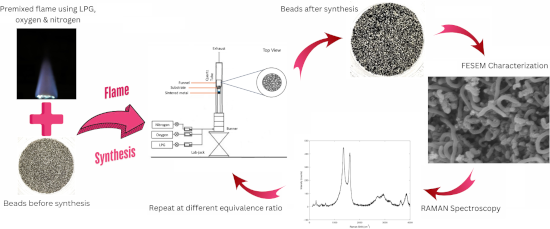
- placement of the thermocouple within the flame, a two-axis positioning system was employed with an Arduino-based control unit. The positioning system has 1 mm accuracy with x- and y-axis traverse ranges of 100 and 200 mm, respectively. The grown CNFs were characterized by field-emission scanning electron



Retrieval of B1 phase from high-pressure B2 phase for CdO nanoparticles by electronic excitations in CdxZn1−xO composite thin films
Beilstein J. Nanotechnol. 2025, 16, 551–560, doi:10.3762/bjnano.16.43
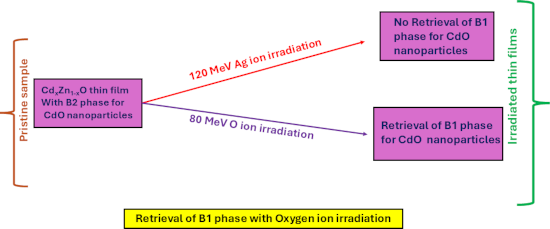
- electron mobility (>100 cm2/V/s) and high electrical conductivity (>1014 S/cm), demonstrating its potential for optoelectronic applications [2][3][4]. The incorporation of cadmium into ZnO effectively reduces the bandgap, rendering the thin films suitable for applications in the visible region of the
- spectrometer (Bruker), equipped with an Ar ion laser (532 nm) with 0.2 mW laser operating power. Scanning electron microscopy (SEM) analysis was carried out with a HITACHI SU8020 model, using an electron beam energy of 3.0 keV. X-ray photoelectron spectroscopy (XPS) was performed using an ESCA-5000 Versa Probe
- system (Physical Electronics) with an Al Kα (1486.7 eV) beam and a 124 mm hemispherical electron analyzer. X-ray absorption near-edge structure experiments were performed at PIRX beamline [15] in the SOLARIS synchrotron facility in Poland [16], focusing on Zn L2,3 and O K edges in total electron yield


Functionalized gold nanoflowers on carbon screen-printed electrodes: an electrochemical platform for biosensing hemagglutinin protein of influenza A H1N1 virus
Beilstein J. Nanotechnol. 2025, 16, 540–550, doi:10.3762/bjnano.16.42
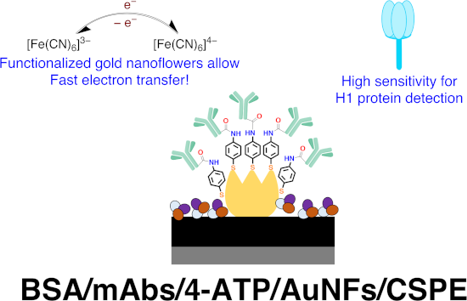
- electron charge transfer at the surface of the electrode. To the best of our knowledge, this is the first time that the charge transfer enhancement with 4-ATP, a small organic molecule with delocalized π-electron system, has been employed to improve the sensitivity of electrochemical biosensing of proteins
- . This approach to amplify the electrochemical signal for biosensing of H1 provides a platform for the early detection of influenza A H1N1 virus. Results and Discussion In this study, an electrochemical biosensor exhibiting enhanced electron charge transfer properties was constructed in order to detect
- protein at clinically relevant concentrations. Scanning electron microscopy Scanning electron microscopy (SEM) analysis was explored to characterize the surface of the electrodes after electrodeposition of gold nanoparticles (Figure 2). Because of the high conductivity of gold, a difference in contrast is


Electron beam-based direct writing of nanostructures using a palladium β-ketoesterate complex
Beilstein J. Nanotechnol. 2025, 16, 530–539, doi:10.3762/bjnano.16.41
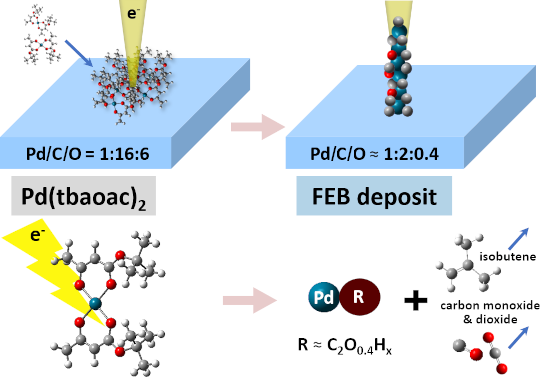
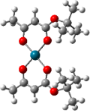
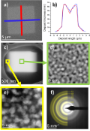
- Rennes, CNRS, IPR (Institut de Physique de Rennes) - UMR 6251, Rennes, France Faculty of Chemistry, Nicolaus Copernicus University in Toruń (NCU), Toruń, Poland 10.3762/bjnano.16.41 Abstract Gas-assisted focused electron beam-induced deposition (FEBID) as a direct, minimally invasive 3D nanopatterning
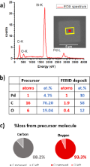
- nanostructure and composition of the deposits were determined, and possible volatile products produced under electron-induced dissociation, explaining the composition, are investigated. A method to eliminate the residual gas contamination during FEBID was implemented. [Pd(tbaoac)2] contains large organic
- ligands and only about 5 atom % palladium in the pristine molecule, yet the obtained palladium content in the deposits amounts to around 30 atom %. This translates to an exceptional removal efficiency of about 90% for the ligand-constituting elements carbon and oxygen through electron-induced dissociation


Zeolite materials with Ni and Co: synthesis and catalytic potential in the selective hydrogenation of citral
Beilstein J. Nanotechnol. 2025, 16, 520–529, doi:10.3762/bjnano.16.40
- nitrogen adsorption at 77 K. The initial natural zeolite samples were also examined via powder X-ray diffraction (XRD) and scanning electron microscopy (SEM). XRD patterns were recorded using a PW 1218 diffractometer (Philips, Almelo, Netherlands) equipped with a curved graphite monochromator and Cu Kα
- radiation (λ = 1.5406 Å). Data were collected at a scan speed of 2°/min with a step size of 0.05°. SEM images were acquired using a FEI Nova NanoSEM 450 electron microscope. For this purpose, samples were mounted on holders and coated with a thin layer of gold prior to observation. Temperature-programmed


Water in nanoporous hexagonal boron nitride nanosheets: a first-principles study
Beilstein J. Nanotechnol. 2025, 16, 510–519, doi:10.3762/bjnano.16.39
- BH van der Waals functional [30]. We make use of norm-conserving Troullier–Martins [31] pseudopotentials in the Kleinman–Bylander [32] factorized form. Also, we have used as basis set the standard double-ζ plus polarizations orbitals (DZP). The basis functions and the electron density were projected




N2+-implantation-induced tailoring of structural, morphological, optical, and electrical characteristics of sputtered molybdenum thin films
Beilstein J. Nanotechnol. 2025, 16, 495–509, doi:10.3762/bjnano.16.38
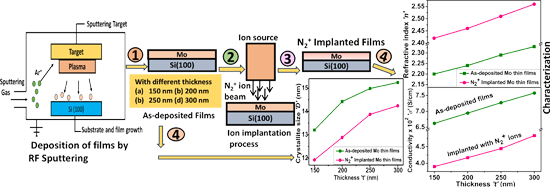
- electron beam evaporation [10] have been reported in the literature. RF sputtering is the predominant technique for thin film deposition because of its benefits regarding layer adhesion, uniformity, composition, and deposition rate compared to other methods [11]. In the deposition of molybdenum films, RF
- ] investigated the effects of argon ion bombardment on the characteristics of Mo thin films. Films with reduced porosity and larger grains demonstrated increased reflectance and decreased resistivity, consistent with electron mean free path analysis results. Navin et al. [15] investigated self-organized pattern
- may influence the electrical properties. As the thickness changes, the internal stress distribution could lead to impediments in electron transport, causing slight deviations from linearity. Nitrogen ions create defects, vacancies, or impurities in the molybdenum film, acting as scattering centers for


Performance optimization of a microwave-coupled plasma-based ultralow-energy ECR ion source for silicon nanostructuring
Beilstein J. Nanotechnol. 2025, 16, 484–494, doi:10.3762/bjnano.16.37
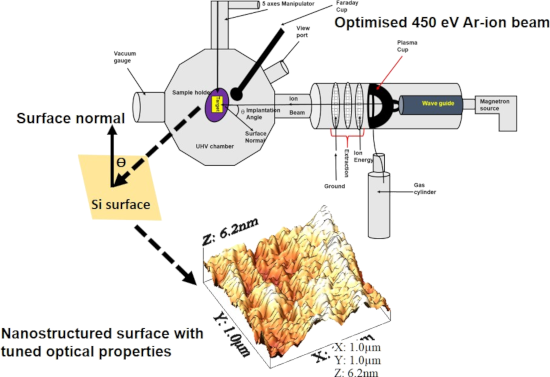
- generating ion beams in a microwave-coupled plasma-based ultralow-energy electron cyclotron resonance ion source, generally used for nanostructuring solid surfaces. The investigation focuses on developing, accelerating, and extracting Ar ions from a magnetron-coupled plasma cup utilizing a three-grid ion
- collisions, the internal energy of the colliding particles does not change. Ionization, stripping, electron capture, and excitation of atoms due to collisions are examples of inelastic collisions. Free electrons colliding with atoms also produce ions. Electrons in the gas are heated by the inductively
- various ions using gaseous plasma, the ion sources can be classified in direct current (DC)-operated ion sources, radio frequency discharge ion sources, and microwave-based electron cyclotron resonance (ECR) ion sources, as well as electron bombardment, charge exchange, and laser-driven ion sources [17


Effect of additives on the synthesis efficiency of nanoparticles by laser-induced reduction
Beilstein J. Nanotechnol. 2025, 16, 464–472, doi:10.3762/bjnano.16.35
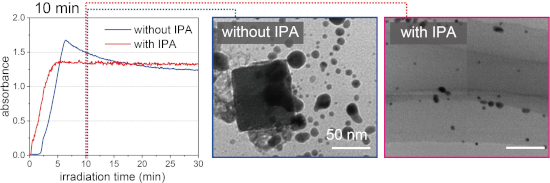
- solution without IPA. On the other hand, when 10 vol % IPA was added (red line in Figure 1), an increase in absorbance was immediately seen after the start of laser irradiation, and the absorbance levelled off after 5 min of laser irradiation. Figure 2 shows the transmission electron microscopy (TEM
- alloy nanoparticles by LRL with the addition of IPA as a radical scavenger to a solution containing multiple metal ions, and the structure of the synthesized nanoparticles was evaluated by scanning transmission electron microscopy-energy dispersive spectroscopy (STEM-EDS). In this case, we selected an
- solution during laser irradiation with a wavelength range from 300 to 800 nm was measured every 5 s using a fiber multi-channel spectrometer (FRAME-T, Ocean Optics Inc.). The nanoparticles synthesized by laser irradiation were observed using a transmission electron microscope (TEM, JEM-2100Plus, JEOL Ltd


Quantification of lead through rod-shaped silver-doped zinc oxide nanoparticles using an electrochemical approach
Beilstein J. Nanotechnol. 2025, 16, 422–434, doi:10.3762/bjnano.16.33
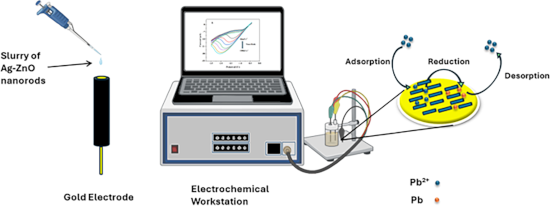
- chemical substances [7][8]. Target detection in real time is a strong suit for electrochemical devices. Electron mediators are typically used to modify the working electrodes in electrochemical sensor fabrication. These days, due to their unique electrical and optical characteristics, nanomaterials are
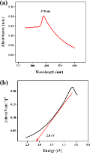
- employed as effective electron mediators [9]. Zinc oxide nanoparticles have gained a lot of attention due to their unique features, such as wide bandgap (approximately 3.37 eV), excellent electron transportation, piezoelectric behavior, semiconductor nature, low toxicity, and enhanced electrochemical
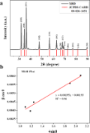
- the effects of transition metal ions, such as silver, copper, nickel, and manganese on the chemical and physical properties of ZnO nanoparticles. These metal dopants utilize their partially occupied d-electron shells, leading to the presence of unpaired electrons. Out of these metals, silver is




Size control of nanoparticles synthesized by pulsed laser ablation in liquids using donut-shaped beams
Beilstein J. Nanotechnol. 2025, 16, 407–417, doi:10.3762/bjnano.16.31
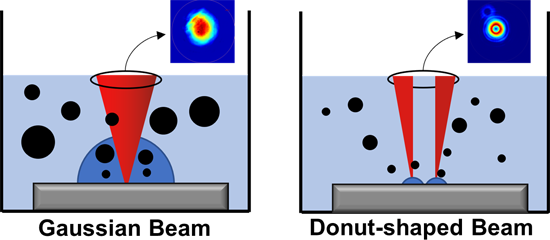
- the morphology and size of the NPs synthesized by PLAL, the colloidal samples were drop-cast on a silicon wafer and dried for microscopic analysis. All NPs were characterized using scanning electron microscopy (SEM, Quanta 400 FEG, FEI Company, USA and TESCAN MIRA3 LMH, Brno, Czech Republic). The


ReactorAFM/STM – dynamic reactions on surfaces at elevated temperature and atmospheric pressure
Beilstein J. Nanotechnol. 2025, 16, 397–406, doi:10.3762/bjnano.16.30
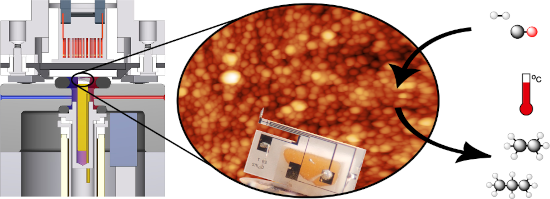
- setup by means of a load lock and transferred throughout the chambers with a transfer stick. The preparation chamber accommodates standard surface preparation techniques including an ion sputter gun, an e-beam evaporator, a quadrupole mass spectrometer, as well as a combined low-energy electron
- diffraction/Auger electron spectroscopy system to verify the cleanliness, structure, and composition of the surface. The UHV system is supported by four pneumatic air legs resting on a concrete slab, which is separated from the foundation of the building, and isolated from the main floor in an ultramicroscopy
- damping for vibration isolation. The sample holder (highlighted in blue in Figure 2a is inserted by locking the spring mechanism with the locking bellow and then fixed to the microscope by inflating the “reactor” bellow. The substrate can be heated from behind by electron bombardment using a tungsten


Engineered PEG–PCL nanoparticles enable sensitive and selective detection of sodium dodecyl sulfate: a qualitative and quantitative analysis
Beilstein J. Nanotechnol. 2025, 16, 385–396, doi:10.3762/bjnano.16.29
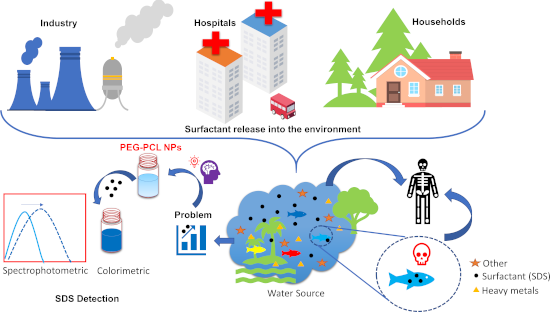
- . Polystyrene latex absorption coefficient and refractive index were used to measure synthesized nanoparticles, prefilled in the software with values of 0.01 and 1.59, respectively. All measurements were performed at 25 °C. The surface morphology of PEG–PCL nanoparticles was analyzed using scanning electron
- performed using SEM (FEI Quanta 250, Netherlands). Transmission electron microscopy (TEM) was also performed to measure nanoparticle mean size and their distribution. The sample was diluted 1000-fold from the stock solution, and 5 µL of the sample was placed onto a carbon-coated copper grid with 200 mesh
- delivery and biosensing. Further insights into the size and morphology of the PEG–PCL NPs were obtained through electron microscopy. Scanning electron microscopy was used to examine the surface structure and to conduct a quantitative size distribution analysis. The SEM images (Figure 2c) revealed that the


Development of a mucoadhesive drug delivery system and its interaction with gastric cells
Beilstein J. Nanotechnol. 2025, 16, 371–384, doi:10.3762/bjnano.16.28
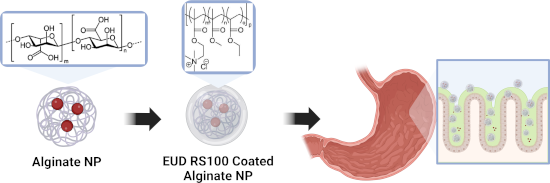
- nanoparticles Morphology of nanoparticles The morphological characterization of nanoparticles was done via scanning electron microscopy (SEM, Zeiss, GeminiSEM500) and scanning transmission electron microscopy (STEM, Ziess, GeminiSEM500). For SEM analysis, nanoparticles were air-dried on SEM stabs and coated


Pulsed laser in liquid grafting of gold nanoparticle–carbon support composites
Beilstein J. Nanotechnol. 2025, 16, 349–361, doi:10.3762/bjnano.16.26
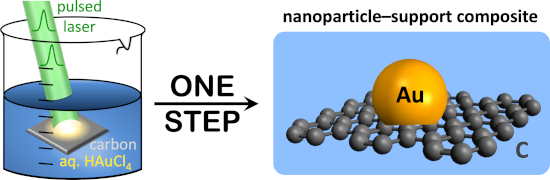
- , rapid, scalable, acid-free process to make carbon fiber paper hydrophilic without destroying the carbon network, as other carbon fiber paper oxidation methods do [22], evident from scanning electron microscopy (SEM) imaging (Figure 2A). Hydrophilicity was achieved by graphitic edge carbon oxygenation
- custom-made Teflon tub, in 2.0 mL of commercially available aqueous colloid of citrate-capped gold nanoparticles (100 nm, nanoComposix), followed by drying under a heat lamp at 60 °C for 20 min. Physical characterization Scanning electron microscopy (SEM) images were obtained at UR-Nano. A Zeiss Auriga
- scanning electron microscope with a Schottky field-emission emitter was operated at 20.00 kV with a working distance of 4.9 mm. Energy-dispersive X-ray (EDX) spectroscopy data were collected using an SEM-integrated EDAX Octane elect plus spectrometer with a with silicon drift detector. Double sided carbon


Tailoring of physical properties of RF-sputtered ZnTe films: role of substrate temperature
Beilstein J. Nanotechnol. 2025, 16, 333–348, doi:10.3762/bjnano.16.25
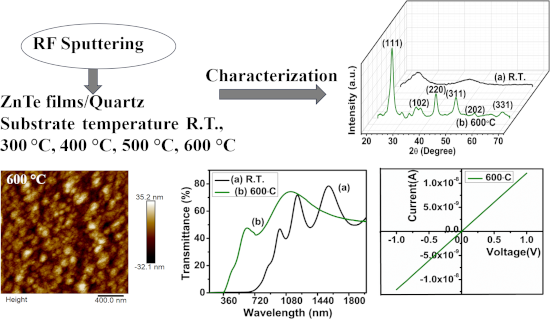
- II–VI semiconductor with a direct bandgap of 2.26 eV, which lies in the visible range of the electromagnetic spectrum. ZnTe is a p-type semiconductor because of zinc vacancies and has a low electron affinity of 3.53 eV at room temperature [5]. It exists in both zincblende and wurtzite structures
- than 5.78 eV, that is, the sum of CdTe electron affinity (4.28 eV) and bandgap (1.5 eV), would be required. Such a material is not available; therefore, the formation of a Schottky barrier is unavoidable. Because of the small 0.1 eV valance band offset at the CdTe/ZnTe interface, which is best for
- physical and chemical methods such as molecular beam epitaxy [8], electron-beam evaporation [9], thermal evaporation [10], pulsed laser deposition (PLD) [11], and RF sputtering [12]. RF sputtering is a versatile technique because various process parameters such as RF power, deposition time, substrate




Graphene oxide–chloroquine conjugate induces DNA damage in A549 lung cancer cells through autophagy modulation
Beilstein J. Nanotechnol. 2025, 16, 316–332, doi:10.3762/bjnano.16.24
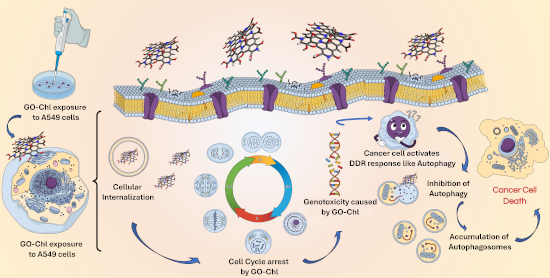
- -resolution transmission electron microscope (Technai G2 F30 STWIN, Japan), field emission scanning electron microscope (FEI, Quanta FEG 450, USA), and atomic force microscope (Nanoscope, Veeco V, USA) [28][29][30]. Cell culture A549 cells from the American Type Culture Collection (ATCC, Manassas, VA, USA
- the specific experiment. Each group contained four technical replicates and three biological replicates for each experiment. In each assay cells without nanoconjugates were used as a control. Transmission electron microscopy analysis The A549 cells (2 × 10⁵ cells/mL/well in 6-well plates) were exposed
- nanoconjugates. The observed data with relative % are shown in Supporting Information File 1, Table S1. The morphological analysis of GO was carried out using field-emission scanning electron microscopy (FESEM) and high-resolution transmission electron microscopy (HRTEM). In Supporting Information File 1, Figure



Fabrication and evaluation of BerNPs regarding the growth and development of Streptococcus mutans
Beilstein J. Nanotechnol. 2025, 16, 308–315, doi:10.3762/bjnano.16.23
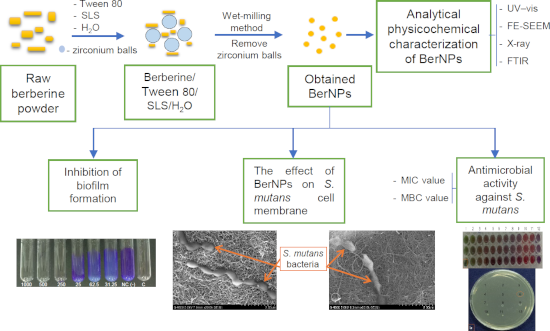
- prepared using a wet-milling method with zirconium balls to enhance bioavailability and expand potential applications. The particle size and physicochemical properties of the BerNPs were analyzed using field-emission scanning electron microscopy (FE-SEM), UV–vis spectroscopy, X-ray diffraction, and Fourier
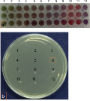
- from the wells in the MIC assay were dripped on the TSA plate and incubated at 37 °C for 24 h. The MBC value was determined as the lowest concentration at which no visible bacterial colonies were observed. Evaluation of the effect of BerNPs on S. mutans cells Filed-emission scanning electron microscopy




Enhancing mechanical properties of chitosan/PVA electrospun nanofibers: a comprehensive review
Beilstein J. Nanotechnol. 2025, 16, 286–307, doi:10.3762/bjnano.16.22
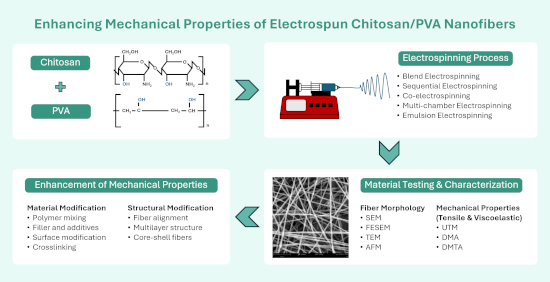
- not impossible. This was demonstrated by Olvera Bernal et al. [58] who employed differentially interferential contrasting to accentuate the color contrast for the fiber diameter measurements of electrospun chitosan/PVA. Imaging techniques based on the principles of electron beams such as scanning
- electron microscopy (SEM) and field-emission scanning electron microscopy (FESEM) are more commonly used to analyze the fiber diameter, distribution, and overall surface morphology [144]. Microscopic images obtained from these techniques help to identify defects such as beading or non-uniformity in fibers
- , which can adversely affect mechanical performance. Besides SEM and FESEM, transmission electron microscopy (TEM) has the additional ability to visualize fiber cross sections and can be employed to examine core–shell, encapsulated, and particle-incorporated fiber structures [112][145][146]. Atomic force


Emerging strategies in the sustainable removal of antibiotics using semiconductor-based photocatalysts
Beilstein J. Nanotechnol. 2025, 16, 264–285, doi:10.3762/bjnano.16.21
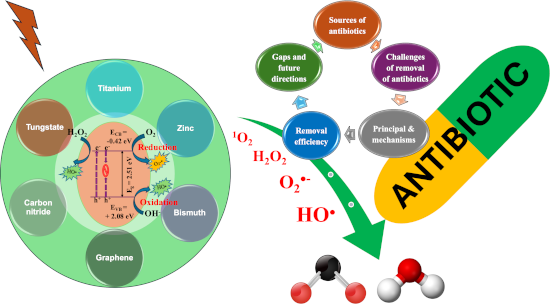
- hydrogen electrode (NHE)). In this reductive pathway, the photoexcited electrons have the ability to interact with electron acceptors, like O2, which can be found on the catalyst surface or dissolved in water. This reaction reduces O2, forming a superoxide radical anion (O2•−) (O2 + e− → O2•−) [35][55
- (antibiotics + HO• and/or O2•− → CO2 + H2O). Mechanisms of metal, nonmetal, or co-doped photocatalysts The large bandgap and high electron–hole recombination rate of traditional and single semiconductor photocatalysts limit their effectiveness under visible light, which hinders their practical application. To
- nonmetal atoms. This method has attracted considerable interest because of its synergistic effect on improving the absorption of visible light and minimizing electron–hole recombination [62][63][64]. However, these synthesized materials not only remove antibiotic pollutants but also impact the formation of