


Search results
Search for "light" in Full Text gives 1542 result(s) in Beilstein Journal of Nanotechnology. Showing first 200.
Engineered PEG–PCL nanoparticles enable sensitive and selective detection of sodium dodecyl sulfate: a qualitative and quantitative analysis
Beilstein J. Nanotechnol. 2025, 16, 385–396, doi:10.3762/bjnano.16.29
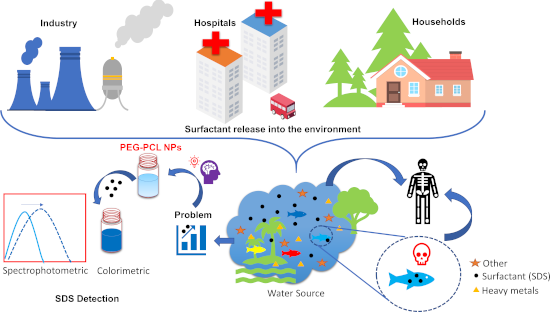
- precipitation step is essential for purifying the nanoparticles and achieving a stable, solid-state product that can be easily collected and dried. Finally, the synthesized PEG–PCL NPs are characterized to assess their size and uniformity. Dynamic light scattering (DLS) techniques measure the average particle
- . Dynamic light scattering measurements revealed that the average hydrodynamic radius of the PEG–PCL NPs was 229.5 nm, confirming their nanoscale dimensions. This finding aligns with previously reported studies that detail the properties of PEG–PCL NPs in similar applications [29]. The polydispersity index
- upon binding to the PEG–PCL NPs. As such, PEG–PCL NPs are colorless. Adding SDS further modifies this interaction, resulting in a red shift from blue to light blue. This color change is a direct consequence of the formation of the SDS–PEG–PCL NPs–dye complex, which alters the electronic structure of


Development of a mucoadhesive drug delivery system and its interaction with gastric cells
Beilstein J. Nanotechnol. 2025, 16, 371–384, doi:10.3762/bjnano.16.28
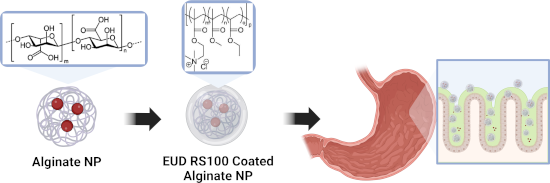
- potential distributions The size of Alg and EudAlg nanoparticles were analyzed by dynamic light scattering (Malvern Zetasizer Nano-ZS) at 25 °C. The nanoparticles were suspended in ddH2O; for each sample, three measurements were performed, twelve runs each, to obtain the distributions. Disposable


Pulsed laser in liquid grafting of gold nanoparticle–carbon support composites
Beilstein J. Nanotechnol. 2025, 16, 349–361, doi:10.3762/bjnano.16.26
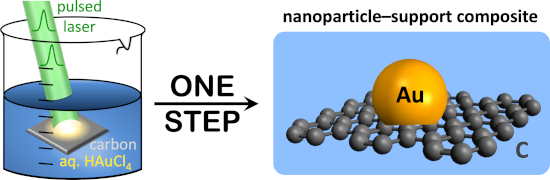
- on the carbon fibers and penetrated into the three-dimensional network of the carbon fibers (Figure 2B), thus taking full advantage of the high internal surface area of carbon fiber paper. The gold nanoparticles were grafted at internal carbon fiber paper surfaces, as expected with laser light


Tailoring of physical properties of RF-sputtered ZnTe films: role of substrate temperature
Beilstein J. Nanotechnol. 2025, 16, 333–348, doi:10.3762/bjnano.16.25
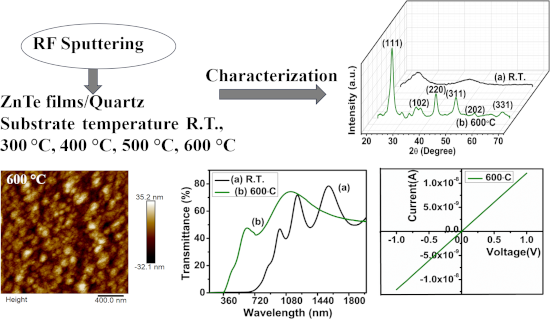
- ) compounds have numerous applications in optoelectronic devices such as light-emitting diodes [1], display devices [2], infrared detectors [3], and terahertz emitters [4]. Owing to their suitable physical properties (deposition at low temperatures and good thermal stability) and unique optical properties due
- [35][36]. Therefore, in this study we have determined both direct and indirect bandgaps. The Tauc relation was used to determine the optical bandgaps (Eg) of ZnTe/Qz films [34] where h represents the Planck constant, ν is the frequency of the incident light, α is the absorption coefficient, and C is
- index has a high value in the lower-wavelength region. It decreases sharply and becomes nearly constant in the higher-wavelength region. This is because, at lower wavelengths, the absorption capacity of a material is high, which results in a decrease in the speed of light, thus increasing the value of n




Graphene oxide–chloroquine conjugate induces DNA damage in A549 lung cancer cells through autophagy modulation
Beilstein J. Nanotechnol. 2025, 16, 316–332, doi:10.3762/bjnano.16.24
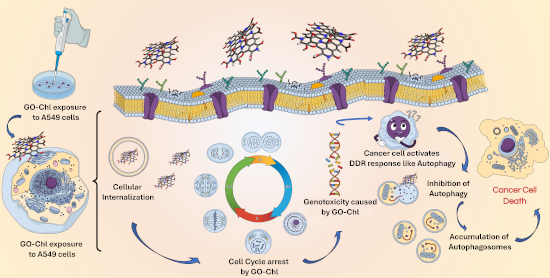
- electrophoresis tank containing freshly prepared chilled electrophoresis solution (1 mM of EDTA, 300 mM of NaOH, pH > 13) for 20 min for DNA unwinding and subsequently subjected to electrophoresis with a 300 mA current, 0.7 V/cm at 4 °C under dimmed light for 30 min. After electrophoresis, the slides were treated
- observed. LC-3 is a microtubule-associated protein 1A/1B – light chain 3 (LC-3) that becomes lipidated and tightly associated with the autophagosome membrane [71]. LC-3 proteins are incorporated onto the autophagosome membrane, which is later degraded by autolysosomes (formed by the fusion between



Emerging strategies in the sustainable removal of antibiotics using semiconductor-based photocatalysts
Beilstein J. Nanotechnol. 2025, 16, 264–285, doi:10.3762/bjnano.16.21
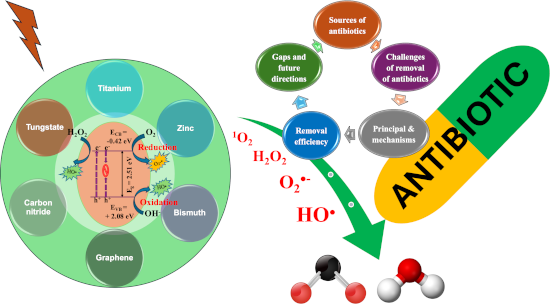
- effectively and precisely break down and neutralize antibiotic compounds with high efficiency and selectivity by utilizing a complex interaction between radical reactive oxygen species and non-radical equivalents under light irradiation. Although photocatalysts have certain drawbacks, such as a limited
- capacity to absorb light and concerns about catalytic stability, photocatalysis outperforms other advanced oxidation processes in multiple aspects. This study focuses on summarizing recent advances in the sustainable removal of antibiotics using semiconductor-based photocatalysts. By reviewing the latest
- light exposure. To be specific g-C3N4-based ternary photocatalysts exhibited more than 90% degradation of tetracycline and sulfamethazine antibiotics within one hour of irradiation. This study addresses the antibiotic degradation efficiency during photocatalytic processes and suggests new approaches to



Radiosensitizing properties of dual-functionalized carbon nanostructures loaded with temozolomide
Beilstein J. Nanotechnol. 2025, 16, 229–251, doi:10.3762/bjnano.16.18




Synthesis and the impact of hydroxyapatite nanoparticles on the viability and activity of rhizobacteria
Beilstein J. Nanotechnol. 2025, 16, 216–228, doi:10.3762/bjnano.16.17
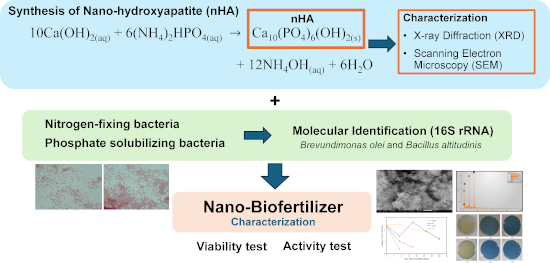
- cycles consisting of denaturation at 94 °C for 45 s, annealing at 52 °C for 1 min, and elongation at 72 °C for 1 min. After the final cycle, polymerization continued at 72 °C for 5 min. The PCR products were then analyzed by electrophoresis on a 1% agarose gel. Visualization was performed under UV light


Recent advances in photothermal nanomaterials for ophthalmic applications
Beilstein J. Nanotechnol. 2025, 16, 195–215, doi:10.3762/bjnano.16.16
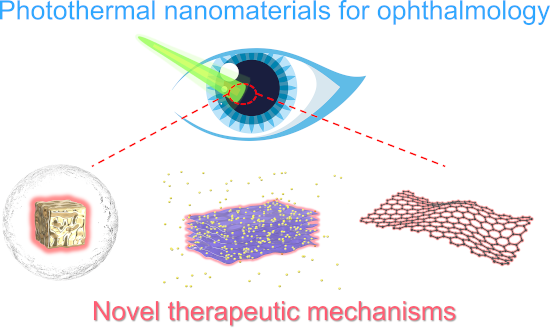
- ophthalmology because of their compatibility with the high transmittance characteristics of ocular tissues, allowing for a more sensitive response to various types of incident light [9][10][11]. This sensitivity facilitates diverse therapeutic effects and offers solutions to complex ophthalmic diseases. In
- photothermal conversion and tunability of light absorption of these materials simplify the therapeutic light source, broadening their applicability [17][18]. Furthermore, the customizable nature of these nanomaterials allows for the development of personalized treatment plans, tailored to individual patient
- , and inorganic semiconductor materials that absorb light through bandgap transitions [25]. The specific photothermal properties of these materials, encompassing aspects such as range and rate of light absorption, photothermal conversion efficiency, heat transfer capability, and photothermal stability


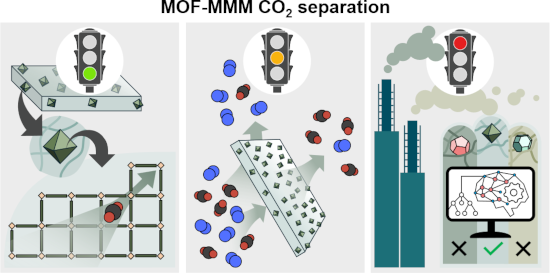
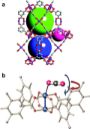
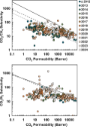
A review of metal-organic frameworks and polymers in mixed matrix membranes for CO2 capture
Beilstein J. Nanotechnol. 2025, 16, 155–186, doi:10.3762/bjnano.16.14




Clays enhanced with niobium: potential in wastewater treatment and reuse as pigment with antibacterial activity
Beilstein J. Nanotechnol. 2025, 16, 141–154, doi:10.3762/bjnano.16.13
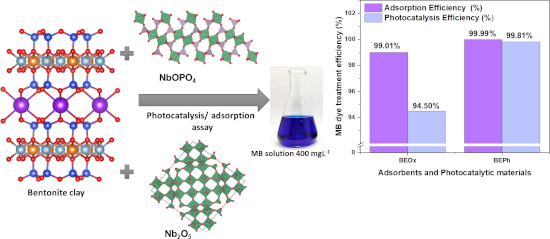
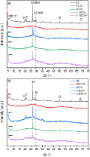
- color of MB in wastewater reduces light penetration into aquatic organisms, disturbing the balance of the ecosystem and harming various forms of life [3]. Effluents and water bodies containing MB require prioritized treatment due to its adverse effect on water quality. Therefore, it is crucial to
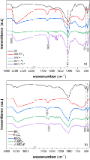
- clay/Nb suspension was continuously stirred for 72 h at 65 °C. The color of the bentonite modified with niobium changes to light yellow (Figure 1b,c). Finally, after being cooled to room temperature, the suspensions were subjected to thermal treatment at 500 °C, with a heating rate of 5 °C/min. These
- out considering ambient light conditions in the laboratory. Following the adsorption process, the clay/Nb samples were centrifuged at 3500 rpm for 10 min, and the final concentration of the solutions was determined using a UV–vis spectrophotometer. These samples were named A-BEPh and A-BEOx to



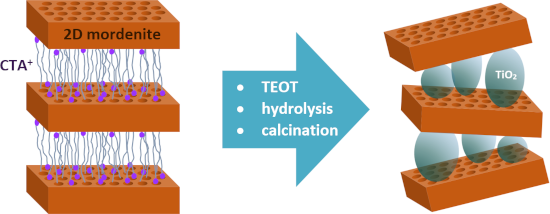
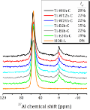
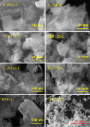
TiO2 immobilized on 2D mordenite: effect of hydrolysis conditions on structural, textural, and optical characteristics of the nanocomposites
Beilstein J. Nanotechnol. 2025, 16, 128–140, doi:10.3762/bjnano.16.12
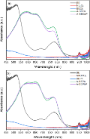
- studied nanocomposites transformed using Equation 6 with n = 2 (since TiO2 is an indirect bandgap semiconductor). Semiconductor materials are characterized by a steep linear increase in light absorption with increasing energy. The bandgap energy can be estimated from the point of intersection of the x



Comparison of organic and inorganic hole transport layers in double perovskite material-based solar cell
Beilstein J. Nanotechnol. 2025, 16, 119–127, doi:10.3762/bjnano.16.11
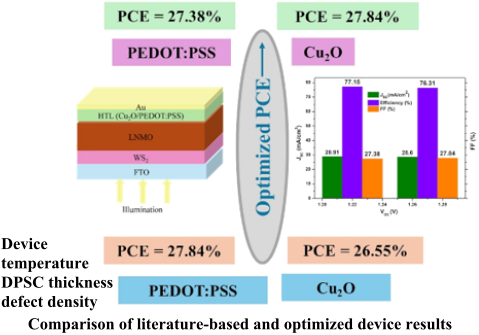
- 2009 to 26.1% in 2023 [5][6]. PSCs consist of an absorber layer sandwiched between charge transport layers (CTLs), that is, the hole transport layer (HTL) and the electron transport layer (ETL). Light generates excitons, which further dissociate into electrons and holes. The electrons and holes are
- to device instability [18]. In this manuscript, La2NiMnO6 (LNMO) is used as a double perovskite light absorbing layer for the device structure FTO/WS2/LNMO/HTL/Au, where WS2 is used as ETL. We optimize the La2NiMnO6 double perovskite with respect to organic (PEDOT:PSS) and inorganic (Cu2O) HTLs. This
- ETL, and NiO was used as HTL, with La2NiMnO6 as absorber [25]. The DPSC showed promising characteristics. Applications of double perovskite compounds include fuel cells, UV sensors, electrochemical sensors, indoor photovoltaics, and light-emitting diodes [26]. Double perovskite LNMO nanoparticles and


Nanocarriers and macrophage interaction: from a potential hurdle to an alternative therapeutic strategy
Beilstein J. Nanotechnol. 2025, 16, 97–118, doi:10.3762/bjnano.16.10
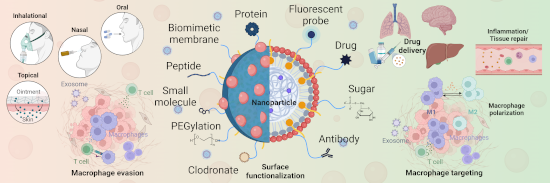
- cancer cells upon near-infrared light exposure, significantly reducing tumor size with minimal damage to surrounding tissues [99]. Moreover, NCs can be designed to deliver immunomodulatory agents, such as checkpoint inhibitors or cytokines, directly to the tumor microenvironment to enhance antitumor


Modeling and simulation of carbon-nanocomposite-based gas sensors
Beilstein J. Nanotechnol. 2025, 16, 90–96, doi:10.3762/bjnano.16.9
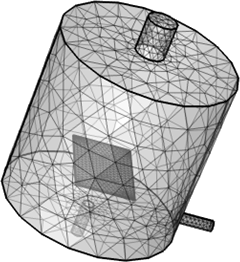
- range from mild headaches and light headedness to sudden death or permanent brain damage. In houses as well as workplaces, it is important to ensure the constant monitoring of enclosed areas for carbon monoxide presence because of the severe risks to human health. Traditional CO sensors, although



Characterization of ZnO nanoparticles synthesized using probiotic Lactiplantibacillus plantarum GP258
Beilstein J. Nanotechnol. 2025, 16, 78–89, doi:10.3762/bjnano.16.8
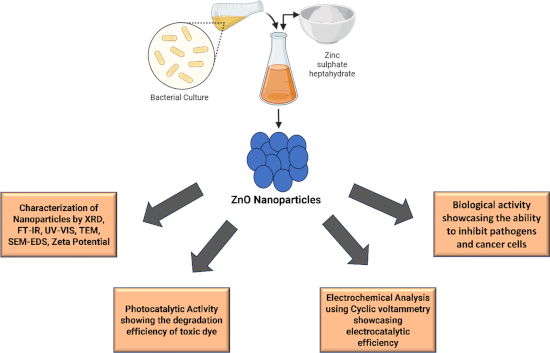
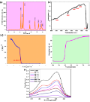
- photocatalyst and 20 ppm of MB dye was exposed to UV light in order to initiate photodegradation. Measurements were taken at 15 min intervals to track the reduction in MB dye concentration. UV–visible spectrophotometry was used to measure the absorbance at 663 nm. Under UV irradiation, the photodegradation of
- showed significant photocatalytic activity by degrading methylene blue under UV illumination, achieving a remarkable 74.15% decolorization within 60 min, with a slightly lower energy of UV light, that is, 392 nm whereas above authors reported 385 nm. Our ZnO NPs shows a zeta potential value of −60 mV
- ppm dye solution containing 60 mg of ZnO NPs. The solution was irradiated with UV light at 392 nm, and aliquots were collected in 15 min intervals for spectrophotometric analysis using the Shimadzu UV-2600 double-beam spectrophotometer. CV and EIS were conducted using a CHI608E analyzer with a three



Instance maps as an organising concept for complex experimental workflows as demonstrated for (nano)material safety research
Beilstein J. Nanotechnol. 2025, 16, 57–77, doi:10.3762/bjnano.16.7
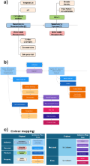
- laboratory under a 16:8 hours light/dark cycle. The steps involved in maintaining the daphnia and the algae on which they feed are shown in the instance map of Figure 5. Third-brood daphniids are used for all ecotoxicity experiments (i.e., acute and chronic toxicity testing) to ensure optimum genetic health
- focused on silica (SiO2) nanomaterials in the size range of 50–100 nm (depending on the method used, i.e., transmission electron microscopy, nanoparticle tracking analysis, or dynamic light scattering (intensity or number distribution)) with different surface modifications, which are reported to be


Advanced atomic force microscopy techniques V
Beilstein J. Nanotechnol. 2025, 16, 54–56, doi:10.3762/bjnano.16.6
- oscillation amplitude yields a signal with a complex temporal structure. This is due to the interferometer signal being limited in amplitude by the spatial periodicity of the cavity light field. By the fit of a model function to the measured time-domain interferometer signal, all displacement signal
- parameters can precisely be determined regardless of the oscillation amplitude. As the periodicity of the cavity light field scales with the length standard given by the laser light wavelength, this specifically facilitates a calibration of the oscillation amplitude with unprecedented accuracy and precision
Theoretical study of the electronic and optical properties of a composite formed by the zeolite NaA and a magnetite cluster
Beilstein J. Nanotechnol. 2025, 16, 44–53, doi:10.3762/bjnano.16.5
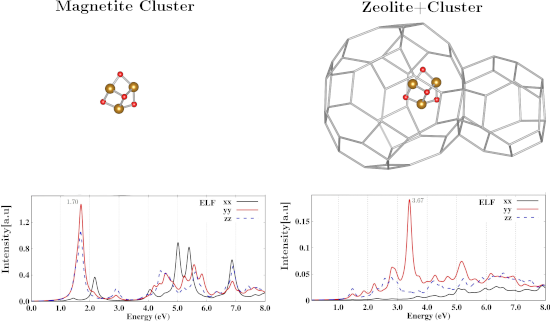
- evident that for energies below 6.8 eV (the value that corresponds to the zeolite bandgap), the value of ε2 is practically zero. Under such circumstances, the velocity (v) of electromagnetic wave propagation in a dielectric medium can be described as , where c is the speed of light in a vacuum. Within




Precursor sticking coefficient determination from indented deposits fabricated by electron beam induced deposition
Beilstein J. Nanotechnol. 2025, 16, 35–43, doi:10.3762/bjnano.16.4
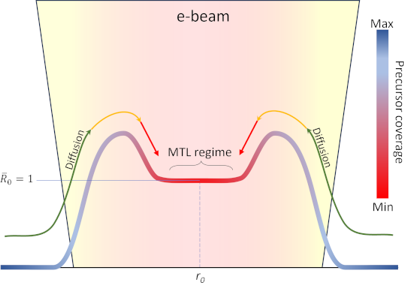
- (C6H6)2 at room temperature are almost two orders of magnitude lower. Despite the fact that the investigations in these works have been performed for relatively light molecules (≈72 g/mole) compared to Cr(C6H6)2 (208 g/mole) or Me3CpPtMe (319 g/mole), these findings may shed light on the adsorption


A nanocarrier containing carboxylic and histamine groups with dual action: acetylcholine hydrolysis and antidote atropine delivery
Beilstein J. Nanotechnol. 2025, 16, 11–24, doi:10.3762/bjnano.16.2
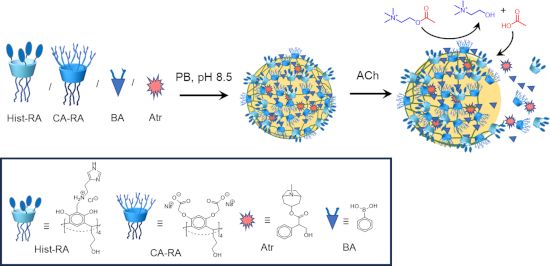
- corresponds to the hydrodynamic diameter of p(Hist-CA), while the latter one relates to the size of aggregates. The average molecular weight (M) of the aggregate was determined using the static light scattering (SLS) Debye plot. The plot of KC/Rθ against C, where K is the Debye constant, C is the
- than that of free Fl because of self-quenching within the confined core and light screening by the polymer shell. Notably, the addition of individual Hist-RA or CA-RA, or of their mixture does not significantly impact Fl emission intensity (Supporting Information File 1, Figure S6a). Similarly
- weighed on a Sartorius CP2P microbalance (Germany) in tin capsules. Quantitative measurements and data analysis were performed with Callidus 4.1 software. Hydrodynamic size and molecular weight were analyzed with a ZetaSizer Nano dynamic light scattering photon correlation spectrometer from Malvern, UK


Orientation-dependent photonic bandgaps in gold-dust weevil scales and their titania bioreplicates
Beilstein J. Nanotechnol. 2025, 16, 1–10, doi:10.3762/bjnano.16.1
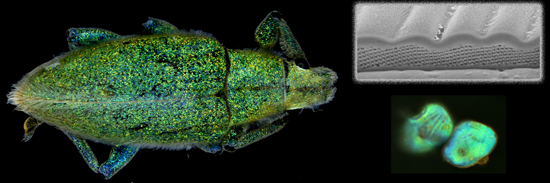
- crystallites with different lattice orientations. The reciprocal space images and reflection spectra obtained from single domains indicated a partial photonic bandgap in the wavelength range from 450 to 650 nm. Light reflected from {111}-oriented domains is green-yellow. Light reflected from blue, {100
- }-oriented domains exhibits polarization conversion, rotating the angle of linearly polarized light. The overall coloration, resulting from the reflections from many scales, is close to uniformly diffuse because of the random orientation of the domains. Using titania sol–gel chemistry, we produced negative
- achieved when light interacts with a material having a periodically changing refractive index. Interference produces structural colors that may be quite saturated and angle-dependent (iridescent). Structurally colored materials feature refractive index variations in one, two, or three dimensions [1][2]. In


Attempts to preserve and visualize protein corona on the surface of biological nanoparticles in blood serum using photomodification
Beilstein J. Nanotechnol. 2024, 15, 1654–1666, doi:10.3762/bjnano.15.130
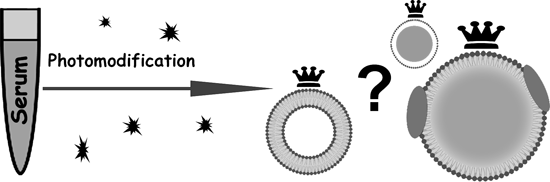
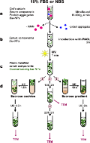
- -modified serum proteins to the surface of bio-NPs, the sera were exposed to UV light with a wavelength of 310 nm and 8.2 mW/cm2 for 1 min. Sera that were not photomodified served as a control. Thus, we obtained FBS and NBS samples containing bio-NPs carrying proteins bound by the photomodifier to the



Fabrication of hafnium-based nanoparticles and nanostructures using picosecond laser ablation
Beilstein J. Nanotechnol. 2024, 15, 1639–1653, doi:10.3762/bjnano.15.129
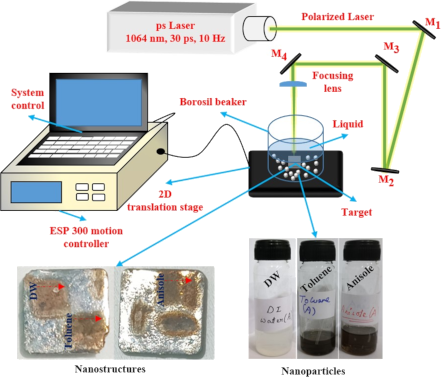
- properties make Hf metal suitable for laser patterning of sub-wavelength-size structures, and the choice of the liquid for LAL enables the variation of feature size. We have used linearly polarised light in the present study. The orientation of the LIPSS depends on the polarization and rotates with the input




Natural nanofibers embedded in the seed mucilage envelope: composite hydrogels with specific adhesive and frictional properties
Beilstein J. Nanotechnol. 2024, 15, 1603–1618, doi:10.3762/bjnano.15.126
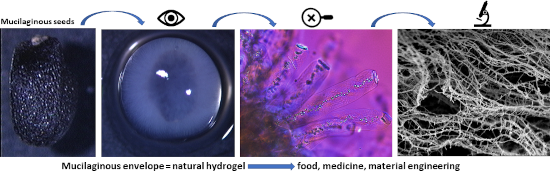
- spontaneously. The mucilage envelope can act as a lens focusing the light and locally increasing temperature [4]. The temperature increase possibly activates enzymes involved in the germination processes [5]. This could happen to Ocimum basilicum seeds (as well as to seeds of other plant taxa) under natural





