Search results
Search for "material" in Full Text gives 1946 result(s) in Beilstein Journal of Nanotechnology. Showing first 200.
Impact of adsorbate–substrate interaction on nanostructured thin films growth during low-pressure condensation
Beilstein J. Nanotechnol. 2025, 16, 473–483, doi:10.3762/bjnano.16.36
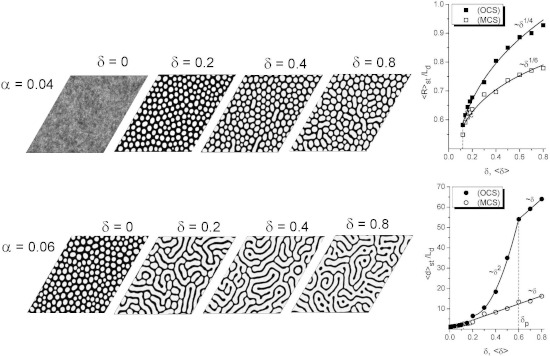
- –substrate interactions on scales shorter than the diffusion length. The strength of adsorbate–substrate interaction is defined by both substrate and adsorbed material. Adsorbate–substrate interactions encompass a broad spectrum of physical and chemical phenomena that dictate the initial nucleation


Effect of additives on the synthesis efficiency of nanoparticles by laser-induced reduction
Beilstein J. Nanotechnol. 2025, 16, 464–472, doi:10.3762/bjnano.16.35
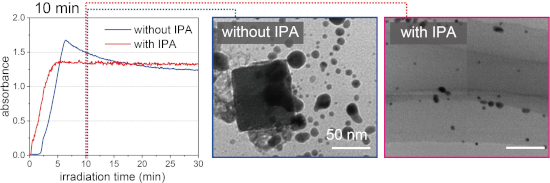
- target source material is a ‘solid’ or a ‘metal ion’. Methods for synthesizing particles using solid materials include laser ablation in liquid (LAL) [13][14][15], laser fragmentation in liquid (LFL) [16], and laser melting in liquid (LML) [17], and many excellent reports have been published on the
- synthesis of various nanoparticles that maintain the crystal structure and composition of the source solid material. In contrast to those methods, laser-induced reduction in liquid (LRL) is a nanoparticle synthesis method based on reduction reactions induced by laser in solution. Synthesis of nanoparticles


Quantification of lead through rod-shaped silver-doped zinc oxide nanoparticles using an electrochemical approach
Beilstein J. Nanotechnol. 2025, 16, 422–434, doi:10.3762/bjnano.16.33
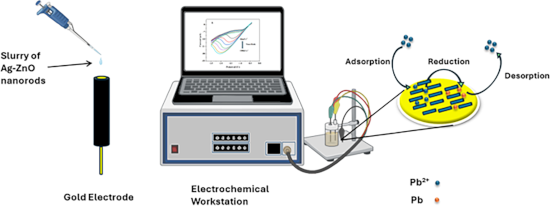
- medicine, electronics, environmental remediation, and energy [10][11]. The use of certain metal dopants to modify the chemical, optical, and electrical features of a material has gained considerable interest in the realm of semiconductor technology. A recent study has conducted thorough investigations into
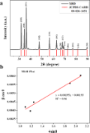
- calculate the average crystallite size of the Ag@ZnO NRs: where λ = 1.54 Å (wavelength of the Kα radiation of Cu), β = full width at half maximum, and θ = peak position. The average crystal size of Ag@ZnO NRs is found to be approximately 28 nm. The dislocation density (δ) of the crystalline material




Biomimetics and bioinspired surfaces: from nature to theory and applications
Beilstein J. Nanotechnol. 2025, 16, 418–421, doi:10.3762/bjnano.16.32
- environmental pressures. Such pressures involve intricate interactions between surface structures and the environment across different scales, including nano-, micro-, and macroscales. Biomimetics aims at making use of understanding how these adaptations and the particular material properties of these surfaces
- , substrate compliance, and overall pad geometry. The attachment system of a second stick insect species was structurally investigated by Thomas et al. [4]. This article employed a range of imaging techniques to elucidate the ultrastructure and material composition of the two attachment pad types of this
- helped us to critically discuss and improve the manuscripts. It is our hope that these studies inspire scientists, engineers, and innovators to further explore the possibilities of biomimetic designs, forging new paths in material science and technology. Dedication Biomimetics, the key connective element

Size control of nanoparticles synthesized by pulsed laser ablation in liquids using donut-shaped beams
Beilstein J. Nanotechnol. 2025, 16, 407–417, doi:10.3762/bjnano.16.31
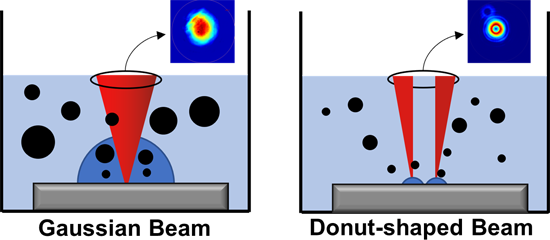
- laser pulses was observed for all studied materials and in every of the three repeated PLAL experiments performed for each material at a fixed pulse energy, including the experiments with different beam polarizations (radial and azimuthal). To ensure the reproducibility of the results, a minimum of 300
- hydrodynamic instability of the decelerating plume interpenetrating the liquid’s low-density region, the metal vapor condensation, and the emission of metal nanojets. Thus, the donut-shaped beam, which forms a more homogeneous temperature field than the Gaussian beam, affects the material melt’s hydrodynamics


Engineered PEG–PCL nanoparticles enable sensitive and selective detection of sodium dodecyl sulfate: a qualitative and quantitative analysis
Beilstein J. Nanotechnol. 2025, 16, 385–396, doi:10.3762/bjnano.16.29
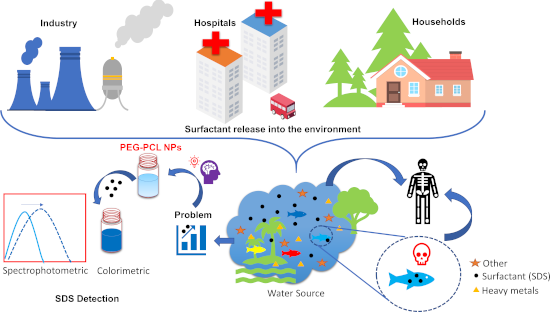
- microscopy (SEM). The nanoparticles obtained from the 10 mg/mL stock solution were diluted 100-fold for the SEM analysis. The slide for SEM imaging was prepared with a sputter coating of gold as a conductive material, followed by the addition of 10 μL of nanoparticles, and air drying. The imaging was


Development of a mucoadhesive drug delivery system and its interaction with gastric cells
Beilstein J. Nanotechnol. 2025, 16, 371–384, doi:10.3762/bjnano.16.28
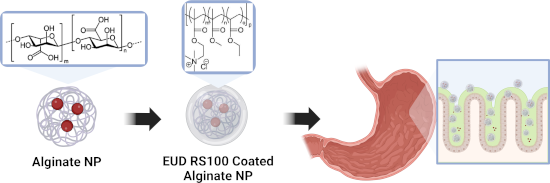
- polymer enables drug release by diffusion [21]. Eudragit RS30D is the 30% aqueous dispersion of Eudragit RS100, which is promptly used as coating material [22] or within formulations of drug delivery systems with sustained release characteristics [23]. Although the mucoadhesion of this polymer is known


Vortex lattices of layered HTSCs at different vortex–vortex interaction potentials
Beilstein J. Nanotechnol. 2025, 16, 362–370, doi:10.3762/bjnano.16.27
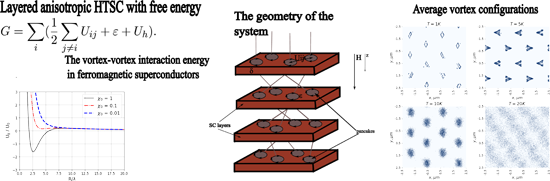
- , respectively: where Λ = 2λecoth(δ/λe) is the modified Pearl length, is the magnetic field penetration depth after renormalization, and χ0 is the magnetic susceptibility of the material. The higher the magnetic susceptibility, the greater the difference between the model potential and the potential from


Pulsed laser in liquid grafting of gold nanoparticle–carbon support composites
Beilstein J. Nanotechnol. 2025, 16, 349–361, doi:10.3762/bjnano.16.26
- Madeleine K. Wilsey Teona Taseska Qishen Lyu Connor P. Cox Astrid M. Muller Material Science Program, University of Rochester, Rochester, New York 14627, United States Department of Chemical Engineering, University of Rochester, Rochester, New York 14627, United States Department of Chemistry
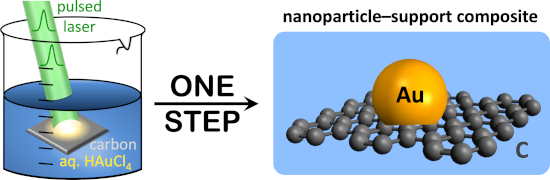
- the need for synthesizing, collecting, and attaching nanoparticles separately. This way, composite fabrication becomes more time-saving, cost-effective, and environmentally friendly. A premier electrode support material is carbon because it is affordable, scalable, and stable under many
- unattached catalyst material, which is especially problematic with precious catalysts. Overall, separate nanoparticle synthesis–attachment produces composites with adhesion, durability, electrical contact, and concomitant energy efficiency issues. Here, we report a new one-step pulsed laser grafting process


Tailoring of physical properties of RF-sputtered ZnTe films: role of substrate temperature
Beilstein J. Nanotechnol. 2025, 16, 333–348, doi:10.3762/bjnano.16.25
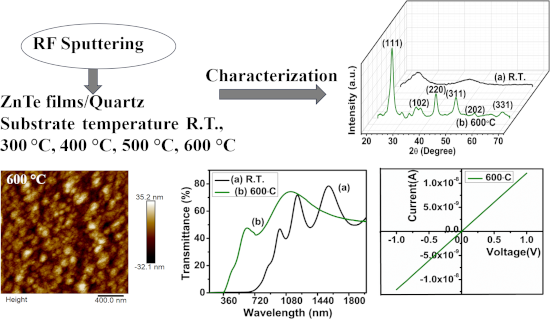
- used for this purpose. However, the requirement of very pure material for making these devices leads to high production cost. Metal chalcogenide-based solar cells, because of their low cost and comparable efficiency, can act as a substitute for the Si-based technology. Metal chalcogenide (II–VI
- (CdZnTe) compounds. Currently many efforts are made to increase the efficiency of CdTe-based solar cells. A maximum efficiency of 22.1% has been achieved using CdTe-based solar cells. The efficiency can be tuned by the formation of a stable ohmic back contact. For this, a material with a bandgap greater
- than 5.78 eV, that is, the sum of CdTe electron affinity (4.28 eV) and bandgap (1.5 eV), would be required. Such a material is not available; therefore, the formation of a Schottky barrier is unavoidable. Because of the small 0.1 eV valance band offset at the CdTe/ZnTe interface, which is best for

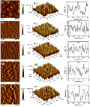

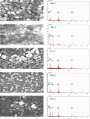


Graphene oxide–chloroquine conjugate induces DNA damage in A549 lung cancer cells through autophagy modulation
Beilstein J. Nanotechnol. 2025, 16, 316–332, doi:10.3762/bjnano.16.24
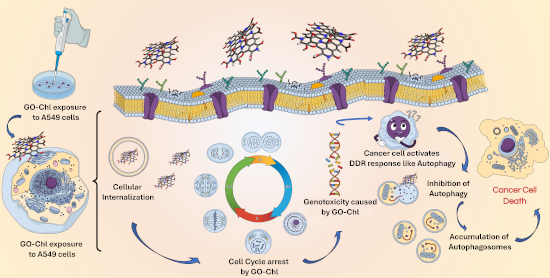
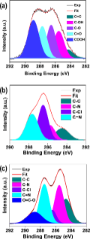
- factors such as the source of graphite, the weight equivalent of KMnO4, reaction time, and washing conditions [26][37]. Most importantly, the degree of oxidation of graphene oxide plays a crucial role in controlling the cytotoxicity of the material [38][39]. To achieve higher oxidation, six times weight



Fabrication and evaluation of BerNPs regarding the growth and development of Streptococcus mutans
Beilstein J. Nanotechnol. 2025, 16, 308–315, doi:10.3762/bjnano.16.23
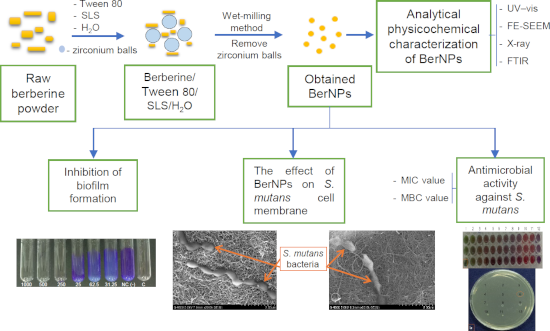
- of nanoparticles, and preserves the sterility of the material [19][20]. In this study, sodium dodecyl sulfate, a negative ion surfactant, was adsorbed in the production process onto the surface of nanoparticles, resulting in negatively charged particles. Particles with the same surface charge repel
- particle sizes results in a larger total surface area, thus significantly increasing biological activity and stability [20][28]. Compared to other studies, the size of the berberine nanoparticles obtained in this study was smaller, highlighting the significant application potential of the material. UV–vis
- content in the powder material was determined to be 92% by mass. In both raw berberine powder and BerNPs, X-ray diffraction analysis showed strong peaks around 9.5° and weak peaks between 25.5° and 26.5° (Figure 2C). These characteristic diffraction peaks represent the crystalline structure of berberine




Enhancing mechanical properties of chitosan/PVA electrospun nanofibers: a comprehensive review
Beilstein J. Nanotechnol. 2025, 16, 286–307, doi:10.3762/bjnano.16.22
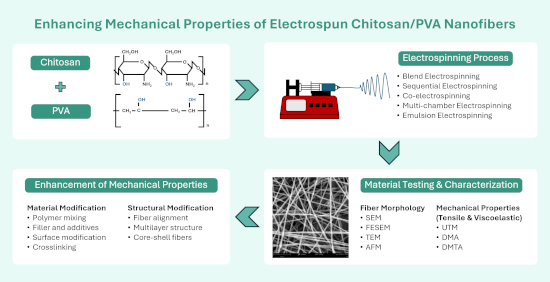
- . Key strategies for improvement are analyzed, including material modifications through blending and structural modifications like fiber orientation and multilayer constructions, and surface modifications such as coating and functionalization. The review also covers advanced characterization methods to
- conductivity. Finally, environmental parameters include relative humidity and temperature [15]. Chitosan, a widely utilized material in electrospun nanofiber membranes, is derived from the crystalline microfibrils of crustaceans, including crabs and prawns. It is biodegradable and exhibits a high capacity for
- current techniques and methods for improving the mechanical properties of electrospun nanofibers, thereby enhancing their application in various fields. Materials composition Chitosan is an intriguing material derived from chitin. Because of its promising properties, it has attracted significant attention


Emerging strategies in the sustainable removal of antibiotics using semiconductor-based photocatalysts
Beilstein J. Nanotechnol. 2025, 16, 264–285, doi:10.3762/bjnano.16.21
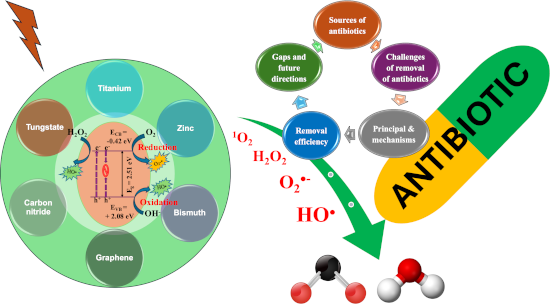
- AOPs facilitate antibiotic degradation without extra chemical oxidants and with minimal harmful byproducts, promoting environmental sustainability [27]. Moreover, they exhibit high selectivity towards antibiotics while preserving water quality. Compared to other photocatalysts material, semiconductor
- photocatalyst, initiating further reactions on the material surface. Photogenerated holes have the potential to directly target antibiotics (h+ + antibiotics → H2O + CO2 + degradation products). This process can possibly result in substantial destruction of the harmful antibiotics. Figure 3 illustrates the
- improve the photocatalytic efficiency, several dopants, such as transition metals (Fe, Cu, Mn, Zn, Ni, Co, Cr, Ru, and Ag) or nonmetals (C, N, S, and F) have been introduced into the semiconductor material. Metal and nonmetal dopants have the ability to construct an impurity energy level located below the


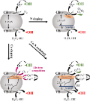

Preferential enrichment and extraction of laser-synthesized nanoparticles in organic phases
Beilstein J. Nanotechnol. 2025, 16, 254–263, doi:10.3762/bjnano.16.20
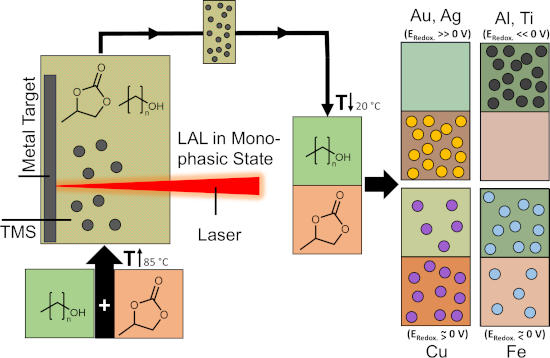
- in liquid; laser synthesis and processing of colloids; phase transfer; size separation; thermomorphic multiphase system; Introduction Laser ablation in liquids (LAL) provides nanoparticles without the need of external surfactants while retaining the initial composition of the educt material in the
- liquid hydrocarbons such as pyrolysis products [15][16][17][18], polyynes [19][20][21], and dimers [13][22][23]. Furthermore, depending on the solvent and ablated material pairing, carbon may be “harvested” from the solvent forming crystalline carbides [24][25][26][27], amorphous carbon dopant [28][29
- propylene carbonate and 1-nonanol TMS and observed their phase preference to gain insights if the nanoparticle material has an impact on the preferred phase. We further narrowed down the influence of the TMS composition by varying the alkyl chain length of the alcohol from C6 to C11 and, consequently




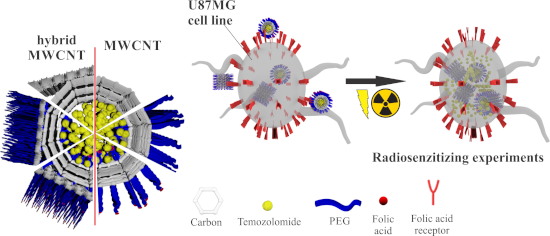
Radiosensitizing properties of dual-functionalized carbon nanostructures loaded with temozolomide
Beilstein J. Nanotechnol. 2025, 16, 229–251, doi:10.3762/bjnano.16.18




Synthesis and the impact of hydroxyapatite nanoparticles on the viability and activity of rhizobacteria
Beilstein J. Nanotechnol. 2025, 16, 216–228, doi:10.3762/bjnano.16.17
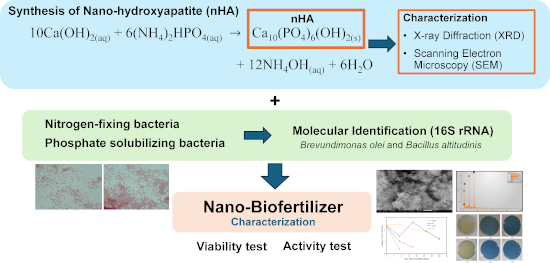
- rhizobacteria during plant application poses a significant challenge when utilizing rhizobacteria as biofertilizers, especially under adverse environmental conditions. Therefore, the selection of a suitable carrier material for rhizobacteria plays a crucial role in ensuring the sustained viability of these
- used as a carrier for two rhizobacteria strains (Pd and Tb). The structural and morphological properties of nHA were examined through XRD and scanning electron microscopy analyses. Rhizobacteria were encapsulated within the carrier material, and their viability was evaluated using the total plate count
- their viability over the long term. These findings indicate the potential of a nanohydroxyapatite–rhizobacteria system as a promising environmentally friendly fertilizer. Keywords: biofertilizer; carrier material; nanohydroxyapatite; rhizobacteria; Introduction In recent years, Indonesia has observed


Recent advances in photothermal nanomaterials for ophthalmic applications
Beilstein J. Nanotechnol. 2025, 16, 195–215, doi:10.3762/bjnano.16.16
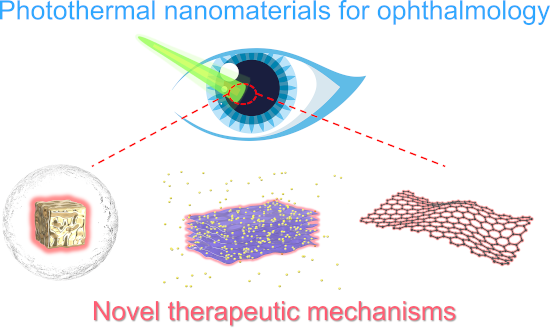
- to generate VNB ablation of the ILM covering the retina can help deliver drugs to the retina [167]. The common material used to generate VNBs, AuNPs, has disadvantages including long-term accumulated toxicity and fragmentation under laser irradiation [168]. ICG, which has been used in ophthalmology
- machine learning to accelerate material development, exploring more types of photothermal nanomaterials, exploring more diverse composite photothermal material formulations, utilizing advanced characterization techniques, and collaborating with multidisciplinary researchers, more advanced and effective
- explanations of material size, structure, dosage, and administration methods [215]. During treatment, processes such as nanoparticle aggregation, material degradation, cellular uptake/excretion, and unintended release of adsorbents require comprehensive safety analysis. In inorganic photothermal nanomaterials


A review of metal-organic frameworks and polymers in mixed matrix membranes for CO2 capture
Beilstein J. Nanotechnol. 2025, 16, 155–186, doi:10.3762/bjnano.16.14
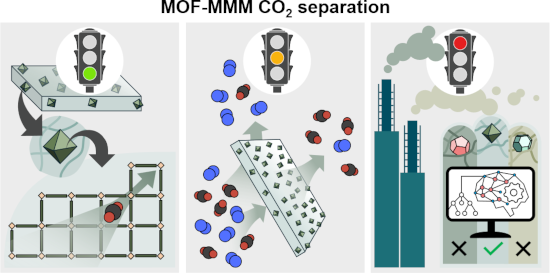
- excellent separation properties and robust MMM stability. One of the first MMMs developed with inorganic fillers in the context of the separation of gaseous compounds dates back to 1912 by Steinitzer [81]. Although not denoted as a MMM at the time, the material prepared by Steinitzer is a rubber comprising
- MMMs Material characterization techniques are pivotal for the assessment of novel MOF-based MMMs structures. Electron microscopy enables direct imaging of a sample with up to sub-nanometer resolution [139]. Scanning electron microscopy (SEM) is a popular and straightforward method to obtain images of
- supplements the material analysis with crystallographic data [142]. As MOFs are crystalline, crystallographic spectra of MOFs, polymer membranes, and MOF-based MMMs will differ notably, which in turn may indicate the success of MOF integration in the polymer membrane [113][118][122][131]. Alterations to the





Clays enhanced with niobium: potential in wastewater treatment and reuse as pigment with antibacterial activity
Beilstein J. Nanotechnol. 2025, 16, 141–154, doi:10.3762/bjnano.16.13
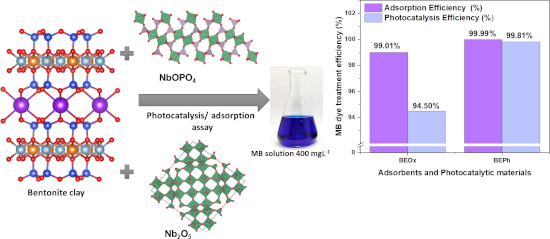
- natural clay has predominantly the bentonite phase (at least 50%), known as montmorillonite. Isomorphic substitution of cations between the interlayer space of montmorillonites by exchanging Na+, Ca2+, Mg2+, and Cu2+ cations add other functionalities to the resulting material [7]. Heterogeneous
- photocatalyst to treat MB dye solutions and reuse this material as a hybrid pigment. Considering the semiconductor properties of niobium and the high capacity of the clay to remove pollutants from wastewater, we proposed in this research to use the niobium-modified clay as an adsorbent and photocatalyst to
- treat MB dye solutions. To reuse this colored material, recovered from the adsorption and photocatalysis tests, we propose using these as-prepared, blue-colored samples as a hybrid pigment. Subsequently, the as-prepared, blue-colored samples were evaluated for their color properties by CIEL*a*b* color


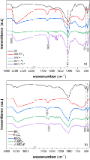
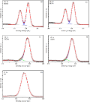
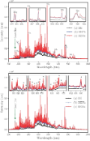
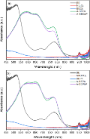

TiO2 immobilized on 2D mordenite: effect of hydrolysis conditions on structural, textural, and optical characteristics of the nanocomposites
Beilstein J. Nanotechnol. 2025, 16, 128–140, doi:10.3762/bjnano.16.12
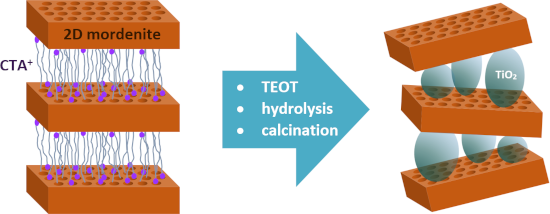
- distance and, hence, the mesopore size, but also the aluminum distribution and acidic properties of the obtained material, which are key parameters for catalysts [5][7][8][9][10]. One widely used component for the synthesis of 2D zeolites is CTAB [5][9][11][12][13]. To prepare mesoporous materials from
- hybrid zeolite–CTAB aggregates, inorganic pillars are pre-formed in the CTAB layers, which will keep the zeolite lamellae from collapsing when burning the organic phase. The flexibility in the choice of material to form pillars creates a wide range of potential new materials for targeted applications
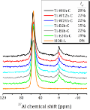
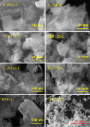
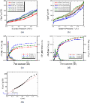
- that direct synthesis of TiO2 in mesoporous silica or zeolites provides strong immobilization of TiO2 nanoparticles through Ti–O–Si bonding [21][22][23]. Previously, we reported the results of the trial synthesis of a new TiO2/2D mordenite nanocomposite [28]. The material was obtained from a composite



Comparison of organic and inorganic hole transport layers in double perovskite material-based solar cell
Beilstein J. Nanotechnol. 2025, 16, 119–127, doi:10.3762/bjnano.16.11
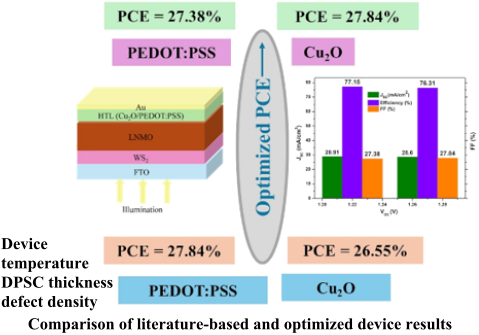
- -based PSCs as a promising photovoltaic material. The double perovskite layer is a remarkable choice as active layer because of intrinsic carrier stability, low exciton binding energy, and low toxicity. Herein, the optimization of a planar DPSC with a multifunctional double perovskite absorber layer
- % was reported for the device configuration FTO/WS2/LNMO/Cu2O/Au, representing La2NiMnO6 as an eco-friendly and non-toxic oxide material usable for further applications [17]. In literature, DPSCs with inorganic Cu2O have been studied, but in this manuscript we also consider organic materials. The
- work mainly explains the impact of HTLs on the double perovskite material because, until now, the efficiency is low in this type of solar cell. The results highlight the potential of these HTLs for enhanced device performance in DPSCs. Also, the optimized parameters from these studies indicate pathways


Nanocarriers and macrophage interaction: from a potential hurdle to an alternative therapeutic strategy
Beilstein J. Nanotechnol. 2025, 16, 97–118, doi:10.3762/bjnano.16.10

- such as iron and gold [4][5]. Each material is chosen for its unique properties, such as size, hydrophilicity, and charge, that make it suitable for acting as a drug carrier. NCs can be functionalized on their surface to improve the stability and solubility of high-payload encapsulated cargos, promote


Modeling and simulation of carbon-nanocomposite-based gas sensors
Beilstein J. Nanotechnol. 2025, 16, 90–96, doi:10.3762/bjnano.16.9
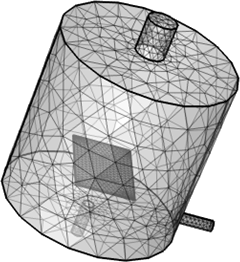
- sensor using COMSOL Multiphysics whose active sensing material used is a carbon nanocomposite (i.e., 0.1 wt % of single-walled carbon nanotubes along with PEDOT:PSS (poly(3,4-ethylenedioxythiophene):poly(styrenesulfonate)) in an equal volume ratio of 1:1. Given the high cost associated with the
- concentrations ranging from 1 to 7 ppm. The surface coverage over the range of 14% to 32.94% for the given range of concentrations is achieved giving the information of the amount of gas molecules adsorbed onto the surface of the sensing material at a given time. The surface coverage of the sensor is enhanced by
- is made up of a carbon nanocomposite material, and the material properties considered in this project are as shown in Table 1. Gas chamber modeling The sensor is placed within an enclosed chamber which consist of two outlets and a single inlet at the top of the chamber. This chamber is specifically




Characterization of ZnO nanoparticles synthesized using probiotic Lactiplantibacillus plantarum GP258
Beilstein J. Nanotechnol. 2025, 16, 78–89, doi:10.3762/bjnano.16.8
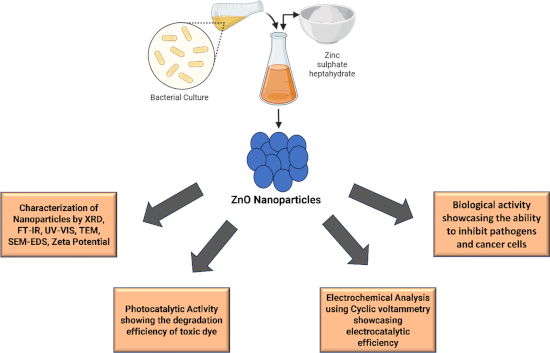
- and practical implementations. Further investigation is needed to study the exact mechanism responsible for showing antibacterial and antiproliferative effects, paving the way for potential clinical and industrial applications of these biosynthesized ZnO NPs. Material and Methods Materials