
Search results
Search for "NaCl" in Full Text gives 223 result(s) in Beilstein Journal of Nanotechnology. Showing first 200.
Functionalization of α-synuclein fibrils
Beilstein J. Nanotechnol. 2015, 6, 124–133, doi:10.3762/bjnano.6.12

- ), containing 0.1 mM EDTA, 0.2 mM PMSF, and 500 mM NaCl. The cell lysate was heated at 100 °C for 10 min and subsequently centrifuged at 13200g for 20 min. The supernatant was dialyzed against 50 mM Tris-HCl, pH 8.0, 1 mM dithiothreitol, 1 mM EDTA, pH 8.0, and loaded into a HiTrap ANX column (GE Healthcare
- ) equilibrated in the same buffer. Proteins were eluted using a linear gradient of 0–1 M NaCl. Fractions containing α-SynC141 were pooled and additionally applied to a HiTrap Q XL column (GE Healthcare) and were identified by 15% SDS-PAGE. The α-Syn protein, expressed and purified in the same manner as α-SynC141
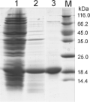
- , was used for control assays. Protein purity was evaluated by gel electrophoresis. Mass spectrometry verified the presence of the cysteine residue in the C terminal. α-SynC141 and α-Syn fibril formation Lyophilized proteins were dissolved in the buffer: 50 mM Tris-HCl, 100 mM NaCl, pH 7.5 to a final


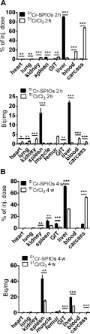
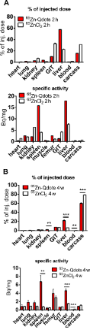
The distribution and degradation of radiolabeled superparamagnetic iron oxide nanoparticles and quantum dots in mice
Beilstein J. Nanotechnol. 2015, 6, 111–123, doi:10.3762/bjnano.6.11

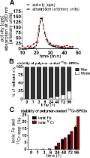
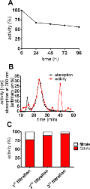
- normal diet of 260 µg Zn [35][36][37]. Size-exclusion chromatography (SEC) Similar to that previously described in [24], SEC was performed using a Superose-6 10/300 GL column (Amersham Bioscience, Munich, Germany) with buffer (10 mM tris(hydroxymethyl)aminomethane, 0.15 mM NaCl, 10 mM EDTA) at a flow





The fate of a designed protein corona on nanoparticles in vitro and in vivo
Beilstein J. Nanotechnol. 2015, 6, 36–46, doi:10.3762/bjnano.6.5

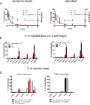
- (hydroxymethyl)aminomethane, pH 8.0; 0.15 mM NaCl, 10 mM EDTA) at a flow rate of 0.5 mL/min. Under UV 280 nm detection, fractions of 0.5 mL were collected and 125I and 59Fe were measured using a γ-counter. The column was calibrated by injecting a sample of human plasma and DLS-measurements were performed in


Nanobioarchitectures based on chlorophyll photopigment, artificial lipid bilayers and carbon nanotubes
Beilstein J. Nanotechnol. 2014, 5, 2316–2325, doi:10.3762/bjnano.5.240

- composition: peptone (Merck, 10 g/L), yeast extract (Biolife, 5 g/L), NaCl (Sigma-Aldrich, 5 g/L) and agar (Fluka, 20 g/L). Synthesis Liposome preparation The hydration method [22] of a thin DPPC film was used to obtain two kinds of multilamellar lipid vesicles (MLVs, 0.5 mM) with and without cholesterol in


The gut wall provides an effective barrier against nanoparticle uptake
Beilstein J. Nanotechnol. 2014, 5, 2092–2101, doi:10.3762/bjnano.5.218

- harvested by first flushing the gut with air and then gently squeezing the tissue with moist cotton pads. Mucus was dissolved in a lysis buffer (100 mM Tris-Cl, pH 8.0–8.5, 200 mM NaCl, 0.2% SDS, 5 mM EDTA, 100 µg/mL proteinase K) for 15 to 30 min, and the fluorescence of the solubilized effluate was


Effect of channel length on the electrical response of carbon nanotube field-effect transistors to deoxyribonucleic acid hybridization
Beilstein J. Nanotechnol. 2014, 5, 2081–2091, doi:10.3762/bjnano.5.217
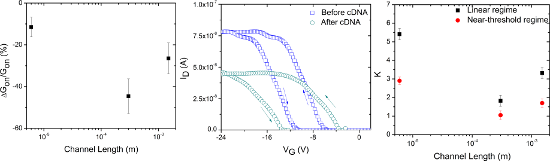
- , Biotechnology grade) consisting of 137 mM NaCl, 2.7 mM KCl, and 10 mM phosphate buffer in 1000 mL distilled H2O was purchased from BST Scientific Ltd., Singapore. SWCNT-based FETs were incubated with 5 mM of the linker molecule PASE in pure DMF for 3 hours at room temperature followed by washing with DMF and


Dissipation signals due to lateral tip oscillations in FM-AFM
Beilstein J. Nanotechnol. 2014, 5, 2048–2057, doi:10.3762/bjnano.5.213

- [38] with parameters from [39] and van der Waals parameters from [40] for the ionic bonding of KBr. The tip is a cube of 3 × 3 × 3 unit cells (216 atoms) of a NaCl-lattice, while there are 7 × 7 × 3 unit cells (1176 atoms) for the substrate. Compared to the crystallographic orientation of the
- for the retreat, thereby intentionally suppressing the adhesion hysteresis effect as well as configurational changes. In a first step, we put all atoms on ideal NaCl-lattice positions and run a relaxation separately for the tip and the substrate. Then the two subsystems are assembled with fixed atomic


PVP-coated, negatively charged silver nanoparticles: A multi-center study of their physicochemical characteristics, cell culture and in vivo experiments
Beilstein J. Nanotechnol. 2014, 5, 1944–1965, doi:10.3762/bjnano.5.205
- , the dissolution rate is strongly increased. On the other hand, the dissolution is significantly slower in the presence of dissolved NaCl, a fact that may be due to the formation of insoluble silver chloride. An even stronger inhibiting effect is exerted by the sulfur-containing amino acid cysteine. We




Real-time monitoring of calcium carbonate and cationic peptide deposition on carboxylate-SAM using a microfluidic SAW biosensor
Beilstein J. Nanotechnol. 2014, 5, 1823–1835, doi:10.3762/bjnano.5.193

- , Dudelange, Luxembourg) [46] was prepared in Gly–Gly buffers (20 mM glycylglycine, 350 mM NaCl, 10 mM KCl), previously adjusted to either pH 7.75, 8.2 or 9.0. Each peptide was diluted in the respective buffers to final concentrations of 50 µM, 100 µM or 200 µM. Citric acid A 10 mM citric acid solution was
- prepared using 0.9% NaCl in pure water as the solvent. The pH was adjusted to pH 5.5 and diluted to a final concentration of 1 mM citric acid in order to reduce viscosity effects. This solution was also used in some experiments for regenerating the sensor chip after exposure to calcium carbonate


The surface properties of nanoparticles determine the agglomeration state and the size of the particles under physiological conditions
Beilstein J. Nanotechnol. 2014, 5, 1774–1786, doi:10.3762/bjnano.5.188
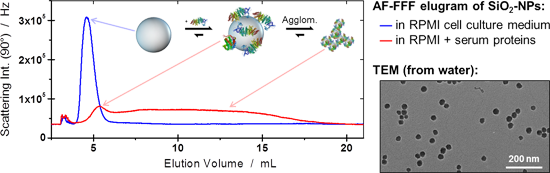
- are of special interest. However, little success was achieved when operating AF-FFF setups at 150 mM salinity. Practically, an upper concentration limit of 50 mM NaCl was found [44]. This can be attributed to the fact that hydrophobic interactions are present at higher salt concentrations, leading to


In vitro and in vivo interactions of selected nanoparticles with rodent serum proteins and their consequences in biokinetics
Beilstein J. Nanotechnol. 2014, 5, 1699–1711, doi:10.3762/bjnano.5.180

- epithelial lung lining fluid containing 0.9% NaCl the instillate was spread out and diluted such that Ag+ ions formed AgCl, which precipitated and possibly formed nano-sized AgCl particles [27]. These AgCl nanoparticles also underwent endocytosis in the lung epithelium. Subsequently they were dissolved


Ionic liquid-assisted formation of cellulose/calcium phosphate hybrid materials
Beilstein J. Nanotechnol. 2014, 5, 1553–1568, doi:10.3762/bjnano.5.167
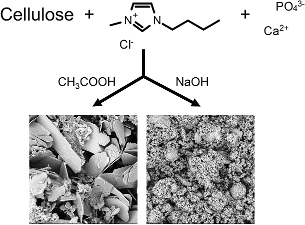
- and NaH2PO4 yields the desired calcium phosphate precipitate along with NaCl and HCl as side products. While NaOH is able to neutralize some of the HCl formed during the reaction (and thus effectively removes acidic protons from the reaction mixture), GAA will contribute additional protons. The higher
- . EDXS (Table 2) further supports these findings as it detects a Ca/P ratio of just below 1. Moreover EDXS also suggests that some sodium and chlorine are present in the samples grown with GAA. Although XRD does not show any indication of NaCl, we have previously observed the formation of minor NaCl
- fraction in a different system [70]. The formation of NaCl could thus also be possible here, especially because alkali salts are generally poorly soluble in ILs [65]. The low fraction of sodium and chlorine observed in the EDXS data could be due to the fact that the precipitates were washed with water


Current state of laser synthesis of metal and alloy nanoparticles as ligand-free reference materials for nano-toxicological assays
Beilstein J. Nanotechnol. 2014, 5, 1523–1541, doi:10.3762/bjnano.5.165
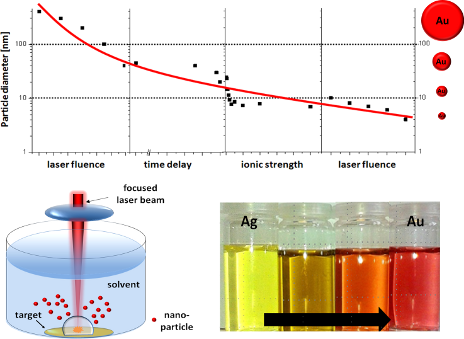
- pyrolysis of the citrate induced aggregation is followed by the controlled formation of SMS. Unfortunately, this method may result in the formation of pyrolysis products from the degraded citrate [74], which may interfere with toxicity assays. Hence, inorganic salts (NaCl) may be used in order to induce
- nanoparticles were exposed to NaCl at an ionic strength of 100 mM and consecutively irradiated with a nanosecond laser at 532 nm and 10 Hz repetition rate for 20 min at a fluence of 45 mJ/cm2. SMS were reproducibly obtained at diameters of 300–400 nm and an exemplary SEM images as well as a derived size
- particle concentrations. An electrostatically-controlled approach for ligand-free size control of gold nanoparticle is the in situ addition of simple inorganic electrolytes like NaCl or sodium phosphate buffer. These additives are frequently found in most biological fluids and hence are not prone to


In vitro interaction of colloidal nanoparticles with mammalian cells: What have we learned thus far?
Beilstein J. Nanotechnol. 2014, 5, 1477–1490, doi:10.3762/bjnano.5.161
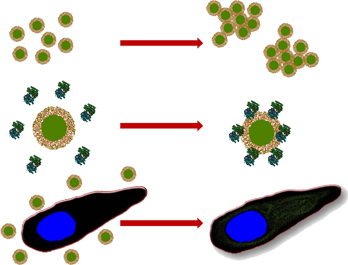
- media [91]. The reason is that many NPs are stabilized by charge (in contrast to stabilization through steric repulsion). Salt (in particular NaCl, which always is present at high concentration) in the media screens the NP charge and thus can cause agglomeration [92]. Consequently, data which


The protein corona protects against size- and dose-dependent toxicity of amorphous silica nanoparticles
Beilstein J. Nanotechnol. 2014, 5, 1380–1392, doi:10.3762/bjnano.5.151
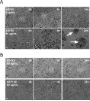
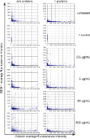
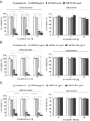
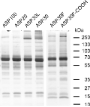
- (103.5 mM NaCl, 5.3 mM KCl, 5.6 mM Na2HPO4, 1.4 mM KH2PO4, 23.8 mM NaHCO3, pH 7.4), DMEM with or without 10% FCS, and the measurements were conducted at 25 °C by using 0.6 mg/mL ASP. Cell culture The colonic carcinoma cell line Caco-2 and the colorectal adenocarcinoma cell line HT-29 were obtained from




The study of surface wetting, nanobubbles and boundary slip with an applied voltage: A review
Beilstein J. Nanotechnol. 2014, 5, 1042–1065, doi:10.3762/bjnano.5.117
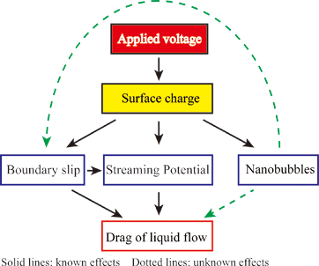
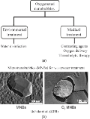
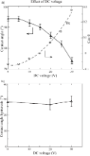
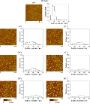
- were used in study. First one is normal saline solution (sodium chloride (NaCl) 8000 mg/L, potassium chloride (KCl) 200 mg/L, sodium phosphate dibasic (Na2HPO4·7H2O)2, 160 mg/L, potassium phosphate monobasic (KH2PO4) 100 mg/L) (Invitrogen, Grand Island, NY). Another two oxygenated saline solutions










Antimicrobial properties of CuO nanorods and multi-armed nanoparticles against B. anthracis vegetative cells and endospores
Beilstein J. Nanotechnol. 2014, 5, 789–800, doi:10.3762/bjnano.5.91
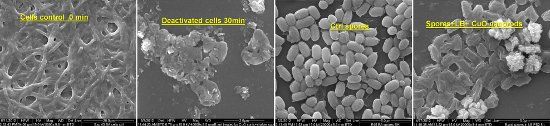
- control to assess the viability of bacteria in saline during test period. In germinate and kill tests LB broth was prepared by adding 1 g tryptone plus 0.5 g yeast plus 265 mg NaCl to distilled water to prepare 10 mL LB broth in saline. All incubation experiments were performed in an incubator shaker at


Manipulation of isolated brain nerve terminals by an external magnetic field using D-mannose-coated γ-Fe2O3 nano-sized particles and assessment of their effects on glutamate transport
Beilstein J. Nanotechnol. 2014, 5, 778–788, doi:10.3762/bjnano.5.90

- 4 °C. The synaptosomal suspensions were used in experiments during 2–4 h after isolation. The standard salt solution was oxygenated and contained (in mM): NaCl 126; KCl 5; MgCl2 2.0; NaH2PO4 1.0; HEPES 20, pH 7.4; and D-glucose 10. Ca2+-supplemented medium contained 2 mM CaCl2. The Ca2+-free medium
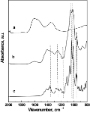


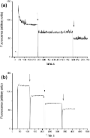
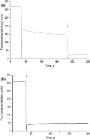

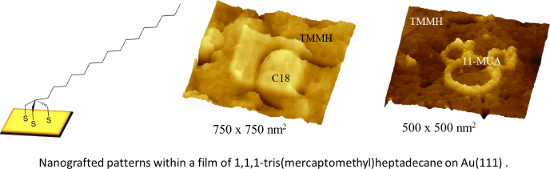
Surface assembly and nanofabrication of 1,1,1-tris(mercaptomethyl)heptadecane on Au(111) studied with time-lapse atomic force microscopy
Beilstein J. Nanotechnol. 2014, 5, 26–35, doi:10.3762/bjnano.5.3
- (120 mL) was stirred at rt for 8 h. The resulting precipitate was removed by filtration, and the filtrate washed with 5% NaCl (300 mL) and dried with MgSO4. The organic phase was concentrated in vacuo. The residue was purified by column chromatography on silica gel, eluting with hexanes/ethyl acetate


STM tip-assisted engineering of molecular nanostructures: PTCDA islands on Ge(001):H surfaces
Beilstein J. Nanotechnol. 2013, 4, 927–932, doi:10.3762/bjnano.4.104

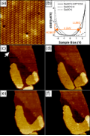
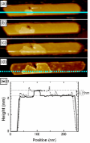
- insulator (e.g., NaCl on metal surfaces [5][6][7][8][9][10][11][12][13] or KBr on InSb [14][15]) or even a single layer of an atomic or molecular species (e.g., passivation of Si or Ge surfaces [16][17][18][19]). Such an extremely thin interlayer not only electronically decouples on-top adsorbed molecular

Probing the plasmonic near-field by one- and two-photon excited surface enhanced Raman scattering
Beilstein J. Nanotechnol. 2013, 4, 834–842, doi:10.3762/bjnano.4.94

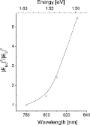
- nanoaggreates described above (Figure 1). The concentration of the nanoaggregates was on the order of 10−10 M. A NaCl solution of 10−3 M concentration was added to the solution of the aggregates in order to achieve an optimum chemical SERS-enhancement. Each of the silver aggregates provides a total enhancement




Nanoglasses: a new kind of noncrystalline materials
Beilstein J. Nanotechnol. 2013, 4, 517–533, doi:10.3762/bjnano.4.61
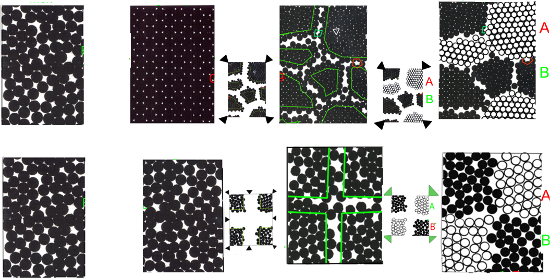
- in the melt and in the crystalline state are the high solubilities of NaCl or sugar in water and the low solubility of NaCl or sugar in ice. As a consequence of these different solubilities, it is expected that in multiphase nanoglasses, one will be able to obtain glassy solid solutions of components






Apertureless scanning near-field optical microscopy of sparsely labeled tobacco mosaic viruses and the intermediate filament desmin
Beilstein J. Nanotechnol. 2013, 4, 510–516, doi:10.3762/bjnano.4.60

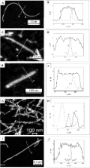
- assembly buffer (200 mM NaCl, 45 mM Tris-HCl, pH 7) to a desmin solution with a concentration of 0.55g/L and incubated for one hour at 37 °C. TMV particles are isolated from systemically infected Nicotiana tabacum 'Samsun' nn plants according to Gooding and Hebert [35]. A TMV mutant, which presents a


Photocatalytic antibacterial performance of TiO2 and Ag-doped TiO2 against S. aureus. P. aeruginosa and E. coli
Beilstein J. Nanotechnol. 2013, 4, 345–351, doi:10.3762/bjnano.4.40

- % suspension of TiO2 and Ag-doped TiO2 of nanoparticles were prepared in 0.8 M NaCl. Characterization of TiO2 and Ag-doped TiO2 nanoparticles The XRD scan of the nanoparticles was performed on a Tecnai 20 G2 X-ray diffractometer by using Cu Kα radiation (FEI). The samples were scanned over a range of 5–70


Nanoscopic surfactant behavior of the porin MspA in aqueous media
Beilstein J. Nanotechnol. 2013, 4, 278–284, doi:10.3762/bjnano.4.30

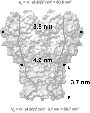
- Supporting Information File 1. PBS consists of 8.0 g NaCl, 0.20 g KCl, 1.44 g Na2HPO4 and 0.24 g KH2PO4 in 1 L H2O, pH 7.40. Geometric calculations based on the crystal structure of MspA [2]. TEM of vesicles formed from MspA on a carbon-coated 200-mesh copper grid. A: MspA vesicles formed in (5 × 10⁻⁵)× PBS