


Search results
Search for "gas" in Full Text gives 964 result(s) in Beilstein Journal of Nanotechnology. Showing first 200.
Recent advances in nanoarchitectures of monocrystalline coordination polymers through confined assembly
Beilstein J. Nanotechnol. 2022, 13, 763–777, doi:10.3762/bjnano.13.67

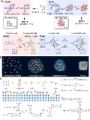
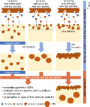
- cubic, and CsCl structures were all available [134]. In particular, the 2D assembly showed significant activity regarding the photooxidation of mustard gas [134]. The specific site of the coordination polymer crystals could be modified to generate patchy colloids. By selectively growing a thin layer of





A nonenzymatic reduced graphene oxide-based nanosensor for parathion
Beilstein J. Nanotechnol. 2022, 13, 730–744, doi:10.3762/bjnano.13.65
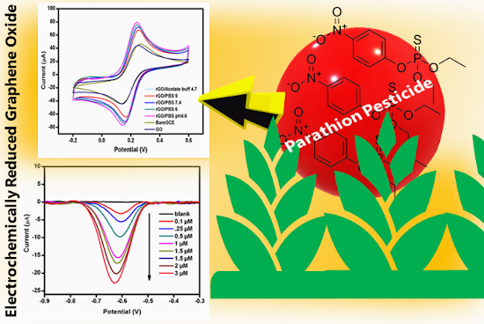
- , inhalation, or dermal penetration [3][4]. Due to its extreme toxicity, it is necessary that easy-to-use, cost-effective diagnostic kits for routine screening of pesticides in fruits and vegetables are developed. The high-throughput analytical methods such as chromatographic (gas, liquid) and spectroscopic


Modeling a multiple-chain emeraldine gas sensor for NH3 and NO2 detection
Beilstein J. Nanotechnol. 2022, 13, 721–729, doi:10.3762/bjnano.13.64
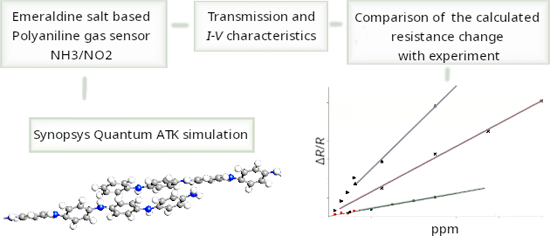
- Hana Sustkova Jan Voves Faculty of Electrical Engineering, Czech Technical University in Prague, Technicka 2, Prague 6, Czech Republic 10.3762/bjnano.13.64 Abstract This paper describes atomistic device models of a multiple-chain polyaniline (PANI) gas sensing component, utilizing the non
- of the system with and without adsorbed gas molecules for gas concentrations of 3, 6, 9, and 12 ppm, the effective resistance changes, (R − R0)/R0, were obtained and compared with experimental results. A good agreement with the measured values was obtained. In summary, PANI as emeraldine salt was
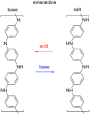
- numerically modeled for several adsorbed gas concentrations, several gas configurations, and different PANI molecule positions, including carrier hopping between them. The results are comparable to the experiment and show good properties for the application as gas sensor device for NH3 detection and rather


Nanoarchitectonics of the cathode to improve the reversibility of Li–O2 batteries
Beilstein J. Nanotechnol. 2022, 13, 689–698, doi:10.3762/bjnano.13.61
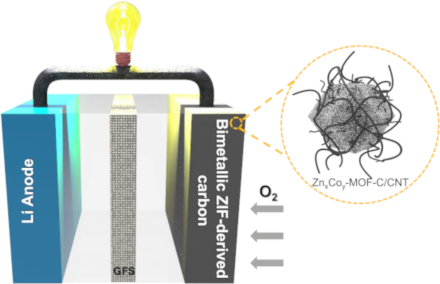
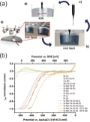
- cathode side to enable uniform distribution of O2 gas as well as efficient current collection. The cell was assembled in a glove box filled with purified Ar gas. Then, it was placed in a gas-tight chamber with a controlled gas flow rate and pressure, and high-purity O2 gas (99.99%) was supplied to the


Experimental and theoretical study of field-dependent spin splitting at ferromagnetic insulator–superconductor interfaces
Beilstein J. Nanotechnol. 2022, 13, 682–688, doi:10.3762/bjnano.13.60
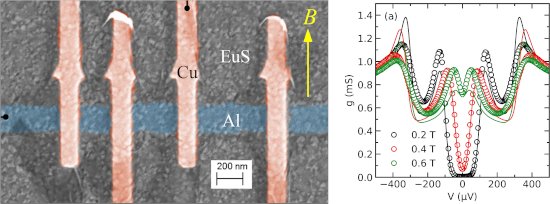
- is the Boltzmann constant, and Tc is the critical temperature of the bulk superconductor. Using the conductivity the density of states at the Fermi energy of the free electron gas, and for the number of channels per area, we can simplify this to where vF is the Fermi velocity. With the definition



Tunable high-quality-factor absorption in a graphene monolayer based on quasi-bound states in the continuum
Beilstein J. Nanotechnol. 2022, 13, 675–681, doi:10.3762/bjnano.13.59

- energy conversion, while narrow-band absorbers [9][10][11][12] have great potential in sensing and monochromatic light detecting. An example is the application of narrow-band absorbers in refractive index sensing [13]. When the absorbers are surrounded by gas or liquid, the resonance wavelength will


Reliable fabrication of transparent conducting films by cascade centrifugation and Langmuir–Blodgett deposition of electrochemically exfoliated graphene
Beilstein J. Nanotechnol. 2022, 13, 666–674, doi:10.3762/bjnano.13.58
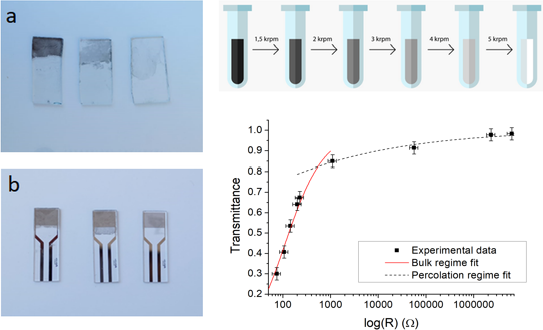
- the Langmuir–Blodgett (LB) method to deposit graphene flakes from solution as uniform thin films. LB has proven to be a method that yields reliable graphene films that have been used as transparent conductors [27][32][33][34] and gas sensors [35][36]. By measuring optical transmittance and electrical


Investigation of electron-induced cross-linking of self-assembled monolayers by scanning tunneling microscopy
Beilstein J. Nanotechnol. 2022, 13, 462–471, doi:10.3762/bjnano.13.39
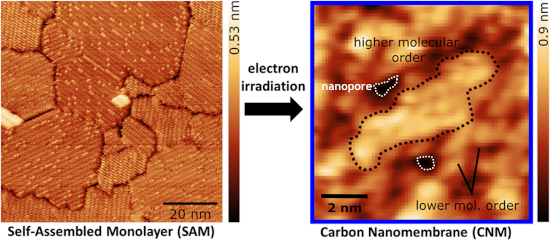
- been used to explain the synthesis of complex molecular species in the interstellar medium [3]. Electron–molecule collisions have been intensively studied in the gas phase and on surfaces. Depending on the electron energy and the molecular structure, several processes may occur, such as elastic
- general concept of self-assembly allows for the preparation of SAMs from the liquid or gas phase. Highly ordered TPT SAMs spontaneously form on Au(111) due to the formation of bonds between sulfur and gold atoms, which is accompanied by van der Waals interactions between the aromatic rings. The TPT SAMs
- elevated by ≈0.6–0.8 Å compared to the surrounding β-phase domains. To our surprise, TPT SAMs prepared from the gas phase exhibit only β-phase domains with sizes of 10–100 nm (Figure 2c). Notice that the sample was further annealed at 343 K for 15 min in order to remove physisorbed molecules, which results


Tubular glassy carbon microneedles with fullerene-like tips for biomedical applications
Beilstein J. Nanotechnol. 2022, 13, 455–461, doi:10.3762/bjnano.13.38
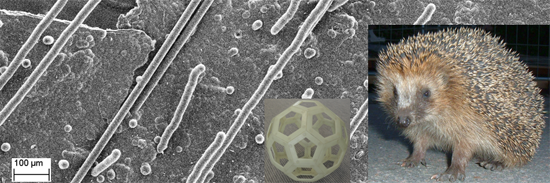
- pyrolysis of methane on a curved alumina surface. The surface provides the catalyst as well as the “strain” required to direct nucleation and growth. Figure 1a is a scanning electron microscopy (SEM) overview image showing a number of glassy carbon microneedles, which grow in the direction of the gas flow
- interlayer spacing in glassy carbon corresponds to the nature of the intercalating species [26]. Here the “stress” arises from the constraints of the growing glassy carbon layers from the curved alumina gas-flow tube and the intercalating species, which are gaseous species, generated when methane undergoes
- prepared by flowing methane (CH4) at a rate of 40 sccm for 12 h at p = 200 mbar and a gas temperature of 1020 °C through a 20 mm diameter alumina (Al2O3) tube (15 mm internal diameter), which was then cooled under argon (Ar). Characterization The prepared glassy carbon microneedles were characterized by


A chemiresistive sensor array based on polyaniline nanocomposites and machine learning classification
Beilstein J. Nanotechnol. 2022, 13, 411–423, doi:10.3762/bjnano.13.34
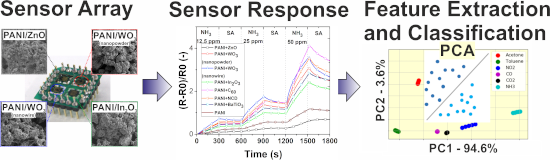
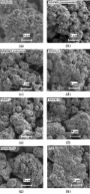
- 1999/2, 182 21 Prague, Czech Republic 10.3762/bjnano.13.34 Abstract The selective detection of ammonia (NH3), nitrogen dioxide (NO2), carbon oxides (CO2 and CO), acetone ((CH3)2CO), and toluene (C6H5CH3) is investigated by means of a gas sensor array based on polyaniline nanocomposites. The array
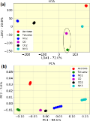
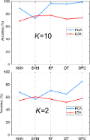
- , namely k-nearest neighbors algorithm, support vector machine, random forest, decision tree classifier, and Gaussian process classification (GPC) are compared to evaluate the accuracy of target gas determination. We found the Gaussian process classification model trained on features extracted from the
- data by principal component analysis to be a highly accurate method reach to 99% of the classification of six different gases. Keywords: feature extraction; gas sensor; pattern recognition; sensor array; Introduction The control and monitoring of toxic gaseous substances, such as ammonia, nitrogen




Electrostatic pull-in application in flexible devices: A review
Beilstein J. Nanotechnol. 2022, 13, 390–403, doi:10.3762/bjnano.13.32
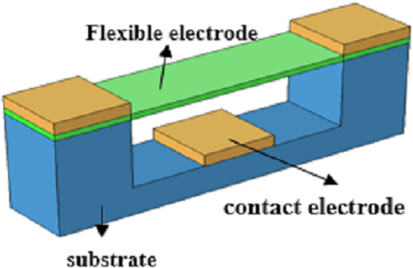
- [61]. Schematic diagram of a flexible microvalve structure. Figure 8 was redrawn from [77]. Schematic diagram of a GR pump. Figure 9 was republished from [78] (D. Davidovikj et al., “Graphene gas pumps”, 2D Materials, vol. 5, article no. 031009, published on 11 May 2018; https://doi.org/10.1088/2053


Selected properties of AlxZnyO thin films prepared by reactive pulsed magnetron sputtering using a two-element Zn/Al target
Beilstein J. Nanotechnol. 2022, 13, 344–354, doi:10.3762/bjnano.13.29
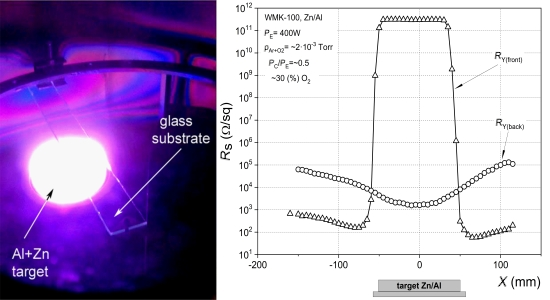
- increased optical transmission [10][20][21]. In the magnetron sputtering process, it is possible to influence the properties of deposited films by varying the composition of the sputtering gas atmosphere, the total gas pressure, substrate temperature and bias, the target–substrate distance, the target power



Interfacial nanoarchitectonics for ZIF-8 membranes with enhanced gas separation
Beilstein J. Nanotechnol. 2022, 13, 313–324, doi:10.3762/bjnano.13.26
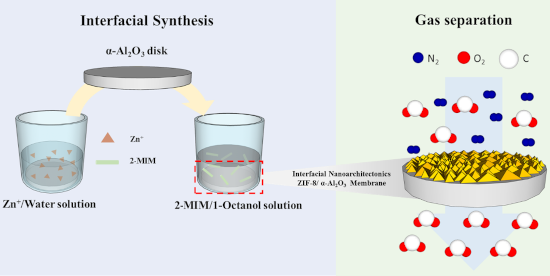
- Road, Taipei 10617, Taiwan Department of Chemistry, College of Science, Princess Nourah bint Abdulrahman University P.O.Box 84428. Riyadh 116711, Saudi Arabia 10.3762/bjnano.13.26 Abstract Metal-organic framework (MOF) membranes are potentially useful in gas separation applications. Conventional
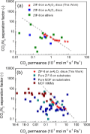
- optimal synthesis conditions were determined (i.e., 80 °C for 12 h in 50 mM of 2-methylimidazole). The as-synthesized ZIF-8 membranes were then applied to CO2/N2 gas separation, which exhibited a maximum separation factor of 5.49 and CO2 gas permeance of 0.47 × 10⁻⁷ mol·m−2·s−1·Pa−1. Keywords: defect
- -free; gas separation; interfacial synthesis; metal-organic frameworks; ZIF membranes; Introduction Carbon dioxide (CO2) is one of the major greenhouse gases emitted through human activities contributing to global climate change. According to United States Environmental Protection Agency (US EPA), CO2


The effect of metal surface nanomorphology on the output performance of a TENG
Beilstein J. Nanotechnol. 2022, 13, 298–312, doi:10.3762/bjnano.13.25
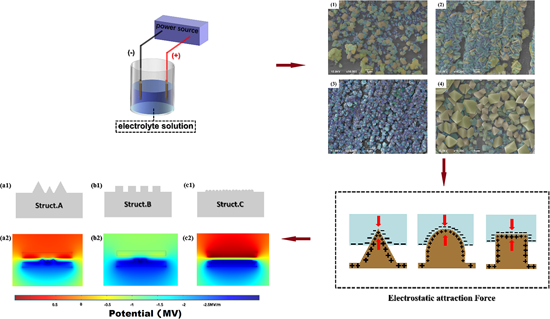
- -renewable resources such as oil, coal, and natural gas. The consumption of fossil fuels, at the same time, causes many environmental problems. In this regard, looking for green renewable energies to replace fossil energies has become a future development trend. Especially the high degree of disorder that




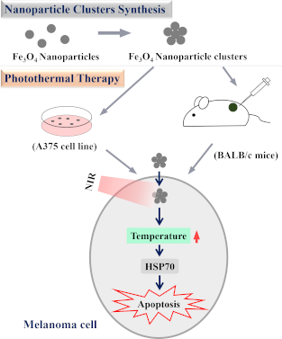
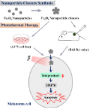
Photothermal ablation of murine melanomas by Fe3O4 nanoparticle clusters
Beilstein J. Nanotechnol. 2022, 13, 255–264, doi:10.3762/bjnano.13.20
- (DeTAB, 99%) and 1,2-hexadecanediol (97%) were purchased from TCI Chemical Industry Development Co., Ltd. (Shanghai). Chloroform (99%), ethylene glycol (96%), and ethanol (99.7%) were purchased from Beijing Chemical Works. Nitrogen gas was purchased from Juyang Gas (Changchun). Hela cells were purchased


Low-energy electron interaction and focused electron beam-induced deposition of molybdenum hexacarbonyl (Mo(CO)6)
Beilstein J. Nanotechnol. 2022, 13, 182–191, doi:10.3762/bjnano.13.13
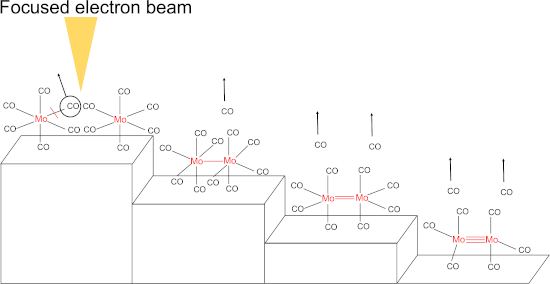
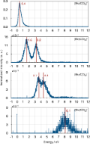
- , University of Iceland, Dunhagi 3, 107 Reykjavik, Iceland 10.3762/bjnano.13.13 Abstract Motivated by the potential role of molybdenum in semiconductor materials, we present a combined theoretical and experimental gas-phase study on dissociative electron attachment (DEA) and dissociative ionization (DI) of Mo
- electron transmission study. Relative contributions of individual ionic species obtained through DEA and DI of Mo(CO)6 and the average CO loss per incident are calculated and compared to the composition of the FEBID deposits produced. These are also compared to gas phase, surface science and deposition
- deposits composition with carbonyl loss through DEA vs DI. We compare this to previous gas phase, surface science and FEBID experiments on W(CO)6 and discuss these studies in context to the current findings and potential deposition mechanisms. Method Quantum chemical calculations Similar to the approach in


Thermal oxidation process on Si(113)-(3 × 2) investigated using high-temperature scanning tunneling microscopy
Beilstein J. Nanotechnol. 2022, 13, 172–181, doi:10.3762/bjnano.13.12
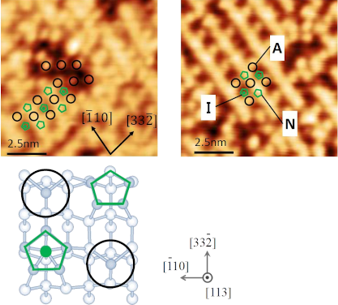
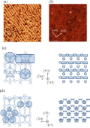
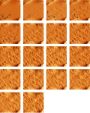
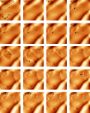
- was kept in that position for a while before the measurements were started. Pure oxygen gas was introduced using a variable leak valve. It took about 3–30 s to obtain each STM image so that the amount of oxygen exposure would differ slightly between the upper and lower parts of the STM image. We put


Tin dioxide nanomaterial-based photocatalysts for nitrogen oxide oxidation: a review
Beilstein J. Nanotechnol. 2022, 13, 96–113, doi:10.3762/bjnano.13.7

- the decomposition of gas pollutants are still being developed. In addition, previous studies have shown that the photocatalytic activity regarding NOx decomposition of SnO2 and other materials depends on many factors, such as physical structure and band energies, surface and defect states, and
- vacancy defects (OVs) [15][16]. Therefore, SnO2 is considered a potential material in various technological fields such as catalysis, optoelectronic devices, rechargeable lithium batteries, electrocatalysis, photocatalysis, solar energy conversion, and gas sensing [17][18][19][20][21][22][23][24]. In the
- morphologies will affect the properties of SnO2 regarding gas sensor activity and optical, electrical, and electrochemical properties [60][61][62][63]. The typical properties of SnO2 are significantly affected by the effective surface area of different nanomaterial morphologies [63][64][65]. Wang et al. [66


Sputtering onto liquids: a critical review
Beilstein J. Nanotechnol. 2022, 13, 10–53, doi:10.3762/bjnano.13.2
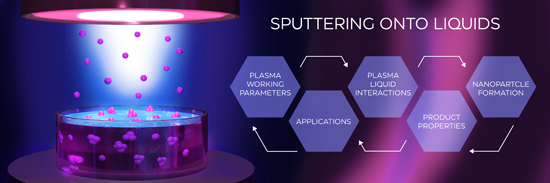
- reported data; we will address the influence of the sputtering parameters (sputter power, current, voltage, sputter time, working gas pressure, and the type of sputtering plasma) and host liquid properties (composition, temperature, viscosity, and surface tension) on the NP formation as well as a detailed
- in the synthesis procedures. The most common physical methods used to generate NPs are high-energy ball milling, laser ablation, electrospraying, inert gas condensation, PVD, laser pyrolysis, flash spray pyrolysis, and melt mixing [16]. Chemical methods are the traditional and most widely used
- designed to coat objects with thin film materials. Sputtering is the physical phenomenon describing the ejection of atoms from a surface bombarded by fast particles such as noble gas cations. These ions can be produced in a low-pressure plasma and accelerated towards a negatively biased surface, that is






Topographic signatures and manipulations of Fe atoms, CO molecules and NaCl islands on superconducting Pb(111)
Beilstein J. Nanotechnol. 2022, 13, 1–9, doi:10.3762/bjnano.13.1
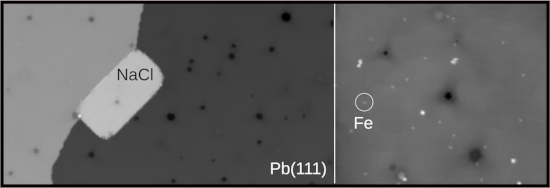
- nm with an apparent depression of 0.14 Å. They result from the interference of bulk electrons with trapped subsurface Ar gas bubbles after sputtering [52][53]. After CO dosing in the microscope chamber (see section “Sample preparation”), a coverage of 0.1–0.2 monolayers is expected to adsorb on the


Design aspects of Bi2Sr2CaCu2O8+δ THz sources: optimization of thermal and radiative properties
Beilstein J. Nanotechnol. 2021, 12, 1392–1403, doi:10.3762/bjnano.12.103
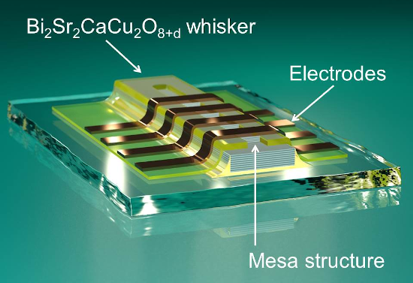
- = 85.2 K. Figure 3f–h show simulations for the same device in exchange 4He gas. Clearly, it helps to cool down the device, although self-heating still remains substantial, Tmax = 56.7 K. Figure 4 shows simulations for the whisker-based device with a top Au electrode. Outside the whisker the electrode is
- in a direct contact with the sapphire substrate (no epoxy). This creates a good thermal sink and, as a result, Tmax falls to ≈23 K. Addition of an exchange gas does not play a major role in this case because the main heat sink channel is provided by the electrode [33][34] acting as a heat spreading
- the substrate. This occurs because the heat resistance, Rh = d/(κA), is inversely proportional to the area A. Due to a much larger crystal area, Rh of epoxy is negligible despite a low κ and larger de = 5 μm. Adding an electrode and He exchange gas further reduces self-heating, but their effect is not


Measurement of polarization effects in dual-phase ceria-based oxygen permeation membranes using Kelvin probe force microscopy
Beilstein J. Nanotechnol. 2021, 12, 1380–1391, doi:10.3762/bjnano.12.102
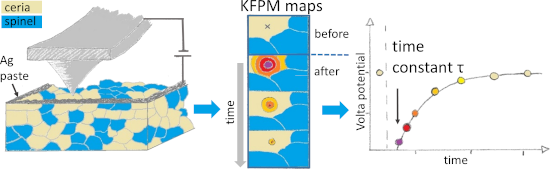
- environment are the strong decrease in oxygen ion mobility below 600 °C, mechanical stability and chemical stability against the used reactive gases, and local chemical reactions at the triple-phase boundaries (ceria|electron conductor|gas) as well as at the interfaces between the different components (ceria


Chemical vapor deposition of germanium-rich CrGex nanowires
Beilstein J. Nanotechnol. 2021, 12, 1365–1371, doi:10.3762/bjnano.12.100
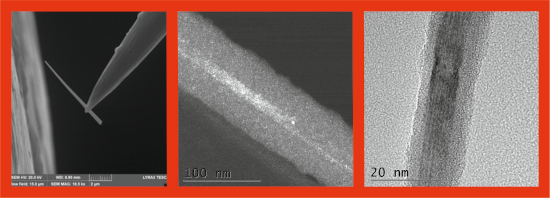
- in mind that the melting point of nanodroplets may be reduced by hundreds of kelvins [19]. Tapering of the CrGex coating is observed during the whole experiment as Cr and Ge atoms migrate from the NW bottom and/or are transferred directly from the gas phase [20]. Several attempts were made to
- with the Ga+ focused ion beam (FIB), gas injection system (GIS), and nanomanipulator OmniProbe 400 (Oxford Instruments) with a tungsten tip. The nanomanipulator enabled a direct contact of single as-grown NWs. The current–voltage (I–V) characteristics were measured using a Keithley 237 source



Identifying diverse metal oxide nanomaterials with lethal effects on embryonic zebrafish using machine learning
Beilstein J. Nanotechnol. 2021, 12, 1297–1325, doi:10.3762/bjnano.12.97
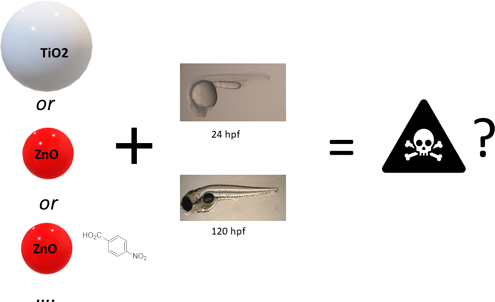
- ].) Here, molecular descriptors were calculated for the gas phase, neutral forms of the molecular constituents of the surface components. (This approach is similar to previous modelling studies of NBI Knowledgebase data, where, in addition to exploring the identities of the surface functional groups as
- variables related to biological effects, surface chemical composition was encoded using molecular descriptors computed for the gas phase molecules [28][29], with pH value-dependent ionization state reported to have been taken into account in one study [29].) In reality, these molecules are likely to be


A review on slip boundary conditions at the nanoscale: recent development and applications
Beilstein J. Nanotechnol. 2021, 12, 1237–1251, doi:10.3762/bjnano.12.91

- Ruifei Wang Jin Chai Bobo Luo Xiong Liu Jianting Zhang Min Wu Mingdan Wei Zhuanyue Ma Shaanxi Key Laboratory of Well Stability and Fluid & Rock Mechanics in Oil and Gas Reservoirs, College of Petroleum Engineering, Xi’an Shiyou University, 710065, China Research Institute of Exploration and
- liquid–liquid or liquid–gas interface rather than at the liquid–solid interface, as shown in Figure 1c. It should be noted that the value of the apparent slip length can be positive or negative. For a negative apparent slip length, or negative slip length for short, the no-slip boundary condition holds
- at the liquid–liquid interface with a thin immobile liquid layer in the vicinity of the solid surface. In practice, however, the actual flow system is complex owing to the heterogeneous and rough surfaces, or to the existence of gas bubbles. Therefore, the slip length may be nonuniformly distributed





