

Search results
Search for "aggregate" in Full Text gives 196 result(s) in Beilstein Journal of Nanotechnology.
Supramolecular one-dimensional conducting nanofibers from a C3-symmetric tetrathiafulvalene derivative
Beilstein J. Nanotechnol. 2026, 17, 872–881, doi:10.3762/bjnano.17.63
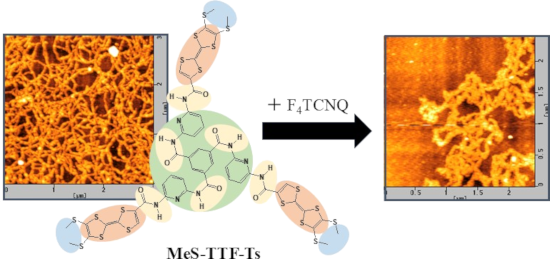
- -dimensional self-assembly does not proceed efficiently and the molecules tend to aggregate in a disordered manner. Furthermore, as observed for MeS-TTF-Ts alone, the morphology of the molecular assemblies in the (MeS-TTF-Ts)(F4TCNQ)3 system is strongly dependent on the solvent conditions. The observed


Nanoparticle delivery systems for HIV pre-exposure prophylaxis (PrEP): advances and challenges
Beilstein J. Nanotechnol. 2026, 17, 839–853, doi:10.3762/bjnano.17.60
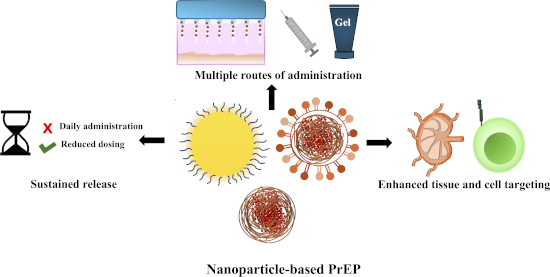
- strategy for less frequent dosing without increasing cytotoxicity. Despite the outlined advantages, polymeric systems also face some challenges and limitations. For one, nanoparticles can aggregate, and this negatively affects delivery applications. Furthermore, the use of organic solvents during their


Environmental applications of silver nanoparticles: state-of-the-art review and emerging trends
Beilstein J. Nanotechnol. 2026, 17, 697–736, doi:10.3762/bjnano.17.49
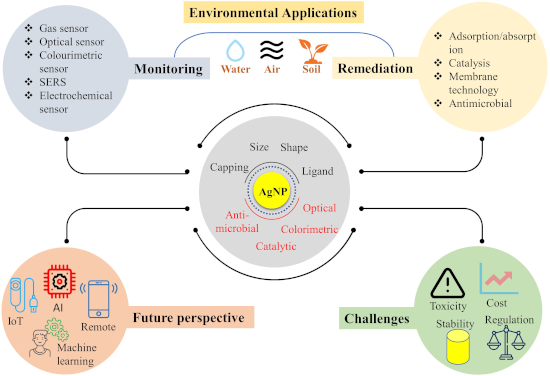
- surface charge in a colloidal solution [49]. DLS measures the size distribution and stability of AgNPs in solution, providing valuable information on their tendency to aggregate or agglomerate [51]. DLS measurements are suitable for isotropic particles and help elucidate the surface properties of AgNPs


Decontamination from water pollutants and pathogens by electrospun nanofibers doped with heavy-atom-free borafluorene-BODIPY photosensitizers
Beilstein J. Nanotechnol. 2026, 17, 668–682, doi:10.3762/bjnano.17.46
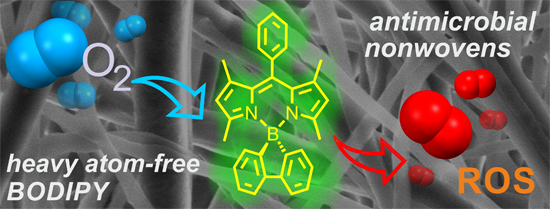
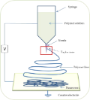
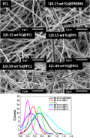
- to the value measured for the DCM solution (2 ns). For 1(1.00 wt %)@PCL, along with the emission band at 523 nm, a new small and broad emission band at 730 nm, attributed to the aggregate state, appeared. The fluorescence quantum yield of the 1(0.15 wt %)@PCL mat measured using the integrating sphere



Cellulose as a photocatalyst support material: extraction, structural features, and environmental applications
Beilstein J. Nanotechnol. 2026, 17, 635–652, doi:10.3762/bjnano.17.44
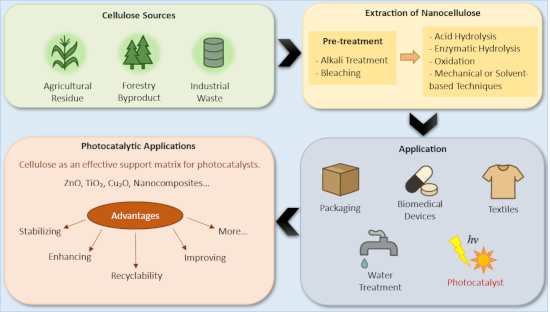
- transition metal nanoparticles such as iron, silver, palladium, platinum, titanium, and copper have been widely employed for breaking down pollutants; however, their tendency to aggregate limits performance, which is why they are frequently immobilized on solid substrates. This immobilization not only


Electrochemical determination of ciprofloxacin using a MIL-101/reduced graphene oxide-modified electrode
Beilstein J. Nanotechnol. 2026, 17, 541–554, doi:10.3762/bjnano.17.35
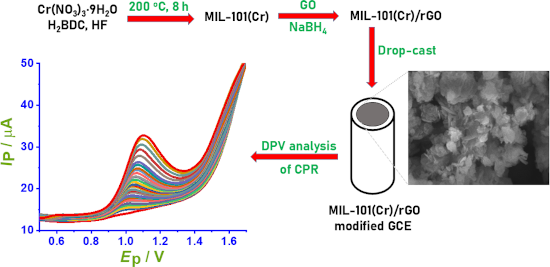
- morphology that offers a large surface area and a conductive substrate for material deposition. The pristine MIL-101 (Figure 4b) consists of irregular polyhedral particles that tend to aggregate, forming relatively compact clusters. In contrast, the MIL-101/rGO composite (Figure 4c) reveals that MIL-101


Structure-dependent thermochromism of PAZO thin films: theory and experiment
Beilstein J. Nanotechnol. 2026, 17, 186–199, doi:10.3762/bjnano.17.12
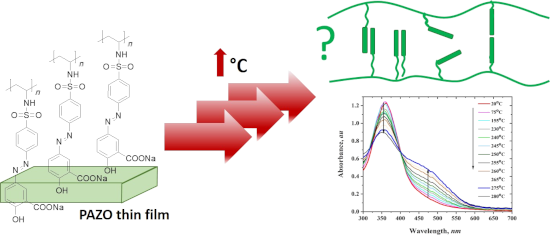
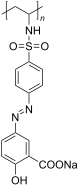
- in azopolymer thin films and offer valuable guidelines for the design of thermally responsive photonic materials. Keywords: aggregate; azopolymer; birefringence; PAZO; thermochromism; Introduction Functionalization of polymers with different photo- and bioactive groups to achieve novel
- and properties. Polymer molecules can assemble through various intermolecular interactions, forming different aggregate structures that can drastically change the properties of solid-state materials. The wide variety of polymer chain types and architectures based on very diverse chemistries further
- aggregate state actually include a variety of molecular aggregate structures ranging from “HJ” dimers to more complex formations including bent, herringbone, and chiral aggregates [25][26]. Figure 7 illustrates the different molecular packing patterns, the orientation of the chromophores, and the expected


Ultrathin water layers on mannosylated gold nanoparticles
Beilstein J. Nanotechnol. 2025, 16, 2183–2198, doi:10.3762/bjnano.16.151
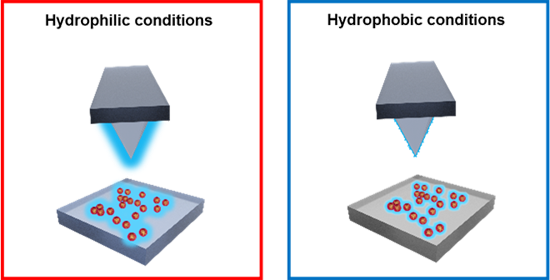
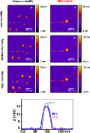
- properties on particle size and shape has been demonstrated for particle sizes in the 1–100 nm range and on biological interfaces [7]. Limited biocompatibility and high tendency to aggregate in solution inspired new mechanisms of particle biofunctionalization with proteins, lipids, or carbohydrates. Coupling



Missing links in nanomaterials research impacting productivity and perceptions
Beilstein J. Nanotechnol. 2025, 16, 2168–2176, doi:10.3762/bjnano.16.149
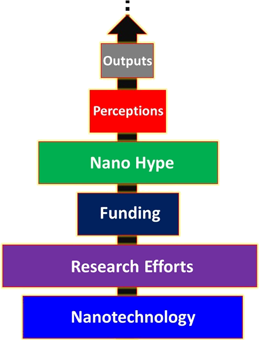
- aggregate, agglomerate, and self-assemble according to their morphology. These issues cannot be fully eliminated without external stabilization and suggestively impact their performance in real-world applications. Furthermore, such an instability becomes more pronounced as the particle size decreases. For
Multifunctional anionic nanoemulsion with linseed oil and lecithin: a preliminary approach for dry eye disease
Beilstein J. Nanotechnol. 2025, 16, 1711–1733, doi:10.3762/bjnano.16.120



Prospects of nanotechnology and natural products for cancer and immunotherapy
Beilstein J. Nanotechnol. 2025, 16, 1644–1667, doi:10.3762/bjnano.16.116
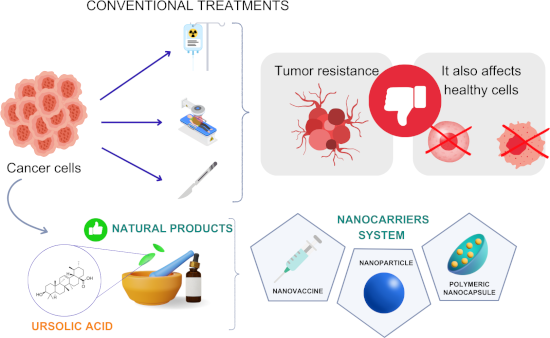
- drug release, toxicity due to the use of organic solvents, the tendency to aggregate in aqueous media, and difficulties in sterilizing the formulation [184]. Furthermore, the technology has advantages when associated with natural products, as phytochemicals show antioxidant and anti-inflammatory



Nanotechnology-based approaches for the removal of microplastics from wastewater: a comprehensive review
Beilstein J. Nanotechnol. 2025, 16, 1607–1632, doi:10.3762/bjnano.16.114
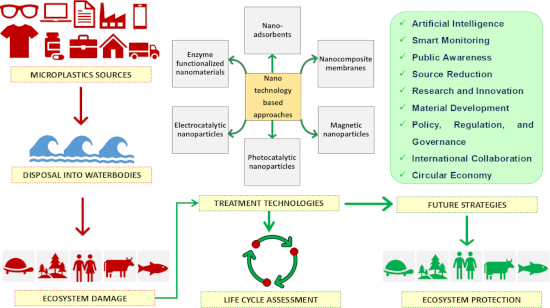
- . Conventional approaches for removing MPs from water rely on a combination of physical, chemical and biological process [51]. Physical methods primarily facilitate the separation of larger plastic particles based on size and density [18]. Chemical processes are employed to destabilize and aggregate plastic
- health and ecosystems. Additionally, carbon nanomaterials often aggregate in water, diminishing their adsorption efficiency, and their fabrication typically involves advanced techniques and costly equipment, which further limits widespread use [114]. The mechanism involved in the removal of MPs using


Cross-reactivities in conjugation reactions involving iron oxide nanoparticles
Beilstein J. Nanotechnol. 2025, 16, 1504–1521, doi:10.3762/bjnano.16.106
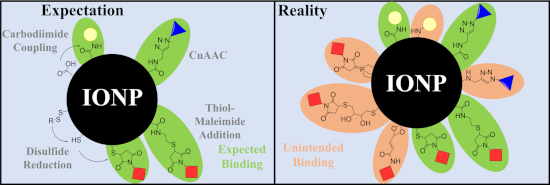
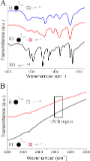
- , Figure S1.i), we see that both samples show significant broadening, and a change in the relative intensities of the two peaks. Similar broadening and lineshapes (relative intensities) were observed for Cy5-hexafluorophosphate thin films, and attributed to H-aggregate formation [59]. With the FTIR results
- in mind, we propose that the binding mode observed in the control sample involves only PPA bound directly to the IONP surface through Fe–amine coordination (Fe-PPA), and this configuration does not allow for sufficient coverage to promote extensive H-aggregate formation on the IONP surface. In the
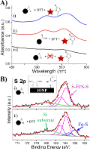
- lineshape for the IONP-CySS/DTT, which suggests the presence of multiple binding sites, resulting in an increased Cy3 packing density, thereby enabling H-aggregate formation. This observation provides evidence that there is successful cleavage of the disulfide bonds, when treated with DTT, resulting in Cy3







Photochemical synthesis of silver nanoprisms via green LED irradiation and evaluation of SERS activity
Beilstein J. Nanotechnol. 2025, 16, 1417–1427, doi:10.3762/bjnano.16.103
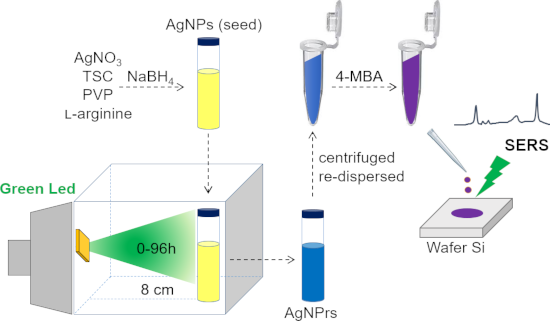
- concentration of 4-MBA decreased logarithmically. Since the sample was prepared by drop casting onto a Si wafer, AgNPrs tended to aggregate, which may have led to reduced resolution of the Raman peaks at very low analyte concentrations. The relationship between 4-MBA concentration and the intensity of the 1589


The role of biochar in combating microplastic pollution: a bibliometric analysis in environmental contexts
Beilstein J. Nanotechnol. 2025, 16, 1401–1416, doi:10.3762/bjnano.16.102
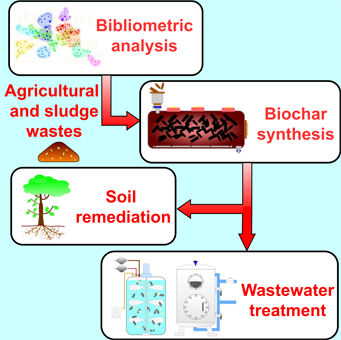
- as “adsorbent”, “adsorbent mechanism”, “waste”, and “walnut shell”, highlight the development of biochar from agricultural residues and adsorption mechanism evaluations. Similarly, terms like “aggregate”, ”soil remediation”, “identification”, “mechanism”, and “kinetics” indicate a research trajectory



Synthesis and antibacterial properties of nanosilver-modified cellulose triacetate membranes for seawater desalination
Beilstein J. Nanotechnol. 2025, 16, 1380–1391, doi:10.3762/bjnano.16.100
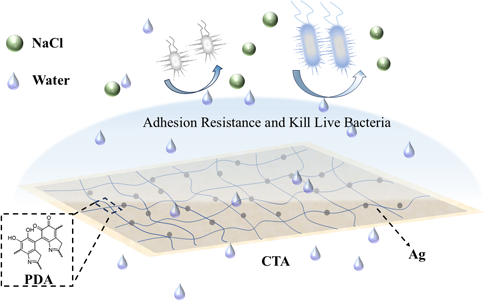
- layer. EDS is again used to analyze the elemental composition of the coating. It can be seen that the coating has been compromised and Na+ has penetrated the coating. Furthermore, the AgNPs partially aggregate or migrate within the PDA layer due to changes in the local chemical environment (Supporting


Automated collection and categorisation of STM images and STS spectra with and without machine learning
Beilstein J. Nanotechnol. 2025, 16, 1367–1379, doi:10.3762/bjnano.16.99
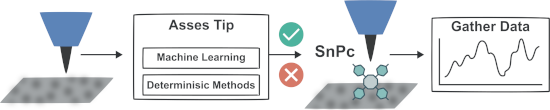
- in the individual spectra around the mean curve. This is most likely due to variations in the quality of the tip or slight differences in the molecule itself. However, with a large enough aggregate of different tips, and taking STS measurements over different molecules, when averaged, these small




Acrocomia aculeata oil-loaded nanoemulsion: development, anti-inflammatory properties, and cytotoxicity evaluation
Beilstein J. Nanotechnol. 2025, 16, 1277–1288, doi:10.3762/bjnano.16.93
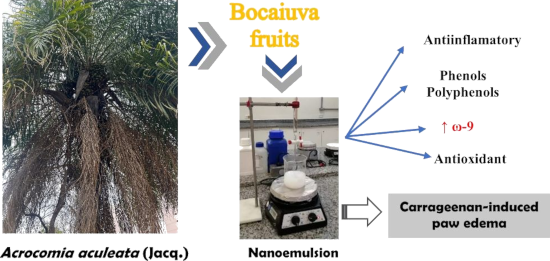
- substantially increased annual aggregate costs. This underscores the need to find effective alternative treatments to prevent and treat these pathologies [16][17][18]. On a global scale, vegetable oils play a fundamental role not only in human nutrition but also as strategic inputs in the chemical


Fabrication of metal complex phthalocyanine and porphyrin nanoparticle aqueous colloids by pulsed laser fragmentation in liquid and their potential application to a photosensitizer for photodynamic therapy
Beilstein J. Nanotechnol. 2025, 16, 1088–1096, doi:10.3762/bjnano.16.80
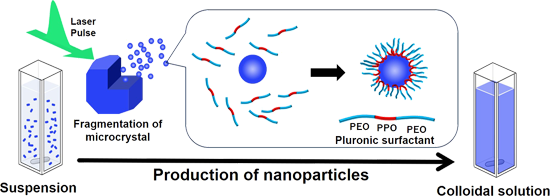
- that small nanoparticles generated by laser fragmentation are extremely unstable and aggregate rapidly to form larger nanoparticles, which precipitated after one day. In F-127 solutions, in contrast, F-127 molecules coated the surface of the nanoparticles immediately after generation, and small stably


Single-layer graphene oxide film grown on α-Al2O3(0001) for use as an adsorbent
Beilstein J. Nanotechnol. 2025, 16, 1082–1087, doi:10.3762/bjnano.16.79
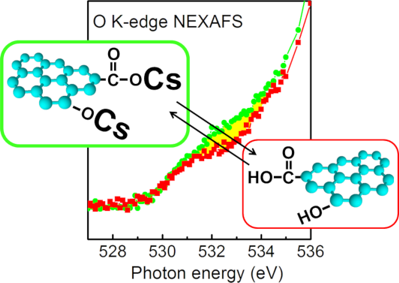
- . have demonstrated that GO is effective in the removal of actinides from nuclear wastewaters [8]. However, the adsorbing mechanism of metal ions to the GO surface, such as adsorption sites, remains to be elucidated. It has been demonstrated that GO tends to aggregate during the process of metal ion


Time-resolved probing of laser-induced nanostructuring processes in liquids
Beilstein J. Nanotechnol. 2025, 16, 968–1002, doi:10.3762/bjnano.16.74


Morphology and properties of pyrite nanoparticles obtained by pulsed laser ablation in liquid and thin films for photodetection
Beilstein J. Nanotechnol. 2025, 16, 785–805, doi:10.3762/bjnano.16.60
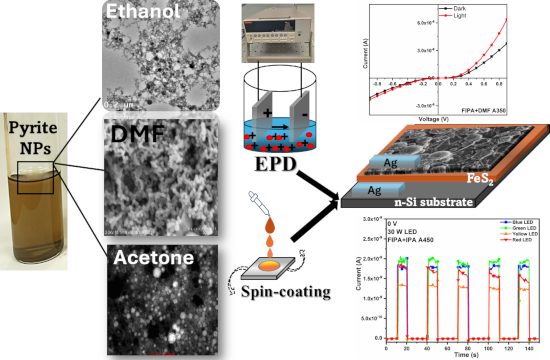
- °C), which causes it to evaporate more slowly, allowing more time for the particles to aggregate. In contrast, alcohols (boiling point range: 64–78 °C) and acetone (56 °C) evaporate much more quickly, significantly reducing the influence of the solvent and leading to less agglomeration in the samples






The impact of tris(pentafluorophenyl)borane hole transport layer doping on interfacial charge extraction and recombination
Beilstein J. Nanotechnol. 2025, 16, 678–689, doi:10.3762/bjnano.16.52
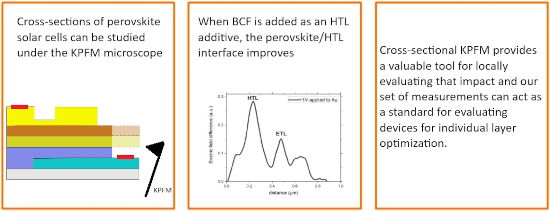
- absorber, which diffuse, get extracted, and aggregate at the interfaces, giving rise to a large charge density magnitude we can plot. In order to generate the photo-carrier density profiles, we applied the Poisson’s equation: Here, ε0 is the permittivity of free space, ε is the relative permittivity of


Feasibility analysis of carbon nanofiber synthesis and morphology control using a LPG premixed flame
Beilstein J. Nanotechnol. 2025, 16, 581–590, doi:10.3762/bjnano.16.45
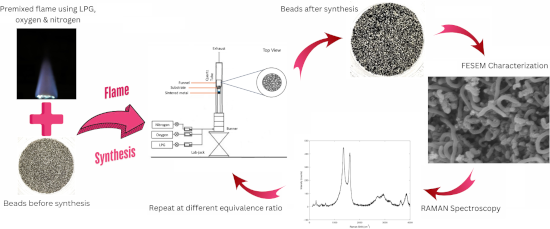
- higher-temperature environment, which accelerates the breakdown of hydrocarbon molecules into free carbon atoms. The carbon atoms, in the absence of efficient catalytic activity, aggregate to form amorphous carbon rather than ordered structures such as CNFs as shown in Figure 7a. In contrast, at an



Nanomaterials in targeting amyloid-β oligomers: current advances and future directions for Alzheimer's disease diagnosis and therapy
Beilstein J. Nanotechnol. 2025, 16, 561–580, doi:10.3762/bjnano.16.44
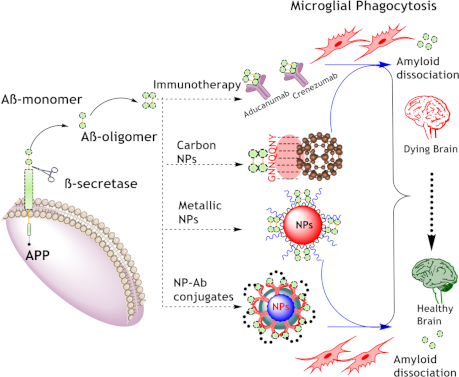
- aggregation linked to AD [6]. Additionally, the presence of the APOE4 genotype is notable, as it is found in approximately 65% of AD patients [5]. This genotype is associated with an increased tendency for amyloid monomers to aggregate into AβOs, potentially contributing to the pathology of the disease [7