Search results
Search for "concentration" in Full Text gives 1451 result(s) in Beilstein Journal of Organic Chemistry. Showing first 200.
Amino acid-based surfactants: sustainable synthesis and antimicrobial mechanisms
Beilstein J. Org. Chem. 2026, 22, 1067–1085, doi:10.3762/bjoc.22.85
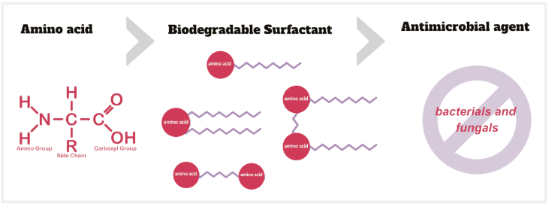
- the critical micellar concentration (CMC, Figure 2) [12][13]. These compounds can be classified according to the charge of the polar terminal groups in: anionic, cationic, nonionic, and zwitterionic [8]. Cationic surfactants are among the most used surfactants, both synthetic and from renewable
- inhibitory concentration (MIC) or hemolytic potential (HC50: refers to the concentration of a substance that causes 50% hemolysis of red blood cells) or toxicity in cells (IC50: refers to the concentration of a substance that inhibits a biological or biochemical function by 50%). After this selection process
- single-chain analogues, lowering the critical micelle concentration (CMC) and improving interfacial stability properties critical for the formation of stable micelles and bilayers [46]. This effect is illustrated by the LANHC series (Table 1, entries 3–6), which exhibits CMC values between 0.032 and 0.16


Synthesis of functionalized, 13-alkyl-substituted coralyne derivatives and investigation of their interactions with duplex and abasic site-containing DNA
Beilstein J. Org. Chem. 2026, 22, 1057–1066, doi:10.3762/bjoc.22.84
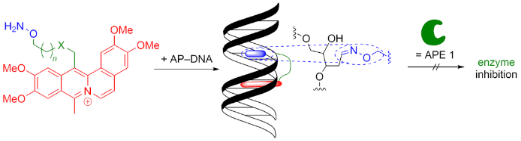
- . Analysis of the resulting dose–response curve enabled determination of the concentration of compound 2g required to inhibit APE1-mediated cleavage by 50% (IC50 = 0.78 µM). Based on these results, a ligand concentration of 20 µM should be selected for future experiments, as it resulted in near-complete
- , this covalent attachment interferes with the enzymatic processing of these lesions by APE1. The observed concentration-dependent suppression of APE1-mediated cleavage, together with the determined IC50 value, suggest that the ligand effectively occupies the AP site, most likely through a combination of
- 0.45 μM; Carl Roth GmbH, Karlsruhe). The concentration (in base pairs, bp) was determined photometrically (λmax = 260 nm, ε = 12824 cm−1 M−1) [25]. Oligonucleotides for biochemical assay: Complementary strands end-labeled with carboxyfluorescein (FAM) and 4-((4-(dimethylamino)phenyl)azo)benzene (DAB


Z-Selective semihydrogenation of alkynes via Ni/Lewis acid synergistic catalyzed system using DMF as hydrogen source and solvent
Beilstein J. Org. Chem. 2026, 22, 1004–1012, doi:10.3762/bjoc.22.79
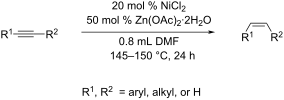
- been documented for both nickel and palladium catalysis in prior literature [11][40][49]. Maintaining an appropriate concentration of HCOOH via its gradual release from DMF hydrolysis thus seems essential for efficient semihydrogenation, a requirement that parallels findings in related transfer



The role of spacer length and flexibility in peptide self-assembly
Beilstein J. Org. Chem. 2026, 22, 986–996, doi:10.3762/bjoc.22.77
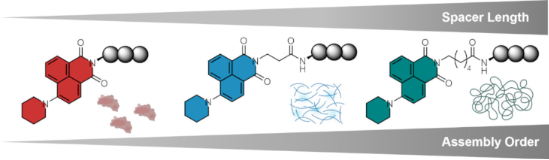
- 1) and are presented in Figure 1A as bar plots. Interestingly, a high assembly conversion of the molecular state to the assembled state can only be observed for C6-Nap-ICA 6, (86 ± 3)%. At the tested concentration, C3-Nap-ICA 7 assembles at (41 ± 1)%, whereas C0-Nap-ICA 8 only assembles minimally
- -ICA 7 at (4 ± 2) µm size (Figure 1C and D). Next, concentration-dependent TEM studies were performed to gain deeper insight into the correlation of spacer length and the formation of nanostructures (see Figure 2B–D and Supporting Information File 1, Figure S38). For this purpose, three peptide
- concentrations were tested, namely 50, 100 and 200 μM in PBS (50 mM, pH 7.4, 1% TFE). Direct attachment of the fluorophore to the peptide backbone (8) did not result in ordered structures at any tested concentration: no assemblies were observed at 50 µM, while only small disordered aggregates were formed at 100


Electrochemical reduction of unsaturated carbon–carbon bonds via 3d transition-metal catalysis
Beilstein J. Org. Chem. 2026, 22, 955–981, doi:10.3762/bjoc.22.75
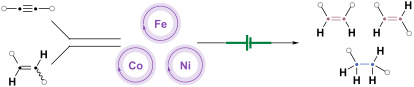
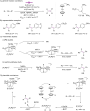
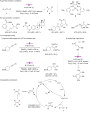
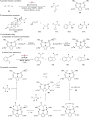
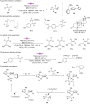
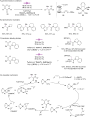
- on both Ni and Co catalysts, with zeroth-order dependence on substrate and acid concentration, alongside a significant kinetic isotope effect (KIE ≈ 5.1), indicating that the PCET step is rate-determining. Based on this analysis, the authors proposed a PCET-mediated mechanism in which a rate
- concentration, strongly supporting an intramolecular HAT event as the kinetically controlling step. In situ generation and characterization of (DHP)Ni intermediates are consistent with the involvement of a reduced, formal Ni(I) species as a key catalytic entry point (Scheme 11C, i). Moreover, radical-probe








Palladium-catalyzed benzocyclization reactions of quinoline-2-carboxamides via sequential C–H/N–H functionalization
Beilstein J. Org. Chem. 2026, 22, 905–914, doi:10.3762/bjoc.22.71
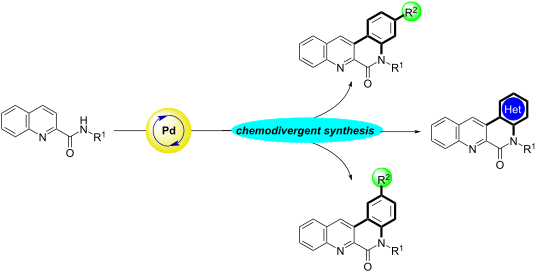
- obtained in 39% yield (Table 1, entry 3). Using any base other than Cs2CO3 resulted in lower yields, thus confirming that Cs2CO3 was the optimal base for this reaction (Table 1, entries 4–6). Increasing the concentration of 1a from 0.1 to 1.0 M led to an increased yield, even if Pd(OAc)2 was used as the




Knoevenagel condensation of 4,5- and 1,8-diazafluorenes
Beilstein J. Org. Chem. 2026, 22, 803–812, doi:10.3762/bjoc.22.62
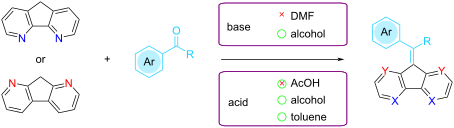
- to the iminium cation occurs via the methylene carbon of the corresponding enamine tautomeric form 1B or 2B. Thus, this process is limited by the concentration of this form which is expected to be higher for 1,8-diazafluorene (2) due to the activation by the neighboring nitrogen atoms via the
- mesomeric effect. On the other hand, diazafluorenes are potentially capable of reversible protonation by acetic acid, which is a competing process decreasing the equilibrium concentration of the enamine form (Scheme 2). Furthermore, an electrostatic repulsion between the protonated diazafluorene (1A/1A’ or




Synthetic study of vic-bromination of diarylacetylenes, easy purification and separation
Beilstein J. Org. Chem. 2026, 22, 795–802, doi:10.3762/bjoc.22.61
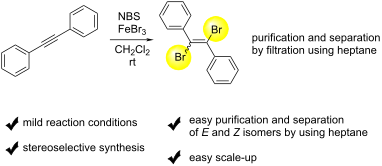
- brine (20 mL), and dried over Na2SO4. After this, filtration and concentration were performed; the organic phase was passed through a short column of silica gel using CH2Cl2 (100 mL) to remove inorganic materials and others; then it was concentrated under reduced pressure to give the crude product. This



Halogenated azobenzene acrylates: from efficient solution photoswitching to stable solid-state photochromic materials
Beilstein J. Org. Chem. 2026, 22, 782–794, doi:10.3762/bjoc.22.60
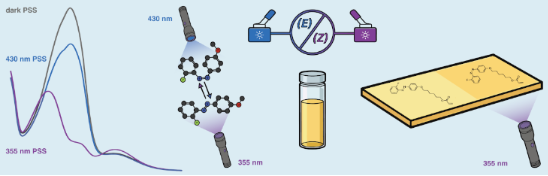
- the E-isomers as compared to the Z-isomers. Linear optical properties Fundamental optical properties of the target azobenzenes 1a–f in solution were investigated by electronic absorption spectra at 20 °C in DCE at a concentration of 4 × 10⁻⁵ M. The absorption maxima for both isomers (λE/Zmax) and the


Design, synthesis, and biological evaluation of FXR/ASK1 dual-target modulators
Beilstein J. Org. Chem. 2026, 22, 771–781, doi:10.3762/bjoc.22.59
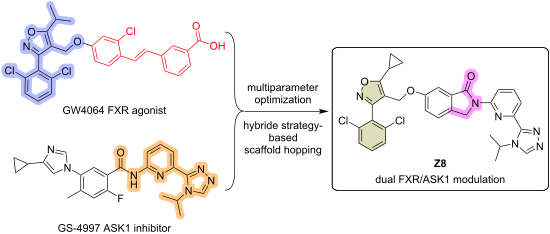
- -luciferase reporter gene assay. As demonstrated in Figure 1, among the designed dual-target modulators, compounds Z8, Z11, Z17, and Z30 exhibited the most potent effects at a concentration of 10 μM. ASK1 Inhibition The inhibitory activity against ASK1 was evaluated using the ADP-Glo™ kinase assay. A screen
- of the designed dual-target modulators identified 17 compounds that inhibited ASK1 (Figure 2). Among the compounds examined, Z8 demonstrated the greatest potency, exhibiting an inhibition rate of 84.59% at a concentration of 10 μM. Lipid-modifying activity In light of the prevalence of the reduction


Synthesis and biological evaluation of new brassinosteroid analogs with C-22 benzoate function
Beilstein J. Org. Chem. 2026, 22, 753–762, doi:10.3762/bjoc.22.57
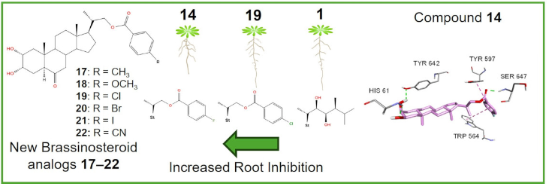
- inhibition of root and hypocotyl elongation in Arabidopsis thaliana seedlings, among other bioassays. The results show that for the same BRs, the measured effects vary with the bioassay and concentration. For example, in the RLIT the growing effect increases with increasing concentration, whereas on root
- growth BRs act as root growth promoter at low concentration and the opposite effect is observed at high concentrations [22]. As sensing of BRs by BRI1 is the starting point of the mechanism by which plant responses are produced, this binding process has been extensively studied and it has been shown that
- regions, causing laminar inclination in a concentration-dependent manner. Although the molecular mechanism of this phenomenon remains elusive [35][36], this bioassay has been used with a large number of BR analogs and the obtained results have allowed the establishment of structure–activity relationships


Rongalite addition to dienones: diastereoselectivity in cyclic sulfone synthesis; stereochemical rationalization and prospects as a general conjugate nucleophile
Beilstein J. Org. Chem. 2026, 22, 742–752, doi:10.3762/bjoc.22.56

- high concentration of ≈80% acetic acid (pH ≈3), it seemed plausible that activation of the dienone carbonyl group would occur by hydrogen-bonding, rather than complete proton transfer to the carbonyl oxygen lone pairs [29]. We therefore included explicit solvation with acetic acid in our computational




Anti-invasive and cytotoxic evaluation of a (+)-pinoresinol-based semisynthetic library against glioblastoma
Beilstein J. Org. Chem. 2026, 22, 691–704, doi:10.3762/bjoc.22.54
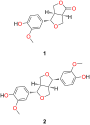
- (MIC = 25 µM), and Malassezia furfur (MIC = 12.5 µM) [20]; antioxidant activity with the inhibition of CuSO4-induced peroxidation of low-density lipoprotein in a concentration-dependent manner from 0.1−10 µM [21], and anti-invasiveness activity on HT115 human colon cancer cells at a concentration
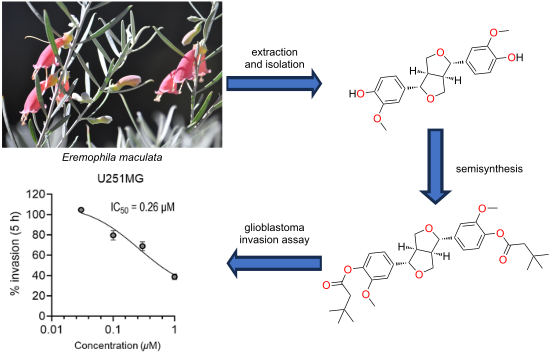
- evaluations of (+)-pinoresinol (2) and its analogues 3–7 against the U251MG cell line, compound (+)-4,4'-di(3,3-dimethylbutanoyl)pinoresinol (6) showed slight cytotoxicity (19% cell viability reduction) at a concentration of 10 µM. Also, on the KNS42 cell line, only (+)-4,4'-di(3,3-dimethylbutanoyl
- concentration of 1 µM with a treatment time of 5 h, and only (+)-4,4'-di(3,3-dimethylbutanoyl)pinoresinol (6) reduced the invasion of the cells (by ≈50%) when compared to the vehicle control. None of the other compounds tested reduced the invasive capability of the cells (Figure 7A). Based on the results of the



Photoorganocatalytic trifluoromethylation of (het)arenes in green conditions
Beilstein J. Org. Chem. 2026, 22, 662–671, doi:10.3762/bjoc.22.50
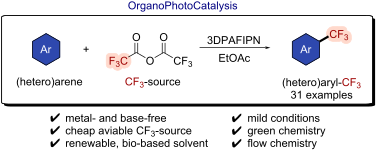
- , entries 4 and 5). The influence of catalyst loading was then examined. Raising the photocatalyst concentration to 2 mol % led to yields of 64%, 64%, and 78% under white, violet, and blue light, respectively (Table 1, entries 3–5). A further increase to 5 mol % (Table 1, entry 5) afforded 87% yield




Advantages of PROTACs in achieving selective degradation of homologous protein families
Beilstein J. Org. Chem. 2026, 22, 628–661, doi:10.3762/bjoc.22.49
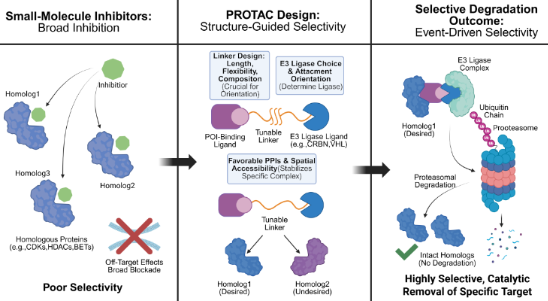
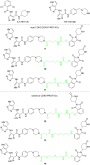
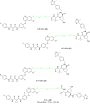
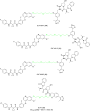
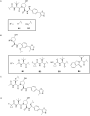
- , could induce the degradation of CDK4 and CDK6 in MDA-MB-231 cells. Its DC50 (concentration of 50% protein degradation) was 13 and 34 nmol/L, respectively. That is, compound 5 has a more pronounced ability to degrade CDK4 than CDK6. The same year, Rao, Wu et al. published their work on the design of
- p38 isoforms (β and γ) were not degraded when the concentration was up to 2.5 µM. On the contrary, PROTACs with the long linker in the "phenyl series" showed almost no ability to degrade the p38 subtype (30, 31, 32, 33, Figure 12). When the linker length in the "phenyl series" was reduced to 10 atoms
- degradation selectivity of PROTACs. For example, compound 28 shows submicromolar degradation of two p38 subtypes. Once the linker contains an additional carbon atom, the resulting PROTAC 29 degrades p38α at a nanomolar concentration and p38δ at a micromolar concentration. Similarly, the 10-atom-linker









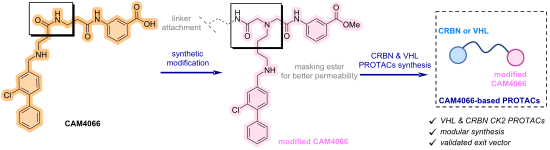
Towards the targeted protein degradation of CK2: design and synthesis of CAM4066-based PROTACs
Beilstein J. Org. Chem. 2026, 22, 611–619, doi:10.3762/bjoc.22.47
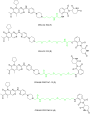
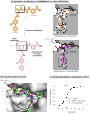
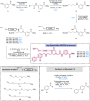
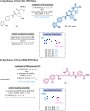
- CK2α′ under these conditions was observed, as indicated by unchanged band intensities relative to controls. At the highest concentration (10 μM), PROTAC 24 caused a loss of both CK2α and vinculin bands, suggesting cytotoxicity rather than target-specific degradation. The two CRBN-based PROTACs 28 and

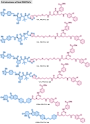
Design and synthesis of an erdafitinib-based selective FGFR2 degrader
Beilstein J. Org. Chem. 2026, 22, 583–591, doi:10.3762/bjoc.22.44
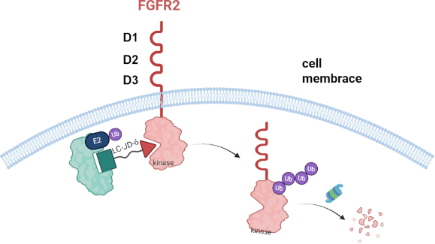
- a half-maximal degrading concentration (DC50) of 121.4 nM, and this effect exhibited time- and concentration-dependence. Assessed at the cellular level, LC-JD-6 has a half-maximal inhibitory concentration in the KATO III (IC50) of 96.0 nM and showed low inhibitory activity in normal cells
- gastric cancer cells. Although LC-JD-5, which is the homoisomer of LC-JD-6, is still lacking compared to LC-JD-6. To further verify the potency, LC-JD-6 was prescribed at an extensive concentration range (0.4–10,00 nM) in KATO III cells after 6 hours, with the DC50 of 121.4 nM and a maximal degradation



Get a better glimpse on sequential photoreactions of trisnorbornadienes with 19F NMR spectroscopy
Beilstein J. Org. Chem. 2026, 22, 527–534, doi:10.3762/bjoc.22.38
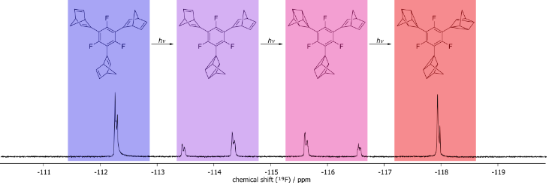
- , that is, from monoquadricyclane 2f2,1 to bisquadricyclane 2f1,2 and eventually the trisquadricyclane 2f0,3. The latter was only formed after a sufficient concentration of the intermediates was present (5 min). From this point onwards, the fraction of the starting material 1f and the intermediates 2f2,1


Synthesis and uranyl(VI) extraction performance of a calix[4]pyrrole–tetrahydroxamic acid receptor
Beilstein J. Org. Chem. 2026, 22, 486–494, doi:10.3762/bjoc.22.36
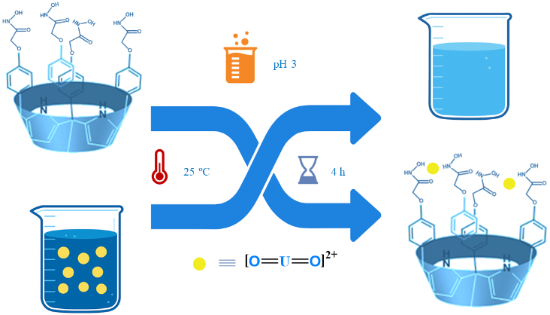
- from the decrease in activity concentration. It is important to note that the extraction efficiency of PCP HA was evaluated based solely on the quantification of 238U. Uranium is a naturally occurring radionuclide that exists predominantly as a mixture of three isotopes: 238U, 235U and 234U. Among


Synthesis of a HDAC inhibitor–nanogold probe for cryo-EM visualization in class I HDAC co-repressor complexes
Beilstein J. Org. Chem. 2026, 22, 480–485, doi:10.3762/bjoc.22.35
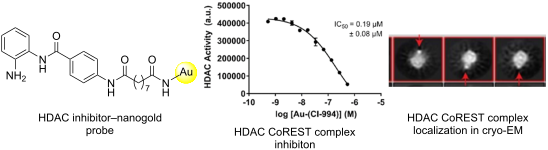
- , followed by centrifugation (see Supporting Information File 1 for full details). The resulting Au–(CI-994) conjugate was concentrated to a final volume of 1 mL. The concentration of Au–(CI-994) was determined by UV–vis spectroscopy, using absorbance at 420 nm – a characteristic wavelength for nanogold [19
- ]. Based on the Beer–Lambert law, the concentration was calculated to be 2.69 μM. Attempts at further concentration led to precipitation, indicating limited solubility at higher concentrations. The HDAC inhibitor–nanogold probe inhibits HDAC enzymatic activity in the CoREST complex We first wanted to
- nanogold particle (Au–NH2). Left: Single point concentration HDAC assay. Concentration of Au–NH2 and Au–(CI-994) = 0.54 µM. Concentration of CI-994 = 20 µM. Right: Dose response inhibition of HDAC activity in the CoREST complex with Au–(CI-994). Boc-(Ac)Lys-AMC substrate = 100 µM; CoREST complex = 12.5 nM

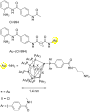


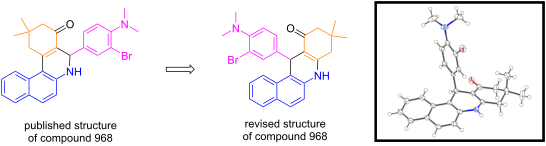
Structural reassignment of compound 968, an allosteric glutaminase inhibitor
Beilstein J. Org. Chem. 2026, 22, 455–460, doi:10.3762/bjoc.22.33
- cloned into pQE80 were grown at 37 °C overnight in LB supplemented with 100 µg/mL ampicillin. These cultures were diluted 1:100 into 2 L of LB media supplemented with 100 µg/mL ampicillin and grown at 37 °C with shaking at 225 rpm until the OD600 reached 0.6. IPTG was added to a final concentration of
- 9.4), NAD+ (2 mM), glutamate dehydrogenase (1 µL of a 50% glycerol solution, 15 mg/mL), and hydrazine (0.5 µL) and incubated at room temperature for 40 min. The absorbance at 340 nm was measured and converted to glutamate concentration using the extinction coefficient for NADH of 6220 M−1 cm−1. The


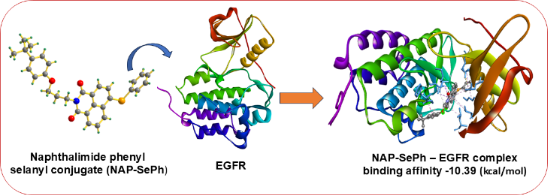
Synthesis and anti-cancer activity of naphthalimide–organylselanyl conjugates
Beilstein J. Org. Chem. 2026, 22, 416–435, doi:10.3762/bjoc.22.29
- concentration of 2 × 10⁻⁵ M, as shown in Supporting Information File 1, Figure S21. Both compounds have slightly similar absorption bands. Compound 7 shows an absorption maximum at 395 nm as a broad band peak. In comparison to compound 7, compound 8 displays a slight bathochromic (red) shift, with absorption
- compounds exhibited significant, dose-dependent cytotoxicity, with cell viability decreasing as the concentration increased. Notably, both compounds demonstrated comparable cytotoxic effects against the tested cancer cell line. To assess the significance of variations between concentration and cell
- viability, one-way ANOVA was performed using GraphPad Prism software [64], as shown in Figure 8, comparing the control group to each test concentration of the compound 7 (Figure 8a) and compound 8 (Figure 8b). The results showed no significant differences between the control and 6.12 µM concentrations


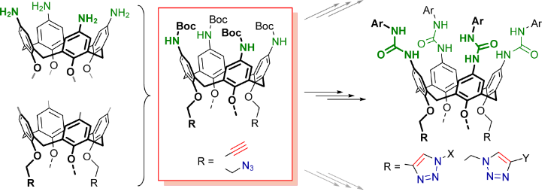
Cone p-aminocalix[4]arenes enriched with ‘clickable’ alkyne or azide functionalities
Beilstein J. Org. Chem. 2026, 22, 399–415, doi:10.3762/bjoc.22.28
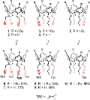
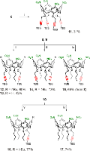
- spectra. Upon tuning the reaction conditions, it was found that a more complete nitration of calixarene 6 along with some suppression of the undesired side reactions could be achieved by decreasing the nitric acid excess (to ≈10 equiv per calixarene aromatic unit) and its concentration in dichloromethane
- (to ≈1 M), reducing the content of acetic acid in the mixture (to 1 mol per mol of HNO3) and extending the room-temperature reaction time to 72 h. Yet, under these conditions, the desired calix[4]arene 11 was obtained in only 31% yield (Scheme 2), and further variations in reagent excess/concentration
- conditions. In line with this, compounds 8–10 having less sterically hindered narrow-rim substitution patterns were found to be more resistant to side reactions during wide-rim nitration as well as to the target exhaustive nitration itself. These reactions required a higher nitric acid concentration of ≈2.5




Design, synthesis and biological evaluation of 2,5-diaryloxazolo[4,5-d]pyrimidin-7-ylamines as selective cytotoxic agents against HeLa cells
Beilstein J. Org. Chem. 2026, 22, 390–398, doi:10.3762/bjoc.22.27

- antiproliferative and cytotoxic activity against the tested NCI60 cancer cell lines. Also, several other 7-(1,4-diazepan)- and 7-piperazine-substituted [1,3]oxazolo[4,5-d]pyrimidines (structures A and B in Scheme 1) showed cytotoxic activity in the micromolar concentration range against most breast cancer cell
- cells. Therefore, regardless of the concentration in effect, the compound with greater selectivity should be favored. According to this criterion, compounds 1, 7, and 9 show the most significant appeal for further testing as potential agents against cervical cancer. Unfortunately, none of these
- of 670 nm was measured in an ELISA reader (VarioskanLux, Thermo Scientific) and CC50 (50% cytotoxic concentration) was calculated. ADMET analysis Available online web sites of an integrated online platform for Windows: ADMETlab 3.0 [24] and Deep-PK [25] were applied to explore ADMET properties of the


Spirobarbiturates with a pyrrolizidine moiety: synthesis, structure and biological evaluation
Beilstein J. Org. Chem. 2026, 22, 274–288, doi:10.3762/bjoc.22.20
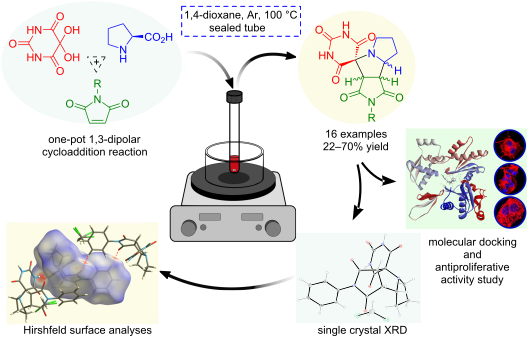
- compounds against human cervical carcinoma (HeLa), erythroleukemia (K562), and melanoma (Sk-mel-2) cell lines. It was found that the studied spiro-fused adducts reduced the cell proliferation in a time- and concentration-dependent manner. The results of these investigations for 24 h and 72 h are presented
- tryptanthrin, 11H-benzo[4,5]imidazo[1,2-a]indol-11-one or indolin-2-one instead of the barbituric moiety [58][59][60]. The most interesting effect however, was the increased Sk-mel-2 cell viability under treatment with compounds 4f and 4g at the lowest concentration tested (5 µg/mL). Actin cytoskeleton changes