


Search results
Search for "pH" in Full Text gives 1060 result(s) in Beilstein Journal of Organic Chemistry. Showing first 200.
Amino acid-based surfactants: sustainable synthesis and antimicrobial mechanisms
Beilstein J. Org. Chem. 2026, 22, 1067–1085, doi:10.3762/bjoc.22.85
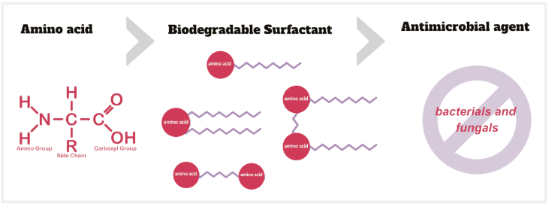
- –0.008 mM), reflecting its higher hydrophobicity [39]. These compounds illustrate how the introduction of two alkyl chains and a glycerol backbone modulates both aggregation behavior and biological activity. The strategic incorporation of histidine creates pH-responsive systems, with protonation studies
- showing complete antimicrobial activation below pH 6.5 [62]. Molecular dynamics simulations have demonstrated that phenylalanine-modified variants exhibit enhanced penetration into lipid bilayers, which has been attributed to the favorable partitioning of the aromatic side chain within the hydrophobic
- and LKM (Table 1, entries 17 and 18), TMKM bears a fixed positive charge on the α-amino group, independent of pH. This structural modification results in consistent activity against Gram-positive bacteria (MIC 6–50 μg/mL) without requiring protonation at physiological pH, making it particularly


Synthesis of functionalized, 13-alkyl-substituted coralyne derivatives and investigation of their interactions with duplex and abasic site-containing DNA
Beilstein J. Org. Chem. 2026, 22, 1057–1066, doi:10.3762/bjoc.22.84
- biochemistry-grade chemicals and E-Pure® water (18 MΩ cm). They were filtered through a membrane filter (pore size 0.45 μM; Carl Roth GmbH, Karlsruhe) prior to use and stored at 4 °C. BPE buffer: c(Na2HPO4) = 6.0 mM, c(NaH2PO4) = 2.0 mM, c(Na2EDTA) = 1.0 mM, pH 7.0. TBE buffer (10×): c(tris(hydroxymethyl
- )aminomethane) = 89.0 mM, c(B(OH)3) = 89.0 mM, c(Na2EDTA) = 1.0 mM, pH 8.0; I1/2 buffer: c(KH2HPO4) = 5.0 mM, c(NaCl) = 50.0 mM, pH 7.4. The ct DNA (approximately 2 mg/mL) was dissolved in BPE buffer and stored at 4 °C for at least 24 h. The solution was filtered through a membrane filter before use (pore size
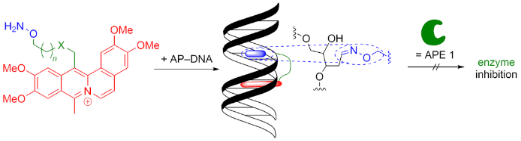
- plate reader with λex = 485 nm and λfl = 535 nm was used. Structures of the representative DNA-binding protoberberine alkaloids 1a–c and coralyne (2a). Photometric (A) and fluorimetric (B) titration of ct DNA to 2e (c = 10 µM) (B) in BPE buffer (cNa+ = 16 mM, pH 7.0; with 10% v/v DMSO). Inset: plot of


Semisynthesis, characterisation, and antibacterial evaluation of a novel lecanoric acid-derived amide library
Beilstein J. Org. Chem. 2026, 22, 1023–1032, doi:10.3762/bjoc.22.81
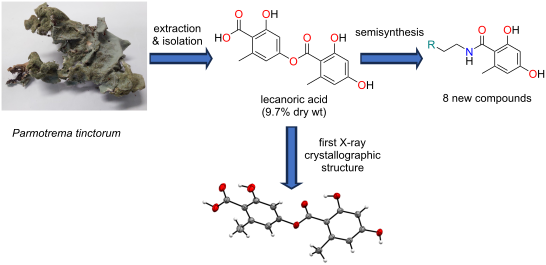
- natural product to be obtained; the ORTEP drawing of 1 is shown in Figure 2. The abundant depside scaffold 1 (970 mg) was subsequently utilised to generate a novel series of semisynthetic amides. This particular scaffold is known to undergo ester hydrolysis in basic environments (i.e., pH > 7), resulting


The role of spacer length and flexibility in peptide self-assembly
Beilstein J. Org. Chem. 2026, 22, 986–996, doi:10.3762/bjoc.22.77
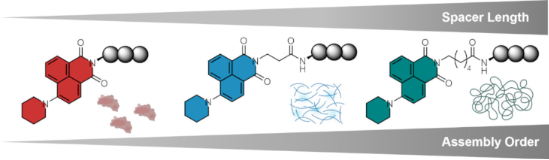
- self-assembly Next, we analyzed the naphthalene-containing peptides 6, 7, and 8 regarding their self-assembling properties. Initially, the peptides were dissolved in 2,2,2-trifluoroethanol (TFE) to form a stock solution (10 mM) and added to phosphate-buffered saline (PBS, 50 mM, pH 7.4) to obtain 100
- 1A) [40]. The peptide stock solutions prepared in TFE (10 mM) were diluted in PBS (50 mM, pH 7.4) to obtain 100 µM peptide samples (1% TFE). The mixtures were then incubated at room temperature for 24 h to promote self-assembly. Corresponding samples in methanol (1% TFE) were prepared in parallel and
- hydrophobic environments present in supramolecular peptide assemblies, particularly β-sheets [41]. Compared to the PBS buffer (50 mM, pH 7.4, 1% TFE) controls, an increase in fluorescence can be observed with increasing spacer length, with the highest fluorescence detected for C6-Nap-ICA 6. Thioflavin T (ThT


Synthesis of sterically shielded piperidine nitroxides via acid-catalyzed heterocyclization of β-aminoketone derivatives with ketones
Beilstein J. Org. Chem. 2026, 22, 948–954, doi:10.3762/bjoc.22.74
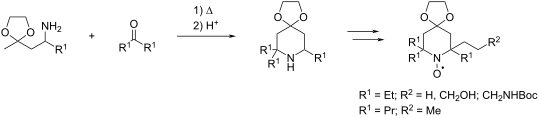
- hydrogenation to give saturated alkyl or functionalized alkyl groups. The study of reduction kinetics for alkyl and allyl-substituted piperidine nitroxides in ascorbate/glutathione media (30% EtOH, pH 7.5) yielded second-order rate constants of ≈10−2 M−1·s−1, which is close to that earlier reported for 2,2,6,6
- conformational changes of the piperidine ring. Reduction rate constants for 7d, 8a,d, and 9a,d were measured in 30% EtOH (pH 7.5) using the ascorbate/glutathione system, yielding values of ≈10−2 M−1·s−1, which are comparable to that of TEEPONE. Notably, the reduction rate constants determined for TEEPONE in 30


Recent advances in copper-catalyzed direct hydroamination of alkenes with (hetero)aromatic amines
Beilstein J. Org. Chem. 2026, 22, 925–947, doi:10.3762/bjoc.22.73
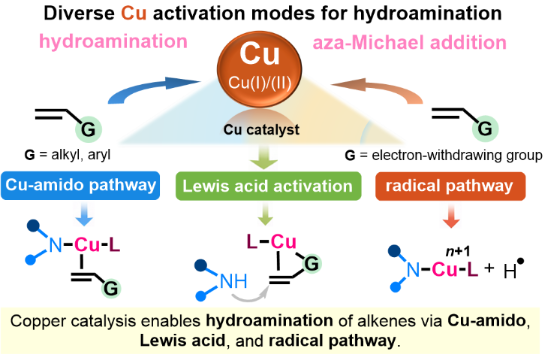
- ). In particular, NMR analysis indicated the formation of the organocopper species (IPr)Cu(N(Ph)CH2CH2CN) (VII), a key intermediate consistent with the nucleophilic addition mechanism. These early mechanistic studies established that copper-bound amido species act as key nucleophilic intermediates in
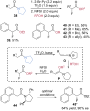
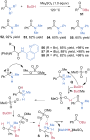
- (OTf)2 and the chiral bis(oxazoline) ligand (R,R)-Ph-box, the cyclization of N-sulfonyl-2-allylaniline derivatives 47 proceeded efficiently in the presence of 1,4-cyclohexadiene as a hydrogen atom donor and MnO2 as a stoichiometric oxidant. Various substituted substrates underwent intramolecular






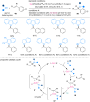

Cascade transformation of 2-(diazoacetyl)-2H-azirines to 2-aroyl-3-hydroxy-1H-pyrroles via condensation with aromatic aldehydes
Beilstein J. Org. Chem. 2026, 22, 897–904, doi:10.3762/bjoc.22.70
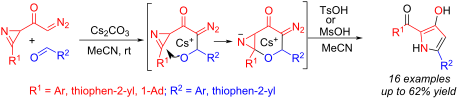
- bicyclic intermediate 4. This acid-catalyzed transformation leads to 3-hydroxy-2-aroyl-1H-pyrroles 5 (Scheme 1). To the best of our knowledge, only few examples of such compounds have been so far reported [23][24]. Results and Discussion A test reaction of 2-(2-diazoacetyl)-3-phenyl-2H-azirine (1a, R = Ph
- (probably 4a; Scheme 1, R = Ph, Ar = 4-FC6H4) turned out to be extremely unstable and could not be isolated either by crystallization or by chromatography on silica gel or alumina, which led to its complete decomposition. Fortunately, the corresponding product of the reaction of 2-(2-diazoacetyl)-3-(3
- MeCN) for the reaction of azirine 1a and benzaldehyde (2c, Scheme 3). Calculations indicate that condensation and subsequent cyclization should readily occur at room temperature, with only the diastereoisomer (1RR,3SR,6RR)-Phe-C (with the Ph group from benzaldehyde in the equatorial position


Site-specific labelling of native peptides and proteins: chemical and enzymatic strategies
Beilstein J. Org. Chem. 2026, 22, 857–881, doi:10.3762/bjoc.22.67
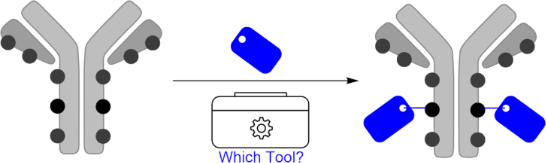
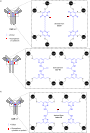
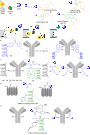
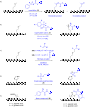
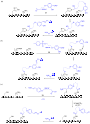
- principle, pH-controlled N-terminal PEGylation has been applied to the labelling of filgrastim, producing Neulasta®, a long-acting chemotherapy support drug [8]. Enhanced N-terminal modification selectivity can be achieved with dinucleophilic residues. Native chemical ligation recruits N-terminal cysteine
- [24]. Despite significant advances, major challenges persist. Current N-terminal labelling strategies often require engineered residues, operate only under narrow pH conditions, or involve multistep procedures that hinder practical application. Efficiencies often depend on methionine excision, linker








Synthesis and structural elucidation of a novel bis-spirooxindole from isatin and ethylenediamine
Beilstein J. Org. Chem. 2026, 22, 813–820, doi:10.3762/bjoc.22.63

- -1223-336033; E-mail: deposit@ccdc.cam.ac.uk. Synthesis of 24. Ethylenediamine (0.33 mL, 5 mmol, 1 equiv) was added dropwise to a solution of isatin (1, 1.47 g, 10 mmol, 2 equiv) in MeOH (50 mL). The mixture was heated at reflux for 5 h, cooled to 0 °C, and acidified with 1 M HCl (to pH ≈ 1), leading to


Knoevenagel condensation of 4,5- and 1,8-diazafluorenes
Beilstein J. Org. Chem. 2026, 22, 803–812, doi:10.3762/bjoc.22.62
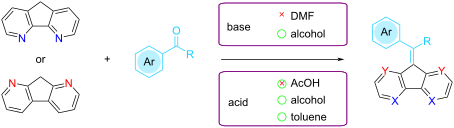
- ), ammonium acetate (60.5 mg, 0.79 mmol), and aldehyde (0.20 mmol) in glacial acetic acid (5 mL) was heated to 110 °C with stirring for 12 h. The resultant solution was cooled to room temperature and neutralized with aqueous ammonia solution (25%) to pH 6. The precipitate of a product was filtered off and
- toluene (5 mL) was heated to 110 °C with stirring for 12 h. The resultant solution was cooled to room temperature and neutralized with aqueous ammonia solution (25%) to pH 6. The precipitated compounds (see Table 1) were isolated by filtration followed by washing sequentially with portions of water
- neutralized with aqueous ammonia solution (25%) to pH 6. The resulting precipitate was filtered, washed successively with water, methanol, hexane and dried in air. Yield: 22.7 mg, 65%. The NMR spectrum corresponds to that described in [15]. a) Cyclic voltammograms of compounds 4,5-DPDAF and 1,8-DPDAF in


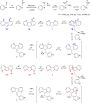


Rongalite addition to dienones: diastereoselectivity in cyclic sulfone synthesis; stereochemical rationalization and prospects as a general conjugate nucleophile
Beilstein J. Org. Chem. 2026, 22, 742–752, doi:10.3762/bjoc.22.56

- high concentration of ≈80% acetic acid (pH ≈3), it seemed plausible that activation of the dienone carbonyl group would occur by hydrogen-bonding, rather than complete proton transfer to the carbonyl oxygen lone pairs [29]. We therefore included explicit solvation with acetic acid in our computational


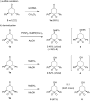


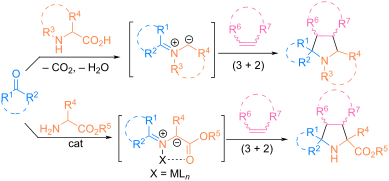
Synthesis of heterocycles based on azomethine ylides from α-amino acids (or amines) and carbonyl compounds
Beilstein J. Org. Chem. 2026, 22, 705–741, doi:10.3762/bjoc.22.55


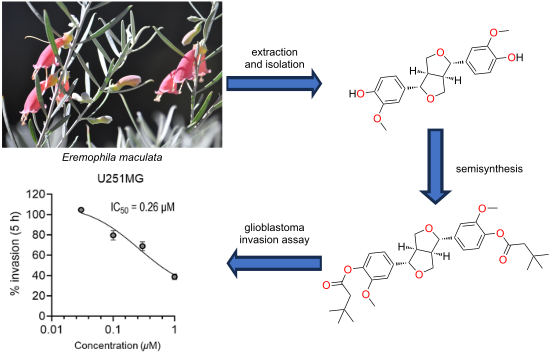
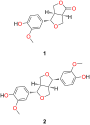
Anti-invasive and cytotoxic evaluation of a (+)-pinoresinol-based semisynthetic library against glioblastoma
Beilstein J. Org. Chem. 2026, 22, 691–704, doi:10.3762/bjoc.22.54
- LE0668477, LE140100119, LE0237908, and LE230100128). S. A. R would like to acknowledge funding from Channel 7 Children’s Foundation grant. S. A. R. and R. A. D. both thank the NeuroSurgical Research Foundation for grant funding. C. Z. would like to thank Griffith University for Ph. D. scholarships (GUPRS



Advantages of PROTACs in achieving selective degradation of homologous protein families
Beilstein J. Org. Chem. 2026, 22, 628–661, doi:10.3762/bjoc.22.49
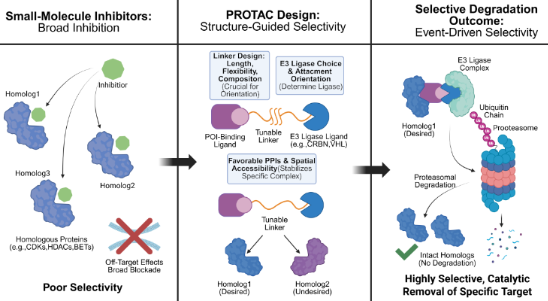
- , PROTACs can achieve isoform-specific degradation. This approach not only minimizes off-target toxicity but also enables the targeting of CDK6 in contexts where CDK4 is functionally redundant, such as in Ph+ ALL. Currently, small-molecule inhibitors for the CDK family approved by the FDA all target CDK4/6
- . CDK4/6 has high homology and has been shown to play a crucial role in the development of breast cancer [26]. In recent years, it has been proved that expression of CDK6, but not of the highly related CDK4, is required for the proliferation and survival of Ph+ acute lymphoblastic leukemia cells
- . According to this, some researchers consider that CDK6 may be a more attractive target than CDK4 in some diseases [55]. Therefore, how to distinguish between CDK4 and CDK6, to achieve better treatment effects for certain specific diseases, such as Ph+ALL, has become a problem of concern to many









Molecular tweezer–peptide conjugates disrupt the protein–protein interaction between survivin and histone H3 essential in mitosis
Beilstein J. Org. Chem. 2026, 22, 557–567, doi:10.3762/bjoc.22.41
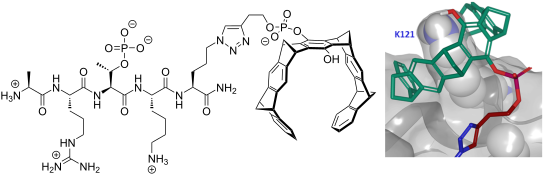
- to the backbone conformation since it strongly influences the conformation of the neighboring alanine. Position 3 should either be a phosphothreonine or a glutamine, and position 4 is preferred as Arg or Lys. The peptide affinity drops 3- or 4-fold when increasing the pH from 6.8 to 8.2, thus


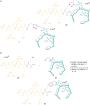


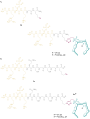
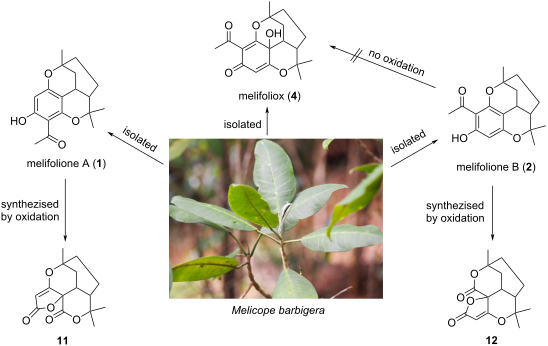
Melifoliox B, a novel phloroglucin derivative isolated from Melicope barbigera (Rutaceae) and synthesis of new oxidation products from melifoliones A and B
Beilstein J. Org. Chem. 2026, 22, 535–546, doi:10.3762/bjoc.22.39
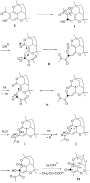
- . 1-[3,4,5,6-Tetrahydro-7,9-dihydroxy-2-methyl-5-(1-methylethenyl)-2,6-methano-2H-1-benzoxocin-10-yl]ethanone (6): Chromene 5 (910 mg, 3 mmol) was dissolved in 6 g acetic acid and heated on a water bath to 80 °C for 1 h. The reaction mixture was alkalized under cooling to pH 13 with 1 N NaOH (110 mL



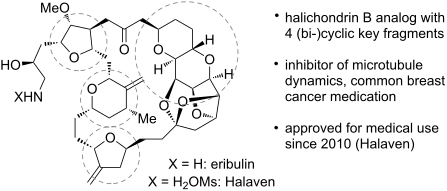
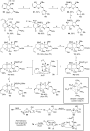
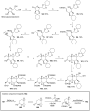
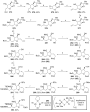
Modern synthetic pathways towards eribulin and its subunits
Beilstein J. Org. Chem. 2026, 22, 495–526, doi:10.3762/bjoc.22.37








Synthesis and uranyl(VI) extraction performance of a calix[4]pyrrole–tetrahydroxamic acid receptor
Beilstein J. Org. Chem. 2026, 22, 486–494, doi:10.3762/bjoc.22.36
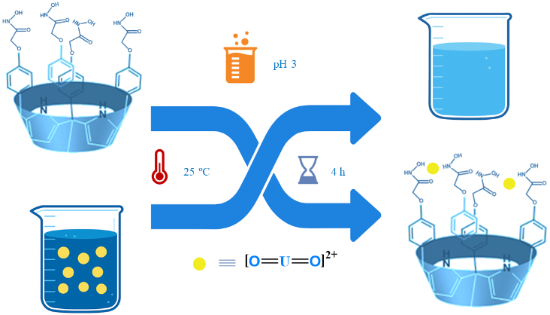
- , removing up to 95% of uranyl(VI) from aqueous solutions (1 mM) at acidic pH, likely due to the strong coordination provided by its hydroxamic acid groups. Further studies revealed that the extraction efficiency also depends on the ligand-to-metal molar ratio. These findings establish PCP HA as a promising
- spectroscopy. The extraction performance was systematically evaluated as a function of pH and ligand-to-metal molar ratio to study the effect of these two key parameters on the extraction process. In doing so, this work aligns with current research dedicated to the design of functional supramolecular materials
- and HRMS monitoring indicated that the reaction reached completion within one day. While some studies have reported the formation of hydroxamic acids from esters at neutral pH [54], in our study the conversion leading to PCP HA (Figure 1) was observed exclusively under alkaline conditions (pH ≥ 10


Structural reassignment of compound 968, an allosteric glutaminase inhibitor
Beilstein J. Org. Chem. 2026, 22, 455–460, doi:10.3762/bjoc.22.33
- . The supernatant was applied to 2 mL of Ni:NTA resin (Thermo Scientific) equilibrated with wash buffer (50 mM Tris (pH 8.0), 500 mM NaCl) and rocked at 4 °C for 30 minutes. The beads were transferred to a disposable column and drained. The bead bed was washed at 4 °C with 30 mL of wash buffer and 20 mL
- of wash buffer supplemented with 10 mM imidazole. Protein was eluted into 1 mL fractions at 4 °C with wash buffer supplemented with 300 mM imidazole. A 20 µL aliquot of each fraction was analyzed by SDS-PAGE. Fractions with pure protein were pooled and the buffer was changed to 20 mM Tris (pH 8.5
- ), 120 mM NaCl using a PD-10 desalting column (Cytiva). The eluent was divided into aliquots, snap frozen in liquid nitrogen, and stored at −80 °C. Glutaminase enzymatic assay The GAC isoform of glutaminase (79 µL, 50 nM) in Tris acetate (65 mM, pH 8.6) was added to flat, clear-bottomed 96 well plates. A


A facile and practical method for the synthesis of trans-(±)-taxifolin and its derivatives via Darzens reaction
Beilstein J. Org. Chem. 2026, 22, 443–450, doi:10.3762/bjoc.22.31
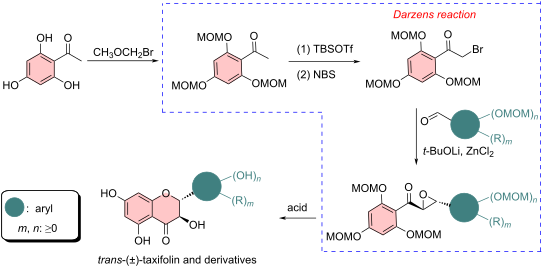
- purification was required after post-treatment. The formed silyl enol ether was then reacted with NBS (1.1 equiv) in a mixed solvent of THF and PBS buffer solution (pH 7.2) to give compound 2 with a total yield of 91% over the successive two steps. Darzens reaction of compound 2 (10.05 g) with benzaldehyde 3a


Synthesis and stereochemical analysis of dynamic planar chiral oxa[7]orthocyclophene
Beilstein J. Org. Chem. 2026, 22, 436–442, doi:10.3762/bjoc.22.30

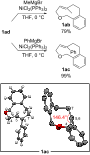
- -substituted oxacyclophenes 1ab (X = O, Y = Me), 1ac (X = O, Y = Ph), and 1ad (X = O, Y = I), in which 1ad was used as the key intermediate for the synthesis of 1ab and 1ac via Kumada–Tamao coupling with Grignard reagents (Figure 2). Results and Discussion Retrosynthesis and synthesis of the C6-iodo






Recent advances in the cleavage of non-activated amides
Beilstein J. Org. Chem. 2026, 22, 352–369, doi:10.3762/bjoc.22.23
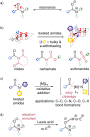
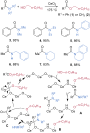
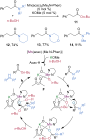
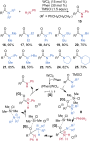
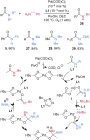
- transformation of the target amide in the presence of more reactive functional groups (Scheme 24b). Using 9-mesityl-3,6-di-tert-butyl-10-phenylacridinium tetrafluoroborate (Mes-Acr-Ph+BF4−) as the photoredox catalyst under 450 nm LED irradiation, the PMB anilide unit was chemoselectively activated and cleaved in







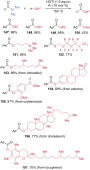

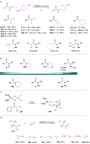


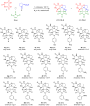
Spirobarbiturates with a pyrrolizidine moiety: synthesis, structure and biological evaluation
Beilstein J. Org. Chem. 2026, 22, 274–288, doi:10.3762/bjoc.22.20
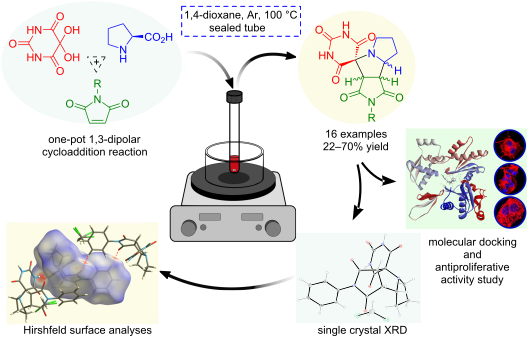
- alloxan and α-amino acids) reacted with N-methylmaleimide was published by Ronald Grigg’s group in 1994 (Scheme 3) [52]. The authors reported the synthesis of spirobarbiturates containing various substituents: R’ = iPr (67%), Bn (61%), and Ph (66%). In this work, which is a continuation of studies on the
- . It was established that both diastereoselectivity and reaction yields significantly depend on the N-substituent of the maleimide: exclusive formation of endo-products 4a–e (yields up to 52%) was observed when using maleimides with R = H (3a), Me (3b), Ph (3c), p-Tol (3d), or 4-NO2С6H4 (3e) at the
- ), including O···H–N hydrogen bonds between barbiturate rings and O···H–Ph contacts involving maleimide carbonyl oxygens and phenyl ring hydrogens. The crystal structure of adduct 4c includes a molecule of dichloromethane. Due to the disorder of the dichloromethane molecule, the exact distances of the




Synthesis of diaryl phosphates using phytic acid as a phosphorus source
Beilstein J. Org. Chem. 2026, 22, 213–223, doi:10.3762/bjoc.22.15
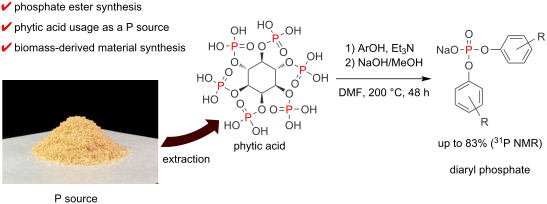
- first delipidated with n-hexane. Phytic acid was extracted with 1 M HCl for 1 h. After extraction, the pH value was adjusted to 4.5 with 8.0 M NaOH, which is the isoelectric point of rice bran protein. Solids were removed via filtration and centrifugation followed by supernatant collection. The phytate
- yield and purity exhibited a trade-off relationship [1], and the yield increased with increasing supernatant pH. Because the phytic acid purity was prioritized in this work, the pH value was increased by the addition of 1.5 M Na2CO3 up to pH 7 to form a phytate precipitate. Finally, the collected
- for 1 h. The delipidated rice bran was filtered through a non-woven filter and dried in air overnight. A 1.0 M HCl solution (300 mL) was poured into the rice bran, and the produced mixture was stirred with a magnetic stirrer for 1 h. After stirring, the pH of the extract was adjusted to 4.5 with 8.0 M




Streptoquinolines A and B, new antibacterial meroterpenoids produced by Streptomyces sp. TMPU-A0679
Beilstein J. Org. Chem. 2026, 22, 185–191, doi:10.3762/bjoc.22.12
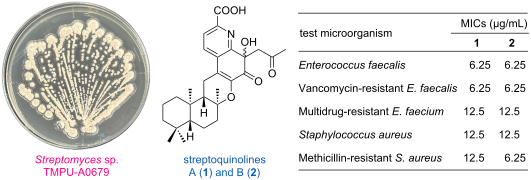
- of strain TMPU-A0679 grown on ISP medium No. 2 (yeast extract 0.4%, malt extract 1.0%, glucose 0.4%, and agar 1.5%; adjusted to pH 7.3) was used to inoculate a 500 mL Erlenmeyer flask containing 100 mL of the seed medium (potato starch 2.4%, yeast extract 0.5%, glucose 0.1%, peptone 0.3%, Ehrlich
- meat extract 0.3%, and CaCO3 0.4%; adjusted to pH 7.0). The flask was incubated on a rotary shaker at 180 rpm at 27 °C for 4 days. One milliliter of the seed culture was transferred into sixty 500 mL Erlenmeyer flasks containing 100 mL of ISP2 medium No. 2. Fermentation was conducted on a rotary shaker
- concentrated under reduced pressure to remove the solvent. The resulting aqueous solution (400 mL) was extracted twice with EtOAc (400 mL × 2, pH 3). The combined EtOAc layer was dried over Na2SO4 and concentrated under reduced pressure to yield crude material (922 mg). This material was then dissolved in a





