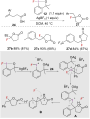
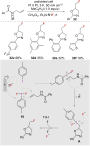
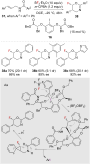
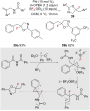
Search for "promoter" in Full Text gives 130 result(s) in Beilstein Journal of Organic Chemistry.
Beilstein J. Org. Chem. 2025, 21, 2637–2644, doi:10.3762/bjoc.21.204
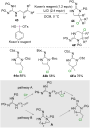
Graphical Abstract
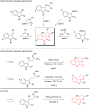
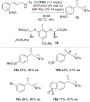
Figure 1: Representative CGs with promising biological activities.
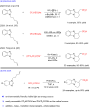
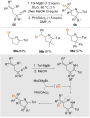
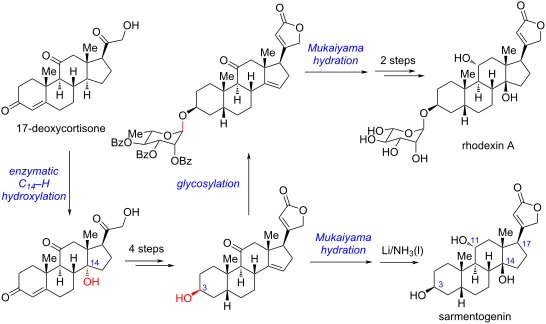
Scheme 1: Retrosynthetic analysis of rhodexin A and sarmentogenin.
Scheme 2: Chemoenzymatic synthesis of sarmentogenin (2).
Scheme 3: Synthesis of rhodexin A.
Beilstein J. Org. Chem. 2025, 21, 2416–2446, doi:10.3762/bjoc.21.185
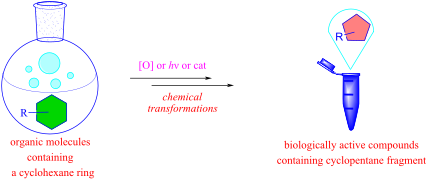
Graphical Abstract
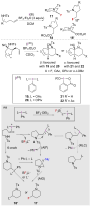
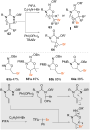
Scheme 1: Ozonolysis–cyclization sequence in the synthesis of echinopine A (3).
Scheme 2: Ozonolysis–cyclization sequence in the synthesis of taiwaniaquinoids 7–12.
Figure 1: Iridoid skeleton.
Scheme 3: Ozonolysis–cyclization sequence in the synthesis of compounds 17a,b, 18 and 19 with iridoid topolog...
Scheme 4: Oxidation–aldol condensation sequence in the synthesis of compounds 21 and 23 with iridoid topology....
Scheme 5: Oxidation–aldol condensation sequence in the synthesis of compounds 29 and 30 with iridoid topology....
Scheme 6: Method for ring contraction in the absence of a double bond in a six-membered ring of triterpenoids....
Scheme 7: Oxidation–Dieckmann cyclization sequence in the synthesis of a new nortriterpenoid 39.
Scheme 8: Oxidation–Dieckmann cyclization sequence in the synthesis of 18,19-di-nor-cholesterol (40).
Scheme 9: Oxidation–cyclization sequence in the synthesis of 3-ethyl-substituted betulinic acid derivatives 49...
Scheme 10: Benzilic acid-type rearrangement in the synthesis of 4β-acetoxyprobotryane-9β,15α-diol (52).
Scheme 11: Benzilic acid-type rearrangement in the synthesis of (−)-taiwaniaquinone H (11).
Scheme 12: Benzilic acid-type rearrangement in the synthesis of dactylicapnosines A (63) and B (64).
Scheme 13: Aza-benzilic acid-type rearrangement in the synthesis of (+)-stephadiamine (71).
Scheme 14: α-Ketol rearrangement in the synthesis of saffloneoside (73).
Scheme 15: Conversion of (−)-preaustinoid A (80) to (−)-preaustinoid B (81) via α-ketol rearrangement.
Scheme 16: α-Ketol rearrangement in the synthesis of 2,8-oxymethano-bridged diquinane 90.
Scheme 17: Oxidative ring contraction during the synthesis of (+)-cuparene (91) and (+)-tochuinylacetate (92).
Scheme 18: Semipinacol rearrangement in the synthesis of diterpenoids 97–100.
Scheme 19: Co-catalyzed homoallyl-type rearrangement in the syntheses of meroterpenes 106–109.
Scheme 20: Ring contraction reaction promoted by TTN·3H2O and HTIB in the synthesis of indanes.
Scheme 21: Rearrangement involving a hypervalent iodine compound in the synthesis of derivative 120.
Scheme 22: Wolff rearrangement in the synthesis of taiwaniaquinones A (7), F (8), taiwaniaquinols B (10), D (1...
Scheme 23: Wolff rearrangement in the synthesis of cheloviolene C (128), seconorrisolide B (129), and seconorr...
Scheme 24: Wolff rearrangement in the synthesis of (−)-pavidolide B (134).
Scheme 25: Wolff rearrangement in the synthesis of presilphiperfolan-8-ol (141).
Scheme 26: Photochemical rearrangement in the synthesis of cyclopentane derivatives 147a,b.
Scheme 27: Synthesis of cyclopentane derivatives 147a and 151.
Scheme 28: Photochemical rearrangement in the synthesis of cyclopentane derivative 153.
Scheme 29: Photochemical rearrangement in the synthesis of tricyclic ketones 155, 156.
Scheme 30: Photochemical rearrangement in the synthesis of cis/trans salts 160.
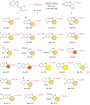
Figure 2: Scope of the photoinduced carboborative ring contraction of steroids. Reaction conditions: steroid ...
Scheme 31: Photoinduced carboborative ring contraction in the synthesis of artalbic acid (180).
Scheme 32: Synthetic versatility of the photoinduced carboborative ring contraction.
Scheme 33: Methods of disclosure of epoxide 189.
Scheme 34: Methods of disclosure of epoxide 190.
Scheme 35: Rearrangement of α,β-epoxy ketone 197.
Scheme 36: Acid-induced rearrangement in the synthesis of perhydrindane ketones 202 and 205.
Scheme 37: Rearrangement of epoxyketone 208 in the synthesis of huperzine Q (206).
Scheme 38: Rearrangement of epoxide 212 under the action of Grignard reagent.
Scheme 39: Semipinacol rearrangement of epoxide 220 in the synthesis of (−)-citrinadin A (217) and (+)-citrina...
Scheme 40: Semipinacol rearrangement of epoxide 225 in the synthesis of hamigeran G (223).
Scheme 41: Semipinacol rearrangement of epoxide 231 in the synthesis of (−)-spirochensilide A (228).
Scheme 42: Wagner–Meerwein rearrangement in the synthesis of compound 234 with iridoid topology.
Scheme 43: Wagner–Meerwein rearrangement in the synthesis of compound 238 with iridoid topology.
Scheme 44: Wagner–Meerwein rearrangement in the synthesis of compound 241 with iridoid topology.
Scheme 45: Wagner–Meerwein rearrangement in the synthesis of lupane derivatives 245, 246, 248, and 249.
Scheme 46: Wagner–Meerwein rearrangement in the synthesis of weisaconitine D (252) and cardiopetaline (255).
Scheme 47: Wagner–Meerwein rearrangement in the synthesis of cardiopetaline (255).
Beilstein J. Org. Chem. 2025, 21, 2383–2388, doi:10.3762/bjoc.21.183
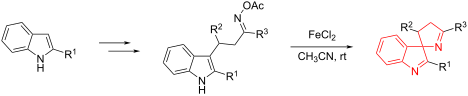
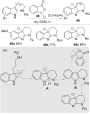
Graphical Abstract
Figure 1: Natural and synthetic bioactive spiro[indoline-3,2'-pyrrolidine] derivatives.
Scheme 1: Previous approaches and our work.
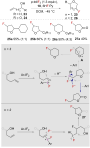
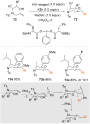
Scheme 2: The reaction of 2-arylindoles 1 with α,β-unsaturated ketones 2. aIsolated yield of the 5 mmol scale...
Scheme 3: The scope of the Fe-catalyzed spirocyclization. aIsolated yield of the 4.2 mmol scale experiment.
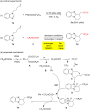
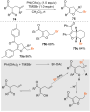
Scheme 4: The proposed mechanism of product 4 formation.
Beilstein J. Org. Chem. 2025, 21, 1700–1718, doi:10.3762/bjoc.21.133
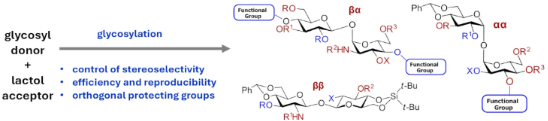
Graphical Abstract
Scheme 1: Application of chloride-, bromide-, and trichloroacetimidate donors in 1,1'-coupling reactions towa...
Scheme 2: Application of trichloroacetimidates as donors in 1,1'-β,α coupling reactions and the use of 1,2-or...
Scheme 3: The β-anomeric configuration in the lactol acceptors can be trapped and fixed within the five-membe...
Scheme 4: Diarylborinic acid-promoted β,α-1,1' glycosylation.
Scheme 5: The anomeric configuration in the lactol acceptor can be trapped in the form of a TMS-glycoside.
Scheme 6: The anomeric configuration in the lactol acceptor can be trapped in form of a 1-O-TMS-glycoside tha...
Scheme 7: Influence of remote protecting groups on the stereoselectivity and efficiency of 1,1'-β,α bond form...
Scheme 8: Synthesis of non-symmetrically fully orthogonally protected β,α-1,1' diglucosamines.
Scheme 9: Synthesis of non-symmetric β,β-1,1'-linked disaccharides.
Scheme 10: Synthesis of non-symmetric, fully orthogonally protected β,β-1,1'-diglucosamines.
Scheme 11: Synthesis of α,α-1,1'-disaccharides.
Scheme 12: Synthesis of α,α-1,1'-thiodisacchrides.
Scheme 13: Synthesis of partially desymmetrized α,α-1,1'-linked disaccharides.
Scheme 14: Synthesis of non-symmetric orthogonally protected α,α-1,1'-linked disaccharides involving an aminos...
Beilstein J. Org. Chem. 2025, 21, 1671–1677, doi:10.3762/bjoc.21.131
Graphical Abstract
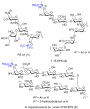
Figure 1: Pyruvylated galactose on bacterial polysaccharides PS A1 (1), 1.15 EPS (2) and Rhizobium leguminosa...
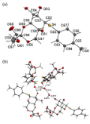
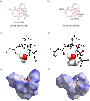
Figure 2: (a) Oak Ridge Thermal Ellipsoid Plot view of the X-ray crystal structure of pyruvylated galactose 6...
Scheme 1: Synthesis of trisaccharide precursor 14.
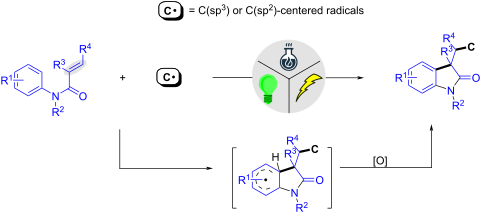
Beilstein J. Org. Chem. 2025, 21, 1207–1271, doi:10.3762/bjoc.21.98
Graphical Abstract
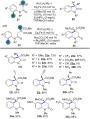
Scheme 1: DTBP-mediated oxidative alkylarylation of activated alkenes.
Scheme 2: Iron-catalyzed oxidative 1,2-alkylarylation.
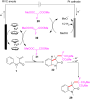
Scheme 3: Possible mechanism for the iron-catalyzed oxidative 1,2-alkylation of activated alkenes.
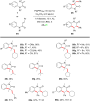
Scheme 4: A metal-free strategy for synthesizing 3,3-disubstituted oxindoles.
Scheme 5: Iminoxyl radical-promoted cascade oxyalkylation/alkylarylation of alkenes.
Scheme 6: Proposed mechanism for the iminoxyl radical-promoted cascade oxyalkylation/alkylarylation of alkene...
Scheme 7: Bicyclization of 1,n-enynes with alkyl nitriles.
Scheme 8: Possible reaction mechanism for the bicyclization of 1,n-enynes with alkyl nitriles.
Scheme 9: Radical cyclization of N-arylacrylamides with isocyanides.
Scheme 10: Plausible mechanism for the radical cyclization of N-arylacrylamides with isocyanides.
Scheme 11: Electrochemical dehydrogenative cyclization of 1,3-dicarbonyl compounds.
Scheme 12: Plausible mechanism for the dehydrogenative cyclization of 1,3-dicarbonyl compounds.
Scheme 13: Photocatalyzed cyclization of N-arylacrylamide and N,N-dimethylaniline.
Scheme 14: Proposed mechanism for the photocatalyzed cyclization of N-arylacrylamides and N,N-dimethylanilines....
Scheme 15: Electrochemical monofluoroalkylation cyclization of N-arylacrylamides with dimethyl 2-fluoromalonat...
Scheme 16: Proposed mechanism for the electrochemical radical cyclization of N-arylacrylamides with dimethyl 2...
Scheme 17: Photoelectrocatalytic carbocyclization of unactivated alkenes using simple malonates.
Scheme 18: Plausible mechanism for the photoelectrocatalytic carbocyclization of unactivated alkenes with simp...
Scheme 19: Bromide-catalyzed electrochemical trifluoromethylation/cyclization of N-arylacrylamides.
Scheme 20: Proposed mechanism for the electrochemical trifluoromethylation/cyclization of N-arylacrylamides.
Scheme 21: Visible light-mediated trifluoromethylarylation of N-arylacrylamides.
Scheme 22: Plausible reaction mechanism for the visible light-mediated trifluoromethylarylation of N-arylacryl...
Scheme 23: Electrochemical difluoroethylation cyclization of N-arylacrylamides with sodium difluoroethylsulfin...
Scheme 24: Electrochemical difluoroethylation cyclization of N-methyacryloyl-N-alkylbenzamides with sodium dif...
Scheme 25: Photoredox-catalyzed radical aryldifluoromethylation of N-arylacrylamides with S-(difluoromethyl)su...
Scheme 26: Proposed mechanism for the photoredox-catalyzed radical aryldifluoromethylation of N-arylacrylamide...
Scheme 27: Visible-light-induced domino difluoroalkylation/cyclization of N-cyanamide alkenes.
Scheme 28: Proposed mechanism of photoredox-catalyzed radical domino difluoroalkylation/cyclization of N-cyana...
Scheme 29: Palladium-catalyzed oxidative difunctionalization of alkenes.
Scheme 30: Two possible mechanisms of palladium-catalyzed oxidative difunctionalization.
Scheme 31: Silver-catalyzed oxidative 1,2-alkyletherification of unactivated alkenes with α-bromoalkylcarbonyl...
Scheme 32: Photochemical radical cascade cyclization of dienes.
Scheme 33: Proposed mechanism for the photochemical radical cascade 6-endo cyclization of dienes with α-carbon...
Scheme 34: Photocatalyzed radical coupling/cyclization of N-arylacrylamides and.
Scheme 35: Photocatalyzed radical-type couplings/cyclization of N-arylacrylamides with sulfoxonium ylides.
Scheme 36: Possible mechanism of visible-light-induced radical-type couplings/cyclization of N-arylacrylamides...
Scheme 37: Visible-light-promoted difluoroalkylated oxindoles systhesis via EDA complexes.
Scheme 38: Possible mechanism for the visible-light-promoted radical cyclization of N-arylacrylamides with bro...
Scheme 39: A dicumyl peroxide-initiated radical cascade reaction of N-arylacrylamide with DCM.
Scheme 40: Possible mechanism of radical cyclization of N-arylacrylamides with DCM.
Scheme 41: An AIBN-mediated radical cascade reaction of N-arylacrylamides with perfluoroalkyl iodides.
Scheme 42: Possible mechanism for the reaction with perfluoroalkyl iodides.
Scheme 43: Photoinduced palladium-catalyzed radical annulation of N-arylacrylamides with alkyl halides.
Scheme 44: Radical alkylation/cyclization of N-Alkyl-N-methacryloylbenzamides with alkyl halides.
Scheme 45: Possible mechanism for the alkylation/cyclization with unactivated alkyl chlorides.
Scheme 46: Visible-light-driven palladium-catalyzed radical cascade cyclization of N-arylacrylamides with unac...
Scheme 47: NHC-catalyzed radical cascade cyclization of N-arylacrylamides with alkyl bromides.
Scheme 48: Possible mechanism of NHC-catalyzed radical cascade cyclization.
Scheme 49: Electrochemically mediated radical cyclization reaction of N-arylacrylamides with freon-type methan...
Scheme 50: Proposed mechanistic pathway of electrochemically induced radical cyclization reaction.
Scheme 51: Redox-neutral photoinduced radical cascade cylization of N-arylacrylamides with unactivated alkyl c...
Scheme 52: Proposed mechanistic hypothesis of redox-neutral radical cascade cyclization.
Scheme 53: Thiol-mediated photochemical radical cascade cylization of N-arylacrylamides with aryl halides.
Scheme 54: Proposed possible mechanism of thiol-mediated photochemical radical cascade cyclization.
Scheme 55: Visible-light-induced radical cascade bromocyclization of N-arylacrylamides with NBS.
Scheme 56: Possible mechanism of visible-light-induced radical cascade cyclization.
Scheme 57: Decarboxylation/radical C–H functionalization by visible-light photoredox catalysis.
Scheme 58: Plausible mechanism of visible-light photoredox-catalyzed radical cascade cyclization.
Scheme 59: Visible-light-promoted tandem radical cyclization of N-arylacrylamides with N-(acyloxy)phthalimides....
Scheme 60: Plausible mechanism for the tandem radical cyclization reaction.
Scheme 61: Visible-light-induced aerobic radical cascade alkylation/cyclization of N-arylacrylamides with alde...
Scheme 62: Plausible mechanism for the aerobic radical alkylarylation of electron-deficient amides.
Scheme 63: Oxidative decarbonylative [3 + 2]/[5 + 2] annulation of N-arylacrylamide with vinyl acids.
Scheme 64: Plausible mechanism for the decarboxylative (3 + 2)/(5 + 2) annulation between N-arylacrylamides an...
Scheme 65: Rhenium-catalyzed alkylarylation of alkenes with PhI(O2CR)2.
Scheme 66: Plausible mechanism for the rhenium-catalyzed decarboxylative annulation of N-arylacrylamides with ...
Scheme 67: Visible-light-induced one-pot tandem reaction of N-arylacrylamides.
Scheme 68: Plausible mechanism for the visible-light-initiated tandem synthesis of difluoromethylated oxindole...
Scheme 69: Copper-catalyzed redox-neutral cyanoalkylarylation of activated alkenes with cyclobutanone oxime es...
Scheme 70: Plausible mechanism for the copper-catalyzed cyanoalkylarylation of activated alkenes.
Scheme 71: Photoinduced alkyl/aryl radical cascade for the synthesis of quaternary CF3-attached oxindoles.
Scheme 72: Plausible photoinduced electron-transfer (PET) mechanism.
Scheme 73: Photoinduced cerium-mediated decarboxylative alkylation cascade cyclization.
Scheme 74: Plausible reaction mechanism for the decarboxylative radical-cascade alkylation/cyclization.
Scheme 75: Metal-free oxidative tandem coupling of activated alkenes.
Scheme 76: Control experiments and possible mechanism for 1,2-carbonylarylation of alkenes with carbonyl C(sp2...
Scheme 77: Silver-catalyzed acyl-arylation of activated alkenes with α-oxocarboxylic acids.
Scheme 78: Proposed mechanism for the decarboxylative acylarylation of acrylamides.
Scheme 79: Visible-light-mediated tandem acylarylation of olefines with carboxylic acids.
Scheme 80: Proposed mechanism for the radical cascade cyclization with acyl radical via visible-light photored...
Scheme 81: Erythrosine B-catalyzed visible-light photoredox arylation-cyclization of N-arylacrylamides with ar...
Scheme 82: Electrochemical cobalt-catalyzed radical cyclization of N-arylacrylamides with arylhydrazines or po...
Scheme 83: Proposed mechanism of radical cascade cyclization via electrochemical cobalt catalysis.
Scheme 84: Copper-catalyzed oxidative tandem carbamoylation/cyclization of N-arylacrylamides with hydrazinecar...
Scheme 85: Proposed reaction mechanism for the radical cascade cyclization by copper catalysis.
Scheme 86: Visible-light-driven radical cascade cyclization reaction of N-arylacrylamides with α-keto acids.
Scheme 87: Proposed mechanism of visible-light-driven cascade cyclization reaction.
Scheme 88: Peroxide-induced radical carbonylation of N-(2-methylallyl)benzamides with methyl formate.
Scheme 89: Proposed cyclization mechanism of peroxide-induced radical carbonylation with N-(2-methylallyl)benz...
Scheme 90: Persulfate promoted carbamoylation of N-arylacrylamides and N-arylcinnamamides.
Scheme 91: Proposed mechanism for the persulfate promoted radical cascade cyclization reaction of N-arylacryla...
Scheme 92: Photocatalyzed carboacylation with N-arylpropiolamides/N-alkyl acrylamides.
Scheme 93: Plausible mechanism for the photoinduced carboacylation of N-arylpropiolamides/N-alkyl acrylamides.
Scheme 94: Electrochemical Fe-catalyzed radical cyclization with N-arylacrylamides.
Scheme 95: Plausible mechanism for the electrochemical Fe-catalysed radical cyclization of N-phenylacrylamide.
Scheme 96: Substrate scope of the selective functionalization of various α-ketoalkylsilyl peroxides with metha...
Scheme 97: Proposed reaction mechanism for the Fe-catalyzed reaction of alkylsilyl peroxides with methacrylami...
Scheme 98: EDA-complex mediated C(sp2)–C(sp3) cross-coupling of TTs and N-methyl-N-phenylmethacrylamides.
Scheme 99: Proposed mechanism for the synthesis of oxindoles via EDA complex.
Beilstein J. Org. Chem. 2025, 21, 369–406, doi:10.3762/bjoc.21.27
Graphical Abstract
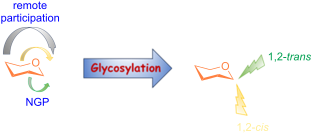
Scheme 1: Continuum in the mechanistic pathway of glycosylation [32] reactions ranging between SN2 and SN1.
Scheme 2: Formation of 1,2-trans glycosides by neighbouring group participation with acyl protection in C-2 p...
Scheme 3: Solvent-free activation [92] of disarmed per-acetylated (15) and per-benzoylated (18) glycosyl donors.
Scheme 4: Synthesis of donor 2-(2,2,2-trichloroethoxy)glucopyrano-[2,1-d]-2-oxazoline 22 [94] and regioselective ...
Scheme 5: The use of levulinoyl protection for an orthogonal glycosylation reaction.
Figure 1: The derivatives 32–36 of the pivaloyl group.
Scheme 6: Benzyl and cyanopivalolyl ester-protected hexarhamnoside derivative 37 and its global deprotection ...
Scheme 7: Orthogonal chloroacetyl group deprotection in oligosaccharide synthesis [113].
Figure 2: The derivatives of the chloroacetyl group: CAMB protection (41) [123], CAEB protection (42) [124], POMB prote...
Scheme 8: Use of the (2-nitrophenyl)acetyl protecting group [126] as the neighbouring group protecting group at th...
Scheme 9: Neighbouring group participation protocol by the BnPAc protecting group [128] in the C-2 position.
Scheme 10: Glycosylation reaction with O-PhCar (54) and O-Poc (55) donors showing high β-selectivity [133].
Scheme 11: Neighbouring group participation rendered by an N-benzylcarbamoyl (BnCar) group [137] at the C-2 positio...
Scheme 12: Stereoselectivity obtained from glycosylation [138] with 2-O-(o-trifluoromethylbenzenesulfonyl)-protecte...
Scheme 13: (a) Plausible mechanistic pathway for glycosylation with C-2 DMTM protection [139] and (b) example of a ...
Scheme 14: Glycosylation reactions employing MOM 78, BOM 81, and NAPOM 83-protected thioglycoside donors. Reag...
Scheme 15: Plausible mechanistic pathway for alkoxymethyl-protected glycosyl donors. Path A. Expected product ...
Scheme 16: Plausible mechanistic pathway for alkoxymethyl-protected glycosyl donors [147].
Scheme 17: A. Formation of α-glycosides and B formation of β-glycosides by using chiral auxiliary neighbouring...
Scheme 18: Bimodal participation of 2-O-(o-tosylamido)benzyl (TAB) protecting group to form both α and β-isome...
Scheme 19: (a) 1,2-trans-Directing nature using C-2 cyanomethyl protection and (b) the effect of acceptors and...
Scheme 20: 1,3-Remote assistance by C-3-ester protection for gluco- and galactopyranosides to form 1,2-cis gly...
Scheme 21: 1,6-Remote assistance by C-6-ester protection for gluco- and galactopyranosides to form 1,2-cis gly...
Scheme 22: 1,4-Remote assistance by C-4-ester protection for galactopyranosides to form 1,2-cis glycosidic pro...
Scheme 23: Different products obtained on activation of axial 3-O and equatorial 3-O ester protected glycoside...
Scheme 24: The role of 3-O-protection on the stereochemistry of the produced glycoside [191].
Scheme 25: The role of 4-O-protection on the stereochemistry of the produced glycosides.
Scheme 26: Formation and subsequent stability of the bicyclic oxocarbenium intermediate formed due to remote p...
Scheme 27: The role a C-6 p-nitrobenzoyl group on the stereochemistry of the glycosylated product [196].
Scheme 28: Difference in stereoselectivity obtained in glycosylation reactions by replacing non-participating ...
Scheme 29: The role of electron-withdrawing and electron-donating substituents on the C-4 acetyl group in glyc...
Scheme 30: Effect of the introduction of a methyl group in the C-4 position on the glycosylation with more rea...
Figure 3: Remote group participation effect exhibited by the 2,2-dimethyl-2-(o-nitrophenyl)acetyl (DMNPA) pro...
Scheme 31: The different stereoselectivities obtained by Pic and Pico donors on being activated by DMTST.
Figure 4: Hydrogen bond-mediated aglycon delivery (HAD) in glycosylation reactions for 1,2-cis 198a and 1,2-t...
Scheme 32: The role of different acceptor with 6-O-Pic-protected glycosyl donors.
Scheme 33: The role of the remote C-3 protection on various 4,6-O-benzylidene-protected mannosyl donors affect...
Scheme 34: The dual contribution of the DTBS group in glycosylation reactions [246,247].
Beilstein J. Org. Chem. 2025, 21, 286–295, doi:10.3762/bjoc.21.21
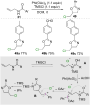
Graphical Abstract
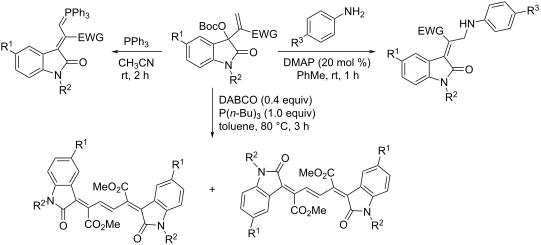
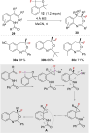
Scheme 1: Reaction of arylamines and MBH carbonates of isatins. Reaction conditions: MBH carbonate of isatin ...
Scheme 2: Reaction of arylamines and MBH maleimides of isatins. Reaction conditions: MBH maleimide of isatin ...
Figure 1: Single crystal structure of compound 5a.
Figure 2: Single crystal structure of compound 5j.
Scheme 3: Reactions of MBH carbonates of isatins and triphenylphosphine. Reaction conditions: MBH carbonate o...
Figure 3: Single crystal structure of compound 6e.
Figure 4: Single crystal structure of compound 7a.
Figure 5: Single crystal structure of compound 8a.
Scheme 4: Proposed reaction mechanism for the various compounds.
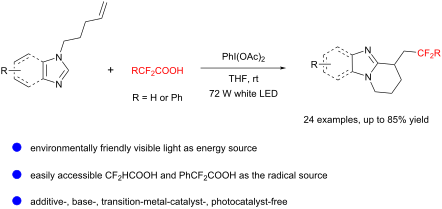
Beilstein J. Org. Chem. 2025, 21, 234–241, doi:10.3762/bjoc.21.15
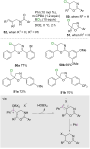
Graphical Abstract
Figure 1: Selected examples containing tricyclic imidazole, CF2H or PhCF2 group.
Scheme 1: Strategies for the synthesis of difluoromethylated and difluoroarylmethylated tricyclic imidazoles.
Scheme 2: Substrate scope of the protocol. Reaction conditions: 1 (0.2 mmol), 2 (1.4 mmol), and PIDA (0.8 mmo...
Scheme 3: Control experiments and plausible mechanism.
Beilstein J. Org. Chem. 2024, 20, 3113–3133, doi:10.3762/bjoc.20.258
Graphical Abstract
Figure 1: Example bioactive compounds containing cyclic scaffolds potentially accessible by HVI chemistry.
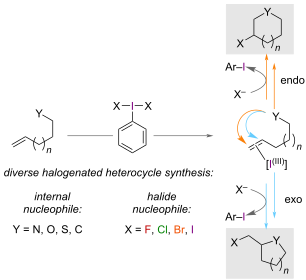
Figure 2: A general mechanism for HVI-mediated endo- or exo-halocyclisation.
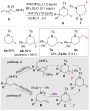
Scheme 1: Metal-free synthesis of β-fluorinated piperidines 6. Ts = tosyl.
Scheme 2: Intramolecular aminofluorination of unactivated alkenes with a palladium catalyst.
Scheme 3: Aminofluorination of alkenes in the synthesis of enantiomerically pure β-fluorinated piperidines. P...
Scheme 4: Synthesis of β-fluorinated piperidines.
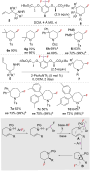
Scheme 5: Intramolecular fluoroaminations of unsaturated amines published by Li.
Scheme 6: Intramolecular aminofluorination of unsaturated amines using 1-fluoro-3,3-dimethylbenziodoxole (12)...
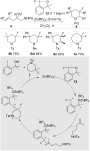
Scheme 7: 3-fluoropyrrolidine synthesis. aDiastereomeric ratio (cis/trans) determined by 19F NMR analysis.
Scheme 8: Kitamura’s synthesis of 3-fluoropyrrolidines. Values in parentheses represent the cis:trans ratio.
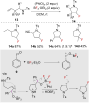
Scheme 9: Jacobsen’s enantio- and diastereoselective protocol for the synthesis of syn-β-fluoroaziridines 15.
Scheme 10: Different HVI reagents lead to different diastereoselectivity in aminofluorination competing with c...
Scheme 11: Fluorocyclisation of unsaturated alcohols and carboxylic acids to make tetrahydrofurans, fluorometh...
Scheme 12: Oxyfluorination of unsaturated alcohols.
Scheme 13: Synthesis and mechanism of fluoro-benzoxazepines.
Scheme 14: Intramolecular fluorocyclisation of unsaturated carboxylic acids. Yield of isolated product within ...
Scheme 15: Synthesis of fluorinated tetrahydrofurans and butyrolactone.
Scheme 16: Synthesis of fluorinated oxazolines 32. aReaction time increased to 40 hours. Yields refer to isola...
Scheme 17: Electrochemical synthesis of fluorinated oxazolines.
Scheme 18: Electrochemical synthesis of chromanes.
Scheme 19: Synthesis of fluorinated oxazepanes.
Scheme 20: Enantioselective oxy-fluorination with a chiral aryliodide catayst.
Scheme 21: Catalytic synthesis of 5‑fluoro-2-aryloxazolines using BF3·Et2O as a source of fluoride and an acti...
Scheme 22: Intramolecular carbofluorination of alkenes.
Scheme 23: Intramolecular chlorocyclisation of unsaturated amines.
Scheme 24: Synthesis of chlorinated cyclic guanidines 44.
Scheme 25: Synthesis of chlorinated pyrido[2,3-b]indoles 46.
Scheme 26: Chlorolactonization and chloroetherification reactions.
Scheme 27: Proposed mechanism for the synthesis of chloromethyl oxazolines 49.
Scheme 28: Oxychlorination to form oxazine and oxazoline heterocycles promoted by BCl3.
Scheme 29: Aminobromocyclisation of homoallylic sulfonamides 53. The cis:trans ratios based on the 1H NMR of t...
Scheme 30: Synthesis of cyclic imines 45.
Scheme 31: Synthesis of brominated pyrrolo[2,3-b]indoles 59.
Scheme 32: Bromoamidation of alkenes.
Scheme 33: Synthesis of brominated cyclic guanidines 61 and 61’.
Scheme 34: Intramolecular bromocyclisation of N-oxyureas.
Scheme 35: The formation of 3-bromoindoles.
Scheme 36: Bromolactonisation of unsaturated acids 68.
Scheme 37: Synthesis of 5-bromomethyl-2-oxazolines.
Scheme 38: Synthesis of brominated chiral morpholines.
Scheme 39: Bromoenolcyclisation of unsaturated dicarbonyl groups.
Scheme 40: Brominated oxazines and oxazolines with BBr3.
Scheme 41: Synthesis of 5-bromomethtyl-2-phenylthiazoline.
Scheme 42: Intramolecular iodoamination of unsaturated amines.
Scheme 43: Formation of 3-iodoindoles.
Scheme 44: Iodoetherification of 2,2-diphenyl-4-penten-1-carboxylic acid (47’) and 2,2-diphenyl-4-penten-1-ol (...
Scheme 45: Synthesis of 5-iodomethyl-2-oxazolines.
Scheme 46: Synthesis of chiral iodinated morpholines. aFrom the ʟ-form of the amino acid starting material. Th...
Scheme 47: Iodoenolcyclisation of unsaturated dicarbonyl compounds 74.
Scheme 48: Synthesis of 5-iodomethtyl-2-phenylthiazoline (87).
Beilstein J. Org. Chem. 2024, 20, 3085–3112, doi:10.3762/bjoc.20.257
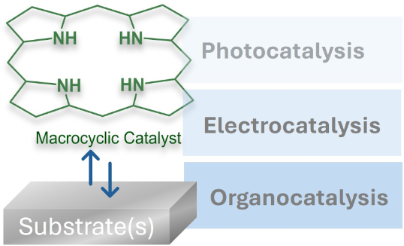
Graphical Abstract
Figure 1: Chemical structures of the main tetrapyrrolic macrocycles studied in this review for their role as ...
Figure 2: Calix[4]pyrroles 3 and 4 and an their acyclic analogue 5 used for the transformation of Danishefsky...
Figure 3: Calixpyrrole-based organocatalysts 11 and 12 for the diastereoselective addition reaction of TMSOF ...
Figure 4: (a) Chemical structures of macrocyclic organocatalysts used for the synthesis of cyclic carbonates ...
Figure 5: Cuprous chloride-catalyzed aziridination of styrene (22) by chloramine-T (23) providing 1-tosyl-2-p...
Figure 6: Chemical structures of the various porphyrin macrocycles (18, 25–41) screened as potential catalyst...
Figure 7: Organocatalytic activity of distorted porphyrins explored by Senge and co-workers. Planar macrocycl...
Figure 8: Chemical structures of H2EtxTPP (x = 0, 2, 4, 6, 8) compounds with incrementally increasing nonplan...
Figure 9: Chemical structures of OxP macrocycles tested as potential organocatalysts for the conjugate additi...
Figure 10: a) Fundamental structure of the J-aggregates of diprotonated TPPS3 53 and b) its use as a catalyst ...
Figure 11: Chemical structures of amphiphilic porphyrin macrocycles used as pH-switchable catalysts based on i...
Figure 12: a) Chemical structures of porphyrin macrocycles for the cycloaddition of CO2 to N-alkyl/arylaziridi...
Figure 13: Electron and energy-transfer processes typical for excited porphyrin molecules (Por = porphyrin mac...
Figure 14: Proposed mechanism for the light-induced α-alkylation of aldehydes with EDA in the presence of H2TP...
Figure 15: a) Chemical structures of porphyrins screened as photoredox catalysts, b) model reaction of furan (...
Figure 16: Porphyrin macrocycles H2TPP (18) and PPIX 78 as photoreductants for the red light-induced C–H aryla...
Figure 17: Porphyrin macrocycles H2TPP (18) and PPIX 78 as photoredox catalyst for (a) α-alkylation of an alde...
Figure 18: Corrole macrocycles 98–100 as photoredox catalysts for C–H arylation and borylation reactions. Adap...
Figure 19: Proposed catalytic cycle of electrocatalytic generation of H2 evolution using tetrapyrrolic macrocy...
Figure 20: a) Chemical structures of tetrapyrrolic macrocycles 109, 73, and 110 used for oxygen reductions in ...
Figure 21: a) Absorption spectra (left) of the air-saturated DCE solutions containing: 5 × 10⁻⁵ M H2TPP (black...
Figure 22: Chemical structures of N,N’-dimethylated saddle-distorted porphyrin isomers, syn-Me2P 111 and anti-...
Figure 23: Reaction mechanisms for the two-electron reduction of O2 by a) syn-Me2Iph 113 and b) anti-Me2Iph 114...
Figure 24: O2/H2O2 interconversion using methylated saddle-distorted porphyrin and isophlorin (reduced porphyr...
Figure 25: Chemical structures of distorted dodecaphenylporphyrin macrocycle 117 and its diprotonated form 118...
Beilstein J. Org. Chem. 2024, 20, 1800–1816, doi:10.3762/bjoc.20.159
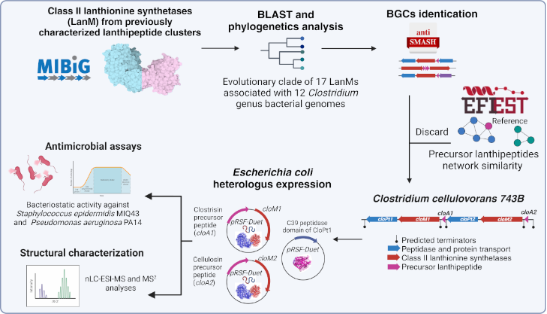
Graphical Abstract
Figure 1: Phylogenetic trees of the LanM synthetase amino acid sequences. Unrooted phylogenetic tree of all t...
Figure 2: The phylogenetic tree was built by concatenating 1000 shared clostridial genes (left) between the s...
Figure 3: A. Similarity network created with the ESI web tool with the precursor peptide amino acid sequences...
Figure 4: Mass-spectrometric analysis of purified clostrisin and cellulosin (ESIMS spectra). A1 and A2: CloA2...
Figure 5: Growth curves of the strains with the bacterial activity of the samples. A. Precursor peptide for C...
Figure 6: Atomic force microscopy images (peak force mode) of S. epidermidis MIQ43 incubated with the differe...
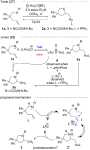
Beilstein J. Org. Chem. 2024, 20, 479–496, doi:10.3762/bjoc.20.43
Graphical Abstract
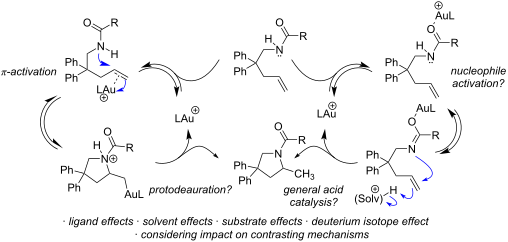
Scheme 1: Proposed mechanism and observation of alkylgold intermediates.
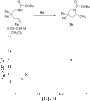
Figure 1: First order alkene decay for urea alkene 1a (0.05 M) hydroamination with [JPhosAu(NCCH3)]SbF6 (5, 2...
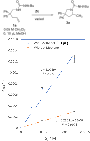
Figure 2: Cooperative effect of mixed CD2Cl2/MeOH on alkene 1a → 3a conversion with catalyst 5 (2.5 mol %). E...
Figure 3: Different additive impact on rate of 1a → 3a depending upon catalyst and co-solvent. The data for J...
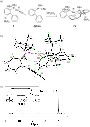
Figure 4: (a) Schematic for synthesis of [L–Au–L]SbF6 where L = JPhos. (b) Perspective drawing of the cation ...
Figure 5: (a) kobs for reaction of urea 1a (0.05 M) in DCM with catalyst 5 and titrated CH3OH/CH3OD. Data for...
Figure 6: Rate of urea 1a (0.05 M) hydroamination with JPhosAu(NCCH3)SbF6 (2.5 mol %) in CH2Cl2 with 5, 25, a...
Figure 7: Observed rates for the reaction of carbamate 1b (0.03–0.24 M) with JackiephosAuNTf2 (0.0013 M, 6a) ...
Figure 8: Influence of catalyst 5 concentration on rate of 1a (0.05 M in CH2Cl2 with 0, 10 μL MeOH). Error ba...
Scheme 2: Proposed alternate mechanism.
Beilstein J. Org. Chem. 2024, 20, 379–426, doi:10.3762/bjoc.20.36
Graphical Abstract
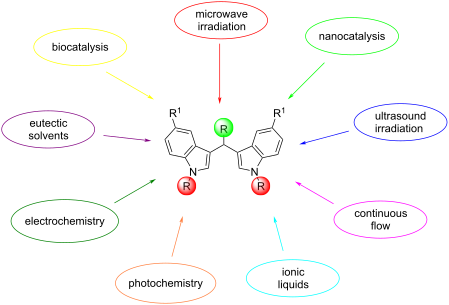
Scheme 1: Examples of BIMs used for their medicinal properties.
Scheme 2: Mechanisms for the synthesis of BIMs using protic or Lewis acids as catalysts.
Scheme 3: Synthesis of bis(indolyl)methanes using DBDMH.
Scheme 4: Competition experiments and synthesis of bis(indolyl)methanes using DBDMH.
Scheme 5: Proposed mechanism for formation of BIM of using DBDMH.
Scheme 6: Synthesis of bis(indolyl)methanes using I2.
Scheme 7: General reaction mechanism upon halogen bonding.
Scheme 8: Synthesis of bis(indolyl)methanes using I2, introduced by Ji.
Scheme 9: Synthesis of bis(indolyl)methanes using Br2 in CH3CN.
Scheme 10: Βidentate halogen-bond donors.
Scheme 11: Synthesis of bis(indolyl)methanes using bidentate halogen-bond donor 26.
Scheme 12: Proposed reaction mechanism.
Scheme 13: Synthesis of bis(indolyl)methanes using iodoalkyne as catalyst.
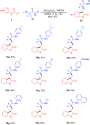
Scheme 14: Proposed reaction mechanism.
Scheme 15: Optimized reaction conditions used by Ramshini.
Scheme 16: Activation of the carbonyl group by HPA/TPI-Fe3O4.
Scheme 17: Synthesis of BIMs in the presence of nanoAg-Pt/SiO2-doped silicate.
Scheme 18: Mechanism of action proposed by Khalafi-Nezhad et al.
Scheme 19: Activation of the carbonyl group by the Cu–isatin Schiff base complex.
Scheme 20: Optimum reaction conditions published by Jain.
Scheme 21: Organocatalytic protocol utilizing nanoparticles introduced by Bankar.
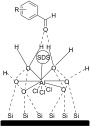
Scheme 22: Activation of the carbonyl group by the AlCl3·6H2O-SDS-SiO2 complex.
Scheme 23: Optimal reaction conditions for the aforementioned nano-Fe3O4 based catalysts.
Scheme 24: Nanocatalytic protocol proposed by Kaur et al.
Scheme 25: Microwave approach introduced by Yuan.
Scheme 26: Microwave approach introduced by Zahran et al.
Scheme 27: Microwave irradiation protocol introduced by Bindu.
Scheme 28: Silica-supported microwave irradiation protocol.
Scheme 29: Proposed mechanism for formation of BIM by Nongkhlaw.
Scheme 30: Microwave-assisted synthesis of BIMs catalyzed by succinic acid.
Scheme 31: Proposed mechanism of action of MMO-4.
Scheme 32: Catalytic approach introduced by Muhammadpoor-Baltork et al.
Scheme 33: Reaction conditions used by Xiao-Ming.
Scheme 34: Ultrasonic irradiation-based protocol published by Saeednia.
Scheme 35: Pyruvic acid-mediated synthesis of BIMs proposed by Thopate.
Scheme 36: Synthesis of BIMs using [bmim]BF4 or [bmim]PF6 ionic liquids.
Scheme 37: Synthesis of BIMs utilizing In(OTf)3 in octylmethylimidazolium hexafluorophosphate as ionic liquid.
Scheme 38: FeCl3·6H2O-catalyzed synthesis of BIMs with use of ionic liquid.
Scheme 39: Synthesis of BIMs utilizing the [hmim]HSO4/EtOH catalytic system.
Scheme 40: Synthesis of BIMs utilizing acidic ionic liquid immobilized on silica gel (ILIS-SO2Cl).
Scheme 41: The [bmim][MeSO4]-catalyzed reaction of indole with various aldehydes.
Scheme 42: The role of [bmim][MeSO4] in catalyzing the reaction of indole with aldehydes.
Scheme 43: Synthesis of BIMs utilizing FeCl3-based ionic liquid ([BTBAC]Cl-FeCl3) as catalyst.
Scheme 44: Synthesis of BIMs using [Msim]Cl at room temperature.
Scheme 45: [Et3NH][H2PO4]-catalyzed synthesis of bis(indolyl)methanes.
Scheme 46: PILs-catalyzed synthesis of bis(indolyl)methanes.
Scheme 47: FSILs-mediated synthesis of bis(indolyl)methanes.
Scheme 48: Possible “release and catch” catalytic process.
Scheme 49: Synthesis of bis(indolyl)methanes by [DABCO-H][HSO4].
Scheme 50: Synthesis of bis(indolyl)methanes by [(THA)(SO4)].
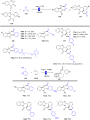
Scheme 51: Synthesis of BBSI-Cl and BBSI-HSO4.
Scheme 52: Synthesis of BIMs in the presence of BBSI-Cl and BBSI-HSO4.
Scheme 53: Chemoselectivity of the present method.
Scheme 54: Synthesis of BIMs catalyzed by chitosan-supported ionic liquid.
Scheme 55: Proposed mechanism of action of CSIL.
Scheme 56: Optimization of the reaction in DESs.
Scheme 57: Synthesis of BIMs using ChCl/SnCl2 as DES.
Scheme 58: Synthesis of BIMs derivatives in presence of DES.
Scheme 59: BIMs synthesis in choline chloride/urea (CC/U).
Scheme 60: Flow chemistry-based synthesis of BIMs by Ley.
Scheme 61: Flow chemistry-based synthesis of BIMs proposed by Nam et al.
Scheme 62: Amino-catalyzed reaction of indole with propionaldehyde.
Scheme 63: Aminocatalytic synthesis of BIMs.
Scheme 64: Proposed mechanism for the aminocatalytic synthesis of BIMs.
Scheme 65: Enzymatic reaction of indole with aldehydes.
Scheme 66: Proposed mechanism for the synthesis of BIMs catalyzed by TLIM.
Scheme 67: Proposed reaction mechanism by Badsara.
Scheme 68: Mechanism proposed by D’Auria.
Scheme 69: Photoinduced thiourea catalysis.
Scheme 70: Proposed mechanism of photoacid activation.
Scheme 71: Proposed mechanism of action for CF3SO2Na.
Scheme 72: Proposed mechanism for the synthesis of BIMs by Mandawad.
Scheme 73: Proposed mechanism for the (a) acid generation and (b) synthesis of BIMs.
Scheme 74: a) Reaction conditions employed by Khaksar and b) activation of the carbonyl group by HFIP.
Scheme 75: Activation of the carbonyl group by the PPy@CH2Br through the formation of a halogen bond.
Scheme 76: Reaction conditions utilized by Mhaldar et al.
Scheme 77: a) Reaction conditions employed by López and b) activation of the carbonyl group by thiourea.
Scheme 78: Infrared irradiation approach introduced by Luna-Mora and his research group.
Scheme 79: Synthesis of BIMs with the use of the Fe–Zn BMOF.
Beilstein J. Org. Chem. 2024, 20, 306–320, doi:10.3762/bjoc.20.31
Graphical Abstract
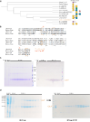
Figure 1: Characterizing a new lectin from the melon Cucumis melo. (a) Evolutionary relationships of common R...
Figure 2: Characterizing the binding specificity of CMA1. (a, b) Lectin produced in mammalian cells was analy...
Figure 3: Assessing and quantifying in-solution binding of CMA1. (a) Erythrocyte agglutination assay. Using r...
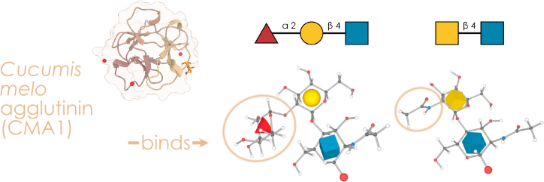
Figure 4: Structural insights into the binding mechanism of CMA1. (a, b) Overall representation of the N-term...
Beilstein J. Org. Chem. 2024, 20, 181–192, doi:10.3762/bjoc.20.18
Graphical Abstract
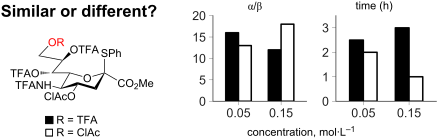
Scheme 1: Model sialylation reaction. TFA = CF3CO; ClAc = ClCH2CO.
Scheme 2: Synthesis of sialyl donor 2.
Figure 1: Concentration dependence of the specific optical rotation ([α]D28 / deg·dm−1·cm3·g−1) of solutions ...
Figure 2: Comparison of the outcome of the sialylation of glycosyl acceptor 3 with sialyl donors 1 or 2 perfo...
Beilstein J. Org. Chem. 2024, 20, 1–11, doi:10.3762/bjoc.20.1
Graphical Abstract
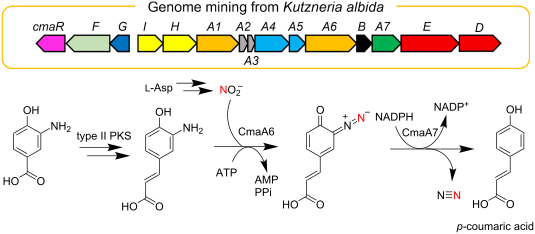
Figure 1: Comparison of ava and cma clusters and the biosynthetic pathway of p-coumaric acid. A) Schematic re...
Figure 2: Heterologous expression of the cma cluster in S. albus. A) Schematic representation of the gene set...
Figure 3: In vitro analysis of Cma proteins. A) In vitro analysis of CmaA1 and CmaA3. Extracted ion chromatog...
Beilstein J. Org. Chem. 2023, 19, 1728–1740, doi:10.3762/bjoc.19.126
Graphical Abstract
Scheme 1: Synthesis of the key intermediate of the macrocycle preparation, 3-[(ethoxymethylene)amino]-1-methy...
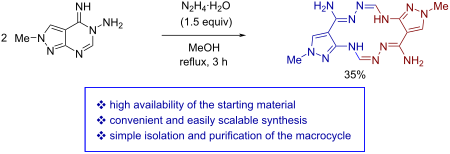
Scheme 2: Synthesis of macrocycle 5 by the reaction of imidate 4 with hydrazine hydrate.
Scheme 3: Plausible pathway for the transformation of imidate 4 into macrocycle 5.
Scheme 4: Synthesis of pyrazolopyrimidine 8 by the reaction of imidate 4 with hydrazine hydrate.
Scheme 5: Synthesis of macrocycle 5 by the dimerization of pyrazolopyrimidine 8.
Scheme 6: Plausible pathway for the dimerization of pyrazolopyrimidine 8 into macrocycle 5.
Figure 1: Gibbs free energy diagram (B3LYP/6-311++G(d,p)) for the N2H4-promoted transformation of pyrazolopyr...
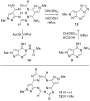
Scheme 7: Transformation of macrocycle 5 into pyrazolo[4,3-e][1,2,4]triazolo[1,5-c]pyrimidine 13 and pyrazolo...
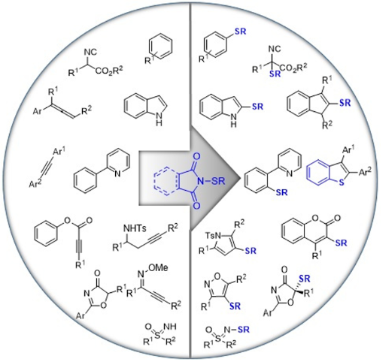
Beilstein J. Org. Chem. 2023, 19, 1471–1502, doi:10.3762/bjoc.19.106
Graphical Abstract
Scheme 1: Sulfur-containing bioactive molecules.
Scheme 2: Scandium-catalyzed synthesis of thiosulfonates.
Scheme 3: Palladium-catalyzed aryl(alkyl)thiolation of unactivated arenes.
Scheme 4: Catalytic cycle for Pd-catalyzed aryl(alkyl)thiolation of unactivated arenes.
Scheme 5: Iron- or boron-catalyzed C–H arylthiation of substituted phenols.
Scheme 6: Iron-catalyzed azidoalkylthiation of alkenes.
Scheme 7: Plausible mechanism for iron-catalyzed azidoalkylthiation of alkenes.
Scheme 8: BF3·Et2O‑mediated electrophilic cyclization of aryl alkynoates.
Scheme 9: Tentative mechanism for BF3·Et2O‑mediated electrophilic cyclization of aryl alkynoates.
Scheme 10: Construction of 6-substituted benzo[b]thiophenes.
Scheme 11: Plausible mechanism for construction of 6-substituted benzo[b]thiophenes.
Scheme 12: AlCl3‑catalyzed cyclization of N‑arylpropynamides with N‑sulfanylsuccinimides.
Scheme 13: Synthetic utility of AlCl3‑catalyzed cyclization of N‑arylpropynamides with N‑sulfanylsuccinimides.
Scheme 14: Sulfenoamination of alkenes with sulfonamides and N-sulfanylsuccinimides.
Scheme 15: Lewis acid/Brønsted acid controlled Pd-catalyzed functionalization of aryl C(sp2)–H bonds.
Scheme 16: Possible mechanism for Lewis acid/Brønsted acid controlled Pd-catalyzed functionalization of aryl C...
Scheme 17: FeCl3-catalyzed carbosulfenylation of unactivated alkenes.
Scheme 18: Copper-catalyzed electrophilic thiolation of organozinc halides.
Scheme 19: h-BN@Copper(II) nanomaterial catalyzed cross-coupling reaction of sulfoximines and N‑(arylthio)succ...
Scheme 20: AlCl3‑mediated cyclization and sulfenylation of 2‑alkyn-1-one O‑methyloximes.
Scheme 21: Lewis acid-promoted 2-substituted cyclopropane 1,1-dicarboxylates with sulfonamides and N-(arylthio...
Scheme 22: Lewis acid-mediated cyclization of β,γ-unsaturated oximes and hydrazones with N-(arylthio/seleno)su...
Scheme 23: Credible pathway for Lewis acid-mediated cyclization of β,γ-unsaturated oximes with N-(arylthio)suc...
Scheme 24: Synthesis of 4-chalcogenyl pyrazoles via chalcogenation/cyclization of α,β-alkynic hydrazones.
Scheme 25: Controllable synthesis of 3-thiolated pyrroles and pyrrolines.
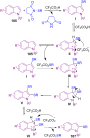
Scheme 26: Possible mechanism for controllable synthesis of 3-thiolated pyrroles and pyrrolines.
Scheme 27: Co-catalyzed C2-sulfenylation and C2,C3-disulfenylation of indole derivatives.
Scheme 28: Plausible catalytic cycle for Co-catalyzed C2-sulfenylation and C2,C3-disulfenylation of indoles.
Scheme 29: C–H thioarylation of electron-rich arenes by iron(III) triflimide catalysis.
Scheme 30: Difunctionalization of alkynyl bromides with thiosulfonates and N-arylthio succinimides.·
Scheme 31: Suggested mechanism for difunctionalization of alkynyl bromides with thiosulfonates and N-arylthio ...
Scheme 32: Synthesis of thioesters, acyl disulfides, ketones, and amides by N-thiohydroxy succinimide esters.
Scheme 33: Proposed mechanism for metal-catalyzed selective acylation and acylthiolation.
Scheme 34: AlCl3-catalyzed synthesis of 3,4-bisthiolated pyrroles.
Scheme 35: α-Sulfenylation of aldehydes and ketones.
Scheme 36: Acid-catalyzed sulfetherification of unsaturated alcohols.
Scheme 37: Enantioselective sulfenylation of β-keto phosphonates.
Scheme 38: Organocatalyzed sulfenylation of 3‑substituted oxindoles.
Scheme 39: Sulfenylation and chlorination of β-ketoesters.
Scheme 40: Intramolecular sulfenoamination of olefins.
Scheme 41: Plausible mechanism for intramolecular sulfenoamination of olefins.
Scheme 42: α-Sulfenylation of 5H-oxazol-4-ones.
Scheme 43: Metal-free C–H sulfenylation of electron-rich arenes.
Scheme 44: TFA-promoted C–H sulfenylation indoles.
Scheme 45: Proposed mechanism for TFA-promoted C–H sulfenylation indoles.
Scheme 46: Organocatalyzed sulfenylation and selenenylation of 3-pyrrolyloxindoles.
Scheme 47: Organocatalyzed sulfenylation of S-based nucleophiles.
Scheme 48: Conjugate Lewis base Brønsted acid-catalyzed sulfenylation of N-heterocycles.
Scheme 49: Mechanism for activation of N-sulfanylsuccinimide by conjugate Lewis base Brønsted acid catalyst.
Scheme 50: Sulfenylation of deconjugated butyrolactams.
Scheme 51: Intramolecular sulfenofunctionalization of alkenes with phenols.
Scheme 52: Organocatalytic 1,3-difunctionalizations of Morita–Baylis–Hillman carbonates.
Scheme 53: Organocatalytic sulfenylation of β‑naphthols.
Scheme 54: Acid-promoted oxychalcogenation of o‑vinylanilides with N‑(arylthio/arylseleno)succinimides.
Scheme 55: Lewis base/Brønsted acid dual-catalytic C–H sulfenylation of aryls.
Scheme 56: Lewis base-catalyzed sulfenoamidation of alkenes.
Scheme 57: Cyclization of allylic amide using a Brønsted acid and tetrabutylammonium chloride.
Scheme 58: Catalytic electrophilic thiocarbocyclization of allenes with N-thiosuccinimides.
Scheme 59: Suggested mechanism for electrophilic thiocarbocyclization of allenes with N-thiosuccinimides.
Scheme 60: Chiral chalcogenide-catalyzed enantioselective hydrothiolation of alkenes.
Scheme 61: Proposed mechanism for chalcogenide-catalyzed enantioselective hydrothiolation of alkenes.
Scheme 62: Organocatalytic sulfenylation for synthesis a diheteroatom-bearing tetrasubstituted carbon centre.
Scheme 63: Thiolative cyclization of yne-ynamides.
Scheme 64: Synthesis of alkynyl and acyl disulfides from reaction of thiols with N-alkynylthio phthalimides.
Scheme 65: Oxysulfenylation of alkenes with 1-(arylthio)pyrrolidine-2,5-diones and alcohols.
Scheme 66: Arylthiolation of arylamines with (arylthio)-pyrrolidine-2,5-diones.
Scheme 67: Catalyst-free isothiocyanatoalkylthiation of styrenes.
Scheme 68: Sulfenylation of (E)-β-chlorovinyl ketones toward 3,4-dimercaptofurans.
Scheme 69: HCl-promoted intermolecular 1, 2-thiofunctionalization of aromatic alkenes.
Scheme 70: Possible mechanism for HCl-promoted 1,2-thiofunctionalization of aromatic alkenes.
Scheme 71: Coupling reaction of diazo compounds with N-sulfenylsuccinimides.
Scheme 72: Multicomponent reactions of disulfides with isocyanides and other nucleophiles.
Scheme 73: α-Sulfenylation and β-sulfenylation of α,β-unsaturated carbonyl compounds.
Beilstein J. Org. Chem. 2022, 18, 1479–1487, doi:10.3762/bjoc.18.155
Graphical Abstract
Scheme 1: Utilization of Ph3BiCl2 for organic reactions involving desulfurization.
Scheme 2: Synthesis of tafamidis (13).
Scheme 3: Control experiments.
Scheme 4: Proposed mechanism.
Beilstein J. Org. Chem. 2022, 18, 1424–1434, doi:10.3762/bjoc.18.148
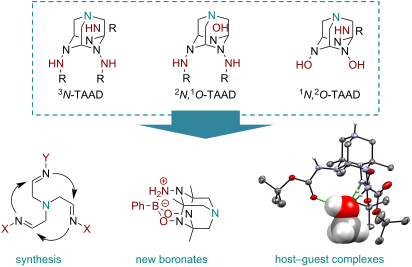
Graphical Abstract
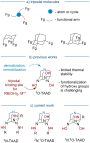
Figure 1: Adamantane-based tripodal scaffolds and current work.
Scheme 1: A general strategy for the assembly of TAAD derivatives.
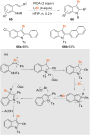
Scheme 2: Synthesis of acyclic precursors to 3N-TAADs, 2N,1O-TAADs, and 1N,2O-TAADs.
Scheme 3: Synthesis of 3N-TAADs, 2N,1O-TAADs, and 1N,2O-TAADs. *Yield based on compound 14.
Scheme 4: Deprotection of TAAD 8b and subsequent complexation with phenylboronic acid.
Scheme 5: Quaternization of TAADs 4c, 4e, 6a, and 8a followed by deprotection of N-Boc groups.
Figure 2: General view of the 1,4,6,10-tetraazaadamantane motif in X-ray structures of the obtained N-TAAD de...
Figure 3: (a) General structure of host–guest complexes of 3N-TAADs with water. (b) The general structure of ...
Figure 4: (a) Dynamic processes in TAADs 4 and complexation with ROH. (b) Fragment of 1H NMR spectra of Bn-4c...
Beilstein J. Org. Chem. 2022, 18, 1210–1216, doi:10.3762/bjoc.18.126
Beilstein J. Org. Chem. 2022, 18, 991–998, doi:10.3762/bjoc.18.99
Graphical Abstract
Scheme 1: Representative cycloaddition reactions of phenacylmalononitriles.
Figure 1: Single crystal structure of compound 3k.
Figure 2: Single crystal structure of compound 4a.
Figure 3: Single crystal structure of compound 4c.
Scheme 2: Proposed reaction mechanism for compounds 3, 4, and 5.
Figure 4: Single crystal structure of compound 5.
Scheme 3: Control experiment.
Beilstein J. Org. Chem. 2022, 18, 881–888, doi:10.3762/bjoc.18.89
Graphical Abstract
Figure 1: (a) The natural pathways (MVA: blue, MEP: green) for producing IPP and DMAPP; (b) the carbon skelet...
Figure 2: Truncated artificial pathways (six steps) to produce terpentetriene and ent-kaurene.
Figure 3: Construction maps of single plasmid expression system and two-plasmid expression system for overpro...
Figure 4: Optimizing the ratios of ISO/DMAA for overproducing terpentetriene (a) and ent-kaurene (b). Red: IS...
Figure 5: (a) Terpentetriene (red) and ent-kaurene (blue) yields supplied with various concentrations of glyc...
Beilstein J. Org. Chem. 2022, 18, 381–419, doi:10.3762/bjoc.18.43
Graphical Abstract
Figure 1: Natural bioactive naphthoquinones.
Figure 2: Chemical structures of vitamins K.
Figure 3: Redox cycle of menadione.
Scheme 1: Selected approaches for menadione synthesis using silver(I) as a catalyst.
Scheme 2: Methylation approaches for the preparation of menadione from 1,4-naphthoquinone using tert-butyl hy...
Scheme 3: Methylation approach of 1,4-naphthoquinone using i) rhodium complexes/methylboronic acid and ii) bi...
Scheme 4: Synthesis of menadione (10) from itaconic acid.
Scheme 5: Menadione synthesis via Diels–Alder reaction.
Scheme 6: Synthesis of menadione (10) using p-cresol as a synthetic precursor.
Scheme 7: Synthesis of menadione (10) via demethoxycarbonylating annulation of methyl methacrylate.
Scheme 8: Furan 34 used as a diene in a Diels–Alder reaction for the synthesis of menadione (10).
Scheme 9: o-Toluidine as a dienophile in a Diels–Alder reaction for the synthesis of menadione (10).
Scheme 10: Representation of electrochemical synthesis of menadione.
Figure 4: Reaction sites and reaction types of menadione as substrate.
Scheme 11: DBU-catalyzed epoxidation of menadione (10).
Scheme 12: Phase-transfer catalysis for the epoxidation of menadione.
Scheme 13: Menadione epoxidation using a hydroperoxide derived from (+)-norcamphor.
Scheme 14: Enantioselective Diels–Alder reaction for the synthesis of asymmetric quinone 50 catalyzed by a chi...
Scheme 15: Optimized reaction conditions for the synthesis of anthra[9,1-bc]pyranone.
Scheme 16: Synthesis of anthra[9,1-bc]furanone, anthra[9,1-bc]pyridine, and anthra[9,1-bc]pyrrole derivatives.
Scheme 17: Synthesis of derivatives employing protected trienes.
Scheme 18: Synthesis of cyclobutene derivatives of menadione.
Scheme 19: Menadione reduction reactions using sodium hydrosulfite.
Scheme 20: Green methodology for menadiol synthesis and pegylation.
Scheme 21: Menadione reduction by 5,6-O-isopropylidene-ʟ-ascorbic acid under UV light irradiation.
Scheme 22: Selected approaches of menadione hydroacetylation to diacetylated menadiol.
Scheme 23: Thiele–Winter reaction catalyzed by Bi(OTf)3.
Scheme 24: Carbonyl condensation of menadione using resorcinol and a hydrazone derivative.
Scheme 25: Condensation reaction of menadione with thiosemicarbazide.
Scheme 26: Condensation reaction of menadione with acylhydrazides.
Scheme 27: Menadione derivatives functionalized with organochalcogens.
Scheme 28: Synthesis of selenium-menadione conjugates derived from chloromethylated menadione 84.
Scheme 29: Menadione alkylation by the Kochi–Anderson method.
Scheme 30: Menadione alkylation by diacids.
Scheme 31: Menadione alkylation by heterocycles-substituted carboxylic acids.
Scheme 32: Menadione alkylation by bromoalkyl-substituted carboxylic acids.
Scheme 33: Menadione alkylation by complex carboxylic acids.
Scheme 34: Kochi–Anderson method variations for the menadione alkylation via oxidative decarboxylation of carb...
Scheme 35: Copper-catalyzed menadione alkylation via free radicals.
Scheme 36: Nickel-catalyzed menadione cyanoalkylation.
Scheme 37: Iron-catalyzed alkylation of menadione.
Scheme 38: Selected approaches to menadione alkylation.
Scheme 39: Menadione acylation by photo-Friedel–Crafts acylation reported by Waske and co-workers.
Scheme 40: Menadione acylation by Westwood procedure.
Scheme 41: Synthesis of 3-benzoylmenadione via metal-free TBAI/TBHP system.
Scheme 42: Michael-type addition of amines to menadione reported by Kallmayer.
Scheme 43: Synthesis of amino-menadione derivatives using polyalkylamines.
Scheme 44: Selected examples for the synthesis of different amino-substituted menadione derivatives.
Scheme 45: Selected examples of Michael-type addition of complex amines to menadione (10).
Scheme 46: Addition of different natural α-amino acids to menadione.
Scheme 47: Michael-type addition of amines to menadione using silica-supported perchloric acid.
Scheme 48: Indolylnaphthoquinone or indolylnaphthalene-1,4-diol synthesis reported by Yadav et al.
Scheme 49: Indolylnaphthoquinone synthesis reported by Tanoue and co-workers.
Scheme 50: Indolylnaphthoquinone synthesis from menadione by Escobeto-González and co-workers.
Scheme 51: Synthesis of menadione analogues functionalized with thiols.
Scheme 52: Synthesis of menadione-derived symmetrical derivatives through reaction with dithiols.
Scheme 53: Mercaptoalkyl acids as nucleophiles in Michael-type addition reaction to menadione.
Scheme 54: Reactions of menadione (10) with cysteine derivatives for the synthesis of quinoproteins.
Scheme 55: Synthesis of menadione-glutathione conjugate 152 by Michael-type addition.