Search results
Search for "acetylation" in Full Text gives 255 result(s) in Beilstein Journal of Organic Chemistry. Showing first 200.
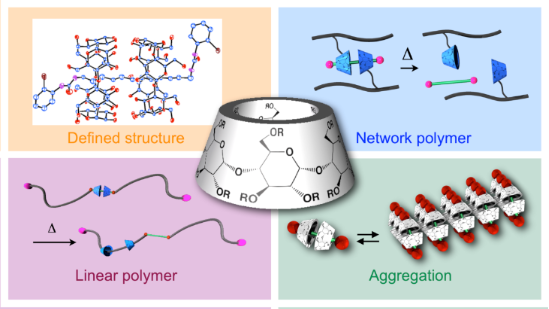
Cyclodextrin-based rotaxanes for polymer materials: challenge on simultaneous realization of inexpensive production and defined structures
Beilstein J. Org. Chem. 2024, 20, 3026–3049, doi:10.3762/bjoc.20.252






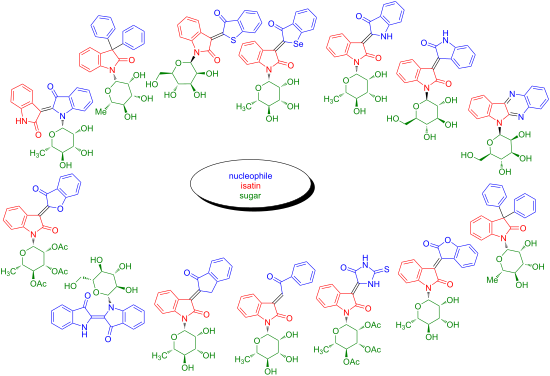
N-Glycosides of indigo, indirubin, and isoindigo: blue, red, and yellow sugars and their cancerostatic activity
Beilstein J. Org. Chem. 2024, 20, 2840–2869, doi:10.3762/bjoc.20.240
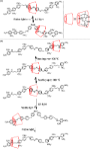
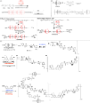
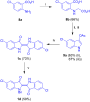
- precursors. The base-mediated reaction of 5-chloroanthranilic acid (8a) with chloroacetic acid afforded 8b (Scheme 5) [20]. Acetylation and base-mediated cyclization gave indoxyl 9a which was transformed to indigo 1c by oxidative dimerization. Benzylation finally afforded 1d. 4,6-Benzylidenation of ᴅ
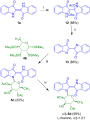
- -glycoside 11a (Scheme 7) [20]. Debenzylation gave product 11b which was transformed to akashin A (11c) by reduction of the azide to the amine in the presence of propane-1,3-dithiol and subsequent debenzoylation. Akashin A was transformed to akashins B and C by acetylation and reaction with diacetyl
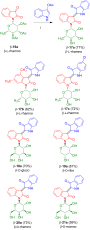
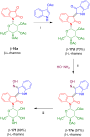
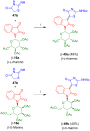
- [8][9][10][11]. Therefore, we studied the synthesis of oximes of indirubin-N-glycosides. The reaction of isatin-N-rhamnoside β-16a with 3-acetoxyindole and subsequent acetylation afforded indirubin-N-rhamnoside β-17e which was subsequently deprotected to give oxime β-17f (Scheme 15) [23]. In











Synthesis of tricarbonylated propargylamine and conversion to 2,5-disubstituted oxazole-4-carboxylates
Beilstein J. Org. Chem. 2024, 20, 2827–2833, doi:10.3762/bjoc.20.238

- anhydride, the intermediately formed hemiacetal underwent acetylation, leading to N,O-acetals 1. In this method, an acid amide can be used as an amine masked with an acyl group. Subsequent elimination of acetic acid occurred to afford 2 in situ upon treatment with a base, enabling nucleophilic addition with


Novel truxene-based dipyrromethanes (DPMs): synthesis, spectroscopic characterization and photophysical properties
Beilstein J. Org. Chem. 2024, 20, 2163–2170, doi:10.3762/bjoc.20.186
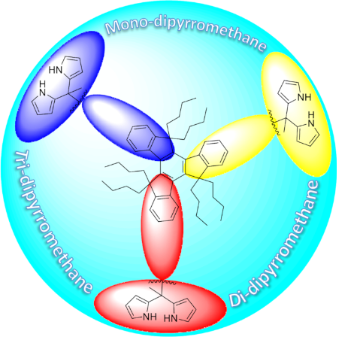
- was perfectly matched with the previously reported one [38]. General procedure for acetylation of truxene 10: Compound 10 was dissolved in DCM (15 mL). This solution was gradually added to a AlCl3/acetyl chloride solution at 0 °C, which was prepared by dissolving AlCl3 in acetyl chloride (11) with


Computational toolbox for the analysis of protein–glycan interactions
Beilstein J. Org. Chem. 2024, 20, 2084–2107, doi:10.3762/bjoc.20.180
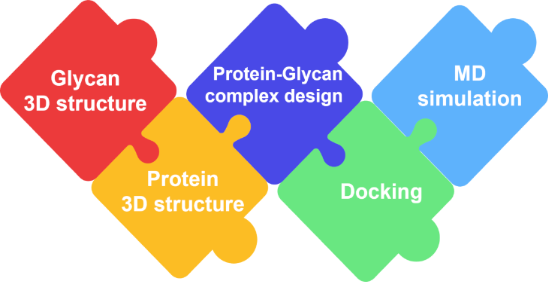
- able to add branching points and some sugar derivatisation, including methylation and acetylation. The user has also the possibility to choose the ring type and the anomeric configuration of each monosaccharide. Once the structure is complete, it is possible to download not only the generated .pdb


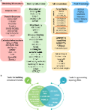
Syntheses and medicinal chemistry of spiro heterocyclic steroids
Beilstein J. Org. Chem. 2024, 20, 1713–1745, doi:10.3762/bjoc.20.152
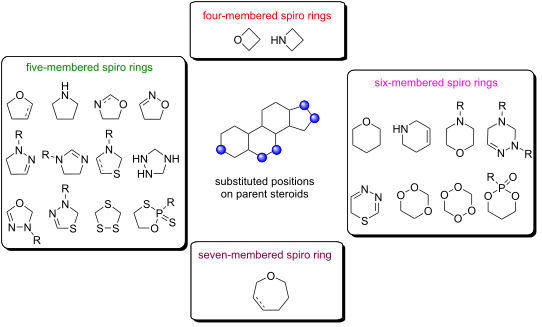
- induce a more bioactive compound, fluorine atoms were introduced by acetylation and benzoylation of -NH at 152. Spiro compounds 152–154 were easily afforded in 34–62% overall yields (Scheme 40). The compounds showed excellent coenzymatic effects towards cellobiase activity produced by Chaetomium


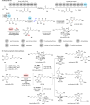
Chemo-enzymatic total synthesis: current approaches toward the integration of chemical and enzymatic transformations
Beilstein J. Org. Chem. 2024, 20, 1693–1712, doi:10.3762/bjoc.20.151
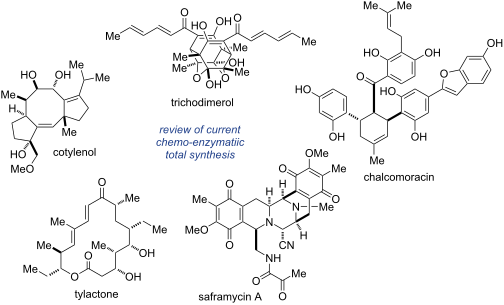
- Suzuki–Miyaura coupling with boronic ester 53 and O-acetylation furnished 54. The dienophile component, morachalcone A (44), was synthesized from phenol 55 in four steps including O-prenylation and subsequent Claisen rearrangement, aldol condensation with 56, and deprotection. The key chemo-enzymatic




Primary amine-catalyzed enantioselective 1,4-Michael addition reaction of pyrazolin-5-ones to α,β-unsaturated ketones
Beilstein J. Org. Chem. 2024, 20, 1518–1526, doi:10.3762/bjoc.20.136
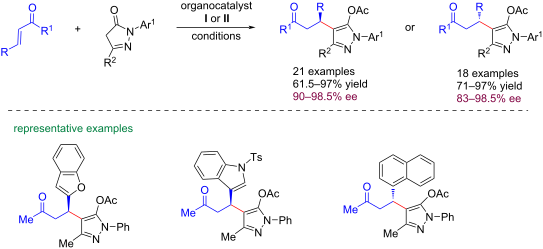
- acetylation of the ent-3ba' using acetic anhydride and DABCO, furnishes the desired product ent-3ba. Conclusion In summary, we have realized the Michael addition reaction of 4-unsubstituted pyrazolin-5-ones to α,β-unsaturated ketones under organocatalytic conditions. The developed protocol was efficiently




Switchable molecular tweezers: design and applications
Beilstein J. Org. Chem. 2024, 20, 504–539, doi:10.3762/bjoc.20.45
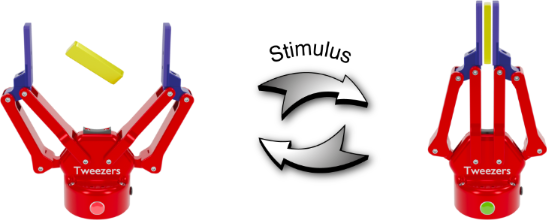
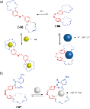
- increase was observed upon closing due to the spatial proximity in the cavity between the two substrates. In contrast, the open tweezers showed a higher rate for the acetylation of meta and para substrates as a result of substrate inhibition of the closed cavity. These tweezers constitute a remarkable




Optimizations of lipid II synthesis: an essential glycolipid precursor in bacterial cell wall synthesis and a validated antibiotic target
Beilstein J. Org. Chem. 2024, 20, 220–227, doi:10.3762/bjoc.20.22
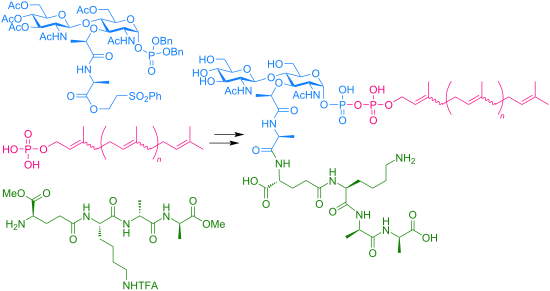
- , followed by in situ re-acetylation of the C2-amino group and C6-alcohol with acetic anhydride, resulting in the formation of disaccharide 4 in a one-pot fashion. The anomeric benzyl protecting group in disaccharide 4 was then removed via a Pd/C-catalyzed hydrogenation reaction, producing a mixture of α/β


Synthesis of the 3’-O-sulfated TF antigen with a TEG-N3 linker for glycodendrimersomes preparation to study lectin binding
Beilstein J. Org. Chem. 2024, 20, 173–180, doi:10.3762/bjoc.20.17
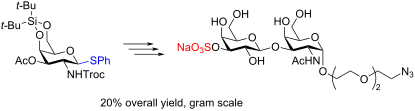
- , led to isolation of a mixture of 2 and a tin-related impurity (n-butyl chain evident by NMR). Acetylation of this material followed by flash chromatography proved ineffective in removing the unwanted entity. To overcome this problem, flash chromatography was performed before stirring with the ion
- following acetylation without purification of the intermediate, why the synthesis is high-yielding (20% overall yield) and easily scalable (9 g of protected disaccharide 7 and 1 gram of target 2 were synthesized). Experimental General methods All reactions containing air- and moisture-sensitive reagents


Synthesis of ether lipids: natural compounds and analogues
Beilstein J. Org. Chem. 2023, 19, 1299–1369, doi:10.3762/bjoc.19.96
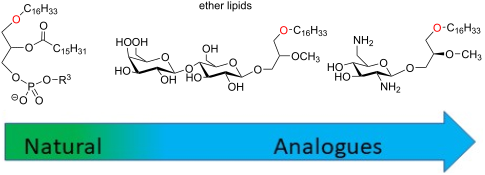
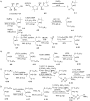
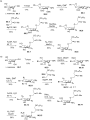
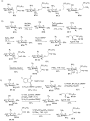
- derivative 2.6. The treatment of 2.6 with trimethylamine produced an ammonium salt. A treatment with silver carbonate was applied to remove any traces of bromide salts. Then, the secondary alcohol was deprotected by hydrogenolysis to produce 2.7 (lyso-PAF). Finally, the acetylation of the secondary alcohol
- oxidation with Br2 and hydrolysis, the bromoethyl phosphate 5.4. Finally, the quaternarization with trimethylamine produced 5.5 and the acetylation produced 5.6 PAF. The intermediate compounds like 6.2 (1-O-alkylglycerol) or the protected secondary alcohol 6.6, either as enantiopure or racemic forms, are
- the incorporation of the trityl group, which is reported with 42% yield. The next steps correspond to the adaptation of previously reported methods with the use of bromoethyl dichlorophosphate (10.5) as precursor of the phosphocholine polar head group. The last steps (debenzylation and acetylation






Two new lanostanoid glycosides isolated from a Kenyan polypore Fomitopsis carnea
Beilstein J. Org. Chem. 2023, 19, 1161–1169, doi:10.3762/bjoc.19.84
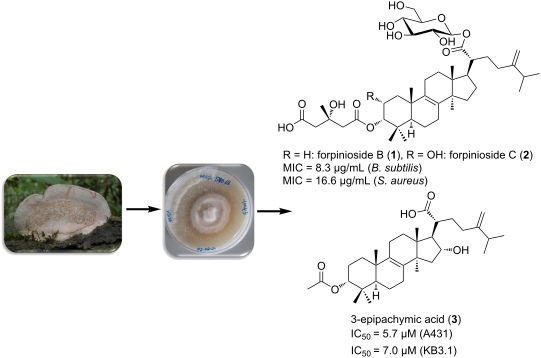
- effects of compound 1 and related analogues could be realized by C-3 hydrolysis. In 2010, Liu et al. also demonstrated the major role played by changes at C-16 on antibacterial effects of F. pinicola steroids [33]. The acetylation at C-16 reduced the potency compared to the corresponding congener with a


Photocatalytic sequential C–H functionalization expediting acetoxymalonylation of imidazo heterocycles
Beilstein J. Org. Chem. 2023, 19, 666–673, doi:10.3762/bjoc.19.48
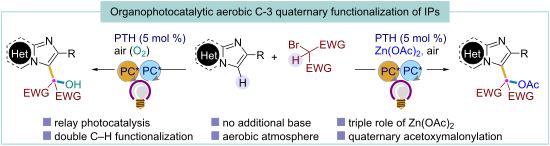
- ), light (entry 15) or acetylation agent (entry 16) failed to provide the desired product 4a, displaying the necessity of each component for developing the reaction. Substrate scope With suitable reaction conditions (Table 1, entry 12), we systematically investigated the scope of this acetoxymalonylation
- isolated, further confirming the involvement of a malonyl radical generated by the cleavage of the C–Br bond of 2a [28]. Next, an attempt was made to identify the key intermediate of the reaction (Scheme 3B). When compound 5 was subjected to the acetylation reaction individually with Zn(OAc)2 and AcOH




Combretastatins D series and analogues: from isolation, synthetic challenges and biological activities
Beilstein J. Org. Chem. 2023, 19, 399–427, doi:10.3762/bjoc.19.31
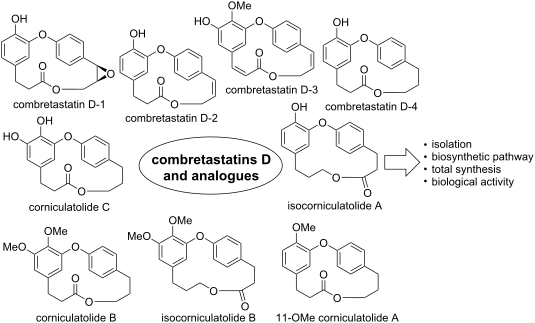
- combretastatin D-1 (1) in 23% overall yield after 16 steps. Later, the same authors performed the enantioselective synthesis of 1 in an attempt to review its absolute configuration [41]. Thus, acetylation of compound 2 followed by the use of Jacobsen’s catalyst [42] to perform the epoxidation of the double bond




Germacrene B – a central intermediate in sesquiterpene biosynthesis
Beilstein J. Org. Chem. 2023, 19, 186–203, doi:10.3762/bjoc.19.18

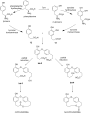
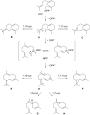
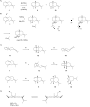
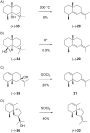
- -workers [19], through a sequence of reduction to the alcohol, acetylation and reduction with lithium in ammonia (Scheme 3A) [20], and its structure was unambiguously assigned by X-ray crystallography of a silver nitrate adduct [21]. From natural sources, the compound was first obtained from Humulus








Total synthesis of insect sex pheromones: recent improvements based on iron-mediated cross-coupling chemistry
Beilstein J. Org. Chem. 2023, 19, 158–166, doi:10.3762/bjoc.19.15
- . (7E,9Z)-Dodeca-7,9-dien-1-yl acetate (3), the sex pheromone of European grapevine moth (Lobesia botrana), was thus obtained at a 14 g scale, with an overall 85% yield for the one-pot sequence involving the iron-catalyzed cross coupling followed by acetylation with Ac2O (Scheme 4b) [21]. Illustrating


Inline purification in continuous flow synthesis – opportunities and challenges
Beilstein J. Org. Chem. 2022, 18, 1720–1740, doi:10.3762/bjoc.18.182
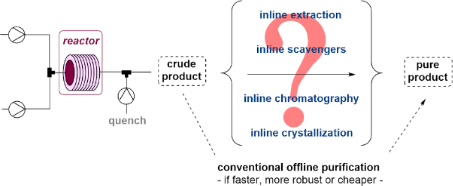
- only. This is facilitated when using heterogeneous catalysts or immobilized enzymes that are retained in cartridge reactors. For instance, Paradisi and co-workers reported an N-acetylation approach to produce melatonin analogs, where the pure product is obtained in the organic phase after evaporation


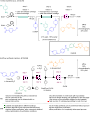


Total synthesis of grayanane natural products
Beilstein J. Org. Chem. 2022, 18, 1707–1719, doi:10.3762/bjoc.18.181
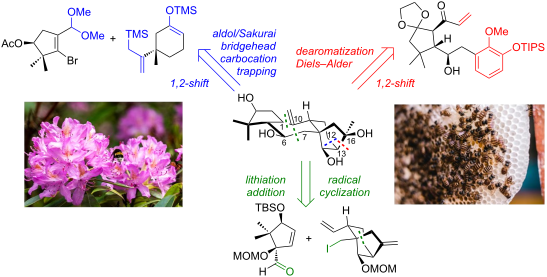
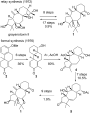
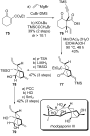
- suitable starting material for the SmI2-promoted pinacol coupling, directed by the free hydroxy group, affording a complete selectivity in the formation of the 7-membered ring B. The synthesis of grayanotoxin III was then achieved by acetylation of the secondary alcohols, oxidative cleavage of the MOM





Preparation of β-cyclodextrin-based dimers with selectively methylated rims and their use for solubilization of tetracene
Beilstein J. Org. Chem. 2022, 18, 1596–1606, doi:10.3762/bjoc.18.170
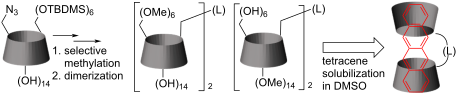
- as the price of some reagents and relatively low yields. In this work, we describe a method using low-cost reactants, such as methyl tosylate and DIPEA, which provides moderate to high yields and is a reasonable alternative to the existing methods. The acetylation of compound 1 using standard


New triazole-substituted triterpene derivatives exhibiting anti-RSV activity: synthesis, biological evaluation, and molecular modeling
Beilstein J. Org. Chem. 2022, 18, 1524–1531, doi:10.3762/bjoc.18.161
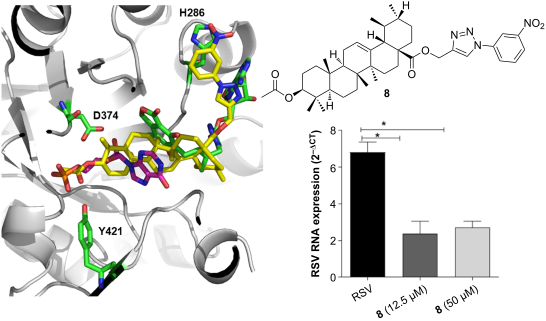
- . Initially, 1-azido-3-nitrobenzene (c) was obtained from m-nitroaniline (a) (Scheme 1) with excellent yields (98%), as previously described [41]. The protection of the 3β-OH group of the triterpene skeleton was carried out by acetylation using acetic anhydride to prevent cleavage in acidic conditions, which


Enantioselective total synthesis of putative dihydrorosefuran, a monoterpene with an unique 2,5-dihydrofuran structure
Beilstein J. Org. Chem. 2022, 18, 1264–1269, doi:10.3762/bjoc.18.132
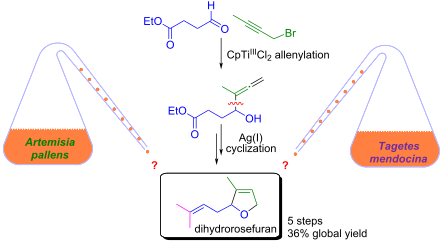
- stereoselective kinetic resolution of allenol 3 via lipase AK-catalyzed acetylation [15]. In this way, unaltered, (−)-hydroxyallene 3 could be separated from (+)-acetyl derivative 9 through standard column chromatography (Scheme 3). Enantiomeric excesses of (−)-3 and (+)-9 were determined by chiral HPLC analyses


From amines to (form)amides: a simple and successful mechanochemical approach
Beilstein J. Org. Chem. 2022, 18, 1210–1216, doi:10.3762/bjoc.18.126
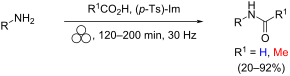
- ][50][51][52][53][54], no systematic report of N-formylation and N-acetylation by ball milling has been reported yet. Here, we describe two complementary procedures to prepare formamides and acetamides, applied to primary and secondary aromatic and aliphatic amines. The methodologies directly involve
Synthesis of tryptophan-dehydrobutyrine diketopiperazine and biological activity of hangtaimycin and its co-metabolites
Beilstein J. Org. Chem. 2022, 18, 1159–1165, doi:10.3762/bjoc.18.120
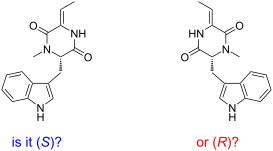
- -butyloxycarbonyl (Boc)-protected threonine using bis(2-oxo-3-oxazolidinyl)phosphinic chloride (BOP-Cl) [14][15] and Hünig’s base to give 9. Cleavage of the Boc group with 5% TFA followed by basic treatment resulted in the cyclisation to the dioxopiperazine 10. Acetylation and subsequent treatment with LiClO4 and
- DBU is a common strategy for the dehydration of serine and threonine units in peptides [16], but unfortunately the acetylation of 10 failed. Interestingly, the direct treatment of 10 with LiClO4 and DBU under prolonged reaction times (3 days) resulted in the elimination of water. This reaction


Synthetic strategies for the preparation of γ-phostams: 1,2-azaphospholidine 2-oxides and 1,2-azaphospholine 2-oxides
Beilstein J. Org. Chem. 2022, 18, 889–915, doi:10.3762/bjoc.18.90
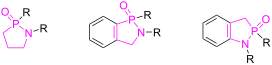
- . When acetic anhydride was employed as electrophile, besides the protonated product 136a, two different alkylated products 147 and 148 were formed depending on the reaction time. The 1-acetoxylvinylated and 3-hydroxybut-2-enoylated products 147 and 148 were obtained, respectively, through O-acetylation
- and C-acetylation followed by enolization of the first generated acetylated benzocyclohexadiene-fused γ-phosphinolactams 149. The results indicated that short reaction times favored O-acetylation, while long reaction times preferred C-acetylation (Scheme 25) [52]. They further investigated various α,β