


Search results
Search for "cancer cells" in Full Text gives 172 result(s) in Beilstein Journal of Organic Chemistry.
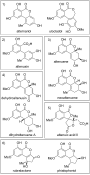
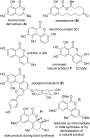
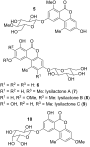
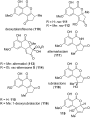
Natural resorcylic lactones derived from alternariol
Beilstein J. Org. Chem. 2024, 20, 2171–2207, doi:10.3762/bjoc.20.187
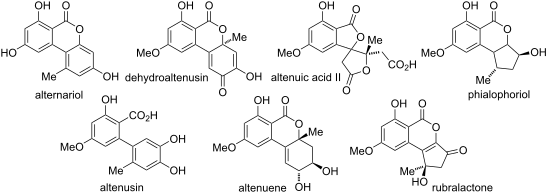
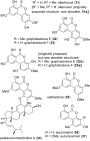
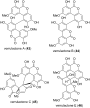
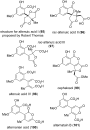
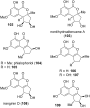
- -methylalternariol derivative 15 was isolated from A. alternata and showed inhibitory activity against HCV NS3/4A protease (IC50: 52.0 μg/mL), cytotoxic activity against HEP-G2 cancer cells, and turned out to be antibacterial against Bacillus cereus, B. megaterium, and Escherichia coli with inhibition zones of 17










Solvent-dependent chemoselective synthesis of different isoquinolinones mediated by the hypervalent iodine(III) reagent PISA
Beilstein J. Org. Chem. 2024, 20, 1914–1921, doi:10.3762/bjoc.20.167
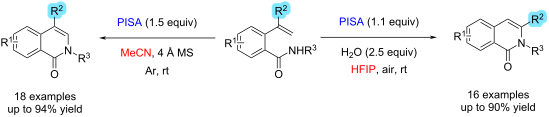
- activity and thus block cancer formation [2]. Alangiumkaloids A, an isoquinolinone alkaloid isolated from Alangium salviiforlium, was reported to exhibit cytotoxic activity against cancer cells [3]. In 2018, duvelisib, a dual inhibitor of phosphoinositide-3 kinases, was firstly approved by the FDA for the


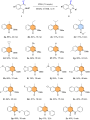


The Groebke–Blackburn–Bienaymé reaction in its maturity: innovation and improvements since its 21st birthday (2019–2023)
Beilstein J. Org. Chem. 2024, 20, 1839–1879, doi:10.3762/bjoc.20.162
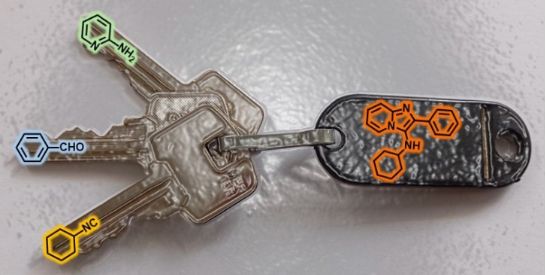


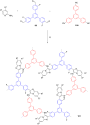
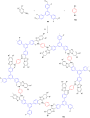


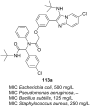


Syntheses and medicinal chemistry of spiro heterocyclic steroids
Beilstein J. Org. Chem. 2024, 20, 1713–1745, doi:10.3762/bjoc.20.152
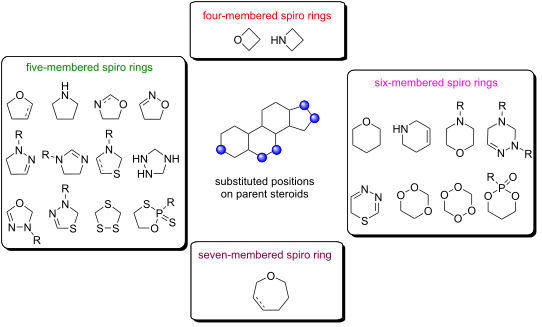
- . Chromatographic purification was not required post-reaction. Some spiro products exhibited high binding affinity towards DNA, while others showed good cytotoxicity against different cancer cells (A545, MCF-7, HeLa, HL-60, SW480, HepG2, HT-29, and A549) with IC50 values within the micromolar range (2.18–18.54 µM
- synthesized compounds were evaluated for their DNA binding properties and screened for cytotoxicity against leukemia cancer cells (Jurkat), demonstrating IC50 values in the micromolar range (14.2 to 36.5 µM). Importantly, these derivatives exhibited minimal toxicity toward normal cells (PBMCs). Furthermore
- their antiproliferative activity against a panel of cancer cells, in which the activity of some compounds was close to that of cis-platinum in some cell lines. It should be noted that N-propylamide derivatives showed low cytotoxicity on cancer cells. Additionally, 167c did not present cytotoxic activity


Synthesis of 1,4-azaphosphinine nucleosides and evaluation as inhibitors of human cytidine deaminase and APOBEC3A
Beilstein J. Org. Chem. 2024, 20, 1088–1098, doi:10.3762/bjoc.20.96
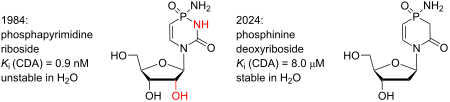
- nuclear and mitochondrial genomes [15]. This A3-induced mutational activity is used by viruses and cancer cells to increase the rates of mutagenesis, which allows them to escape adaptive immune responses and become drug resistant [16][17][18][19][20], leading to poor clinical outcomes. A range of genetic
- partially localised in the nucleus of cells and, in cancer cells, become genotoxic [24]. A3A and A3H are single-domain enzymes, whereas A3B is a double-domain enzyme, in which only the C-terminal domain (CTD) has catalytic activity, and the N-terminal domain (NTD) is responsible for binding of DNA and for


Synthesis of new representatives of A3B-type carboranylporphyrins based on meso-tetra(pentafluorophenyl)porphyrin transformations
Beilstein J. Org. Chem. 2024, 20, 767–776, doi:10.3762/bjoc.20.70
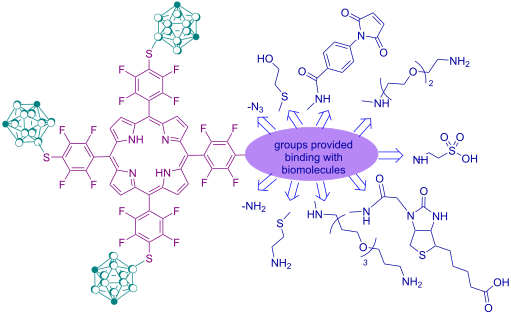
- molecules which have been also used for selective delivery of the drug to cancer cells [45]. Here, biotin was conjugated to porphyrin 12 which was obtained by alkylation of the amino group in compound 5 with chloroacetyl chloride (10) to give porphyrin biotin conjugate 14 in 76% yield (Scheme 4). We also



Methodology for awakening the potential secondary metabolic capacity in actinomycetes
Beilstein J. Org. Chem. 2024, 20, 753–766, doi:10.3762/bjoc.20.69
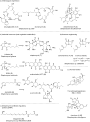
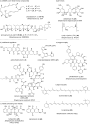
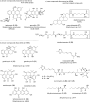
- . At a concentration of 182 μM, murecholamide exhibits biological activity in inhibiting the migration of HT29 cancer cells. The second HSM is noaoxazole (39), which was discovered in Streptomyces sp. HR41 [79]. This substance has a chemical structure with a methylated oxazole ring at the end of a


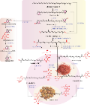
Research progress on the pharmacological activity, biosynthetic pathways, and biosynthesis of crocins
Beilstein J. Org. Chem. 2024, 20, 741–752, doi:10.3762/bjoc.20.68
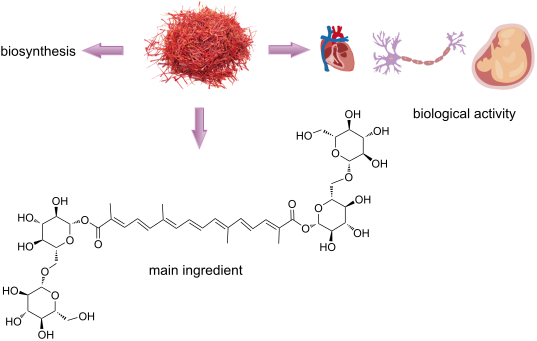
- alleviate gestational hypertension. Therefore, crocins have the potential to prevent pregnancy-induced hypertension [45]. Anticancer Crocins exhibit potent anticancer activity against various cancer cell lines. Jiang et al. found that crocins reduce the survival and activity of cervical cancer cells [46
- ]. Mollaei et al. observed an increased Bax/Bcl-2 ratio in crocin-treated cancer cells. Therefore, crocins are proposed to exert anticancer activity by promoting apoptosis of cancer cells [47]. This mechanism is consistent with the results of Hoshyar et al., who observed the apoptosis-promoting activity of


Green and sustainable approaches for the Friedel–Crafts reaction between aldehydes and indoles
Beilstein J. Org. Chem. 2024, 20, 379–426, doi:10.3762/bjoc.20.36
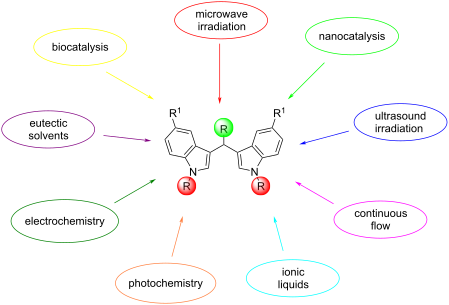
- -effects that it can cause in the more sensitive subgroups of patients. Specifically, when DIM was used in tandem with tamoxifen, the ratio between 2OHE1/16αOHE1 increased up to 229%, as well as the concentration of the sex hormone binding globulin (SHBG) that inhibits the growth of breast cancer cells [4
- general extends to other types of cancers as well, such as prostate cancer by being an androgen receptor (AR) agonist in LNCaP prostate cancer cells [6]. DIM controls cell growth rates in AR-negative cells, while also targeting the mitochondria inducing apoptosis, which alleviates some of the symptoms of




Photoinduced in situ generation of DNA-targeting ligands: DNA-binding and DNA-photodamaging properties of benzo[c]quinolizinium ions
Beilstein J. Org. Chem. 2024, 20, 101–117, doi:10.3762/bjoc.20.11
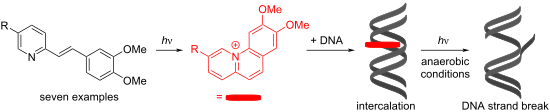
- , unlike type-II photosensitizers. In fact, the representative compound 3f is a more efficient DNA-damaging photosensitizer under anaerobic conditions, which may be an advantage for applications in hypoxic cancer cells. Preliminary investigations of the mechanism of the DNA damage revealed the involvement




Synthesis and biological evaluation of Argemone mexicana-inspired antimicrobials
Beilstein J. Org. Chem. 2023, 19, 1511–1524, doi:10.3762/bjoc.19.108
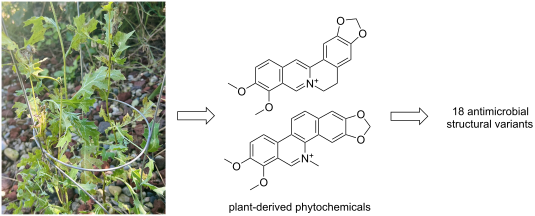
- cells [9]. The quantification of c-MYC (oncogene) and APC (tumor suppressor) mRNA levels helped begin to elucidate how the A. mexicana root methanol extract may be affecting colon cancer cells. After chromatographic separations, UPLC–MS, and subsequent nuclear magnetic resonance analysis of the root and
- A. mexicana extract [9]. All variants were assessed against T84 colon cancer cells, using the MTT colorimetric assay, and compared to the parent compounds berberine or chelerythrine. As seen in Figure 5, several berberine variants showed fairly dynamic effects on the cancer cell viability, while
- between 17–19%. Due to the high potency of chelerythrine against cancer cells, the dose for this series was lowered to 5 μL rather than the 20 μL used in the berberine series. Additionally, activity of the variants at this dosage was simply compared against the methanol blank (Figure 6). Similar to the


Visible-light-induced nickel-catalyzed α-hydroxytrifluoroethylation of alkyl carboxylic acids: Access to trifluoromethyl alkyl acyloins
Beilstein J. Org. Chem. 2023, 19, 1372–1378, doi:10.3762/bjoc.19.98
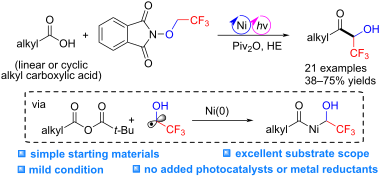
- experiments showed that trifluoromethyl acyloins can selectively induce apoptosis in human oral cancer cells [22][23] and have therefore attracted much more attention. However, trifluoromethyl acyloins were not widely used due to the challenge associated with their synthesis. Certain progress has been made in


Synthesis of ether lipids: natural compounds and analogues
Beilstein J. Org. Chem. 2023, 19, 1299–1369, doi:10.3762/bjoc.19.96
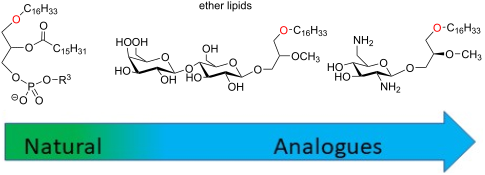
- that now produces more accurate quantification of lipids with a distinction of neutral EL and phosphoglycero ELs produced contradictory data. Indeed, a recent study that focused on ether glycerophospholipids (alkyl and alkenyl ether lipids) indicates that in breast cancer cells (average of 9 breast
- (231MFP), melanoma (C8161) and prostate cancer (PC3) cells compared with less aggressive cancer cells (MCF7, MUM2C, and LNCaP, respectively) suggesting that AGPS is an important player in the aggressiveness of cancers [17]. It was also suggested to use ELs as biomarkers for some human diseases like
- borohydride to give the alcohol 25.9. 2.2 Analogues of edelfosine In view of the remarkable effects of edelfosine on cancer cells [122], its action as a proapoptotic agent [123][124] and its effect on lipid raft [125][126] or its action against leishmania [127][128], the synthesis of analogues of edelfosine






Two new lanostanoid glycosides isolated from a Kenyan polypore Fomitopsis carnea
Beilstein J. Org. Chem. 2023, 19, 1161–1169, doi:10.3762/bjoc.19.84
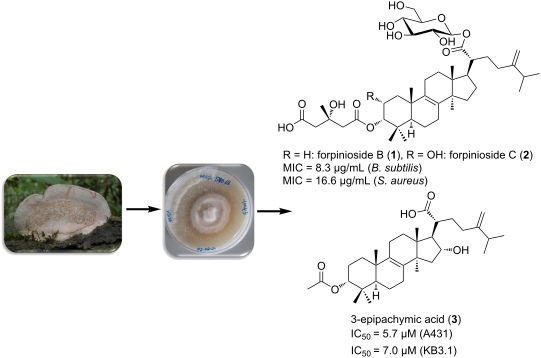
- (L929) (IC50 = 15.2 µM), breast cancer cells (MCF-7) (17.6 µM), and prostate cancer cells (PC-3) (18.9 µM). Discussion The introduction of a hydroxy group at C-2 rendered forpinioside C (2) inactive in antimicrobial assays compared to forpinioside B (1), however; both compounds were not active in the
- potency against cancer cells in the presence of a 3-OH group. Notably, hydrolysis of the C3-acetoxy group in pachymic acid to tumulosic acid increased the activity of the compound compared to the positive control (cisplatin), in some instances [36]. Concomitantly, the oxidation of the hydroxy group at C-3
- used in determining the cytotoxicity (IC50) of the isolated compounds as previously established [38][39]. The mammalian cell lines (mouse fibroblasts L929, adenocarcinomic human alveolar basal epithelial cells A549, HeLa cells KB-3-1, breast cancer cells MCF-7, epidermoid carcinoma cells (A431), and


Five new sesquiterpenoids from agarwood of Aquilaria sinensis
Beilstein J. Org. Chem. 2023, 19, 998–1007, doi:10.3762/bjoc.19.75
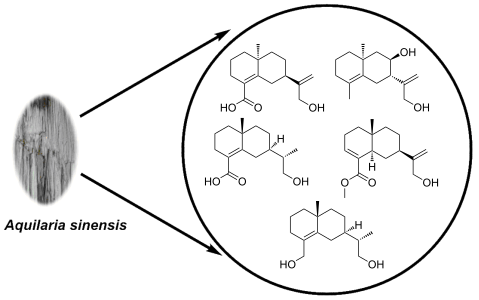
- from agarwood. Unfortunately, none of the new compounds exhibits biological activity against LPS-induced inflammation in Raw264.7 cells and human breast cancer cells. However, we have drawn good conclusions for SAR studies based on the current study and our previous study. These compounds will be


Clauson–Kaas pyrrole synthesis using diverse catalysts: a transition from conventional to greener approach
Beilstein J. Org. Chem. 2023, 19, 928–955, doi:10.3762/bjoc.19.71
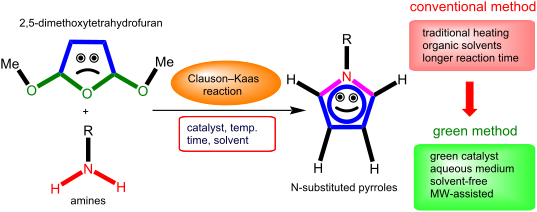
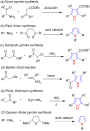
- –98% yields by reacting various amines 60 and 2,5-DMTHF 2 under solvent-free conditions in the presence of 5 mol % molecular iodine as catalyst (Scheme 29a). These synthesized products were tested against various cancer cells in vitro. In the proposed mechanism, deprotection of the methoxy group of




Combretastatins D series and analogues: from isolation, synthetic challenges and biological activities
Beilstein J. Org. Chem. 2023, 19, 399–427, doi:10.3762/bjoc.19.31
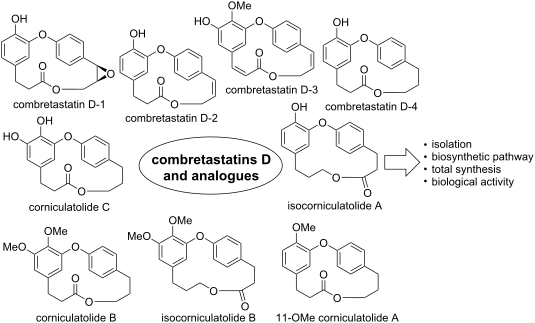
- functional groups to obtain the desired compounds and especially with regard to the structure–activity relationship of these molecules against different types of cancer cells (see Section 3). Harras and co-workers [57] achieved the total synthesis of combretastatins D-2 (2) and D-4 (4) and the formal
- with a median effective dose values (ED50) of 3.3 and 5.2 μg·mL−1 (10.56 and 17.55 μM), respectively [16][17]. Vongvanich and co-workers performed a cytotoxicity assay of combretastatins D-3 (3) and D-4 (4) against human breast cancer cells (BC-1), human epidermoid carcinoma of the mouth (KB), a small
- to be inactive indicating that the olefin was necessary for cancer cell growth inhibition. For salts 184–187, the authors attributed the decrease in the activity to the lack of phosphatases necessary for the cleavage of the prodrug ester bond and needed to regenerate the drug in the isolated cancer




CuAAC-inspired synthesis of 1,2,3-triazole-bridged porphyrin conjugates: an overview
Beilstein J. Org. Chem. 2023, 19, 349–379, doi:10.3762/bjoc.19.29
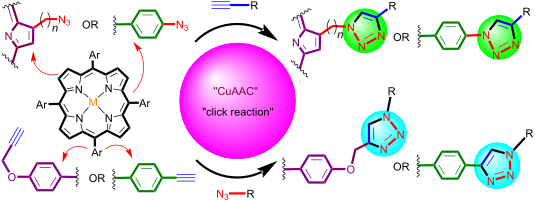
- MeI in DMF to afford the cationic products 85 and 87 in good yields. The synthesized conjugates exhibited high photocytotoxicity towards A549 cancer cells as compared to a tumor-localizing and potent photosensitizing agent, TMPyP. Further, the authors discovered that the porphyrin-carboline conjugates
- -soluble nanowires, nanorods, and nanospheres. In addition, these triazoloporphyrins have a wide range of medical applications, including photoinduced cytotoxicity against cancer cells, drug delivery, as phototherapeutic agents, and PDT applications. I believe this review will be useful and encourage


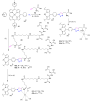


An accelerated Rauhut–Currier dimerization enabled the synthesis of (±)-incarvilleatone and anticancer studies
Beilstein J. Org. Chem. 2023, 19, 204–211, doi:10.3762/bjoc.19.19
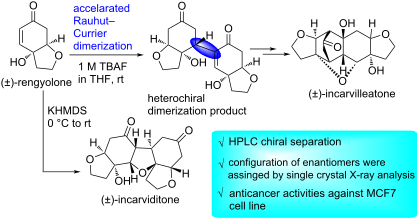
- configuration of each enantiomer was determined by single-crystal X-ray analysis. In addition, a one-pot synthesis of (±)-incarviditone has been achieved from rac-rengyolone by using KHMDS as a base. We have also assessed the anticancer activity of all the synthesized compounds in breast cancer cells
- -rengyolone (3) by using KHMDS as a base. The antiproliferative activity of these compounds was tested using MTT assays and the results revealed that these compounds are less efficient in inhibiting the growth of breast cancer cells. Structures of (±)-incarvilleatone (1), (±)-incarviditone (2), and


Insight into oral amphiphilic cyclodextrin nanoparticles for colorectal cancer: comprehensive mathematical model of drug release kinetic studies and antitumoral efficacy in 3D spheroid colon tumors
Beilstein J. Org. Chem. 2023, 19, 139–157, doi:10.3762/bjoc.19.14
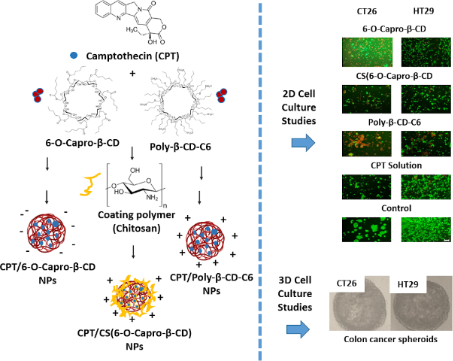
- positive change in 6-O-capro-β-CD nanoparticles. It is known that the same nanoparticles may have different effects on cancer cells of different species. In addition to the surface charges, particle size and distribution also play a very important role in the cellular interactions of nanoparticles. For
- this reason, while evaluating the effects of nanoparticles, the selection of particles with the most ideal parameters for the target disease or organ is very important in terms of the effectiveness of the treatment. Due to the differences between colorectal cancer cells of different species, it is
- . According to the results of the study performed with colon cancer cell lines of two different origin (murine and human), it was observed that the blank nanoparticles caused a decrease in cell viability (to <70%). Similar results were obtained in cell culture studies performed on different cancer cells by




Using UHPLC–MS profiling for the discovery of new sponge-derived metabolites and anthelmintic screening of the NatureBank bromotyrosine library
Beilstein J. Org. Chem. 2022, 18, 1544–1552, doi:10.3762/bjoc.18.164
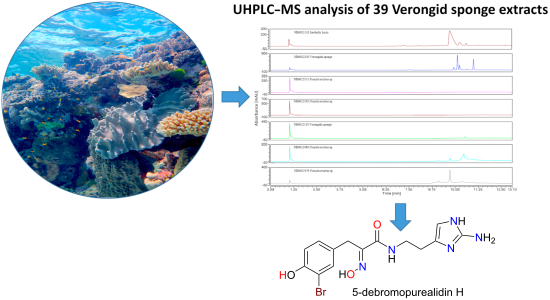
- , fragmentation of the mitochondrial tubular network, chromosome misalignment, and cell cycle arrest in mitosis in LNCaP prostate cancer cells [38]. The bastadin structure class is well-documented within the literature for their cytotoxic activity [37][39][40][41], with both bastadins 4 and 8 exhibiting in vitro


Synthesis of a new water-soluble hexacarboxylated tribenzotriquinacene derivative and its competitive host–guest interaction for drug delivery
Beilstein J. Org. Chem. 2022, 18, 539–548, doi:10.3762/bjoc.18.56
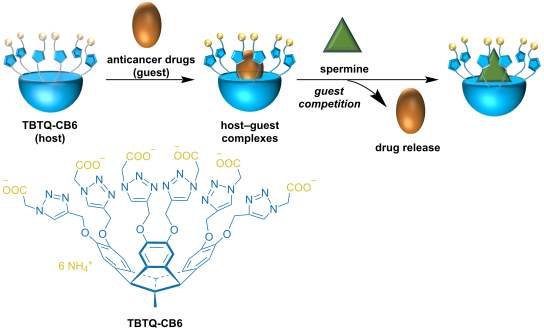
- molecule overexpressed in cancer cells, through host–guest competitive substitution since TBTQ-CB6 has a stronger binding affinity toward SM than MV and DOX. The host–guest interactions of the complexes of TBTQ-CB6 with MV, DOX and SM were investigated by NMR spectroscopy and fluorescence spectroscopy. The
- targeting of cancer cells, resulting in low bioavailability and systemic side effects [6]. To address these drawbacks, various approaches have been developed to improve the bioavailability of these and other drugs and to enable their targeted delivery to cancer cells [7][8][9][10]. In recent years
- , supramolecular chemotherapy has received considerable attention by utilizing a supramolecular strategy to decrease the cytotoxicity of anticancer drugs to normal cells while preserving their cytotoxicity against cancer cells [11]. Supramolecular systems derived from macrocycles [12][13], such as calix[n]arenes

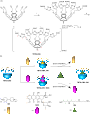


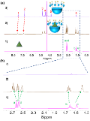


Synthesis and bioactivity of pyrrole-conjugated phosphopeptides
Beilstein J. Org. Chem. 2022, 18, 159–166, doi:10.3762/bjoc.18.17
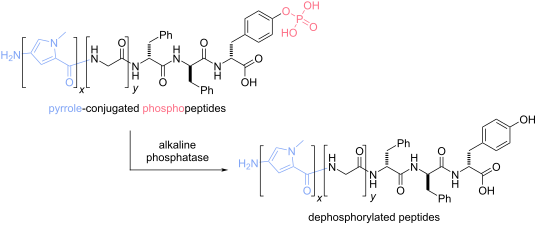
- a variety of phosphopeptides that selectively inhibit cancer cells [38][64][65][71][72]. Encouraged by the results from the naphthylacetyl capped phosphopeptides, we decided to use multiple N-methylpyrroles, as the heteroaromatic analog of naphthyl, to cap the N-terminal of phosphopeptides for EISA
- Qiuxin Zhang Weiyi Tan Bing Xu Department of Chemistry, Brandeis University, 415 South Street, Waltham, MA 02454, USA 10.3762/bjoc.18.17 Abstract Here we report the synthesis and effect on the cell viability of pyrrole-conjugated phosphopeptides. Encouraged by the selective inhibition of cancer
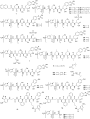
- cells by a naphthyl-capped phosphopeptide (Nap-ffpy, 1), we conjugated the heteroaromatic dipyrrole or tripyrrole motif at the N-terminal of short peptides containing phosphotyrosine or phosphoserine and examined the bioactivity of the resulting phosphopeptides (2–10). Although most of the



Ready access to 7,8-dihydroindolo[2,3-d][1]benzazepine-6(5H)-one scaffold and analogues via early-stage Fischer ring-closure reaction
Beilstein J. Org. Chem. 2022, 18, 143–151, doi:10.3762/bjoc.18.15
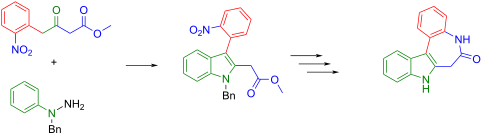
- unit is shifted and the indole ring is flipped (D). Isomer D has been shown to be a potent tubulin-polymerase inhibitor, while B was only mildly cytotoxic towards cancer cells at a concentration of 1 µM [5][6]. Backbone C, despite being very similar to the other three scaffolds, remained a synthetic
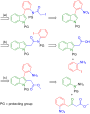
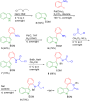
- nanomolar concentration range and selectivity for cancer cells over normal ones [22]. The synthesis of core structures A, B, and D is well-documented in the literature [2][6]. Herein we describe the first synthesis of 7,8-dihydroindolo[2,3-d][1]benzazepin-6(5H)-one (C) (Figure 1). Results and Discussion


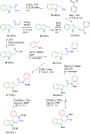


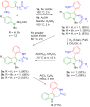


1,2-Naphthoquinone-4-sulfonic acid salts in organic synthesis
Beilstein J. Org. Chem. 2022, 18, 53–69, doi:10.3762/bjoc.18.5
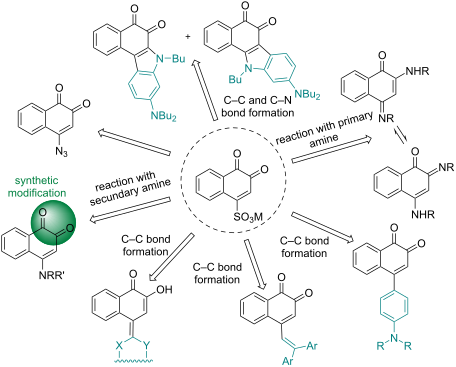
- -workers synthesized other naphthoquinone derivatives 37 from β-NQSNa (18) [86]. These compounds were evaluated for their antiproliferative activities on human cancer cells, with three of them being the most active (37a–c). It has been shown that the mechanism of action passes through the production of





