Search results
Search for "carbonyls" in Full Text gives 96 result(s) in Beilstein Journal of Organic Chemistry.
Strategies to access the [5-8] bicyclic core encountered in the sesquiterpene, diterpene and sesterterpene series
Beilstein J. Org. Chem. 2023, 19, 245–281, doi:10.3762/bjoc.19.23
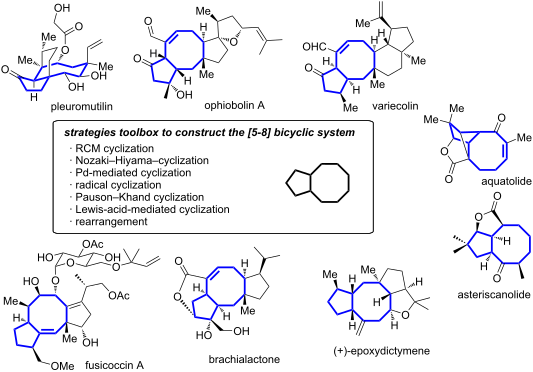
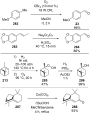
- favoring reactivity with various types of substrates, ranging from halides to carbonyls and alkenes/alkynes. It is comprehensible that this reagent attracted early interest in natural product synthesis and more precisely on medium-sized ring formation. 4.1 SmI2-mediated Barbier-type ring annulation towards


One-pot synthesis of 2-arylated and 2-alkylated benzoxazoles and benzimidazoles based on triphenylbismuth dichloride-promoted desulfurization of thioamides
Beilstein J. Org. Chem. 2022, 18, 1479–1487, doi:10.3762/bjoc.18.155

- ][19][20][21]. Among them, triarylbismuth dichlorides (Ar3BiCl2) have been widely used as aryl group donors for the C- and O-arylation of phenol derivatives [22][23][24], N-arylation of pyridin-2-ones [25][26], α-arylation of α,β-unsaturated carbonyls [27][28], and tandem 1,3-bisarylation of


Oxa-Michael-initiated cascade reactions of levoglucosenone
Beilstein J. Org. Chem. 2022, 18, 1457–1462, doi:10.3762/bjoc.18.151
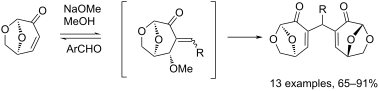
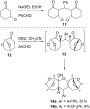
- ° C, the sole product from the reaction contained resonances in the 1H NMR spectrum which supported a structure derived from a 2:1 ratio of 1/benzaldehyde, and no structures analogous to 3 were obtained. The 1H NMR spectrum of the product had two non-equivalent vinylic protons β to the carbonyls at δ


Mechanochemical synthesis of unsymmetrical salens for the preparation of Co–salen complexes and their evaluation as catalysts for the synthesis of α-aryloxy alcohols via asymmetric phenolic kinetic resolution of terminal epoxides
Beilstein J. Org. Chem. 2022, 18, 1416–1423, doi:10.3762/bjoc.18.147
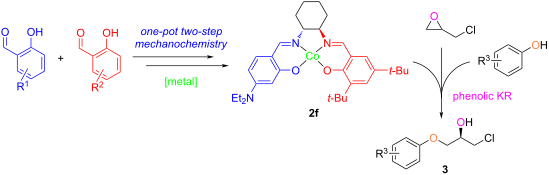
- and preparation of suitable salen compounds, sometimes are described as bis-imine Schiff bases. Imines were originally synthesized by Schiff from the condensation of carbonyls with amines [25]. Thereafter, syntheses of salens were extensively reported using timely technologies [26][27][28][29


A Se···O bonding catalysis approach to the synthesis of calix[4]pyrroles
Beilstein J. Org. Chem. 2022, 18, 325–330, doi:10.3762/bjoc.18.36
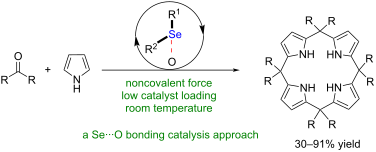
- bonding interactions between phosphonium selenides and carbonyls can significantly activate carbonyl groups [41][42][43], thus providing a new opportunity to develop carbonyl chemistry. To expand the catalysis capability of chalcogen bonding interactions, we envisioned that consecutive condensations



Glycosylated coumarins, flavonoids, lignans and phenylpropanoids from Wikstroemia nutans and their biological activities
Beilstein J. Org. Chem. 2022, 18, 200–207, doi:10.3762/bjoc.18.23
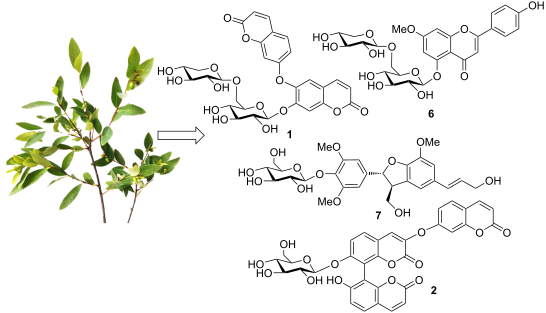
- distinctive peaks for two anomeric protons at δH 5.71 (d, J = 7.7 Hz, H-1'') and 4.94 (d, J = 7.1 Hz, H-1'''), implied the co-existences of two sugar moieties. Analyses of the 13C NMR (Table 1) coupled with DEPT and HSQC spectra of 1 displayed 29 carbon signals assignable to two ester carbonyls (δC 161.3 and



1,2-Naphthoquinone-4-sulfonic acid salts in organic synthesis
Beilstein J. Org. Chem. 2022, 18, 53–69, doi:10.3762/bjoc.18.5
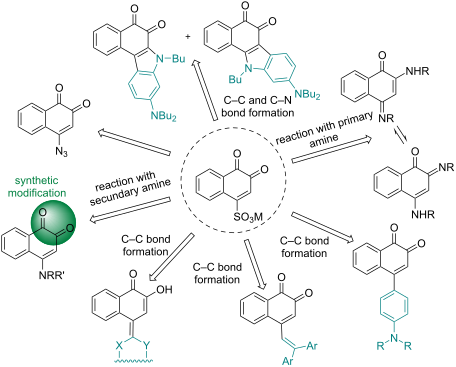
- % yield (Scheme 11) [89]. Modifications in β-carbonyls 1,2-Naphthoquinone derivatives can be obtained through modifications in the carbonyls, leading to the formation of new compounds containing different groups, such as hydroxylamines, oxiranes, hydrazones, and heterocycles. These modifications can be
- ). Other naphthoquinone derivatives were synthesized with modifications at one of the carbonyls. Tseng and co-workers [91] synthesized 4-arylamino-1,2-naphthoquinones 45a,b and 4-phenoxy-1,2-naphthoquinones 47a,b as potential anti-inflammatory agents capable of inhibiting the expression of nitric oxide (NO
- . These data indicated that 47b targets p38 kinase and NF-κB and may serve as an anti-inflammatory agent (Scheme 13). In 2020, Almeida and co-workers [92] synthesized naphthoquinone imines from β-NQSNa (18) with modifications in β-carbonyls. These compounds were obtained in a sequence of reactions


Recent advances and perspectives in ruthenium-catalyzed cyanation reactions
Beilstein J. Org. Chem. 2022, 18, 37–52, doi:10.3762/bjoc.18.4
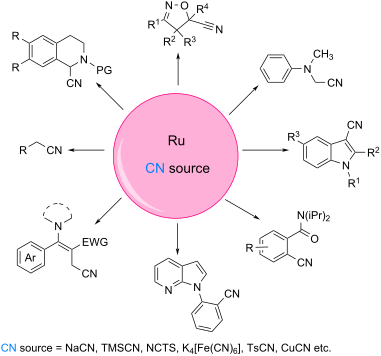
- natural product synthesis, pigments and dyes. Different variety of α-amino carbonyls [2], α-amino acids [3] and 1,2-diamines were prepared from the nitriles using homogeneous and heterogeneous catalysis [4][5][6]. One of the astonishing aspects of nitriles is that it can be easily converted to amines


Unsaturated fatty acids and a prenylated tryptophan derivative from a rare actinomycete of the genus Couchioplanes
Beilstein J. Org. Chem. 2021, 17, 2939–2949, doi:10.3762/bjoc.17.203
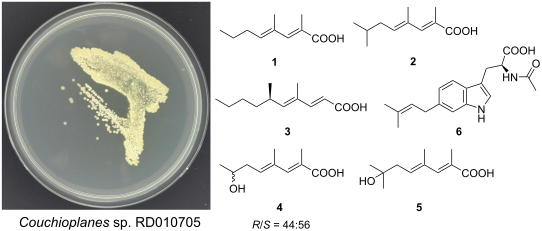
- at 3310 and 1656 cm–1 suggested the presence of OH/NH and carbonyl groups. 1H, 13C, and HSQC spectra (Table 3) revealed the composition of this molecule to be two shielded carbonyls, five other sp2 nonprotonated carbons, five sp2 methines, one sp3 methine, two sp3 methylenes, three singlet methyls
- , and two amino protons. The remaining OH group should be a part of a carboxylic acid functionality considering the lack of oxygenated carbons besides carbonyls, and two degrees of unsaturation, not accounted for by double bonds, were consistent with the indole ring. As expected, assembling the above


Recent advances in organocatalytic asymmetric aza-Michael reactions of amines and amides
Beilstein J. Org. Chem. 2021, 17, 2585–2610, doi:10.3762/bjoc.17.173
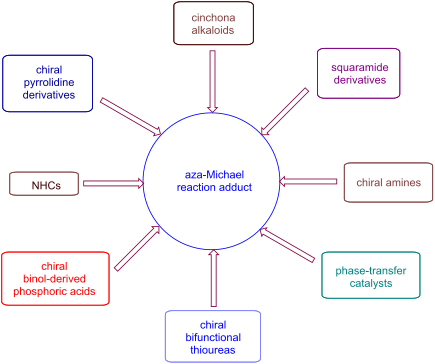
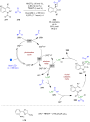
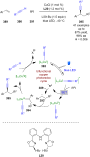
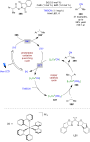
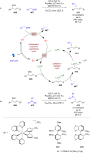
- of prolinol silyl ether (cat. 120) and benzoic acid (A1) catalysts to bring about reaction between 3-formyl-substituted indoles or pyrroles 118 and diverse electrophiles, including carbonyls, imines and other Michael acceptors (Scheme 5) [69]. The reaction with secondary amines occurred via the


Synthesis of phenanthridines via a novel photochemically-mediated cyclization and application to the synthesis of triphaeridine
Beilstein J. Org. Chem. 2021, 17, 2340–2347, doi:10.3762/bjoc.17.152
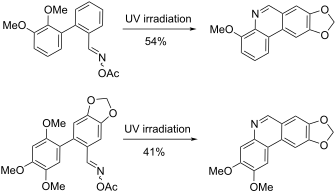
- solvent was removed under reduced pressure and the resulting crude biaryl carbonyls were purified using silica gel column chromatography (using EtOAc/hexane mixtures as eluent). Experimental details for the preparation of compounds 13a–f can be found in Supporting Information File 1. Oxime ester formation




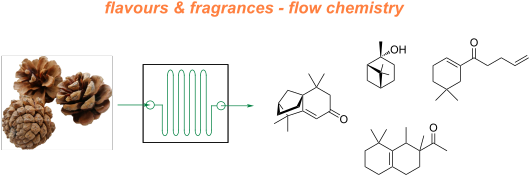
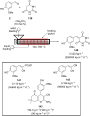
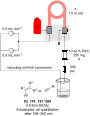
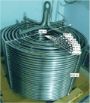
A comprehensive review of flow chemistry techniques tailored to the flavours and fragrances industries
Beilstein J. Org. Chem. 2021, 17, 1181–1312, doi:10.3762/bjoc.17.90










Recent developments in enantioselective photocatalysis
Beilstein J. Org. Chem. 2020, 16, 2363–2441, doi:10.3762/bjoc.16.197
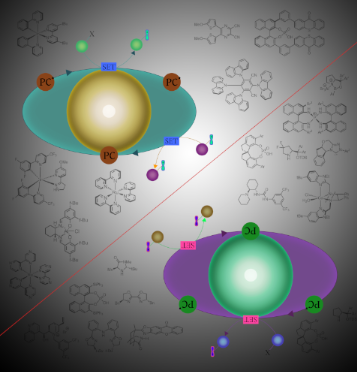
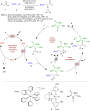
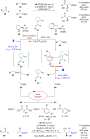
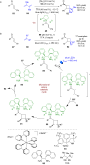
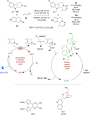
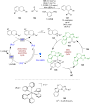
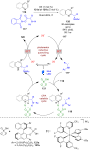
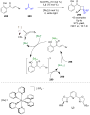
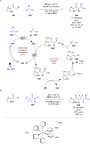
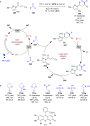
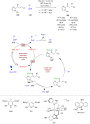
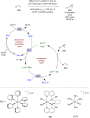
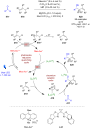
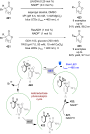
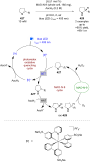
- dominant. Subsequent investigations by Yu expanded the scope to acyl radicals generated from carboxylic acids 56, affording enantioenriched 1,4-carbonyls 57 in excellent yields and good enantioselectivities (21 examples, up to 90:10 er) (Scheme 7b) [40]. The quantum yield was also measured to be <1 (Φ

























Synthesis of 1,4-benzothiazinones from acylpyruvic acids or furan-2,3-diones and o-aminothiophenol
Beilstein J. Org. Chem. 2020, 16, 2322–2331, doi:10.3762/bjoc.16.193
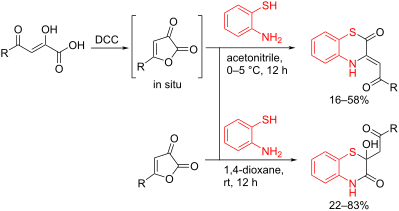
- more electrophilic ketone carbonyls of compounds IV firstly. To overcome these issues, we examined the reaction of acylpyruvic acid (2a) with o-aminothiophenol (1a) in the presence of carbodiimides in various solvents (Table 1). Fortunately, in many cases we succeeded to detect the desired BTA 3a by



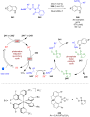
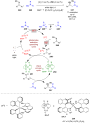
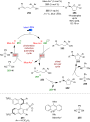
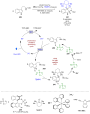
Stereoselective Biginelli-like reaction catalyzed by a chiral phosphoric acid bearing two hydroxy groups
Beilstein J. Org. Chem. 2020, 16, 1875–1880, doi:10.3762/bjoc.16.155
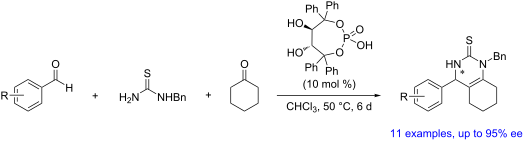
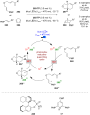
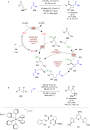
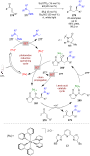
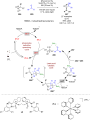
- DHPMs becomes an urgent and paramount task. In connection with this, multicomponent Biginelli and Biginelli-like reactions of aldehydes, urea/thiourea, and enolizable carbonyls revealed as very efficient tools to prepare DHPMs [3]. Although the Biginelli reaction was firstly discovered over a century


Disposable cartridge concept for the on-demand synthesis of turbo Grignards, Knochel–Hauser amides, and magnesium alkoxides
Beilstein J. Org. Chem. 2020, 16, 1343–1356, doi:10.3762/bjoc.16.115
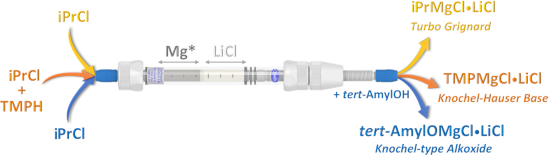
- complexes to produce fluorescent species [16]; (5) sodium borohydride to reduce carbonyls [17]; (6) red phosphorous to produce polyphosphides [18]. Our initial foray into this area was born out of necessity. We wanted to conduct flow reactions that required solids, and packed beds facilitated the use of


Microwave-assisted synthesis of 2-substituted 4,5,6,7-tetrahydro-1,3-thiazepines from 4-aminobutanol
Beilstein J. Org. Chem. 2020, 16, 32–38, doi:10.3762/bjoc.16.5
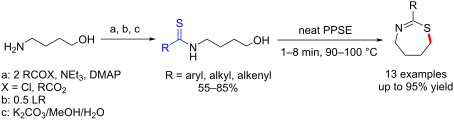
- -toxic and environmentally safe. These reagents play a dual role, as they enhance the electrophilicity of nitriles, carbonyls and carbinols, and can also react irreversibly with water. Unlike PPA, a Brønsted acid incompatible with some acid-sensitive functionalities, PPE and PPSE are aprotic and mild


Bacterial terpene biosynthesis: challenges and opportunities for pathway engineering
Beilstein J. Org. Chem. 2019, 15, 2889–2906, doi:10.3762/bjoc.15.283
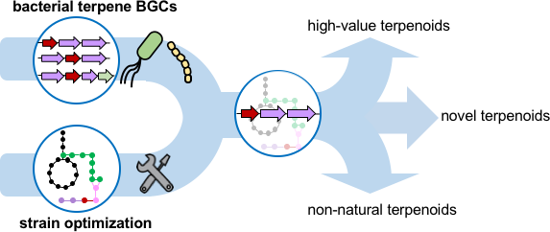
- further oxidation to carbonyls or carboxylates. Other reactions, such as epoxidation, ether bond formation, and structural rearrangement have also been reported (Figure 7). CYP114 in gibberellin (5) biosynthesis, for example, catalyzes the unique oxidation/six-membered to five-membered ring contraction of




Molecular recognition using tetralactam macrocycles with parallel aromatic sidewalls
Beilstein J. Org. Chem. 2019, 15, 1086–1095, doi:10.3762/bjoc.15.105
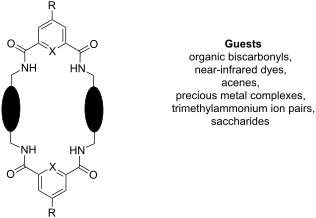
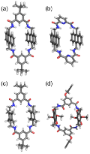
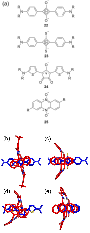
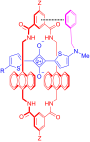
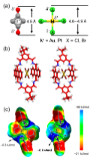
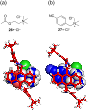
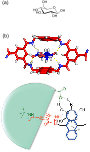
- , 4, and 6), (b) increased hydrogen-bonding-acceptor basicity which is obtained by replacing ester carbonyls with amide carbonyls (compare guest templates 7, 8 and 9), and (c) complementary distance between the two carbonyls (compare template 3 with 16). 3.2. Squaraine, thiosquaraine, croconaine, and




Synthesis of a novel category of pseudo-peptides using an Ugi three-component reaction of levulinic acid as bifunctional substrate, amines, and amino acid-based isocyanides
Beilstein J. Org. Chem. 2019, 15, 852–857, doi:10.3762/bjoc.15.82
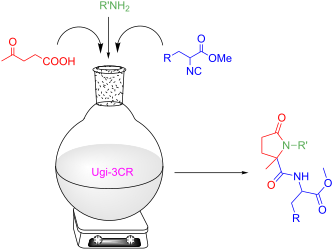
- show characteristic absorbance bands at 3200–3500 cm−1 for the N–H bond stretching vibration and at 1640–1750 cm−1 for two carbonyls of the amide groups and one carbonyl of the ester group. The 1H NMR spectra of the products show a characteristic peak at 6–7 ppm for the amide hydrogen and a peak as




Study on the regioselectivity of the N-ethylation reaction of N-benzyl-4-oxo-1,4-dihydroquinoline-3-carboxamide
Beilstein J. Org. Chem. 2019, 15, 388–400, doi:10.3762/bjoc.15.35

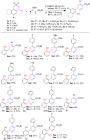
- negative charge due to the two conjugated carbonyls (C-4 and CONH) and the adjacent aromatic system. At least nine main resonance structures involved in charge dispersion can be identified for this species. The carboxamide conjugate base, on the other hand, has its charge dispersed by only two main


DABCO- and DBU-promoted one-pot reaction of N-sulfonyl ketimines with Morita–Baylis–Hillman carbonates: a sequential approach to (2-hydroxyaryl)nicotinate derivatives
Beilstein J. Org. Chem. 2018, 14, 2771–2778, doi:10.3762/bjoc.14.254

- contributions have been made by synthetic chemists to search for new method for the efficient synthesis and functionalization of pyridines. Among the most significant techniques are condensation reactions between reactive carbonyls and amines (namely Hantzsch [10] and Chichibabin pyridine synthesis [11][12
- -dicarbonyl compounds, and ammonium acetate promoted by acid under aerobic conditions [37][38]. Furthermore, Brønsted- and Lewis-acid-catalyzed cyclization reactions between β-enamino esters (derived from β-ketoesters and ammonium acetate) and alkynones/α,β-unsaturated carbonyls/in situ generated α,β



Carbonylonium ions: the onium ions of the carbonyl group
Beilstein J. Org. Chem. 2018, 14, 2568–2571, doi:10.3762/bjoc.14.233

- organylated) carbonyl (1) and hydroxy (or organyloxy) carbenium ion (2): two possible representations of the same intermediate. Oxacarbenium, oxocarbenium, oxycarbenium and carboxonium ions. Acid-catalyzed interconversion of carbonyls, hydrates, hemiacetals and acetals.


Quinolines from the cyclocondensation of isatoic anhydride with ethyl acetoacetate: preparation of ethyl 4-hydroxy-2-methylquinoline-3-carboxylate and derivatives
Beilstein J. Org. Chem. 2018, 14, 2529–2536, doi:10.3762/bjoc.14.229

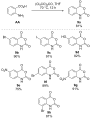
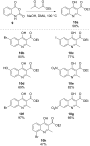
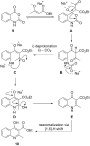
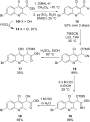
- quinolines of type 10 via C→D, the ethyl acetopyruvate has two carbonyls a and b as depicted in 13 that result in regioisomeric products upon ring closure. The desired quinoline 11 requires ring closure onto carbonyl b. To that end, ethyl sodioacetopyruvate was prepared via Claisen condensation of acetone




One-pot synthesis of epoxides from benzyl alcohols and aldehydes
Beilstein J. Org. Chem. 2018, 14, 2308–2312, doi:10.3762/bjoc.14.205

- into carbonyls [8][9][10][11][12][13][14][15][16][17], and application to cascade or domino reactions [18][19]. More recently, our group has used benzyl epoxides for the photoredox generation of carbonyl ylides which are leveraged in the synthesis of cyclic ethers [20]. This work has led us to search