


Search results
Search for "enamides" in Full Text gives 43 result(s) in Beilstein Journal of Organic Chemistry.
Photocatalytic formation of carbon–sulfur bonds
- Alexander Wimmer and
- Burkhard König
Beilstein J. Org. Chem. 2018, 14, 54–83, doi:10.3762/bjoc.14.4
- sodium sulfinates and enamides, applying Rose Bengal as photocatalyst and nitrobenzene as terminal oxidant (Scheme 43) [80]. In general, this procedure is suitable for the cross-coupling of a variety of substituted secondary enamides with alkyl, aryl and heteroaryl sodium sulfinate salts. Tertiary
- enamides could not be reacted with sodium sulfinates to yield the respective products. Wang and co-workers described a new method for the cyclization of phenyl propiolates with sulfinic acids, generating valuable coumarin derivatives in 2015 (Scheme 44) [81]. Visible-light irradiation of Eosin Y allows the
- ]. Two examples, norbonene and styrene, were presented and [Ru(bpy)3]Cl2 was used as photoredox catalyst. The groups of Zhang and Yu reported two additional photoredox-catalyzed methods for the sulfonylation of olefins. In their first paper they applied enamides as olefins, which were sulfonylated to the

Graphical Abstract

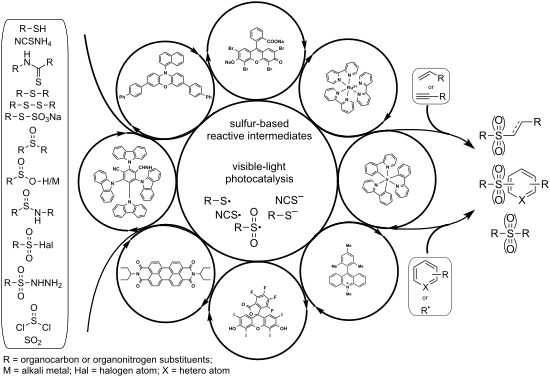
Scheme 1: General overview over the sulfur-based substrates and reactive intermediates that are discussed in ...
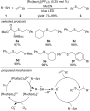
Scheme 2: Photoredox-catalyzed radical thiol–ene reaction, applying [Ru(bpz)3](PF6)2 as photocatalyst.

Scheme 3: Photoredox-catalyzed thiol–ene reaction of aliphatic thiols with alkenes enabled by aniline derivat...
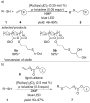
Scheme 4: Photoredox-catalyzed radical thiol–ene reaction for the postfunctionalization of polymers (a) and n...

Scheme 5: Photoredox-catalyzed thiol–ene reaction enabled by bromotrichloromethane as redox additive.
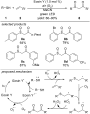
Scheme 6: Photoredox-catalyzed preparation of β-ketosulfoxides with Eosin Y as organic dye as photoredox cata...
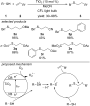
Scheme 7: Greaney’s photocatalytic radical thiol–ene reaction, applying TiO2 nanoparticles as photocatalyst.

Scheme 8: Fadeyi’s photocatalytic radical thiol–ene reaction, applying Bi2O3 as photocatalyst.

Scheme 9: Ananikov’s photocatalytic radical thiol-yne reaction, applying Eosin Y as photocatalyst.
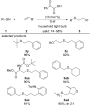
Scheme 10: Organocatalytic visible-light photoinitiated thiol–ene coupling, applying phenylglyoxylic acid as o...

Scheme 11: Xia’s photoredox-catalyzed synthesis of 2,3-disubstituted benzothiophenes, applying 9-mesityl-10-me...
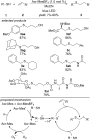
Scheme 12: Wang’s metal-free photoredox-catalyzed radical thiol–ene reaction, applying 9-mesityl-10-methylacri...

Scheme 13: Visible-light benzophenone-catalyzed metal- and oxidant-free radical thiol–ene reaction.
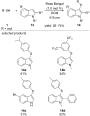
Scheme 14: Visible-light catalyzed C-3 sulfenylation of indole derivatives using Rose Bengal as organic dye.
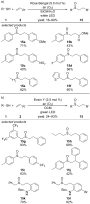
Scheme 15: Photocatalyzed radical thiol–ene reaction and subsequent aerobic sulfide-oxidation with Rose Bengal...
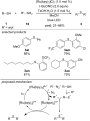
Scheme 16: Photoredox-catalyzed synthesis of diaryl sulfides.

Scheme 17: Photocatalytic cross-coupling of aryl thiols with aryl diazonium salts, using Eosin Y as photoredox...
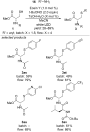
Scheme 18: Photocatalyzed cross-coupling of aryl diazonium salts with cysteines in batch and in a microphotore...
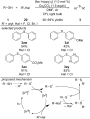
Scheme 19: Fu’s [Ir]-catalyzed photoredox arylation of aryl thiols with aryl halides.

Scheme 20: Fu’s photoredox-catalyzed difluoromethylation of aryl thiols.
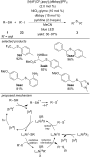
Scheme 21: C–S cross-coupling of thiols with aryl iodides via [Ir]-photoredox and [Ni]-dual-catalysis.
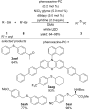
Scheme 22: C–S cross-coupling of thiols with aryl bromides, applying 3,7-bis-(biphenyl-4-yl)-10-(1-naphthyl)ph...
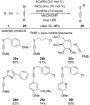
Scheme 23: Collin’s photochemical dual-catalytic cross-coupling of thiols with bromoalkynes.
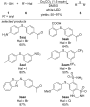
Scheme 24: Visible-light-promoted C–S cross-coupling via intermolecular electron donor–acceptor complex format...
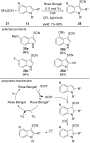
Scheme 25: Li’s visible-light photoredox-catalyzed thiocyanation of indole derivatives with Rose Bengal as pho...
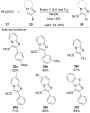
Scheme 26: Hajra’s visible-light photoredox-catalyzed thiocyanation of imidazoheterocycles with Eosin Y as pho...

Scheme 27: Wang’s photoredox-catalyzed thiocyanation reaction of indoles, applying heterogeneous TiO2/MoS2 nan...
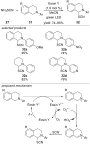
Scheme 28: Yadav’s photoredox-catalyzed α-C(sp3)–H thiocyanation reaction for tertiary amines, applying Eosin ...

Scheme 29: Yadav’s photoredox-catalyzed synthesis of 5-aryl-2-imino-1,3-oxathiolanes.

Scheme 30: Yadav’s photoredox-catalyzed synthesis of 1,3-oxathiolane-2-thiones.
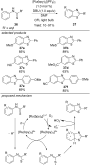
Scheme 31: Li’s photoredox catalysis for the preparation of 2-substituted benzothiazoles, applying [Ru(bpy)3](...
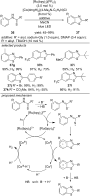
Scheme 32: Lei’s external oxidant-free synthesis of 2-substituted benzothiazoles by merging photoredox and tra...

Scheme 33: Metal-free photocatalyzed synthesis of 2-aminobenzothiazoles, applying Eosin Y as photocatalyst.

Scheme 34: Metal-free photocatalyzed synthesis of 1,3,4-thiadiazoles, using Eosin Y as photocatalyst.
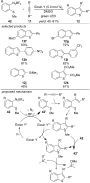
Scheme 35: Visible-light photoredox-catalyzed preparation of benzothiophenes with Eosin Y.

Scheme 36: Visible-light-induced KOH/DMSO superbase-promoted preparation of benzothiophenes.
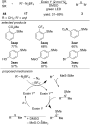
Scheme 37: Jacobi von Wangelin’s photocatalytic approach for the synthesis of aryl sulfides, applying Eosin Y ...

Scheme 38: Visible-light photosensitized α-C(sp3)–H thiolation of aliphatic ethers.

Scheme 39: Visible-light photocatalyzed cross-coupling of alkyl and aryl thiosulfates with aryl diazonium salt...
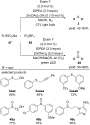
Scheme 40: Visible-light photocatalyzed, controllable sulfenylation and sulfoxidation with organic thiosulfate...

Scheme 41: Rastogi’s photoredox-catalyzed methylsulfoxidation of aryl diazonium salts, using [Ru(bpy)3]Cl2 as ...
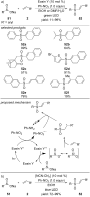
Scheme 42: a) Visible-light metal-free Eosin Y-catalyzed procedure for the preparation of vinyl sulfones from ...
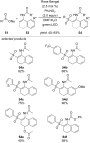
Scheme 43: Visible-light photocatalyzed cross-coupling of sodium sulfinates with secondary enamides.

Scheme 44: Wang’s photocatalyzed oxidative cyclization of phenyl propiolates with sulfinic acids, applying Eos...

Scheme 45: Lei’s sacrificial oxidant-free synthesis of allyl sulfones by merging photoredox and transition met...
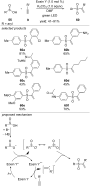
Scheme 46: Photocatalyzed Markovnikov-selective radical/radical cross-coupling of aryl sulfinic acids and term...

Scheme 47: Visible-light Eosin Y induced cross-coupling of aryl sulfinic acids and styrene derivatives, afford...
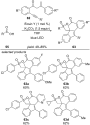
Scheme 48: Photoredox-catalyzed bicyclization of 1,7-enynes with sulfinic acids, applying Eosin Y as photocata...

Scheme 49: Visible-light-accelerated C–H-sulfinylation of arenes and heteroarenes.
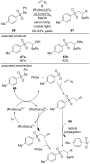
Scheme 50: Visible-light photoredox-catalyzed β-selenosulfonylation of electron-rich olefins, applying [Ru(bpy)...

Scheme 51: Photocatalyzed preparation of β-chlorosulfones from the respective olefins and p-toluenesulfonyl ch...
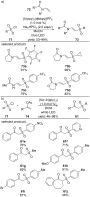
Scheme 52: a) Photocatalyzed preparation of β-amidovinyl sulfones from sulfonyl chlorides. b) Preparation of β...

Scheme 53: Visible-light photocatalyzed sulfonylation of aliphatic tertiary amines, applying [Ru(bpy)3](PF6)2 ...
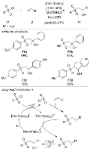
Scheme 54: Reiser’s visible-light photoredox-catalyzed preparation of β-hydroxysulfones from sulfonyl chloride...
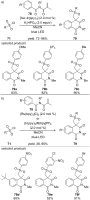
Scheme 55: a) Sun’s visible-light-catalyzed approach for the preparation of isoquinolinonediones, applying [fac...
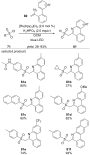
Scheme 56: Visible-light photocatalyzed sulfonylation/cyclization of vinyl azides, applying [Ru(bpy)3]Cl2 as p...

Scheme 57: Visible-light photocatalyzed procedure for the formation of β-ketosulfones from aryl sulfonyl chlor...

Scheme 58: Zheng’s method for the sulfenylation of indole derivatives, applying sulfonyl chlorides via visible...
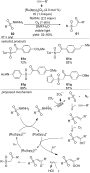
Scheme 59: Cai’s visible-light induced synthesis of β-ketosulfones from sulfonyl hydrazines and alkynes.

Scheme 60: Photoredox-catalyzed approach for the preparation of vinyl sulfones from sulfonyl hydrazines and ci...
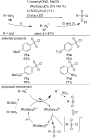
Scheme 61: Jacobi von Wangelin’s visible-light photocatalyzed chlorosulfonylation of anilines.
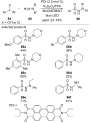
Scheme 62: Three-component photoredox-catalyzed synthesis of N-amino sulfonamides, applying PDI as organic dye....

Scheme 63: Visible-light induced preparation of complex sulfones from oximes, silyl enol ethers and SO2.
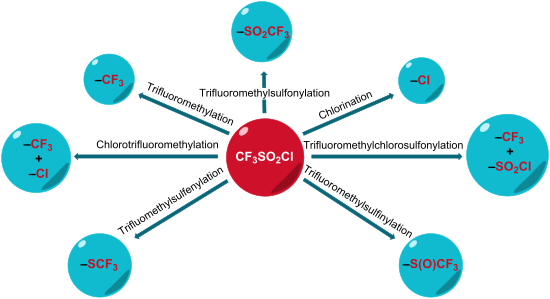
CF3SO2X (X = Na, Cl) as reagents for trifluoromethylation, trifluoromethylsulfenyl-, -sulfinyl- and -sulfonylation and chlorination. Part 2: Use of CF3SO2Cl
- Hélène Chachignon,
- Hélène Guyon and
- Dominique Cahard
Beilstein J. Org. Chem. 2017, 13, 2800–2818, doi:10.3762/bjoc.13.273
- reaction, in classical solvents or in an ionic liquid media, to yield the corresponding CF3 alkenes (Scheme 28) [35][36]. As for Yu, Zhang and co-workers, they described the trifluoromethylation of two enamides under photocatalytic conditions, using similar conditions as those they proposed for the
- trifluoromethylation of (hetero)arenes under photoredox catalysis. Direct C–H trifluoromethylation of five- and six-membered ring (hetero)arenes using heterogeneous catalysis. Trifluoromethylation of terminal olefins. Trifluoromethylation of enamides. (E)-Selective trifluoromethylation of β-nitroalkenes under

Graphical Abstract
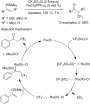
Scheme 1: Trifluoromethylation of silyl enol ethers.

Scheme 2: Continuous flow trifluoromethylation of ketones under photoredox catalysis.
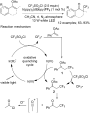
Scheme 3: Trifluoromethylation of enol acetates.

Scheme 4: Photoredox-catalysed tandem trifluoromethylation/cyclisation of N-arylacrylamides: a route to trifl...

Scheme 5: Tandem trifluoromethylation/cyclisation of N-arylacrylamides using BiOBr nanosheets catalysis.

Scheme 6: Photoredox-catalysed trifluoromethylation/desulfonylation/cyclisation of N-tosyl acrylamides (bpy: ...

Scheme 7: Photoredox-catalysed trifluoromethylation/aryl migration/desulfonylation of N-aryl-N-tosylacrylamid...

Scheme 8: Proposed mechanism for the trifluoromethylation/aryl migration/desulfonylation (/cyclisation) of N-...

Scheme 9: Photoredox-catalysed trifluoromethylation/cyclisation of N-methacryloyl-N-methylbenzamide derivativ...

Scheme 10: Photoredox-catalysed trifluoromethylation/cyclisation of N-methylacryloyl-N-methylbenzamide derivat...

Scheme 11: Photoredox-catalysed trifluoromethylation/dearomatising spirocyclisation of a N-benzylacrylamide de...

Scheme 12: Photoredox-catalysed trifluoromethylation/cyclisation of an unactivated alkene.

Scheme 13: Asymmetric radical aminotrifluoromethylation of N-alkenylurea derivatives using a dual CuBr/chiral ...

Scheme 14: Aminotrifluoromethylation of an N-alkenylurea derivative using a dual CuBr/phosphoric acid catalyti...

Scheme 15: 1,2-Formyl- and 1,2-cyanotrifluoromethylation of alkenes under photoredox catalysis.

Scheme 16: First simultaneous introduction of the CF3 moiety and a Cl atom onto alkenes.

Scheme 17: Chlorotrifluoromethylaltion of terminal, 1,1- and 1,2-substituted alkenes.

Scheme 18: Chorotrifluoromethylation of electron-deficient alkenes (DCE = dichloroethane).
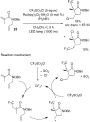
Scheme 19: Cascade trifluoromethylation/cyclisation/chlorination of N-allyl-N-(benzyloxy)methacrylamide.

Scheme 20: Cascade trifluoromethylation/cyclisation (/chlorination) of diethyl 2-allyl-2-(3-methylbut-2-en-1-y...

Scheme 21: Trifluoromethylchlorosulfonylation of allylbenzene derivatives and aliphatic alkenes.

Scheme 22: Access to β-hydroxysulfones from CF3-containing sulfonyl chlorides through a photocatalytic sequenc...
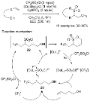
Scheme 23: Cascade trifluoromethylchlorosulfonylation/cyclisation reaction of alkenols: a route to trifluorome...

Scheme 24: First direct C–H trifluoromethylation of arenes and proposed mechanism.

Scheme 25: Direct C–H trifluoromethylation of five- and six-membered (hetero)arenes under photoredox catalysis....

Scheme 26: Alternative pathway for the C–H trifluoromethylation of (hetero)arenes under photoredox catalysis.

Scheme 27: Direct C–H trifluoromethylation of five- and six-membered ring (hetero)arenes using heterogeneous c...

Scheme 28: Trifluoromethylation of terminal olefins.

Scheme 29: Trifluoromethylation of enamides.

Scheme 30: (E)-Selective trifluoromethylation of β-nitroalkenes under photoredox catalysis.

Scheme 31: Photoredox-catalysed trifluoromethylation/cyclisation of an o-azidoarylalkynes.

Scheme 32: Regio- and stereoselective chlorotrifluoromethylation of alkynes.

Scheme 33: PMe3-mediated trifluoromethylsulfenylation by in situ generation of CF3SCl.

Scheme 34: (EtO)2P(O)H-mediated trifluoromethylsulfenylation of (hetero)arenes and thiols.

Scheme 35: PPh3/NaI-mediated trifluoromethylsulfenylation of indole derivatives.

Scheme 36: PPh3/n-Bu4NI mediated trifluoromethylsulfenylation of thiophenol derivatives.

Scheme 37: PPh3/Et3N mediated trifluoromethylsulfinylation of benzylamine.

Scheme 38: PCy3-mediated trifluoromethylsulfinylation of azaarenes, amines and phenols.

Scheme 39: Mono- and dichlorination of carbon acids.

Scheme 40: Monochlorination of (N-aryl-N-hydroxy)acylacetamides.

Scheme 41: Examples of the synthesis of heterocycles fused with β-lactams through a chlorination/cyclisation p...

Scheme 42: Enantioselective chlorination of β-ketoesters and oxindoles.

Scheme 43: Enantioselective chlorination of 3-acyloxazolidin-2-one derivatives (NMM = N-methylmorpholine).
Chiral phase-transfer catalysis in the asymmetric α-heterofunctionalization of prochiral nucleophiles
- Johannes Schörgenhumer,
- Maximilian Tiffner and
- Mario Waser
Beilstein J. Org. Chem. 2017, 13, 1753–1769, doi:10.3762/bjoc.13.170
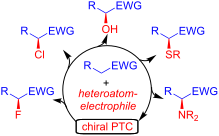
- that use SelectfluorTM (8) as a simple and highly reactive electrophilic F-transfer reagent. Besides fluoro-cyclizations of olefines [56], also the asymmetric α-fluorination of prochiral carbonyl compounds or analogues like enamides 7 has been carried out with remarkable enantioselectivities by using

Graphical Abstract

Scheme 1: Generally accepted ion-pairing mechanism between the chiral cation Q+ of a PTC and an enolate and s...

Scheme 2: Reported asymmetric α-fluorination of β-ketoesters 1 using different chiral PTCs.

Scheme 3: Asymmetric α-fluorination of benzofuranones 4 with phosphonium salt PTC F1.

Scheme 4: Asymmetric α-fluorination of 1 with chiral phosphate-based catalysts.

Scheme 5: Anionic PTC-catalysed α-fluorination of enamines 7 and ketones 10.

Scheme 6: PTC-catalysed α-chlorination reactions of β-ketoesters 1.

Scheme 7: Shioiri’s seminal report of the asymmetric α-hydroxylation of 15 with chiral ammonium salt PTCs.

Scheme 8: Asymmetric ammonium salt-catalysed α-hydroxylation using oxygen together with a P(III)-based reduct...

Scheme 9: Asymmetric ammonium salt-catalysed α-photooxygenations.

Scheme 10: Asymmetric ammonium salt-catalysed α-hydroxylations using organic oxygen-transfer reagents.

Scheme 11: Asymmetric triazolium salt-catalysed α-hydroxylation with in situ generated peroxy imidic acid 24.

Scheme 12: Phase-transfer-catalysed dearomatization of phenols and naphthols.

Scheme 13: Ishihara’s ammonium salt-catalysed oxidative cycloetherification.

Scheme 14: Chiral phase-transfer-catalysed α-sulfanylation reactions.

Scheme 15: Chiral phase-transfer-catalysed α-trifluoromethylthiolation of β-ketoesters 1.

Scheme 16: Chiral phase-transfer-catalysed α-amination of β-ketoesters 1 using diazocarboxylates 38.

Scheme 17: Asymmetric α-fluorination of benzofuranones 4 using diazocarboxylates 38 in the presence of phospho...

Scheme 18: Anionic phase-transfer-catalysed α-amination of β-ketoesters 1 with aryldiazonium salts 41.

Scheme 19: Triazolium salt L-catalysed α-amination of different prochiral nucleophiles with in situ activated ...

Scheme 20: Phase-transfer-catalysed Neber rearrangement.
Synergistic chiral iminium and palladium catalysis: Highly regio- and enantioselective [3 + 2] annulation reaction of 2-vinylcyclopropanes with enals
- Haipan Zhu,
- Peile Du,
- Jianjun Li,
- Ziyang Liao,
- Guohua Liu,
- Hao Li and
- Wei Wang
Beilstein J. Org. Chem. 2016, 12, 1340–1347, doi:10.3762/bjoc.12.127
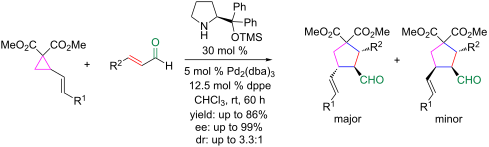
- the reaction with highly active dipolarophiles, such as electrophilic C=O [35], e.g., aldehydes [36][37][38], ketones [38][39], and imines [40], and nucleophilic enol ethers [38][41], enamides [42], and indoles [43]. Nonetheless, the reactions with the α,β-unsaturated aldehydes and ketones face

Graphical Abstract

Scheme 1: Catalytic regio- and enantioselective [3 + 2] annulation reactions of 2-vinylcyclopropanes with ena...

Scheme 2: Single X-ray crystal structures of 7h’ and 7h’’.

Scheme 3: The proposed transition states.
Synthesis of highly functionalized 2,2'-bipyridines by cyclocondensation of β-ketoenamides – scope and limitations
- Paul Hommes and
- Hans-Ulrich Reissig
Beilstein J. Org. Chem. 2016, 12, 1170–1177, doi:10.3762/bjoc.12.112
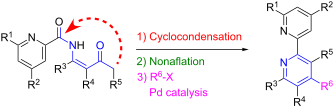
- formed. Instead, we isolated the trisubstituted oxazole derivative 6 in 55% yield. The scope of this reaction has not been studied by us, however it is known in the literature that enamides can undergo related oxidative cyclizations to oxazoles in the presence of the reagent cocktail employed or under

Graphical Abstract

Scheme 1: Synthesis of highly functionalized 2,2'-bipyridines 4a and 5b from symmetrical 1,3-diketones 1a and ...
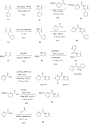
Scheme 2: Synthesis of β-ketoenamines 2c–e and of β-ketoenamides 3c–h.

Scheme 3: Synthesis of α-methoxy-β-ketoenamine 2i, its N-acylation to 3i and the reaction of β-ketoenamide 3a...

Scheme 4: Cyclizations of β-ketoenamide 3i leading to 2,2´-bipyridine derivative 4i or to the related 2-(2-py...

Scheme 5: Suzuki-couplings of 2,2'-bipyrid-4-yl nonaflates 5a and 5b to compounds 9 and 10.

Scheme 6: Palladium-catalyzed couplings of chloro-substituted 2,2'-bipyrid-4-yl nonaflate 5g leading to compo...
Studies on the synthesis of peptides containing dehydrovaline and dehydroisoleucine based on copper-mediated enamide formation
- Franziska Gille and
- Andreas Kirschning
Beilstein J. Org. Chem. 2016, 12, 564–570, doi:10.3762/bjoc.12.55
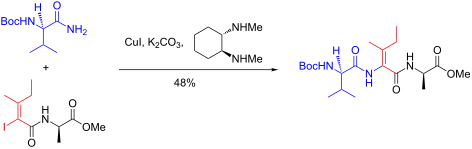
- conjugated alkene. Principally, enamides can also be prepared by the copper-mediated C–N coupling between a vinyl halide 6 and an amide 5 as reported by Ogawa and co-workers in 1991 [6]. Later, the group of Porco showed that copper(I) thiophencarboxylate is a suitable catalyst to promote this reaction in the

Graphical Abstract

Scheme 1: Selected examples of oligopeptides bearing dehydroamino acid moieties: myxovalargin (1), argyrin A (...

Scheme 2: The Buchwald cross-coupling reaction in the preparation of peptides containing dehydroamino acids 4....

Scheme 3: Syntheses of vinyl iodides 10 and 11.

Scheme 4: Preparation of vinyl iodides 24–29 (Cbz = benzyloxycarbonyl, Alloc = allyloxycarbonyl, Boc = tert-b...
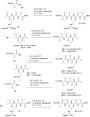
Scheme 5: Copper-mediated C–N cross-coupling of dehydropeptides 31–33, 36, 37, and 39–41.

Scheme 6: C–N coupling reaction between amide 43 and vinyl iodide 42; formation of dehydroisoleucine containi...
Hydrogenation of unactivated enamines to tertiary amines: rhodium complexes of fluorinated phosphines give marked improvements in catalytic activity
- Sergey Tin,
- Tamara Fanjul and
- Matthew L. Clarke
Beilstein J. Org. Chem. 2015, 11, 622–627, doi:10.3762/bjoc.11.70

- method to produce tertiary amines is by the hydrogenation of enamines. While the hydrogenations of enamides, bearing coordinating acyl substituents is probably the most developed and studied of all hydrogenation processes, studies on the hydrogenation of unactivated enamines are scarce and several

Graphical Abstract
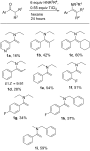
Scheme 1: Synthesis of enamines from ketones with percentage yields.

Scheme 2: Branched-selective intramolecular hydroaminovinylation (60% isolated yield of 1j).

Scheme 3: Conversion of 1e to 2e using ligands 4–9.
Cross-dehydrogenative coupling for the intermolecular C–O bond formation
- Igor B. Krylov,
- Vera A. Vil’ and
- Alexander O. Terent’ev
Beilstein J. Org. Chem. 2015, 11, 92–146, doi:10.3762/bjoc.11.13
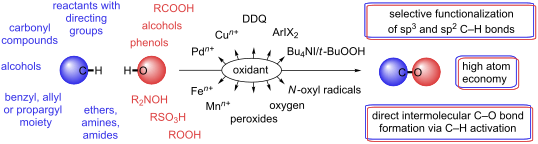

Graphical Abstract

Scheme 1: Cross-dehydrogenative coupling.

Scheme 2: Cross-dehydrogenative C–O coupling.

Scheme 3: Regioselective ortho-acetoxylation of meta-substituted arylpyridines and N-arylamides.
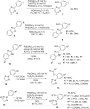
Scheme 4: ortho-Acyloxylation and alkoxylation of arenes directed by pyrimidine, benzoxazole, benzimidazole a...

Scheme 5: Cu(OAc)2/AgOTf/O2 oxidative system in the ortho-alkoxylation of arenes.
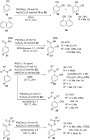
Scheme 6: Pd(OAc)2/persulfate oxidative system in the ortho-alkoxylation and acetoxylation of arenes with nit...
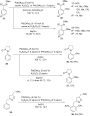
Scheme 7: ortho-Acetoxylation and methoxylation of O-methyl aryl oximes, N-phenylpyrrolidin-2-one, and (3-ben...

Scheme 8: Ruthenium-catalyzed ortho-acyloxylation of acetanilides.

Scheme 9: Acetoxylation and alkoxylation of arenes with amide directing group using Pd(OAc)2/PhI(OAc)2 oxidat...

Scheme 10: Alkoxylation of azoarenes, 2-aryloxypyridines, picolinamides, and N-(1-methyl-1-(pyridin-2-yl)ethyl...

Scheme 11: Acetoxylation of compounds containing picolinamide and quinoline-8-amine moieties using the Pd(OAc)2...

Scheme 12: (CuOH)2CO3 catalyzed oxidative ortho-etherification using air as oxidant.

Scheme 13: Copper-catalyzed aerobic alkoxylation and aryloxylation of arenes containing pyridine-N-oxide moiet...

Scheme 14: Cobalt-catalyzed aerobic alkoxylation of arenes and alkenes containing pyridine N-oxide moiety.

Scheme 15: Non-symmetric double-fold C–H ortho-acyloxylation.

Scheme 16: N-nitroso directed ortho-alkoxylation of arenes.

Scheme 17: Selective alkoxylation and acetoxylation of alkyl groups.

Scheme 18: Acetoxylation of 2-alkylpyridines and related compounds.
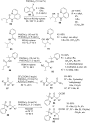
Scheme 19: Acyloxylation and alkoxylation of alkyl fragments of substrates containing amide or sulfoximine dir...

Scheme 20: Palladium-catalyzed double sp3 C–H alkoxylation of N-(quinolin-8-yl)amides for the synthesis of sym...

Scheme 21: Copper-catalyzed acyloxylation of methyl groups of N-(quinolin-8-yl)amides.

Scheme 22: One-pot acylation and sp3 C–H acetoxylation of oximes.

Scheme 23: Possible mechanism of oxidative esterification catalyzed by N-heterocyclic nucleophilic carbene.

Scheme 24: Oxidative esterification employing stoichiometric amounts of aldehydes and alcohols.

Scheme 25: Selective oxidative coupling of aldehydes with alcohols in the presence of amines.

Scheme 26: Iodine mediated oxidative esterification.

Scheme 27: Oxidative C–O coupling of benzyl alcohols with methylarenes under the action of Bu4NI/t-BuOOH syste...

Scheme 28: Oxidative coupling of methyl- and ethylarenes with aromatic aldehydes under the action of Bu4NI/t-B...

Scheme 29: Cross-dehydrogenative C–O coupling of aldehydes with t-BuOOH in the presence of Bu4NI.

Scheme 30: Bu4NI-catalyzed α-acyloxylation reaction of ethers and ketones with aldehydes and t-BuOOH.

Scheme 31: Oxidative coupling of aldehydes with N-hydroxyimides and hexafluoroisopropanol.

Scheme 32: Oxidative coupling of alcohols with N-hydroxyimides.

Scheme 33: Oxidative coupling of aldehydes and primary alcohols with N-hydroxyimides using (diacetoxyiodo)benz...

Scheme 34: Proposed mechanism of the oxidative coupling of aldehydes and N-hydroxysuccinimide under action of ...

Scheme 35: Oxidative coupling of aldehydes with pivalic acid (172).

Scheme 36: Oxidative C–O coupling of aldehydes with alkylarenes using the Cu(OAc)2/t-BuOOH system.

Scheme 37: Copper-catalyzed acyloxylation of C(sp3)-H bond adjacent to oxygen in ethers using benzyl alcohols.

Scheme 38: Oxidative C–O coupling of aromatic aldehydes with cycloalkanes.

Scheme 39: Ruthenium catalyzed cross-dehydrogenative coupling of primary and secondary alcohols.

Scheme 40: Cross-dehydrogenative C–O coupling reactions of β-dicarbonyl compounds with sulfonic acids, acetic ...

Scheme 41: Acyloxylation of ketones, aldehydes and β-dicarbonyl compounds using carboxylic acids and Bu4NI/t-B...

Scheme 42: Acyloxylation of ketones using Bu4NI/t-BuOOH system.

Scheme 43: Cross-dehydrogenative C–O coupling of β-dicarbonyl compounds and their heteroanalogues with N-hydro...

Scheme 44: Cross-dehydrogenative C–O coupling of β-dicarbonyl compounds and their heteroanalogues with t-BuOOH....

Scheme 45: Oxidative C–O coupling of 2,6-dialkylphenyl-β-keto esters and thioesters with tert-butyl hydroxycar...

Scheme 46: α’-Acyloxylation of α,β-unsaturated ketones using KMnO4.

Scheme 47: Possible mechanisms of the acetoxylation at the allylic position of alkenes by Pd(OAc)2.

Scheme 48: Products of the oxidation of terminal alkenes by Pd(II)/AcOH/oxidant system.

Scheme 49: Acyloxylation of terminal alkenes with carboxylic acids.

Scheme 50: Synthesis of linear E-allyl esters by cross-dehydrogenative coupling of terminal alkenes wih carbox...

Scheme 51: Pd(OAc)2-catalyzed acetoxylation of Z-vinyl(triethylsilanes).

Scheme 52: α’-Acetoxylation of α-acetoxyalkenes with copper(II) chloride in acetic acid.

Scheme 53: Oxidative acyloxylation at the allylic position of alkenes and at the benzylic position of alkylare...

Scheme 54: Copper-catalyzed alkoxylation of methylheterocyclic compounds using di-tert-butylperoxide as oxidan...

Scheme 55: Oxidative C–O coupling of methylarenes with β-dicarbonyl compounds or phenols.

Scheme 56: Copper-catalyzed esterification of methylbenzenes with cyclic ethers and cycloalkanes.

Scheme 57: Oxidative C–O coupling of carboxylic acids with toluene catalyzed by Pd(OAc)2.

Scheme 58: Oxidative acyloxylation at the allylic position of alkenes with carboxylic acids using the Bu4NI/t-...

Scheme 59: Cross-dehydrogenative C–O coupling of carboxylic acids with alkylarenes using the Bu4NI/t-BuOOH sys...

Scheme 60: Oxidative C–O cross-coupling of methylarenes with ethyl or isopropylarenes.

Scheme 61: Phosphorylation of benzyl C–H bonds using the Bu4NI/t-BuOOH oxidative system.

Scheme 62: Selective C–H acetoxylation of 2,3-disubstituted indoles.

Scheme 63: Acetoxylation of benzylic position of alkylarenes using DDQ as oxidant.

Scheme 64: C–H acyloxylation of diarylmethanes, 3-phenyl-2-propen-1-yl acetate and dimethoxyarene using DDQ.

Scheme 65: Cross-dehydrogenative C–O coupling of 1,3-diarylpropylenes and 1,3-diarylpropynes with alcohols.

Scheme 66: One-pot azidation and C–H acyloxylation of 3-chloro-1-arylpropynes.

Scheme 67: Cross-dehydrogenative C–O coupling of 1,3-diarylpropylenes, (E)-1-phenyl-2-isopropylethylene and is...

Scheme 68: Cross-dehydrogenative C–O coupling of alkylarenes and related compounds with N-hydroxyphthalimide.

Scheme 69: Acetoxylation at the benzylic position of alkylarenes mediated by N-hydroxyphthalimide.

Scheme 70: C–O coupling of methylarenes with aromatic carboxylic acids employing the NaBrO3/NaHSO3 system.

Scheme 71: tert-Butyl peroxidation of allyl, propargyl and benzyl ethers catalyzed by Fe(acac)3.

Scheme 72: Cross-dehydrogenative C–O coupling of ethers with carboxylic acids mediated by Bu4NI/t-BuOOH system....

Scheme 73: Oxidative acyloxylation of dimethylamides and dioxane with 2-aryl-2-oxoacetic acids accompanied by ...

Scheme 74: tert-Butyl peroxidation of N-benzylamides and N-allylbenzamide using the Bu4NI/t-BuOOH system.

Scheme 75: Cross-dehydrogenative C–O coupling of aromatic carboxylic acids with ethers using Fe(acac)3 as cata...

Scheme 76: Cross-dehydrogenative C–O coupling of cyclic ethers with 2-hydroxybenzaldehydes using iron carbonyl...
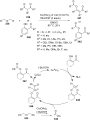
Scheme 77: Cross-dehydrogenative C–O coupling of ethers with β-dicarbonyl compounds and phenols using copper c...

Scheme 78: Cross-dehydrogenative C–O coupling of 2-hydroxybenzaldehyde with dioxane catalyzed by Cu2(BPDC)2(BP...

Scheme 79: Ruthenium chloride-catalyzed acyloxylation of β-lactams.

Scheme 80: Ruthenium-catalyzed tert-butyl peroxydation amides and acetoxylation of β-lactams.

Scheme 81: PhI(OAc)2-mediated α,β-diacetoxylation of tertiary amines.

Scheme 82: Electrochemical oxidative methoxylation of tertiary amines.

Scheme 83: Cross-dehydrogenative C–O coupling of ketene dithioacetals with carboxylic acids in the presence of...

Scheme 84: Cross-dehydrogenative C–O coupling of enamides with carboxylic acids using iodosobenzene as oxidant....

Scheme 85: Oxidative alkoxylation, acetoxylation, and tosyloxylation of acylanilides using PhI(O(O)CCF3)2 in t...

Scheme 86: Proposed mechanism of the oxidative C–O coupling of actetanilide with O-nucleophiles in the presenc...

Scheme 87: Three-component coupling of aldehydes, anilines and alcohols involving oxidative intermolecular C–O...

Scheme 88: Oxidative coupling of phenols with alcohols.

Scheme 89: 2-Acyloxylation of quinoline N-oxides with arylaldehydes in the presence of the CuOTf/t-BuOOH syste...

Scheme 90: Cross-dehydrogenative C–O coupling of azoles with primary alcohols.

Scheme 91: Oxidation of dipyrroles to dipyrrins and subsequent oxidative alkoxylation in the presence of Na3Co...

Scheme 92: Oxidative dehydrogenative carboxylation of alkanes and cycloalkanes to allylic esters.

Scheme 93: Pd-catalyzed acetoxylation of benzene.
Aza-Diels–Alder reaction between N-aryl-1-oxo-1H-isoindolium ions and tert-enamides: Steric effects on reaction outcome
- Amitabh Jha,
- Ting-Yi Chou,
- Zainab ALJaroudi,
- Bobby D. Ellis and
- T. Stanley Cameron
Beilstein J. Org. Chem. 2014, 10, 848–857, doi:10.3762/bjoc.10.81
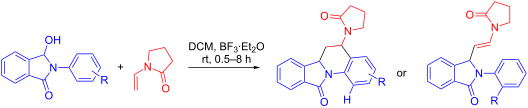
- and Diels–Alder cascade. Concomitant electrophilic aromatic substitution and dehydration resulted in isoquinoloquinoline derivatives [22]. Similarly, isoindoloquinolines were also synthesized via classical Povarov chemistry between furyl aldimines and tert-enamides followed by a N-acryloylation, Diels
- (series 1 and 2) from 1-oxo-2-aryl-1H-isoindolium ions (A) and appropriate tert-enamides (Scheme 1). Although this is the first report of the use of tert-enamides as a dienophile for the hetero-Diels–Alder reaction with N-acyliminium cations, formation of isoindoloquinolines (series 1 and 2) was rather
- expected based on literature reports [11][12][13][14][15][16][17]. The unpredicted formation of E-2-(2-substituted-aryl)-3-(2-(2-oxopyrrolidin-1-yl)vinyl)isoindolin-1-ones (series 3, Figure 1) from N-(2-substituted-aryl)-1-oxo-1H-isoindolium ions (A) and tert-enamides under identical conditions forms the

Graphical Abstract

Figure 1: Pyridoisoindole frameworks (highlighted) in bioactive molecules and compounds under present investi...

Scheme 1: Comparison of the retro-synthetic approach for the synthesis of isoindoloquinoline skeleton reporte...

Scheme 2: Mechanistic explanation for regio- and diastereoselectivity leading to (±)-6,6a-dihydroisoindolo[2,...

Figure 2: ORTEP diagrams and 2D structures for the isoindolo[2,1-a]quinolone derivatives 1b, 1h and 2b.

Figure 3: ORTEP diagram and 2D structure of E-2-(2-fluorophenyl)-3-(2-(2-oxopyrrolidin-1-yl)vinyl)isoindolin-...

Scheme 3: Most plausible mechamism for the formation of E-2-(2-substituted-phenyl)-3-(2-(2-oxopyrrolidin-1-yl...
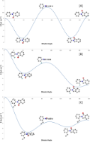
Figure 4: Rotational barrier calculation across N-aryl bond for the N-acyliminium ion intermediates of 1a [A]...
The Flögel-three-component reaction with dicarboxylic acids – an approach to bis(β-alkoxy-β-ketoenamides) for the synthesis of complex pyridine and pyrimidine derivatives
- Mrinal K. Bera,
- Moisés Domínguez,
- Paul Hommes and
- Hans-Ulrich Reissig
Beilstein J. Org. Chem. 2014, 10, 394–404, doi:10.3762/bjoc.10.37
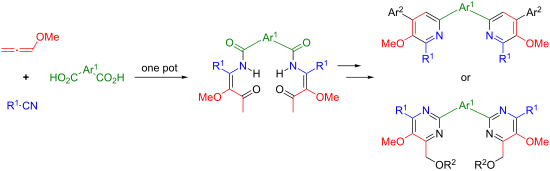
- these enamides to 4-hydroxypyridine derivatives or to functionalized pyrimidines efficiently provided symmetrically and unsymmetrically substituted fairly complex (hetero)aromatic compounds containing up to six conjugated aryl and hetaryl groups. In addition, subsequent functionalizations of the
- E- and Z-configured enamide moieties [51][52], finally leading to identical products. After these successful multicomponent reactions we investigated the intramolecular condensations of the bis(β-ketoenamides) 13–15 to pyridine and pyrimidine derivatives. Enamides 13 and 14 were treated with

Graphical Abstract

Scheme 1: Flögel-three-component reaction of lithiated alkoxyallenes, nitriles and carboxylic acids providing...

Scheme 2: Synthesis of bis(β-ketoenamides) 13–15 by three-component reactions of lithiated methoxyallene 8 wi...

Scheme 3: Cyclocondensations of β-ketoenamides 13 and 14 to 4-hydroxypyridines 16, 18a and 18b, their subsequ...

Scheme 4: Cyclocondensations of β-ketoenamides 13–15 with ammonium acetate to bis(pyrimidine) derivatives 23a...

Scheme 5: Conversion of mono-pyrimidine derivative 24b into unsymmetrically substituted biphenylen-bridged py...

Scheme 6: Condensation of β-ketoenamides 14 and 20 with hydroxylamine hydrochloride to pyridine-N-oxides 28 a...

Scheme 7: Riley oxidation of bis(pyrimidine) derivative 23a and conversion of diol 32a into macrocycle 34.

Figure 1: Optimized geometries of (a) E-configured and (b) Z-configured macrocycle 34 at B3LYP/6-31G(d,p) lev...

Scheme 8: Dihydroxylation of the macrocyclic olefin 34 to diol 35 and subsequent esterification to the bis-(R...
Regio- and stereoselective carbometallation reactions of N-alkynylamides and sulfonamides
- Yury Minko,
- Morgane Pasco,
- Helena Chechik and
- Ilan Marek
Beilstein J. Org. Chem. 2013, 9, 526–532, doi:10.3762/bjoc.9.57

- : carbometallation; enamides; organocopper; regiochemistry; ynamides; Introduction Due to a strong differentiation of electron density on the two sp-hybridized carbon atoms, N-alkynylamides (ynamides) have become attractive substrates involved in many synthetically useful transformations [1][2][3][4]. The
- ynamides to be of easy access to the whole synthetic community [8][9][10][11][12][13][14]. Similarly, enamides are another important class of substrates involved in numerous applications in organic synthesis [5][15]. As one of the most straightforward and well-developed methods to generate polysubstituted
- a α/β ratio of 18:82. When N-alkynylamide 4 was treated under our copper-catalyzed carbomagnesiation conditions (conditions B), enamides 6 were similarly obtained as a pure α-isomer. Although this transformation requires higher temperature, yields are usually better than in reactions with the

Graphical Abstract

Scheme 1: Possible regioisomers obtained in the carbocupration reaction of α-heterosubstituted acetylenes 1.

Scheme 2: Regioselective carbometallation of N-alkynylsulfonamide 2.

Scheme 3: Regioselective carbometallation of ynamide 4.

Scheme 4: Regioselective carbometallation of cyclic N-alkynylcarbamate 7.

Figure 1: Molecular structure of 9f (hydrogen atoms except of H9 and H10 are omitted for clarity).
Facile synthesis of functionalized tetrahydroquinolines via domino Povarov reactions of arylamines, methyl propiolate and aromatic aldehydes
- Jing Sun,
- Hong Gao,
- Qun Wu and
- Chao-Guo Yan
Beilstein J. Org. Chem. 2012, 8, 1839–1843, doi:10.3762/bjoc.8.211

- dienophiles, vinyl enol ethers, vinyl enamides, vinyl sulfides, cyclopentadienes, indenes, alkynes and enamines have been mostly used in this method [12][13][14][15][16][17][18][19][20][21][22]. β-Enamino esters [23][24][25][26], which may be readily generated in situ by the addition of a primary amine to
- ]. However, a survey of literature reveals that a Povarov reaction with in situ generated β-enamino ester as dienophile has not been reported until now. Recently, Zhu and Masson successfully developed three-component Povarov reactions using enamides as dienophiles leading to a highly efficient synthesis of

Graphical Abstract

Scheme 1: Synthesis of polysubstituted tetrahydroquinolines 1a–1m.

Figure 1: Molecular structure of compound 1c.
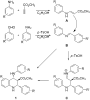
Scheme 2: The proposed mechanism of domino Povarov reaction.
A quantitative approach to nucleophilic organocatalysis
- Herbert Mayr,
- Sami Lakhdar,
- Biplab Maji and
- Armin R. Ofial
Beilstein J. Org. Chem. 2012, 8, 1458–1478, doi:10.3762/bjoc.8.166
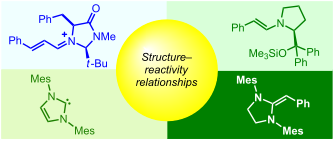
- Figure 2 [60]. General base catalysis appeared also to be essential for iminium activated reactions of α,β-unsaturated aldehydes with enamides 17. By studying the kinetics of the reactions of enamides 17 with benzhydrylium ions 18 (Figure 11) we determined the reactivity parameters N and sN for these π
- -nucleophiles, which are listed in Figure 12 [61]. Figure 12 shows that the nucleophilicities N of the enamides 17 are comparable to those of silylated enol ethers, in between those of allylsilanes and enamines. Accordingly, we expected them to react readily with the iminium ions 3 at room temperature. However
- , when the iminium triflates or hexafluorophosphates 3a and 3b (~ 5 × 10⁻⁵ M) were combined with 25 equivalents of the enamides 17b and 17g in CH2Cl2 or CH3CN, no consumption of the iminium ions was observed [61]. These reactions took place in the presence of 2,6-lutidine, however, indicating the need of

Graphical Abstract

Figure 1: Second-order rate constants for reactions of electrophiles with nucleophiles.

Figure 2: Mechanism of amine-catalyzed conjugate additions of nucleophiles [23-28].

Figure 3: Kinetics of the reactions of the iminium ion 3a with the silylated ketene acetal 7a [35].

Figure 4: Laser flash photolytic generation of iminium ions 3a.
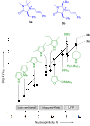
Figure 5: Correlations of the reactivities of the iminium ions 3a and 3b toward nucleophiles with the corresp...
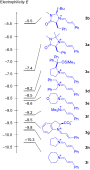
Figure 6: Comparison of the electrophilicities of cinnamaldehyde-derived iminium ions 3a–3i.

Figure 7: Nucleophiles used in iminium activated reactions [35,42,44-52].
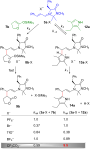
Figure 8: Counterion effects in electrophilic reactions of iminium ions 3a-X (at 20 °C, silyl ketene acetal 7b...

Figure 9: Comparison of calculated and experimental rate constants of electrophilic aromatic substitutions wi...

Figure 10: Aza-Michael additions of the imidazoles 15 with the iminium ion 3a [58].

Figure 11: Plots of log k2 for the reactions of enamides 17a–17e with the benzhydrylium ions 18a–d in CH3CN at...
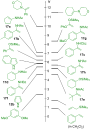
Figure 12: Comparison of the nucleophilicities of enamides 17 with those of several other C nucleophiles (solv...

Figure 13: Experimental and calculated rate constants k2 for the reactions of 17b and 17g with 3a and 3b in th...

Figure 14: Comparison between experimental and calculated (Equation 1) cyclopropanation rate constants [64].

Figure 15: Electrostatic activation of iminium activated cyclopropanations with sulfur ylides.
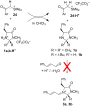
Figure 16: Sulfur ylides inhibit the formation of iminium ions.

Figure 17: Enamine activation [65].

Figure 18: Electrophilicity parameters E for classes of compounds that have been used as electrophilic substra...

Figure 19: Quantification of the nucleophilic reactivities of the enamines 32a–e in acetonitrile (20 °C) [83]; a d...

Figure 20: Proposed transition states for the stereogenic step in proline-catalyzed reactions.

Figure 21: Kinetic evidence for the anchimeric assistance of the electrophilic attack by the carboxylate group....

Figure 22: Differentiation of nucleophilicity and Lewis basicity (in acetonitrile at 20 °C): Rate (left) and e...

Figure 23: NHCs 41, 42, and 43 are moderately active nucleophiles and exceptionally strong Lewis bases (methyl...

Figure 24: Nucleophilic reactivities of the deoxy Breslow intermediates 45 in THF at 20 °C [107].

Figure 25: Comparison of the proton affinities (PA, from [107]) of the diaminoethylenes 47a–c with the methyl catio...

Figure 26: Berkessel’s synthesis of a Breslow intermediate (51, keto tautomer) from carbene 43 [112].

Figure 27: Synthesis of O-methylated Breslow intermediates [114].
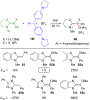
Figure 28: Relative reactivities of deoxy- and O-methylated Breslow intermediates [114].
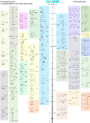
Figure 29: Reactivity scales for electrophiles and nucleophiles relevant for organocatalytic reactions (refere...
Recent advances in the gold-catalyzed additions to C–C multiple bonds
- He Huang,
- Yu Zhou and
- Hong Liu
Beilstein J. Org. Chem. 2011, 7, 897–936, doi:10.3762/bjoc.7.103
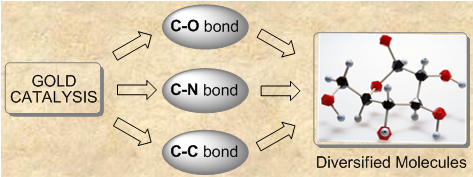
- obtained in all cases. A similar Markovnikov hydroamination [59] could also be achieved via an intermolecular hydroamination of allenamides 123 with arylamines under mild AuPPh3OTf catalysis conditions to furnish allylamino (E)-enamides stereoselectively (Scheme 22). Hesp and co-workers have identified a
- and mild synthesis of enamides (193–196) by a gold-catalyzed nucleophilic addition to allenamides 191 (Scheme 36) [87]. For example, treatment of allenamide and 1-methylindole with 5.0 mol % of PPh3AuNTf2 in CH2Cl2 at room temperature gave the corresponding enamide in 83% yield. Gold-catalyzed direct

Graphical Abstract

Scheme 1: Gold-catalyzed addition of alcohols.
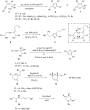
Scheme 2: Gold-catalyzed cycloaddition of alcohols.

Scheme 3: Ionic liquids as the solvent in gold-catalyzed cycloaddition.

Scheme 4: Gold-catalyzed cycloaddition of diynes.

Scheme 5: Gold(I) chloride catalyzed cycloisomerization of 2-alkynyl-1,5-diols.

Scheme 6: Gold-catalyzed cycloaddition of glycols and dihydroxy compounds.

Scheme 7: Gold-catalyzed ring-opening of cyclopropenes.

Scheme 8: Gold-catalyzed intermolecular hydroalkoxylation of alkynes. PR3 = 41–45.

Scheme 9: Gold-catalyzed intramolecular 6-endo-dig cyclization of β-hydroxy-α,α-difluoroynones.

Scheme 10: Gold-catalyzed intermolecular hydroalkoxylation of non-activated olefins.

Scheme 11: Preparation of unsymmetrical ethers from alcohols.

Scheme 12: Expedient synthesis of dihydrofuran-3-ones.

Scheme 13: Catalytic approach to functionalized divinyl ketones.
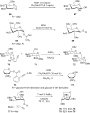
Scheme 14: Gold-catalyzed glycosylation.

Scheme 15: Gold-catalyzed cycloaddition of aldehydes and ketones.

Scheme 16: Gold-catalyzed annulations of 2-(ynol)aryl aldehydes and o-alkynyl benzaldehydes.

Scheme 17: Gold-catalyzed addition of carboxylates.

Scheme 18: Dual-catalyzed rearrangement reaction of allenoates.

Scheme 19: Meyer–Schuster rearrangement of propargylic alcohols.

Scheme 20: Propargylic alcohol rearrangements.

Scheme 21: Gold-catalyzed synthesis of imines and amine alkylation.

Scheme 22: Hydroamination of allenes and allenamides.

Scheme 23: Gold-catalyzed inter- and intramolecular amination of alkynes and alkenes.

Scheme 24: Gold-catalyzed cycloisomerization of O-propioloyl oximes and β-allenylhydrazones.

Scheme 25: Intra- and intermolecular amination with ureas.

Scheme 26: Gold-catalyzed cyclization of ortho-alkynyl-N-sulfonylanilines and but-3-yn-1-amines.

Scheme 27: Gold-catalyzed piperidine ring synthesis.

Scheme 28: Ring expansion of alkylnyl cyclopropanes.

Scheme 29: Gold-catalyzed annulations of N-propargyl-β-enaminones and azomethine imines.
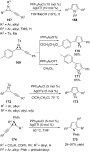
Scheme 30: Gold(I)-catalyzed cycloisomerization of aziridines.

Scheme 31: AuCl3/AgSbF6-catalyzed intramolecular amination of 2-(tosylamino)phenylprop-1-en-3-ols.

Scheme 32: Gold-catalyzed cyclization via a 7-endo-dig pathway.

Scheme 33: Gold-catalyzed synthesis of fused xanthines.

Scheme 34: Gold-catalyzed synthesis of amides and isoquinolines.

Scheme 35: Gold-catalyzed oxidative cross-coupling reactions of propargylic acetates.

Scheme 36: Gold-catalyzed nucleophilic addition to allenamides.

Scheme 37: Gold-catalyzed direct carbon–carbon bond coupling reactions.

Scheme 38: Gold-catalyzed C−H functionalization of indole/pyrrole heterocycles and non-activated arenes.

Scheme 39: Gold-catalyzed cycloisomerization of cyclic compounds.

Scheme 40: Gold-catalyzed cycloaddition of 1-aryl-1-allen-6-enes and propargyl acetates.

Scheme 41: Gold(I)-catalyzed cycloaddition with ligand-controlled regiochemistry.

Scheme 42: Gold(I)-catalyzed cycloaddition of dienes and enynes.

Scheme 43: Gold-catalyzed intramolecular cycloaddition of 3-alkoxy-1,5-enynes and 2,2-dipropargylmalonates.

Scheme 44: Gold-catalyzed intramolecular cycloaddition of 1,5-allenynes.

Scheme 45: Gold(I)-catalyzed cycloaddition of indoles.

Scheme 46: Gold-catalyzed annulation reactions.

Scheme 47: Gold–carbenoid induced cleavage of a sp3-hybridized C−H bond.

Scheme 48: Furan- and indole-based cascade reactions.

Scheme 49: Tandem process using aromatic alkynes.

Scheme 50: Gold-catalyzed cycloaddition of 1,3-dien-5-ynes.

Scheme 51: Gold-catalyzed cascade cyclization of diynes, propargylic esters, and 1,3-enynyl ketones.

Scheme 52: Tandem reaction of β-phenoxyimino ketones and alkynyl oxime ethers.

Scheme 53: Gold-catalyzed tandem cyclization of enynes, 2-(tosylamino)phenylprop-1-yn-3-ols, and allenoates.

Scheme 54: Cyclization of 2,4-dien-6-yne carboxylic acids.
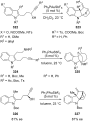
Scheme 55: Gold(I)-catalyzed tandem cyclization approach to tetracyclic indolines.
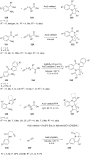
Scheme 56: Gold-catalyzed tandem reactions of alkynes.
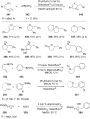
Scheme 57: Aminoarylation and oxyarylation of alkenes.

Scheme 58: Cycloaddition of 2-ethynylnitrobenzene with various alkenes.

Scheme 59: Gold-catalyzed tandem reactions of allenoates and alkynes.

Scheme 60: Gold-catalyzed asymmetric synthesis of 2,3-dihydropyrroles.

Scheme 61: Chiral [NHC–Au(I)]-catalyzed cyclization of enyne.
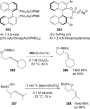
Scheme 62: Gold-catalyzed hydroaminations and hydroalkoxylations.

Scheme 63: Gold(I)-catalyzed asymmetric hydroalkoxylation of 1,3-dihydroxymethyl-2-alkynylbenzene chromium com...

Scheme 64: Gold-catalyzed synthesis of julolidine derivatives.

Scheme 65: Gold-catalyzed the synthesis of chiral fused heterocycles.

Scheme 66: Gold-catalyzed asymmetric reactions with 3,5-(t-Bu)2-4-MeO-MeOBIPHEP.

Scheme 67: Gold-catalyzed cyclization of o-(alkynyl) styrenes.

Scheme 68: Asymmetric gold(I)-catalyzed redox-neutral domino reactions of enynes.

Scheme 69: Gold(I)-catalyzed enantioselective polyene cyclization reaction.

Scheme 70: Gold(I)-catalyzed enantioselective synthesis of benzopyrans.

Scheme 71: Gold(I)-catalyzed enantioselective ring expansion of allenylcyclopropanols.
The arene–alkene photocycloaddition
- Ursula Streit and
- Christian G. Bochet
Beilstein J. Org. Chem. 2011, 7, 525–542, doi:10.3762/bjoc.7.61
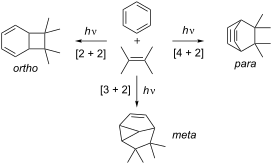
- mechanism involves the reaction of the olefin with the ipso position of the aromatic ring affording a spiro biradical intermediate. Recombination of these radicals proceeds further until formation of the final compound. Some years later, Kohmoto showed that similar enamides linked to a naphthyl moiety

Graphical Abstract

Scheme 1: Photochemistry of benzene.

Scheme 2: Three distinct modes of photocycloaddition of arenes to alkenes.

Scheme 3: Mode selectivity with respect of the free enthalpy of the radical ion pair formation.

Scheme 4: Photocycloaddition shows lack of mode selectivity.

Scheme 5: Mechanism of the meta photocycloaddition.

Scheme 6: Evidence of biradiacal involved in meta photocycloaddition by Reedich and Sheridan.

Scheme 7: Regioselectivity with electron withdrawing and electron donating substituents.

Scheme 8: Closure of cyclopropyl ring affords regioisomers.

Scheme 9: Endo versus exo product in the photocycloaddition of pentene to anisole [33].

Scheme 10: Regio- and stereoselectivity in the photocycloaddition of cyclopentene with a protected isoindoline....

Scheme 11: 2,6- and 1,3-addition in intramolecular approach.

Scheme 12: Linear and angularly fused isomers can be obtained upon intramolecular 1,3-addition.

Scheme 13: Synthesis of α-cedrene via diastereoselective meta photocycloaddition.

Scheme 14: Asymmetric meta photocycloaddition introduced by chirality of tether at position 2.

Scheme 15: Enantioselective meta photocycloaddition in β-cyclodextrin cavity.

Scheme 16: Vinylcyclopropane–cyclopentene rearrangement.

Scheme 17: Further diversification possibilities of the meta photocycloaddition product.

Scheme 18: Double [3 + 2] photocycloaddition reaction affording fenestrane.

Scheme 19: Total synthesis of Penifulvin B.

Scheme 20: Towards the total synthesis of Lacifodilactone F.

Scheme 21: Regioselectivity of ortho photocycloaddition in polarized intermediates.

Scheme 22: Exo and endo selectivity in ortho photocycloaddition.

Scheme 23: Ortho photocycloaddition of alkanophenones.

Scheme 24: Photocycloadditions to naphtalenes usually in an [2 + 2] mode [79].

Scheme 25: Ortho photocycloaddition followed by rearrangements.

Scheme 26: Stable [2 + 2] photocycloadducts.

Scheme 27: Ortho photocycloadditions with alkynes.

Scheme 28: Intramolecular ortho photocycloaddition and rearrangement thereof.

Scheme 29: Intramolecular ortho photocycloaddition to access propellanes.

Scheme 30: Para photocycloaddition with allene.

Scheme 31: Photocycloadditions of dianthryls.

Scheme 32: Photocycloaddition of enone with benzene.

Scheme 33: Intramolecular photocycloaddition affording multicyclic compounds via [4 + 2].

Scheme 34: Photocycloaddition described by Sakamoto et al.

Scheme 35: Proposed mechanism by Sakamoto et al.

Scheme 36: Photocycloaddition described by Jones et al.

Scheme 37: Proposed mechanism for the formation of benzoxepine by Jones et al.

Scheme 38: Photocycloaddition observed by Griesbeck et al.

Scheme 39: Mechanism proposed by Griesbeck et al.

Scheme 40: Intramolecular photocycloaddition of allenes to benzaldehydes.
An efficient and practical entry to 2-amido-dienes and 3-amido-trienes from allenamides through stereoselective 1,3-hydrogen shifts
- Ryuji Hayashi,
- John B. Feltenberger,
- Andrew G. Lohse,
- Mary C. Walton and
- Richard P. Hsung
Beilstein J. Org. Chem. 2011, 7, 410–420, doi:10.3762/bjoc.7.53
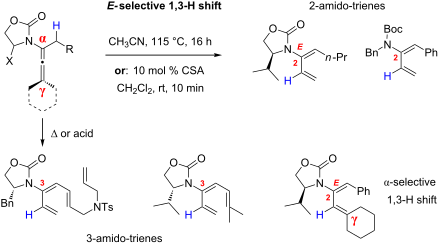
- ][41][42][43], for earlier studies on allenamides see [44][45][46]) can open the door to construct synthetically useful amido-dienes (for a review on the synthesis of enamides see [47], for reviews on the chemistry of dienamides see [48][49][50], for reviews on the chemistry of 2-amino or 2-amido

Graphical Abstract

Scheme 1: 1,3-Hydrogen shifts of allenes.

Scheme 2: Synthesizing amido-dienes from allenamides.

Scheme 3: Synthesis of 1-amido-dienes from allenamides.

Figure 1: X-ray Structure of 10b.

Figure 2: Proposed mechanistic models.

Scheme 4: A favored pro-E TS.

Scheme 5: Unexpected competing 1,7-hydrogen shifts.

Scheme 6: Applications in pericyclic ring-closure.

Scheme 7: Cyclic 2-amido-diene synthesis.
Recent advances in carbocupration of α-heterosubstituted alkynes
- Ahmad Basheer and
- Ilan Marek
Beilstein J. Org. Chem. 2010, 6, No. 77, doi:10.3762/bjoc.6.77

- change the stereochemical outcome of the reaction. Representative examples are given in this mini-review. Keywords: alkynes; carbocupration; enamides; regioselectivity; stereoselectivity; syn-addition; vinylcopper; ynamides; ynol ether; Review The addition of a carbon-metal bond of an organometallic

Graphical Abstract

Scheme 1: General scheme for the carbocupration reaction.

Scheme 2: Regioselectivity in the carbocupration reaction.

Scheme 3: Carbocupration of α-alkoxyalkynes.

Scheme 4: Carbocupration of substituted α-alkoxyalkynes.

Scheme 5: Formation of the branched isomer.

Scheme 6: Formation of the linear isomer.

Scheme 7: Carbocupration of O-alkynyl carbamates.

Scheme 8: Carbocupration of ynamines.

Scheme 9: Carbocupration of ynamide.

Scheme 10: Formation of aldol products possessing stereogenic quaternary carbon centers.

Scheme 11: Carbocupration of alkynyl sulfonamide.

Scheme 12: Tandem carbocupration-sigmatropic rearrangement.

Scheme 13: Silylcupration of alkynyl sulfonamides.

Scheme 14: Carbocupration of P-substituted alkynes.

Scheme 15: Carbocupration of alkynylphosphonates.

Scheme 16: Carbocupration of thioalkynes.

Scheme 17: Tandem carbocupration-1,2-metalate rearrangement.

Scheme 18: Carbocupration with functionalized organocopper species.

Scheme 19: Carbocupration of alkynyl sulfoxides.

Scheme 20: Carbocupration of alkynyl sulfones.

Scheme 21: Carbocupration of alkynyl sulfoximines.

Scheme 22: Carbocupration of alkynylsilanes.

Scheme 23: Carbocupration of functionalized alkynylsilanes.

Scheme 24: Silyl- and stannyl cupration of silyl- and stannylalkynes.
A divergent asymmetric approach to aza-spiropyran derivative and (1S,8aR)-1-hydroxyindolizidine
- Jian-Feng Zheng,
- Wen Chen,
- Su-Yu Huang,
- Jian-Liang Ye and
- Pei-Qiang Huang
Beilstein J. Org. Chem. 2007, 3, No. 41, doi:10.1186/1860-5397-3-41
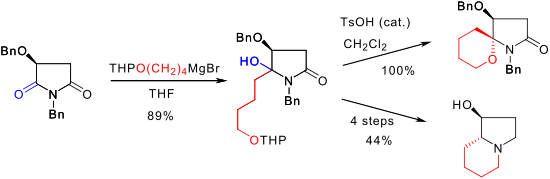
- to N,O-dibenzyl malimide (4) leads to N,O-acetals 5 in high regioselectivity (Scheme 2), and the subsequent reductive dehydroxylation gives 6 in high trans-diastereoselectivity.[35] On the other hand, treatment of N,O-acteals 5 with an acid furnished enamides E, which can be transformed
- -hydroxyindolizidine skeleton (ent-3) can be constructed in a concise and selective manner. It is worthy of mention that in addition to the reductive dehydroxylation leading to 2-pyrrolidinones 6, and the acid-promoted dehydration leading to (E)-enamides E (and then F, G), acid treatment of the N,O-acetal 5a could

Graphical Abstract
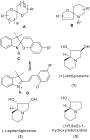
Scheme 1: The skeletons of useful aza-spiroketals and some naturally occurring hydroxylated indolizidines.
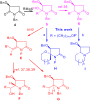
Scheme 2: Synthetic strategy based on N,O-dibenzylmalimide (4).

Scheme 3: Stereoselectivity synthesis of aza-spiropyran 7.

Figure 1: The observed NOE correlations (in part) and the region expanded NOESY spectrum of compound 7.

Scheme 4: Stereoselective synthesis of (1S,8aR)-1-hydroxyindolizidine (ent-3).

Scheme 5: One-pot synthesis of ent-3 from amino alcohol 8.



