


Search results
Search for "phosphine ligand" in Full Text gives 71 result(s) in Beilstein Journal of Organic Chemistry.
Recent advances on the transition-metal-catalyzed synthesis of imidazopyridines: an updated coverage
- Gagandeep Kour Reen,
- Ashok Kumar and
- Pratibha Sharma
Beilstein J. Org. Chem. 2019, 15, 1612–1704, doi:10.3762/bjoc.15.165
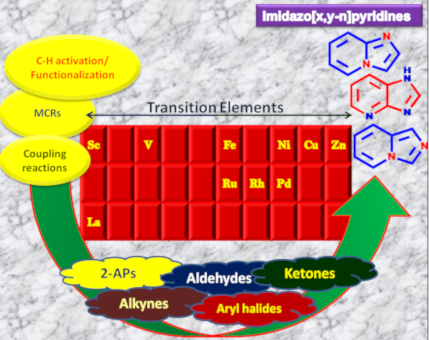

Graphical Abstract

Figure 1: Various drugs having IP nucleus.

Figure 2: Participation percentage of various TMs for the syntheses of IPs.

Scheme 1: CuI–NaHSO4·SiO2-catalyzed synthesis of imidazo[1,2-a]pyridines.

Scheme 2: Experimental examination of reaction conditions.

Scheme 3: One-pot tandem reaction for the synthesis of 2-haloimidazopyridines.

Scheme 4: Mechanistic scheme for the synthesis of 2-haloimidazopyridine.

Scheme 5: Copper-MOF-catalyzed three-component reaction (3-CR) for imidazo[1,2-a]pyridines.

Scheme 6: Mechanism for copper-MOF-driven synthesis.

Scheme 7: Heterogeneous synthesis via titania-supported CuCl2.

Scheme 8: Mechanism involving oxidative C–H functionalization.

Scheme 9: Heterogeneous synthesis of IPs.

Scheme 10: One-pot regiospecific synthesis of imidazo[1,2-a]pyridines.

Scheme 11: Vinyl azide as an unprecedented substrate for imidazo[1,2-a]pyridines.

Scheme 12: Radical pathway.

Scheme 13: Cu(I)-catalyzed transannulation approach for imidazo[1,5-a]pyridines.

Scheme 14: Plausible radical pathway for the synthesis of imidazo[1,5-a]pyridines.

Scheme 15: A solvent-free domino reaction for imidazo[1,2-a]pyridines.

Scheme 16: Cu-NPs-mediated synthesis of imidazo[1,2-a]pyridines.

Scheme 17: CuI-catalyzed synthesis of isoxazolylimidazo[1,2-a]pyridines.

Scheme 18: Functionalization of 4-bromo derivative via Sonogashira coupling reaction.

Scheme 19: A plausible reaction pathway.

Scheme 20: Cu(I)-catalyzed intramolecular oxidative C–H amidation reaction.

Scheme 21: One-pot synthetic reaction for imidazo[1,2-a]pyridine.

Scheme 22: Plausible reaction mechanism.

Scheme 23: Cu(OAc)2-promoted synthesis of imidazo[1,2-a]pyridines.

Scheme 24: Mechanism for aminomethylation/cycloisomerization of propiolates with imines.

Scheme 25: Three-component synthesis of imidazo[1,2-a]pyridines.

Figure 3: Scope of pyridin-2(1H)-ones and acetophenones.

Scheme 26: CuO NPS-promoted A3 coupling reaction.

Scheme 27: Cu(II)-catalyzed C–N bond formation reaction.

Scheme 28: Mechanism involving Chan–Lam/Ullmann coupling.

Scheme 29: Synthesis of formyl-substituted imidazo[1,2-a]pyridines.

Scheme 30: A tandem sp3 C–H amination reaction.

Scheme 31: Probable mechanistic approach.

Scheme 32: Dual catalytic system for imidazo[1,2-a]pyridines.

Scheme 33: Tentative mechanism.

Scheme 34: CuO/CuAl2O4/ᴅ-glucose-promoted 3-CCR.

Scheme 35: A tandem CuOx/OMS-2-based synthetic strategy.

Figure 4: Biomimetic catalytic oxidation in the presence of electron-transfer mediators (ETMs).

Scheme 36: Control experiment.

Scheme 37: Copper-catalyzed C(sp3)–H aminatin reaction.

Scheme 38: Reaction of secondary amines.

Scheme 39: Probable mechanistic pathway.

Scheme 40: Coupling reaction of α-azidoketones.

Scheme 41: Probable pathway.

Scheme 42: Probable mechanism with free energy calculations.

Scheme 43: MCR for cyanated IP synthesis.

Scheme 44: Substrate scope for the reaction.

Scheme 45: Reaction mechanism.

Scheme 46: Probable mechanistic pathway for Cu/ZnAl2O4-catalyzed reaction.

Scheme 47: Copper-catalyzed double oxidative C–H amination reaction.

Scheme 48: Application towards different coupling reactions.

Scheme 49: Reaction mechanism.

Scheme 50: Condensation–cyclization approach for the synthesis of 1,3-diarylated imidazo[1,5-a]pyridines.

Scheme 51: Optimized reaction conditions.

Scheme 52: One-pot 2-CR.

Scheme 53: One-pot 3-CR without the isolation of chalcone.

Scheme 54: Copper–Pybox-catalyzed cyclization reaction.

Scheme 55: Mechanistic pathway catalyzed by Cu–Pybox complex.

Scheme 56: Cu(II)-promoted C(sp3)-H amination reaction.

Scheme 57: Wider substrate applicability for the reaction.

Scheme 58: Plausible reaction mechanism.

Scheme 59: CuI assisted C–N cross-coupling reaction.

Scheme 60: Probable reaction mechanism involving sp3 C–H amination.

Scheme 61: One-pot MCR-catalyzed by CoFe2O4/CNT-Cu.

Scheme 62: Mechanistic pathway.

Scheme 63: Synthetic scheme for 3-nitroimidazo[1,2-a]pyridines.

Scheme 64: Plausible mechanism for CuBr-catalyzed reaction.

Scheme 65: Regioselective synthesis of halo-substituted imidazo[1,2-a]pyridines.

Scheme 66: Synthesis of 2-phenylimidazo[1,2-a]pyridines.

Scheme 67: Synthesis of diarylated compounds.

Scheme 68: CuBr2-mediated one-pot two-component oxidative coupling reaction.

Scheme 69: Decarboxylative cyclization route to synthesize 1,3-diarylimidazo[1,5-a]pyridines.

Scheme 70: Mechanistic pathway.

Scheme 71: C–H functionalization reaction of enamines to produce diversified heterocycles.

Scheme 72: A plausible mechanism.

Scheme 73: CuI-promoted aerobic oxidative cyclization reaction of ketoxime acetates and pyridines.

Scheme 74: CuI-catalyzed pathway for the formation of imidazo[1,2-a]pyridine.

Scheme 75: Mechanistic pathway.

Scheme 76: Mechanistic rationale for the synthesis of products.

Scheme 77: Copper-catalyzed synthesis of vinyloxy-IP.

Scheme 78: Regioselective product formation with propiolates.

Scheme 79: Proposed mechanism for vinyloxy-IP formation.

Scheme 80: Regioselective synthesis of 3-hetero-substituted imidazo[1,2-a]pyridines with different reaction su...

Scheme 81: Mechanistic pathway.

Scheme 82: CuI-mediated synthesis of 3-formylimidazo[1,2-a]pyridines.

Scheme 83: Radical pathway for 3-formylated IP synthesis.

Scheme 84: Pd-catalyzed urea-cyclization reaction for IPs.

Scheme 85: Pd-catalyzed one-pot-tandem amination and intramolecular amidation reaction.

Figure 5: Scope of aniline nucleophiles.

Scheme 86: Pd–Cu-catalyzed Sonogashira coupling reaction.

Scheme 87: One-pot amide coupling reaction for the synthesis of imidazo[4,5-b]pyridines.

Scheme 88: Urea cyclization reaction for the synthesis of two series of pyridines.

Scheme 89: Amidation reaction for the synthesis of imidazo[4,5-b]pyridines.

Figure 6: Amide scope.

Scheme 90: Pd NPs-catalyzed 3-component reaction for the synthesis of 2,3-diarylated IPs.

Scheme 91: Plausible mechanistic pathway for Pd NPs-catalyzed MCR.

Scheme 92: Synthesis of chromenoannulated imidazo[1,2-a]pyridines.

Scheme 93: Mechanism for the synthesis of chromeno-annulated IPs.

Scheme 94: Zinc oxide NRs-catalyzed synthesis of imidazo[1,2-a]azines/diazines.

Scheme 95: Zinc oxide-catalyzed isocyanide based GBB reaction.

Scheme 96: Reaction pathway for ZnO-catalyzed GBB reaction.

Scheme 97: Mechanistic pathway.

Scheme 98: ZnO NRs-catalyzed MCR for the synthesis of imidazo[1,2-a]azines.

Scheme 99: Ugi type GBB three-component reaction.

Scheme 100: Magnetic NPs-catalyzed synthesis of imidazo[1,2-a]pyridines.

Scheme 101: Regioselective synthesis of 2-alkoxyimidazo[1,2-a]pyridines catalyzed by Fe-SBA-15.

Scheme 102: Plausible mechanistic pathway for the synthesis of 2-alkoxyimidazopyridine.

Scheme 103: Iron-catalyzed synthetic approach.

Scheme 104: Iron-catalyzed aminooxygenation reaction.

Scheme 105: Mechanistic pathway.

Scheme 106: Rh(III)-catalyzed double C–H activation of 2-substituted imidazoles and alkynes.

Scheme 107: Plausible reaction mechanism.

Scheme 108: Rh(III)-catalyzed non-aromatic C(sp2)–H bond activation–functionalization for the synthesis of imid...

Scheme 109: Reactivity and selectivity of different substrates.

Scheme 110: Rh-catalyzed direct C–H alkynylation by Li et al.

Scheme 111: Suggested radical mechanism.

Scheme 112: Scandium(III)triflate-catalyzed one-pot reaction and its mechanism for the synthesis of benzimidazo...

Scheme 113: RuCl3-assisted Ugi-type Groebke–Blackburn condensation reaction.

Scheme 114: C-3 aroylation via Ru-catalyzed two-component reaction.

Scheme 115: Regioselective synthetic mechanism.

Scheme 116: La(III)-catalyzed one-pot GBB reaction.

Scheme 117: Mechanistic approach for the synthesis of imidazo[1,2-a]pyridines.

Scheme 118: Synthesis of imidazo[1,2-a]pyridine using LaMnO3 NPs under neat conditions.

Scheme 119: Mechanistic approach.

Scheme 120: One-pot 3-CR for regioselective synthesis of 2-alkoxy-3-arylimidazo[1,2-a]pyridines.

Scheme 121: Formation of two possible products under optimization of the catalysts.

Scheme 122: Mechanistic strategy for NiFe2O4-catalyzed reaction.

Scheme 123: Two-component reaction for synthesizing imidazodipyridiniums.

Scheme 124: Mechanistic scheme for the synthesis of imidazodipyridiniums.

Scheme 125: CuI-catalyzed arylation of imidazo[1,2-a]pyridines.

Scheme 126: Mechanism for arylation reaction.

Scheme 127: Cupric acetate-catalyzed double carbonylation approach.

Scheme 128: Radical mechanism for double carbonylation of IP.

Scheme 129: C–S bond formation reaction catalyzed by cupric acetate.

Scheme 130: Cupric acetate-catalyzed C-3 formylation approach.

Scheme 131: Control experiments for signifying the role of DMSO and oxygen.

Scheme 132: Mechanism pathway.

Scheme 133: Copper bromide-catalyzed CDC reaction.

Scheme 134: Extension of the substrate scope.

Scheme 135: Plausible radical pathway.

Scheme 136: Transannulation reaction for the synthesis of imidazo[1,5-a]pyridines.

Scheme 137: Plausible reaction pathway for denitrogenative transannulation.

Scheme 138: Cupric acetate-catalyzed C-3 carbonylation reaction.

Scheme 139: Plausible mechanism for regioselective C-3 carbonylation.

Scheme 140: Alkynylation reaction at C-2 of 3H-imidazo[4,5-b]pyridines.

Scheme 141: Two-way mechanism for C-2 alkynylation of 3H-imidazo[4,5-b]pyridines.

Scheme 142: Palladium-catalyzed SCCR approach.

Scheme 143: Palladium-catalyzed Suzuki coupling reaction.

Scheme 144: Reaction mechanism.

Scheme 145: A phosphine free palladium-catalyzed synthesis of C-3 arylated imidazopyridines.

Scheme 146: Palladium-mediated Buchwald–Hartwig cross-coupling reaction.

Figure 7: Structure of the ligands optimized.

Scheme 147: Palladium acetate-catalyzed direct arylation of imidazo[1,2-a]pyridines.

Scheme 148: Palladium acetate-catalyzed mechanistic pathway.

Scheme 149: Palladium acetate-catalyzed regioselective arylation reported by Liu and Zhan.

Scheme 150: Mechanism for selective C-3 arylation of IP.

Scheme 151: Pd(II)-catalyzed alkenylation reaction with styrenes.

Scheme 152: Pd(II)-catalyzed alkenylation reaction with acrylates.

Scheme 153: A two way mechanism.

Scheme 154: Double C–H activation reaction catalyzed by Pd(OAc)2.

Scheme 155: Probable mechanism.

Scheme 156: Palladium-catalyzed decarboxylative coupling.

Scheme 157: Mechanistic cycle for decarboxylative arylation reaction.

Scheme 158: Ligand-free approach for arylation of imidazo[1,2-a]pyridine-3-carboxylic acids.

Scheme 159: Mechanism for ligandless arylation reaction.

Scheme 160: NHC-Pd(II) complex assisted arylation reaction.

Scheme 161: C-3 arylation of imidazo[1,2-a]pyridines with aryl bromides catalyzed by Pd(OAc)2.

Scheme 162: Pd(II)-catalyzed C-3 arylations with aryl tosylates and mesylates.

Scheme 163: CDC reaction for the synthesis of imidazo[1,2-a]pyridines.

Scheme 164: Plausible reaction mechanism for Pd(OAc)2-catalyzed synthesis of imidazo[1,2-a]pyridines.

Scheme 165: Pd-catalyzed C–H amination reaction.

Scheme 166: Mechanism for C–H amination reaction.

Scheme 167: One-pot synthesis for 3,6-di- or 2,3,6-tri(hetero)arylimidazo[1,2-a]pyridines.

Scheme 168: C–H/C–H cross-coupling reaction of IPs and azoles catalyzed by Pd(II).

Scheme 169: Mechanistic cycle.

Scheme 170: Rh-catalyzed C–H arylation reaction.

Scheme 171: Mechanistic pathway for C–H arylation of imidazo[1,2-a]pyridine.

Scheme 172: Rh(III)-catalyzed double C–H activation of 2-phenylimidazo[1,2-a]pyridines and alkynes.

Scheme 173: Rh(III)-catalyzed mechanistic pathway.

Scheme 174: Rh(III)-mediated oxidative coupling reaction.

Scheme 175: Reactions showing functionalization of the product obtained by the group of Kotla.

Scheme 176: Mechanism for Rh(III)-catalyzed oxidative coupling reaction.

Scheme 177: Rh(III)-catalyzed C–H activation reaction.

Scheme 178: Mechanistic cycle.

Scheme 179: Annulation reactions of 2-arylimidazo[1,2-a]pyridines and alkynes.

Scheme 180: Two-way reaction mechanism for annulations reaction.

Scheme 181: [RuCl2(p-cymene)]2-catalyzed C–C bond formation reaction.

Scheme 182: Reported reaction mechanism.

Scheme 183: Fe(III) catalyzed C-3 formylation approach.

Scheme 184: SET mechanism-catalyzed by Fe(III).

Scheme 185: Ni(dpp)Cl2-catalyzed KTC coupling.

Scheme 186: Pd-catalyzed SM coupling.

Scheme 187: Vanadium-catalyzed coupling of IP and NMO.

Scheme 188: Mechanistic cycle.

Scheme 189: Selective C3/C5–H bond functionalizations by mono and bimetallic systems.

Scheme 190: rGO-Ni@Pd-catalyzed C–H bond arylation of imidazo[1,2-a]pyridine.

Scheme 191: Mechanistic pathway for heterogeneously catalyzed arylation reaction.

Scheme 192: Zinc triflate-catalyzed coupling reaction of substituted propargyl alcohols.
Aqueous olefin metathesis: recent developments and applications
- Valerio Sabatino and
- Thomas R. Ward
Beilstein J. Org. Chem. 2019, 15, 445–468, doi:10.3762/bjoc.15.39
- , the presence of a Brønsted acid led to the protonation of one phosphine ligand rather than reacting with the ruthenium alkylidene moiety. Scavenging of the trialkylphosphine moiety resulted in a more active complex capable of initiating the ROMP of 2,3-difunctionalized norbornadienes and 7-oxo

Graphical Abstract

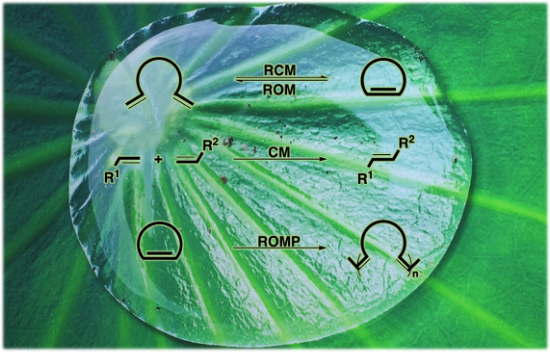
Scheme 1: Most common metathesis reactions. Ring-opening metathesis polymerization (ROMP), acyclic diene meta...

Scheme 2: Catalytic cycle for metathesis proposed by Chauvin.
Figure 1: Some of the most representative catalysts for aqueous metathesis. a) Well-defined ruthenium catalys...

Scheme 3: First aqueous ROMP reactions catalyzed by ruthenium(III) salts.

Scheme 4: Degradation pathway of first generation Grubbs catalyst (G-I) in methanol.

Scheme 5: Synthesis of Blechert-type catalysts 19 and 20.

Figure 2: Chemical structure and components of amphiphilic molecule PTS and derivatives.

Scheme 6: RCM of selected substrates in the presence of the surfactant PTS. Conditionsa: The reaction was car...

Scheme 7: RCM reactions of substrates 31 and 33 with the encapsulated G-II catalyst.

Scheme 8: Living ROMP of norbornene derivatives 35 and 36 with phosphine-based catalysts bearing quaternary a...

Scheme 9: Synthesis of water-soluble catalysts 3 and 4 bearing quaternary ammonium tags.

Scheme 10: In situ formation of catalyst 5 bearing a quaternary ammonium group.

Scheme 11: Catalyst recycling of an ammonium-bearing catalyst.

Scheme 12: Removal of the water-soluble catalyst 12 through host–guest interaction with silica-gel-supported β...

Scheme 13: Selection of artificial metathases reported by Ward and co-workers (ArM 1 based on biotin–(strept)a...

Figure 3: In vivo metathesis with an artificial metalloenzyme based on the biotin–streptavidin technology.

Scheme 14: Artificial metathase based on covalent anchoring approach. α-Chymotrypsin interacts with catalyst 66...

Scheme 15: Assembling an artificial metathase (ArM 4) based on the small heat shock protein from M. Jannaschii...

Scheme 16: Artificial metathases based on cavity-size engineered β-barrel protein nitrobindin (NB4exp). The HG...

Scheme 17: Artificial metathase based on cutinase (ArM 8) and resulting metathesis activities.

Scheme 18: Site-specific modification of proteins via aqueous cross-metathesis. The protein structure is based...

Scheme 19: a) Allyl homocysteine (Ahc)-modified proteins as CM substrates. b) Incorporation of Ahc in the Fc p...

Scheme 20: On-DNA cross-metathesis reaction of allyl sulfide 99.

Scheme 21: Preparation of BODIPY-containing profluorescent probes 102 and 104.

Scheme 22: Metathesis-based ethylene detection in live cells.

Scheme 23: First example of stapled peptides via olefin metathesis.
The influence of the cationic carbenes on the initiation kinetics of ruthenium-based metathesis catalysts; a DFT study
- Magdalena Jawiczuk,
- Angelika Janaszkiewicz and
- Bartosz Trzaskowski
Beilstein J. Org. Chem. 2018, 14, 2872–2880, doi:10.3762/bjoc.14.266
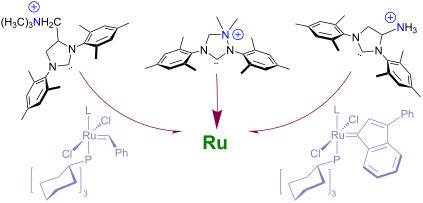
- generation Grubbs catalyst (GrI) and M1 indenylidene catalyst (Ind). New complexes were formed by replacing one PCy3 phosphine ligand with the cationic NHC 1–3 (Scheme 1). We considered only the dissociative mechanism of initiation, in agreement with the numerous reports on the initiation of Grubbs catalyst
- [57], but we also considered the possibility of cationic carbene dissociation as the first step of the metathesis catalytic cycle (Scheme 3). The results of the computational study are presented in Table 2 and show that in all cases the energy barriers for the dissociation of phosphine ligand (∆G2

Graphical Abstract

Scheme 1: NHC’s and their ruthenium complexes studied in this work; L = carbene 1, 2 or 3.

Scheme 2: Schematic representation of carbene dimerization and atom numbering scheme used throughout this wor...
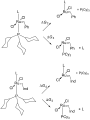
Scheme 3: Dissociative mechanism of initiation for Grubbs-like 1–3-GrI and M1 indenylidene type complexes 1–3...
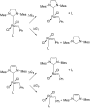
Scheme 4: Dissociative mechanism of initiation of 2nd generation Grubbs-like saturated 1–3-GrII and unsaturat...

Scheme 5: Dissociative mechanism of activation for complexes 1–3-Hov; L = carbene 1, 2 or 3.
Photocatalyic Appel reaction enabled by copper-based complexes in continuous flow
- Clémentine Minozzi,
- Jean-Christophe Grenier-Petel,
- Shawn Parisien-Collette and
- Shawn K. Collins
Beilstein J. Org. Chem. 2018, 14, 2730–2736, doi:10.3762/bjoc.14.251
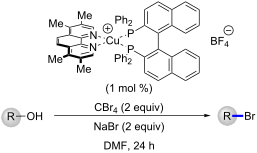
- heteroleptic copper(I)-based complexes for photocatalysis. Evaluation of the library of copper-based complexes in photocatalytic alcohol→bromide conversion. Reactions irradiated with 394 nm light (pink) or 450 nm (blue). Front entries without an indicated phosphine ligand pertain to homoleptic Cu(diamine)2BF4

Graphical Abstract
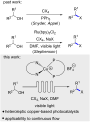
Figure 1: Alcohol→bromide functional group transformations.

Figure 2: Ligands used in the library generation of heteroleptic copper(I)-based complexes for photocatalysis....
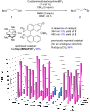
Figure 3: Evaluation of the library of copper-based complexes in photocatalytic alcohol→bromide conversion. R...

Figure 4: Experimental set-up for the photocatalytic conversion of alcohols to bromides. PFA tubing is wrappe...

Scheme 1: Copper-based photocatalysis for photocatalytic synthesis of an anhydride.
Hypervalent organoiodine compounds: from reagents to valuable building blocks in synthesis
- Gwendal Grelier,
- Benjamin Darses and
- Philippe Dauban
Beilstein J. Org. Chem. 2018, 14, 1508–1528, doi:10.3762/bjoc.14.128
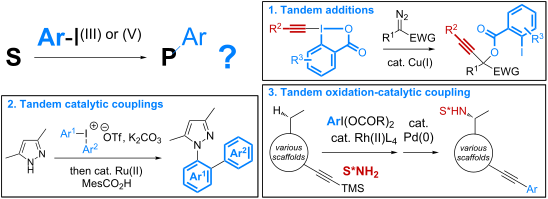
- reductive elimination. Starting from the ortho-N-(acyl)diaryl-λ3-iodanes 57, a combination of copper and palladium catalysis, in the presence of a phosphine ligand, induces the internal O-arylation of the proximal amide moiety, followed by a subsequent metal-catalyzed coupling-reaction with the resulting Ar
- cyclic diaryl-λ3-iodanes (Scheme 26) [66]. The palladium phosphine ligand plays a crucial role as a bidentate ligand with a bite angle greater than 100° such as DPEphos (104°) or Xantphos (108°) significantly improves the yields. The reaction applies to a series of anilines and aliphatic amines, but

Graphical Abstract

Scheme 1: Strategies to address the issue of sustainability with polyvalent organoiodine reagents.
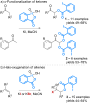
Scheme 2: Functionalization of ketones and alkenes with IBX.

Scheme 3: Functionalization of pyrroles with DMP.

Scheme 4: Catalytic benzoyloxy-trifluoromethylation reported by Szabó.

Scheme 5: Catalytic benzoyloxy-trifluoromethylation reported by Mideoka.

Scheme 6: Catalytic 1,4-benzoyloxy-trifluoromethylation of dienes.

Scheme 7: Catalytic benzoyloxy-trifluoromethylation of allylamines.

Scheme 8: Catalytic benzoyloxy-trifluoromethylation of enynes.

Scheme 9: Catalytic benzoyloxy-trifluoromethylation of allenes.
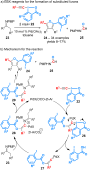
Scheme 10: Alkynylation of N-(aryl)imines with EBX for the formation of furans.

Scheme 11: Catalytic benzoyloxy-alkynylation of diazo compounds.

Scheme 12: Catalytic asymmetric benzoyloxy-alkynylation of diazo compounds.

Scheme 13: Catalytic 1,2-benzoyloxy-azidation of alkenes.

Scheme 14: Catalytic 1,2-benzoyloxy-azidation of enamides.

Scheme 15: Catalytic 1,2-benzoyloxy-iodination of alkenes.

Scheme 16: Seminal study with cyclic diaryl-λ3-iodane.

Scheme 17: Synthesis of alkylidenefluorenes from cyclic diaryl-λ3-iodanes.

Scheme 18: Synthesis of alkyne-substituted alkylidenefluorenes.

Scheme 19: Synthesis of phenanthrenes from cyclic diaryl-λ3-iodanes.

Scheme 20: Synthesis of dibenzocarbazoles from cyclic diaryl-λ3-iodanes.

Scheme 21: Synthesis of triazolophenantridines from cyclic diaryl-λ3-iodanes.

Scheme 22: Synthesis of functionalized benzoxazoles from cyclic diaryl-λ3-iodanes.

Scheme 23: Sequential difunctionalization of cyclic diaryl-λ3-iodanes.

Scheme 24: Double Suzuki–Miyaura coupling reaction of cyclic diaryl-λ3-iodanes.

Scheme 25: Synthesis of a δ-carboline from cyclic diaryl-λ3-iodane.

Scheme 26: Synthesis of N-(aryl)carbazoles from cyclic diaryl-λ3-iodanes.

Scheme 27: Synthesis of carbazoles from cyclic diaryl-λ3-iodanes.

Scheme 28: Synthesis of carbazoles and acridines from cyclic diaryl-λ3-iodanes.

Scheme 29: Synthesis of dibenzothiophenes from cyclic diaryl-λ3-iodanes.

Scheme 30: Synthesis of various sulfur heterocycles from cyclic diaryl-λ3-iodanes.

Scheme 31: Synthesis of dibenzothioheterocycles from cyclic diaryl-λ3-iodanes.

Scheme 32: Synthesis of dibenzosulfides and dibenzoselenides from cyclic diaryl-λ3-iodanes.

Scheme 33: Synthesis of dibenzosulfones from cyclic diaryl-λ3-iodanes.

Scheme 34: Seminal study with linear diaryl-λ3-iodanes.

Scheme 35: N-Arylation of benzotriazole with symmetrical diaryl-λ3-iodanes.

Scheme 36: Tandem catalytic C–H/N–H arylation of indoles with diaryl-λ3-iodanes.

Scheme 37: Tandem N-arylation/C(sp2)–H arylation with diaryl-λ3-iodanes.

Scheme 38: Catalytic intermolecular diarylation of anilines with diaryl-λ3-iodanes.

Scheme 39: Catalytic synthesis of diarylsulfides with diaryl-λ3-iodanes.

Scheme 40: α-Arylation of enolates using [bis(trifluoroacetoxy)iodo]arenes.

Scheme 41: Mechanism of the α-arylation using [bis(trifluoroacetoxy)iodo]arene.

Scheme 42: Catalytic nitrene additions mediated by [bis(acyloxy)iodo]arenes.

Scheme 43: Tandem of C(sp3)–H amination/sila-Sonogashira–Hagihara coupling.

Scheme 44: Tandem reaction using a λ3-iodane as an oxidant, a substrate and a coupling partner.

Scheme 45: Synthesis of 1,2-diarylated acrylamidines with ArI(OAc)2.
Copper-catalyzed asymmetric methylation of fluoroalkylated pyruvates with dimethylzinc
- Kohsuke Aikawa,
- Kohei Yabuuchi,
- Kota Torii and
- Koichi Mikami
Beilstein J. Org. Chem. 2018, 14, 576–582, doi:10.3762/bjoc.14.44
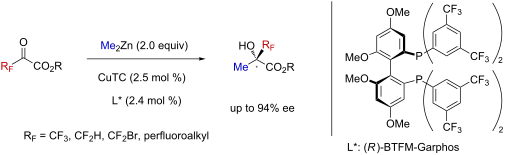
- fluoroalkylated pyruvates is shown with dimethylzinc as a methylating reagent in the presence of a copper catalyst bearing a chiral phosphine ligand. This is the first catalytic asymmetric methylation to synthesize various α-fluoroalkylated tertiary alcohols with CF3, CF2H, CF2Br, and n-CnF2n+1 (n = 2, 3, 8
- copper. Keywords: asymmetric methylation; chiral phosphine ligand; copper catalyst; dimethylzinc; trifluoropyruvate; Introduction The introduction of fluorine atoms into organic compounds plays an important role in the discovery of lead candidates with unique biological and physicochemical properties
- , CF2Br, and n-CnF2n+1 (n = 2, 3, 8) groups. Results and Discussion Our initial investigation was focused on the methylation of ethyl trifluoropyruvate (1a) with Me2Zn in the presence of a copper salt bearing a chiral bidentate phosphine ligand (Table 1). We were delighted to find that the reaction

Graphical Abstract

Scheme 1: Synthesis of chiral α-fluoroalkylated tertiary alcohols.
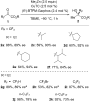
Scheme 2: Scope of fluoroalkylated pyruvates. Yields were determined by 19F NMR analysis using benzotrifluori...

Scheme 3: Catalytic asymmetric methylation of the simple perfluoroalkylated ketone 3a. Yields were determined...
CF3SO2X (X = Na, Cl) as reagents for trifluoromethylation, trifluoromethylsulfenyl-, -sulfinyl- and -sulfonylation. Part 1: Use of CF3SO2Na
- Hélène Guyon,
- Hélène Chachignon and
- Dominique Cahard
Beilstein J. Org. Chem. 2017, 13, 2764–2799, doi:10.3762/bjoc.13.272
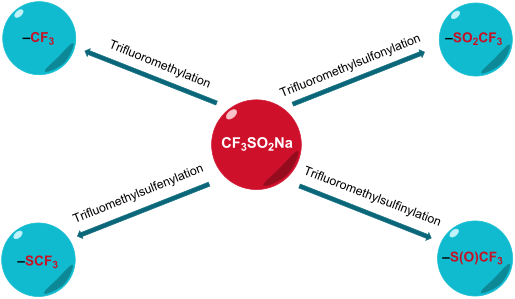

Graphical Abstract

Scheme 1: Trifluoromethylation of enol acetates by Langlois.

Scheme 2: Trifluoromethylation of (het)aryl enol acetates.

Scheme 3: Mechanism for the trifluoromethylation of enol acetates.

Scheme 4: Oxidative trifluoromethylation of unactivated olefins and mechanistic pathway.
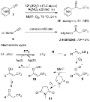
Scheme 5: Oxidative trifluoromethylation of acetylenic substrates.

Scheme 6: Metal free trifluoromethylation of styrenes.

Scheme 7: Synthesis of α-trifluoromethylated ketones by oxytrifluoromethylation of heteroatom-functionalised ...
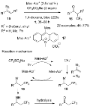
Scheme 8: Catalysed photoredox trifluoromethylation of vinyl azides.

Scheme 9: Oxidative difunctionalisation of alkenyl MIDA boronates.

Scheme 10: Synthesis of β-trifluoromethyl ketones from cyclopropanols.

Scheme 11: Aryltrifluoromethylation of allylic alcohols.

Scheme 12: Cascade multicomponent synthesis of nitrogen heterocycles via azotrifluoromethylation of alkenes.

Scheme 13: Photocatalytic azotrifluoromethylation of alkenes with aryldiazonium salts and CF3SO2Na.

Scheme 14: Copper-promoted intramolecular aminotrifluoromethylation of alkenes with CF3SO2Na.

Scheme 15: Oxytrifluoromethylation of alkenes with CF3SO2Na and hydroxamic acid.

Scheme 16: Manganese-catalysed oxytrifluoromethylation of styrene derivatives.

Scheme 17: Oxytrifluoromethylation of alkenes with NMP/O2 and CF3SO2Na.

Scheme 18: Intramolecular oxytrifluoromethylation of alkenes.

Scheme 19: Hydrotrifluoromethylation of styrenyl alkenes and unactivated aliphatic alkenes.

Scheme 20: Hydrotrifluoromethylation of electron-deficient alkenes.

Scheme 21: Hydrotrifluoromethylation of alkenes by iridium photoredox catalysis.

Scheme 22: Iodo- and bromotrifluoromethylation of alkenes by CF3SO2Na/I2O5 or CF3SO2Na / NaBrO3.

Scheme 23: N-methyl-9-mesityl acridinium and visible-light-induced chloro-, bromo- and SCF3 trifluoromethylati...

Scheme 24: Carbotrifluoromethylation of N-arylacrylamides with CF3SO2Na / TBHP by Lipshutz.

Scheme 25: Carbotrifluoromethylation of N-arylacrylamides with CF3SO2Na/TBHP reported by Lei.

Scheme 26: Carbotrifluoromethylation of N-arylacrylamides with CF3SO2Na/(NH4)2S2O8.

Scheme 27: Metal-free carbotrifluoromethylation of N-arylacrylamides with CF3SO2Na/K2S2O8 reported by Wang.

Scheme 28: Metal-free carbotrifluoromethylation of N-arylacrylamides with CF3SO2Na/PIDA reported by Fu.

Scheme 29: Metal-free cascade trifluoromethylation/cyclisation of N-arylmethacrylamides (a) and enynes (b) wit...

Scheme 30: Trifluoromethylation/cyclisation of N-arylcinnamamides: Synthesis of 3,4-disubstituted dihydroquino...

Scheme 31: Trifluoromethylation/cyclisation of aromatic-containing unsaturated ketones.

Scheme 32: Chemo- and regioselective cascade trifluoromethylation/heteroaryl ipso-migration of unactivated alk...

Scheme 33: Copper-mediated 1,2-bis(trifluoromethylation) of alkenes.

Scheme 34: Trifluoromethylation of aromatics with CF3SO2Na reported by Langlois.

Scheme 35: Baran’s oxidative C–H trifluoromethylation of heterocycles.

Scheme 36: Trifluoromethylation of acetanilides and anilines.

Scheme 37: Trifluoromethylation of heterocycles in water.

Scheme 38: Trifluoromethylation of coumarins in a continuous-flow reactor.

Scheme 39: Oxidative trifluoromethylation of coumarins, quinolines and pyrimidinones.

Scheme 40: Oxidative trifluoromethylation of pyrimidinones and pyridinones.

Scheme 41: Phosphovanadomolybdic acid-catalysed direct C−H trifluoromethylation.
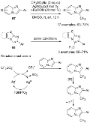
Scheme 42: Oxidative trifluoromethylation of imidazopyridines and imidazoheterocycles.

Scheme 43: Oxidative trifluoromethylation of imidazoheterocycles and imidazoles in ionic liquid/water.
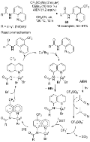
Scheme 44: Oxidative trifluoromethylation of 8-aminoquinolines.

Scheme 45: Oxidative trifluoromethylation of various 8-aminoquinolines using the supported catalyst CS@Cu(OAc)2...

Scheme 46: Oxidative trifluoromethylation of the naphthylamide 70.

Scheme 47: Oxidative trifluoromethylation of various arenes in the presence of CF3SO2Na and sodium persulfate.
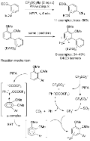
Scheme 48: Trifluoromethylation of electron-rich arenes and unsymmetrical biaryls with CF3SO2Na in the presenc...

Figure 1: Trifluoromethylated coumarin and flavone.

Scheme 49: Metal-free trifluoromethylation catalysed by a photoredox organocatalyst.
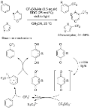
Scheme 50: Quinone-mediated trifluoromethylation of arenes and heteroarenes.
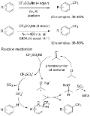
Scheme 51: Metal- and oxidant-free photochemical trifluoromethylation of arenes.

Scheme 52: Copper-mediated trifluoromethylation of arenediazonium tetrafluoroborates.

Scheme 53: Oxidative trifluoromethylation of aryl- and heteroarylboronic acids.
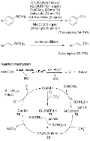
Scheme 54: Oxidative trifluoromethylation of aryl- and vinylboronic acids.

Scheme 55: Oxidative trifluoromethylation of unsaturated potassium organotrifluoroborates.

Scheme 56: Oxidative trifluoromethylation of (hetero)aryl- and vinyltrifluoroborates.

Scheme 57: Copper−catalysed decarboxylative trifluoromethylation of cinnamic acids.

Scheme 58: Iron-mediated decarboxylative trifluoromethylation of α,β-unsaturated carboxylic acids.

Scheme 59: Cu/Ag-catalysed decarboxylative trifluoromethylation of cinnamic acids.

Scheme 60: I2O5-Promoted decarboxylative trifluoromethylation of cinnamic acids.

Scheme 61: Silver(I)-catalysed denitrative trifluoromethylation of β-nitrostyrenes.
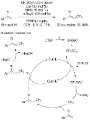
Scheme 62: Copper-catalysed direct trifluoromethylation of styrene derivatives.
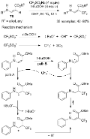
Scheme 63: Transition-metal-free synthesis of β-trifluoromethylated enamines.

Scheme 64: I2O5-mediated iodotrifluoromethylation of alkynes.

Scheme 65: Silver-catalysed tandem trifluoromethylation/cyclisation of aryl isonitriles.

Scheme 66: Photoredox trifluoromethylation of 2-isocyanobiphenyls.

Scheme 67: Trifluoromethylation of potassium alkynyltrifluoroborates with CF3SO2Na.
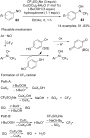
Scheme 68: N-trifluoromethylation of nitrosoarenes with CF3SO2Na (SQ: semiquinone).

Scheme 69: Trifluoromethylation of disulfides with CF3SO2Na.

Scheme 70: Trifluoromethylation of thiols with CF3SO2Na/I2O5.
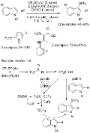
Scheme 71: Electrophilic trifluoromethylsulfenylation by means of CF3SO2Na/(EtO)2P(O)H/CuCl/DMSO.

Scheme 72: Electrophilic trifluoromethylsulfenylation by means of CF3SO2Na/(EtO)2P(O)H/TMSCl.
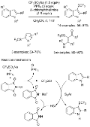
Scheme 73: Electrophilic trifluoromethylsulfenylation by means of CF3SO2Na/PPh3/N-chlorophthalimide.

Scheme 74: Electrophilic trifluoromethylsulfenylation by means of CF3SO2Na/PCl3.

Scheme 75: Electrophilic trifluoromethylsulfenylation by means of CF3SO2Na/PCl3.

Scheme 76: Trifluoromethylsulfenylation of aryl iodides with in situ generated CuSCF3 (DMI: 1,3-dimethyl-2-imi...

Scheme 77: Pioneering trifluoromethylsulfinylation of N, O, and C-nucleophiles.

Scheme 78: Trifluoromethylsulfinylation of (1R,2S)-ephedrine (Im: imidazole; DIEA: N,N-diisopropylethylamine).

Scheme 79: Trifluoromethylsulfinylation of substituted benzenes with CF3SO2Na/CF3SO3H.

Scheme 80: Trifluoromethylsulfinylation of indoles with CF3SO2Na/P(O)Cl3.

Scheme 81: Trifluoromethylsulfinylation of indoles with CF3SO2Na/PCl3.

Scheme 82: Formation of triflones from benzyl bromides (DMA: dimethylacetamide).

Scheme 83: Formation of α-trifluoromethylsulfonyl ketones, esters, and amides.

Scheme 84: Allylic trifluoromethanesulfonylation of aromatic allylic alcohols.

Scheme 85: Copper-catalysed couplings of aryl iodonium salts with CF3SO2Na.

Scheme 86: Palladium-catalysed trifluoromethanesulfonylation of aryl triflates and chlorides with CF3SO2Na.

Scheme 87: Copper-catalysed coupling of arenediazonium tetrafluoroborates with CF3SO2Na.

Scheme 88: Synthesis of phenyltriflone via coupling of benzyne with CF3SO2Na.

Scheme 89: Synthesis of 1-trifluoromethanesulfonylcyclopentenes from 1-alkynyl-λ3-bromanes and CF3SO2Na.

Scheme 90: One-pot synthesis of functionalised vinyl triflones.

Scheme 91: Regioselective synthesis of vinyltriflones from styrenes.

Scheme 92: Trifluoromethanesulfonylation of alkynyl(phenyl) iodonium tosylates by CF3SO2Na.

Scheme 93: Synthesis of thio- and selenotrifluoromethanesulfonates.
Direct catalytic arylation of heteroarenes with meso-bromophenyl-substituted porphyrins
- Alexei N. Kiselev,
- Olga K. Grigorova,
- Alexei D. Averin,
- Sergei A. Syrbu,
- Oskar I. Koifman and
- Irina P. Beletskaya
Beilstein J. Org. Chem. 2017, 13, 1524–1532, doi:10.3762/bjoc.13.152
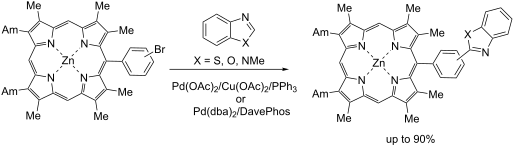
- partially reduced by the phosphine ligand. The application of another catalytic system with Pd(0), Pd(dba)2/DavePhos (20:22 mol %, dba = dibenzylideneacetone) together with a 100% excess of benzothiazole was more successful as it afforded 32% yield of compound 3 (Table 1, entry 2); it is interesting that
- catalytic conditions proposed by Osuka for the β-arylation of porphyrins with bromoarenes [28] and investigated the reactions of the zinc porphyrinates 1 and 2 with benzoxazole (2 equiv) or benzothiazole (2 equiv) in the presence of Pd(OAc)2 (20 mol %) without phosphine ligand with pivalic acid as an
- catalytic cycle proceeds via Pd(II) after oxidative addition. However, Pd(dba)2 as a source of Pd(0) may be unfavorable in the absence of the phosphine ligand and in situ reduced palladium is sometimes more preferable. A better result obtained with Pd(PPh3)4 supports this consideration. In our further

Graphical Abstract

Scheme 1: Arylation of zinc meso-(bromophenyl)porphyrinates 1, 2 with benzothiazole and benzoxazole.

Scheme 2: Attempts of the arylation of zinc meso-(bromophenyl)porphyrinates 1 and 2 with benzoxazole and benz...

Scheme 3: Arylation of zinc meso-(bromophenyl)porphyrinates 1, 2 with benzothiazole, benzoxazole, N-methylben...

Scheme 4: Plausible action of palladium and copper catalysts with transmetalation step.

Scheme 5: Dirylation of zinc di-meso-(bromophenyl)porphyrinates 10–12 with benzothiazole, benzoxazole and N-m...
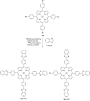
Scheme 6: Polyarylation of zinc tetrakis-meso-(bromophenyl)porphyrinate 18 with benzoxazole.
Unpredictable cycloisomerization of 1,11-dien-6-ynes by a common cobalt catalyst
- Abdusalom A. Suleymanov,
- Dmitry V. Vasilyev,
- Valentin V. Novikov,
- Yulia V. Nelyubina and
- Dmitry S. Perekalin
Beilstein J. Org. Chem. 2017, 13, 639–643, doi:10.3762/bjoc.13.62
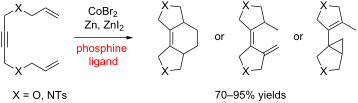
- cycloisomerization in the presence of the cobalt catalytic system CoBr2/phosphine ligand/Zn/ZnI2 giving cyclohexene, diene or cyclopropane structures depending on the type of the phosphine ligand. This unpredictable behaviour suggests that, although the availability of the cobalt catalytic system is appealing, the
- /phosphine ligand/Zn/ZnI2 for the carbon–carbon bond formation has become a subject of a growing interest (for reviews see [15][16][17][18][19][20][21]). This catalytic system has many advantages, including the availability of the cobalt salts and high tolerance to organic functional groups (for some recent
- examples see [22][23][24][25][26][27]). However, it has been noted that the direction of the catalytic reactions often depends on the structure of the phosphine ligand. Major research on these ligand-controlled reactions has been made by the groups of Hilt and Cheng, in particular, on the selective

Graphical Abstract

Scheme 1: Examples of metal-catalyzed transformations of 1,11-dien-6-ynes.
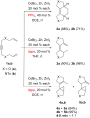
Scheme 2: Cobalt-catalyzed cycloisomerizations of 1,11-dien-6-ynes.

Scheme 3: Possible mechanism for formation of the compounds 2–5.

Scheme 4: Cycloisomerization of the substituted dienyne 1c.

Figure 1: The substituted 1,11-dien-6-ynes that did not undergo cycloisomerization in the presence of the cob...
Transition-metal-catalyzed synthesis of phenols and aryl thiols
- Yajun Liu,
- Shasha Liu and
- Yan Xiao
Beilstein J. Org. Chem. 2017, 13, 589–611, doi:10.3762/bjoc.13.58

- only suitable for activated halides having an ortho-nitro substituent; lower yields were observed in the case of unactivated aryl halides, such as 2-isopropylbromobenzene and 2,5-dimethylchlorobenzene. Inspired by a huge effect of the phosphine ligand on the reaction performance, the Beller group

Graphical Abstract

Figure 1: Examples of drugs bearing phenol or aryl thiol as central structural motifs.

Scheme 1: Hydroxylation of aryl halides using biphenylphosphine as ligand.

Scheme 2: Hydroxylation of aryl halides using tert-butylphosphine as ligand.

Scheme 3: Hydroxylation of aryl halides using imidazole typed phosphine ligands.

Scheme 4: [Pd(cod)(CH2SiMe3)2] catalyzed hydroxylation of aryl halides.

Scheme 5: Pd/PANI catalyzed hydroxylation of hydroxylation of aryl halides.

Scheme 6: MCM-41-dzt-Pd catalyzed hydroxylation of aryl halides.

Scheme 7: Hydroxylation of aryl halides using dibenzoylmethane as ligand.

Scheme 8: Hydroxylation of aryl halides using 2,2’-bipyridine as ligand.

Scheme 9: Hydroxylation of aryl bromides using imidazolyl pyridine as ligand.

Scheme 10: Hydroxylation of aryl halides using DMEDA as ligand.

Scheme 11: Hydroxylation of aryl halides using PAO as ligand.

Scheme 12: Hydroxylation of aryl halides using D-glucose as ligand.

Scheme 13: Hydroxylation of aryl halides using INDION-770 as ligand.

Scheme 14: PEG-400 mediated hydroxylation of aryl halides.

Scheme 15: Hydroxylation of aryl halides using glycolic acid as ligand.

Scheme 16: Hydroxylation of aryl halides using L-sodium ascorbate as ligand.

Scheme 17: Difunctionalized ethanes mediated hydroxylation of aryl iodides.

Scheme 18: Hydroxylation of aryl halides using 2-methyl-8-hydroxylquinoline as ligand.

Scheme 19: Hydroxylation of aryl halides using 8-hydroxyquinolin-N-oxide as ligand.

Scheme 20: Hydroxylation of aryl halides using lithium pipecolinate as ligand.

Scheme 21: Hydroxylation of aryl halides using L-lithium prolinate.

Scheme 22: Hydroxylation of aryl halides using triethanolamine as ligand.

Scheme 23: CuI-nanoparticle-catalyzed hydroxylation of aryl halides.

Scheme 24: Cu-g-C3N4-catalyzed hydroxylation of aryl bromides.

Scheme 25: Cu(OAc)2-mediated hydroxylation of (2-pyridyl)arenes.

Scheme 26: Removable pyridine moiety directed hydroxylation of arenes.

Scheme 27: Removable quinoline moiety directed hydroxylation of arenes.

Scheme 28: CuCl2 catalyzed hydroxylation of benzimidazoles and benzoxazoles.

Scheme 29: Disulfide-directed C–H hydroxylation.

Scheme 30: Pd(OAc)2-catalyzed hydroxylation of diarylpyridines.

Scheme 31: PdCl2-catalyzed hydroxylation of 2-arylpyridines.

Scheme 32: PdCl2-catalyzed hydroxylation of 2-arylpyridines.

Scheme 33: Pd(OAc)2-catalyzed hydroxylation of 2-arylpyridines.

Scheme 34: Pd(CH3CN)2Cl2-catalyzed hydroxylation of 2-arylpyridines.

Scheme 35: Pd(OAc)2-catalyzed hydroxylation of benzothiazolylarenes.

Scheme 36: Pd(OAc)2 catalyzed hydroxylation of benzimidazolylarenes.

Scheme 37: Dioxane mediated hydroxylation of 2-heteroarylarenes.

Scheme 38: Hydroxylation of oxime methyl ester.

Scheme 39: CN-directed meta-hydroxylation.

Scheme 40: Pd(OAc)2-catalyzed hydroxylation of benzoic acids.

Scheme 41: Pd(OAc)2-catalyzed hydroxylation of biaryl or aryl alkyl ketones.

Scheme 42: Pd(OAc)2 and Pd(TFA)2 catalyzed hydroxylation of aryl ketones.

Scheme 43: Pd(OAc)2 catalyzed hydroxylation of aryl ketones.

Scheme 44: Pd(TFA)2-catalyzed hydroxylation of aryl phosphonates.

Scheme 45: Hydroxy group directed hydroxylation.

Scheme 46: [Ru(O2CMes)2(p-cymene)] catalyzed hydroxylation of benzamides and aryl ketones.

Scheme 47: [RuCl2(p-cymene)]2-catalyzed hydroxylation of benzamides and carbamates.

Scheme 48: [RuCl2(p-cymene)]2 catalyzed hydroxylation of benzaldehydes.

Scheme 49: [RuCl2(p-cymene)]2 catalyzed hydroxylation of ethyl benzoates, benzamides and carbamates.

Scheme 50: Different regioselective ortho-hydroxylation.

Scheme 51: Ruthenium-complex-catalyzed hydroxylation of flavones.

Scheme 52: Vanadium-catalyzed hydroxylation of arenes.

Scheme 53: VOSiW-catalyzed hydroxylation of arenes.

Scheme 54: Synthesis of aryl thiols using thiourea as thiol source.

Scheme 55: Synthesis of aryl thiols using alkyl thiol as thiol source.

Scheme 56: Synthesis of 1-thionaphthol using HS-TIPS as thiol source.

Scheme 57: Synthesis of aryl thiols using sodium thiosulfate as thiol source.

Scheme 58: Synthesis of thiophenol using thiobenzoic acid as thiol source.

Scheme 59: Synthesis of aryl thiols using sulfur powder as thiol source.

Scheme 60: CuI-nanoparticles catalyzed synthesis of aryl thiols.

Scheme 61: Synthesis of aryl thiols using Na2S·5H2O as thiol source.

Scheme 62: Synthesis of aryl thiols using 1,2-ethanedithiol as thiol source.
Protonated paramagnetic redox forms of di-o-quinone bridged with p-phenylene-extended TTF: A EPR spectroscopy study
- Nikolay O. Chalkov,
- Vladimir K. Cherkasov,
- Gleb A. Abakumov,
- Andrey G. Starikov and
- Viacheslav A. Kuropatov
Beilstein J. Org. Chem. 2016, 12, 2450–2456, doi:10.3762/bjoc.12.238

- , should have opposite signs. Considering this, it becomes evident that the averaged value of the coupling constants in (1·)H3 (|0.74−2.28|/2 = 0.77) is in good agreement with the value 0.69 G, which was measured for quintet constant in (1·−)H2. The nature of the phosphine ligand is also important in the

Graphical Abstract

Figure 1: The structural formula of acceptor–donor–acceptor triad 1.

Figure 2: The EPR spectrum of (1·)H in CHCl3, 293 K: a) experimental and b) experimental + D2O.

Scheme 1: Disproportionation of the protonated semiquinones in solution.

Scheme 2: Paramagnetic reduced protonated derivatives of the quinone 2.

Figure 3: The EPR spectrum of (1·)H3 in CHCl3, 293 K: a) experimental, b) simulated, c) experimental + D2O an...

Figure 4: The EPR spectrum of (1·−)H2 THF, 293 K: a) experimental and b) experimental + D2O). Magnified side ...

Figure 5: The well-resolved EPR spectrum of (1·−)H2 in dimethoxyethane (diluted solution), 273 K: a) experime...
Experimental and theoretical investigations on the high-electron donor character of pyrido-annelated N-heterocyclic carbenes
- Michael Nonnenmacher,
- Dominik M. Buck and
- Doris Kunz
Beilstein J. Org. Chem. 2016, 12, 1884–1896, doi:10.3762/bjoc.12.178
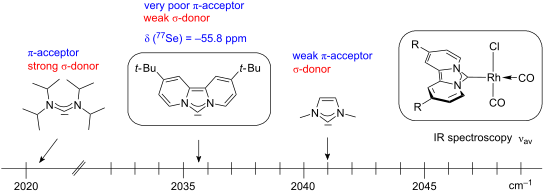
- shown to occur by an associative mechanism via a trigonal bipyramidal intermediate [66][67], which was also crystallographically characterized in the case of a cationic Rh complex bearing a bidentate phosphine ligand [68]. Our DFT-calculations for the tricarbonyl complex 3a bearing the dipiy ligand show

Graphical Abstract

Figure 1: Left: resonance hybrid of the dipyrido carbenes dipiy and dipiytBu. Right: two canonical forms of t...

Scheme 1: Preparation of the 13CO substituted rhodium complexes 2 bearing the dipyrido-annelated carbenes dip...

Figure 2: 13C NMR spectra (carbonyl region, 125 MHz) of the reaction of 1a with 13CO under variable pressure ...

Scheme 2: Proposed mechanism for the preferred exchange of the cis-CO ligand based on DFT-calculations (BP86 ...

Figure 3: IR scale (cm−1) to determine the overall electron-donor capacity of various N-heterocyclic carbenes...

Figure 4: Highest occupied molecular orbitals for the dipyrido-annelated carbene dipiy. The σ-type carbene lo...

Figure 5: Molecular orbitals of the Rh complexes II-Rh, III-Rh and 2a that show ligand-metal π-bonds.
Flow carbonylation of sterically hindered ortho-substituted iodoarenes
- Carl J. Mallia,
- Gary C. Walter and
- Ian R. Baxendale
Beilstein J. Org. Chem. 2016, 12, 1503–1511, doi:10.3762/bjoc.12.147
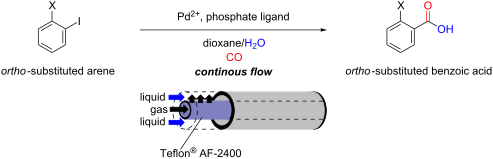
- fixed 5 mol % of Pd(OAc)2 and 10 mol % of the phosphine ligand was investigated. It was noted that the catalyst level could be reduced [34], but this amount allowed for an efficient catalytic process with short reaction times in the region of two hours, a good match for the flow system assembly [8

Graphical Abstract

Figure 1: Steric interactions of the carbon monoxide coordination to the aryl complex intermediate.

Figure 2: A) molecular structure of complex 1; B) ball and stick representation of X-ray structure; C) ball a...

Figure 3: Reverse “tube-in-tube” reactor.

Scheme 1: Comparison of plug flow reactor carbonylation (left) and “tube-in-tube” reactor carbonylation (righ...

Scheme 2: Schematic diagram of the flow process.

Figure 4: Phosphine ligands used for the ortho-carbonylation reaction.

Scheme 3: The batch carbonylation of 2-chloro-1-iodobenzene in conventional lab (top) and using a Parr autocl...

Scheme 4: Structures of ortho-substituted carboxylic acids prepared via a continuous flow hydroxy-carbonylati...

Scheme 5: Flow carbonylation of 2-iodonaphtalene.

Figure 5: X-ray structure of substrate 33.

Scheme 6: Scale up synthesis of 2-chloro-4-fluorobenzoic acid (20).
Stereodynamic tetrahydrobiisoindole “NU-BIPHEP(O)”s: functionalization, rotational barriers and non-covalent interactions
- Golo Storch,
- Sebastian Pallmann,
- Frank Rominger and
- Oliver Trapp
Beilstein J. Org. Chem. 2016, 12, 1453–1458, doi:10.3762/bjoc.12.141
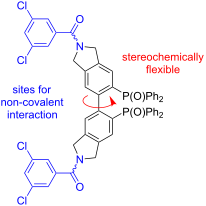
- preparation of tailor-made functionalized stereodynamic ligands possible and give an outline for possible applications in enantioselective catalysis. Keywords: atropisomer; enantioselective DHPLC; ligand design; non-covalent interactions; Okamoto phases; phosphine ligand; stereodynamic ligands; Introduction

Graphical Abstract

Figure 1: Synthetic overview of “NU-BIPHEP(O)s”. A) Rhodium catalyzed double [2 + 2 + 2] cycloaddition. B) Ac...

Figure 2: Investigation of 3,5-dichlorobenzoyl modified tetrahydrobiisoindole “NU-BIPHEP(O)” 3. A) Three sign...

Figure 3: Investigation of “NU-BIPHEP(O)” 1b. A) Solid-state structure determined by X-ray crystallography. H...

Figure 4: Enantioselective DHPLC investigation of tetrahydrobiisoindole “NU-BIPHEP(O)” 3. A) Elution profiles...
Chiral cyclopentadienylruthenium sulfoxide catalysts for asymmetric redox bicycloisomerization
- Barry M. Trost,
- Michael C. Ryan and
- Meera Rao
Beilstein J. Org. Chem. 2016, 12, 1136–1152, doi:10.3762/bjoc.12.110
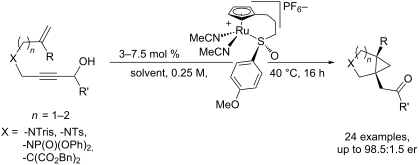
- [41] (Figure 1a). The proposed mechanism of this fascinating reaction involves chloride abstraction of the ruthenium catalyst by indium(III) triflate and phosphine ligand dissociation. The propargyl alcohol then coordinates to the now coordinatively unsaturated cyclopentadienylruthenium (CpRu
- phosphine ligand before catalysis can occur (vide supra). In other words, ruthenium must have two open coordination sites in order to bind the substrate. To test if there is a similar requirement for 1, we decided to add one catalyst equivalent of an auxiliary ligand to test its impact on reaction rate

Graphical Abstract

Scheme 1: Divergent behavior of the palladium and ruthenium-catalyzed Alder–ene reaction.

Scheme 2: Some asymmetric enyne cycloisomerization reactions.
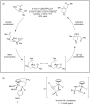
Figure 1: (a) Mechanism for the redox biscycloisomerization reaction. (b) Ruthenium catalyst containing a tet...

Scheme 3: Synthesis of p-anisyl catalyst 1.

Figure 2: Failed sulfinate ester syntheses.

Scheme 4: Using norephedrine-based oxathiazolidine-2-oxide 7 for chiral sulfoxide synthesis.

Scheme 5: (a) General synthetic sequence to access enyne bicycloisomerization substrates (b) Synthesis of 2-c...

Figure 3: Failed bicycloisomerization substrates. Reactions performed at 40 °C for 16 hours with 3 mol % of c...

Scheme 6: Deprotection of [3.1.0] bicycles and X-ray crystal structure of 76.

Scheme 7: ProPhenol-catalyzed addition of zinc acetylide to acetaldehyde for the synthesis of a chiral 1,6-en...

Figure 4: Diastereomeric metal complexes formed after alcohol coordination.

Scheme 8: Curtin–Hammitt scenario of redox bicycloisomerization in acetone.
Regioselective palladium-catalyzed ring-opening reactions of C1-substituted oxabicyclo[2,2,1]hepta-2,5-diene-2,3-dicarboxylates
- Michael Edmunds,
- Mohammed Abdul Raheem,
- Rebecca Boutin,
- Katrina Tait and
- William Tam
Beilstein J. Org. Chem. 2016, 12, 239–244, doi:10.3762/bjoc.12.25
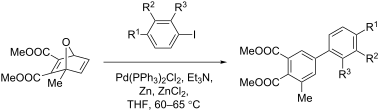
- on their oxidation state and the presence or absence of phosphine ligands (Table 1, entries 1–4). The catalyst lacking a phosphine ligand gave a low yield and the reaction proceeded very slowly (9%, 65 h, Table 1, entry 1). The addition of phosphine exogenously greatly increased the speed and the

Graphical Abstract

Scheme 1: Palladium-catalyzed ring-opening reactions of oxabenzonorbornadiene.

Scheme 2: Palladium-catalyzed ring-opening of 1 with p-iodotoluene.

Scheme 3: Potential regioisomers from the palladium-catalyzed ring-opening reaction of 2 with aryl iodides.

Scheme 4: Palladium-catalyzed ring-opening of C1 substituted oxabenzonorbornadiene.

Scheme 5: Proposed mechanism for the palladium-catalyzed ring-opening reaction of oxanorbornadiene.
Copper-catalyzed asymmetric conjugate addition of organometallic reagents to extended Michael acceptors
- Thibault E. Schmid,
- Sammy Drissi-Amraoui,
- Christophe Crévisy,
- Olivier Baslé and
- Marc Mauduit
Beilstein J. Org. Chem. 2015, 11, 2418–2434, doi:10.3762/bjoc.11.263
- synthesis of the antimicobacterial agent erogorgiaene (Scheme 12) [31]. One of the key steps of this synthesis involved the conversion of the bicyclic extended Michael acceptor 44 to 45 through a 1,4-selective copper-catalyzed ACA. Copper(I) triflate and chiral phosphine ligand L10 enabled this

Graphical Abstract

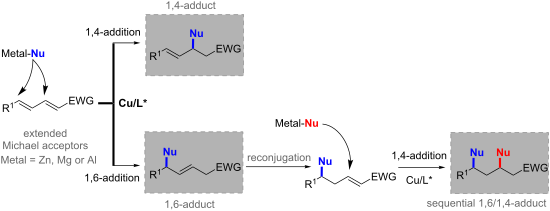
Figure 1: Possible reaction pathways in conjugate additions of nucleophiles on extended Michael acceptors.

Figure 2: Early reports of conjugate addition of copper-based reagents to extended Michael acceptors.

Figure 3: First applications of copper catalyzed 1,6-ACA in total synthesis.

Scheme 1: First example of enantioselective copper-catalyzed ACA on an extended Michael acceptor.

Scheme 2: Meldrum’s acid derivatives as substrates in enantioselective ACA.

Scheme 3: Reactivity of a cyclic dienone in Cu-catalyzed ACA of diethylzinc.

Scheme 4: Efficiency of DiPPAM ligand in 1,6-ACA of dialkylzinc to cyclic dienones.

Scheme 5: Sequential 1,6/1,4-ACA reactions involving linear aryldienones.

Scheme 6: Unsymmetrical hydroxyalkyl NHC ligands in 1,6-ACA of cyclic dienones.

Scheme 7: Performance of atropoisomeric diphosphines in 1,6-ACA of Et2Zn on cyclic dienones.

Scheme 8: Selective 1,6-ACA of Grignard reagents to acyclic dienoates, application in total synthesis.

Scheme 9: Reactivity of polyenic linear thioesters towards sequential 1,6-ACA/reconjugation/1,4-ACA and produ...

Scheme 10: 1,6-Conjugate addition of trialkylaluminium with regards to cyclic dienones.

Scheme 11: Copper-catalyzed conjugate addition of trimethylaluminium onto nitro dienoates.

Scheme 12: Copper-catalyzed selective 1,4-ACA in total synthesis of erogorgiaene.

Scheme 13: 1,4-selective addition of diethylzinc onto a cyclic enynone catalyzed by a chiral NHC-based system.

Scheme 14: Cu-NHC-catalyzed 1,6-ACA of dimethylzinc onto an α,β,γ,δ-unsaturated acyl-N-methylimidazole.

Scheme 15: 1,4-Selectivity in conjugate addition on extended systems with the concomitant use of a chelating c...

Scheme 16: Cu-NHC catalyzed 1,4-ACA as the key step in the total synthesis of ent-riccardiphenol B.

Scheme 17: Cu-NHC-catalyzed 1,4-selective ACA reactions with enynones.

Scheme 18: Linear dienones as substrates in 1,4-asymmetric conjugate addition reactions of Grignard reagents c...

Scheme 19: 1,4-ACA of trimethylaluminium to a cyclic enynone catalyzed by a copper-NHC system.

Scheme 20: Generation of a sterically encumbered chiral cyclohexanone from a polyunsaturated cyclic Michael ac...

Scheme 21: Selective conversion of β,γ-unsaturated α-ketoesters in copper-catalyzed asymmetric conjugate addit...

Scheme 22: Addition of trialkylaluminium compounds to nitroenynes catalyzed by L9/CuTC.

Scheme 23: Addition of trialkylaluminium compounds to nitrodienes catalyzed by L9/CuTC.

Scheme 24: Copper catalyzed 1,8- and 1,10-ACA reactions.
Evidencing an inner-sphere mechanism for NHC-Au(I)-catalyzed carbene-transfer reactions from ethyl diazoacetate
- Manuel R. Fructos,
- Juan Urbano,
- M. Mar Díaz-Requejo and
- Pedro J. Pérez
Beilstein J. Org. Chem. 2015, 11, 2254–2260, doi:10.3762/bjoc.11.245
- )]SbF6 (L = tertiary phosphine ligand) abstracted the carbene group :CHPh from a tropilium derivative, and further transferred the gold-bonded carbene group to an olefin [17][18]. This contribution constituted a breakthrough in gold-mediated carbene-transfer reactions since the carbene source lacks of

Graphical Abstract

Scheme 1: The Au(I)-catalyzed skeletal rearrangement of the [2 + 2] cycloaddition of 1,6-enynes that involves...

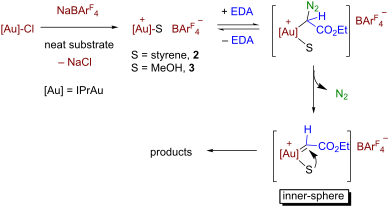
Scheme 2: The catalytic activity of IPrAuCl + NaBArF4 in the carbene-transfer reaction to styrene or methanol....

Scheme 3: The gold-promoted decarbenation reaction described by Echavarren and co-workers.
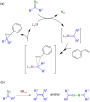
Scheme 4: (a) General representation of the metal-catalyzed carbene-transfer reaction (olefin cyclopropanatio...

Figure 1: Plot of evolved nitrogen with time for the reactions of EDA with styrene or methanol.

Figure 2: Top: Plots of evolved nitrogen with time for the reactions of EDA with styrene (left) or methanol (...

Scheme 5: The outer- and inner-sphere routes for this transformation.

Figure 3: The experimental device for the measurement of N2 evolution.
New aryloxybenzylidene ruthenium chelates – synthesis, reactivity and catalytic performance in ROMP
- Patrycja Żak,
- Szymon Rogalski,
- Mariusz Majchrzak,
- Maciej Kubicki and
- Cezary Pietraszuk
Beilstein J. Org. Chem. 2015, 11, 1910–1916, doi:10.3762/bjoc.11.206
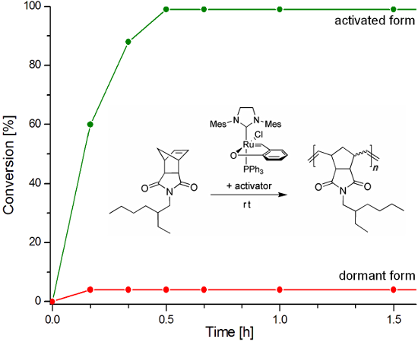
- isolated yields of 90% (complex 13) and 92% (complex 14). Catalytic activity The obtained complexes were tested in the ring opening metathesis polymerisation (ROMP) of cyclooctadiene. First, the impact of a phosphine ligand on the catalytic activity was investigated. Preliminary tests performed showed, as
- presence of 2 equiv of HCl as an activator. The chart illustrates an insignificant effect of the properties of the phosphine ligand on the catalytic activity of the complexes. The order of increasing activities of the activated species, i.e., 8 (PPh3) < 10 P(C6H4Me-4)3 < 1a (PCy3) < 9 P(C6H4CF3-4)3 does
- phosphine ligand. More basic phosphine more readily reacted with the activator (HCl) leading to a faster increase in the concentration of the phosphine-free form of the catalyst (Figure 4). The influence of electronic properties of substituents placed in the aromatic ring of the chelating ligand, in para

Graphical Abstract

Figure 1: Coordination motif of latent catalyst of olefin metathesis in which alkylidene ligand is bound to t...
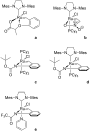
Figure 2: Known latent catalysts of olefin metathesis in which alkylidene ligands are bound to a heteroatom, ...

Figure 3: Selected, known aryloxybenzylidene chelates [9,10].

Scheme 1: Synthesis of catalyst precursors 4–6 [11].

Scheme 2: Synthesis of catalysts 8–10.

Scheme 3: Synthesis of catalysts 13 and 14.

Figure 4: ROMP of COD. Conditions: CH2Cl2, 40 °C, 0.5 M, [COD]:[Ru] = 20000; For clarity, only two representa...

Figure 5: ROMP of cod. Conditions: CH2Cl2, 40 °C, 0.5 M, [cod]:[Ru] = 20000; For clarity only representative ...

Scheme 4: ROMP of monomer 15.

Figure 6: ROMP of monomer 15. Conditions: CDCl3, 40 °C, 0.08 M, [15]:[Ru] = 200.

Figure 7: ROMP of monomer 15. Conditions: CDCl3, 23 °C, 0.08 M, [15]:[Ru] = 200.

Scheme 5: Formation of phosphine free dimeric complex in the presence of CuCl.

Figure 8: A perspective view of complex 16, the ellipsoids are drawn at the 50% probability level. Hydrogen a...

Scheme 6: Synthesis of complexes 1a and 8 starting from dimer 16.

Scheme 7: Activation of complex 8 with one equivalent of HCl.
Stereochemistry of ring-opening/cross metathesis reactions of exo- and endo-7-oxabicyclo[2.2.1]hept-5-ene-2-carbonitriles with allyl alcohol and allyl acetate
- Piotr Wałejko,
- Michał Dąbrowski,
- Lech Szczepaniak,
- Jacek W. Morzycki and
- Stanisław Witkowski
Beilstein J. Org. Chem. 2015, 11, 1893–1901, doi:10.3762/bjoc.11.204

- -tolyl substituted NHC ligand in [Ru]5 exerts a smaller steric effect than the -PCy3 residue in [Ru]1–4. Furthermore, the bulky phosphine ligand (PCy3) expands away from the transition metal center (coordination sphere), while the N,N’-o-tolyl substituent attached to the central imidazole ring penetrates

Graphical Abstract

Scheme 1: ROCM reactions of 7-oxanorbornene.

Figure 1: Chemical structures of catalysts [Ru]1–6 used in this work.

Scheme 2: Metathesis products of exo- and endo-7-oxabicyclo[2.2.1]hept-5-en-2-carbonitriles (1 and 2) with al...

Figure 2: Representative GC chromatograms recorded from crude reaction mixtures described in Table 1: a) entry 1 and...

Scheme 3: The plausible mechanism of the formation of ROCM and ROMP products from exo- or endo-7-oxabicyclo[2...

Figure 3: Numbering of carbon atoms in cross metathesis products.
Latent ruthenium–indenylidene catalysts bearing a N-heterocyclic carbene and a bidentate picolinate ligand
- Thibault E. Schmid,
- Florian Modicom,
- Adrien Dumas,
- Etienne Borré,
- Loic Toupet,
- Olivier Baslé and
- Marc Mauduit
Beilstein J. Org. Chem. 2015, 11, 1541–1546, doi:10.3762/bjoc.11.169
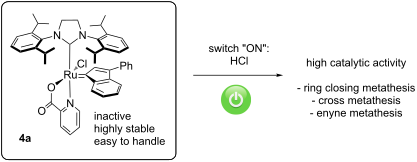
- of cocatalyst. While first examples of latent catalysts were based on phosphine-containing ruthenium complexes bearing a Schiff base ligand (O–N) [9] replacement of the phosphine ligand by sterically demanding and strongly σ-donor N-heterocyclic carbenes (NHC) afforded catalysts with improved

Graphical Abstract

Scheme 1: Synthesis of [NHC(picolinate)RuCl(indenylidene)] complexes 2 and 4a.

Scheme 2: Synthesis of complex 4a and 4b from (SIPr)(pyridine)RuCl2(indenylidene) (5).

Figure 1: Solid-state structure of complex 4a from single crystal X-ray diffraction. Hydrogens have been omit...

Figure 2: Olefin metathesis profiles in response to TFA equivalents.

Figure 3: Comparison of olefin metathesis profiles for catalysts 2, 4a and 4b after activation with 150 equiv...

Figure 4: Influence of various acids for the activation of 4a in the RCM of DEDAM.
Reactions of nitroxides 15. Cinnamates bearing a nitroxyl moiety synthesized using a Mizoroki–Heck cross-coupling reaction
- Jerzy Zakrzewski and
- Bogumiła Huras
Beilstein J. Org. Chem. 2015, 11, 1155–1162, doi:10.3762/bjoc.11.130
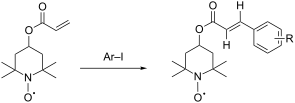
- Mizoroki–Heck cross-coupling reaction between 4-acryloyloxy-2,2,6,6-tetramethylpiperidine-1-oxyl and iodobenzene derivatives in the presence of palladium(II) acetate coordinated with a tri(o-tolyl)phosphine ligand immobilized in a polyurea matrix. Keywords: 4-acryloyloxy-2,2,6,6-tetramethylpiperidine-1
- –i) were obtained using the coupling of 4-acryloyloxy-2,2,6,6-tetramethylpiperidine-1-oxyl (3) with a series of iodobenzene derivatives (4a–i) in the presence of palladium(II) acetate coordinated with tri(o-tolyl)phosphine ligand immobilized in a polyurea matrix (commercially available as

Graphical Abstract

Scheme 1: Cinnamates bearing a nitroxyl moiety 5a–i from 4-acryloyloxy-2,2,6,6-tetramethylpiperidine-1-oxyl (3...

Figure 1: Conformations of the substituent in 2-position of the cinnamates 5e, 5h, 5i.

Scheme 2: The formation of the fragment ions at m/z 154, 124, 109.
Hydrogenation of unactivated enamines to tertiary amines: rhodium complexes of fluorinated phosphines give marked improvements in catalytic activity
- Sergey Tin,
- Tamara Fanjul and
- Matthew L. Clarke
Beilstein J. Org. Chem. 2015, 11, 622–627, doi:10.3762/bjoc.11.70

- donating phosphine ligand for this process. For enamines 1g, 1h and 1i, experiments with much lower catalyst loadings were performed in order to prove that the rate of hydrogenation is faster when 8 is used instead of 4. Of particular note is the hydrogenation of the deactivated enamines 1b and 1c. It is

Graphical Abstract
Scheme 1: Synthesis of enamines from ketones with percentage yields.

Scheme 2: Branched-selective intramolecular hydroaminovinylation (60% isolated yield of 1j).

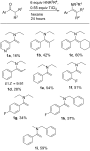
Scheme 3: Conversion of 1e to 2e using ligands 4–9.
Weakly nucleophilic potassium aryltrifluoroborates in palladium-catalyzed Suzuki–Miyaura reactions: relative reactivity of K[4-RC6F4BF3] and the role of silver-assistance in acceleration of transmetallation
- Vadim V. Bardin,
- Anton Yu. Shabalin and
- Nicolay Yu. Adonin
Beilstein J. Org. Chem. 2015, 11, 608–616, doi:10.3762/bjoc.11.68

- [C6F5BF3] retards toward K2CO3 [39] as well as K2CO3 in a mixture with catalytic amounts of Pd(OAc)2 in refluxing MeOH [19]. Resistance of K[C6F5BF3] (1a) towards K2CO3 and Ag2O in toluene (without palladium catalyst and phosphine ligand) is confirmed by stirring the corresponding suspensions at 100 °C for

Graphical Abstract

Scheme 1: The assumed silver(I) oxide assisted transmetallation with organoboronic acids.

Scheme 2: Cross-coupling of K[4-RC6F4BF3] (1a–r) with 3-IC6H4F (2) and 4-IC6H4F (3).

Scheme 3: Attempted synthesis of 7 (3’-F) and 8 (4’-F) by cross-coupling reaction.

Scheme 4: Synthesis of biphenyls 10a,c–f,h–p.

Scheme 5: Pd-catalyzed cross-coupling of 1a and salts 1b–p (1:1) with 11 (the results are presented in Table 3 and o...

Scheme 6: The cross-coupling of 1a with 11 in the presence of different silver(I) compounds.

Scheme 7: General concept of Pd-catalyzed Suzuki–Miyaura reaction.

Scheme 8: Assumed silver(I)-assisted transmetallation of weakly nucleophilic aryitrifluoroborates.
Phosphinocyclodextrins as confining units for catalytic metal centres. Applications to carbon–carbon bond forming reactions
- Matthieu Jouffroy,
- Rafael Gramage-Doria,
- David Sémeril,
- Dominique Armspach,
- Dominique Matt,
- Werner Oberhauser and
- Loïc Toupet
Beilstein J. Org. Chem. 2014, 10, 2388–2405, doi:10.3762/bjoc.10.249
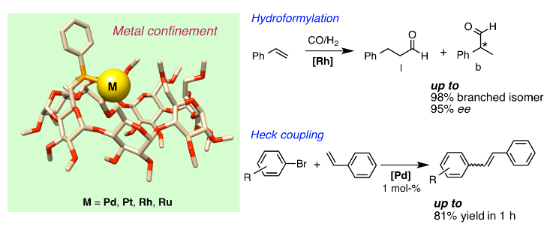
- to enantioselectivity, only one chiral mono-P(III) ligand [30][31][32] has so far shown some potential in the notoriously challenging, but industrially relevant asymmetric hydroformylation [33][34][35][36][37]. Recently, we have synthesised a new type of chiral phosphine ligand (HUGPHOS-1 [38] and
- yield (46.5%) was obtained when operating with 1 mol-% catalyst and one equivalent of HUGPHOS-2 per palladium (Table 3, entry 5). Higher phosphine:Pd ratios did not improve the catalytic outcome (Table 3, entry 4). These results clearly indicate that a single phosphine ligand is sufficient to stabilise

Graphical Abstract

Figure 1: CD-based mono- and diphosphines with inward-pointing phosphorus atoms.

Scheme 1: Complexation of a "PdCl(dmba)" unit by HUGPHOS ligands.

Scheme 2: Reaction of HUGPHOS-1 with [MCl2(PhCN)2] complexes (M = Pd, Pt). Only one isomer with a given MeO–M...

Scheme 3: Synthesis of complexes 3–5.
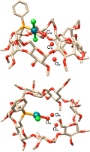
Figure 2: X-ray structure of aqua palladium complex 5 [44] (top: side view; bottom: view from the primary face). ...

Scheme 4: Dehydration of Pd(II) complex 5.

Figure 3: Ruthenium complexes 7 and 8 in Newman projection along the Ru–P bond.

Figure 4: Titration of HUGPHOS-1 with [Rh(CO)2Cl]2 at 25 °C.

Scheme 5: Synthesis of rhodium carbonyl complexes 9–11.

Scheme 6: Synthesis of rhodium complexes 12 and 13.

Scheme 7: Selective formation of complex 14 under 40 bar CO/H2 at 80 °C.

Figure 5: High pressure NMR spectra of 13 under CO/H2 (1:1) recorded in toluene-d8 (at various temperatures a...

Figure 6: IR spectra of 14 recorded in CH2Cl2 at 50 °C under 40 bar of CO/H2 1:1.
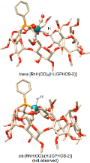
Figure 7: Calculated structures (Spartan 10) of trigonal bipyramidal [RhH(CO)3(HUGPHOS-2)] with the phosphoru...

Scheme 8: Possible mechanism for the hydroformylation of styrene when using monophosphine complexes 12 or 13 ...

Scheme 9: Simplified Heck coupling mechanism when using HUGPHOS-1 or HUGPHOS-2 as ligands. Doted lines stand ...



