Search results
Search for "small molecules" in Full Text gives 240 result(s) in Beilstein Journal of Organic Chemistry. Showing first 200.
Methyltransferases from RiPP pathways: shaping the landscape of natural product chemistry
Beilstein J. Org. Chem. 2024, 20, 1652–1670, doi:10.3762/bjoc.20.147
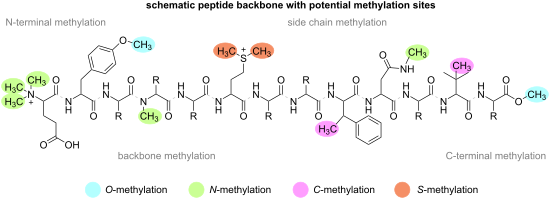
- falls between small molecules and large biologicals such as antibodies. Small molecules typically weigh less than 900 Dalton (Da), while the molecular weight of large biologicals ranges from approximately 5,000 to 150,000 Da. Although some small RiPPs may be classified as small molecules, the majority
- proteins allows peptides to disturb protein–protein interactions, which is a challenging task for small molecules. The principles of RiPP biosynthesis make the RiPP technology an ideal platform for the generation of designed peptides and allow tailored derivatisation of these peptides. The RiPP technology
- regeneration systems have been widely applied to small molecules [28][29][30], as well as polyketide natural products [31], and RNA [32]. To the best of our knowledge, these systems have not yet been applied to peptide natural products. By providing a comprehensive overview of the various methylation options





Synthesis of 4-functionalized pyrazoles via oxidative thio- or selenocyanation mediated by PhICl2 and NH4SCN/KSeCN
Beilstein J. Org. Chem. 2024, 20, 1453–1461, doi:10.3762/bjoc.20.128
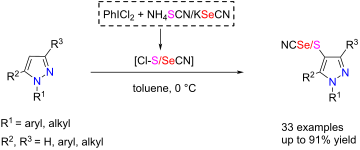
- efficient strategies for accessing functionalized pyrazole derivatives. Thio/selenocyano groups are widely existing in the core structural motifs of various natural products and pharmaceutical agents [16][17][18][19][20]. Many S/SeCN-containing bioactive small molecules have been proved to possess wide


The Ugi4CR as effective tool to access promising anticancer isatin-based α-acetamide carboxamide oxindole hybrids
Beilstein J. Org. Chem. 2024, 20, 1213–1220, doi:10.3762/bjoc.20.104
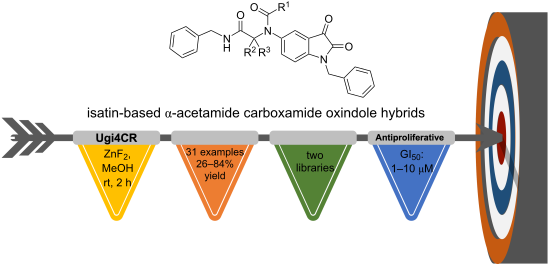
- , representing the easygoing generation of a collection of small-molecules essential for structure–activity relationships (SAR). The isocyanide-based Ugi reaction is one of the most resourceful tools and still broadly studied MCR, generating multifunctional libraries of α-aminoacylamide derivatives, or Ugi





Novel analogues of a nonnucleoside SARS-CoV-2 RdRp inhibitor as potential antivirotics
Beilstein J. Org. Chem. 2024, 20, 1029–1036, doi:10.3762/bjoc.20.91
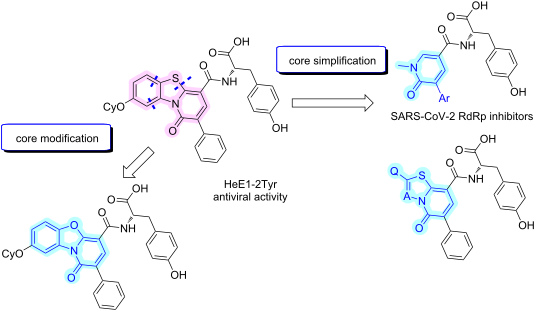
- the beginning of the pandemic, a variety of heterocyclic small molecules – either of natural or synthetic origin – was reported as promising inhibitors of the SARS-CoV-2 RdRp [13][14][15]. However, compounds with a sufficient combination of high potency and suitable pharmacokinetic properties are


A Diels–Alder probe for discovery of natural products containing furan moieties
Beilstein J. Org. Chem. 2024, 20, 1001–1010, doi:10.3762/bjoc.20.88
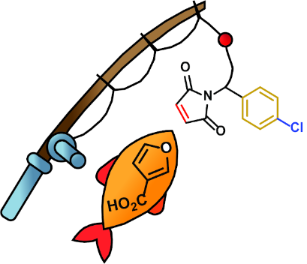
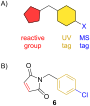
- including fungal infections, and cancers. However, it is challenging to discover and isolate these small molecules from cell supernatant. The work described herein showcases the development of a molecular probe that can covalently modify furan moieties via a [4 + 2] Diels–Alder cycloaddition, making them
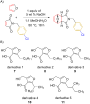
- aim to use these same conditions in cell extracts to probe for small molecules that may be unstable or volatile at higher temperatures. To test the chemical probe and determine the substrate scope of the reaction, we tested a small library of furans (Table 1). After each reaction was run, the samples




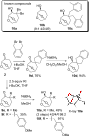
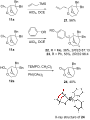
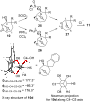
Skeletal rearrangement of 6,8-dioxabicyclo[3.2.1]octan-4-ols promoted by thionyl chloride or Appel conditions
Beilstein J. Org. Chem. 2024, 20, 823–829, doi:10.3762/bjoc.20.74
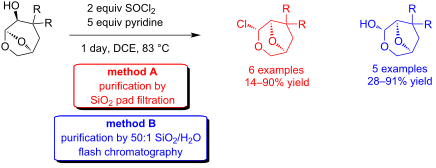
- cyrene (2) allows for its use as a chiral solvent [4]. This product is emerging as a promising platform chemical for the construction of chiral small molecules for pharmaceuticals [5][6][7][8], as a building block for catalysts and auxiliaries [9][10][11], and in materials applications [12][13][14]. New




Methodology for awakening the potential secondary metabolic capacity in actinomycetes
Beilstein J. Org. Chem. 2024, 20, 753–766, doi:10.3762/bjoc.20.69
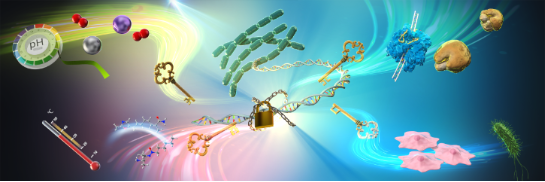
- [46]. Finally, several studies have reported the modulation of secondary metabolic activation in actinomycetes using small molecules. For example, Ochi et al. proposed the “ribosome engineering” technique, in which actinomycetes are cultured with antibiotics to activate secondary metabolism by


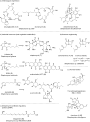
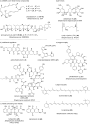
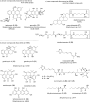
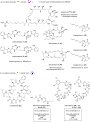
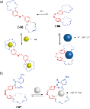
Switchable molecular tweezers: design and applications
Beilstein J. Org. Chem. 2024, 20, 504–539, doi:10.3762/bjoc.20.45





Development of a chemical scaffold for inhibiting nonribosomal peptide synthetases in live bacterial cells
Beilstein J. Org. Chem. 2024, 20, 445–451, doi:10.3762/bjoc.20.39
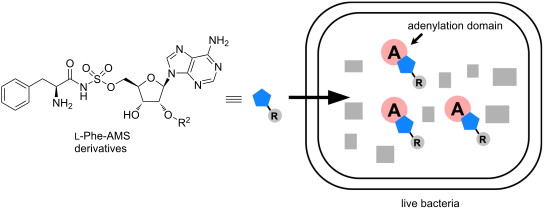
- biosynthesis by using small molecules can help to elucidate their natural functions and their potential as therapeutic targets. NRPs are synthesized by large, versatile, and multifunctional proteins called nonribosomal peptide synthetases (NRPSs), which are composed of multiple modules and subdivided domains


Synthesis of π-conjugated polycyclic compounds by late-stage extrusion of chalcogen fragments
Beilstein J. Org. Chem. 2024, 20, 287–305, doi:10.3762/bjoc.20.30
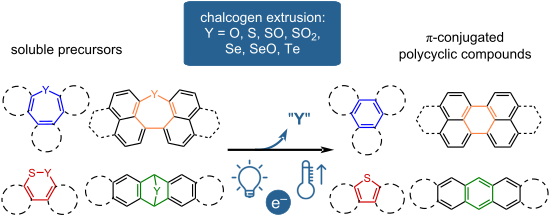
- conversion in situ, triggered by thermal activation, photoirradiation or redox control. Beside well-established reactions involving the elimination of carbon-based small molecules, i.e., retro-Diels–Alder and decarbonylation processes, the late-stage extrusion of chalcogen fragments has emerged as a highly
- in-solution organic chemistry techniques, ii) for their improved processing, as well as iii) for their in situ structural characterization and electronic investigation both at the material and single-molecule scales. Reactions involving the elimination of carbon-based small molecules, i.e., retro
- developed by Murata, Komatsu et al. [80]. In this approach, C60 or C70 fullerenes are modified stepwise towards an open-cage derivative in order to encapsulate small molecules such as H2 [81][82]. Eventually, the chemical modifications are reversed to close the hole and give an endohedral fullerene. As


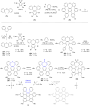


Unveiling the regioselectivity of rhodium(I)-catalyzed [2 + 2 + 2] cycloaddition reactions for open-cage C70 production
Beilstein J. Org. Chem. 2024, 20, 272–279, doi:10.3762/bjoc.20.28
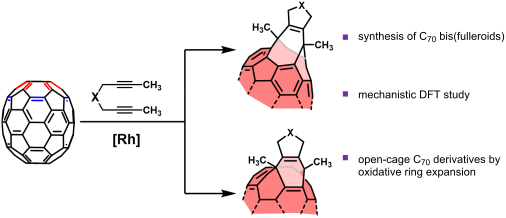
- the hole is closed restoring the original cage. Among the species that have been incarcerated with this procedure, we can find He, Ne, Ar, Kr, H2, N2, O2, HF, CO, CO2, H2O, H2O2, CH4, NH3, HCOH, HCCH, and CH3OH [26][27]. The encapsulation of atoms or small molecules inside the fullerene has been found


NMRium: Teaching nuclear magnetic resonance spectra interpretation in an online platform
Beilstein J. Org. Chem. 2024, 20, 25–31, doi:10.3762/bjoc.20.4

- of NMR data. While initially intended for small molecules data repositories and databases [34][35], NMRium provides unique functionalities that make it particularly well-suited for educational application. Teaching the interpretation of NMR spectra Nowadays, the interpretation of NMR experiments is


Long oligodeoxynucleotides: chemical synthesis, isolation via catching-by-polymerization, verification via sequencing, and gene expression demonstration
Beilstein J. Org. Chem. 2023, 19, 1957–1965, doi:10.3762/bjoc.19.146

- typical deprotection and cleavage conditions using concentrated ammonium hydroxide at elevated temperature. At this stage, the mixture contained the desired full-length sequence 3 and impurities such as failure sequences 4 and small molecules from ODN deprotection (Scheme 1). It is noted that the full


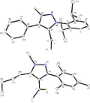
Aldiminium and 1,2,3-triazolium dithiocarboxylate zwitterions derived from cyclic (alkyl)(amino) and mesoionic carbenes
Beilstein J. Org. Chem. 2023, 19, 1947–1956, doi:10.3762/bjoc.19.145
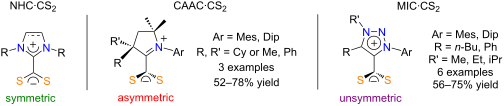
- variety of small molecules and to bind strongly to metal centers, thereby affording very robust catalysts [9][10][11][12]. Another category of stable carbenes that has emerged in the new millennium is made of mesoionic compounds, for which no reasonable canonical resonance form can be drawn in the absence


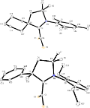
Thienothiophene-based organic light-emitting diode: synthesis, photophysical properties and application
Beilstein J. Org. Chem. 2023, 19, 1849–1857, doi:10.3762/bjoc.19.137
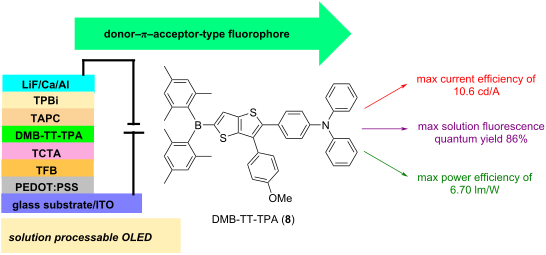
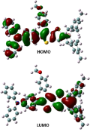
- layers are composed of various aromatic π-conjugated small molecules/polymers including thiophene, anthracene, carbazole, and triphenylamine [9][10][11][12][13]. Thienothiophenes are two annulated thiophene rings having four isomers, among which the most widely used isomer is thieno[3,2-b]thiophene (TT


Radical chemistry in polymer science: an overview and recent advances
Beilstein J. Org. Chem. 2023, 19, 1580–1603, doi:10.3762/bjoc.19.116
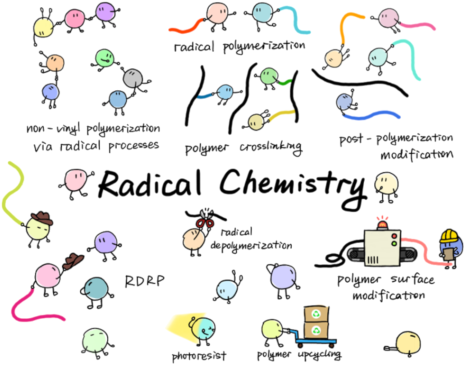
- species through irradiation. This photooxidation process can lead to the generation of some small molecules or chain scissoring. At the same time, the photooxidation process can also result in crosslinking of polymer backbones [135]. Bousquet and Fouassier [135] investigated the photooxidation and
- challenge because of their relatively unreactive backbones. Pyrolysis of such polymers is currently experimented by the industry to recover a variety of small molecules. Researchers have introduced radical depolymerization of vinyl polymers as a promising candidate for this task. Oh and Stache reported the
- photooxidation of polystyrene in the presence of FeCl3 as a radical source (Scheme 21a) [202]. A molar yield of 23% benzoyl small molecules was achieved. Reisner and co-workers employed a similar approach but using aromatic ketones as photocatalyst (Scheme 21b) [203]. Benzoic acid and other aromatic small


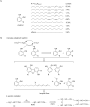
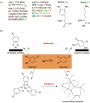


Complexes of resorcin[4]arene with secondary amines: synthesis, solvent influence on “in-out” structure, and theoretical calculations of non-covalent interactions
Beilstein J. Org. Chem. 2023, 19, 1525–1536, doi:10.3762/bjoc.19.109
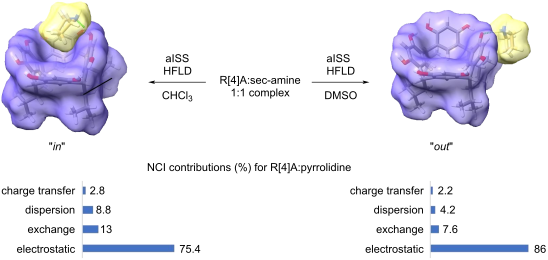
- stoichiometry. In DMSO, they account for about 79–89% of all NCI interactions, with the highest share (88.7%) observed for small molecules of amines (N,N-dimethylamine) and decreasing as the amine size increases (for N-methylpiperazine = 79.0%). In CHCl3, the share of electrostatic interactions is lower by




Correction: Non-peptide compounds from Kronopolites svenhedini (Verhoeff) and their antitumor and iNOS inhibitory activities
Beilstein J. Org. Chem. 2023, 19, 1370–1371, doi:10.3762/bjoc.19.97
- , Shenzhen University, Shenzhen 518060, PR China Department of Pathogen Biology, Health Science Center, Shenzhen University, Shenzhen 518060, PR China 10.3762/bjoc.19.97 Keywords: arthropod; iNOS; Kronopolites svenhedini (Verhoeff); non-peptide small molecules; The structure of compound 1 of the original


Synthesis of ether lipids: natural compounds and analogues
Beilstein J. Org. Chem. 2023, 19, 1299–1369, doi:10.3762/bjoc.19.96
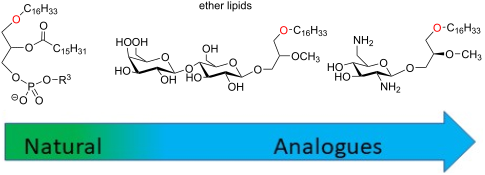
- noted that the design of new bioactive ELs is an alternative to others strategies (e.g., small molecules, antibodies) to modulate membrane proteins functions. Recent results from our group [41][42] and others renew the interest to develop new ether lipids with promising perspectives to address the






Acetaldehyde in the Enders triple cascade reaction via acetaldehyde dimethyl acetal
Beilstein J. Org. Chem. 2023, 19, 1243–1250, doi:10.3762/bjoc.19.92
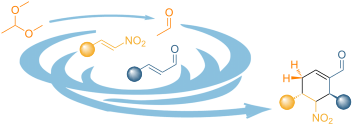
- condensation coproducts, such as water, hydrogen chloride or other small molecules [1][2][3]. MCRs have a great advantage over the classical two-component reactions; they allow the construction of complex molecular motifs in only one synthetic operational step starting from simpler building blocks. For this



Intermediates and shunt products of massiliachelin biosynthesis in Massilia sp. NR 4-1
Beilstein J. Org. Chem. 2023, 19, 909–917, doi:10.3762/bjoc.19.69
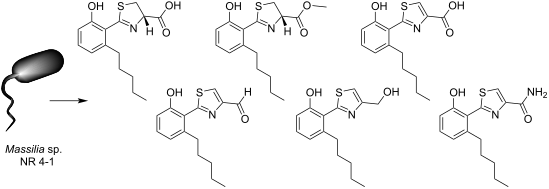
- Till Steinmetz Blaise Kimbadi Lombe Markus Nett Department of Biochemical and Chemical Engineering, Laboratory of Technical Biology, TU Dortmund University, Emil-Figge-Strasse 66, 44227 Dortmund, Germany 10.3762/bjoc.19.69 Abstract Siderophores are small molecules secreted by microorganisms in
- +) [1]. To maintain iron homeostasis, all living organisms need to regulate the intake of this essential element from the environment. In bacteria, this is typically achieved through the use of siderophores [2], which are small molecules that are secreted under iron-limiting conditions to solubilize and


Facile access to 3-sulfonylquinolines via Knoevenagel condensation/aza-Wittig reaction cascade involving ortho-azidobenzaldehydes and β-ketosulfonamides and sulfones
Beilstein J. Org. Chem. 2023, 19, 800–807, doi:10.3762/bjoc.19.60
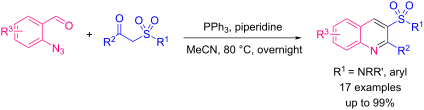
- linker or pharmacophore group. In fact, more than one hundred FDA-approved drugs are sulfonamide-bearing small molecules. Screening libraries of aromatic and heteroaromatic sulfonamides gave rise to the discovery of multiple physiologically active compounds [27][28][29][30] including important


Non-peptide compounds from Kronopolites svenhedini (Verhoeff) and their antitumor and iNOS inhibitory activities
Beilstein J. Org. Chem. 2023, 19, 789–799, doi:10.3762/bjoc.19.59
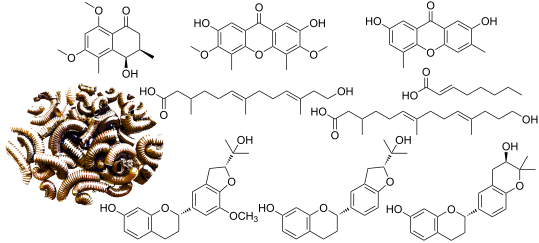
- methods. Selected compounds were evaluated for their biological properties against a mouse pancreatic cancer cell line and inhibitory effects on iNOS and COX-2 in RAW264.7 cells. Keywords: arthropod; iNOS; Kronopolites svenhedini (Verhoeff); non-peptide small molecules; Introduction The millipede (class
- . In our studies of arthropods over the years, we have found that non-peptide small molecules play a significant role in chemical structures and biological activities [11][12][13][14][15][16]. In examining the chemical constituents of the millipede K. svenhedini, the focus was directed toward non
- -peptide small molecules, leading to the isolation of six new and three known compounds (Figure 1) from its extract. These structures were determined by 1D and 2D NMR spectra and the experimental and calculated electronic circular dichroism (ECD) spectra. The six new compounds have been named kronopoone A


Synthesis of substituted 8H-benzo[h]pyrano[2,3-f]quinazolin-8-ones via photochemical 6π-electrocyclization of pyrimidines containing an allomaltol fragment
Beilstein J. Org. Chem. 2023, 19, 778–788, doi:10.3762/bjoc.19.58
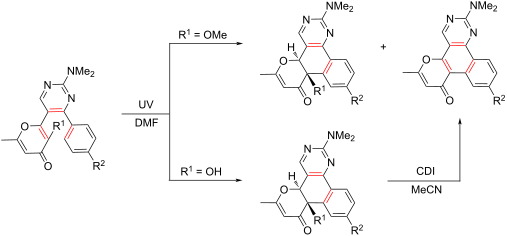
- of the methanol molecule occurs only for intermediate A and is not observed for product 11. It is important to emphasize that earlier, when discussing the mechanisms of the 6π-electrocyclization of various terarylenes accompanied by subsequent elimination of small molecules, we assumed a [1,9]-H


Phenanthridine–pyrene conjugates as fluorescent probes for DNA/RNA and an inactive mutant of dipeptidyl peptidase enzyme
Beilstein J. Org. Chem. 2023, 19, 550–565, doi:10.3762/bjoc.19.40
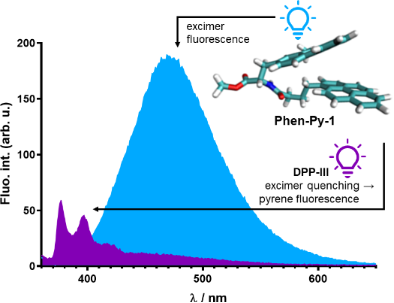
- in the cell membrane. Keywords: dipeptidyl peptidase enzyme; excimer; molecular dynamics simulations; phenanthridine; polynucleotide; pyrene; Introduction The design of small molecules that can selectively bind and discriminate different biomolecular structures (polynucleotides vs proteins, DNA or
- fluorescence change upon the addition of ct-DNA also at pH 7 (Figures S13 and S14, Supporting Information File 1), while for Phen-Py-1, more notable fluorescence changes at pH 7 (neutral form) were observed. Therefore, all further studies were performed at pH 7. Thermal melting studies Binding of small
- molecules to double stranded DNA or RNA polynucleotides usually affect the double helix stability. This stabilization or destabilization was revealed as a change of the polynucleotide’s melting temperature (ΔTm value) which was the difference of the Tm value of free polynucleotide and the Tm value of