Search results
Search for "spectral changes" in Full Text gives 51 result(s) in Beilstein Journal of Organic Chemistry.
Aggregation-induced emission effect on turn-off fluorescent switching of a photochromic diarylethene
Beilstein J. Org. Chem. 2019, 15, 2204–2212, doi:10.3762/bjoc.15.217
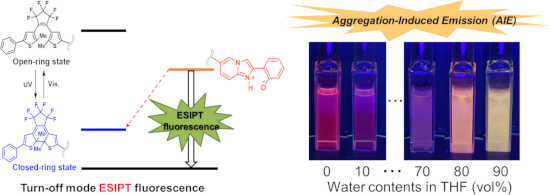
- ’-methoxyphenyl)imidazo[1,2-a]pyridine 4 [25] followed by ether cleavage according to Figure 1. The photochromic reaction and spectral changes are shown in Figure 2 and Figure 3. The photochromic absorption spectral changes in THF are shown in Figure 3. Upon UV light irradiation of the solution of 1o, the color
- C34H22F6N2OS2, 652.1078; found, 652.1072. Synthetic procedure for a diarylethene (1o). Photochromic reaction of diarylethene 1o having an ESIPT moiety. Absorption spectral changes of diarylethene 1o having an ESIPT moiety in THF (c = 1.3×10⁻⁵ M). Black solid line: 1o, blue solid line: 1c, blue broken line


1,2,3-Triazolium macrocycles in supramolecular chemistry
Beilstein J. Org. Chem. 2019, 15, 2142–2155, doi:10.3762/bjoc.15.211
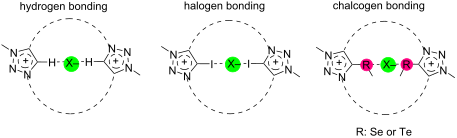
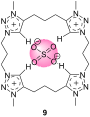
- aforementioned methods such as low yield of cyclization, long synthesis, and sometimes, usage of costly precursors [34][35]. Pandey et al. have synthesized two new bile acid-based macrocycles containing two 1,2,3-triazolium moieties (1a and 1b) and studied their anion bonding properties by 1H NMR spectral
- changes in the CDCl3 solution of anionic species (Figure 3). The receptor 1a has shown remarkable affinity toward fluoride ion with an association constant of 560 M−1 followed by Cl− > Br− > I− > CH3COO− with the affinity range of 5.6 × 10² to 6.0 × 101 M−1 but no binding was observed with the H2PO4− ion




Synthesis and anion binding properties of phthalimide-containing corona[6]arenes
Beilstein J. Org. Chem. 2019, 15, 1976–1983, doi:10.3762/bjoc.15.193
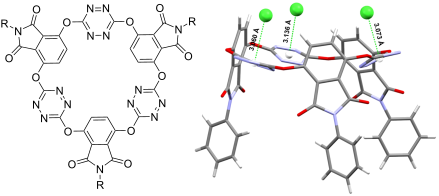
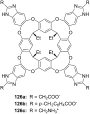
- , titration of the host with the guest species did not cause appreciable spectral changes. Isotherm titration calorimetry (ITC) did not give satisfactory results either. Conclusion In summary, we have synthesized phthalimide-containing functionalized O6-corona[3]arene[3]tetrazines by means of a one-pot


Host–guest interactions in nor-seco-cucurbit[10]uril: novel guest-dependent molecular recognition and stereoisomerism
Beilstein J. Org. Chem. 2019, 15, 1705–1711, doi:10.3762/bjoc.15.166
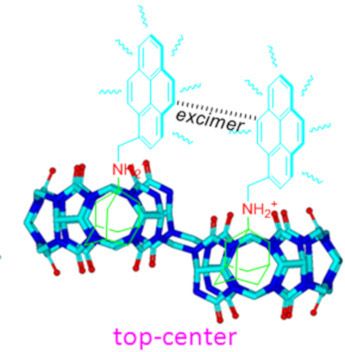
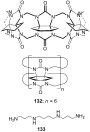
- ]. Figure 1 shows the 1H NMR spectral changes of the G1 guest in D2O (pD = 2.0) in the presence of host-1 at different concentrations. Upon gradual addition of host-1 (0–0.4 equiv) to the solution of G1, the resonances corresponding to the protons on G1 split into two sets of signals. For example, one
- interaction properties between G1·host-2 and G1·host-1 is that the proton peaks on the benzyl group of G1 undergoes a large upfield shift (from δ 7.44 ppm to 6.75 and 6.37 ppm), as well as a slight proton downfield shift of the ADA moiety in the presence of host-2 (Figure 2). These spectral changes suggest
- fluorescence spectral changes of G2 (Figure 3b) suggest that a similar host–guest interaction triggered monomer-to-excimer binding response between G2 and host 2, similar to host 1 with G2, when we attempted to add host-2 to the G2 solution under the same conditions. Both of the complexes of G2 with the host-1


Reaction of oxiranes with cyclodextrins under high-energy ball-milling conditions
Beilstein J. Org. Chem. 2019, 15, 1448–1459, doi:10.3762/bjoc.15.145
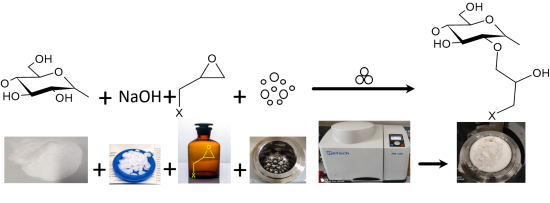
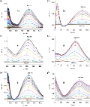
- Table 3) after 1 day of stirring. UV–vis spectral changes of 0.050 mM MO solution by GPTS-β-CD (left) and GPTS-γ-CD (right), as prepared in solution (entries 15 and 17 of Table 5). UV–vis spectral changes of 0.050 mM MO solution by GPTS-β-CD (left) and GPTS-γ-CD (right), as prepared in ball mill


Rational design of boron-dipyrromethene (BODIPY) reporter dyes for cucurbit[7]uril
Beilstein J. Org. Chem. 2018, 14, 1961–1971, doi:10.3762/bjoc.14.171
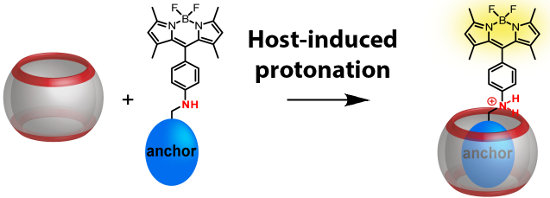
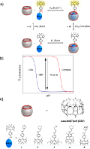
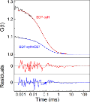
- , and b) fluorescence spectra in 30% (v/v) ACN in water with varying pH. Inset: Fluorescence pH titration measured with λexc = 470 nm and λem = 510 nm. a) Fluorescence spectral changes (λexc = 470 nm) upon addition of CB7 to 50 nM 1 in 10 mM citrate buffer, pH 2.7, containing 30% (v/v) ACN in water, and




Complexation of molecular clips containing fragments of diphenylglycoluril and benzocrown ethers with paraquat and its derivatives
Beilstein J. Org. Chem. 2017, 13, 2056–2067, doi:10.3762/bjoc.13.203

- charge-transfer complex formed by the π-donor aromatic fragments of clips 1–5 and the π-acceptor dipyridinium fragment of paraquat derivatives 7–10 located in the pseudo cavity of the clip [20]. The intensity of this band increases with the raise of the molar ratio of paraquat:clip. The observed spectral
- changes in the visible region of the spectrum were used to determine the stability constants of formed complexes by spectrophotometric titration. The titration was carried out in acetonitrile at 20 °C by the method of molar ratios while maintaining the levels of molecular clips 1–5 constant and



Sugar-based micro/mesoporous hypercross-linked polymers with in situ embedded silver nanoparticles for catalytic reduction
Beilstein J. Org. Chem. 2017, 13, 1212–1221, doi:10.3762/bjoc.13.120
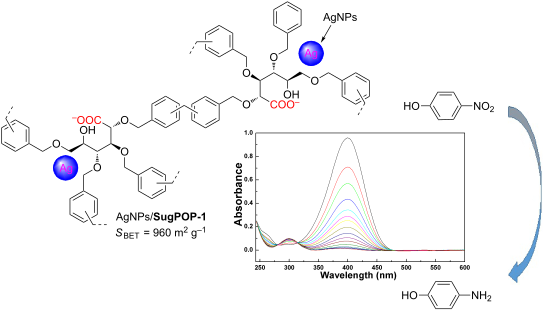
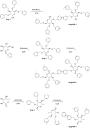
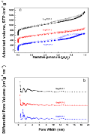
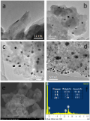
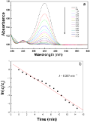
- AgNPs/SugPOP-1 composite. Time-dependent UV–vis spectral changes (a) and the kinetic curve (b) for the catalytic reduction of 4-nitrophenol (4-NP) to 4-aminophenol (4-AP) at room temperature. Preparation of polymers SugPOP-1–3 (FDA: formaldehyde dimethyl acetal). The preparation of AgNPs/SugPOP-1




Correlation of surface pressure and hue of planarizable push–pull chromophores at the air/water interface
Beilstein J. Org. Chem. 2017, 13, 1099–1105, doi:10.3762/bjoc.13.109
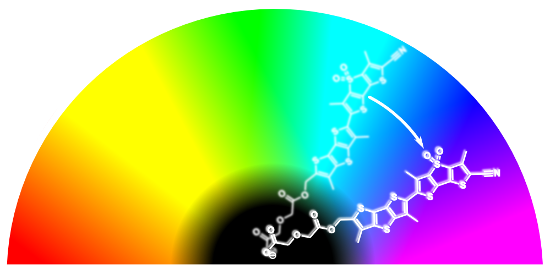
- probes in bilayer membranes of increasing order [8]. Similar interpretations have been made for the spectral changes observed upon planarization of self-assembled mechanosensitive twisted phenylethynyl polymers [26]. Conclusion In conclusion, we have presented the first measurement correlating the hue of


Synthesis and enzymatic ketonization of the 5-(halo)-2-hydroxymuconates and 5-(halo)-2-hydroxy-2,4-pentadienoates
Beilstein J. Org. Chem. 2017, 13, 1022–1031, doi:10.3762/bjoc.13.101

- equation. In the first 5 s of the reaction, the absorbance at 232 nm was still decreasing. Kinetic parameters were determined as described above. The Lc 4-OT conversion of 5a–c to the respective α,β-unsaturated ketones 9a–c was compared to the Pp 4-OT-catalyzed conversion by monitoring the spectral changes


Spectral and DFT studies of anion bound organic receptors: Time dependent studies and logic gate applications
Beilstein J. Org. Chem. 2017, 13, 222–238, doi:10.3762/bjoc.13.25
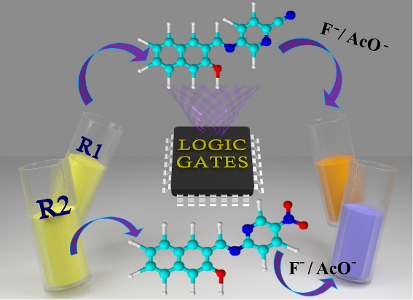
- R2 towards acetate ions was found to be instantaneous. During the titration experiments, it was observed that with the increase of concentration of AcO− ions, the spectral changes exhibited a substantial increase in the absorption value corresponding to a linear dependency on concentration. The
- absorption band. With this in view, the spectral changes of receptors R1 and R2 have been recorded as a function of time with the incremental addition of AcO− ions. Owing to the sharp changes in the UV–vis titration spectra with clear isosbestic points, it could be assumed that there were no significant side


The role of alkyl substituents in deazaadenine-based diarylethene photoswitches
Beilstein J. Org. Chem. 2016, 12, 1103–1110, doi:10.3762/bjoc.12.106
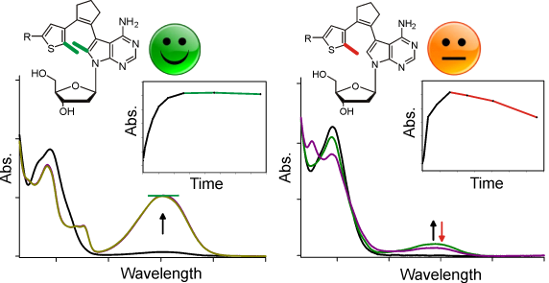
- generation) [45]. Spectral changes of the pyridyl switch with one (1b) and two (2b) methyl groups upon irradiation with UV light. A 60 µM solution of the compound in acetonitrile was irradiated for the indicated time intervals (see inset) with UV light (366 nm) and after each interval a UV–vis absorption



Antibacterial structure–activity relationship studies of several tricyclic sulfur-containing flavonoids
Beilstein J. Org. Chem. 2016, 12, 1065–1071, doi:10.3762/bjoc.12.100

- is associated with characteristic spectral changes. Thus, in the 1H NMR spectra of flavonoids 5 the signal belonging to the hydrogen atom from the 2 position of ring C is shifted to ca. 6.85–6.95 ppm and its multiplicity changes from a doublet to a singlet. The 13C NMR spectra indicate the


Tetrathiafulvalene-based azine ligands for anion and metal cation coordination
Beilstein J. Org. Chem. 2015, 11, 1379–1391, doi:10.3762/bjoc.11.149
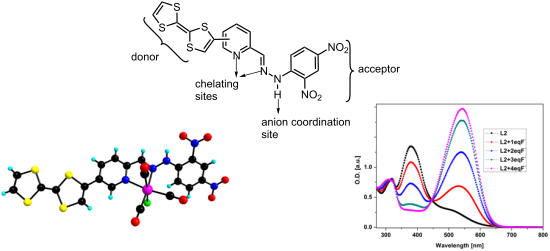
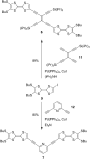
- ligands L1 and L2 (2 × 10⁻⁵ M) in CH2Cl2/CH3CN (9:1, v/v) at 100 mV·s−1 on a glassy carbon electrode with n-Bu4NPF6 (0.1 M). UV–visible spectral changes of ligand L2 (2 × 10⁻⁵ M in CH2Cl2/CH3CN, 9/1) upon addition of TBAF. 1H NMR spectra of ligand L2 (4·10−3 M in DMSO-d6) upon addition of successive


Synthesis of photoresponsive cholesterol-based azobenzene organogels: dependence on different spacer lengths
Beilstein J. Org. Chem. 2015, 11, 1089–1095, doi:10.3762/bjoc.11.122
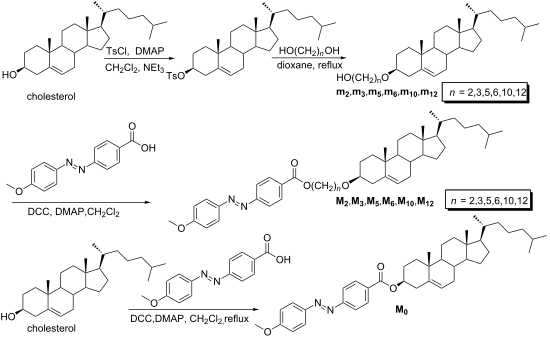
- obvious increase in the peak at 258 nm and a concurrent decrease in the strong peak at 358 nm. The photostationary state was attained after 94 min of irradiation and the spectral changes are attributable to the trans-to-cis isomerization under UV light irradiation. Further visible light (450 nm
- shifted to 2933 and 2859 cm−1. The above mentioned FTIR spectral changes demonstrated sufficiently that van der Waals interaction between the alkyl chains plays an important role in the self-assembly process of organogels. The XRD studies To reveal the detailed changes in gel molecular of M6, XRD analyses


Interactions between tetrathiafulvalene units in dimeric structures – the influence of cyclic cores
Beilstein J. Org. Chem. 2015, 11, 930–948, doi:10.3762/bjoc.11.104
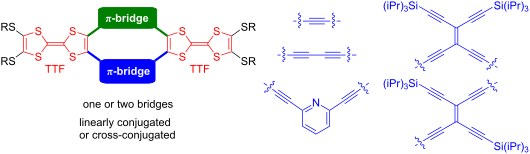
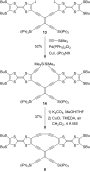
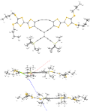
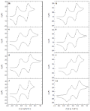
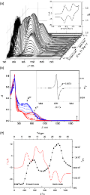
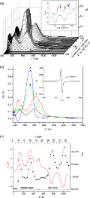
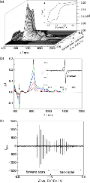
- radical species monitored upon oxidation); (c) time dependence of the current (red line) and the double-integrated EPR intensity (black solid squares). Vis–NIR spectral changes observed during anodic oxidation of each TTF unit to cation radical within the first voltammetric double peak: TTF–TTF → TTF






Fluoride-driven ‘turn on’ ESPT in the binding with a novel benzimidazole-based sensor
Beilstein J. Org. Chem. 2015, 11, 563–567, doi:10.3762/bjoc.11.61
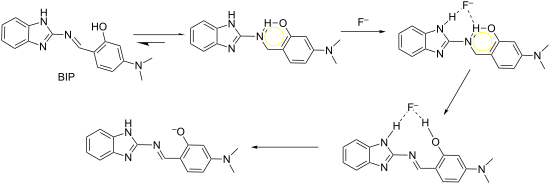
- spectral changes were found for other anions (Cl−, Br−, I−, H2PO4−, NO3−, AcO−, added as their TBA salts). This indicated the poor interaction between BIP and these anions. The interaction of BIP with fluoride was further investigated by UV–vis spectroscopic titration. As seen from Figure 2, the spectral
- at 410 nm as the function of anion concentration [15], was 1.25 × 10⁴ (R = 0.9926) for F− (see Figure S1 in Supporting Information File 1). Due to the little spectral changes of BIP upon other anions (Cl−, Br−, I−, NO3−, H2PO4−, AcO−, added as TBA salts), as displayed in Figure 1, the binding
- basicity and surface charge density such as AcO− and H2PO4−. Fluorescence spectral changes were driven by original hydrogen bonding interaction between BIP and F−, and the subsequent ESPT which resulted in the ‘turn-on’ of fluorescence. The strategy for the design of simple sensors to detect the important


Synthesis of modified cyclic and acyclic dextrins and comparison of their complexation ability
Beilstein J. Org. Chem. 2014, 10, 2836–2843, doi:10.3762/bjoc.10.301
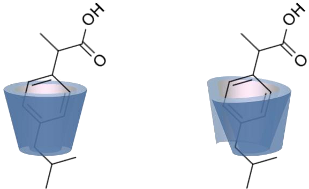
- CDs is 2–3 orders of magnitudes higher than that of the non-cyclic, open-chain analogs [5]. Both maltohexaose and maltoheptaose (G6 and G7) caused spectral changes for guests like p-cresol and methyl orange in the UV–vis region. They also found that using a CPK molecular model both G6 and G7 form a


An integrated photocatalytic/enzymatic system for the reduction of CO2 to methanol in bioglycerol–water
Beilstein J. Org. Chem. 2014, 10, 2556–2565, doi:10.3762/bjoc.10.267
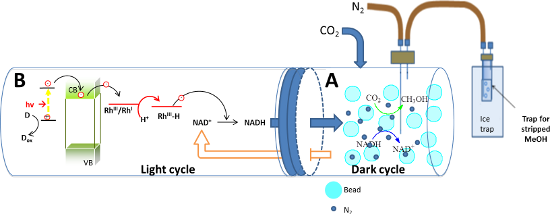
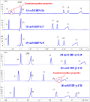
- rhodium complex in water. Dotted red line: spectrum of the rhodium complex after treatment with hydrogen. Dashed blue line: spectrum of the rhodium-hydrido complex after addition of NAD+: the band at 521 nm disappears and the band at 344 nm attributed to NADH appears. Spectral changes of the [Cp*Rh(bpy
- disappearance of the 521 nm band in the UV–vis spectrum, along with the appearance of the characteristic band at approximately 344 nm. The process was cyclic and the appearance–disappearance of the hydride signal followed the change in position of the UV–vis band from 521 to 344 nm and back. The spectral
- changes in the spectrum of [CrF5(H2O)]2− are reported in Figure 9 together with the cyclic voltammograms. The new combined system described in this paper has very high activity and specificity upon visible light irradiation. The extraordinary activity of [CrF5(H2O)]2−@TiO2 can be explained by an efficient


Cyclodextrin nanosponge-sensitized enantiodifferentiating photoisomerization of cyclooctene and 1,3-cyclooctadiene
Beilstein J. Org. Chem. 2012, 8, 1305–1311, doi:10.3762/bjoc.8.149
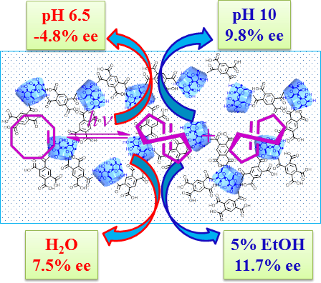
- the steric hindrance in the network polymer and/or the less efficient complexation inside the nanoparticle of CDNS would be responsible. The circular dichroism spectral changes observed for the more cross-linked CDNSs 4 and 5 upon binding 1Z or 2ZZ were too small to allow quantitative evaluation of




The effect of the formyl group position upon asymmetric isomeric diarylethenes bearing a naphthalene moiety
Beilstein J. Org. Chem. 2012, 8, 1018–1026, doi:10.3762/bjoc.8.114
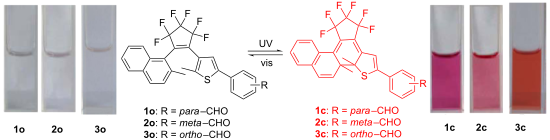
- the terminal benzene. Absorption spectral changes of diarylethenes 1–3 by photoirradiation with UV–vis in hexane (2.0 × 10⁻⁵ mol/L) at room temperature: (A) 1; (B) 2 and 3. The color changes of diarylethene 1–3 by photoirradiation at room temperature: (A) in hexane; (B) in PMMA films. The


Fifty years of oxacalix[3]arenes: A review
Beilstein J. Org. Chem. 2012, 8, 201–226, doi:10.3762/bjoc.8.22
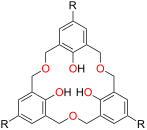
- absorption features at 425 or 430 nm in toluene. The strongest binding was observed for 3a (35.6 M−1) and the weakest for 3h (9.1 M−1). Although spectroscopic methods are widely used to determine host–guest association constants, Georghiou has argued persuasively that spectral changes in solution may be due


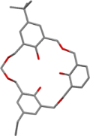


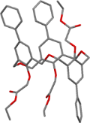


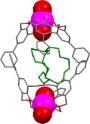

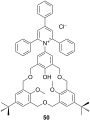





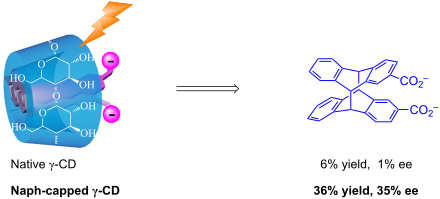
Supramolecular FRET photocyclodimerization of anthracenecarboxylate with naphthalene-capped γ-cyclodextrin
Beilstein J. Org. Chem. 2011, 7, 290–297, doi:10.3762/bjoc.7.38
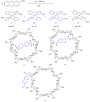
- , 60.08, 59.89. HR–FAB-MS: Calc. for [7+Na]+, C60H86NaO43 1517.44, found: 1517.45. UV–vis spectral changes of 0.2 mM AC upon increasing the concentration of 7 in pH 9 phosphate buffer at 25 °C. Circular dichroism spectra of 7 (0.2 mM) in the presence of 0, 0.0083, 0.025, 0.048, 0.071, 0.093, 0.13, 0.16



pH-Responsive chromogenic-sensing molecule based on bis(indolyl)methene for the highly selective recognition of aspartate and glutamate
Beilstein J. Org. Chem. 2011, 7, 218–221, doi:10.3762/bjoc.7.29
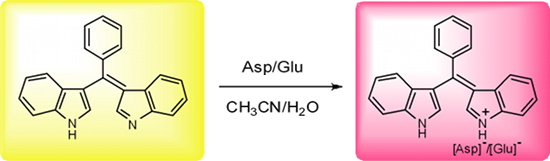
- could be observed and almost reached a maximum at pH = 3. This is due to protonation of receptor 1 which is very sensitive to slight pH changes in aqueous acidic medium. However, in the pH 7–10 range, no obvious spectral changes of 1 were observed. With increasing pH of the solution (Figure 3b), a new
- techniques. As shown in Figure 4a, upon the addition of 25 equiv of amino acids in acetonitrile/water (1:1, v/v), only Asp and Glu gave rise to perceptible spectral changes with the effect of changing the color of the solution instantly from yellow to red. This gives the potential for “naked eye” detection


Molecular recognition of organic ammonium ions in solution using synthetic receptors
Beilstein J. Org. Chem. 2010, 6, No. 32, doi:10.3762/bjoc.6.32