


Search results
Search for "Staphylococcus aureus" in Full Text gives 115 result(s) in Beilstein Journal of Organic Chemistry.
Skeletocutins M–Q: biologically active compounds from the fruiting bodies of the basidiomycete Skeletocutis sp. collected in Africa
Beilstein J. Org. Chem. 2019, 15, 2782–2789, doi:10.3762/bjoc.15.270

- , compound 3 moderately inhibited the biofilm formation of Staphylococcus aureus (S. aureus), while compounds 3 and 4 performed moderately in the ʟ-leucine-7-amido-4-methylcoumarin (ʟ-Leu-AMC) inhibition assay. These compounds represent the first secondary metabolites reported to occur in the fruiting bodies


Synthesis of novel sulfide-based cyclic peptidomimetic analogues to solonamides
Beilstein J. Org. Chem. 2019, 15, 2544–2551, doi:10.3762/bjoc.15.247

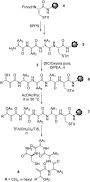
- analogues were prepared in moderate overall yields and did not show toxic effects on Staphylococcus aureus growth and were not toxic to human fibroblasts. Two of them inhibited the hemolytic activity of S. aureus, suggesting an interfering action in the bacterial quorum sensing similar to the one already
- prevent the expression of Staphylococcus aureus virulence factors such as α-hemolysin and phenol-soluble modulins without affecting the bacterial growth [3]. Particularly, solonamide B and its analogues revealed no detectable toxicity against erythrocytes or human neutrophils [3][4]. Staphylococcus aureus




Current understanding and biotechnological application of the bacterial diterpene synthase CotB2
Beilstein J. Org. Chem. 2019, 15, 2355–2368, doi:10.3762/bjoc.15.228
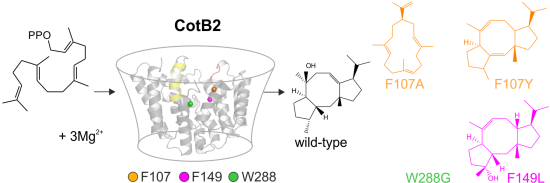
- -dolabellatriene (12) possesses a mainly weak antibiotic activity against different types of Staphylococcus aureus strains (two epidemic MRSA strains, a macrolide-resistant variant and two multidrug-resistant efluxing strains) [72]. By contrast, 3,7,18-dolabellatriene (12, Scheme 3), only altered at C14 with a


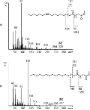
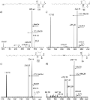
Isolation and biosynthesis of an unsaturated fatty acid with unusual methylation pattern from a coral-associated bacterium Microbulbifer sp.
Beilstein J. Org. Chem. 2019, 15, 2327–2332, doi:10.3762/bjoc.15.225
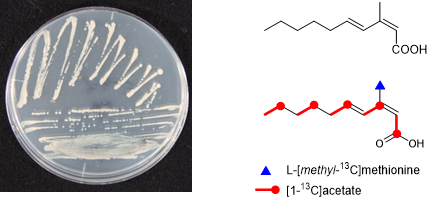
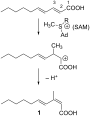
- and carbons from C3 to C18 are from palmitoyl-CoA. To the best of our knowledge, compound 1 is the first example of a simple fatty acid in which the carbonyl carbon of an acetate unit is methylated with SAM (Figure 3D). Compound 1 was not active against Staphylococcus aureus FDA209P JC-1, Micrococcus
- microtiter plates against six bacteria, Bacillus subtilis ATCC6633, Micrococcus luteus ATCC9341, Staphylococcus aureus FDA209P JC-1, Ralstonia solanacearum SUPP1541, Rhizobium radiobacter NBRC14554, Escherichia coli NIHJ JC-2, and two yeasts Candida albicans NBRC0197 and Saccharomyces cerevisiae S100 as


Synthesis and biological evaluation of truncated derivatives of abyssomicin C as antibacterial agents
Beilstein J. Org. Chem. 2019, 15, 1468–1474, doi:10.3762/bjoc.15.147
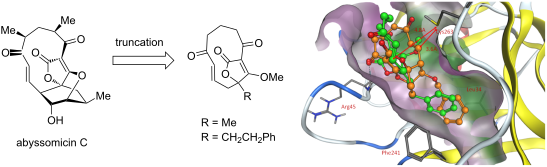
- structure–activity relationship studies towards novel antibiotics targeting 4-amino-4-deoxychorismate (ADC) synthase. Specifically, it is demonstrated that the synthetically challenging bicyclic motif is essential for activity towards methicillin-resistant Staphylococcus aureus (MRSA). Keywords
- methicillin- and vancomycin-resistant Staphylococcus aureus (MRSA and VRSA) with minimum inhibitory concentration (MIC) values of 4 and 13 µg/mL, respectively [4]. AbC belongs to a small family of NPs and two congeners of this family lacking the enone functionality, abyssomicins B and D, were discovered at


Doebner-type pyrazolopyridine carboxylic acids in an Ugi four-component reaction
Beilstein J. Org. Chem. 2019, 15, 1281–1288, doi:10.3762/bjoc.15.126
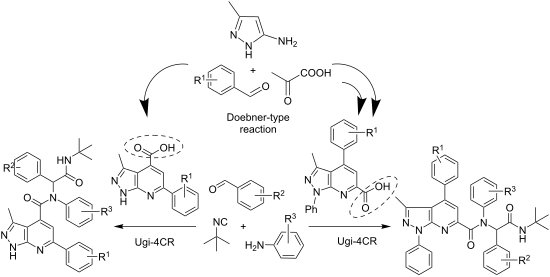
- (strain 1211), Staphylococcus aureus (strain 2231) (gram-positive) and Escherichia coli (strain 1257), Pseudomonas aeruginosa (strain 1111) (gram-negative). Generally, the compounds were found to be less active than nitroxoline being the reference substance. The results obtained indicate that some


Synthesis and SAR of the antistaphylococcal natural product nematophin from Xenorhabdus nematophila
Beilstein J. Org. Chem. 2019, 15, 535–541, doi:10.3762/bjoc.15.47
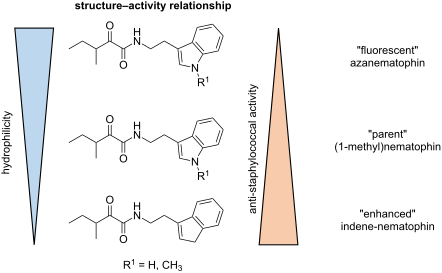
- ; nematophin; Staphylococcus aureus; Introduction Microorganisms present a rich source of bioactive natural products of pharmacological importance against an emerging number of multiresistant bacteria [1]. Such examples are Xenorhabdus sp., Gram-negative entomopathogenic bacteria which live in symbiosis with
- -oxopentanoic acid and tryptamine and showed good activities against different Gram-positive pathogens like Staphylococcus aureus, including methicillin-resistant S. aureus (MRSA) comparable with activities of vancomycin. Recently, the biosynthesis of 1 was elucidated by our group as well as the 2


Synthesis and biological activity of methylated derivatives of the Pseudomonas metabolites HHQ, HQNO and PQS
Beilstein J. Org. Chem. 2019, 15, 187–193, doi:10.3762/bjoc.15.18
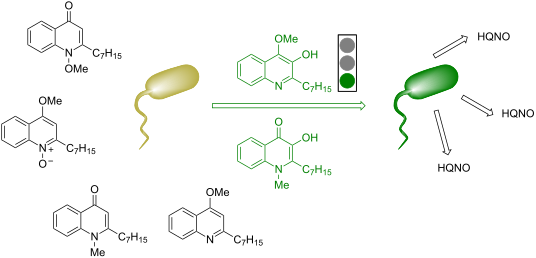
- from 3-iodinated quinolones by methylation and iodine–metal exchange/oxidation. The two N- and O-methylated derivatives of the PQS showed strong quorum sensing activity comparable to that of PQS itself. Staphylococcus aureus, another pathogenic bacterium often co-occurring with P. aeruginosa especially
- . aeruginosa and Staphylococcus aureus, which model interactions relevant to patients with cystic fibrosis, HQNO is a major factor for killing of S. aureus [15]. While HQNO seems to be generally toxic to Gram-positive bacteria, we could show that some bacteria are able to transform HQNO into less toxic




Repurposing the anticancer drug cisplatin with the aim of developing novel Pseudomonas aeruginosa infection control agents
Beilstein J. Org. Chem. 2018, 14, 3059–3069, doi:10.3762/bjoc.14.284
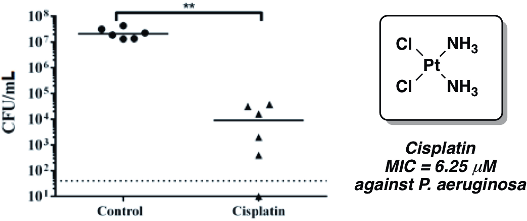
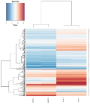
- among several other Pt(II)-based compounds to kill P. aeruginosa. It was previously reported that cisplatin had antimicrobial effects on nosocomial pathogens, such as Escherichia coli, Klebsiella pneumonia and Staphylococcus aureus [10] and persister cells [11]. Transcriptomic analysis was employed to




N-Acylated amino acid methyl esters from marine Roseobacter group bacteria
Beilstein J. Org. Chem. 2018, 14, 2964–2973, doi:10.3762/bjoc.14.276
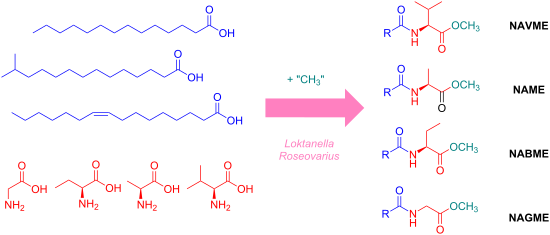
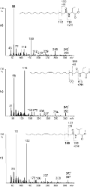
- program for their antimicrobial activity (Table 3). While the valine derivative 9 was virtually inactive, the other compounds showed some activity. Glycine compound 11 showed good activity against the Gram-positive bacteria Bacillus subtilis, Staphylococcus aureus, and Micrococcus luteus, and against the





Protein–protein interactions in bacteria: a promising and challenging avenue towards the discovery of new antibiotics
Beilstein J. Org. Chem. 2018, 14, 2881–2896, doi:10.3762/bjoc.14.267
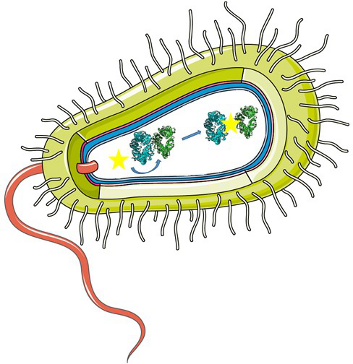
- resistance: 1. Priority 1 – Critical: Acinetobacter baumannii, carbapenem-resistant Pseudomonas aeruginosa, carbapenem-resistant Enterobacteriaceae, carbapenem-resistant, 3rd generation cephalosporin-resistant 2. Priority 2 – High: Enterococcus faecium, vancomycin-resistant Staphylococcus aureus, methicillin
- and Gram-negative pathogens, namely Bacillus subtilis, Staphylococcus aureus, Escherichia coli and Acinetobacter baylyi with MICs ranging from 39 to 78 μM [62]. A year later, further SAR investigations from the same research group led to the identification of another tetrahydrocarbazole derivative 12
- peptides for their ability to disrupt PPIs in the β-sliding clamp of Staphylococcus aureus. In this elegant study, from a library of 900,000 cyclic peptides, which was intracellularly generated using the split-intein circular ligation of peptides and proteins (SICLOPPS) technology [66], three hits


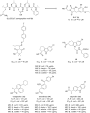


Synthesis of pyrrolidine-based hamamelitannin analogues as quorum sensing inhibitors in Staphylococcus aureus
Beilstein J. Org. Chem. 2018, 14, 2822–2828, doi:10.3762/bjoc.14.260
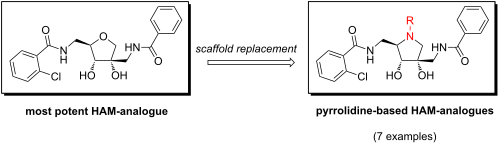
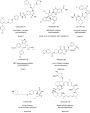
- ; quorum sensing; Staphylococcus aureus; Introduction Antimicrobial resistance is rapidly becoming a global threat [1][2]. It is estimated that worldwide, at least 700 000 people die every year from drug-resistant strains of common bacterial infections. Strategies to deal with the global antimicrobial
- system and antibiotics. The Centers for Disease Control and Prevention (CDC) have listed a number of bacteria that present serious, urgent and concerning threats [8]. One of these problematic bacteria is methicillin-resistant Staphylococcus aureus (MRSA), a human pathogen that causes a wide range of


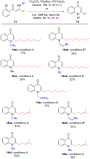
Synthesis and biological evaluation of 1,2-disubstituted 4-quinolone analogues of Pseudonocardia sp. natural products
Beilstein J. Org. Chem. 2018, 14, 2680–2688, doi:10.3762/bjoc.14.245

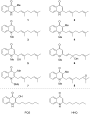
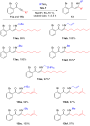
- potent antibacterial activity against Helicobacter pylori and induce growth defects in Escherichia coli and Staphylococcus aureus. Taking inspiration from a methodology used in our total synthesis of natural products, we applied this methodology to access analogues possessing bulky N-substituents
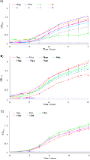
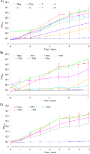
- Escherichia coli reporter system [9]), an intriguing effect upon the growth of E. coli and Staphylococcus aureus was noted, which showed an extended lag phase in response to the compounds (except 4, which was inactive towards E. coli. It should be noted that in this previous publication, the graphical data





The design and synthesis of an antibacterial phenothiazine–siderophore conjugate
Beilstein J. Org. Chem. 2018, 14, 2646–2650, doi:10.3762/bjoc.14.242
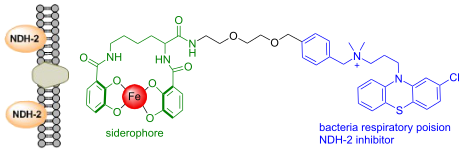
- ]. Phenothiazines are a privileged scaffold in drug discovery most noted for their use as antipsychotic drugs including chlorpromazine, trifluoperazine, and thioridazine. However, such drugs have also long been noted for their significant antimicrobial activity particularly against Staphylococcus aureus and


Pathoblockers or antivirulence drugs as a new option for the treatment of bacterial infections
Beilstein J. Org. Chem. 2018, 14, 2607–2617, doi:10.3762/bjoc.14.239
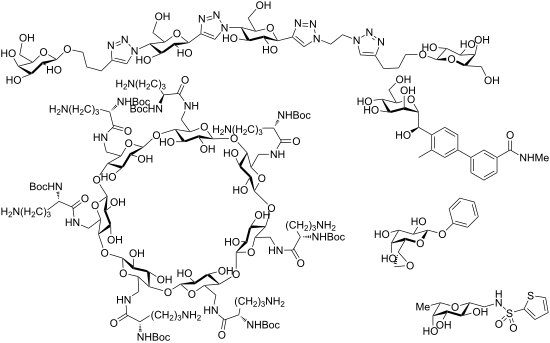
- pathogens, [4] Enterococcus faecium, Staphylococcus aureus, Klebsiella pneumoniae, Acinetobacter baumanii, Pseudomonas aeruginosa, and Enterobacter species, were initially identified as the most problematic ones. In 2017, an extended list of twelve pathogens, currently considered as those with the highest
- factors playing crucial roles in acute virulence [55]. Staphylococcus aureus infections are characterized by the toxic action of bacterial α-hemolysin, a pore forming toxin leading to hemolysis. The antibody MEDI4893, which blocks S. aureus α-hemolysin, is currently in phase II clinical trials [56




Synthesis of a leopolic acid-inspired tetramic acid with antimicrobial activity against multidrug-resistant bacteria
Beilstein J. Org. Chem. 2018, 14, 2482–2487, doi:10.3762/bjoc.14.224
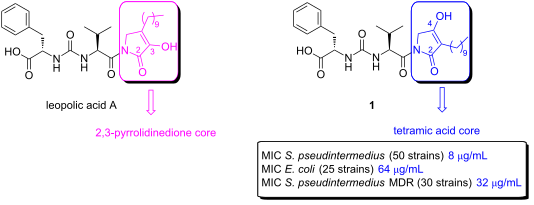
- the plant Juniperus excelsa [3][4]. Leopolic acid A is endowed with antibacterial activity against Staphylococcus aureus and Staphylococcus pseudintermedius with a MIC of 16 μg/mL, and against Escherichia coli with a MIC of 128 µg/mL [3][4]. In terms of structural features, this compound contains a 4


Defining the hydrophobic interactions that drive competence stimulating peptide (CSP)-ComD binding in Streptococcus pneumoniae
Beilstein J. Org. Chem. 2018, 14, 1769–1777, doi:10.3762/bjoc.14.151
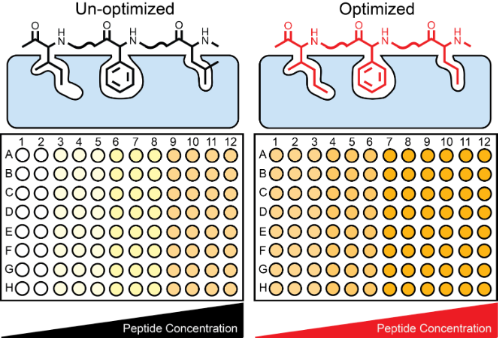
- Staphylococcus aureus [11][12][13][14][15][16], Gram-positive QS systems are underrepresented in the literature. To address this issue, our research groups have been actively working to delineate the molecular mechanisms of several Gram-positive QS circuitries, including Enterococcus faecalis [17], Streptococcus


An overview of recent advances in duplex DNA recognition by small molecules
Beilstein J. Org. Chem. 2018, 14, 1051–1086, doi:10.3762/bjoc.14.93
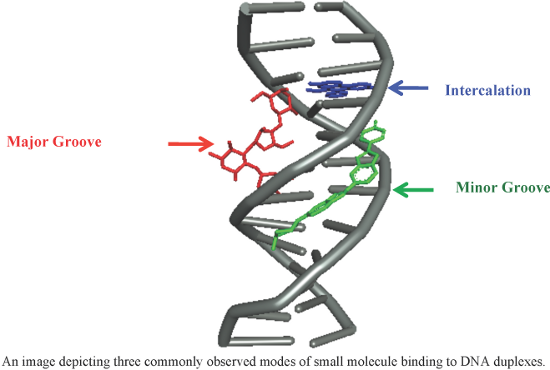
- could facilitate DNA cleavage. Moreover, these complexes showed improved biocidal activity than the free ligands against various bacterial strains such as Staphylococcus aureus, Pseudomonas aeruginosa, Escherichia coli, Staphylococcus epidermidis, and Klebsiella pneumonia. Nair et al. synthesized and






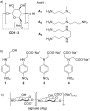
Binding abilities of polyaminocyclodextrins: polarimetric investigations and biological assays
Beilstein J. Org. Chem. 2017, 13, 2751–2763, doi:10.3762/bjoc.13.271
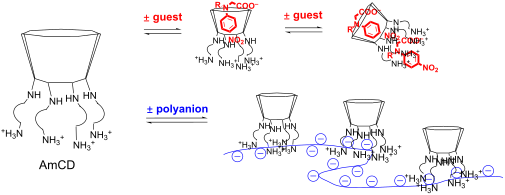
- resistance genes) and the emergence of multidrug resistant strains [59]. In addition, extracellular DNA has been shown to be important for biofilm establishment and maintenance by pathogenic bacteria, such as Pseudomonas aeruginosa and Staphylococcus aureus [60][61][62]. Some other bacteria, such as E. coli



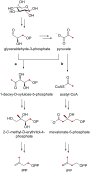
Herpetopanone, a diterpene from Herpetosiphon aurantiacus discovered by isotope labeling
Beilstein J. Org. Chem. 2017, 13, 2458–2465, doi:10.3762/bjoc.13.242
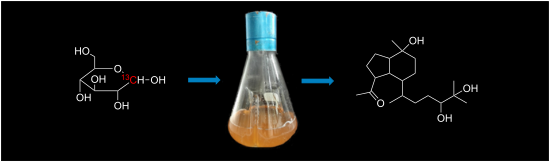
- performed as previously described [27]. The test organisms included Bacillus subtilis ATCC 6633, Staphylococcus aureus SG 511, Mycobacterium vaccae IMET 10670, Escherichia coli SG 458, Pseudomonas aeruginosa K 799/61, Sporobolomyces salmonicolor SBUG 549, Candida albicans ATCC 14053 and Penicillium notatum


Diosgenyl 2-amino-2-deoxy-β-D-galactopyranoside: synthesis, derivatives and antimicrobial activity
Beilstein J. Org. Chem. 2017, 13, 2310–2315, doi:10.3762/bjoc.13.227

- against the following six Gram-positive bacteria species: Enterococcus faecalis, Enterococcus faecium, Staphylococcus aureus, Staphylococcus epidermidis, Streptococcus pyogenes and Streptococcus pneumoniae. The minimum inhibitory concentrations (MICs) were determined by the broth microdilution method


New tricks of well-known aminoazoles in isocyanide-based multicomponent reactions and antibacterial activity of the compounds synthesized
Beilstein J. Org. Chem. 2017, 13, 1050–1063, doi:10.3762/bjoc.13.104
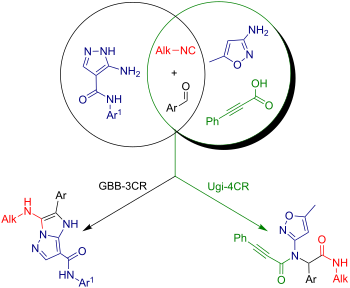
- not been studied yet, were examined as an amine component in Ugi-4CR and GBB-3CR. The generated compounds were screened for their biological activity towards Bacillus subtilis, Staphylococcus aureus, Escherichia coli and Pseudomonas aeruginosa. Results and Discussion Since aminoazoles contain an
- compound 9e (Figure 5). Antibacterial activity The antibacterial activity of compounds 4, 6 and 9 (Table 7) was studied (see Experimental part in Supporting Information File 1 for details) against reference bacterial cultures: Bacillus subtilis (strain 1211), Staphylococcus aureus (strain 2231) (Gram




First total synthesis of kipukasin A
Beilstein J. Org. Chem. 2017, 13, 855–862, doi:10.3762/bjoc.13.86
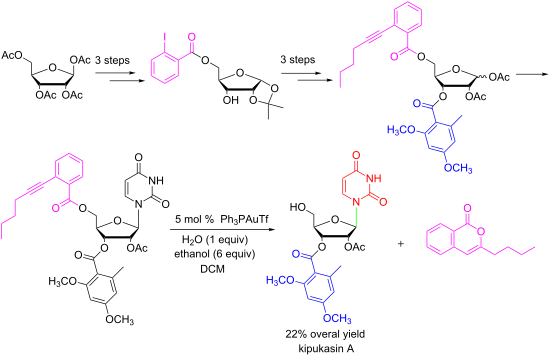
- group at 2’-OH position. To the best of our knowledge, they are the first naturally occurring aroyl nucleosides reported up to now. The biological assays showed that kipukasin A owned modest activity against Gram-positive bacteria Staphylococcus aureus (ATCC 29213) [11]. During our ongoing biological


Opportunities and challenges for the sustainable production of structurally complex diterpenoids in recombinant microbial systems
Beilstein J. Org. Chem. 2017, 13, 845–854, doi:10.3762/bjoc.13.85
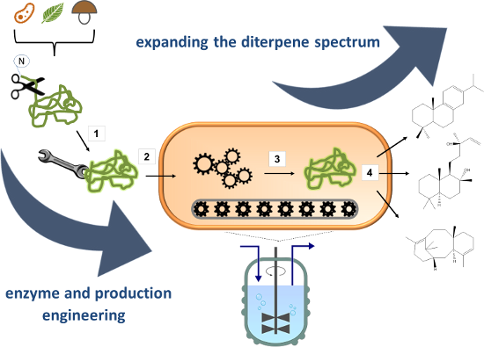
- against multidrug resistant Staphylococcus aureus to this family of natural products [57]. Other mutations on this enzyme generated one cembrane-type monocycle (F107A) (Scheme 2) and two non-natural fusicoccane-type diterpenes (F107Y and F149L) [57]. The latter are putative intermediates in novel routes


The effect of cyclodextrin complexation on the solubility and photostability of nerolidol as pure compound and as main constituent of cabreuva essential oil
Beilstein J. Org. Chem. 2017, 13, 835–844, doi:10.3762/bjoc.13.84
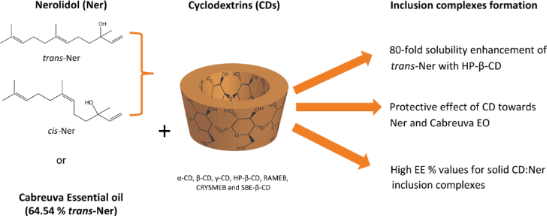
- cabreuva essential oil (EO) (Myrocarpus fastigiatus) [3]. Due to its antimicrobial effects against a wide range of microorganisms such as Staphylococcus aureus, Salmonella enterica and Aspergillus niger [4], Ner can be employed as natural alternative to traditional synthetic food preservatives. To achieve





