Search results
Search for "carbohydrate" in Full Text gives 310 result(s) in Beilstein Journal of Organic Chemistry. Showing first 200.
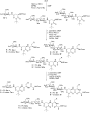
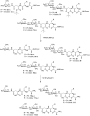
Metal-free glycosylation with glycosyl fluorides in liquid SO2
Beilstein J. Org. Chem. 2021, 17, 964–976, doi:10.3762/bjoc.17.78

- equilibrium. Keywords: fluorosulfite; glycosyl fluoride; Lewis acid; liquid sulfur dioxide; metal-free glycosylation; Introduction The glycosylation reaction is still one of the most important and basic synthetic strategies in carbohydrate chemistry that provides access to the various types of



Beyond ribose and phosphate: Selected nucleic acid modifications for structure–function investigations and therapeutic applications
Beilstein J. Org. Chem. 2021, 17, 908–931, doi:10.3762/bjoc.17.76
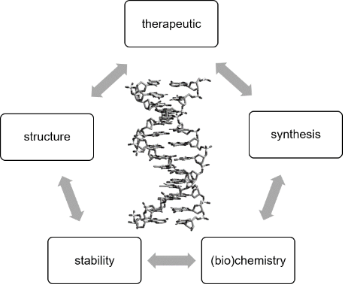
- biophysical, structural, and biological characterization of hexitol nucleic acids (HNA), mannitol nucleic acids (MNA), and altritol nucleic acids (AtNA) [216][217][218][219][220]. These carbohydrate-modified nucleosides incorporate a six-membered pyranose ring in place of the furanose ring found in unmodified




Simulating the enzymes of ganglioside biosynthesis with Glycologue
Beilstein J. Org. Chem. 2021, 17, 739–748, doi:10.3762/bjoc.17.64
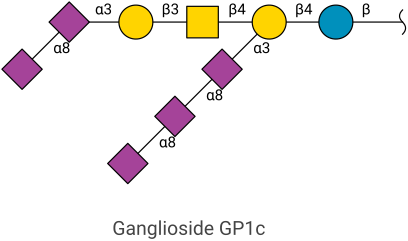
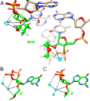
- Gangliosides are glycosphingolipids that contain a sialylated carbohydrate linked to ceramide. Typically located in the plasma membranes of many tissues, gangliosides are most concentrated in the brain, where they are the dominant feature of the neuronal glycocalyx [1][2][3]. The oligosaccharide is based on a
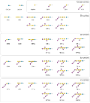
- . The method involves a set of regular-expression-based rules acting on strings of characters that representing the monosaccharide units, x, model the actions of transferases in the general form, Ax + B = A + xB, where Ax is a nucleotide sugar and B is the carbohydrate moiety of the acceptor, be it a
- the context. In this work, we consider only four monosaccharides and their corresponding letters: Glc (G), Gal (L), Neu5Ac (S) and GalNAc (V). In IUPAC form (see Table 1), we can write the carbohydrate portion of the ganglioside GM1a (Figure 1) as any of the following: Galb1-3GalNAcb1-4[Neu5Aca2-3




Regioselective chemoenzymatic syntheses of ferulate conjugates as chromogenic substrates for feruloyl esterases
Beilstein J. Org. Chem. 2021, 17, 325–333, doi:10.3762/bjoc.17.30
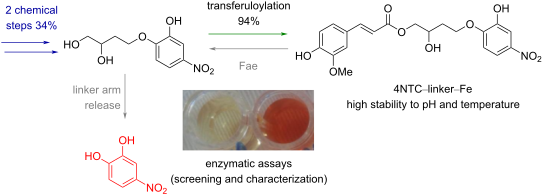
- , France 10.3762/bjoc.17.30 Abstract Generally, carbohydrate-active enzymes are studied using chromogenic substrates that provide quick and easy color-based detection of enzyme-mediated hydrolysis. For feruloyl esterases, commercially available chromogenic ferulate derivatives are both costly and limited


Supramolecular polymerization of sulfated dendritic peptide amphiphiles into multivalent L-selectin binders
Beilstein J. Org. Chem. 2021, 17, 97–104, doi:10.3762/bjoc.17.10
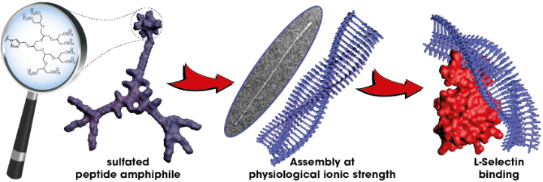
- [6][7][8][9] are only few of the numerous examples for multivalent protein–protein or protein–carbohydrate interactions that underline their pivotal role in biology. Mimicking polyvalency using synthetic systems has therefore become a growing field and the high degree of functionality renders



Fluorine effect in nucleophilic fluorination at C4 of 1,6-anhydro-2,3-dideoxy-2,3-difluoro-β-D-hexopyranose
Beilstein J. Org. Chem. 2020, 16, 2880–2887, doi:10.3762/bjoc.16.237
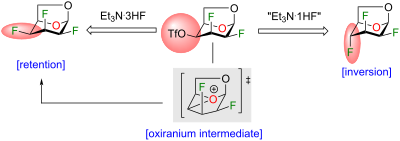
- density functional theory (DFT) calculations). Finally, we wish to report the preparation of novel multi-vicinal fluorinated alditol analogues using a simple reduction protocol. Results and Discussion We initially supposed that DAST, a commonly used reagent to install fluorine atoms on the carbohydrate
- ). Interestingly, oxiranium ions in carbohydrate chemistry have been proposed as intermediates in the course of various reactions [20][29][35][36]. An equatorial fluorine atom at C2 (antiperiplanar to the C1–O5 bond) reduces the endocyclic oxygen polarizability, but also destabilizes a possible carbocation at C4



Easy access to a carbohydrate-based template for stimuli-responsive surfactants
Beilstein J. Org. Chem. 2020, 16, 2788–2794, doi:10.3762/bjoc.16.229
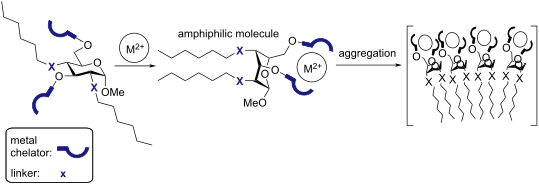
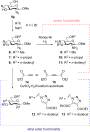
- Caparica, Portugal 10.3762/bjoc.16.229 Abstract In this paper we describe the synthesis of a new carbohydrate-based building block functionalized with azido or amino groups on the 2 and 4 positions. The building block can be synthesized in anomerically pure form in only five scalable steps starting from
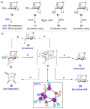
- -consuming synthetic transformations employing costly reagents [15][16][17][18]. In this paper we describe the synthesis of a new carbohydrate-based building block that can be used for the synthesis of stimuli-responsive surfactants as it has the ability to be functionalized with both metal-chelating groups
- positions gave a compound with an on/off amphiphilicity as demonstrated visually. To conclude, the building block 5 gives access to a wide variety of functionalized derivatives and can be used for the synthesis of stimuli-responsive surfactants. a) The carbohydrate-based building block for the synthesis of




Selective recognition of ATP by multivalent nano-assemblies of bisimidazolium amphiphiles through “turn-on” fluorescence response
Beilstein J. Org. Chem. 2020, 16, 2728–2738, doi:10.3762/bjoc.16.223
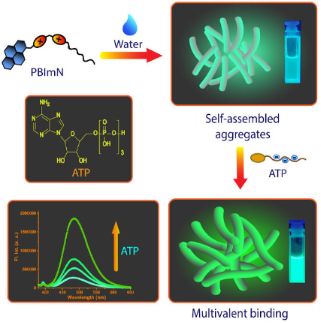
- ]. It is a principle ubiquitously used in biology to achieve high affinity binding events with examples ranging from protein–carbohydrate interactions to host–pathogen interactions or cell surface adhesion [12][13][14]. The high affinity originates from the simultaneous interactions of multiple sites in


A consensus-based and readable extension of Linear Code for Reaction Rules (LiCoRR)
Beilstein J. Org. Chem. 2020, 16, 2645–2662, doi:10.3762/bjoc.16.215
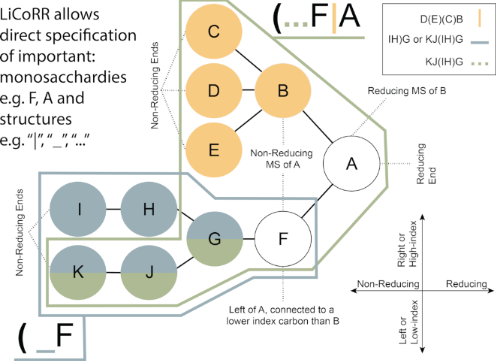
- connects to the reducing end, Ha3. But if Ab3 was connected to the second Ha3 from right instead, we can specify the point of the cycle using a “c,” nGa6Ga4(-Ab3-)Ub2Ha3Hca3Ha3. Glycoconjugate rules describe when a reducing end of a SU is connected to non-carbohydrate moieties, Glycoconjugate rules
- complex carbohydrate is unknown. In reaction rules representation, “ * ” marks the “reaction site”, the position of the first difference between product and substrate strings in Linear Code form [7][10][13][32]. Note that the “reaction site” does not necessarily refer to the exact place that the reaction


Anion exchange resins in phosphate form as versatile carriers for the reactions catalyzed by nucleoside phosphorylases
Beilstein J. Org. Chem. 2020, 16, 2607–2622, doi:10.3762/bjoc.16.212
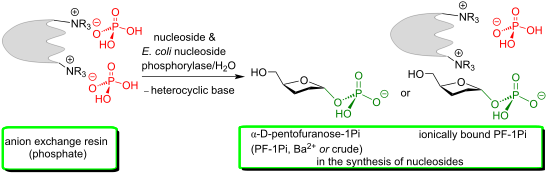
- heterocyclic bases were studied in detail [16][17][18][19][20]. The transglycosylation reaction, that is the transfer of a carbohydrate fragment from a nucleoside donor to another heterocyclic base acceptor, was discovered by Kalckar in 1945 [16] (for reviews of pioneering works, see [17][18]). In a brief


Leveraging glycomics data in glycoprotein 3D structure validation with Privateer
Beilstein J. Org. Chem. 2020, 16, 2523–2533, doi:10.3762/bjoc.16.204
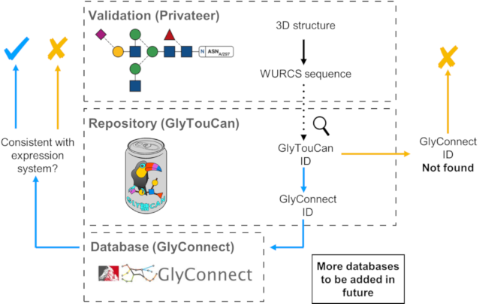
- initiatives have stored results in publicly available databases, some of which can be accessed through API interfaces. In the present work, we will describe how the Privateer carbohydrate structure validation software has been extended to harness results from glycomics projects, and its use to greatly improve
- and protein interactions [12]. Unfortunately, significant challenges have affected the determination of glycoprotein structures for decades and have had a detrimental impact on the quality and reliability of the produced models. Anomalies have been reported regarding carbohydrate nomenclature [13
- the lack of carbohydrate-specific modelling tools have often been named as the principal causes for these issues [18]. Heterogeneity of glycoproteins Unlike protein synthesis, which is encoded in the genome and follows a clear template, glycan biosynthesis is not template-directed. A single



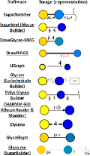
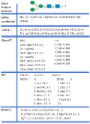
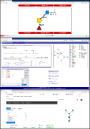
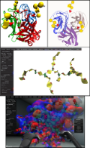
Computational tools for drawing, building and displaying carbohydrates: a visual guide
Beilstein J. Org. Chem. 2020, 16, 2448–2468, doi:10.3762/bjoc.16.199
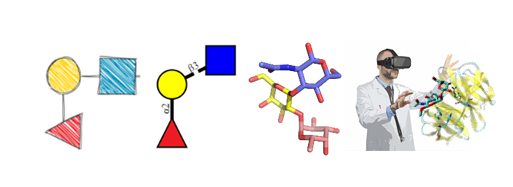
- glycobiologists or any researcher looking for a ready to use, simple program for the sketching or building of glycans. Keywords: bioinformatics; carbohydrate; glycan; glycobiology; nomenclature; oligosaccharide; polysaccharide; representation; structure; Introduction Glycoscience is a rapidly surfacing and
- information, coupled with the emergence of new platforms and technologies, has benefitted glycoscience to the point of enabling the detection and high-resolution determination and representation of complex glycans [1]. Increasing numbers of carbohydrate sequences have accumulated throughout extensive work in
- increases our understanding of biological processes. Representing the structures of carbohydrates has historically been considered to be a complicated task. Starting from the linear form of the Fischer projection, which is certainly not a realistic representation of a carbohydrate structure, there has been








Tools for generating and analyzing glycan microarray data
Beilstein J. Org. Chem. 2020, 16, 2260–2271, doi:10.3762/bjoc.16.187
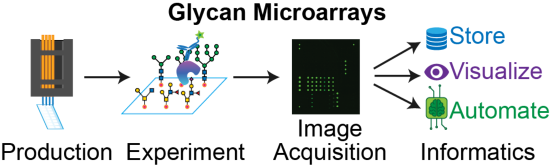
- -made analysis of over 1000 glycan array datasets from the CFG database (up to v5.1) via a web interface [48]. In this tool, rather than using predefined motifs, it utilizes Multiple Carbohydrate Alignment with Weights (MCAW) algorithm to align glycan structures as sequences based on their
- this software a user uploads a glycan binding protein complexed to a carbohydrate fragment in PDB format. This need not be a co-crystal structure, and can be a modeled structure as well. The application then finds glycans that contain this fragment which are present on the CFG microarray data and


GlypNirO: An automated workflow for quantitative N- and O-linked glycoproteomic data analysis
Beilstein J. Org. Chem. 2020, 16, 2127–2135, doi:10.3762/bjoc.16.180
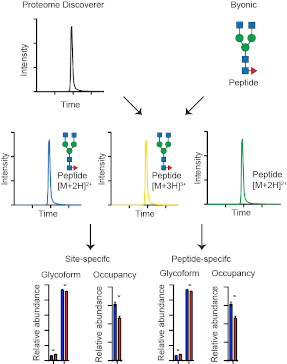
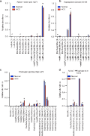
- -glycosylation; O-glycosylation; Python; Introduction Glycosylation is a key post-translational modification critical for protein folding and function in eukaryotes [1][2][3]. Diverse types of glycosylation are known, all involving modification of specific amino acid residues with complex carbohydrate



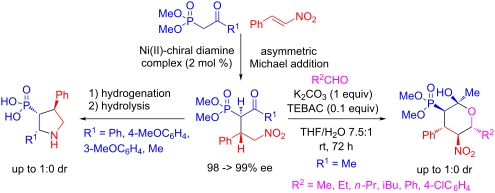
Convenient access to pyrrolidin-3-ylphosphonic acids and tetrahydro-2H-pyran-3-ylphosphonates with multiple contiguous stereocenters from nonracemic adducts of a Ni(II)-catalyzed Michael reaction
Beilstein J. Org. Chem. 2020, 16, 2073–2079, doi:10.3762/bjoc.16.174
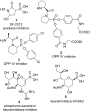
- Micromonospora [5]. Dipeptide analogs with phosphonoproline 2 and piperidine-2-phosphonic acid 3 are potent inhibitors of dipeptidyl peptidase IV [6][7]. Oxygen-containing heterocycles containing a phosphoryl group are also of interest in the development of new drugs. It is known that phosphorylated carbohydrate



How and why plants and human N-glycans are different: Insight from molecular dynamics into the “glycoblocks” architecture of complex carbohydrates
Beilstein J. Org. Chem. 2020, 16, 2046–2056, doi:10.3762/bjoc.16.171
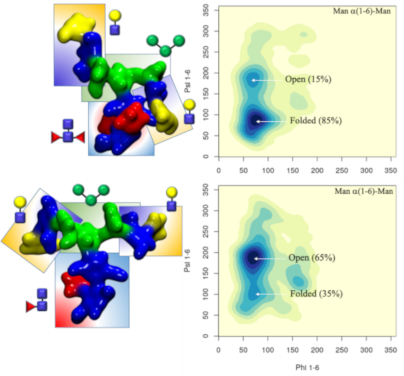
- implicated in the cell’s interactions with its environment, facilitating communication and infection [1][2]. These processes are often initiated by molecular recognition involving carbohydrate-binding proteins (lectins) or by glycan–glycan interactions [1][3][4][5], all events that hinge on specific
- also of how specific modifications affect molecular recognition. Computational Methods All starting structures were generated with the GLYCAM Carbohydrate Builder (http://www.glycam.org). For each sequence we selected the complete set of torsion angle values obtained by variation of the 1-6 dihedrals
- , namely the three gg, gt and tg conformations for each 1-6 torsion. The topology file for each structure was obtained using tleap [31], with parameters from the GLYCAM06-j1 [32] for the carbohydrate atoms and with TIP3P for water molecules [33]. All calculations were run with the AMBER18 software package


Synthesis of monophosphorylated lipid A precursors using 2-naphthylmethyl ether as a protecting group
Beilstein J. Org. Chem. 2020, 16, 1955–1962, doi:10.3762/bjoc.16.162

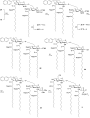
- . More importantly, we employed the 2-naphthylmethyl ether (Nap) group for protection of various hydroxy groups on the carbohydrate and acyl moieties, aiming to provide an advantage over previous methods that mainly used the benzyl group [4][14][15][16] in synthesizing lipid A derivatives. We also aim at
- reaction sequence of deprotection, acylation, phosphorylation, and global deprotection. The Nap protecting group has emerged as a particularly valuable addition to carbohydrate chemistry [24][25]. Not only does it not significantly alter carbohydrate reactivity, it also can be readily cleaved under
- hydrogenolytic conditions as well as a variety of oxidative [26] and acid-mediated conditions [25][27] that are orthogonal to benzyl ethers. Therefore, we employed the Nap ether as a “permanent” protecting group for the carbohydrate and the 3-hydroxy group of the acyl chain, aiming to provide an advantage over


Synthesis, docking study and biological evaluation of ᴅ-fructofuranosyl and ᴅ-tagatofuranosyl sulfones as potential inhibitors of the mycobacterial galactan synthesis targeting the galactofuranosyltransferase GlfT2
Beilstein J. Org. Chem. 2020, 16, 1853–1862, doi:10.3762/bjoc.16.152
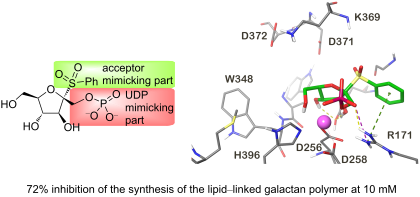
- carbohydrate skeletons resembled the donor substrate: various RSO2 aglycons mimic an approaching acceptor substrate while the 1-O-phosphono moiety represents the leaving UDP [20]. The synthesis of target compounds 1–3 consisted of two different strategies. The first one was applied to a series of ᴅ


When metal-catalyzed C–H functionalization meets visible-light photocatalysis
Beilstein J. Org. Chem. 2020, 16, 1754–1804, doi:10.3762/bjoc.16.147
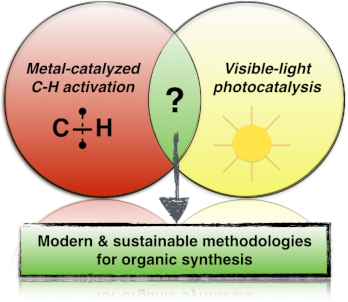
- , ortho-C–H activation delivering the photoactive intermediate. Under visible-light irradiation, the SET process from the excited ruthenacycle to the haloalkane coupling partner leads to the formation of a stabilized alkyl radical (Figure 39). Next, radical attack at the para-position of the carbohydrate


Nonenzymatic synthesis of anomerically pure, mannosyl-based molecular probes for scramblase identification studies
Beilstein J. Org. Chem. 2020, 16, 1732–1739, doi:10.3762/bjoc.16.145
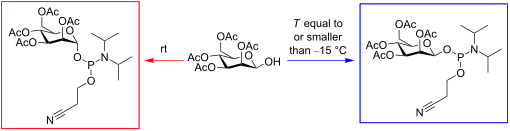
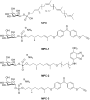
- individual building blocks (e.g., the phosphoramidites) will enable the creation of a series of molecular probes with different functional groups and varying linker lengths with relatively little effort. The crucial step in the synthetic pathway consists of the conversion of the carbohydrate intermediates
- configuration at the anomeric position and to prove the working principle of our synthetic strategy, we used 2D NMR experiments. Coupled HSQC measurements revealed the 1JCH coupling constants of our compounds and thereby the absolute configuration at the anomeric center of the carbohydrate [40][41][42]. For MPC
- achieved by following literature procedures [35][36], which provided the pure β-anomer as a crystalline solid. Secondly, suitable conditions had to be identified for the subsequent phosphitylation conditions under which no mutarotation of the carbohydrate occurs. Cooling of the reaction mixture and



One-pot synthesis of isosorbide from cellulose or lignocellulosic biomass: a challenge?
Beilstein J. Org. Chem. 2020, 16, 1713–1721, doi:10.3762/bjoc.16.143
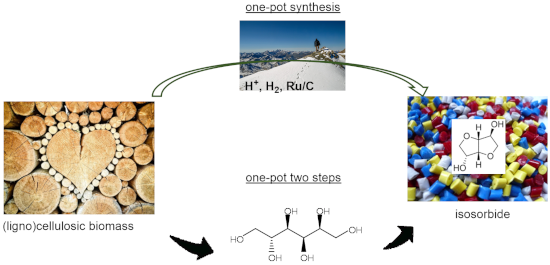
- hardwood and wheat straw led to the highest isosorbide yield of 7%. This can be due to a higher carbohydrate content and a lower amount of impurities than in the other raw materials. Based on this, the pretreatment of the delignified biomass will promote the synthesis of isosorbide. Hence, CIMV-delignified


Synthesis of Streptococcus pneumoniae serotype 9V oligosaccharide antigens
Beilstein J. Org. Chem. 2020, 16, 1693–1699, doi:10.3762/bjoc.16.140
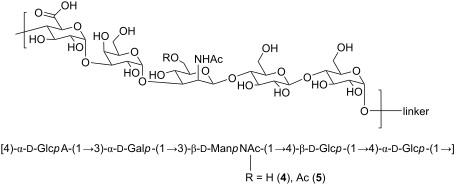
- . Here, we demonstrate a convergent [2 + 3] synthetic strategy to prepare the pentasaccharide repeating unit of 9V with and without an acetate group at the C-6 position of mannosamine. Keywords: antigen; carbohydrate chemistry; oligosaccharide; Streptococcus pneumoniae; vaccines; Introduction
- acetate loss during isolation, purification, or protein conjugation leads to structurally altered CPS. Vaccines based on synthetic carbohydrate antigens [11][12][13][14][15] such as the first commercially available semisynthetic glycoconjugate vaccine Quimi Hib® against H. influenzae [16] and Shigella


A dynamic combinatorial library for biomimetic recognition of dipeptides in water
Beilstein J. Org. Chem. 2020, 16, 1588–1595, doi:10.3762/bjoc.16.131
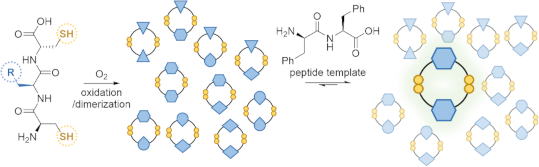
- developed a DCL composed of Cu2+, Ni2+ complexes. The addition of dipeptides caused characteristic spectral changes by ligand-exchange reactions [18]. We previously used a peptide derived DCL for the development of artificial carbohydrate receptors [19][20]. An intriguing example derived from that work is
- , which is in agreement with the apparently weaker interaction in D2O [25]. Conclusion In summary, we demonstrated that artificial peptide receptors can emerge from a peptide-based DCL under competitive conditions in water. In agreement with our previous works on carbohydrate recognition, this supports


Activated carbon as catalyst support: precursors, preparation, modification and characterization
Beilstein J. Org. Chem. 2020, 16, 1188–1202, doi:10.3762/bjoc.16.104
- industrially infeasible [97]. Carbon spheres are also prepared by hydrothermal treatment of aqueous low cost biomass, such as lignocellulosic materials, or carbohydrate precursor solutions at defined temperatures in closed systems [100][101]. The proposed mechanism of the formation of carbon spheres seems
- conform to the LaMer model and starts with a polymerization step of the carbohydrate monomers and followed by a carbonization step when the nucleation is caused by the supersaturation of the solution. The resulting nuclei grow uniformly until the final size is obtained depending on the growth parameters


Synthesis of new asparagine-based glycopeptides for future scanning tunneling microscopy investigations
Beilstein J. Org. Chem. 2020, 16, 888–894, doi:10.3762/bjoc.16.80

- containing glycopeptides were prepared in solution. The applicability of two common peptide coupling reagents, using an orthogonal Fmoc/t-Bu strategy along with acetyl protecting groups for the carbohydrate moiety, was studied. Thus, the prepared libraries of glycopeptides were designed as model systems of