


Search results
Search for "conjugation" in Full Text gives 446 result(s) in Beilstein Journal of Organic Chemistry. Showing first 200.
Novel truxene-based dipyrromethanes (DPMs): synthesis, spectroscopic characterization and photophysical properties
Beilstein J. Org. Chem. 2024, 20, 2163–2170, doi:10.3762/bjoc.20.186
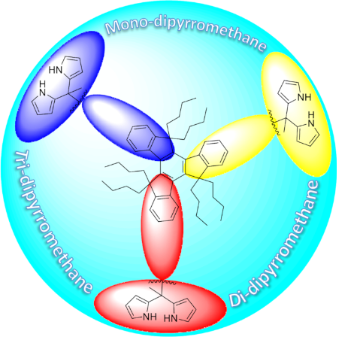
- -planar having π‐conjugation [2][3][4]. Remarkably, these unique characteristics of the truxene scaffold, results in strong π–π stacking ability in addition to the strong electron‐donating capability – hinting for the truxene’s capability as a worthy building block in the advancement of cutting-edge


Efficacy of radical reactions of isocyanides with heteroatom radicals in organic synthesis
Beilstein J. Org. Chem. 2024, 20, 2114–2128, doi:10.3762/bjoc.20.182
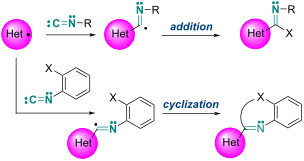
- . Because of this conjugation, the aromatic ring at the N of the 1,1-addition product 4 (R = Ar, E = PhS) geometrically isomerizes faster than the NMR timescale, so that the two thio groups of 4 are observed to be equivalent in NMR spectroscopy. In the case of diphenyl diselenide as a representative organic


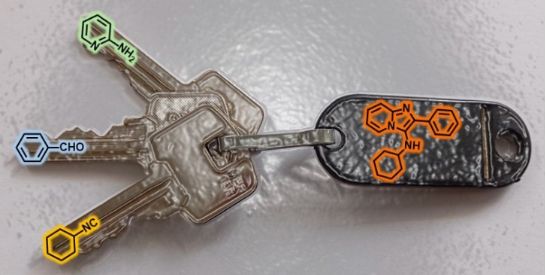
The Groebke–Blackburn–Bienaymé reaction in its maturity: innovation and improvements since its 21st birthday (2019–2023)
Beilstein J. Org. Chem. 2024, 20, 1839–1879, doi:10.3762/bjoc.20.162


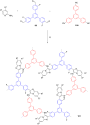




Hetero-polycyclic aromatic systems: A data-driven investigation of structure–property relationships
Beilstein J. Org. Chem. 2024, 20, 1817–1830, doi:10.3762/bjoc.20.160
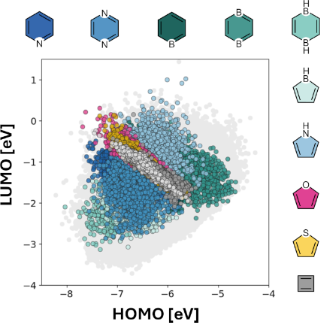
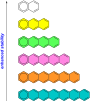
- analyze the structure–property relationships of the cc-hPASs. Results and Discussion At first glance, the chemical space of PASs may appear to be quite homogenous. After all, the molecules share certain structural features, such as their multi-ring structures, rigidity, and π-conjugation. Nevertheless
- values become less negative as the molecules increase in size; for the LUMO, Gap, AIP and AEA, the values become smaller or more negative as the molecules increase in size. These trends align with the commonly known effect in polyenes and annulenes, whereby increasing conjugation causes the HOMO to be



Kinetically stabilized 1,3-diarylisobenzofurans and the possibility of preparing large, persistent isoacenofurans with unusually small HOMO–LUMO gaps
Beilstein J. Org. Chem. 2024, 20, 1099–1110, doi:10.3762/bjoc.20.97
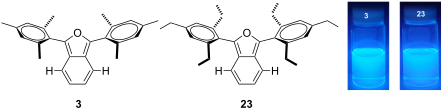
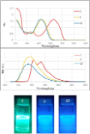
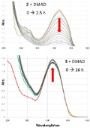
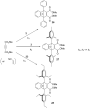
- LUMO orbitals for 3 and 23 and related compounds show reduced orbital densities on their aryl substituents, effectively reducing π-conjugation and raising HOMO–LUMO gaps. There appears little benefit to utilizing highly hindered 2’,4’,6’-triisopropylphenyl groups as in 24 or 2’,4’,6’-tri-tert






Light on the sustainable preparation of aryl-cored dibromides
Beilstein J. Org. Chem. 2024, 20, 1076–1087, doi:10.3762/bjoc.20.95
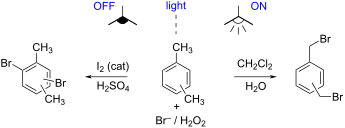
- ], photonics [2], and diagnostics [3]. Their popularity stems from their structural rigidity, potential conjugation with the remaining structure, and the capability to form additional π–π-stacking interactions. Dihalides, in particular, are highly preferred in such applications, enabling the formation of



Synthesis and characterization of water-soluble C60–peptide conjugates
Beilstein J. Org. Chem. 2024, 20, 777–786, doi:10.3762/bjoc.20.71
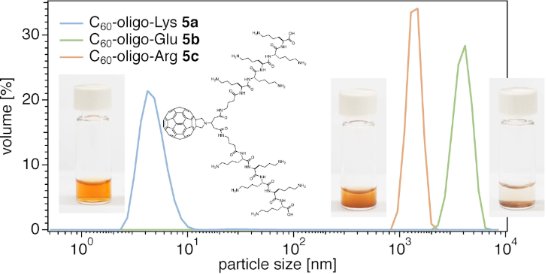
- on resin, a GABA residue was attached to the N-terminus of the peptide in order to provide a less-hindered primary amine, enabling an efficient amide conjugation reaction with biscarboxylic acid-substituted C60 derivative 3. Compound 3 was prepared by Prato reaction of C60 and an N-glycine derivative
- of C60–peptide conjugate formation decreased when using fewer equivalents of peptide on resin relative to compound 3, providing as a byproduct the C60–peptide conjugate connected to only one peptide anchor. Based on the optimized reaction conditions outlined above, the conjugation of biscarboxylic




Synthesis of new representatives of A3B-type carboranylporphyrins based on meso-tetra(pentafluorophenyl)porphyrin transformations
Beilstein J. Org. Chem. 2024, 20, 767–776, doi:10.3762/bjoc.20.70
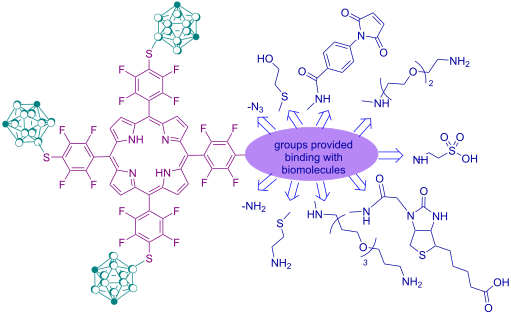
- compounds allowing for the preparation of porphyrins with different reactive groups such as hydroxy and amino derivatives capable for further functionalization and conjugation of these porphyrins to other substrates. In addition, conjugates containing maleimide or biotin entities in the structure of
- tetrapyrrole compounds [9] since the delivery of a drug at a specific area in the body has vital importance to treat diseases. An alternative approach to solve this problem focused on the postfunctionalization of the porphyrin macrocycle with different linker groups capable for targeting conjugation of these
- porphyrins to other biological substrates and thus facilitate the conjugation with biomacromolecules [10][11]. The modification of the porphyrin periphery with amino-, azido-, epoxy-, hydroxy-, and maleimido-functionalities is usually used for the covalent linkage of the porphyrin to the targeted



Substrate specificity of a ketosynthase domain involved in bacillaene biosynthesis
Beilstein J. Org. Chem. 2024, 20, 734–740, doi:10.3762/bjoc.20.67
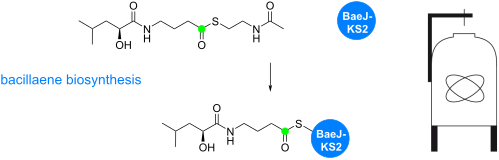
- by the preceding modules (highlighted in purple) [14][16]. Furthermore, the structures of 1 and 2 show a shifted triene portion that is not in conjugation with the carboxylic acid function. NMR studies of off-loaded intermediates with the TE deletion mutant revealed that these double bond shifts are


Chemoenzymatic synthesis of macrocyclic peptides and polyketides via thioesterase-catalyzed macrocyclization
Beilstein J. Org. Chem. 2024, 20, 721–733, doi:10.3762/bjoc.20.66
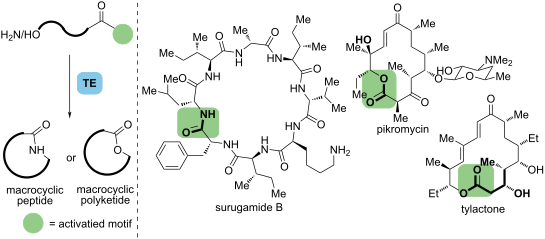
- explored as prospective payloads for antibody-drug conjugation [81][82]. Numerous synthetic approaches have been devised to deliver the cryptophytes skeleton, indicating that the most challenging steps are the regio- and stereospecific macrocyclization and epoxidation [83]. To address these problems, in


Perspectives on push–pull chromophores derived from click-type [2 + 2] cycloaddition–retroelectrocyclization reactions of electron-rich alkynes and electron-deficient alkenes
Beilstein J. Org. Chem. 2024, 20, 125–154, doi:10.3762/bjoc.20.13
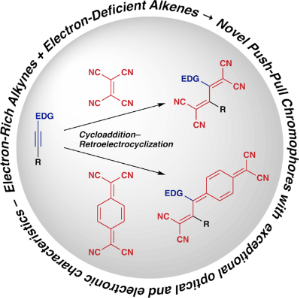
- . A study confirmed that with appropriate molecular design, the π-conjugation relationship between the donor and acceptor moieties in TCBDs and DCNQs can be retained despite their non-planarity [14]. Diederich et al. synthesized a plethora of push–pull chromophores by employing anilino groups as EDGs
- , engaging in conjugation with the fulvene moiety. Conversely, the reaction of phenyl-substituted DCF 2b with 1 under the same reaction conditions selectively affords the corresponding adduct 3b with 64% yield. In 3b, the anilino group is conjugated with the DCV group rather than the fulvene moiety. This
- variation in the products arises from the difference in the initial reaction step, in particular, whether the nucleophilic attack of the alkyne carbon in 1 occurs at C(6) or C(1) of the DCF framework. This differentiation can be attributed to the efficient electron conjugation between the alkyne and


Identification of the p-coumaric acid biosynthetic gene cluster in Kutzneria albida: insights into the diazotization-dependent deamination pathway
Beilstein J. Org. Chem. 2024, 20, 1–11, doi:10.3762/bjoc.20.1
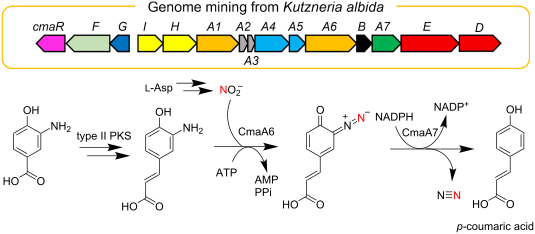
- natural product, we performed heterologous expression of the cma cluster. Plasmids named pHKO4-cmaI-D and pTYM3a-cmaG (Figure 2A) were introduced into S. albus by conjugation, resulting in S. albus-cma [20]. S. albus-cma possesses all the cma genes, except for the genes encoding a transporter (cmaF) and a
- . E. coli S17-1 was used for conjugation. Streptomyces albus J1074 was used for heterologous expression. Kutzneria albida JCM 3240 was purchased from the Japan Collection of Microorganisms. Enzymes used for DNA manipulation, including polymerase and restriction enzymes, were purchased from TaKaRa Bio


Aldiminium and 1,2,3-triazolium dithiocarboxylate zwitterions derived from cyclic (alkyl)(amino) and mesoionic carbenes
Beilstein J. Org. Chem. 2023, 19, 1947–1956, doi:10.3762/bjoc.19.145
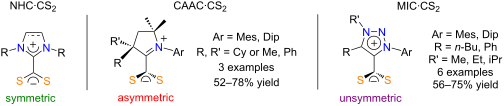
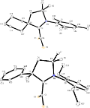
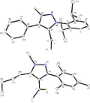
- lack of conjugation between the heterocyclic core of the molecules and their peripherical decorations. Conclusion The synthesis of three CAAC·CS2 and six MIC·CS2 zwitterions derived from aldiminium or 1,2,3-triazolium salts was achieved via a two-step procedure involving the in situ generation of free


Biphenylene-containing polycyclic conjugated compounds
Beilstein J. Org. Chem. 2023, 19, 1895–1911, doi:10.3762/bjoc.19.141
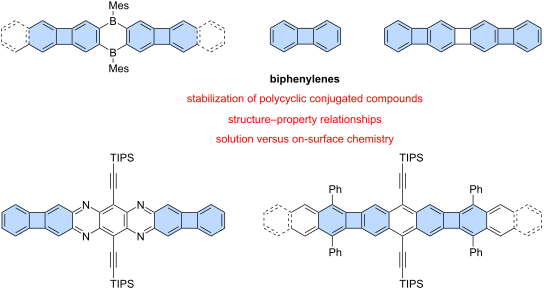
- for use in cutting-edge technologies. In particular, acenes, a subgroup of polycyclic aromatic compounds, are sought-after synthetic targets due to their remarkable optoelectronic properties which stem from their π-conjugation and planar structure. Despite all these promising characteristics, acenes
- exhibit significant stability problems when their conjugation enhances. Various approaches have been developed to address this stability concern. Among these strategies, one involves the incorporation of the biphenylene unit into acene frameworks, limiting the electron delocalization through the
- understanding the correlations between structure and electronic properties, as these units serve as fundamental building blocks in graphite and carbon nanotubes [3]. The limited stability of this particular class of PAHs arises as a key challenge, primarily attributed to their extended conjugation. The longer



Aromatic systems with two and three pyridine-2,6-dicarbazolyl-3,5-dicarbonitrile fragments as electron-transporting organic semiconductors exhibiting long-lived emissions
Beilstein J. Org. Chem. 2023, 19, 1867–1880, doi:10.3762/bjoc.19.139
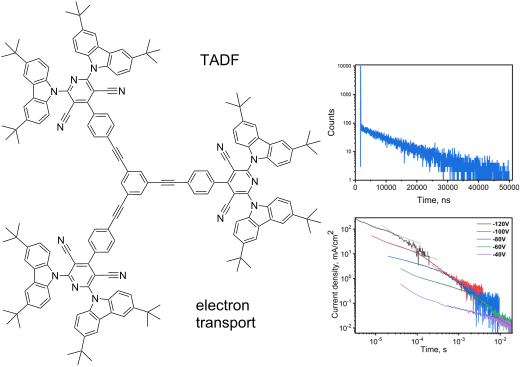
- values of Ered,onset are comparable with those of recently published compounds containing a dicyanopyridyl moiety as a central electron-accepting core [7]. In case of oxidation potentials (0.96 to 1.04 V) there is only a slight effect of the extended conjugation between the dicyanopyridyl moieties. The


Charge carrier transport in perylene-based and pyrene-based columnar liquid crystals
Beilstein J. Org. Chem. 2023, 19, 1755–1765, doi:10.3762/bjoc.19.128
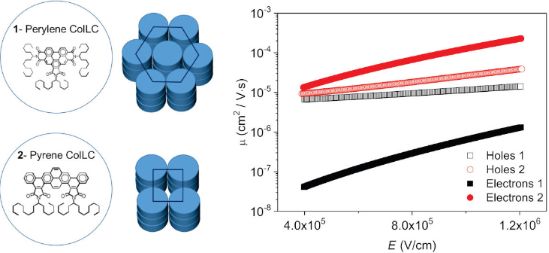
- charge transport behavior. DFT calculations assisted the interpretation of electron and hole migration mechanism using the frontier orbital energies and the conjugation within the π-system. Results and Discussion The syntheses of 1 and 2 were previously published in [25] and [26], respectively. 1 is a
- literature [24]. It is important to emphasize that the charge carrier mobility of columnar liquid crystals can be improved by five orders of magnitude due to molecular alignment of the film in the device structure [33]. Usually, the π-system conjugation and the frontier orbitals energies dominates the charge
- . While 1 presents majority hole transport, 2 is moderately ambipolar. The electron transport of 2 is around two orders of magnitude higher than 1, which can be associated to the larger conjugation of 2. This work highlights the potential of pyrene-based columnar liquid crystals as electron-transporting


Quinoxaline derivatives as attractive electron-transporting materials
Beilstein J. Org. Chem. 2023, 19, 1694–1712, doi:10.3762/bjoc.19.124
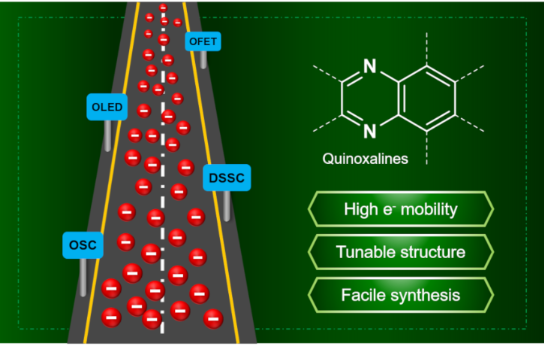
- collection, while their extended conjugation enhances light absorption across a broad spectrum. Qx’s unique structure promotes effective incorporation into the dye-sensitized layer, ensuring good intermolecular connectivity and facilitating electron transport. In addition, they enable efficient electron
- transfer and increased conjugation when acting as efficient π-bridge. Krishna et al. demonstrated the significance of Qx derivatives, 2,3-diphenylquinoxaline (DPQ), and 2,3-di(thiophen-2-yl)quinoxaline as auxiliary acceptors by effectively improving the electron injection process in Qx32 and Qx33 (Figure 5
- study raises a concern regarding the performance of dyes with tert-butyl substituted DPQ acceptors, either containing benzene (Qx74) or thiophene (Qx75) as a π-conjugation linker and their benzotriazole analogue. While the incorporation of the Qx enhances the interaction between the donor and acceptor




A deep-red fluorophore based on naphthothiadiazole as emitter with hybridized local and charge transfer and ambipolar transporting properties for electroluminescent devices
Beilstein J. Org. Chem. 2023, 19, 1664–1676, doi:10.3762/bjoc.19.122
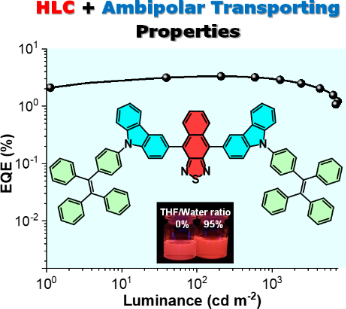
- extended π-conjugation lengths which eventually favor the undesired formation of poorly emissive molecular aggregates must be overcome. Alternatively, donor–acceptor (D–A)-type organic fluorophores have been introduced and successfully exploited for the development of fluorophores with DR/NIR emissions
- without lengthy extension of their π-conjugation systems due to a broadening of both the valence and the conduction bands and a consequent narrowing of the energy gap [22][23][24][25]. The D–A characters also offer a tunability of optoelectronic properties such as energy levels, optical bandgap (Eg), and
- controlling the CT component in the HLCT state [54]. A suitable twisted angle (40–80°) allocated an appropriate tuning between the complete π‐conjugation and the pure CT transition character to form the HLCT state. As depicted in Figure 1a, the optimized structure of TPECNz revealed a twisted molecular


Radical chemistry in polymer science: an overview and recent advances
Beilstein J. Org. Chem. 2023, 19, 1580–1603, doi:10.3762/bjoc.19.116

- materials [74]. In 2000, they received the Nobel Prize in Chemistry. Typical conductive polymer structures have π-conjugation (Scheme 9A) [75]. They can be synthesized by various methods such as electrochemical and chemical methods. Oxidative polymerization and chain-growth polymerization are also good ways




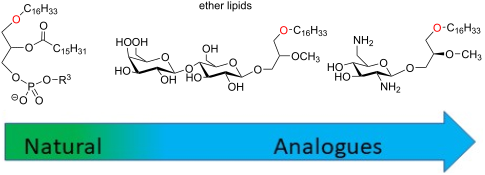
Synthesis of ether lipids: natural compounds and analogues
Beilstein J. Org. Chem. 2023, 19, 1299–1369, doi:10.3762/bjoc.19.96






Organic thermally activated delayed fluorescence material with strained benzoguanidine donor
Beilstein J. Org. Chem. 2023, 19, 1289–1298, doi:10.3762/bjoc.19.95
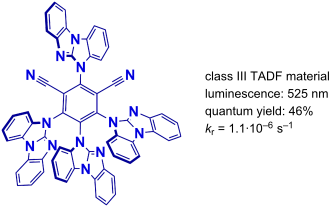
- benzoguanidine donor and compare it with the benchmark carbazole-based material (4CzIPN). Extended π-conjugation in 4BGIPN material results in yellow-green luminescence at 512 nm with a fast radiative rate of 5.5 × 10⁻⁵ s−1 and a photoluminescence quantum yield of 46% in methylcyclohexane solution. Such a
- 1. Benzoguanidine has an extended π-conjugation compared with carbazole and is more nitrogen-rich (three N-atoms vs one in carbazole). Thompson et al. recently reported a series of carbene–metal–amide (CMA) (metal = Cu, Ag, Au) emitters employing a benzoguanidine ligand [10]. The extended π
- -conjugation of benzoguanidine induced a larger hole–electron separation resulting in a smaller energy gap between the excited singlet and triplet states (S1 and T1) and ΔEST resulting in faster radiative rates. This study aimed to synthesize and explore the luminescent properties of the 4BGIPN material


Unravelling a trichloroacetic acid-catalyzed cascade access to benzo[f]chromeno[2,3-h]quinoxalinoporphyrins
Beilstein J. Org. Chem. 2023, 19, 1216–1224, doi:10.3762/bjoc.19.89
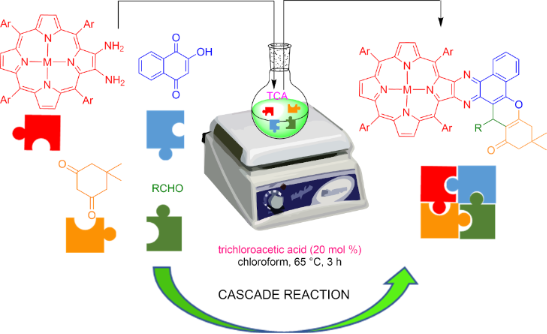
- spectroscopy. The preliminary photophysical results revealed a significant red-shift in their absorption and emission spectra as compared to the meso-tetrakis(4-methylphenyl)porphyrins due to the extended π-conjugation. Keywords: bathochromic shift; benzo[f]chromeno[2,3-h]quinoxalinoporphyrins; catalysis
- other materials applications [4][5][6][7]. Among the previously synthesized synthetically modified porphyrinoids, β,β’-fused meso-tetraphenylporphyrins have gained a considerable importance because of their red-shifted absorption and emission due to the extended π-conjugation. In particular, β,β’-fused
- ; Zn-TMPP, Soret band at 425 nm) due to the extended π-conjugation after the fusion of the benzo[f]chromeno[2,3-h]quinoxaline moiety at the β-pyrrolic positions of the porphyrin macrocycle. In the fluorescence spectra, free-base benzo[f]chromeno[2,3-h]quinoxalinoporphyrins 9–13 showed emission bands at


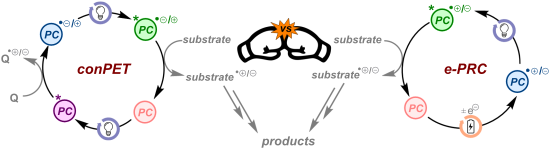
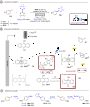
Photoredox catalysis harvesting multiple photon or electrochemical energies
Beilstein J. Org. Chem. 2023, 19, 1055–1145, doi:10.3762/bjoc.19.81




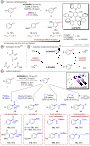
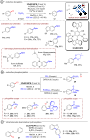

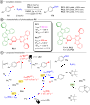
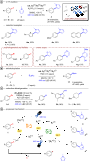




















The effect of dark states on the intersystem crossing and thermally activated delayed fluorescence of naphthalimide-phenothiazine dyads
Beilstein J. Org. Chem. 2023, 19, 1028–1046, doi:10.3762/bjoc.19.79
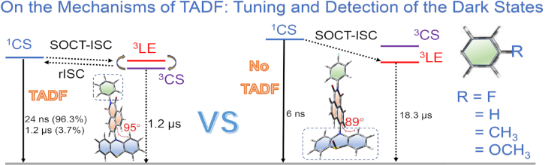
- for this kind of emitters is an electron donor–acceptor dyad, and the molecular geometry is usually orthogonal, i.e., the planes of the π-conjugation systems of the electron donor and acceptor are perpendicular to each other. As a result, the highest occupied molecular orbital (HOMO) and lowest
- /Fc+) [49]. By directly connecting the NI and PTZ unit through a C–N single bond, the π-conjugation plane of the NI and PTZ units adopts a perpendicular geometry which is beneficial for SOCT-ICS (Scheme 1). Previously we observed TADF with an analogue of NI-PTZ-C5 (the difference of the molecular
- N atom of the PTZ unit [59][60]. Further, the NI-PTZ-F-O and NI-PTZ-Ph-O compounds adopt an orthogonal geometry, and the N atom in the PTZ unit is not in π-conjugation with NI moiety due to a conformational restriction [55]. Thus, it is not the ordinary intramolecular charge transfer (ICT) state


A fluorescent probe for detection of Hg2+ ions constructed by tetramethyl cucurbit[6]uril and 1,2-bis(4-pyridyl)ethene
Beilstein J. Org. Chem. 2023, 19, 864–872, doi:10.3762/bjoc.19.63
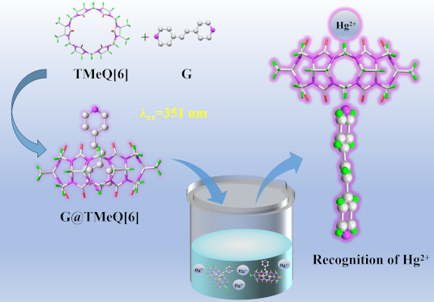
- , which provides convenience for studying the host–guest chemistry of TMeQ[6] and constructing fluorescent probes in aqueous solution [37][38]. There is a π–π conjugation effect between the carbon–carbon double bond and the pyridine ring in 1,2-bis(4-pyridyl)ethene (G), which determines its ultraviolet





