Search results
Search for "detection" in Full Text gives 544 result(s) in Beilstein Journal of Organic Chemistry. Showing first 200.
A Diels–Alder probe for discovery of natural products containing furan moieties
Beilstein J. Org. Chem. 2024, 20, 1001–1010, doi:10.3762/bjoc.20.88
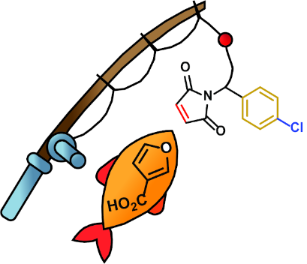
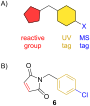
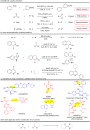
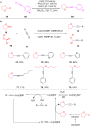
- supernatant. There are two main types of molecular probes based on their detection methods: imaging and UV–vis (Figure 2A). An imaging probe contains a mass spectrometry (MS) tag, oftentimes a halogen with a distinct isotopic ratio such as chlorine or bromine. A UV–vis probe contains a UV-tag, such as an
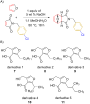
- natural products containing furan moieties, it was tested with crude cell supernatants. Experiments were first performed to determine the limit of detection of the cycloadduct in the cell extracts when run on a UPLC-MS (Figure S23 in Supporting Information File 1). Specifically, a cell supernatant from a
- determine the limit of detection for both the starting material 14, as well as the cycloadduct product in the complete cell supernatant. The reactions were run at various concentrations of compound 14 ranging from 71 mM to 17 µM. Gratifyingly, the cycloadduct has 260-fold increase in sensitivity compared to




Carbonylative synthesis and functionalization of indoles
Beilstein J. Org. Chem. 2024, 20, 973–1000, doi:10.3762/bjoc.20.87
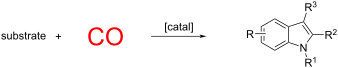
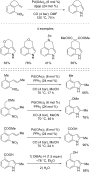
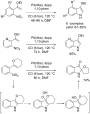
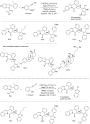
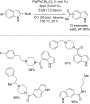
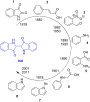
- -arylindoles by reductive carbonylation of unfunctionalized nitroarenes in the presence of arylalkynes and Pd(phen)2(BF4)2 as catalyst has been demonstrated by Cenini's group. The reaction was regioselective, with no detection of 2-arylindole byproducts. No prefunctionalization of the ortho position of the












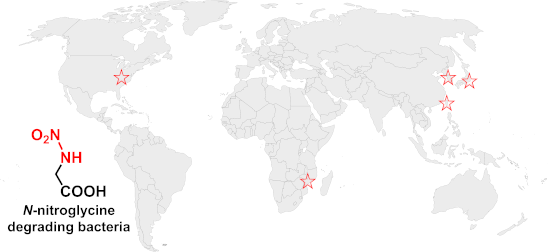
Activity assays of NnlA homologs suggest the natural product N-nitroglycine is degraded by diverse bacteria
Beilstein J. Org. Chem. 2024, 20, 830–840, doi:10.3762/bjoc.20.75
- allows for release and subsequent detection of heme-ligated iron [47]. Protein concentration was determined using bicinchoninic acid protein quantification assay (Pierce). The oligomeric state was determined by processing the protein through Superdex 200 Increase 10/300 GL analytical size exclusion


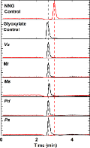


Discovery and biosynthesis of bacterial drimane-type sesquiterpenoids from Streptomyces clavuligerus
Beilstein J. Org. Chem. 2024, 20, 815–822, doi:10.3762/bjoc.20.73
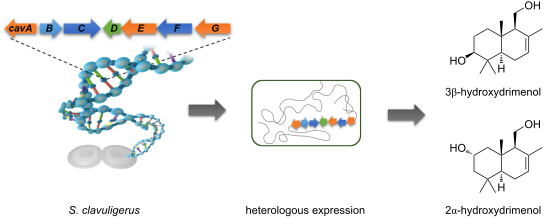
- positions of drimenol (Figure 3d). However, the remaining two P450 enzymes, CavE and CavG, appear to be non-functional either in the native S. clavuligerus or heterologous expression systems. Given the detection of two terpene cyclases (CavC and CavF) and the exclusive DMTs generated, we also speculated


Methodology for awakening the potential secondary metabolic capacity in actinomycetes
Beilstein J. Org. Chem. 2024, 20, 753–766, doi:10.3762/bjoc.20.69

- . Sixteen of the abovementioned strains were randomly selected and cultured on five different media to obtain metabolic profile data according to culture temperature. This analysis resulted in the detection of newly isolated metabolites, metabolites exhibiting enhanced production, metabolites exhibiting


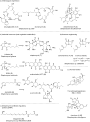
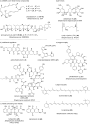
Substrate specificity of a ketosynthase domain involved in bacillaene biosynthesis
Beilstein J. Org. Chem. 2024, 20, 734–740, doi:10.3762/bjoc.20.67
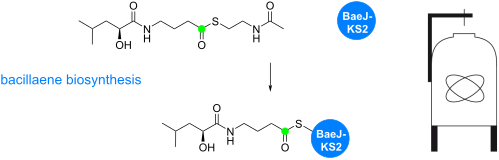
- sample was subsequently subjected to another round of centrifugation using an ultrafiltration centrifugal tube, resulting in the detection of a signal for a thioester carbonyl group in the filtrate for both samples derived from (S)- and (R)-11 at δ = 203.35 ppm (Figure 1E). This observation supports


Isolation and structure determination of a new analog of polycavernosides from marine Okeania sp. cyanobacterium
Beilstein J. Org. Chem. 2024, 20, 645–652, doi:10.3762/bjoc.20.57
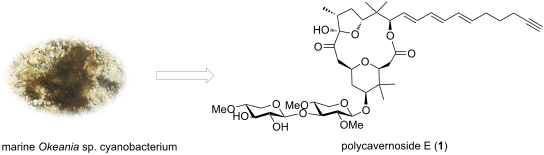
- AFCS [Ø 11 × 300 mm; flow rate 5 mL/min; detection at 254 nm; solvent gradient condition, hexane/EtOAc 28:72 → 7:93] to give a fraction that contained compound 1 (17.5 mg, tR = 32.0 min). The fraction that contained 1 was further purified by HPLC [Cosmosil 5C18-MS-II (Ø 20 mm × 250 mm); solvent MeOH
- /H2O 85:15; flow rate 5 mL/min; detection UV 215 nm] to give a fraction that contained 1 (8.6 mg, last collected fraction). The fraction that contained 1 was further separated by HPLC [Cosmosil Cholester (Ø 20 mm × 250 mm); solvent MeCN/H2O 75:25; flow rate 5 mL/min; detection UV 254 nm] to give a
- fraction that contained 1 (0.6 mg, tR = 32.8 min). The fraction that contained 1 was further separated by HPLC [Cosmosil 5PE-MS (Ø 20 mm × 250 mm); solvent MeOH/H2O 85:15; flow rate 5 mL/min; detection UV 270 nm] to give 1 (0.5 mg, tR = 37.3 min). Polycavernoside E (1): colorless oil; [α]D26 −19 (c 0.04


Possible bi-stable structures of pyrenebutanoic acid-linked protein molecules adsorbed on graphene: theoretical study
Beilstein J. Org. Chem. 2024, 20, 570–577, doi:10.3762/bjoc.20.49
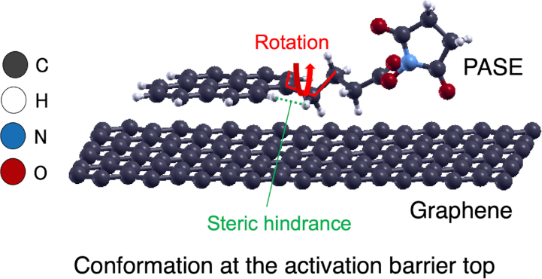
- , and derive the sufficient conditions for the adiabatic potential energy surface to have an activation barrier. The reaction pathway having an activation barrier has an advantage in the detection of adsorbed molecules using elastic wave measurements. We explore the conditions under which this advantage
- modelled in single-layer graphene or in multilayer graphene. Graphene has been considered as an ideal material for the platform of biosensors [13][14][15][16][17][18][19][20][21][22][23], benefiting from its excellent properties such as large detection area and high thermal conductivity [14][24][25
- planer conformation I at the detection stage, we may dry the sensor system by controlling the external gas pressure. Here, we mention another merit that a pyrene derivative has for another type of biosensor. In immobilizing proteins on graphene, a pyrene derivative has another merit: non-covalent


Switchable molecular tweezers: design and applications
Beilstein J. Org. Chem. 2024, 20, 504–539, doi:10.3762/bjoc.20.45

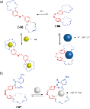
- electron-rich coordinating guests. Detection by fluorescence was implemented using competition experiments with dimethylaminostyrylpyridine (DMASP). Intercalated DMASP is not emissive, but its displacement by a guest releases its free fluorescent form, which can be detected. The group of Nabeshima reported




Pseudallenes A and B, new sulfur-containing ovalicin sesquiterpenoid derivatives with antimicrobial activity from the deep-sea cold seep sediment-derived fungus Pseudallescheria boydii CS-793
Beilstein J. Org. Chem. 2024, 20, 470–478, doi:10.3762/bjoc.20.42
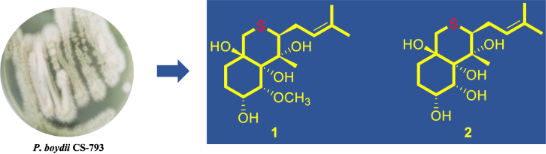
- . Optical density at 600 nm was read by a multi-detection microplate reader (Infinite M1000 Pro, Tecan). The human pathogenic bacteria and aquatic pathogenic strains were offered by the Institute of Oceanology, Chinese Academy of Sciences. Chemical structures of compounds 1–5 isolated from P. boydii CS-793


Spatial arrangements of cyclodextrin host–guest complexes in solution studied by 13C NMR and molecular modelling
Beilstein J. Org. Chem. 2024, 20, 331–335, doi:10.3762/bjoc.20.33
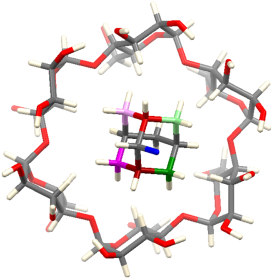
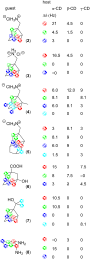
- delivery [2][3][4], in analytical and preparative chemistry for compound separation [5] and in materials science for small molecule detection [6][7]. Association (binding) constants between the host and guest molecules [8][9][10] are typically measured by 1H NMR titration [11][12] or isothermal titration




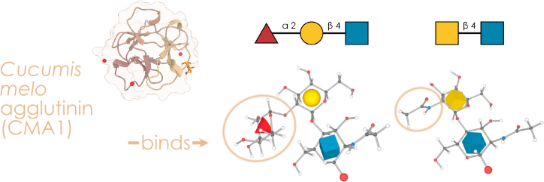
Elucidating the glycan-binding specificity and structure of Cucumis melo agglutinin, a new R-type lectin
Beilstein J. Org. Chem. 2024, 20, 306–320, doi:10.3762/bjoc.20.31
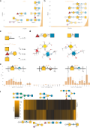
- lipid-linked glycans. Then the detecting solution composed of anti-polyHistidine (Sigma-Aldrich, Merck, SAB4200620) and biotin anti-mouse IgG (Sigma-Aldrich, Merck, B7264) antibodies (10 µg/mL, precomplexed in a ratio of 1:1) was overlaid onto the arrays for 1 h. The final detection was with a 30 min



Photochromic derivatives of indigo: historical overview of development, challenges and applications
Beilstein J. Org. Chem. 2024, 20, 228–242, doi:10.3762/bjoc.20.23
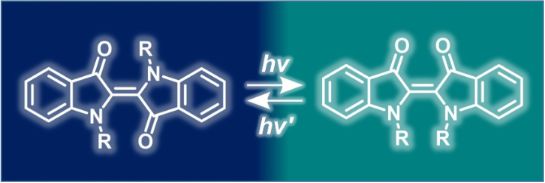
- soft materials. A possibility to apply photochromic mono-arylated indigo derivatives as water sensors with high sensitivity was demonstrated by Dube and co-workers in 2018 [66]. The detection principle relied on a remarkable acceleration (up to 300 times) of the thermal Z–E relaxation of compound 20b





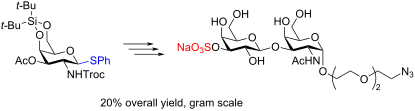
Synthesis of the 3’-O-sulfated TF antigen with a TEG-N3 linker for glycodendrimersomes preparation to study lectin binding
Beilstein J. Org. Chem. 2024, 20, 173–180, doi:10.3762/bjoc.20.17
- solution: 25 g ammonium molybdate tetrahydrate, 0.5 g Ce(SO4)2, 50 mL H2SO4, 450 mL EtOH). Chromatography Silica gel flash chromatography was carried out using Davisil® LC60A (40–63 μm) silica gel or with automated flash chromatography systems, Buchi Reveleris® X2 (UV 200–500 nm and ELSD detection


Charge carrier transport in perylene-based and pyrene-based columnar liquid crystals
Beilstein J. Org. Chem. 2023, 19, 1755–1765, doi:10.3762/bjoc.19.128
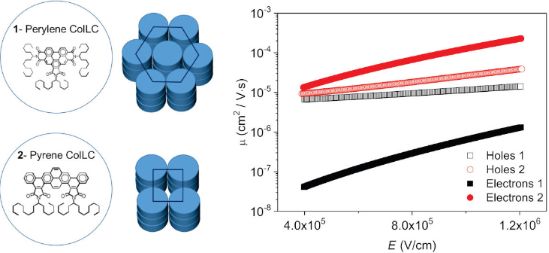
- photon counting [39] with a FluoTime 200 (PicoQuant). Excitation was provided using a 401 nm pulsed diode laser with repetition rates varying from 5.0 to 20 MHz. Fluorescence was collected perpendicular to excitation and passed through a polarizer set at the magic angle. The detection system consisted of


Quinoxaline derivatives as attractive electron-transporting materials
Beilstein J. Org. Chem. 2023, 19, 1694–1712, doi:10.3762/bjoc.19.124
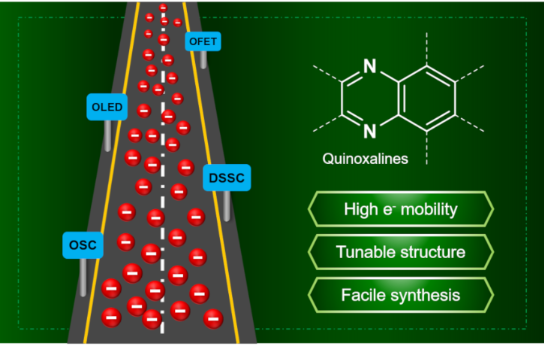
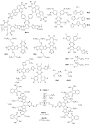
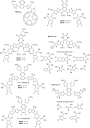
- -derived ETMs across various fields, including all-PSCs, OSCs, DSSCs, OFETs, and OLEDs. Their unique properties, coupled with ongoing research, open up new avenues for their utilization in various fields. Qx derivatives have demonstrated promise in the development of gas sensors for detection
- enhanced sensitivity, selectivity, and accuracy in biomarker detection, physiological parameter monitoring, and disease diagnosis. Furthermore, their efficient charge transport properties make them valuable in improving energy storage and conversion systems, including batteries and supercapacitors. The




Tying a knot between crown ethers and porphyrins
Beilstein J. Org. Chem. 2023, 19, 1630–1650, doi:10.3762/bjoc.19.120
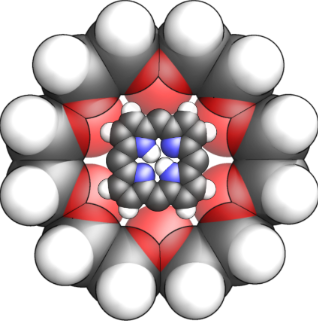
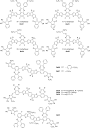
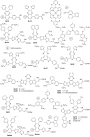
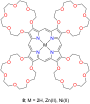
- detection of various analytes. Although several intriguing applications of crowned porphyrins have been elaborated, the potential of macrocycles encompassing pyrrole and crown ether motifs in a single macrocyclic framework is yet to be revealed. One can anticipate that an interesting system will be created


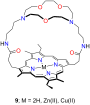

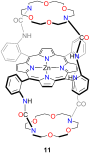


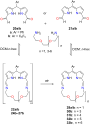


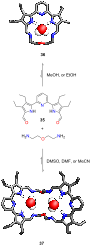


Sulfur-containing spiroketals from Breynia disticha and evaluations of their anti-inflammatory effect
Beilstein J. Org. Chem. 2023, 19, 1604–1614, doi:10.3762/bjoc.19.117
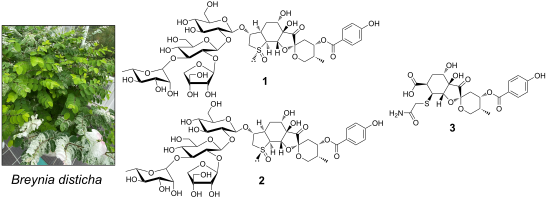
- filtered and analyzed by HPLC without dilution. HPLC separation was performed on a 150 × 4.6 mm i.d. CAPCELL PAK C18 UG120 column (Osaka Soda) at 35 °C with isocratic elution using 20% CH3CN in 50 mM H3PO4 for 30 min and subsequent column washing with 90% CH3CN at a flow rate 0.8 mL/min. Detection at 250
- detected, i.e., below the detection limit]. 1H and 13C NMR data for the aglycone moieties of 1–4.a 1H and 13C NMR data for the sugar moieties of 1, 2, and 4.a Supporting Information Supporting Information File 3: 1D and 2D NMR data for compounds 1–4. Supporting Information File 4: Calculated energies and



Secondary metabolites of Diaporthe cameroonensis, isolated from the Cameroonian medicinal plant Trema guineensis
Beilstein J. Org. Chem. 2023, 19, 1555–1561, doi:10.3762/bjoc.19.112
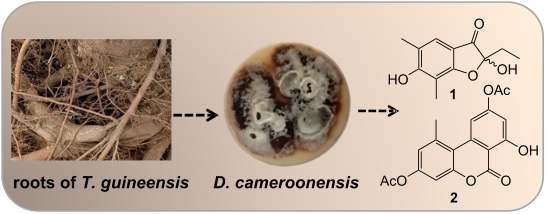
- % B in 19.5 min and then maintaining 100% B for 5 min, flow rate 0.6 mL/min, UV–vis detection 200–640 nm) connected to a MaXis ESI-TOF mass spectrometer (Bruker) (scan range 100–2500 m/z, capillary voltage 4500 V, dry temperature 200 °C). NMR spectra were recorded at 25 °C on a Bruker (Billerica, MA


Non-noble metal-catalyzed cross-dehydrogenation coupling (CDC) involving ether α-C(sp3)–H to construct C–C bonds
Beilstein J. Org. Chem. 2023, 19, 1259–1288, doi:10.3762/bjoc.19.94
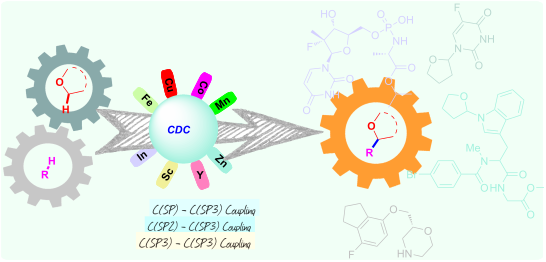
- , radical detection, and other control experiments confirmed that the reaction proceeded through a radical oxidation process. The reaction of most substituted olefins with cyclic ethers afforded the corresponding target products with excellent yields, which provides a simple, novel, and efficient pathway to










Two new lanostanoid glycosides isolated from a Kenyan polypore Fomitopsis carnea
Beilstein J. Org. Chem. 2023, 19, 1161–1169, doi:10.3762/bjoc.19.84
- at 0.6 mL/min and the UV–vis detection made at 210 nm and 190–600 nm. The isolates were analyzed on a MaXis ESI-TOF (time-of-flight) mass spectrometer (Bruker Daltonics) for the HRESIMS data, in the positive ionization mode. This was coupled to an Agilent 1260 series HPLC–UV system (Agilent
- min, 5% B to 100% B within 19.5 min and at 100% B for 5 min. The flow rate was maintained at 0.6 mL/min and UV–vis detection made at 200–600 nm. The calculation of the compounds’ molecular formulas was performed using the Smart Formula algorithm of the Compass DataAnalysis software (Bruker Daltonics


The effect of dark states on the intersystem crossing and thermally activated delayed fluorescence of naphthalimide-phenothiazine dyads
Beilstein J. Org. Chem. 2023, 19, 1028–1046, doi:10.3762/bjoc.19.79
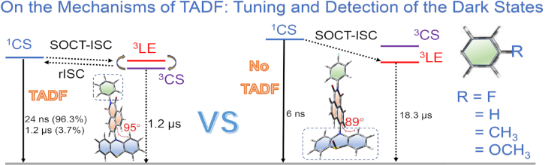
- –acceptor dyads were prepared to study the thermally activated delayed fluorescence (TADF) properties of the dyads, from a point of view of detection of the various transient species. The photophysical properties of the dyads were tuned by changing the electron-donating and the electron-withdrawing
- states. Femtosecond transient absorption spectroscopy (fs-TA) was rarely used for the study of the photophysics of the TADF emitters [12][34][35][36][37], since it suffers from the limitation of the time window of detection (up to a few ns). On the other hand, nanosecond transient absorption spectroscopy


A fluorescent probe for detection of Hg2+ ions constructed by tetramethyl cucurbit[6]uril and 1,2-bis(4-pyridyl)ethene
Beilstein J. Org. Chem. 2023, 19, 864–872, doi:10.3762/bjoc.19.63
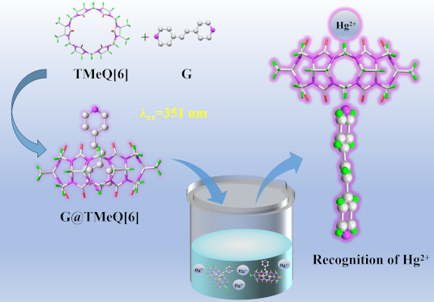
- = 0.9926, and the limit of detection is 4.12 × 10⁻⁸ mol·L−1. The fluorescent probe can be used to detect the concentration of Hg2+ ions in aqueous solution, and provides a theoretical basis for the development of new fluorescent probes for detecting heavy metal ions. Keywords: 1,2-bis(4-pyridyl)ethane
- detection methods include atomic absorption spectroscopy, mass spectrometry, emission spectroscopy and electrochemical methods [4][5][6][7]. These detection methods are expensive and time-consuming, and the detection of samples becomes extremely difficult. Therefore, it is of great significance to construct
- a fluorescent probe detection system with high sensitivity, a simple detection method and at low costs [8][9][10]. Cucurbit[n]urils (Q[n]s) have a highly symmetrical rigid structure and hydrophobic cavities [11][12][13][14][15]. Cavities of different sizes can encapsulate different guest species to


Investigation of cationic ring-opening polymerization of 2-oxazolines in the “green” solvent dihydrolevoglucosenone
Beilstein J. Org. Chem. 2023, 19, 217–230, doi:10.3762/bjoc.19.21
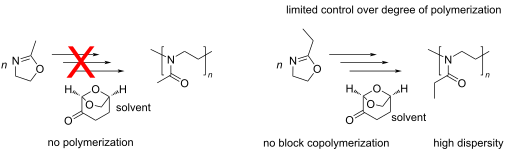
- ). Obtained data were processed with Win-GPC software. Matrix-assisted laser desorption/ionization time-of-flight mass spectra (MALDI-TOF MS) were recorded on an Autoflex II (Bruker Daltonics, Bremen, Germany) using an N2 laser (λ = 337 nm). All spectra were recorded in positive reflector mode. Detection was


Germacrene B – a central intermediate in sesquiterpene biosynthesis
Beilstein J. Org. Chem. 2023, 19, 186–203, doi:10.3762/bjoc.19.18

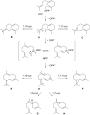
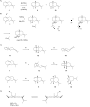
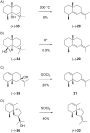
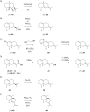
- compound [100]. Several later reports claim the detection of “eudesma-5,7(11)-diene”, a name assigned to CAS number 869998-21-0, but neither a structure is shown nor a reference to previous work is given in these reports, leaving doubt about the stereostructure the authors of this work had in mind [101
- ][102][103]. One recent report mentions the detection of “eudesma-5,7(11)-diene”, but again no structure is shown, and the structural assignment is based on a comparison of retention indices [104]. However, the deviation between measured and reference retention index is quite large (I = 1572 vs 1543
- ), and the reference data originate from [103] in which the basis for structural assignment is unclear. Finally, one more paper assigned to CAS number 869998-21-0 mentions the detection of “eudesma-5,7(11)-diene”, but in this case the structure of 38 (Scheme 11) instead of 50 is shown, which based on a