Search results
Search for "diameter" in Full Text gives 371 result(s) in Beilstein Journal of Organic Chemistry. Showing first 200.
Rapid gas–liquid reaction in flow. Continuous synthesis and production of cyclohexene oxide
Beilstein J. Org. Chem. 2022, 18, 660–668, doi:10.3762/bjoc.18.67
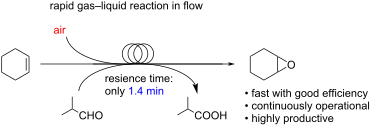
- devices. For a reactor, widely-used 1/8 inch stainless-steel tubing with a relatively large inner diameter (2.17 mm) was used to establish a readily applicable flow system for industrial use. A solution of cyclohexene and isobutyraldehyde in 1,2-dichloroethane was pumped out by a diaphragm pump. The
- ratio of aldehyde and oxygen to 1:9. The liquid and gas phases were combined at a T-shaped mixer with a 1 mm inner diameter and flowed through a stainless-steel tube reactor immersed in heated silicon oil for reaction temperature control. The inner pressure was maintained at 0.9 MPa using a back


DDQ in mechanochemical C–N coupling reactions
Beilstein J. Org. Chem. 2022, 18, 639–646, doi:10.3762/bjoc.18.64
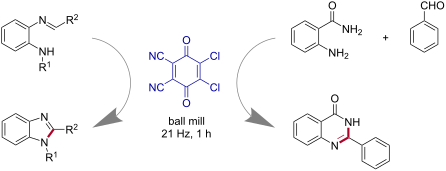
- conditions: reactants were milled at 21 Hz in a 25 mL milling jar containing one stainless-steel grinding ball (15 mm in diameter). Optimization of the reaction conditions.a Supporting Information Supporting Information File 46: Experimental details, characterization data, copies of NMR spectra and X-ray


Cholyl 1,3,4-oxadiazole hybrid compounds: design, synthesis and antimicrobial assessment
Beilstein J. Org. Chem. 2022, 18, 631–638, doi:10.3762/bjoc.18.63
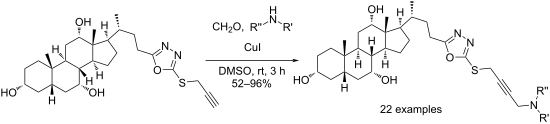
- against the pathogenic fungal strains Aspergillus fumigatus and Candida albicans. The sensitivity of the organisms was assayed against the activity of tested compounds solutions (at 10 mg/mL concentration) using a modified agar well diffusion method with determination of the inhibition zone diameter in mm
- inhibition zone diameter using the agar well diffusion method. The structure–activity relationship (SAR) elaborated that piperazines with aliphatic groups on the nitrogen atom are more active than those with aromatic substituents against the fungus C. albicans. On the other hand, compounds comprising
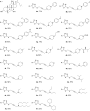
- compounds 4a–v. In vitro antimicrobial activities of the synthesized compounds tested at 10 mg/mL by modified well diffusion agar method and expressed as mean inhibition zone diameter (mm). Minimum inhibitory concentrations (MIC, µg/mL) of the synthesized compounds determined by microdilution method


Shift of the reaction equilibrium at high pressure in the continuous synthesis of neuraminic acid
Beilstein J. Org. Chem. 2022, 18, 567–579, doi:10.3762/bjoc.18.59
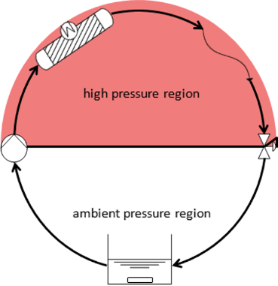
- capillaries with a smaller inner diameter (50 µm). If the position of the equilibrium was investigated, high residence times were required, resulting in low flow rates and pressure built-up. To circumvent this bottle neck, a circular reactor was designed. A flow rate can be chosen in order to achieve the
- rate) when particles with the original size distribution were used. Since the diameter of the original particles is 0.5 mm and the inner diameter of the reactor is only 3 mm, wall effects occur [38][39]. When pestled particles were used, the mean residence time was 0.66 min by pumping 0.21 mL/min


Tetraphenylethylene-embedded pillar[5]arene-based orthogonal self-assembly for efficient photocatalysis in water
Beilstein J. Org. Chem. 2022, 18, 429–437, doi:10.3762/bjoc.18.45
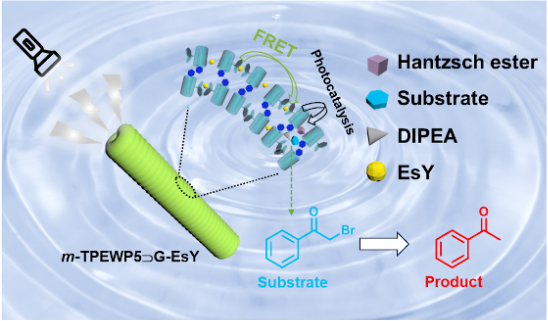
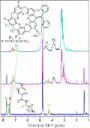
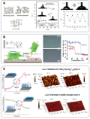
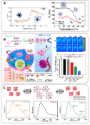
- -like nanostructure (diameter = 748 nm). After the loading of EsY into m-TPEWP5G, the worm-like structure changed into a nanorod (diameter = 652 nm) assembly via electrostatic interactions. In comparison, the diameter and length of the m-TPEWP5G assembly were slightly higher than that of m-TPEWP5G-EsY


![[Graphic 5]](/bjoc/content/inline/1860-5397-18-45-i7.svg?max-width=637&scale=1.18182) G-EsY self-assembled photocat...
G-EsY self-assembled photocat...


![[Graphic 15]](/bjoc/content/inline/1860-5397-18-45-i17.svg?max-width=637&scale=1.18182) G; (b) m-TPEWP5
G; (b) m-TPEWP5![[Graphic 16]](/bjoc/content/inline/1860-5397-18-45-i18.svg?max-width=637&scale=1.18182) G-EsY. [m-TPEWP5] = 1 × 10⁻⁴ M, [G] = 1 × 10⁻⁴ M, [EsY] = ...
G-EsY. [m-TPEWP5] = 1 × 10⁻⁴ M, [G] = 1 × 10⁻⁴ M, [EsY] = ...

![[Graphic 25]](/bjoc/content/inline/1860-5397-18-45-i27.svg?max-width=637&scale=1.18182) G donor assembly...
G donor assembly...

![[Graphic 43]](/bjoc/content/inline/1860-5397-18-45-i45.svg?max-width=637&scale=1.18182) G-EsY na...
G-EsY na...

![[Graphic 48]](/bjoc/content/inline/1860-5397-18-45-i50.svg?max-width=637&scale=1.18182) G-E...
G-E...
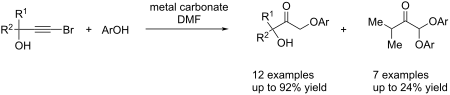
Cs2CO3-Promoted reaction of tertiary bromopropargylic alcohols and phenols in DMF: a novel approach to α-phenoxyketones
Beilstein J. Org. Chem. 2022, 18, 420–428, doi:10.3762/bjoc.18.44
- performed on a Flash 2000 elemental analyzer. Melting points were determined using a Kofler micro hot stage apparatus. Mass spectra were recorded on a GCMS-QP5050A spectrometer made by Shimadzu Company. Chromatographic column parameters were as follows: SPBТМ-5, length 60 m, internal diameter 0.25 mm



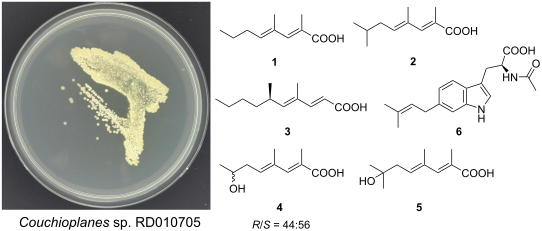
Unsaturated fatty acids and a prenylated tryptophan derivative from a rare actinomycete of the genus Couchioplanes
Beilstein J. Org. Chem. 2021, 17, 2939–2949, doi:10.3762/bjoc.17.203
- extract 0.5%, and glucose 0.2% (pH 7.3) solidified by agar 2%, was inoculated into test tubes (inner diameter, 15 mm; length 16.5 cm) each containing 5 mL of YG seed medium consisting of glucose 1% and yeast extract 1% (pH 7.0). The tubes were shaken at 260 strokes/min at 28 °C for 3 days (TC-500R


Adjusting the length of supramolecular polymer bottlebrushes by top-down approaches
Beilstein J. Org. Chem. 2021, 17, 2621–2628, doi:10.3762/bjoc.17.175
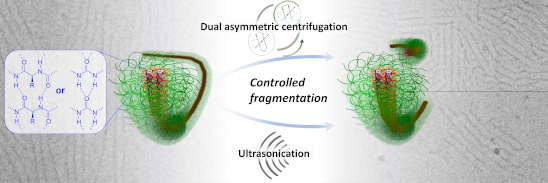
- Lamour et al., we estimated a similar limit length Llim upon extensive US treatment [35]. This length allows an indirect estimation of the tensile strength σ* of our fibers according to where is the radius of the cavitation bubble, is the wall velocity of the collapsing bubble, d is the fiber diameter
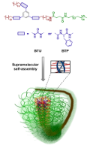
- cross-section [19], and 28 nm for BTP by assuming a similar stacking distance and 2 molecules per cross-section [21]. Based on a fiber diameter of 12 nm (estimated from small-angle X-ray scattering experiments) [19][20], the resulting tensile strength for both compounds was approximately 16 to 17 MPa



Cryogels: recent applications in 3D-bioprinting, injectable cryogels, drug delivery, and wound healing
Beilstein J. Org. Chem. 2021, 17, 2553–2569, doi:10.3762/bjoc.17.171
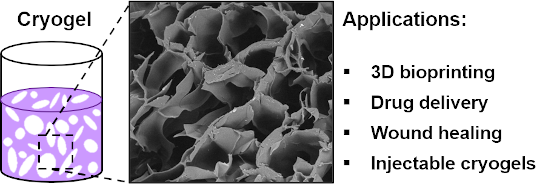
- and found that reducing the freezing temperature by 15 °C caused an average 30 μm decrease in pore size diameter [14][17]. In contrast, it has been reported that with cryogels crosslinked with glutaraldehyde, the freezing temperature does not affect the pore size [13]. An additional consideration is






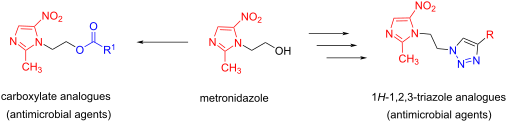
Synthesis and antimicrobial activity of 1H-1,2,3-triazole and carboxylate analogues of metronidazole
Beilstein J. Org. Chem. 2021, 17, 2377–2384, doi:10.3762/bjoc.17.154
- antifungal activity of all compounds were evaluated by inhibiting the growth of Didymella sp. (Figure 7 and Table 3). The fungal colony after 7 days of control treatment was noted to be 8.6 cm in diameter. Whereas, the growth of the fungal colony was detected maximum, i.e., 8.8 ± 0.2 and 9.0 ± 0.3 cm against
- compound 2 and 3, respectively. However, compound 5e and 7c efficiently inhibited the fungal growth by limiting the colony diameter to 3 ± 0.3 and 3.1 ± 0.2 cm followed equally by compound 7b and compound 5b with 4.1 ± 0.3 and 4.6 ± 0.2 cm, respectively. Compared to control and metronidazole treatments


Post-functionalization of drug-loaded nanoparticles prepared by polymerization-induced self-assembly (PISA) with mitochondria targeting ligands
Beilstein J. Org. Chem. 2021, 17, 2302–2314, doi:10.3762/bjoc.17.148
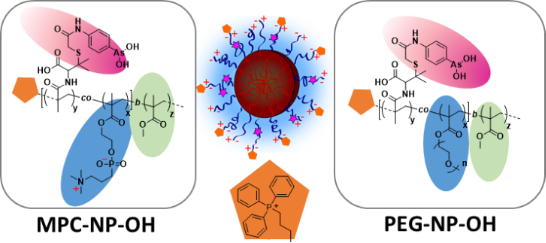
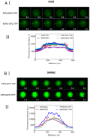
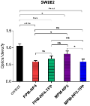
- attachment of TPP-COOH to the micelle variants resulted in an increase in hydrodynamic diameter from approximately 85 nm to 136 nm for the PEG micelles and from 75 nm to 138 nm for the zwitterionic counterparts. However, no major change in dispersities was detected and well-defined nanoparticles (PdI < 0.078
- subject to CC BY 4.0. Summary of the pPEGMA and pMPC block copolymers prepared by PISA at 70 °C including the hydrodynamic diameter Dh and particle size distribution PdI obtained by DLS and the drug loading content (DLC) calculated using DLC = m(PENAO)/[m(PENAO) + m(polymer)]. The table here contains the






Constrained thermoresponsive polymers – new insights into fundamentals and applications
Beilstein J. Org. Chem. 2021, 17, 2123–2163, doi:10.3762/bjoc.17.138


An initiator- and catalyst-free hydrogel coating process for 3D printed medical-grade poly(ε-caprolactone)
Beilstein J. Org. Chem. 2021, 17, 2095–2101, doi:10.3762/bjoc.17.136
- final fiber diameter. The direct-writing onto a flat collector or on a rotating/translating mandrel enables the printing of flat [11][12] or tubular [13] scaffolds, respectively. While medical-grade poly(ε-caprolactone) (PCL) is the most commonly used material for MEW, due to its favorable thermal and
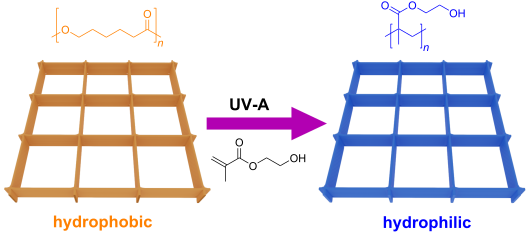
- the coating of 3D printed PCL microfiber scaffolds, investigate the range of suitable parameters and characterize the change in the properties of the coated scaffolds. PCL scaffolds with a hatch spacing of either 150 µm or 500 µm were fabricated, with the fiber diameter being 12.1 ± 3.3 µm. The


Volatile emission and biosynthesis in endophytic fungi colonizing black poplar leaves
Beilstein J. Org. Chem. 2021, 17, 1698–1711, doi:10.3762/bjoc.17.118
- diameter) growing on PDA. The mycelium was flash frozen in liquid nitrogen and ground using plastic pestles in 1.5 mL Eppendorf tubes. After homogenization of the mycelium, 500 µL extraction buffer (100 mM Tris HCl, pH 8; 10 mM EDTA, pH 8; 2% w/v SDS) and 100 µL proteinase K (Sigma) were added and the
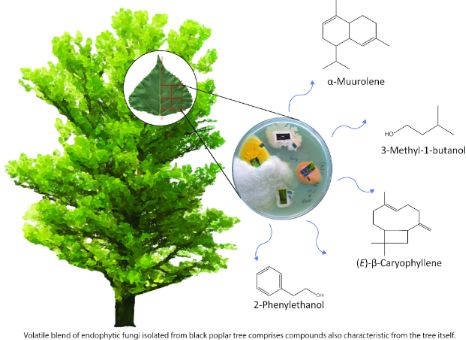
- mycelium reached a diameter of 5 cm (± 0.5 cm). For each fungal species, seven replicates were used with fungus-free petri dishes with PDA medium used as blanks. Volatiles were trapped for 1 h by using four polydimethylsiloxane (PDMS) tubes. To prevent PDMS tubes from touching the mycelium, the tubes were
- (approximately 5 cm in diameter) growing on PDA using the RNeasy® Plant Mini Kit (Qiagen) according to the manufacturer’s instructions. The RNA concentration was assessed using a spectrophotometer (NanoDrop 2000c, Thermo Fisher Scientific). RNA was treated with DNase I (Thermo Fisher Scientific) prior to cDNA



Chemical approaches to discover the full potential of peptide nucleic acids in biomedical applications
Beilstein J. Org. Chem. 2021, 17, 1641–1688, doi:10.3762/bjoc.17.116
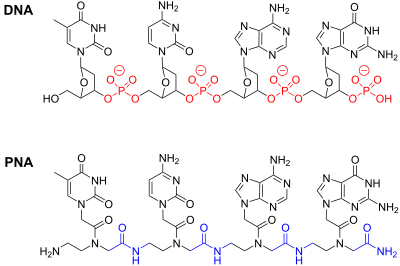
- conformation (C2′-endo), base pair inclination, and helical rise resembled B-DNA [39]. The first X-ray crystal structure of a PNA–DNA–PNA triplex revealed a previously unknown helix with a wide diameter of ≈26 Å (compared to 20 Å for A-form duplex) and a wide and deep major groove (Figure 3), given the name "P
- stabilizing interactions are better aligned. The crystal structure of a self-complementary PNA–PNA duplex was very similar to the P-form helix showing a wide helix (28 Å diameter) with a very large pitch of ≈18 base pairs per turn, compared to 10 and 11 base pairs per turn for DNA and RNA, respectively, and a









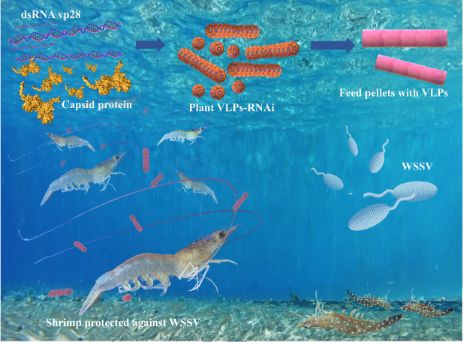
Antiviral therapy in shrimp through plant virus VLP containing VP28 dsRNA against WSSV
Beilstein J. Org. Chem. 2021, 17, 1360–1373, doi:10.3762/bjoc.17.95
- the procapsids diameter, icosahedral VLPs, and nanotubes is shown in Figure 2B. According to the Gaussian fit for each of the distributions, the average diameter of the procapsids, icosahedral VLPs, and the rods were 21, 26, and 21 nm, respectively. During the WSSV viral inoculum activation, the
- formation and CP-dsRNAi complexes (Figure 2A, images a and b). The Gaussian fit size distribution of the spherical procapsids gave an average diameter of 21.2 nm and corresponded to capsids with triangulation number T = 2. The sample’s dialysis at pH 7.2 favors the electrostatic interactions between CCMV CP
- ] that could be favorable for tube formation. The interaction of a rigid and quasi-long dsRNA molecule with the capsid protein dimers enables the elongated tubular structure formation under these experimental conditions [59]. The spherical VLPs have an average diameter of 25.8 nm corresponding to capsids



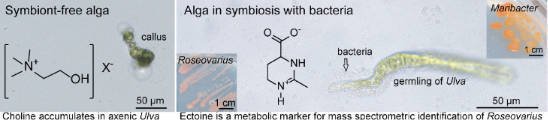
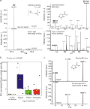
A new glance at the chemosphere of macroalgal–bacterial interactions: In situ profiling of metabolites in symbiosis by mass spectrometry
Beilstein J. Org. Chem. 2021, 17, 1313–1322, doi:10.3762/bjoc.17.91
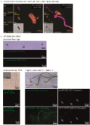
- following the procedure for in situ MS imaging described by Kessler et al. [19]. Briefly, algal gametes were inoculated to 10 mL medium in 9 cm diameter sterile Petri dishes with a clean and autoclaved glass slide (25 mm × 75 mm) with cavities (Paul Marienfeld, Germany) on the bottom; samples were incubated


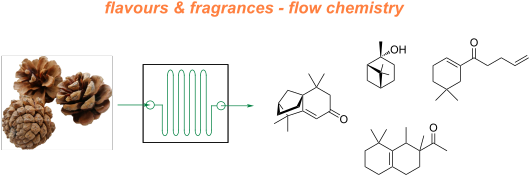
A comprehensive review of flow chemistry techniques tailored to the flavours and fragrances industries
Beilstein J. Org. Chem. 2021, 17, 1181–1312, doi:10.3762/bjoc.17.90
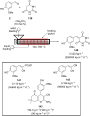
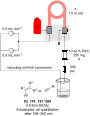
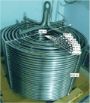
- flow [118]. The condensation of a range of aromatic aldehydes with acetone were again studied, with p-anisaldehyde (23) being used for scale-up. A simple reactor design based upon Teflon® tubing (8 mm inner diameter) was used in conjunction with static mixing elements as shown in Scheme 13, allowing










Enhanced target cell specificity and uptake of lipid nanoparticles using RNA aptamers and peptides
Beilstein J. Org. Chem. 2021, 17, 891–907, doi:10.3762/bjoc.17.75
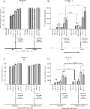
- nm) and TEM (≈45 nm). Thus, the average sizes obtained by NTA are in agreement with the average size observed using TEM (Supporting Information File 1, Figure S2A and Table S2). Similarly, while the mean diameter of LNP B9 G-3 was found to be larger by DLS (91.9 nm) than the values reported for NTA
- , USA). Briefly, the scale was set to the scale bar on the image, and the diameter for entire nanoparticles was measured in each image. At least 3 images per LNP formulation were used to determine the size distribution of the LNPs. Data are represented as a box and whisker plot, with min and max values



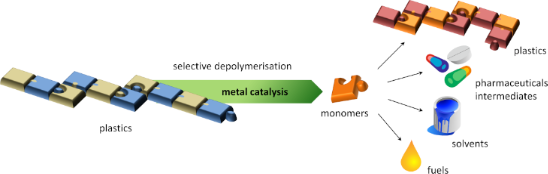
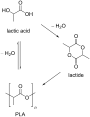
Valorisation of plastic waste via metal-catalysed depolymerisation
Beilstein J. Org. Chem. 2021, 17, 589–621, doi:10.3762/bjoc.17.53
- compared to 2D materials, thanks to a typical 8–16 nm outer diameter tubular morphology [215][216] and the potential for facile metal doping via ion-exchange of the solid support [217][218]. Lewis acid-type catalytic activity was also postulated for γ-Fe2O3 NPs, which provided BHET in 90% yield at 300 °C










Synthesis and physicochemical evaluation of fluorinated lipopeptide precursors of ligands for microbubble targeting
Beilstein J. Org. Chem. 2021, 17, 511–518, doi:10.3762/bjoc.17.45
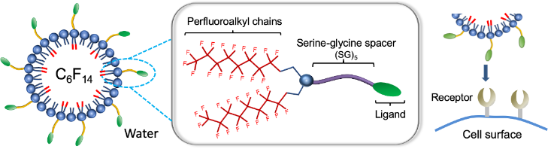
- provokes delipidation of the interfacial film. The incorporation of the F-lipopeptides 1–3 in microbubbles with a shell of DPPC and dipalmitoylphosphatidylethanolamine-PEG2000 decreased their mean diameter and increased their stability, the best results being obtained for the C8F17-bearing lipopeptide 3
- . By contrast, the hydrocarbon lipopeptide led to microbubbles with a larger mean diameter and a significantly lower stability. Keywords: adsorption at fluid interfaces; drug delivery; microbubble targeting; molecular imaging; monolayer; perfluoroalkylated lipopeptide; solid-phase peptide synthesis
- made from DPPC alone (e.g., 1.9 ± 0.6 μm with F-lipopeptide 3 versus 2.5 ± 0.8 μm without, Figure 3a,b). Microbubbles with similar mean diameters were obtained with the two other F-lipopeptides. By contrast, the incorporation of the hydrocarbon analog 4 led to a marked increase in the mean MB diameter


Annulation of a 1,3-dithiole ring to a sterically hindered o-quinone core. Novel ditopic redox-active ligands
Beilstein J. Org. Chem. 2021, 17, 273–282, doi:10.3762/bjoc.17.26
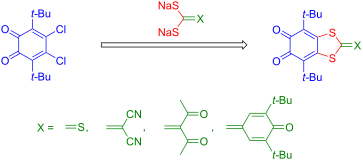
- electrode (2 mm diameter), platinum wire counter electrode and Ag/AgCl/KCl reference electrode. X-ray crystallography The X-ray data for 6a–d and 7–9 were collected on Rigaku OD Xcalibur (6b–d, 7, 9) and Bruker D8 Quest (6a, 8) diffractometers (Mo Kα radiation, ω-scans technique, λ = 0.71073 Å) using APEX3


Tuning the solid-state emission of liquid crystalline nitro-cyanostilbene by halogen bonding
Beilstein J. Org. Chem. 2021, 17, 124–131, doi:10.3762/bjoc.17.13
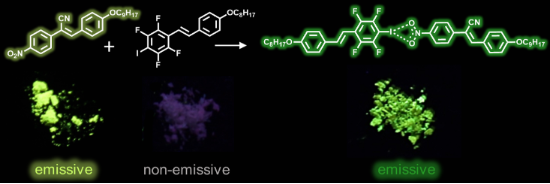
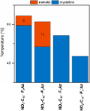
- after one heating/cooling cycle reveal the impact of the alkoxy chain length and a significant rearrangement of the solid-state packing upon heating/cooling the sample (diameter of sample ≈ 0.8 cm). Temperature-dependent fluorescent images of NO2-C9∙∙∙F4St showing the enhancement of emission upon






Control over size, shape, and photonics of self-assembled organic nanocrystals
Beilstein J. Org. Chem. 2021, 17, 42–51, doi:10.3762/bjoc.17.5
- pump power for studying the power dependence. The pump power intensities were measured using an Ophir powermeter with a photodiode sensor in proximity to the sample. The excitation densities were calculated for a laser spot of 300 μm diameter on the sample. This diameter was measured by placing a




Semiautomated glycoproteomics data analysis workflow for maximized glycopeptide identification and reliable quantification
Beilstein J. Org. Chem. 2020, 16, 3038–3051, doi:10.3762/bjoc.16.253
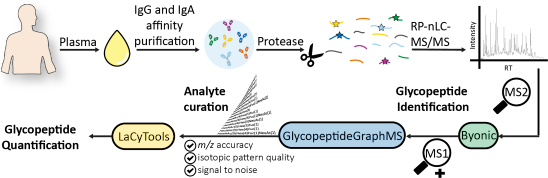
- -acetylneuraminic acid (NeuAc, 291.0954 Da, max. 120 s RT difference) were enabled. For each glycopeptide cluster of interest, one data point was assigned to a composition that was verified by the Byonic search. For the visualization in GlycopeptideGraphMS, the diameter of the data points and the relative abundance