Search results
Search for "ionic liquids" in Full Text gives 117 result(s) in Beilstein Journal of Organic Chemistry.
Binding abilities of a chiral calix[4]resorcinarene: a polarimetric investigation on a complex case of study
Beilstein J. Org. Chem. 2017, 13, 2698–2709, doi:10.3762/bjoc.13.268

- [31][32], for instance as chiral selectors or as catalysts in micro-heterogeneous or organized systems (micelles, Langmuir–Blodgett films, ionic liquids etc.). Finally, our study shows how the use of polarimetry, which has already been shown a powerful tool for the systematic study of the binding




Synthesis, effect of substituents on the regiochemistry and equilibrium studies of tetrazolo[1,5-a]pyrimidine/2-azidopyrimidines
Beilstein J. Org. Chem. 2017, 13, 2396–2407, doi:10.3762/bjoc.13.237

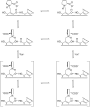
- , using ionic liquids and water as solvents, and short reaction times. In addition, 5-substituted isomers have proved to be excellent models in carrying out a thorough investigation of the azide–tetrazole equilibrium mechanism by density functional theory (DFT) and various experimental methods (e.g., NMR
- conditions for the preparation of tetrazolo[1,5-a]pyrimidines, the reaction of β-enaminone 1a with 5-aminotetrazole (2) was carried out under several conditions using conventional solvents and ionic liquids (ILs) to provide 5-phenyltetrazolo[1,5-a]pyrimidine (3a). Two conditions in which the product exceeded


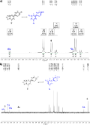
![[Graphic 9]](/bjoc/content/inline/1860-5397-13-237-i9.svg?max-width=637&scale=1.18182) 4d equilibrium in DMSO-d6 at 25 °C.
4d equilibrium in DMSO-d6 at 25 °C.


Mechanochemical synthesis of small organic molecules
Beilstein J. Org. Chem. 2017, 13, 1907–1931, doi:10.3762/bjoc.13.186
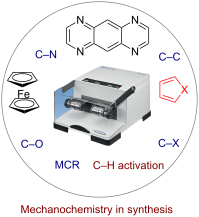
- variations are adopted to improve the efficiency of this reaction for practical application towards drug discovery [126][127][128]. Modifications have been done in substrates by replacing urea with substituted ureas and thio urea, use of various 1,3-dicarbonyl compounds etc. Reactions using ionic liquids as




Block copolymers from ionic liquids for the preparation of thin carbonaceous shells
Beilstein J. Org. Chem. 2017, 13, 1693–1701, doi:10.3762/bjoc.13.163
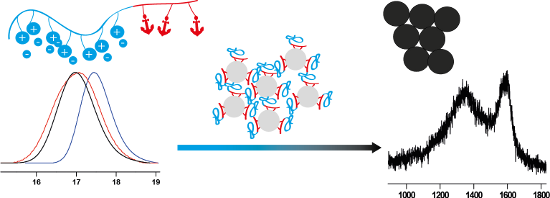
- ; ionic liquid; polymeric ionic liquid; RAFT polymerization; Introduction Ionic liquids (ILs) are organic salts. Most of them have a melting point below 100 °C [1][2]. These organic salts do not have the same structure like inorganic salts. This is due to the structure of the ion pairs. They are built of
- ]. Properties, like solubility can be varied easily by exchanging the anion. Ionic liquids are often used as an electrolyte or organic solvent. Furthermore, they are also used in catalysis or in organic synthesis. Due to their selective solubility for ions [6][7][8], they can be used to predetermine the
- presence of ions on surfaces, a property which is very important for electrochemical conversions or the uptake of ions into the crystal lattice [9]. Polymeric ionic liquids (PILs) are made of ionic liquids with a polymerizable group, like a vinyl or acrylate group. They build a new class of macromolecules


Mechanochemistry-assisted synthesis of hierarchical porous carbons applied as supercapacitors
Beilstein J. Org. Chem. 2017, 13, 1332–1341, doi:10.3762/bjoc.13.130
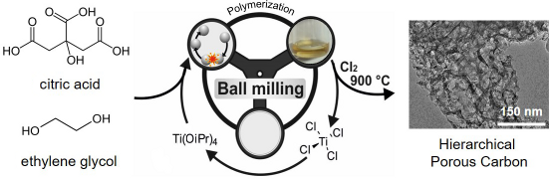
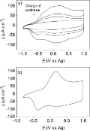
- done in 1 M TEA-BF4 in acetonitrile (ACN) and neat EMIM-BF4 as an ionic liquid. Since ionic liquids show a lower ion mobility as compared to aqueous or organic electrolytes, a well-connected transport pore system is of particular importance to guarantee a fast ion transport and should result in better
- comparable to other known Kroll carbons [52] and non-doped mesoporous carbons [57]. At a high sweep rate of 500 mV s−1, the shape of the CV, recorded in the organic electrolyte (Figure 7A) remains nearly rectangular, which indicated a high power handling ability. The ion mobility of ionic liquids is lower


Synthesis of 1-indanones with a broad range of biological activity
Beilstein J. Org. Chem. 2017, 13, 451–494, doi:10.3762/bjoc.13.48
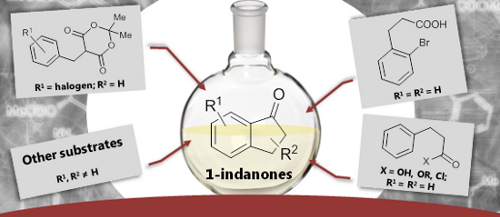
- -arylpropanoic and 4-arylbutanoic acids has been reported in 2015 by Le et al. [22]. The authors applied a microwave-assisted intramolecular Friedel–Crafts acylation catalyzed by metal triflate in triflate-anion containing ionic liquids. This synthesis proceeded with the goals of green chemistry and allowed to


Extrusion – back to the future: Using an established technique to reform automated chemical synthesis
Beilstein J. Org. Chem. 2017, 13, 65–75, doi:10.3762/bjoc.13.9
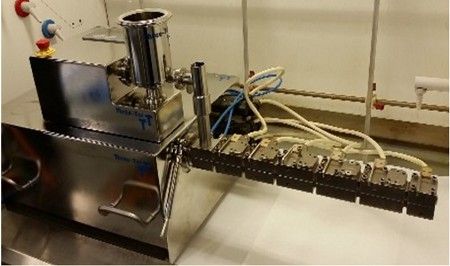
- final milling process step typically employed in the conventional synthesis to increase the surface area was removed. Deep eutectic solvents Deep eutectic solvents (DESs) – regarded as a new generation of ionic liquids – are two-component ionic solvents with melting points lower than either constituent


β-Amino functionalization of cinnamic Weinreb amides in ionic liquid
Beilstein J. Org. Chem. 2016, 12, 2372–2377, doi:10.3762/bjoc.12.231

- -protecting groups is relatively easier than those shown above; and 3) the ionic liquids are environmentally friendly and can be readily recycled. Results and Discussion The first attempt was to conduct the aminochlorination reaction of N-methoxy-N-methylcinnamoylamide (5a) in acetonitrile by using 2-NsNCl2
- as the nitrogen source and Cu(I)OTf as the metal catalyst [33][34]. However, there no aminochlorination products were observed. Next, we turned our attention to the use of ionic liquids, which have shown many significant advantages in the reported aminochlorination reactions [35][36][37]. However


Isosorbide and dimethyl carbonate: a green match
Beilstein J. Org. Chem. 2016, 12, 2256–2266, doi:10.3762/bjoc.12.218
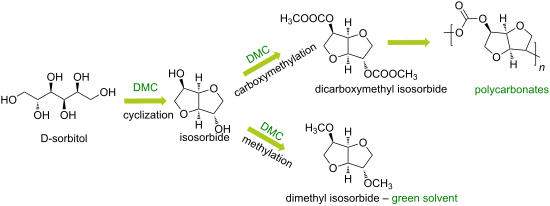
- glucose by hydrolysis. Hydrogenation of glucose to D-sorbitol. An appropriate catalyst for this process should provide both acid sites (hydrolysis) and metallic sites (hydrogenation). Thus, several bifunctional catalytic systems have been investigated [40][41][42][43][44]. The use of ionic liquids as


Ionic liquids as transesterification catalysts: applications for the synthesis of linear and cyclic organic carbonates
Beilstein J. Org. Chem. 2016, 12, 1911–1924, doi:10.3762/bjoc.12.181
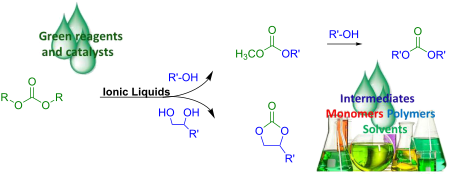
- Maurizio Selva Alvise Perosa Sandro Guidi Lisa Cattelan Dipartimento di Scienze Molecolari e Nanosistemi, Università Ca’ Foscari Venezia, Via Torino, 155 – Venezia Mestre, Italy 10.3762/bjoc.12.181 Abstract The use of ionic liquids (ILs) as organocatalysts is reviewed for transesterification
- reactions, specifically for the conversion of nontoxic compounds such as dialkyl carbonates to both linear mono-transesterification products or alkylene carbonates. An introductory survey compares pros and cons of classic catalysts based on both acidic and basic systems, to ionic liquids. Then, innovative
- /nucleophilic) activation of reactants. Keywords: ionic liquids; transesterification; organocatalysts; organic carbonates; Review Introduction Transesterification catalysts The transesterification is one of the classical organic reactions that has found numerous applications in laboratory practice as well as


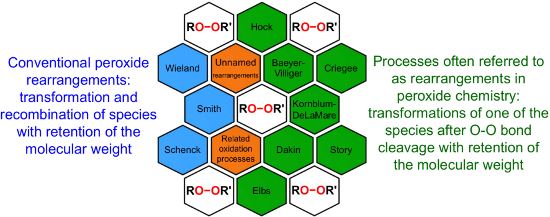
Rearrangements of organic peroxides and related processes
Beilstein J. Org. Chem. 2016, 12, 1647–1748, doi:10.3762/bjoc.12.162
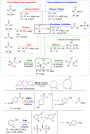
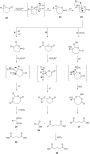
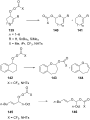
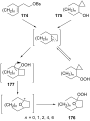
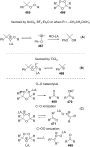
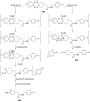
- studies on this topic [196][239][240][241][242][243][244][245][246]. Hydroxylated and methoxylated benzaldehydes 69 (Scheme 21) and acetophenones 72 (Scheme 22) can be oxidized to the corresponding phenols 70a–d, and 73 in good yields in the presence of the H2O2/MeReO3 system in ionic liquids [bmim]BF4 or













Microwave-assisted synthesis of (aminomethylene)bisphosphine oxides and (aminomethylene)bisphosphonates by a three-component condensation
Beilstein J. Org. Chem. 2016, 12, 1493–1502, doi:10.3762/bjoc.12.146
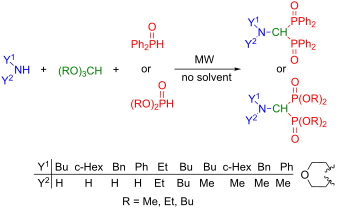
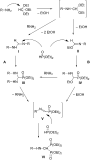
- [15][16][17][18][19][20][21]. The use of crown ethers with an NH unit, or thienopyrimidine amines as starting materials was also reported [22][23]. The catalyst- and solvent-free methods required long reaction times and/or a high temperature [6][7][8][9][10][11][12][13][14][21][22][23]. Ionic liquids



Mutagenic activity of quaternary ammonium salt derivatives of carbohydrates
Beilstein J. Org. Chem. 2016, 12, 1434–1439, doi:10.3762/bjoc.12.138

- construction [7][8][9]. Moreover, QASs are applied in industry, agriculture (as pesticides and herbicides) [10], and chemistry (as catalysts and solvents) [11][12]. QASs are also used as ingredients in hair conditioners, shampoos, and toothpastes [13]. Ionic liquids (IL) are recognized as a particularly


A practical way to synthesize chiral fluoro-containing polyhydro-2H-chromenes from monoterpenoids
Beilstein J. Org. Chem. 2016, 12, 648–653, doi:10.3762/bjoc.12.64
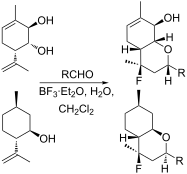
- appropriate halogen-containing Lewis acids or ionic liquids are usually used (Scheme 2) [10][11][12][13][14][15][16]. However, only a few examples of reactions for introducing a fluorine atom via the halo-Prins cyclization have been reported to date [15][16][17][18][19][20][21]. In these reactions, BF3·Et2O


A selective and mild glycosylation method of natural phenolic alcohols
Beilstein J. Org. Chem. 2016, 12, 524–530, doi:10.3762/bjoc.12.51

- organic media or ionic liquids as co-solvents [24][25][26][27]. The enzymatic transglucosylation using 4-nitrophenyl β-D-glucopyranoside as the donor and almond β-glucosidase as biocatalyst gave salidroside (2) in moderate yield [28]. Recently, we have published the enzymatic glycosylation of tyrosol (2


Supramolecular polymer assembly in aqueous solution arising from cyclodextrin host–guest complexation
Beilstein J. Org. Chem. 2016, 12, 50–72, doi:10.3762/bjoc.12.7
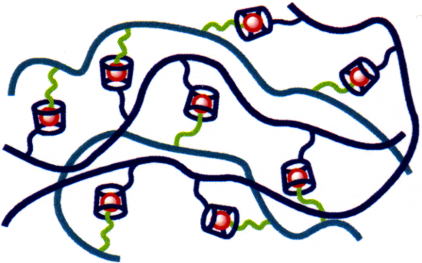
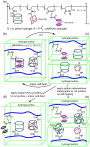
- complexation of the anions of the ionic liquids 1-butyl-3-vinylimidazolium-adamantanecarboxylate, -bis(trifluoromethylsulfonylamide and –nonafluorobutansulfonate, (b’), (c’) and (d’), respectively in Figure 19, by the β-CD substituent of the copolymer to form the copolymer complexes (b), (c) and (d) [103]. (β


Reaction of allene esters with Selectfluor/TMSX (X = I, Br, Cl) and Selectfluor/NH4SCN: Competing oxidative/electrophilic dihalogenation and nucleophilic/conjugate addition
Beilstein J. Org. Chem. 2015, 11, 1641–1648, doi:10.3762/bjoc.11.180
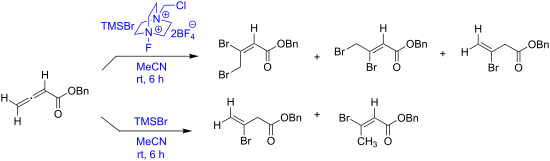
- ionic liquids [BMIM][NTf2] and [BMIM][PF6] as solvent, in the presence and absence of Selectfluor. Comparative product analysis studies demonstrate that the ability of Selectflour to promote oxidative/electrophilic dihalogenation/dithiocyanation with TMSX/NH4SCN (as observed previously for 1-arylallenes
- ionic liquids (ILs) as solvent in which Selectfluor is soluble. Previous studies have shown that the major products arising from the reaction of 2,3-allenoates with MX/HX are hydrohalogenated compounds [19][20][21]. Similarly, reactions with NuH lead to Michael-type nucleophilic additions, but in the


Grubbs–Hoveyda type catalysts bearing a dicationic N-heterocyclic carbene for biphasic olefin metathesis reactions in ionic liquids
Beilstein J. Org. Chem. 2015, 11, 1632–1638, doi:10.3762/bjoc.11.178
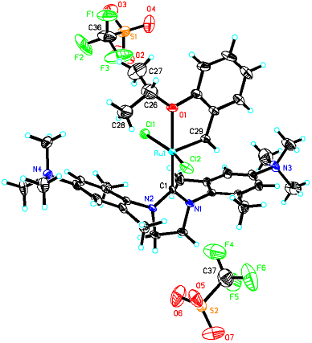
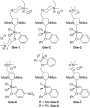
- access to metathesis reactions in either aqueous solution [1][2][3][4][5][6][7][8][9][10] or under biphasic conditions [11][12][13][14]. Particularly the latter aspect is of utmost relevance in case of ionic liquids (ILs) can be used as the phase in which the catalyst is dissolved. The ionic character of



Surprisingly facile CO2 insertion into cobalt alkoxide bonds: A theoretical investigation
Beilstein J. Org. Chem. 2015, 11, 1340–1351, doi:10.3762/bjoc.11.144
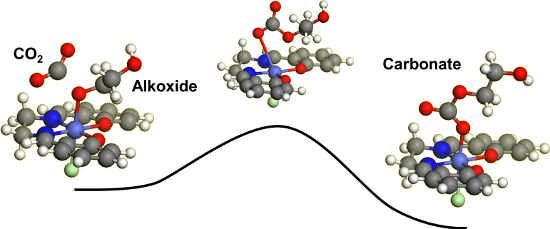
- alkylmethylimidazolium chlorine ionic liquids [37]. They identified competitive three-step and two-step pathways, both having the ring opening of propylene oxide as the rate-determining step. In the three-step pathway, the ring opening precedes the CO2 insertion. By contrast, in the two-step pathway, the ring opening


Quarternization of 3-azido-1-propyne oligomers obtained by copper(I)-catalyzed azide–alkyne cycloaddition polymerization
Beilstein J. Org. Chem. 2015, 11, 1037–1042, doi:10.3762/bjoc.11.116

- 1,2,3-triazole is quarternized with alkyl halides or others [38][39]. Recently, it has been reported that quarternized 1,2,3-triazole derivatives act as ionic liquids [40][41], and polymeric ionic liquids have been also prepared from polymers possessing 1,2,3-triazole moieties [42][43][44]. Therefore
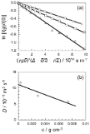
- the quarternized AP oligomer may be applied as a polymeric ionic liquid or a precursor of polymeric ionic liquids. In this study, we investigate quarternization of an AP oligomer with methyl iodide to obtain a soluble oligomer (Scheme 1b) and characterize the quarternized oligomer in dilute solutions
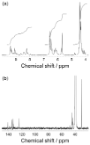
- quarternization reagents and counterions are employed, a new type of polymeric ionic liquids may be provided. Experimental IR spectra were recorded on a JASCO FT/IR-8300 spectrometer equipped with a JASCO ATR PRO410-S cell. 1H and 13C NMR spectra were recorded on an Agilent 600 NMR spectrometer at 30 °C using


Highly selective palladium–benzothiazole carbene-catalyzed allylation of active methylene compounds under neutral conditions
Beilstein J. Org. Chem. 2015, 11, 994–999, doi:10.3762/bjoc.11.111

- conventional solvents [37] and in ionic liquids [38]. Complex I is easily prepared from the corresponding thiazolium salt V and Pd(OAc)2, and due to its high stability the complex can be purified by silica gel chromatography. We report here the use of dicarbenediiodopalladium(II) complex I, prepared in situ


CO2 Chemistry
Beilstein J. Org. Chem. 2015, 11, 675–677, doi:10.3762/bjoc.11.76
- efficient systems for CO2 capture are being developed on the basis of amine-functionalised ionic liquids where zwitterionic adduct formation is the key to higher efficiency [13]. Furthermore, many physical properties of carbon dioxide are outstanding, making supercritical carbon dioxide a solvent like no


Chemoselective O-acylation of hydroxyamino acids and amino alcohols under acidic reaction conditions: History, scope and applications
Beilstein J. Org. Chem. 2015, 11, 446–468, doi:10.3762/bjoc.11.51
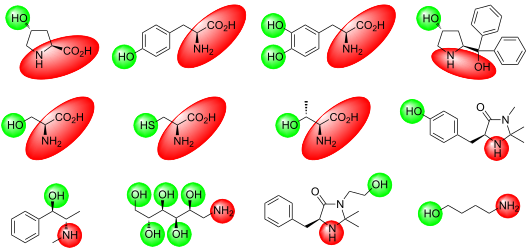
- , making the crystalline hydrochlorides unavailable from MeSO3H medium, thereby complicating the isolation and purification process due to the poor crystallinity of methanesulfonate salts, which in fact, quite frequently are ionic liquids. On the positive side, MeSO3H is biodegradable. In addition to the




Electrochemical oxidation of cholesterol
Beilstein J. Org. Chem. 2015, 11, 392–402, doi:10.3762/bjoc.11.45
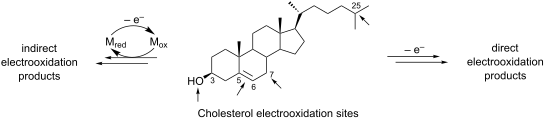
- immobilized on carbon nanotubes [59], metal nanoparticles [60] or graphene [61], and additionally decorated with metal nanoparticles [62] or modified with ionic liquids [63]. The application of composite electrodes, including silica sol–gel matrix with Prussian Blue [64], carbon nanotubes with zinc oxide


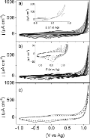
IR and electrochemical synthesis and characterization of thin films of PEDOT grown on platinum single crystal electrodes in [EMMIM]Tf2N ionic liquid
Beilstein J. Org. Chem. 2015, 11, 348–357, doi:10.3762/bjoc.11.40
- ) < Pt(110) < Pt(111) [6]. The synthesis of other conducting polymers on well-defined surfaces [7][8][9][10] and templates [11] also has shown how the surface affects their adhesion, coverage, morphology and redox kinetics. On the other hand, the synthesis of conducting polymers in ionic liquids (ILs
- of the polymer is less probable and the average length of the polymer chains is higher in ionic liquids than in molecular solvents [15]. In this work, Pt single crystals electrodes and the moisture stable IL 1-ethyl-2,3-dimethylimidazolium triflimide, [EMMIM]Tf2N [16], are used to carry out the
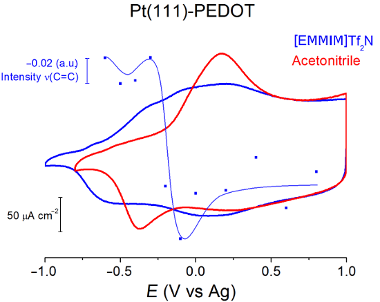
- . However, it is still unclear if the two oxidation signals in ionic liquids correspond to two different redox states (polarons and bipolarons) or if they are related to different polymer structures [4]. Voltammetric profiles of PEDOT thin films in Figure 2 show that there are no significant differences