Search for "singlet oxygen" in Full Text gives 80 result(s) in Beilstein Journal of Organic Chemistry.
Beilstein J. Org. Chem. 2017, 13, 768–778, doi:10.3762/bjoc.13.76
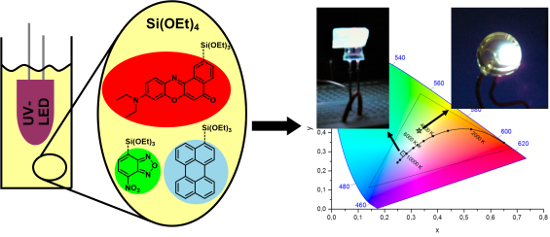
Graphical Abstract
Scheme 1: Synthesis of the triethoxysilyl-functionalized dye precursors 8, 9, and 10.
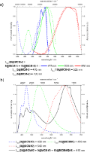
Figure 1: Absorption (a) and emission (b) spectra of perylene 9, benzofurazane 10, and Nile red precursors 8 ...
Figure 2: CIE 1931 color space chromaticity diagram (2° observer) with the CIE chromaticity coordinates of th...
Figure 3: Number of molecules per 100 nm² and quantum yields of 8@MCM in relation to the loading of hybrid ma...
Figure 4: Solid-state fluorescence quantum yields Φf of grafted hybrid materials in relation to the calculate...
Figure 5: CIE 1931 color space chromaticity diagram (2° observer) with the color space accessible by mixing t...
Figure 6: a) Suspensions of the dye-functionalized silica hybrid materials 8@MCM-3, 9@MCM-3, and 10@MCM-6 as ...
Figure 7: a) Excitation and b) emission spectra of the single dye-functionalized hybrid materials 8@MCM-2, 9@...
Figure 8: Emission spectra of blend [8@MCM-2 + 9@MCM-3 + 10@MCM-6]-1 at different excitation wavelengths (2nd...
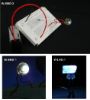
Figure 9: Coating of the a) conventional diode setup and b) surface-mounted device (SMD) (left: prior to the ...
Figure 10: Pictures of the coated LEDs in compact device set-up (SMD) and conventional diode design (LED).
Figure 11: CIE chromaticity coordinates of the coated LEDs in compact device set-up (SMD) and conventional dio...
Beilstein J. Org. Chem. 2017, 13, 644–647, doi:10.3762/bjoc.13.63
Graphical Abstract
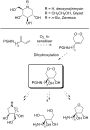
Scheme 1: Top: The natural product deoxynojirimycin and two analogues and marketed drugs Glyset and Zavesca. ...
Scheme 2: Synthesis of Boc- and Pht-protected diene substrates for endoperoxide synthesis. TBA-Cl = tetrabuty...
Scheme 3: Synthesis of endoperoxides 17–19 by [4 + 2]-cycloaddition of dienes 14–16 with singlet oxygen. The ...
Scheme 4: Dihydroxylation and protection of endoperoxides 18 and 19 to provide novel building blocks 20–23 fo...
Beilstein J. Org. Chem. 2017, 13, 543–551, doi:10.3762/bjoc.13.52
Graphical Abstract
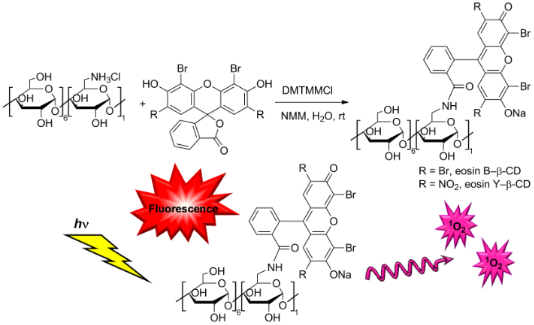
Figure 1: Reaction scheme for the synthesis of eosin Y (2) and eosin B (4).
Figure 2: Reaction scheme for the synthesis of eosin-appended β-CDs, 2–β-CD and 4–β-CD (NMM: N-methylmorpholi...
Figure 3: TLC analysis of the composition of the crude coupling reaction mixtures.
Figure 4: 1H NMR spectrum of 2–β-CD with partial assignment (DMSO-d6, 600 MHz, 298 K).
Figure 5: Size distributions of 1 mM aqueous solutions of conjugates 4–β-CD (a) and 2–β-CD (b) at 25.0 °C (pH...
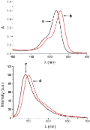
Figure 6: Normalized absorption spectra of aqueous solutions of (a) eosin Y (2) and (b) conjugate 2–β-CD and ...
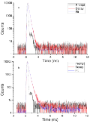
Figure 7: Time-resolved fluorescence observed for aqueous solutions of (a) eosin Y (2) and (b) the 2–β-CD con...
Figure 8: 1O2 luminescence detected upon 528 nm light excitation of D2O solutions of (a) eosin Y (2) and (b) 2...
Beilstein J. Org. Chem. 2016, 12, 2535–2542, doi:10.3762/bjoc.12.248
Graphical Abstract
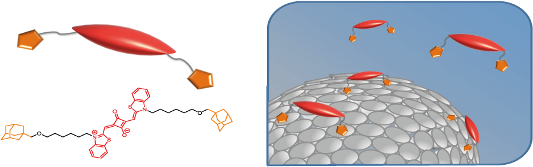
Figure 1: Schematic representation of adamantane-substituted squaraine (AdSq) binding as a divalent guest to ...
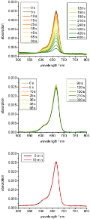
Figure 2: Absorption spectra of AdSq in acetonitrile. [AdSq] = 7.5 µM. Top: Absorption at different time poin...
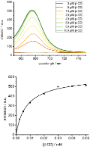
Figure 3: Top: Emission spectra (ex: 630 nm) of AdSq immobilized at CDV. [CDV] = 0–100 µM; [AdSq] = 5 µM. Bot...
Figure 4: Confocal fluorescence microscopy of giant unilamellar vesicles (GUVs) of amphiphilic cyclodextrins ...
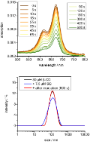
Figure 5: Top: Absorption spectra at different time points during irradiation of a CDV solution with AdSq imm...
Figure 6: Synthesis of AdSq (I) NaH, DMF, 1,6-dibromohexane, 24 h, rt. (II) benzothiazole, acetonitrile, 12 h...
Beilstein J. Org. Chem. 2016, 12, 1798–1811, doi:10.3762/bjoc.12.170
Graphical Abstract
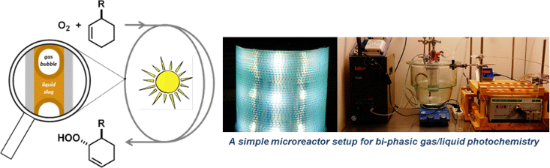
Figure 1: The challenge of mixing the three dispersed entities gas, liquid, and light for photochemical appli...
Scheme 1: Mutual interdependencies of critical reaction and reactor parameters.
Scheme 2: Blueprint of the home-built microflow photoreactor; schematic illustration of the reactor setup wit...
Figure 2: Total absorbance of methylene blue solutions in acetonitrile according to the Beer-Lambert law: Eλ ...
Figure 3: Red (λmax = 633 nm), blue (λmax = 448 nm), green (λmax = 520 nm) and white (λmax = 620 nm) LEDs mou...
Figure 4: Overlap of absorption spectrum of methylene blue in acetonitrile and emission spectra of reasonably...
Figure 5: Emission spectra of different LEDs; red (λmax = 633 nm), blue (λmax = 448 nm), green (λmax = 520 nm...
Scheme 3: Slug flow conditions of two-phase gas-liquid mixtures. Photograph of a slug flow of a solution of m...
Figure 6: Photograph of the operating flow reactor, irradiated with white LEDs, filled with a solution of met...
Scheme 4: Schematic illustration of a reactor tube (length l, inner diameter d) and pressure gradient Δp acco...
Scheme 5: Reaction types of organic molecules with singlet oxygen.
Figure 7: Home-made flow reactor and peripheral devices for photochemical reactions at light/liquid/gas inter...
Scheme 6: Photooxygenation of N-methyl-1,2,3,6-tetrahydrophthalimide and reductive work-up to alcohol 3a.
Figure 8: Conversion vs methylene blue sensitizer concentration. Reactions at constant flow rates in acetonit...
Figure 9: Reaction progress at different residence times in flow and batch reactions. Flow: reactions at diff...
Scheme 7: Oxidation of N-methyl-1,2,3,6-tetrahydro-3-acetamidophthalimide and reductive work-up to alcohol 3b....
Beilstein J. Org. Chem. 2016, 12, 1647–1748, doi:10.3762/bjoc.12.162
Graphical Abstract
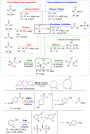
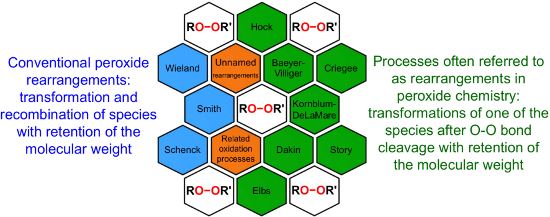
Figure 1: The named transformations considered in this review.
Scheme 1: The Baeyer–Villiger oxidation.
Scheme 2: The general mechanism of the peracid-promoted Baeyer–Villiger oxidation.
Scheme 3: General mechanism of the Lewis acid-catalyzed Baeyer–Villiger rearrangement.
Scheme 4: The theoretically studied mechanism of the BV oxidation reaction promoted by H2O2 and the Lewis aci...
Scheme 5: Proton movements in the transition states of the Baeyer–Villiger oxidation.
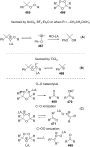
Scheme 6: The dependence of the course of the Baeyer–Villiger oxidation on the type of O–O-bond cleavage in t...
Scheme 7: The acid-catalyzed Baeyer–Villiger oxidation of cyclic epoxy ketones 22.
Scheme 8: Oxidation of isophorone oxide 29.
Scheme 9: Synthesis of acyl phosphate 32 from acyl phosphonate 31.
Scheme 10: Synthesis of aflatoxin B2 (36).
Scheme 11: The Baeyer–Villiger rearrangement of ketones 37 to lactones 38.
Scheme 12: Synthesis of 3,4-dimethoxybenzoic acid (40) via Baeyer–Villiger oxidation.
Scheme 13: Oxone transforms α,β-unsaturated ketones 43 into vinyl acetates 44.
Scheme 14: The Baeyer–Villiger oxidation of ketones 45 using diaryl diselenide and hydrogen peroxide.
Scheme 15: Baeyer–Villiger oxidation of (E)-2-methylenecyclobutanones.
Scheme 16: Oxidation of β-ionone (56) by H2O2/(BnSe)2 with formation of (E)-2-(2,6,6-trimethylcyclohex-1-en-1-...
Scheme 17: The mechanism of oxidation of ketones 58a–f by hydrogen peroxide in the presence of arsonated polys...
Scheme 18: Oxidation of ketone (58b) by H2O2 to 6-methylcaprolactone (59b) catalyzed by Pt complex 66·BF4.
Scheme 19: Oxidation of ketones 67 with H2O2 in the presence of [(dppb}Pt(µ-OH)]22+.
Scheme 20: The mechanism of oxidation of ketones 67 in the presence of [(dppb}Pt(µ-OH)]22+ and H2O2.
Scheme 21: Oxidation of benzaldehydes 69 in the presence of the H2O2/MeReO3 system.
Scheme 22: Oxidation of acetophenones 72 in the presence of the H2O2/MeReO3 system.
Scheme 23: Baeyer–Villiger oxidation of 2-adamantanone (45c) in the presence of Sn-containing mesoporous silic...
Scheme 24: Aerobic Baeyer–Villiger oxidation of ketones 76 using metal-free carbon.
Scheme 25: A regioselective Baeyer-Villiger oxidation of functionalized cyclohexenones 78 into a dihydrooxepin...
Scheme 26: The oxidation of aldehydes and ketones 80 by H2O2 catalyzed by Co4HP2Mo15V3O62.
Scheme 27: The cleavage of ketones 82 with hydrogen peroxide in alkaline solution.
Scheme 28: Oxidation of ketones 85 to esters 86 with H2O2–urea in the presence of KHCO3.
Scheme 29: Mechanism of the asymmetric oxidation of cyclopentane-1,2-dione 87a with the Ti(OiPr)4/(+)DET/t-BuO...
Scheme 30: The oxidation of cis-4-tert-butyl-2-fluorocyclohexanone (93) with m-chloroperbenzoic acid.
Scheme 31: The mechanism of the asymmetric oxidation of 3-substituted cyclobutanone 96a in the presence of chi...
Scheme 32: Enantioselective Baeyer–Villiger oxidation of cyclic ketones 98.
Scheme 33: Regio- and enantioselective Baeyer–Villiger oxidation of cyclic ketones 101.
Scheme 34: The proposed mechanism of the Baeyer–Villiger oxidation of acetal 105f.
Scheme 35: Synthesis of hydroxy-10H-acridin-9-one 117 from tetramethoxyanthracene 114.
Scheme 36: The Baeyer–Villiger oxidation of the fully substituted pyrrole 120.
Scheme 37: The Criegee rearrangement.
Scheme 38: The mechanism of the Criegee reaction of a peracid with a tertiary alcohol 122.
Scheme 39: Criegee rearrangement of decaline ethylperoxoate 127 into ketal 128.
Scheme 40: The ionic cleavage of 2-methoxy-2-propyl perester 129.
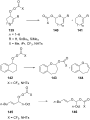
Scheme 41: The Criegee rearrangement of α-methoxy hydroperoxide 136.
Scheme 42: Synthesis of enol esters and acetals via the Criegee rearrangement.
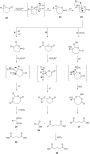
Scheme 43: Proposed mechanism of the transformation of 1-hydroperoxy-2-oxabicycloalkanones 147a–d.
Scheme 44: Transformation of 3-hydroxy-1,2-dioxolanes 151 into diketone derivatives 152.
Scheme 45: Criegee rearrangement of peroxide 153 with the mono-, di-, and tri-O-insertion.
Scheme 46: The sequential Criegee rearrangements of adamantanes 157a,b.
Scheme 47: Synthesis of diaryl carbonates 160a–d from triarylmethanols 159a–d through successive oxygen insert...
Scheme 48: The synthesis of sesquiterpenes 162 from ketone 161 with a Criegee rearrangement as one key step.
Scheme 49: Synthesis of trans-hydrindan derivatives 164, 165.
Scheme 50: The Hock rearrangement.
Scheme 51: The general scheme of the cumene process.
Scheme 52: The Hock rearrangement of aliphatic hydroperoxides.
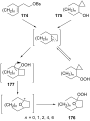
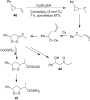
Scheme 53: The mechanism of solvolysis of brosylates 174a–c and spiro cyclopropyl carbinols 175a–c in THF/H2O2....
Scheme 54: The fragmentation mechanism of hydroperoxy acetals 178 to esters 179.
Scheme 55: The acid-catalyzed rearrangement of phenylcyclopentyl hydroperoxide 181.
Scheme 56: The peroxidation of tertiary alcohols in the presence of a catalytic amount of acid.
Scheme 57: The acid-catalyzed reaction of bicyclic secondary alcohols 192 with hydrogen peroxide.
Scheme 58: The photooxidation of 5,6-disubstituted 3,4-dihydro-2H-pyrans 196.
Scheme 59: The oxidation of tertiary alcohols 200a–g, 203a,b, and 206.
Scheme 60: Transformation of functional peroxide 209 leading to 2,3-disubstitued furans 210 in one step.
Scheme 61: The synthesis of carbazoles 213 via peroxide rearrangement.
Scheme 62: The construction of C–N bonds using the Hock rearrangement.
Scheme 63: The synthesis of moiety 218 from 217 which is a structural motif in the antitumor–antibiotic of CC-...
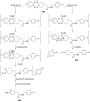
Scheme 64: The in vivo oxidation steps of cholesterol (219) by singlet oxygen.
Scheme 65: The proposed mechanism of the rearrangement of cholesterol-5α-OOH 220.
Scheme 66: Photochemical route to artemisinin via Hock rearrangement of 223.
Scheme 67: The Kornblum–DeLaMare rearrangement.
Scheme 68: Kornblum–DeLaMare transformation of 1-phenylethyl tert-butyl peroxide (225).
Scheme 69: The synthesis 4-hydroxyenones 230 from peroxide 229.
Scheme 70: The Kornblum–DeLaMare rearrangement of peroxide 232.
Scheme 71: The reduction of peroxide 234.
Scheme 72: The Kornblum–DeLaMare rearrangement of endoperoxide 236.
Scheme 73: The rearrangement of peroxide 238 under Kornblum–DeLaMare conditions.
Scheme 74: The proposed mechanism of rearrangement of peroxide 238.
Scheme 75: The Kornblum–DeLaMare rearrangement of peroxides 242a,b.
Scheme 76: The base-catalyzed rearrangements of bicyclic endoperoxides having electron-withdrawing substituent...
Scheme 77: The base-catalyzed rearrangements of bicyclic endoperoxides 249a,b having electron-donating substit...
Scheme 78: The base-catalyzed rearrangements of bridge-head substituted bicyclic endoperoxides 251a,b.
Scheme 79: The Kornblum–DeLaMare rearrangement of hydroperoxide 253.
Scheme 80: Synthesis of β-hydroxy hydroperoxide 254 from endoperoxide 253.
Scheme 81: The amine-catalyzed rearrangement of bicyclic endoperoxide 263.
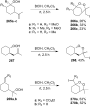
Scheme 82: The base-catalyzed rearrangement of meso-endoperoxide 268 into 269.
Scheme 83: The photooxidation of 271 and subsequent Kornblum–DeLaMare reaction.
Scheme 84: The Kornblum–DeLaMare rearrangement as one step in the oxidation reaction of enamines.
Scheme 85: The Kornblum–DeLaMare rearrangement of 3,5-dihydro-1,2-dioxenes 284, 1,2-dioxanes 286, and tert-but...
Scheme 86: The Kornblum–DeLaMare rearrangement of epoxy dioxanes 290a–d.
Scheme 87: Rearrangement of prostaglandin H2 292.
Scheme 88: The synthesis of epicoccin G (297).
Scheme 89: The Kornblum–DeLaMare rearrangement used in the synthesis of phomactin A.
Scheme 90: The Kornblum–DeLaMare rearrangement in the synthesis of 3H-quinazolin-4-one 303.
Scheme 91: The Kornblum–DeLaMare rearrangement in the synthesis of dolabriferol (308).
Scheme 92: Sequential transformation of 3-substituted 2-pyridones 309 into 3-hydroxypyridine-2,6-diones 311 in...
Scheme 93: The Kornblum–DeLaMare rearrangement of peroxide 312 into hydroxy enone 313.
Scheme 94: The Kornblum–DeLaMare rearrangement in the synthesis of polyfunctionalized carbonyl compounds 317.
Scheme 95: The Kornblum–DeLaMare rearrangement in the synthesis of (Z)-β-perfluoroalkylenaminones 320.
Scheme 96: The Kornblum–DeLaMare rearrangement in the synthesis of γ-ketoester 322.
Scheme 97: The Kornblum–DeLaMare rearrangement in the synthesis of diterpenoids 326 and 328.
Scheme 98: The synthesis of natural products hainanolidol (331) and harringtonolide (332) from peroxide 329.
Scheme 99: The synthesis of trans-fused butyrolactones 339 and 340.
Scheme 100: The synthesis of leucosceptroid C (343) and leucosceptroid P (344) via the Kornblum–DeLaMare rearra...
Scheme 101: The Dakin oxidation of arylaldehydes or acetophenones.
Scheme 102: The mechanism of the Dakin oxidation.
Scheme 103: A solvent-free Dakin reaction of aromatic aldehydes 356.
Scheme 104: The organocatalytic Dakin oxidation of electron-rich arylaldehydes 358.
Scheme 105: The Dakin oxidation of electron-rich arylaldehydes 361.
Scheme 106: The Dakin oxidation of arylaldehydes 358 in water extract of banana (WEB).
Scheme 107: A one-pot approach towards indolo[2,1-b]quinazolines 364 from indole-3-carbaldehydes 363 through th...
Scheme 108: The synthesis of phenols 367a–c from benzaldehydes 366a-c via acid-catalyzed Dakin oxidation.
Scheme 109: Possible transformation paths of the highly polarized boric acid coordinated H2O2–aldehyde adduct 3...
Scheme 110: The Elbs oxidation of phenols 375 to hydroquinones.
Scheme 111: The mechanism of the Elbs persulfate oxidation of phenols 375 affording p-hydroquinones 376.
Scheme 112: Oxidation of 2-pyridones 380 under Elbs persulfate oxidation conditions.
Scheme 113: Synthesis of 3-hydroxy-4-pyridone (384) via an Elbs oxidation of 4-pyridone (382).
Scheme 114: The Schenck rearrangement.
Scheme 115: The Smith rearrangement.
Scheme 116: Three main pathways of the Schenck rearrangement.
Scheme 117: The isomerization of hydroperoxides 388 and 389.
Scheme 118: Trapping of dioxacyclopentyl radical 392 by oxygen.
Scheme 119: The hypothetical mechanism of the Schenck rearrangement of peroxide 394.
Scheme 120: The autoxidation of oleic acid (397) with the use of labeled isotope 18O2.
Scheme 121: The rearrangement of 18O-labeled hydroperoxide 400 under an atmosphere of 16O2.
Scheme 122: The rearrangement of the oleate-derived allylic hydroperoxides (S)-421 and (R)-425.
Scheme 123: Mechanisms of Schenck and Smith rearrangements.
Scheme 124: The rearrangement and cyclization of 433.
Scheme 125: The Wieland rearrangement.
Scheme 126: The rearrangement of bis(triphenylsilyl) 439 or bis(triphenylgermyl) 441 peroxides.
Scheme 127: The oxidative transformation of cyclic ketones.
Scheme 128: The hydroxylation of cyclohexene (447) in the presence of tungstic acid.
Scheme 129: The oxidation of cyclohexene (447) under the action of hydrogen peroxide.
Scheme 130: The reaction of butenylacetylacetone 455 with hydrogen peroxide.
Scheme 131: The oxidation of bridged 1,2,4,5-tetraoxanes.
Scheme 132: The proposed mechanism for the oxidation of bridged 1,2,4,5-tetraoxanes.
Scheme 133: The rearrangement of ozonides.
Scheme 134: The acid-catalyzed oxidative rearrangement of malondialdehydes 462 under the action of H2O2.
Scheme 135: Pathways of the Lewis acid-catalyzed cleavage of dialkyl peroxides 465 and ozonides 466.
Scheme 136: The mechanism of the transformation of (tert-butyldioxy)cyclohexanedienones 472.
Scheme 137: The synthesis of Vitamin K3 from 472a.
Scheme 138: Proposed mechanism for the transformation of 478d into silylated endoperoxide 479d.
Scheme 139: The rearrangement of hydroperoxide 485 to form diketone 486.
Scheme 140: The base-catalyzed rearrangement of cyclic peroxides 488a–g.
Scheme 141: Synthesis of chiral epoxides and aldols from peroxy hemiketals 491.
Scheme 142: The multistep transformation of (R)-carvone (494) to endoperoxides 496a–e.
Scheme 143: The decomposition of anthracene endoperoxide 499.
Scheme 144: Synthesis of esters 503 from aldehydes 501 via rearrangement of peroxides 502.
Scheme 145: Two possible paths for the base-promoted decomposition of α-azidoperoxides 502.
Scheme 146: The Story decomposition of cyclic diperoxide 506a.
Scheme 147: The Story decomposition of cyclic triperoxide 506b.
Scheme 148: The thermal rearrangement of endoperoxides A into diepoxides B.
Scheme 149: The transformation of peroxide 510 in the synthesis of stemolide (511).
Scheme 150: The possible mechanism of the rearrangement of endoperoxide 261g.
Scheme 151: The photooxidation of indene 517.
Scheme 152: The isomerization of ascaridole (523).
Scheme 153: The isomerization of peroxide 525.
Scheme 154: The thermal transformation of endoperoxide 355.
Scheme 155: The photooxidation of cyclopentadiene (529) at a temperature higher than 0 °C.
Scheme 156: The thermal rearrangement of endoperoxides 538a,b.
Scheme 157: The transformation of peroxides 541.
Scheme 158: The thermal rearrangements of strained cyclic peroxides.
Scheme 159: The thermal rearrangement of diacyl peroxide 551 in the synthesis of C4-epi-lomaiviticin B core 553....
Scheme 160: The 1O2 oxidation of tryptophan (554) and rearrangement of dioxetane intermediate 555.
Scheme 161: The Fe(II)-promoted cleavage of aryl-substituted bicyclic peroxides.
Scheme 162: The proposed mechanism of the Fe(II)-promoted rearrangement of 557a–c.
Scheme 163: The reaction of dioxolane 563 with Fe(II) sulfate.
Scheme 164: Fe(II)-promoted rearrangement of 1,2-dioxane 565.
Scheme 165: Fe(II) cysteinate-promoted rearrangement of 1,2-dioxolane 568.
Scheme 166: The transformation of 1,2-dioxanes 572a–c under the action of FeCl2.
Scheme 167: Fe(II) cysteinate-promoted transformation of tetraoxane 574.
Scheme 168: The CoTPP-catalyzed transformation of bicyclic endoperoxides 600a–d.
Scheme 169: The CoTPP-catalyzed transformation of epoxy-1,2-dioxanes.
Scheme 170: The Ru(II)-catalyzed reactions of 1,4-endoperoxide 261g.
Scheme 171: The Ru(II)-catalyzed transformation as a key step in the synthesis of elyiapyrone A (610) from 1,4-...
Scheme 172: Peroxides with antimalarial activity.
Scheme 173: The interaction of iron ions with artemisinin (616).
Scheme 174: The interaction of FeCl2 with 1,2-dioxanes 623, 624.
Scheme 175: The mechanism of reaction 623 and 624 with Fe(II)Cl2.
Scheme 176: The reaction of bicyclic natural endoperoxides G3-factors 631–633 with FeSO4.
Scheme 177: The transformation of terpene cardamom peroxide 639.
Scheme 178: The different ways of the cleavage of tetraoxane 643.
Scheme 179: The LC–MS analysis of interaction of tetraoxane 646 with iron(II)heme 647.
Scheme 180: The rearrangement of 3,6-epidioxy-1,10-bisaboladiene (EDBD, 649).
Scheme 181: Easily oxidized substrates.
Scheme 182: Biopathway of synthesis of prostaglandins.
Scheme 183: The reduction and rearrangements of isoprostanes.
Scheme 184: The partial mechanism for linoleate 658 oxidation.
Scheme 185: The transformation of lipid hydroperoxide.
Scheme 186: The acid-catalyzed cleavage of the product from free-radical oxidation of cholesterol (667).
Scheme 187: Two pathways of catechols oxidation.
Scheme 188: Criegee-like or Hock-like rearrangement of the intermediate hydroperoxide 675 in dioxygenase enzyme...
Scheme 189: Carotinoides 679 cleavage by carotenoid cleavage dioxygenases.
Beilstein J. Org. Chem. 2016, 12, 1196–1202, doi:10.3762/bjoc.12.115
Graphical Abstract
Figure 1: Chemical structure of the photosensitizing chromophores benzophenone (BZP) and 2-benzoylthiophene (...
Figure 2: Chemical structure of tiaprofenic acid (TPA) and suprofen (SP).
Figure 3: Chemical structures of dyads 1–3.
Scheme 1: Formation of products 4 and 5 upon photolysis of dyads 1 and 2.
Figure 4: Diagnostic NOE interactions in compounds 4 and 5.
Figure 5: Decrease of the absorbance at 290 nm upon irradiation in CH2Cl2 under N2 for 1 (red circles), 2 (bl...
Figure 6: Transient absorption spectra for dyad 1 in CH2Cl2 1 μs after laser pulse (λexc = 355 nm). Inset: No...
Scheme 2: Photoreaction pathways generating biradical and singlet oxygen species of a sensitizer (S), like SP...
Figure 7: Time-resolved experiments at 1270 nm upon excitation at 308 nm of aerated CH2Cl2 solutions of 1–3, ...
Beilstein J. Org. Chem. 2016, 12, 684–701, doi:10.3762/bjoc.12.69
Graphical Abstract
Scheme 1: The formation of a 1:1 complex and a 2:1 supramolecular nano-capsule complex from bowl-shaped “cavi...
Scheme 2: Abbreviated synthesis of 7-amino-2-phenyl-6-azaindolizine.
Figure 1: My two favorite compounds for my Ph.D. dissertation, “The Synthesis and Structural Examination of 3...
Scheme 3: An inspiring chlorination from the group of Ronald Breslow.
Scheme 4: The carceplex reaction.
Figure 2: Schematic of a cavitein.
Figure 3: General structure of zinc-TPA complexes.
Scheme 5: Stereoselective bridging of a resorcinarene with benzal halides.
Scheme 6: An eight-fold Ullman ether “weaving” reaction.
Scheme 7: Directed ortho-metallation of the deep-cavity cavitands, showing the mono-endo substituted to tetra-...
Scheme 8: Macrocycle synthesis via resorcinarene covalent templates.
Figure 4: Tris-pyridyl hosts.
Figure 5: (Center) Chemical structure of the octa-acid host. (Left and right) Respective space-filling repres...
Figure 6: Cartoons of the 2:1 host–guest complexes of estradiol (left) and cholesterol (right).
Figure 7: Representative guests for the capsular complexes formed by octa-acid (stoichiometry shown in parent...
Figure 8: A dendrimer-coated cavitand.
Figure 9: Selective oxidation of olefins by singlet oxygen.
Figure 10: a) Preferred packing motifs of methyl, pentyl and octyl guests. b) Product distribution observed fo...
Figure 11: Schematic of the competition of two esters for the capsule formed by octa-acid. The ester that bind...
Figure 12: Schematic of the inter-phase separation of propane and butane; the latter binds more strongly to th...
Figure 13: Structure of tetra-endo-methyl octa-acid (TEMOA).
Figure 14: Assembly properties of TEMOA.
Figure 15: How salts influence the association constant (Ka) for the binding of ClO4– to octa-acid (Figure 4). The ind...
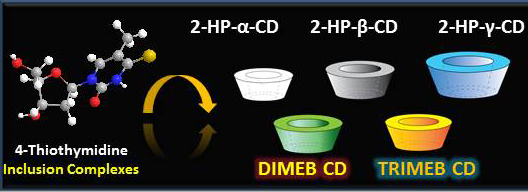
Beilstein J. Org. Chem. 2016, 12, 549–563, doi:10.3762/bjoc.12.54
Graphical Abstract
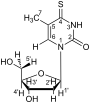
Figure 1: Molecular structure of S4TdR. H atoms are also labeled in the Figure.
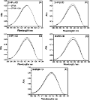
Figure 2: Comparison between UV–vis absorption spectra (detailed view: 280–380 nm) obtained for 1 × 10⁻⁵ M aq...
Figure 3: Cyclic voltammetry of aqueous solutions containing S4TdR (black solid line) in presence of increasi...
Figure 4: (A) Plot of cathodic potential values and (B) of the corresponding current intensity, obtained for S...
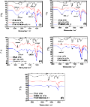
Figure 5: Comparison between detailed views (frequency range: 4000–600 cm−1) of the FTIR–ATR spectra obtained...
Figure 6: Modified Benesi–Hildebrand plot of [H]/[G]/Δδ versus [H]/[G] in the presence of S4TdR at an initial...
Beilstein J. Org. Chem. 2016, 12, 125–138, doi:10.3762/bjoc.12.14
Graphical Abstract
Figure 1: Photographs of Howard E. Zimmerman (July 5, 1926–February 12, 2012) (left) and Jane Zimmerman (née ...
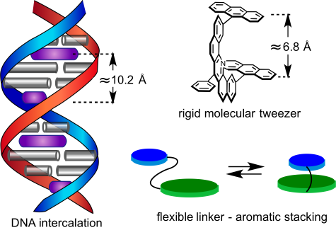
Figure 2: (a) Schematic double helix fully saturated with intercalator (in purple) according to the neighbor ...
Figure 3: Bismethidium molecular tweezer 3 proposed as a graduate student at Columbia University, which was q...
Figure 4: Adenine 8 recognition by carboxylic acid containing tweezer 9 and a component analysis showing “com...
Figure 5: The first determination of the cost of freezing single bond rotations in a host–guest complex.
Figure 6: Glycouril-based molecular clip 16 and 17 developed by Nolte, an example of Harmata’s chiral Kagan-e...
Figure 7: Macrocyclic diacridines and dinaphthalene and the intercalation complexes they may form with one ch...
Figure 8: (a) Hairpin structure of CUGexp seen in (CUG)12. (b) U–U or T–T mismatches with no inter-strand hyd...
Figure 9: (a) CTG trinucleotide repeat expansion in DMPK gene produces expanded transcripts, one which CUGexp...
Beilstein J. Org. Chem. 2015, 11, 2540–2548, doi:10.3762/bjoc.11.274
Graphical Abstract
Figure 1: The author as a teenager in his school uniform, but on the nearby Myrtleford golf course.
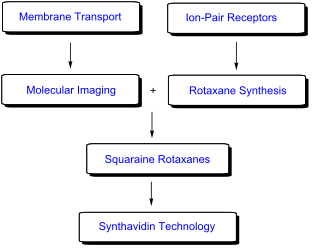
Scheme 1: Chronological progression of Smith group research projects.
Scheme 2: Molecular transporters promote translocation of ions or hydrophilic biomolecules across a synthetic...
Figure 2: (left) Association of ZnDPA probe with phosphatidylserine head group. (middle) False colored fluore...
Scheme 3: Macrocyclic receptor that binds solvent separated ion-pairs.
Scheme 4: Trapping a macrocyclic receptor containing a reactive ion-pair produces an interlocked [2]rotaxane.
Figure 3: (left) General structure of a squaraine rotaxane dye. (right) Fluorescence image of a living mouse ...
Scheme 5: (top) Basis of Synthavidin technology. A fluorescent squaraine dye that is flanked by PEG chains ca...
Figure 4: The author as director of the Notre Dame Integrated Imaging Facility.
Beilstein J. Org. Chem. 2015, 11, 2179–2188, doi:10.3762/bjoc.11.236
Graphical Abstract
Scheme 1: 1,3-Tropolones 2–4 prepared by the reaction of o-chloranil with methylene active compounds.
Scheme 2: General scheme of the synthesis of 2-(2-hetaryl)-5,6,7-trichloro-1,3-tropolones 5 and 2-(2-hetaryl)...
Scheme 3: The mechanism for the formation of 5,6,7-trichloro-1,3-tropolones 5 and 4,5,6,7-tetrachloro-1,3-tro...
Figure 1: Molecular structure of 2-(3,3-dimethylindolyl)-5,6,7-trichloro-1,3-tropolone 5g. Thermal ellipsoids...
Figure 2: Molecular structure of 2-(5-chlorobenzothiazolyl)-4,5,6,7-tetrachloro-1,3-tropolone 6e. Thermal ell...
Scheme 4:
The fast prototropic N–H···O
N···H–O equilibrium in solutions of 2-hetaryl-5,6,7-trichloro- and 4,...
Scheme 5: Two reaction paths for coupling 2-hetaryl-1,3-tropolones 5 and 6 with alcohols.
Figure 3: Molecular structure of 2-(3,3-dimethylindolyl)-5,7-dichloro-6-ethoxy-1,3-tropolone 13. Selected bon...
Figure 4: Molecular structure of 2-(2-ethoxycarbonyl-6-hydroxy-3,4,5-trichlorophenyl)benzoxazole 11b. Selecte...
Figure 5: Electronic absorption (1, 2), fluorescence emission (λexc = 350 nm) (3, 4) and fluorescence excitat...
Beilstein J. Org. Chem. 2015, 11, 1246–1258, doi:10.3762/bjoc.11.139
Graphical Abstract
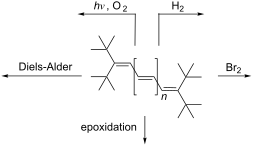
Scheme 1: The polyenes 2 stabilized by terminal tert-butyl substituents.
Scheme 2: The catalytic hydrogenation of diene 3.
Figure 1: The structure of compound 4 in the crystal. Ellipsoids correspond to 30% probability levels.
Scheme 3: The catalytic hydrogenation of triene 7.
Scheme 4: Addition of bromine to model dienes.
Scheme 5: Bromine addition to diene 3 and triene 7.
Scheme 6: Bromine addition to the higher oligoenes 19–22.
Figure 2: (a) The structure of compound 24 in the crystal. Ellipsoids correspond to 50% probability levels. (...
Figure 3: The structure of compound 25 in the crystal. This was a structure of poor quality and served only t...
Scheme 7: Epoxidation of triene 7 with MCPBA and DMDO.
Scheme 8: Epoxidation of tetraene 19 with MCPBA and DMDO.
Scheme 9: Diels–Alder addition of PTAD (36) to triene 7 and tetraene 19.
Figure 4: The structure of compound 37 in the crystal. Only one of two independent molecules is shown. Ellips...
Scheme 10: Diels-Alder addition of oligoenes 20 and 21 with PTAD (36).
Scheme 11: Addition of excess PTAD (36) to hexaene 21 and heptaene 22.
Scheme 12: TCNE addition to oligoolefins: from tetraene 19 to nonaene 42.
Figure 5: The structure of compound 43 in the crystal. Only one of two independent molecules is shown. Ellips...
Scheme 13: Photochemical experiments with tetraene 19.
Figure 6: The structure of compound 52 in the crystal. Ellipsoids correspond to 50% probability levels.
Beilstein J. Org. Chem. 2015, 11, 1194–1219, doi:10.3762/bjoc.11.134
Graphical Abstract
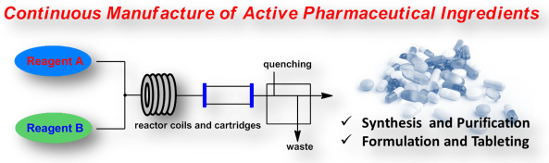
Figure 1: Pharmaceutical structures targeted in early flow syntheses.
Scheme 1: Flow synthesis of 6-hydroxybuspirone (9). Inserted photograph reprinted with permission from [45]. Copy...
Figure 2: Configuration of a baffled reactor tube (left) and its schematic working principle (right).
Scheme 2: McQuade’s flow synthesis of ibuprofen (16).
Scheme 3: Jamison’s flow synthesis of ibuprofen sodium salt (17).
Scheme 4: Flow synthesis of imatinib (23).
Scheme 5: Flow synthesis of the potent 5HT1B antagonist 28.
Scheme 6: Flow synthesis of a selective δ-opioid receptor agonist 33.
Scheme 7: Flow synthesis of a casein kinase I inhibitor library (38).
Scheme 8: Flow synthesis of fluoxetine (46).
Scheme 9: Flow synthesis of artemisinin (55).
Scheme 10: Telescoped flow synthesis of artemisinin (55) and derivatives (62–64).
Scheme 11: Flow approach towards AZD6906 (65).
Scheme 12: Pilot scale flow synthesis of key intermediate 73.
Scheme 13: Semi-flow synthesis of vildagliptine (77).
Scheme 14: Pilot scale asymmetric flow hydrogenation towards 83. Inserted photograph reprinted with permission...
Figure 3: Schematic representation of the ‘tube-in-tube’ reactor.
Scheme 15: Flow synthesis of fanetizole (87) via tube-in-tube system.
Scheme 16: Flow synthesis of diphenhydramine.HCl (92).
Scheme 17: Flow synthesis of rufinamide (95).
Scheme 18: Large scale flow synthesis of rufinamide precursor 102.
Scheme 19: First stage in the flow synthesis of meclinertant (103).
Scheme 20: Completion of the flow synthesis of meclinertant (103).
Scheme 21: Flow synthesis of olanzapine (121) utilising inductive heating techniques.
Scheme 22: Flow synthesis of amitriptyline·HCl (127).
Scheme 23: Flow synthesis of E/Z-tamoxifen (132) using peristaltic pumping modules.
Figure 4: Container sized portable mini factory (photograph credit: INVITE GmbH, Leverkusen Germany).
Scheme 24: Flow synthesis of imidazo[1,2-a]pyridines 136 linked to frontal affinity chromatography (FAC).
Figure 5: Structures of zolpidem (142) and alpidem (143).
Scheme 25: Synthesis and screening loops in the discovery of new Abl kinase inhibitors.
Figure 6: Schotten–Baumann approach towards LY573636.Na (147).
Scheme 26: Pilot scale flow synthesis of LY2886721 (146).
Scheme 27: Continuous flow manufacture of alikiren hemifumarate 152.
Beilstein J. Org. Chem. 2015, 11, 392–402, doi:10.3762/bjoc.11.45
Graphical Abstract
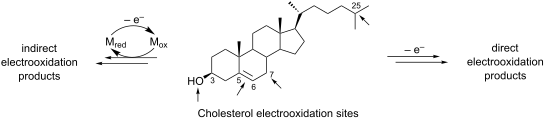
Figure 1: Preferential sites of cholesterol electrooxidation.
Scheme 1: Functionalization of the cholesterol side chain.
Scheme 2: Oxidation of cholestane-3β,5α,6β-triol triacetate (3) with the Gif system.
Scheme 3: Electrochemical oxidation of cholesteryl acetate (1a) with dioxygen and iron–picolinate complexes.
Scheme 4: Electrochemical chlorination of cholesterol catalyzed by FeCl3.
Scheme 5: Electrochemical chlorination of Δ5-steroids.
Scheme 6: Electrochemical bromination of Δ5-steroids in different solvents.
Scheme 7: Direct electrochemical acetoxylation of cholesterol at the allylic position.
Scheme 8: Direct anodic oxidation of cholesterol in dichloromethane.
Scheme 9: A plausible mechanism of the electrochemical oxidation of cholesterol in dichloromethane.
Scheme 10: The electrochemical formation of glycosides and glycoconjugates.
Scheme 11: Efficient electrochemical oxidation of cholesterol to cholesta-4,6-dien-3-one (24).
Beilstein J. Org. Chem. 2014, 10, 2448–2452, doi:10.3762/bjoc.10.255
Graphical Abstract
Figure 1: Structures of compounds 1–3.
Scheme 1: Hypothetical one-pot synthesis of compound 4a and/or 4b.
Figure 2: Structure of compound 6 determined by single crystal X-ray diffractometry.
Scheme 2: Evaluation of the substrate scope using RB as oxygen (1O2) sensitizer “on water”.
Scheme 3: Evaluation of the oxidative coupling in the absence of RB, on water.
Beilstein J. Org. Chem. 2014, 10, 1999–2012, doi:10.3762/bjoc.10.208
Graphical Abstract
Figure 1: Structures of RF and its photoproducts.
Figure 2: A general scheme for the photodegradation of RF in aqueous solution.
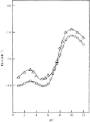
Figure 3: log k–pH profiles for the photolysis of RF in aqueous solution using UV light (∆) and visible light...
Figure 4: log k–pH profiles for the photolysis of FMF (10−4 M) in alkaline solution under aerobic (○) and ana...
Figure 5: k'–pH profiles for the photolysis of FMF (10−4 M) in acidic solution under aerobic (○) and anaerobi...
Figure 6: Plots of k` versus pH for phosphate (▲) and sulfate (●) anion-catalyzed photodegradation of RF (5 ×...
Figure 7: log kobs–pH profiles for the photolysis of RF (5 × 10⁻⁵ M) in 0.1–0.5 M borate buffer. Experimental...
Figure 8: log kobs–pH profiles for the photolysis of RF (5 × 10⁻⁵ M) in 0.2–1.0 M citrate buffer. Experimenta...
Figure 9: k'–pH profile for the photolysis of RF (5 × 10⁻⁵ M) in the presence of CF (0.5–2.5 × 10⁻⁴ M). Exper...
Beilstein J. Org. Chem. 2014, 10, 1272–1281, doi:10.3762/bjoc.10.128
Graphical Abstract
Figure 1: Selected examples of endoperoxide-containing natural products.
Scheme 1: Endoperoxide formation via cation radicals. In both examples, single electron oxidation is followed...
Scheme 2: Diversification strategy for endoperoxide synthesis by single electron transfer. E*red vs SCE [20].
Figure 2: ORTEP of 3a.
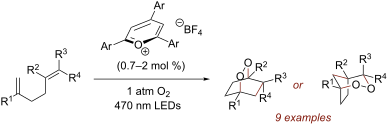
Scheme 3: Proposed mechanism for endoperoxide synthesis from tethered dienes.
Scheme 4: Competing formal [3,3] pathway.
Beilstein J. Org. Chem. 2014, 10, 628–633, doi:10.3762/bjoc.10.54
Graphical Abstract
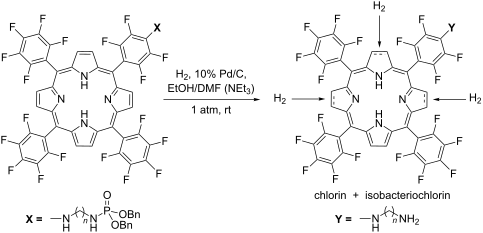
Scheme 1: Synthesis of porphyrin aminoalkylphosphoramidates 1a–c, and of chlorin (TPCF20) and isobacteriochlo...
Figure 1: UV–vis spectrum (CHCl3) of the crude mixture obtained from the hydrogenation of 1a and 1b over 10% ...
Figure 2: Main products from the hydrogenation of TPPF20 with 10% Pd/C. Comparative UV–vis spectra of isolate...
Beilstein J. Org. Chem. 2014, 10, 34–114, doi:10.3762/bjoc.10.6
Graphical Abstract
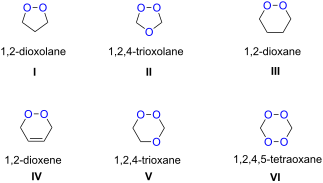
Figure 1: Five and six-membered cyclic peroxides.
Figure 2: Artemisinin and semi-synthetic derivatives.
Scheme 1: Synthesis of 3-hydroxy-1,2-dioxolanes 3a–c.
Scheme 2: Synthesis of dioxolane 6.
Scheme 3: Photooxygenation of oxazolidines 7a–d with formation of spiro-fused oxazolidine-containing dioxolan...
Scheme 4: Oxidation of cyclopropanes 10a–e and 11a–e with preparation of 1,2-dioxolanes 12a–e.
Scheme 5: VO(acac)2-catalyzed oxidation of silylated bicycloalkanols 13a–c.
Scheme 6: Mn(II)-catalyzed oxidation of cyclopropanols 15a–g.
Scheme 7: Oxidation of aminocyclopropanes 20a–c.
Scheme 8: Synthesis of aminodioxolanes 24.
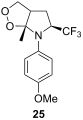
Figure 3: Trifluoromethyl-containing dioxolane 25.
Scheme 9: Synthesis of 1,2-dioxolanes 27a–e by the oxidation of cyclopropanes 26a–e.
Scheme 10: Photoinduced oxidation of methylenecyclopropanes 28.
Scheme 11: Irradiation-mediated oxidation.
Scheme 12: Application of diazene 34 for dioxolane synthesis.
Scheme 13: Mn(OAc)3-catalyzed cooxidation of arylacetylenes 37a–h and acetylacetone with atmospheric oxygen.
Scheme 14: Peroxidation of (2-vinylcyclopropyl)benzene (40).
Scheme 15: Peroxidation of 1,4-dienes 43a,b.
Scheme 16: Peroxidation of 1,5-dienes 46.
Scheme 17: Peroxidation of oxetanes 53a,b.
Scheme 18: Peroxidation of 1,6-diene 56.
Scheme 19: Synthesis of 3-alkoxy-1,2-dioxolanes 62a,b.
Scheme 20: Synthesis of spiro-bis(1,2-dioxolane) 66.
Scheme 21: Synthesis of dispiro-1,2-dioxolanes 68, 70, 71.
Scheme 22: Synthesis of spirohydroperoxydioxolanes 75a,b.
Scheme 23: Synthesis of spirohydroperoxydioxolane 77 and dihydroperoxydioxolane 79.
Scheme 24: Ozonolysis of azepino[4,5-b]indole 80.
Scheme 25: SnCl4-mediated fragmentation of ozonides 84a–l in the presence of allyltrimethylsilane.
Scheme 26: SnCl4-mediated fragmentation of bicyclic ozonide 84m in the presence of allyltrimethylsilane.
Scheme 27: MCl4-mediated fragmentation of alkoxyhydroperoxides 96 in the presence of allyltrimethylsilane.
Scheme 28: SnCl4-catalyzed reaction of monotriethylsilylperoxyacetal 108 with alkene 109.
Scheme 29: SnCl4-catalyzed reaction of triethylsilylperoxyacetals 111 with alkenes.
Scheme 30: Desilylation of tert-butyldimethylsilylperoxy ketones 131a,b followed by cyclization.
Scheme 31: Deprotection of peroxide 133 followed by cyclization.
Scheme 32: Asymmetric peroxidation of methyl vinyl ketones 137a–e.
Scheme 33: Et2NH-catalyzed intramolecular cyclization.
Scheme 34: Synthesis of oxodioxolanes 143a–j.
Scheme 35: Haloperoxidation accompanied by intramolecular ring closure.
Scheme 36: Oxidation of triterpenes 149a–d with Na2Cr2O7/N-hydroxysuccinimide.
Scheme 37: Curtius and Wolff rearrangements to form 1,2-dioxolane ring-retaining products.
Scheme 38: Oxidative desilylation of peroxide 124.
Scheme 39: Synthesis of dioxolane 158, a compound containing the aminoquinoline antimalarial pharmacophore.
Scheme 40: Diastereomers of plakinic acid A, 162a and 162b.
Scheme 41: Ozonolysis of alkenes.
Scheme 42: Cross-ozonolysis of alkenes 166 with carbonyl compounds.
Scheme 43: Ozonolysis of the bicyclic cyclohexenone 168.
Scheme 44: Cross-ozonolysis of enol ethers 172a,b with cyclohexanone.
Scheme 45: Griesbaum co-ozonolysis.
Scheme 46: Reactions of aryloxiranes 177a,b with oxygen.
Scheme 47: Intramolecular formation of 1,2,4-trioxolane 180.
Scheme 48: Formation of 1,2,4-trioxolane 180 by the reaction of 1,5-ketoacetal 181 with H2O2.
Scheme 49: 1,2,4-Trioxolane 186 with tetrazole fragment.
Scheme 50: 1,2,4-Trioxolane 188 with a pyridine fragment.
Scheme 51: 1,2,4-Trioxolane 189 with pyrimidine fragment.
Scheme 52: Synthesis of aminoquinoline-containing 1,2,4-trioxalane 191.
Scheme 53: Synthesis of arterolane.
Scheme 54: Oxidation of diarylheptadienes 197a–c with singlet oxygen.
Scheme 55: Synthesis of hexacyclinol peroxide 200.
Scheme 56: Oxidation of enone 201 and enenitrile 203 with singlet oxygen.
Scheme 57: Synthesis of 1,2-dioxanes 207 by oxidative coupling of carbonyl compounds 206 and alkenes 205.
Scheme 58: 1,2-Dioxanes 209 synthesis by co-oxidation of 1,5-dienes 208 and thiols.
Scheme 59: Synthesis of bicyclic 1,2-dioxanes 212 with aryl substituents.
Scheme 60: Isayama–Mukaiyama peroxysilylation of 1,5-dienes 213 followed by desilylation under acidic conditio...
Scheme 61: Synthesis of bicycle 218 with an 1,2-dioxane ring.
Scheme 62: Intramolecular cyclization with an oxirane-ring opening.
Scheme 63: Inramolecular cyclization with the oxetane-ring opening.
Scheme 64: Intramolecular cyclization with the attack on a keto group.
Scheme 65: Peroxidation of the carbonyl group in unsaturated ketones 228 followed by cyclization of hydroperox...
Scheme 66: CsOH and Et2NH-catalyzed cyclization.
Scheme 67: Preparation of peroxyplakoric acid methyl ethers A and D.
Scheme 68: Hg(OAc)2 in 1,2-dioxane synthesis.
Scheme 69: Reaction of 1,4-diketones 242 with hydrogen peroxide.
Scheme 70: Inramolecular cyclization with oxetane-ring opening.
Scheme 71: Inramolecular cyclization with MsO fragment substitution.
Scheme 72: Synthesis of 1,2-dioxane 255a, a structurally similar compound to natural peroxyplakoric acids.
Scheme 73: Synthesis of 1,2-dioxanes based on the intramolecular cyclization of hydroperoxides containing C=C ...
Scheme 74: Use of BCIH in the intramolecular cyclization.
Scheme 75: Palladium-catalyzed cyclization of δ-unsaturated hydroperoxides 271a–e.
Scheme 76: Intramolecular cyclization of unsaturated peroxyacetals 273a–d.
Scheme 77: Allyltrimethylsilane in the synthesis of 1,2-dioxanes 276a–d.
Scheme 78: Intramolecular cyclization using the electrophilic center of the peroxycarbenium ion 279.
Scheme 79: Synthesis of bicyclic 1,2-dioxanes.
Scheme 80: Preparation of 1,2-dioxane 286.
Scheme 81: Di(tert-butyl)peroxalate-initiated radical cyclization of unsaturated hydroperoxide 287.
Scheme 82: Oxidation of 1,4-betaines 291a–d.
Scheme 83: Synthesis of aminoquinoline-containing 1,2-dioxane 294.
Scheme 84: Synthesis of the sulfonyl-containing 1,2-dioxane.
Scheme 85: Synthesis of the amido-containing 1,2-dioxane 301.
Scheme 86: Reaction of singlet oxygen with the 1,3-diene system 302.
Scheme 87: Synthesis of (+)-premnalane А and 8-epi-premnalane A.
Scheme 88: Synthesis of the diazo group containing 1,2-dioxenes 309a–e.
Figure 4: Plakortolide Е.
Scheme 89: Synthesis of 6-epiplakortolide Е.
Scheme 90: Application of Bu3SnH for the preparation of tetrahydrofuran-containing bicyclic peroxides 318a,b.
Scheme 91: Application of Bu3SnH for the preparation of lactone-containing bicyclic peroxides 320a–f.
Scheme 92: Dihydroxylation of the double bond in the 1,2-dioxene ring 321 with OsO4.
Scheme 93: Epoxidation of 1,2-dioxenes 324.
Scheme 94: Cyclopropanation of the double bond in endoperoxides 327.
Scheme 95: Preparation of pyridazine-containing bicyclic endoperoxides 334a–c.
Scheme 96: Synthesis of 1,2,4-trioxanes 337 by the hydroperoxidation of unsaturated alcohols 335 with 1O2 and ...
Scheme 97: Synthesis of sulfur-containing 1,2,4-trioxanes 339.
Scheme 98: BF3·Et2O-catalyzed synthesis of the 1,2,4-trioxanes 342a–g.
Scheme 99: Photooxidation of enol ethers or vinyl sulfides 343.
Scheme 100: Synthesis of tricyclic peroxide 346.
Scheme 101: Reaction of endoperoxides 348a,b derived from cyclohexadienes 347a,b with 1,4-cyclohexanedione.
Scheme 102: [4 + 2]-Cycloaddition of singlet oxygen to 2Н-pyrans 350.
Scheme 103: Synthesis of 1,2,4-trioxanes 354 using peroxysilylation stage.
Scheme 104: Epoxide-ring opening in 355 with H2O2 followed by the condensation of hydroxy hydroperoxides 356 wi...
Scheme 105: Peroxidation of unsaturated ketones 358 with the H2O2/CF3COOH/H2SO4 system.
Scheme 106: Synthesis of 1,2,4-trioxanes 362 through Et2NH-catalyzed intramolecular cyclization.
Scheme 107: Reduction of the double bond in tricyclic peroxides 363.
Scheme 108: Horner–Wadsworth–Emmons reaction in the presence of peroxide group.
Scheme 109: Reduction of ester group by LiBH4 in the presence of 1,2,4-trioxane moiety.
Scheme 110: Reductive amination of keto-containing 1,2,4-trioxane 370.
Scheme 111: Reductive amination of keto-containing 1,2,4-trioxane and a Fe-containing moiety.
Scheme 112: Acid-catalyzed reactions of Н2О2 with ketones and aldehydes 374.
Scheme 113: Cyclocondensation of carbonyl compounds 376a–d using Me3SiOOSiMe3/CF3SO3SiMe3.
Scheme 114: Peroxidation of 4-methylcyclohexanone (378).
Scheme 115: Synthesis of symmetrical tetraoxanes 382a,b from aldehydes 381a,b.
Scheme 116: Synthesis of unsymmetrical tetraoxanes using of MeReO3.
Scheme 117: Synthesis of symmetrical tetraoxanes using of MeReO3.
Scheme 118: Synthesis of symmetrical tetraoxanes using of MeReO3.
Scheme 119: MeReO3 in the synthesis of symmetrical tetraoxanes with the use of aldehydes.
Scheme 120: Preparation of unsymmmetrical 1,2,4,5-tetraoxanes with high antimalarial activity.
Scheme 121: Re2O7-Catalyzed synthesis of tetraoxanes 398.
Scheme 122: H2SO4-Catalyzed synthesis of steroidal tetraoxanes 401.
Scheme 123: HBF4-Catalyzed condensation of bishydroperoxide 402 with 1,4-cyclohexanedione.
Scheme 124: BF3·Et2O-Catalyzed reaction of gem-bishydroperoxides 404 with enol ethers 405 and acetals 406.
Scheme 125: HBF4-Catalyzed cyclocondensation of bishydroperoxide 410 with ketones.
Scheme 126: Synthesis of symmetrical and unsymmetrical tetraoxanes 413 from benzaldehydes 412.
Scheme 127: Synthesis of bridged 1,2,4,5-tetraoxanes 415a–l from β-diketones 414a–l and H2O2.
Scheme 128: Dimerization of zwitterions 417.
Scheme 129: Ozonolysis of verbenone 419.
Scheme 130: Ozonolysis of O-methyl oxime 424.
Scheme 131: Peroxidation of 1,1,1-trifluorododecan-2-one 426 with oxone.
Scheme 132: Intramolecular cyclization of dialdehyde 428 with H2O2.
Scheme 133: Tetraoxanes 433–435 as by-products in peroxidation of ketals 430–432.
Scheme 134: Transformation of triperoxide 436 in diperoxide 437.
Scheme 135: Preparation and structural modifications of tetraoxanes.
Scheme 136: Structural modifications of steroidal tetraoxanes.
Scheme 137: Synthesis of 1,2,4,5-tetraoxane 454 containing the fluorescent moiety.
Scheme 138: Synthesis of tetraoxane 458 (RKA182).
Beilstein J. Org. Chem. 2013, 9, 2088–2096, doi:10.3762/bjoc.9.245
Graphical Abstract
Figure 1: Structures of the investigated phosphorescent triscyclometalated iridium complexes.
Figure 2: Photodegradation of the different compounds in toluene under ambient atmosphere. Plotted is the rat...
Figure 3: Photodegradation behavior of the iridium complexes in CH2Cl2 and toluene solution and in a spin-coa...
Figure 4: Mass spectra of the identified halogenated degradation products of a) Ir(ppy)3 after 200 min of irr...
Figure 5: Degradation curves of Ir(piq)3 in benzene and benzene-d6 under ambient and inert conditions (left)....
Figure 6: DAD chromatogram showing the formation of two main degradation products (left) and their assigned m...
Figure 7: Degradation curves of Ir(ppy)3 in benzene and benzene-d6 under ambient and inert conditions, and ma...
Figure 8: (a) Degradation curves of Ir(Me-ppy)3 in benzene and benzene-d6 under ambient and inert conditions....
Figure 9: Degradation curves of Ir(F,CN-ppy)3 in benzene, benzene-d6 and toluene under ambient conditions and...
Beilstein J. Org. Chem. 2013, 9, 1977–2001, doi:10.3762/bjoc.9.234
Graphical Abstract
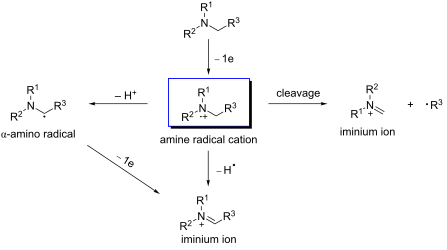
Scheme 1: Amine radical cations’ mode of reactivity.
Scheme 2: Reductive quenching of photoexcited Ru complexes by Et3N.
Scheme 3: Photoredox aza-Henry reaction.
Scheme 4: Formation of iminium ions using BrCCl3 as stoichiometric oxidant.
Scheme 5: Oxidative functionalization of N-aryltetrahydroisoquinolines using Eosin Y.
Scheme 6: Synthetic and mechanistic studies of Eosin Y-catalyzed aza-Henry reaction.
Scheme 7: Oxidative functionalization of N-aryltetrahydroisoquinolines using RB and GO.
Scheme 8: Merging Ru-based photoredox catalysis and Lewis base catalysis for the Mannich reaction.
Scheme 9: Merging Au-based photoredox catalysis and Lewis base catalysis for the Mannich reaction.
Scheme 10: Merging Ru-based photoredox catalysis and Cu-catalyzed alkynylation reaction.
Scheme 11: Merging Ru-based photoredox catalysis and NHC catalysis.
Scheme 12: 1,3-Dipolar cycloaddition of photogenically formed azomethine ylides.
Scheme 13: Plausible mechanism for photoredox 1,3-dipolar cycloaddition.
Scheme 14: Photoredox-catalyzed cascade reaction for the synthesis of fused isoxazolidines.
Scheme 15: Plausible mechanism for the photoredox-catalyzed cascade reaction.
Scheme 16: Photoredox-catalyzed α-arylation of glycine derivatives.
Scheme 17: Photoredox-catalyzed α-arylation of amides.
Scheme 18: Intramolecular interception of iminium ions by sulfonamides.
Scheme 19: Intramolecular interception of iminium ions by alcohols and sulfonamides.
Scheme 20: Intermolecular interception of iminium ions by phosphites.
Scheme 21: Photoredox-catalyzed oxidative phosphonylation by Eosin Y.
Scheme 22: Conjugated addition of α-amino radicals to Michael acceptors.
Scheme 23: Conjugated addition of α-amino radicals to Michael acceptors assisted by a Brønsted acid.
Scheme 24: Conjugated addition of α-amino radicals derived from anilines to Michael acceptors.
Scheme 25: Oxygen switch between two pathways involving α-amino radicals.
Scheme 26: Interception of α-amino radicals by azodicarboxylates.
Scheme 27: α-Arylation of amines.
Scheme 28: Plausible mechanism for α-arylation of amines.
Scheme 29: Photoinduced C–C bond cleavage of tertiary amines.
Scheme 30: Photoredox cleavage of C–C bonds of 1,2-diamines.
Scheme 31: Proposed mechanism photoredox cleavage of C–C bonds.
Scheme 32: Intermolecular [3 + 2] annulation of cyclopropylamines with olefins.
Scheme 33: Proposed mechanism for intermolecular [3 + 2] annulation.
Scheme 34: Photoinduced clevage of N–N bonds of aromatic hydrazines and hydrazides.
Beilstein J. Org. Chem. 2012, 8, 2025–2052, doi:10.3762/bjoc.8.229
Graphical Abstract
Figure 1: An immersion-well batch reactor with 125 W medium pressure Hg lamp.
Figure 2: Transmission profile of a 0.05 M solution, ε = 200 M−1 cm−1.
Figure 3: Schematic of a typical microflow photochemical reactor (above) and detail of a triple-channel micro...
Figure 4: Schematic of a typical macroflow photochemical reactor (above) and images of the FEP photochemical ...
Scheme 1: [2 + 2] photocycloadditions of enones with enol derivatives.
Scheme 2: Competing reactions in an intramolecular [2 + 2] photocycloaddition.
Scheme 3: Diastereocontrolled cycloaddition of a cyclic enone with cyclopentene.
Scheme 4: Comparison of yields and reaction times for a batch reactor with a microflow system.
Scheme 5: Intramolecular [2 + 2] photocycloaddition.
Scheme 6: Paterno–Büchi reaction of benzophenone with an allylic alcohol.
Scheme 7: Photooxygenation of cyclopentadiene.
Scheme 8: Preparation of the anthelmintic ascaridole 23.
Scheme 9: Production of rose oxide 27 from (−)-β-citronellol (24).
Scheme 10: Photocatalytic alkylation of benzylamine.
Scheme 11: Photocatalytic reduction of 4-nitroacetophenone.
Scheme 12: Conversion of L-lysine to L-pipecolinic acid.
Scheme 13: Photocatalytic hydrodehalogenation.
Scheme 14: Photocatalytic aza-Henry reactions.
Scheme 15: Photocatalytic α-alkylation of aliphatic ketones.
Scheme 16: Decarboxylative photochemical additions.
Scheme 17: Photochemical addition of isopropanol to furanones.
Scheme 18: Photochemical addition of methanol to limonene.
Scheme 19: Light-promoted reduction of flavone.
Scheme 20: Photoreduction of benzophenone with benzhydrol.
Scheme 21: Barton reaction in a microflow system.
Scheme 22: Microflow synthesis of vitamin D3.
Scheme 23: photochemical chlorination of cyclohexane.
Scheme 24: photochemical cyanation of pyrene.
Scheme 25: Intermolecular [2 + 2] cycloaddition of maleimide (76) and intramolecular [2 + 2] cycloaddition of ...
Scheme 26: Intramolecular [5 + 2] cycloaddition of maleimide under flow conditions.
Scheme 27: Intramolecular [5 + 2] cycloaddition as a key step in the synthesis of (±)-neostenine.
Scheme 28: In situ generation of a thioaldehyde by photolysis of a phenacyl sulfide.
Scheme 29: Photodimerisation of maleic anhydride.
Scheme 30: [2 + 2] cycloaddition of a chiral enone with ethylene.
Scheme 31: Intramolecular [2 + 2] cycloaddition of a cyclopentenone.
Scheme 32: Photochemical Wolff rearrangement and cyclisation to β-lactams.
Scheme 33: Photochemical rearrangement of aryl azides.
Scheme 34: Rearrangement of quinoline N-oxides to quinolones.
Scheme 35: Photochemical rearrangement of cyclobutenones.
Scheme 36: Photoisomerisation en route to a vitamin-D derivative.
Scheme 37: Schematic of the Seeberger photooxygenation apparatus and sensitised photooxygenation of citronello...
Scheme 38: Sensitised photooxygenation of dihydroartemisinic acid.
Scheme 39: Photochemical preparation of CpRu(MeCN)3PF6.
Scheme 40: In situ photochemical generation and reaction of a [CpRu]+ catalyst.
Scheme 41: Intermolecular alkene–alkyne coupling with photogenerated catalyst.
Scheme 42: PET deoxygenation of nucleosides.
Scheme 43: Photochemical defluorination of DABFT.
Scheme 44: Aromatic azide reduction by visible-light-mediated photocatalysis.
Scheme 45: Examples of visible-light-mediated reactions.
Scheme 46: Visible-light-mediated formation of iminium ions.
Scheme 47: Examples of visible-light-mediated photocatalytic reactions.
Scheme 48: Anhydride formation from a visible-light-mediated process.
Scheme 49: Light-mediated conjugate addition of glycosyl bromide 141 to acrolein.
Scheme 50: Visible-light-mediated photocyclisation to [5]helicene.
Beilstein J. Org. Chem. 2012, 8, 1936–1998, doi:10.3762/bjoc.8.225
Graphical Abstract
Figure 1: Loschmidt’s structure proposal for benzene (1) (Scheme 181 from [3]) and the corresponding modern stru...
Figure 2: The first isolated bisallenes.
Figure 3: Carbon skeletons of selected bisallenes discussed in this review.
Scheme 1: The preparation of 1,2,4,5-hexatetraene (2).
Scheme 2: The preparation of a conjugated bisallene by the DMS-protocol.
Scheme 3: Preparation of the 3-deuterio- and 3,4-dideuterio derivatives of 24.
Scheme 4: A versatile method to prepare alkylated conjugated bisallenes and other allenes.
Scheme 5: A preparation of 3,4-dimethyl-1,2,4,5-hexatetraene (38).
Scheme 6: A (C6 + 0)-approach to 1,2,4,5-hexatetraene (2).
Scheme 7: The preparation of a fully alkylated bisallenes from a 2,4-hexadiyne-1,6-diol diacetate.
Scheme 8: The preparation of the first phenyl-substituted conjugated bisallenes 3 and 4.
Scheme 9: Selective hydrogenation of [5]cumulenes to conjugated bisallenes: another (C6 + 0)-route.
Scheme 10: Aryl-substituted conjugated bisallenes by a (C3 + C3)-approach.
Scheme 11: Hexaphenyl-1,2,4,5-hexatetraene (59) by a (C3 + C3)-approach.
Scheme 12: An allenation route to conjugated bisallenes.
Scheme 13: The preparation of 3,4-difunctionalized conjugated bisallenes.
Scheme 14: Problems during the preparation of sulfur-substituted conjugated bisallenes.
Scheme 15: The preparation of 3,4-dibromo bisallenes.
Scheme 16: Generation of allenolates by an oxy-Cope rearrangement.
Scheme 17: A linear trimerization of alkynes to conjugated bisallenes: a (C2 + C2 + C2)-protocol.
Scheme 18: Preparation of a TMS-substituted conjugated bisallene by a C3-dimerization route.
Scheme 19: A bis(trimethylsilyl)bisallene by a C3-coupling protocol.
Scheme 20: The rearrangement of highly substituted benzene derivatives into their conjugated bisallenic isomer...
Scheme 21: From fully substituted benzene derivatives to fully substituted bisallenes.
Scheme 22: From a bicyclopropenyl to a conjugated bisallene derivative.
Scheme 23: The conversion of a bismethylenecyclobutene into a conjugated bisallene.
Scheme 24: The preparation of monofunctionalized bisallenes.
Scheme 25: Preparation of bisallene diols and their cyclization to dihydrofurans.
Scheme 26: A 3,4-difunctionalized conjugated bisallene by a C3-coupling process.
Scheme 27: Preparation of a bisallenic diketone by a coupling reaction.
Scheme 28: Sulfur and selenium-substituted bisallenes by a [2.3]sigmatropic rearrangement.
Scheme 29: The biallenylation of azetidinones.
Scheme 30: The preparation of a fully ferrocenylated conjugated bisallene.
Scheme 31: The first isomerization of a 1,5-hexadiyne to a 1,2,4,5-hexatetraene.
Scheme 32: The preparation of alkynyl-substituted bisallenes by a C3-dimerization protocol.
Scheme 33: Preparation of another completely ferrocenylated bisallene.
Scheme 34: The cyclization of 1,5-hexadiyne (129) to 3,4-bismethylenecyclobutene (130) via 1,2,4,5-hexatetraen...
Scheme 35: Stereochemistry of the thermal cyclization of bisallenes to bismethylenecyclobutenes.
Scheme 36: Bisallene→bismethylenecyclobutene ring closures in the solid state.
Scheme 37: A bisallene cyclization/dimerization reaction.
Scheme 38: A selection of Diels–Alder additions of 1,2,4,5-hexatetraene with various double-bond dienophiles.
Scheme 39: The stereochemistry of the [2 + 4] cycloaddition to conjugated bisallenes.
Scheme 40: Preparation of azetidinone derivatives from conjugated bisallenes.
Scheme 41: Cycloaddition of heterodienophiles to a conjugated bisallene.
Scheme 42: Addition of triple-bond dienophiles to conjugated bisallenes.
Scheme 43: Sulfur dioxide addition to conjugated bisallenes.
Scheme 44: The addition of a germylene to a conjugated bisallene.
Scheme 45: Trapping of conjugated bisallenes with phosphinidenes.
Scheme 46: The cyclopropanantion of 1,2,4,5-hexatetraene (2).
Scheme 47: Photochemical reactions involving conjugated bisallenes.
Scheme 48: Base-catalyzed isomerizations of conjugated bisallenes.
Scheme 49: Ionic additions to a conjugated bisallene.
Scheme 50: Oxidation reactions of a conjugated bisallene.
Scheme 51: The mechanism of oxidation of the bisallene 24.
Scheme 52: CuCl-catalyzed cyclization of 1,2,4,5-hexatetraene (2).
Scheme 53: The conversion of conjugated bisallenes into cyclopentenones.
Scheme 54: Oligomerization of a conjugated bisallene by nickel catalysts.
Scheme 55: Generation of 1,2,5,6-heptatetraene (229) as a reaction intermediate.
Scheme 56: The preparation of a stable derivative of 1,2,5,6-heptatetraene.
Scheme 57: A bisallene with a carbonyl group as a spacer element.
Scheme 58: The first preparation of 1,2,6,7-octatetraene (242).
Scheme 59: Preparation of 1,2,6,7-octatetraenes by (C4 + C4)-coupling of enynes.
Scheme 60: Preparation of 1,2,6,7-octatetraenes by (C4 + C4)-coupling of homoallenyl bromides.
Scheme 61: Preparation of 1,2,6,7-octatetraenes by alkylation of propargylic substrates.
Scheme 62: Preparation of two highly functionalized 1,2,6,7-octatetraenes.
Scheme 63: Preparation of several higher α,ω-bisallenes.
Scheme 64: Preparation of different alkyl derivatives of α,ω-bisallenes.
Scheme 65: The preparation of functionalized 1,2,7,8-nonatetraene derivatives.
Scheme 66: Preparation of functionalized α,ω-bisallenes.
Scheme 67: The preparation of an α,ω-bisallene by direct homologation of an α,ω-bisalkyne.
Scheme 68: The gas-phase pyrolysis of 4,4-dimethyl-1,2,5,6-heptatetraene (237).
Scheme 69: Gas-phase pyrolysis of 1,2,6,7-octatetraene (242).
Scheme 70: The cyclopropanation of 1,2,6,7-octatetraene (242).
Scheme 71: Intramolecular cyclization of 1,2,6,7-octatetraene derivatives.
Scheme 72: The gas-phase pyrolysis of 1,2,7,8-nonatetraene (265) and 1,2,8,9-decatetraene (266).
Scheme 73: Rh-catalyzed cyclization of a functionalized 1,2,7,8-nonatetraene.
Scheme 74: A triple cyclization involving two different allenic substrates.
Scheme 75: Bicyclization of keto derivatives of 1,2,7,8-nonatetraene.
Scheme 76: The preparation of complex organic compounds from functionalized bisallenes.
Scheme 77: Cycloisomerization of an α,ω-bisallene containing a C9 tether.
Scheme 78: Organoborane polymers from α,ω-bisallenes.
Scheme 79: Preparation of trans- (337) and cis-1,2,4,6,7-octapentaene (341).
Scheme 80: The preparation of 4-methylene-1,2,5,6-heptatetraene (349).
Scheme 81: The preparation of acetylenic bisallenes.
Scheme 82: The preparation of derivatives of hydrocarbon 351.
Scheme 83: The construction of macrocyclic alleno-acetylenes.
Scheme 84: Preparation and reactions of 4,5-bismethylene-1,2,6,7-octatetraene (365).
Scheme 85: Preparation of 1,2-bis(propadienyl)benzene (370).
Scheme 86: The preparation of 1,4-bis(propadienyl)benzene (376).
Scheme 87: The preparation of aromatic and heteroaromatic bisallenes by metal-mediated coupling reactions.
Scheme 88: Double cyclization of an aromatic bisallene.
Scheme 89: Preparation of an allenic [15]paracyclophane by a ring-closing metathesis reaction of an aromatic α...
Scheme 90: Preparation of a macrocyclic ring system containing 1,4-bis(propadienyl)benzene units.
Scheme 91: Preparation of copolymers from 1,4-bis(propadienyl)benzene (376).
Scheme 92: A boration/copolymerization sequence of an aromatic bisallene and an aromatic bisacetylene.
Scheme 93: Formation of a layered aromatic bisallene.
Figure 4: The first members of the semicyclic bisallene series.
Scheme 94: Preparation of the first bis(vinylidene)cyclobutane derivative.
Scheme 95: Dimerization of strain-activated cumulenes to bis(vinylidene)cyclobutanes.
Scheme 96: Photodimerization of two fully substituted butatrienes in the solid state.
Scheme 97: Preparation of the two parent bis(vinylidene)cyclobutanes.
Scheme 98: The preparation of 1,3-bis(vinylidene)cyclopentane and its thermal isomerization.
Scheme 99: The preparation of the isomeric bis(vinylidene)cyclohexanes.
Scheme 100: Bi- and tricyclic conjugated bisallenes.
Scheme 101: A selection of polycyclic bisallenes.
Scheme 102: The first endocyclic bisallenes.
Figure 5: The stereochemistry of 1,2,6,7-cyclodecatetraene.
Scheme 103: The preparation of several endocyclic bisallenes.
Scheme 104: Synthesis of diastereomeric derivatives of 1,2,6,7-cyclodecatetraene.
Scheme 105: Preparation of a derivative of 1,2,8,9-cyclotetradecatetraene.
Scheme 106: The preparation of keto derivatives of cyclic bisallenes.
Scheme 107: The preparation of cyclic biscumulenic ring systems.
Scheme 108: Cyclic bisallenes in natural- and non-natural-product chemistry.
Scheme 109: The preparation of iron carbonyl complexes from cyclic bisallenes.
Figure 6: A selection of unknown exocyclic bisallenes that should have interesting chemical properties.
Scheme 110: The thermal isomerization of 1,2-diethynylcyclopropanes and -cyclobutanes.
Scheme 111: Intermediate generation of a cyclooctapentaene.
Scheme 112: Attempted preparation of a cyclodecahexaene.
Scheme 113: The thermal isomerization of 1,5,9-cyclododecatriyne (511) into [6]radialene (514).
Scheme 114: An isomerization involving a diketone derived from a conjugated bisallene.
Scheme 115: Typical reaction modes of heteroorganic bisallenes.
Scheme 116: Generation and thermal behavior of acyclic hetero-organic bisallenes.
Scheme 117: Generation of bis(propadienyl)thioether.
Scheme 118: The preparation of a bisallenic sulfone and its thermal isomerization.
Scheme 119: Bromination of the bisallenic sulfone 535.
Scheme 120: Metalation/hydrolysis of the bisallenic sulfone 535.
Scheme 121: Aromatic compounds from hetero bisallenes.
Scheme 122: Isomerization/cyclization of bispropargylic ethers.
Scheme 123: The preparation of novel aromatic systems by base-catalyzed isomerization of bispropargyl ethers.
Scheme 124: The isomerization of bisacetylenic thioethers to bicyclic thiophenes.
Scheme 125: Aromatization of macrocyclic bispropargylic sulfides.
Scheme 126: Preparation of ansa-compounds from macrocyclic bispropargyl thioethers.
Scheme 127: Alternate route for cyclization of a heterorganic bisallene.
Scheme 128: Multiple isomerization/cyclization of “double” bispropargylic thioethers.
Scheme 129: Preparation of a bisallenyl disulfide and its subsequent bicyclization.
Scheme 130: Thermal cyclization of a bisallenyl thiosulfonate.
Scheme 131: Some reactions of heteroorganic bisallenes with two sulfur atoms.
Scheme 132: Further methods for the preparation of heteroorganic bisallenes.
Scheme 133: Cyclization reactions of heteroorganic bisallenes.
Scheme 134: Thermal cycloadditions of bisallenic tertiary amines.
Scheme 135: Cyclization of a bisallenic tertiary amine in the presence of a transition-metal catalyst.
Scheme 136: A Pauson–Khand reaction of a bisallenic ether.
Scheme 137: Formation of a 2:1adduct from two allenic substrates.
Scheme 138: A ring-forming silastannylation of a bisallenic tertiary amine.
Scheme 139: A three-component cyclization involving a heterorganic bisallene.
Scheme 140: Atom-economic construction of a complex organic framework from a heterorganic α,ω-bisallene.
Beilstein J. Org. Chem. 2011, 7, 1158–1163, doi:10.3762/bjoc.7.134
Graphical Abstract
Figure 1: Schematic the for contacting modes of biphasic gas–liquid in (a) batch reactor, (b) dual-channel, a...
Figure 2: Optical image of the triple-channel microreactor (for demonstration purposes, the inner channel for...
Figure 3: Photosensitized oxygenation in the triple-channel microreactor.
Scheme 1: Photosensitized oxygenation of citronellol (a key step in the synthesis of rose oxide).