Search results
Search for "this compound" in Full Text gives 515 result(s) in Beilstein Journal of Organic Chemistry. Showing first 200.
Competing electrophilic substitution and oxidative polymerization of arylamines with selenium dioxide
Beilstein J. Org. Chem. 2024, 20, 1221–1235, doi:10.3762/bjoc.20.105
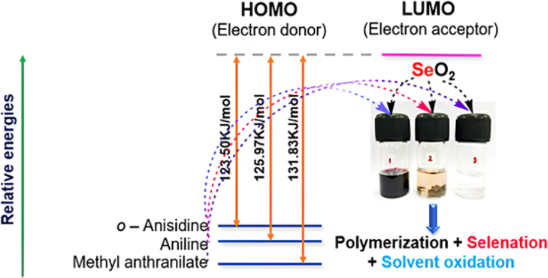
- + Na]+, [2M + Na]+, and [3M + Na]+. Spectroscopic data of this compound, including FTIR as well as 1H and 13C NMR, matched those reported earlier [54]. Relative extent of polymerization To compare the relative polymerization tendency, we conducted reactions of arylamines with SeO2 in acetonitrile in
- 100.11°. Since the NH2 groups in this molecule were further away from each other compared to the monoselenide 11, the hydrogen bonding arrangement led to a two-dimensional packing with a repeating zigzag pattern. Curiously, this compound showed an unusual Se···C σ-hole–π chalcogen bonding. Such


Novel analogues of a nonnucleoside SARS-CoV-2 RdRp inhibitor as potential antivirotics
Beilstein J. Org. Chem. 2024, 20, 1029–1036, doi:10.3762/bjoc.20.91
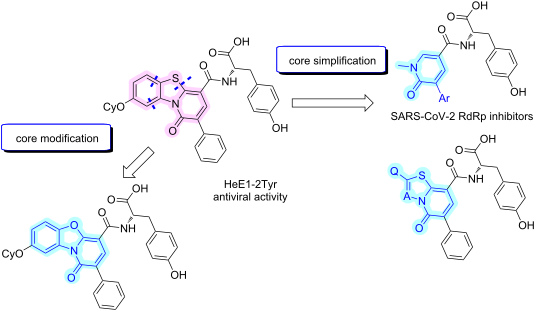
- of RdRp from all members of the genus Orthoflavivirus [20][21][22][23] and was crystallized in complex with the RdRp from DENV-3 [20]. In 2021, our group reported this compound to also exhibit inhibitory activity against feline infectious peritonitis virus (FIPV) and SARS-CoV-2 RdRp and to hinder
- pyridobenzoxazole derivative 2 was designed based on the modified approach published by Dejmek et al. (Scheme 1) [24]. In this work, we first synthesized the intermediate 6 from readily available 2′,5′-dihydroxyacetophenone (5) following a published procedure [27]. This compound was then easily converted to the


Spin and charge interactions between nanographene host and ferrocene
Beilstein J. Org. Chem. 2024, 20, 1011–1019, doi:10.3762/bjoc.20.89
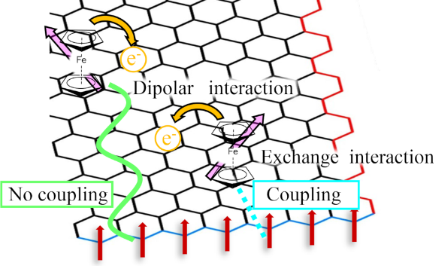
- . Ferrocene (FeCp2) is a “sandwich” compound where the two cyclopentadienyl (Cp or C5H5-) rings sit above and below the Fe2+ ion [16]. The electronic structure of FeCp2 satisfies the 18-electron rule, so this compound is stable due to a closed L-shell structure in view of the atomic orbitals of Fe and it is a


Activity assays of NnlA homologs suggest the natural product N-nitroglycine is degraded by diverse bacteria
Beilstein J. Org. Chem. 2024, 20, 830–840, doi:10.3762/bjoc.20.75
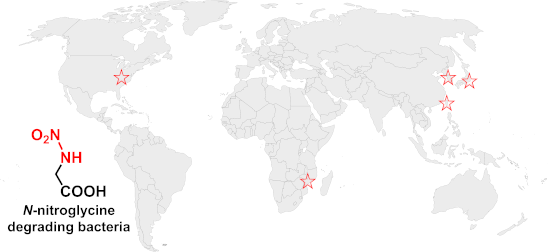
- , the physiological function of its substrate NNG. This compound is one of the few known nitramine natural products and the only one produced by bacteria instead of fungi [22]. Its only known natural sources are strains of Streptomyces bacteria [23][24]. The abundance and distribution of these NNG




Chemoenzymatic synthesis of macrocyclic peptides and polyketides via thioesterase-catalyzed macrocyclization
Beilstein J. Org. Chem. 2024, 20, 721–733, doi:10.3762/bjoc.20.66
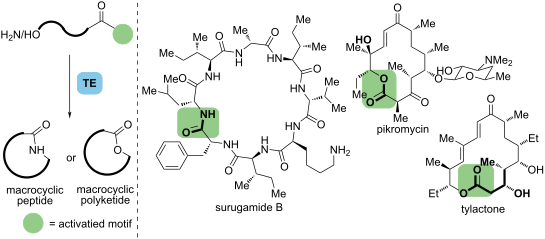
- brevis [27], can penetrate the lipid phase of a Gram-positive inner cell membrane [28][29]. Despite exhibiting high antimicrobial activity, this compound also disrupts the membranes of higher mammalian cells, as evidenced by their pronounced hemolytic activity [30]. Establishing a concise and diverse


Genome mining of labdane-related diterpenoids: Discovery of the two-enzyme pathway leading to (−)-sandaracopimaradiene in the fungus Arthrinium sacchari
Beilstein J. Org. Chem. 2024, 20, 714–720, doi:10.3762/bjoc.20.65
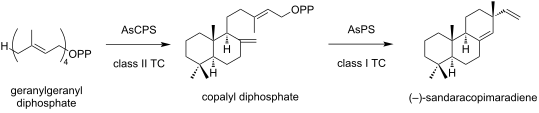
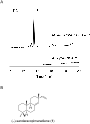
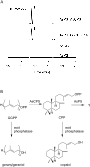
- and absolute configuration of 1, we assumed this compound could be a biosynthetic precursor of myrocins. In the flanking regions of AsPS and AsCPS, genes encoding oxidoreductases such as cytochrome P450 are present. These genes might be involved in the oxidation of 1 in the biosynthesis of myrocins. A


Production of non-natural 5-methylorsellinate-derived meroterpenoids in Aspergillus oryzae
Beilstein J. Org. Chem. 2024, 20, 638–644, doi:10.3762/bjoc.20.56
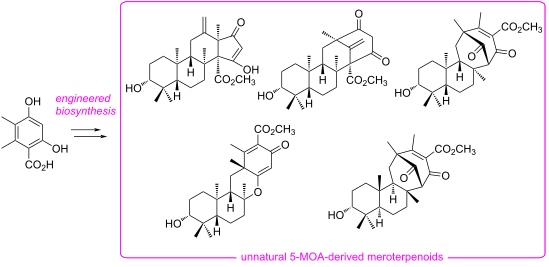
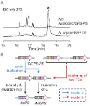
- this compound class is derived from the aromatic precursor 3,5-dimethylorsellinic acid (DMOA). In this study, we constructed engineered metabolic pathways in the fungus Aspergillus oryzae to expand the molecular diversity of meroterpenoids. We employed the 5-methylorsellinic acid (5-MOA) synthase FncE



Discovery of unguisin J, a new cyclic peptide from Aspergillus heteromorphus CBS 117.55, and phylogeny-based bioinformatic analysis of UngA NRPS domains
Beilstein J. Org. Chem. 2024, 20, 321–330, doi:10.3762/bjoc.20.32
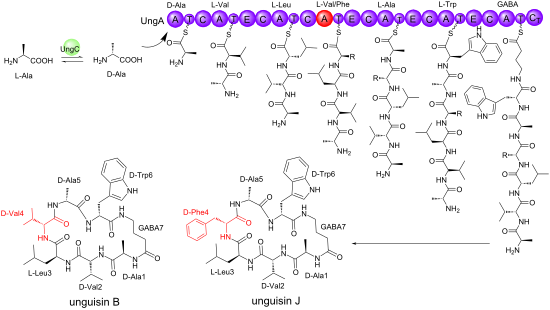
- powder, +37 (c 0.1, EtOH) [lit +40 (c 1.0, EtOH)] [5]; for the 1H and 13C NMR spectroscopic data, see Table S2 in Supporting Information File 1. By comparison with literature data this compound was identified as unguisin B (2) [1][5], further corroborating the identification of the new unguisin J (1


Substitution reactions in the acenaphthene analog of quino[7,8-h]quinoline and an unusual synthesis of the corresponding acenaphthylenes by tele-elimination
Beilstein J. Org. Chem. 2024, 20, 243–253, doi:10.3762/bjoc.20.24
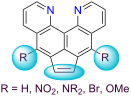
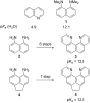
- be more basic than diamine 1, the cumulative effect of all functional groups in this compound led to a slight drop in the pKa value compared to quinoquinolines 3 and 5, despite the presence of two electron-donating methoxy groups. Bromination and tele-elimination As preliminary experiments showed





Multi-redox indenofluorene chromophores incorporating dithiafulvene donor and ene/enediyne acceptor units
Beilstein J. Org. Chem. 2024, 20, 59–73, doi:10.3762/bjoc.20.8
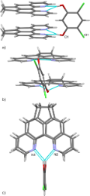
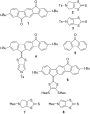
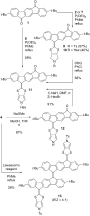
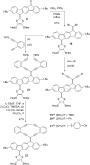
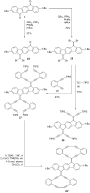
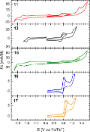
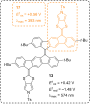
- was observed for compound 27 was also observed for this compound. The degradation of compound 20 in the presence of light and oxygen is visible as a color change upon leaving a sample of the compound in solution in an open vial, unshielded from light (Figure S2 in Supporting Information File 1). This
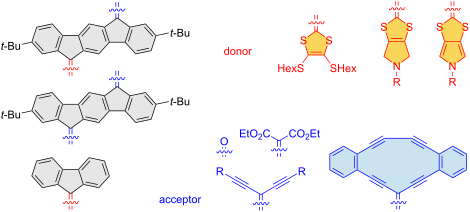
- other hand, they are stronger acceptors than the acetylenic scaffold 22 containing the DTF donor. We have previously [33] studied a related compound in which all four triisopropylsilylethynyl substituents of 26 are replaced by cyano groups; this compound showed superior acceptor properties, being
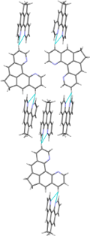
- containing acetylenic acceptor motifs at both ends of the IF core and hence no DTF donor unit. Compound 23 also undergoes a reversible, second reduction to form the dianion. This compound should gain aromaticity upon either reduction or oxidation as illustrated in Figure 9. X-ray crystallographic analysis








Using the phospha-Michael reaction for making phosphonium phenolate zwitterions
Beilstein J. Org. Chem. 2024, 20, 41–51, doi:10.3762/bjoc.20.6
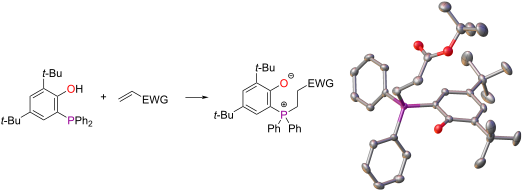
- 3.09 ppm, respectively, and two novel signals for tertiary butyl groups. Accordingly, we reasoned that the phosphine has reacted presumably with acrylonitrile forming a stable species not suited to catalyze the oxa-Michael reaction. In order to identify this compound, we reacted 1 with acrylonitrile or


Unprecedented synthesis of a 14-membered hexaazamacrocycle
Beilstein J. Org. Chem. 2023, 19, 1728–1740, doi:10.3762/bjoc.19.126
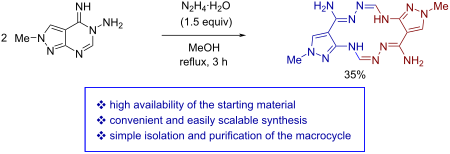
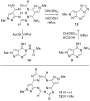
- the starting material. This compound was prepared according to the described regioselective method [42] based on the reaction of malononitrile with triethyl orthoformate followed by subsequent treatment of the obtained dinitrile 2 with benzaldehyde methyl hydrazone in benzene, conc. aqueous HCl in


Effects of the aldehyde-derived ring substituent on the properties of two new bioinspired trimethoxybenzoylhydrazones: methyl vs nitro groups
Beilstein J. Org. Chem. 2023, 19, 1713–1727, doi:10.3762/bjoc.19.125
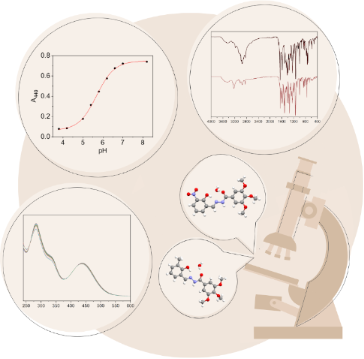
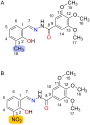
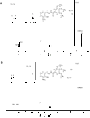
- electrophilic character of C7. In both hdz-CH3 and hdz-NO2, methoxy hydrogens occur as a pair of singlets: H15 and H17 at 3.88 ppm, and H16 at 3.74 ppm. Methyl H18 in hdz-CH3 appears as a more shielded singlet at 2.22 ppm. Regarding the aromatic region of this compound, the doublet related to H6 (7.28 ppm) is





Secondary metabolites of Diaporthe cameroonensis, isolated from the Cameroonian medicinal plant Trema guineensis
Beilstein J. Org. Chem. 2023, 19, 1555–1561, doi:10.3762/bjoc.19.112
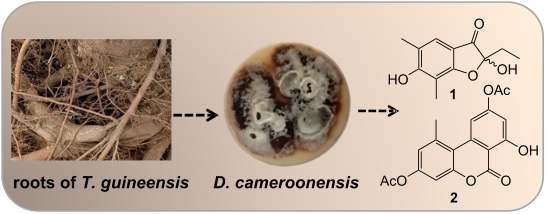
- isolated from the marine-derived fungus Pseudopithomyces maydicus [12]. The proposed structure was fully supported (Table 1) by HSQC-DEPT, HMBC, and COSY spectra (Figures S5–S7 in Supporting Information File 1). Key HMBC correlations of 1 are illustrated in Figure 2. This compound was found to be a


Synthesis and biological evaluation of Argemone mexicana-inspired antimicrobials
Beilstein J. Org. Chem. 2023, 19, 1511–1524, doi:10.3762/bjoc.19.108
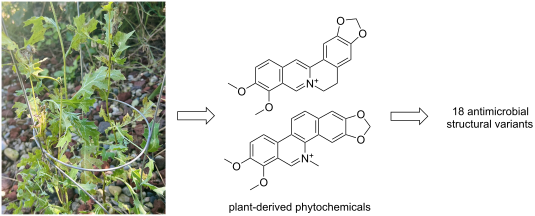
- derivatives, compound B8 represents the natural compound pseudopalmatine [39]. The synthesis of this compound has been reported, albeit through alternative methods [33][38][40]. Reports indicated that unlike most other plant-derived protoberberines, pseudopalmatine has had far less pharmacological


One-pot nucleophilic substitution–double click reactions of biazides leading to functionalized bis(1,2,3-triazole) derivatives
Beilstein J. Org. Chem. 2023, 19, 1399–1407, doi:10.3762/bjoc.19.101
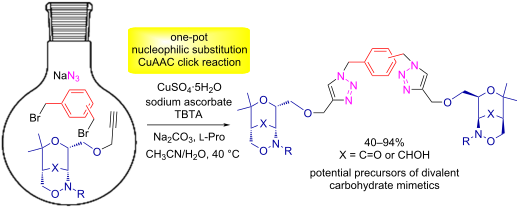
- -triazole) 21. It turned out that the hydrogenolysis of this compound was very capricious and (in part) depended on the batch of palladium on carbon used. In most cases, incomplete consumption of starting material was observed, even after long reaction time. The best result is depicted in Scheme 8 (reaction

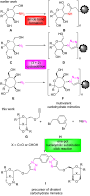


Functional characterisation of twelve terpene synthases from actinobacteria
Beilstein J. Org. Chem. 2023, 19, 1386–1398, doi:10.3762/bjoc.19.100
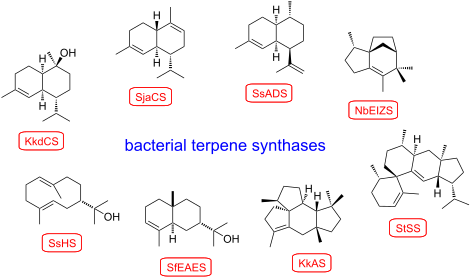
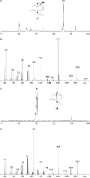
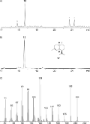
- inactive enzymes were obtained and one enzyme was not expressed. Another interesting discovery was the identification of a diterpene synthase from Kutzneria kofuensis that selectively produces allokutznerene. This compound was previously only known as a side product from a closely related phomopsene




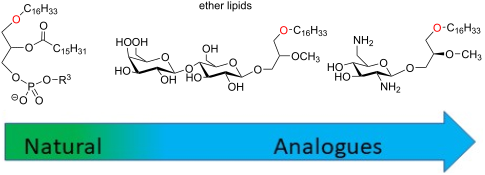
Synthesis of ether lipids: natural compounds and analogues
Beilstein J. Org. Chem. 2023, 19, 1299–1369, doi:10.3762/bjoc.19.96
- . The replacement of the oxygen atom located in sn-1 position by a methylamino group corresponds to a compound known as BN52211 (30.6, Figure 30). This compound was used in many studies for its antitumor cytotoxicity [136] or its immunologic properties [137]. To the best of our knowledge, the synthesis
- of this compound is only reported in a patent published in 1991 by P. Braquet et al. [138]. The reaction starts with the deprotonation of 30.1 to produce the alcoholate that was alkylated with iodomethane. Then, the reductive opening reaction of the 1,3-dioxane heterocycle in the presence of BH3 as


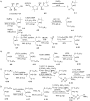


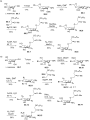
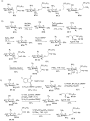


Intermediates and shunt products of massiliachelin biosynthesis in Massilia sp. NR 4-1
Beilstein J. Org. Chem. 2023, 19, 909–917, doi:10.3762/bjoc.19.69
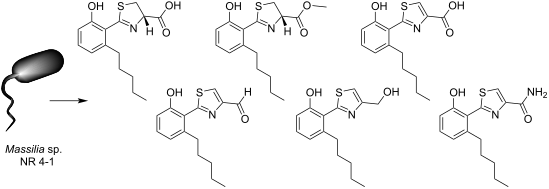
- analyzing the structures of the isolated metabolites, it became evident that the predicted lipopeptide siderophore [17] had not been produced by Massilia sp. NR 4-1 under the chosen cultivation conditions, as no further extract fraction possessed CAS activity. The reasons for the absence of this compound


Synthesis, structure, and properties of switchable cross-conjugated 1,4-diaryl-1,3-butadiynes based on 1,8-bis(dimethylamino)naphthalene
Beilstein J. Org. Chem. 2023, 19, 674–686, doi:10.3762/bjoc.19.49
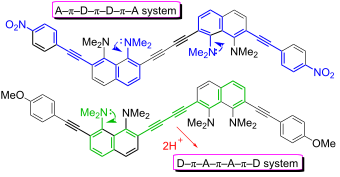
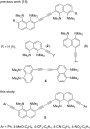
- of samples 5b, 5d, and 5e suitable for X-ray diffraction studies (Figure 3 and Figure 4). Crystals of compound 5c were grown up using CHCl3/EtOH solvent, and it was unexpectedly found that keeping this compound in the above system for a month leads to its partial heterocyclization to benzo[g]indole
- )benzonitrile and N,N-dimethyl-4-((4-nitrophenyl)ethynyl)aniline in chloroform solution are 373 and 416 nm, respectively [35]. In the same time, λmax for 2-((4-nitrophenyl)ethynyl)-1,8-bis(dimethylamino)naphthalene is 474 nm [36]. The red shift observed in the spectrum of this compound as well as in the spectra



Enolates ambushed – asymmetric tandem conjugate addition and subsequent enolate trapping with conventional and less traditional electrophiles
Beilstein J. Org. Chem. 2023, 19, 593–634, doi:10.3762/bjoc.19.44
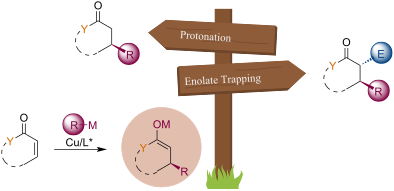
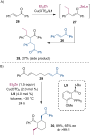
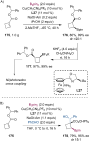
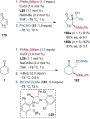
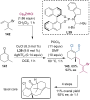
- by the trapping of the metal enolate with Vilsmeier–Haack reagent. This way, the β-chloroaldehyde 143 was isolated in 69% yield and 92% ee. Further transformation of this compound resulted in the taxol core in only 4 steps with 11% overall yield while retaining the correct stereochemistry introduced









Phenanthridine–pyrene conjugates as fluorescent probes for DNA/RNA and an inactive mutant of dipeptidyl peptidase enzyme
Beilstein J. Org. Chem. 2023, 19, 550–565, doi:10.3762/bjoc.19.40
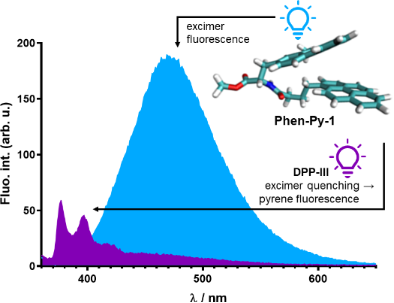
- increasing back after cooling. That was probably caused by the temperature-induced unstacking and also by the aggregation of compounds. Compound Phen-Py-2 was more tended both to intramolecular stacking and aggregation. This compound lacked any significant responses upon eventual binding to ds




Access to cyclopropanes with geminal trifluoromethyl and difluoromethylphosphonate groups
Beilstein J. Org. Chem. 2023, 19, 541–549, doi:10.3762/bjoc.19.39
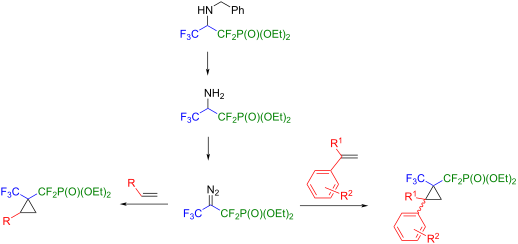
- (5). This compound was synthesized smoothly within three steps in 16.6% overall yield. The synthetic route commenced from the preparation of N-protected amine 3, followed by the deprotection of benzylamine 3 to furnish 4 and ended with the diazotization of 4 using tert-butyl nitrite. As a result, the
- -diazo-1,1,3,3,3-pentafluoropropylphosphonate (5), was presented for the first time. This compound is a bench-stable, non-volatile, and non-explosive liquid, which facilitated the handling of this reagent. Furthermore, our research highlights the possibility for facile and efficient syntheses of



Asymmetric synthesis of a stereopentade fragment toward latrunculins
Beilstein J. Org. Chem. 2023, 19, 428–433, doi:10.3762/bjoc.19.32
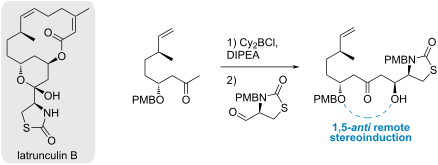
- %). This compound results from the transposition of the para-nitrobenzoyl (PNBz) group onto the 13-OH, which could be favoured by the steric hindrance of C-15 and a possible π–π stacking with the OPMB group. These PNBz esters were readily hydrolyzed to furnished diol 24 in 97% yield. The oxydation of the




Combretastatins D series and analogues: from isolation, synthetic challenges and biological activities
Beilstein J. Org. Chem. 2023, 19, 399–427, doi:10.3762/bjoc.19.31
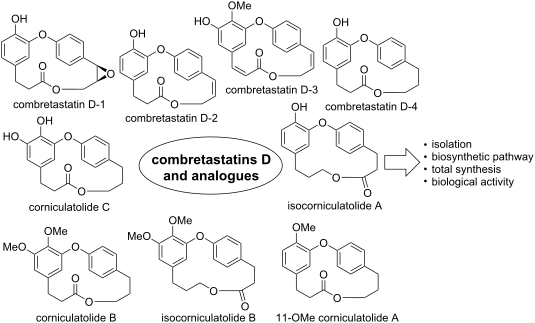
- in the intestinal epithelial cell line IEC-6. In addition, inhibition of mRNA expression of TNF-α, IL-1β, and IL-6 was observed, which means that this compound has potential pharmacological application towards inflammatory diseases such inflammatory bowel disease [71]. Conclusion A variety of efforts