Search for "resistance" in Full Text gives 329 result(s) in Beilstein Journal of Organic Chemistry. Showing first 200.
Beilstein J. Org. Chem. 2022, 18, 381–419, doi:10.3762/bjoc.18.43
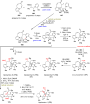
Graphical Abstract
Figure 1: Natural bioactive naphthoquinones.
Figure 2: Chemical structures of vitamins K.
Figure 3: Redox cycle of menadione.
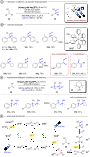
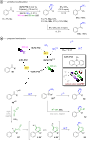
Scheme 1: Selected approaches for menadione synthesis using silver(I) as a catalyst.
Scheme 2: Methylation approaches for the preparation of menadione from 1,4-naphthoquinone using tert-butyl hy...
Scheme 3: Methylation approach of 1,4-naphthoquinone using i) rhodium complexes/methylboronic acid and ii) bi...
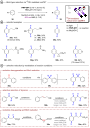
Scheme 4: Synthesis of menadione (10) from itaconic acid.
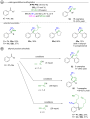
Scheme 5: Menadione synthesis via Diels–Alder reaction.
Scheme 6: Synthesis of menadione (10) using p-cresol as a synthetic precursor.
Scheme 7: Synthesis of menadione (10) via demethoxycarbonylating annulation of methyl methacrylate.
Scheme 8: Furan 34 used as a diene in a Diels–Alder reaction for the synthesis of menadione (10).
Scheme 9: o-Toluidine as a dienophile in a Diels–Alder reaction for the synthesis of menadione (10).
Scheme 10: Representation of electrochemical synthesis of menadione.
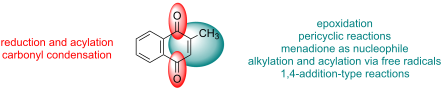
Figure 4: Reaction sites and reaction types of menadione as substrate.
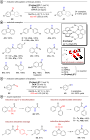
Scheme 11: DBU-catalyzed epoxidation of menadione (10).
Scheme 12: Phase-transfer catalysis for the epoxidation of menadione.
Scheme 13: Menadione epoxidation using a hydroperoxide derived from (+)-norcamphor.
Scheme 14: Enantioselective Diels–Alder reaction for the synthesis of asymmetric quinone 50 catalyzed by a chi...
Scheme 15: Optimized reaction conditions for the synthesis of anthra[9,1-bc]pyranone.
Scheme 16: Synthesis of anthra[9,1-bc]furanone, anthra[9,1-bc]pyridine, and anthra[9,1-bc]pyrrole derivatives.
Scheme 17: Synthesis of derivatives employing protected trienes.
Scheme 18: Synthesis of cyclobutene derivatives of menadione.
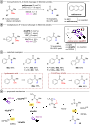
Scheme 19: Menadione reduction reactions using sodium hydrosulfite.
Scheme 20: Green methodology for menadiol synthesis and pegylation.
Scheme 21: Menadione reduction by 5,6-O-isopropylidene-ʟ-ascorbic acid under UV light irradiation.
Scheme 22: Selected approaches of menadione hydroacetylation to diacetylated menadiol.
Scheme 23: Thiele–Winter reaction catalyzed by Bi(OTf)3.
Scheme 24: Carbonyl condensation of menadione using resorcinol and a hydrazone derivative.
Scheme 25: Condensation reaction of menadione with thiosemicarbazide.
Scheme 26: Condensation reaction of menadione with acylhydrazides.
Scheme 27: Menadione derivatives functionalized with organochalcogens.
Scheme 28: Synthesis of selenium-menadione conjugates derived from chloromethylated menadione 84.
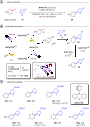
Scheme 29: Menadione alkylation by the Kochi–Anderson method.
Scheme 30: Menadione alkylation by diacids.
Scheme 31: Menadione alkylation by heterocycles-substituted carboxylic acids.
Scheme 32: Menadione alkylation by bromoalkyl-substituted carboxylic acids.
Scheme 33: Menadione alkylation by complex carboxylic acids.
Scheme 34: Kochi–Anderson method variations for the menadione alkylation via oxidative decarboxylation of carb...
Scheme 35: Copper-catalyzed menadione alkylation via free radicals.
Scheme 36: Nickel-catalyzed menadione cyanoalkylation.
Scheme 37: Iron-catalyzed alkylation of menadione.
Scheme 38: Selected approaches to menadione alkylation.
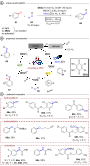
Scheme 39: Menadione acylation by photo-Friedel–Crafts acylation reported by Waske and co-workers.
Scheme 40: Menadione acylation by Westwood procedure.
Scheme 41: Synthesis of 3-benzoylmenadione via metal-free TBAI/TBHP system.
Scheme 42: Michael-type addition of amines to menadione reported by Kallmayer.
Scheme 43: Synthesis of amino-menadione derivatives using polyalkylamines.
Scheme 44: Selected examples for the synthesis of different amino-substituted menadione derivatives.
Scheme 45: Selected examples of Michael-type addition of complex amines to menadione (10).
Scheme 46: Addition of different natural α-amino acids to menadione.
Scheme 47: Michael-type addition of amines to menadione using silica-supported perchloric acid.
Scheme 48: Indolylnaphthoquinone or indolylnaphthalene-1,4-diol synthesis reported by Yadav et al.
Scheme 49: Indolylnaphthoquinone synthesis reported by Tanoue and co-workers.
Scheme 50: Indolylnaphthoquinone synthesis from menadione by Escobeto-González and co-workers.
Scheme 51: Synthesis of menadione analogues functionalized with thiols.
Scheme 52: Synthesis of menadione-derived symmetrical derivatives through reaction with dithiols.
Scheme 53: Mercaptoalkyl acids as nucleophiles in Michael-type addition reaction to menadione.
Scheme 54: Reactions of menadione (10) with cysteine derivatives for the synthesis of quinoproteins.
Scheme 55: Synthesis of menadione-glutathione conjugate 152 by Michael-type addition.
Beilstein J. Org. Chem. 2021, 17, 2924–2931, doi:10.3762/bjoc.17.201
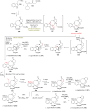
Graphical Abstract
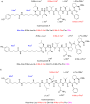
Figure 1: a) Structures of hoshinoamides A and B. b) Structure of hoshinoamide C.
Scheme 1: Synthesis of resin-bound tripeptide 3 by SPPS. DIPEA: N,N-diisopropylethylamine; HCTU: O-(6-chloro-...
Scheme 2: Synthesis of dipeptide 6. HATU: 2-(7-azabenzotriazol-1-yl)-N,N,N',N'-tetramethyluronium hexafluorop...
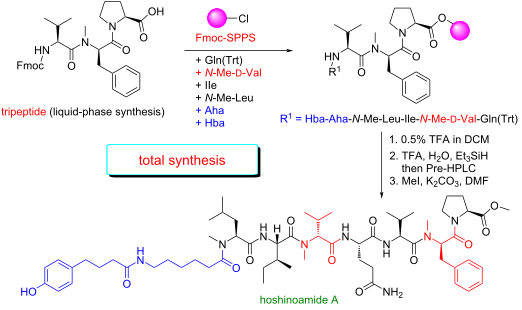
Scheme 3: Synthesis of hoshinoamide A.
Beilstein J. Org. Chem. 2021, 17, 2799–2811, doi:10.3762/bjoc.17.191
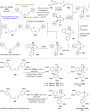
Graphical Abstract
Figure 1: Examples of structures and properties of Schiff bases of interest in the present study.
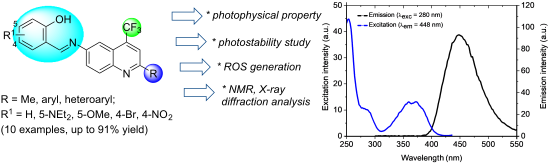
Scheme 1: General view for the present study.
Scheme 2: Synthesis of ((trifluoromethyl)quinolinyl)phenol Schiff bases 3aa–fa.
Scheme 3: Synthesis of trifluoromethylated quinolinyl-phenol Schiff bases 3bb–be.
Figure 2: ORTEP diagram of the crystal structure of (E)-2-(((2-phenyl-4-(trifluoromethyl)quinolin-6-yl)imino)...
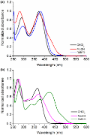
Figure 3: Normalized absorption spectra in the UV–vis region of compounds (a) 3ea and (b) 3be in CHCl3, MeOH ...
Figure 4: Normalized steady-state fluorescence emission spectra of compound 3aa (R = Ph, R1 = H) in CHCl3 (bl...
Figure 5: Comparative normalized steady-state fluorescence emission spectra of compounds 3bb and 3be in the t...
Figure 6: Photostability (%) plots of derivatives 3aa–fa and 3bb–be in DMSO solution after irradiation with w...
Figure 7: DPBF photooxidation assays by red-light irradiation with diode laser (λ = 660 nm) in the presence o...
Beilstein J. Org. Chem. 2021, 17, 2716–2725, doi:10.3762/bjoc.17.183
Graphical Abstract
Figure 1: Prominent synthetic approaches to 1-benzyltetrahydroisoquinolines: Bischler–Napieralski, Pictet–Spe...
Figure 2: Structures of N-methylcoclaurine (1) and the ten 1-benzyl-1,2,3,4-tetrahydroisoquinoline alkaloids ...
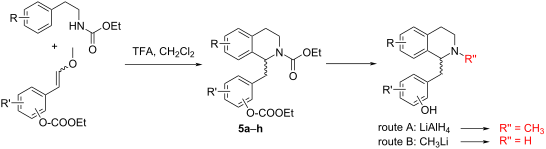
Figure 3: Two routes using N- and O-alkoxycarbonylated building blocks for the synthesis of phenolic N-methyl...
Figure 4: Structures of the building blocks A1–A4 (N-ethoxycarbonyl phenethylamines) and B1–B3 (ω-methoxystyr...
Figure 5: Biological activity. Antiproliferative effects of the 1-benzyltetrahydroisoquinoline alkaloids in A...
Beilstein J. Org. Chem. 2021, 17, 2680–2715, doi:10.3762/bjoc.17.182
Graphical Abstract
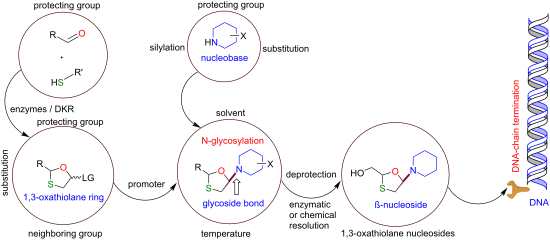
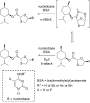
Figure 1: Representative modified 1,3-oxathiolane nucleoside analogues.
Figure 2: Mechanism of antiviral action of 1,3-oxathiolane nucleosides, 3TC (1) and FTC (2), as chain termina...
Figure 3: Synthetic strategies for the construction of the 1,3-oxathiolane sugar ring.
Scheme 1: Synthesis of 4 from benzoyloxyacetaldehyde (3a) and 2-mercapto-substituted dimethyl acetal 3na.
Scheme 2: Synthesis of 8 from protected glycolic aldehyde 3b and 2-mercaptoacetic acid (3o).
Scheme 3: Synthesis of 20 from ᴅ-mannose (3c).
Scheme 4: Synthesis of 20 from 1,6-thioanhydro-ᴅ-galactose (3d).
Scheme 5: Synthesis of 8 from 2-(tert-butyldiphenylsilyloxy)methyl-5-oxo-1,2-oxathiolane (3m).
Scheme 6: Synthesis of 20a from ʟ-gulose derivative 3f.
Scheme 7: Synthesis of 31 from (+)-thiolactic acid 3p and 2-benzoyloxyacetaldehyde (3a).
Scheme 8: Synthesis of 35a from 1,4-dithiane-2,5-diol (3q) and glyoxylic acid (3g) hydrate.
Scheme 9: Synthetic routes toward 41 through Pummerer reaction from methyl 2-mercaptoacetate (3j) and bromoac...
Scheme 10: Strategy for the synthesis of 2,5-substituted 1,3-oxathiolane 41a using 4-nitrobenzyl glyoxylate an...
Scheme 11: Synthesis of 44 by a resolution method using Mucor miehei lipase.
Scheme 12: Synthesis of 45 from benzoyloxyacetaldehyde (3a) and 2-mercaptoacetaldehyde bis(2-methoxyethyl) ace...
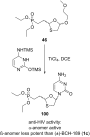
Scheme 13: Synthesis of 46 from 2-mercaptoacetaldehyde bis(2-methoxyethyl) acetal (3nc) and diethyl 3-phosphon...
Scheme 14: Synthesis of 48 from 1,3-dihydroxyacetone dimer 3l.
Scheme 15: Approach toward 52 from protected alkene 3rb and lactic acid derivative 51 developed by Snead et al....
Scheme 16: Recent approach toward 56a developed by Kashinath et al.
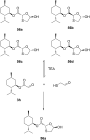
Scheme 17: Synthesis of 56a from ʟ-menthyl glyoxylate (3h) hydrate by DKR.
Scheme 18: Possible mechanism with catalytic TEA for rapid interconversion of isomers.
Scheme 19: Synthesis of 35a by a classical resolution method through norephedrine salt 58 formation.
Scheme 20: Synthesis of 63 via [1,2]-Brook rearrangement from silyl glyoxylate 61 and thiol 3nb.
Scheme 21: Combined use of STS and CAL-B as catalysts to synthesize an enantiopure oxathiolane precursor 65.
Scheme 22: Synthesis of 1 and 1a from glycolaldehyde dimer 64 and 1,4-dithiane-2,5-diol (3q) using STS and CAL...
Scheme 23: Synthesis of 68 by using Klebsiella oxytoca.
Scheme 24: Synthesis of 71 and 72 using Trichosporon taibachii lipase and kinetic resolution.
Scheme 25: Synthesis of 1,3-oxathiolan-5-ones 77 and 78 via dynamic covalent kinetic resolution.
Figure 4: Pathway for glycosidic bond formation.
Scheme 26: First synthesis of (±)-BCH-189 (1c) by Belleau et al.
Scheme 27: Enantioselective synthesis of 3TC (1).
Scheme 28: Synthesis of cis-diastereomer 3TC (1) from oxathiolane propionate 44.
Scheme 29: Synthesis of (±)-BCH-189 (1c) via SnCl4-mediated N-glycosylation of 8.
Scheme 30: Synthesis of (+)-BCH-189 (1a) via TMSOTf-mediated N-glycosylation of 20.
Scheme 31: Synthesis of 3TC (1) from oxathiolane precursor 20a.
Scheme 32: Synthesis of 83 via N-glycosylation of 20 with pyrimidine bases.
Scheme 33: Synthesis of 85 via N-glycosylation of 20 with purine bases.
Scheme 34: Synthesis of 86 and 87 via N-glycosylation using TMSOTf and pyrimidines.
Scheme 35: Synthesis of 90 and 91 via N-glycosylation using TMSOTf and purines.
Scheme 36: Synthesis of 3TC (1) via TMSI-mediated N-glycosylation.
Scheme 37: Stereoselective N-glycosylation for the synthesis of 1 by anchimeric assistance of a chiral auxilia...
Scheme 38: Whitehead and co-workers’ approach for the synthesis of 1 via direct N-glycosylation without an act...
Scheme 39: ZrCl4-mediated stereoselective N-glycosylation.
Scheme 40: Plausible reaction mechanism for stereoselective N-glycosylation using ZrCl4.
Scheme 41: Synthesis of enantiomerically pure oxathiolane nucleosides 1 and 2.
Scheme 42: Synthesis of tetrazole analogues of 1,3-oxathiolane nucleosides 97.
Scheme 43: Synthetic approach toward 99 from 1,3-oxathiolane 45 by Camplo et al.
Scheme 44: Synthesis of 100 from oxathiolane phosphonate analogue 46.
Scheme 45: Synthetic approach toward 102 and the corresponding cyclic thianucleoside monophosphate 102a by Cha...
Scheme 46: Synthesis of emtricitabine (2) from 1,4-dithiane-2,5-diol (3q) and glyoxylic acid (3g).
Scheme 47: Synthesis of 1 and 2, respectively, from 56a–d using iodine-mediated N-glycosylation.
Scheme 48: Plausible mechanism for silane- and I2-mediated N-glycosylation.
Scheme 49: Pyridinium triflate-mediated N-glycosylation of 35a.
Scheme 50: Possible pathway for stereoselective N-glycosylation via in situ chelation with a metal ligand.
Scheme 51: Synthesis of novel 1,3-oxathiolane nucleoside 108 from oxathiolane precursor 8 and 3-benzyloxy-2-me...
Scheme 52: Synthesis of 110 using T-705 as a nucleobase and 1,3-oxathiolane derivative 8 via N-glycosylation.
Scheme 53: Synthesis of 1 using an asymmetric leaving group and N-glycosylation with bromine and mesitylene.
Scheme 54: Cytidine deaminase for enzymatic separation of 1c.
Scheme 55: Enzymatic resolution of the monophosphate derivative 116 for the synthesis of (−)-BCH-189 (1) and (...
Scheme 56: Enantioselective resolution by PLE-mediated hydrolysis to obtain FTC (2).
Scheme 57: (+)-Menthyl chloroformate as a resolving agent to separate a racemic mixture 120.
Scheme 58: Separation of racemic mixture 1c by cocrystal 123 formation with (S)-(−)-BINOL.
Beilstein J. Org. Chem. 2021, 17, 2390–2398, doi:10.3762/bjoc.17.156
Graphical Abstract
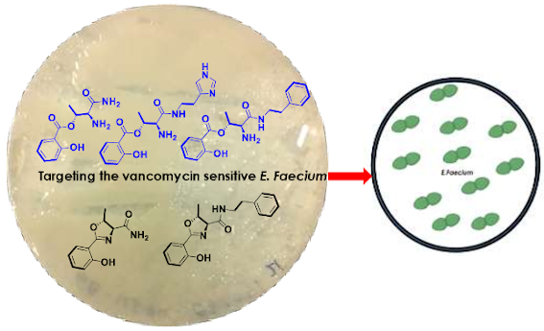
Figure 1: Structures of the new phenolic siderophores 1–5, pseudomonine (6), and salicylic acid (7).
Figure 2: Key HMBC and 1H-1H COSY correlations.
Figure 3: Plausible biosynthetic hypotheses of compounds 1–5.
Beilstein J. Org. Chem. 2021, 17, 2377–2384, doi:10.3762/bjoc.17.154
Graphical Abstract
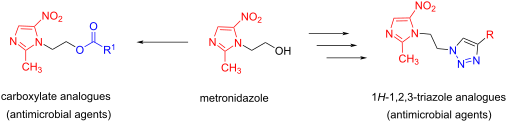
Figure 1: Structure of metronidazole (1).
Figure 2: Chemical structures of some metronidazole derivatives with different biological activity.
Figure 3: Crystal structure of compound 3. Colour codes: carbon = grey, mitrogen = blue, oxygen = red, hydrog...
Scheme 1: Reagents and conditions: (a) TsCl, Et3N, dry DCM, DMAP, 0 °C to room temperature, 5 h, 96%; (b) NaN3...
Figure 4: Crystal structure of 1H-1,2,3-triazole compound 5c: Colour codes: carbon = grey, nitrogen = blue, o...
Scheme 2: Reagents and conditions: (a) acid chlorides 6a–e, pyridine, dry DCM, DMAP, room temperature, 4–5 h,...
Figure 5: Crystal structures of compound 7b. Colour codes: carbon = grey, nitrogen = blue, oxygen = red, hydr...
Figure 6: General structural feature of the synthesized molecules 5.
Figure 7: The graph representing the antifungal activity of Didymella sp. against compounds 5a–i and 7a–e.
Figure 8: The graph representing the antibacterial activity of E. coli against compounds 5a–i and 7a–e.
Beilstein J. Org. Chem. 2021, 17, 2260–2269, doi:10.3762/bjoc.17.144
Graphical Abstract
Figure 1: Proposed structural modifications to obtain triazole derivatives 1a, b and 2a–j.
Scheme 1: Synthetic route of the triazole derivatives 1a,b, and 2a–j.
Figure 2: Asymmetric unit representation of the 1,2,3-triazole derivative 2b. Displacement ellipsoids are dra...
Figure 3: Screening of the triazole derivatives of imatinib 1a,b, and 2a–j at concentrations of 1 μM and 10 μ...
Figure 4: Interaction maps of IMT, 2c, 2d, and 2g with the BCR-Abl-1 structure (PDB code: 3PYY), showing ster...
Beilstein J. Org. Chem. 2021, 17, 1828–1848, doi:10.3762/bjoc.17.125
Graphical Abstract
Figure 1: A schematic representation of 16-mer ASOs in different designs. White circles represent unmodified ...
Figure 2: Structures of 5-(1-propargylamino)-2’-deoxyuridine (A) and 2’-aminoethoxy-5-propargylaminouridine (...
Beilstein J. Org. Chem. 2021, 17, 1814–1827, doi:10.3762/bjoc.17.124
Graphical Abstract
Figure 1: Schematic overview of fungal interactions in the environment. Fungi can be found in essentially all...
Figure 2: Fungal derived bioactive natural compounds with ecological and/or economic relevance.
Figure 3: Gliotoxin biosynthetic gene cluster and it major biosynthetic transformations: Gliotoxin (5) is the...
Figure 4: Amoebicidal secondary metabolites trypacidin and fumagillin of Aspergillus fumigatus.
Figure 5: Intermediates of the DHN-melanin biosynthesis in Aspergillus fumigatus.
Figure 6: Intermediates and products of the fumigaclavine C biosynthesis.
Figure 7: Bioactive secondary metabolites of Aspergillus fumigatus.
Figure 8: Helvolic acid gene cluster of A. fumigatus.
Beilstein J. Org. Chem. 2021, 17, 1641–1688, doi:10.3762/bjoc.17.116
Graphical Abstract
Figure 1: Structure of DNA and PNA.
Figure 2: PNA binding modes: (A) PNA–dsDNA 1:1 triplex; (B) PNA–DNA–PNA strand-invasion triplex; (C) the Hoog...
Figure 3: Structure of P-form PNA–DNA–PNA triplex from reference [41]. (A) view in the major groove and (B) view ...
Figure 4: Structures of backbone-modified PNA.
Figure 5: Structures of PNA having α- and γ-substituted backbones.
Figure 6: Structures of modified nucleobases in PNA to improve Hoogsteen hydrogen bonding to guanine and aden...
Figure 7: Proposed hydrogen bonding schemes for modified PNA nucleobases designed to recognize pyrimidines or...
Figure 8: Modified nucleobases to modulate Watson–Crick base pairing and chemically reactive crosslinking PNA...
Figure 9: Examples of triplets formed by Janus-wedge PNA nucleobases (blue). R1 denotes DNA, RNA, or PNA back...
Figure 10: Examples of fluorescent PNA nucleobases. R1 denotes DNA, RNA, or PNA backbones.
Figure 11: Endosomal entrapment and escape pathways of PNA and PNA conjugates.
Figure 12: (A) representative cell-penetrating peptides (CPPs), (B) conjugation designs and linker chemistries....
Figure 13: Proposed delivery mode by pHLIP-PNA conjugates (A) the transmembrane section of pHLIP interacting w...
Figure 14: Structures of modified penetratin CPP conjugates with PNA linked through either disulfide (for stud...
Figure 15: Chemical structure of C9–PNA, a stable amphipathic (cyclic-peptide)–PNA conjugate.
Figure 16: Structures of PNA conjugates with a lipophilic triphenylphosphonium cation (TPP–PNA) through (A) th...
Figure 17: Structures of (A) chloesteryl–PNA, (B) cholate–PNA and (C) cholate–PNA(cholate)3.
Figure 18: Structures of PNA–GalNAc conjugates (A) (GalNAc)2K, (B) triantennary (GalNAc)3, and (C) trivalent (...
Figure 19: Vitamin B12–PNA conjugates with different linkages.
Figure 20: Structures of (A) neomycin B, (B) PNA–neamine conjugate, and (C) PNA–neosamine conjugate.
Figure 21: PNA clamp (red) binding to target DNA containing a mixture of sequences (A) PNA binds with higher a...
Figure 22: Rolling circle amplification using PNA openers (red) to invade a dsDNA target forming a P-loop. A p...
Figure 23: Molecular beacons containing generic fluorophores (Fl) and quenchers (Q) recognizing a complementar...
Figure 24: (A) Light-up fluorophores such as thiazole orange display fluorescence enhancement upon binding to ...
Figure 25: Templated fluorogenic detection of oligonucleotides using two PNAs. (A) Templated FRET depends on h...
Figure 26: Lateral flow devices use a streptavidin labeled strip on nitrocellulose paper to anchor a capture P...
Beilstein J. Org. Chem. 2021, 17, 1392–1439, doi:10.3762/bjoc.17.98
Graphical Abstract
Figure 1: Double-headed nucleosides. B1 and B2 = nucleobases or heterocyclic/carbocyclic moieties; L = linker....
Scheme 1: Synthesis of 2′-(pyrimidin-1-yl)methyl- or 2′-(purin-9-yl)methyl-substituted double-headed nucleosi...
Scheme 2: Synthesis of double-headed nucleoside 7 having two cytosine moieties.
Scheme 3: Synthesis of double-headed nucleoside 2′-deoxy-2′-C-(2-(thymine-1-yl)ethyl)-uridine (11).
Scheme 4: Double-headed nucleosides 14 and 15 obtained by click reaction.
Scheme 5: Synthesis of the double-headed nucleoside 19.
Scheme 6: Synthesis of the double-headed nucleosides 24 and 25.
Scheme 7: Synthesis of double-headed nucleosides 28 and 29.
Scheme 8: Synthesis of double-headed nucleoside 33.
Scheme 9: Synthesis of double-headed nucleoside 37.
Scheme 10: Synthesis of the double-headed nucleoside 1-(5′-O-(4,4′-dimethoxytrityl)-2′-C-((4-(pyren-1-yl)-1,2,...
Scheme 11: Synthesis of triazole-containing double-headed ribonucleosides 46a–c and 50a–e.
Scheme 12: Synthesis of double-headed nucleosides 54a–g.
Scheme 13: Synthesis of double-headed nucleosides 59 and 60.
Scheme 14: Synthesis of the double-headed nucleosides 63 and 64.
Scheme 15: Synthesis of double-headed nucleosides 66a–c.
Scheme 16: Synthesis of benzoxazole-containing double-headed nucleosides 69 and 71 from 5′-amino-5′-deoxynucle...
Scheme 17: Synthesis of 4′-C-((N6-benzoyladenin-9-yl)methyl)thymidine (75) and 4′-C-((thymin-1-yl)methyl)thymi...
Scheme 18: Synthesis of double-headed nucleosides 5′-(adenine-9-yl)-5′-deoxythymidine (79) and 5′-(adenine-9-y...
Scheme 19: Synthesis of double-headed nucleosides 85–87 via reversed nucleosides methodology.
Scheme 20: Double-headed nucleosides 91 and 92 derived from ω-terminal-acetylenic sugar derivatives 90a,b.
Scheme 21: Synthesis of double-headed nucleosides 96a–g.
Scheme 22: Synthesis of double-headed nucleosides 100 and 103.
Scheme 23: Double-headed nucleosides 104 and 105 with a triazole motif.
Scheme 24: Synthesis of the double-headed nucleosides 107 and 108.
Scheme 25: Synthesis of double-headed nucleoside 110 with additional nucleobase in 5′-(S)-C-position joined th...
Scheme 26: Synthesis of double-headed nucleosides 111–113 with additional nucleobases in the 5′-(S)-C-position...
Scheme 27: Synthesis of double-headed nucleoside 114 by click reaction.
Scheme 28: Synthesis of double-headed nucleosides 118 with an additional nucleobase at the 5′-(S)-C-position.
Scheme 29: Synthesis of bicyclic double-headed nucleoside 122.
Scheme 30: Synthesis of double-headed nucleosides 125a–c derived from 2′-amino-LNA.
Scheme 31: Double-headed nucleoside 127 obtained by click reaction.
Scheme 32: Synthesis of double-headed nucleoside 130.
Scheme 33: Double-headed nucleosides 132a–d and 134a–d synthesized by Sonogashira cross coupling reaction.
Scheme 34: Synthesis of double-headed nucleosides 137 and 138 via Suzuki coupling.
Scheme 35: Synthesis of double-headed nucleosides 140 and 141 via Sonogashira cross coupling reaction.
Scheme 36: Synthesis of double-headed nucleoside 143.
Scheme 37: Synthesis of the double-headed nucleoside 146.
Scheme 38: Synthesis of 5-C-alkynyl-functionalized double-headed nucleosides 151a–d.
Scheme 39: Synthesis of 5-C-triazolyl-functionalized double-headed nucleosides 154a, b.
Scheme 40: Synthesis of double-headed nucleosides 157a–c.
Scheme 41: Synthesis of double-headed nucleoside 159, phosphoramidite 160 and the corresponding nucleotide mon...
Scheme 42: Synthesis of double-headed nucleoside 163, phosphoramidite 164 and the corresponding nucleotide mon...
Scheme 43: Synthesis of double-headed nucleoside 167, phosphoramidite 168, and the corresponding nucleotide mo...
Scheme 44: Synthesis of double-headed nucleoside 171, phosphoramidite 172, and the corresponding nucleotide mo...
Scheme 45: Synthesis of double-headed nucleoside 175, phosphoramidite 176, and the corresponding nucleotide mo...
Scheme 46: Synthesis of double-headed nucleoside 178.
Scheme 47: Synthesis of the double-headed nucleosides 181 and 183.
Scheme 48: Alternative synthesis of the double-headed nucleoside 183.
Scheme 49: Synthesis of double-headed nucleoside 188 through thermal [2 + 3] sydnone–alkyne cycloaddition reac...
Scheme 50: Synthesis of the double-headed nucleosides 190 and 191.
Scheme 51: Synthesis of 1-((5S)-2,3,4-tri-O-acetyl-5-(2,6-dichloropurin-9-yl)-β-ᴅ-xylopyranosyl)uracil (195).
Scheme 52: Synthesis of hexopyranosyl double-headed pyrimidine homonucleosides 200a–c.
Figure 2: 3′-C-Ethynyl-β-ᴅ-allopyranonucleoside derivatives 201a–f.
Scheme 53: Synthesis of 3′-C-(1,4-disubstituted-1,2,3-triazolyl)-double-headed pyranonucleosides 203–207.
Scheme 54: Synthesis of 3′-C-(1,4-disubstituted-1,2,3-triazolyl)-double-headed pyranonucleosides 208 and 209.
Scheme 55: Synthesis of 3′-C-(1,4-disubstituted-1,2,3-triazolyl)-double-headed pyranonucleoside 210.
Scheme 56: Synthesis of double-headed acyclic nucleosides (2S,3R)-1,4-bis(thymine-1-yl)butane-2,3-diol (213a) ...
Scheme 57: Synthesis of double-headed acyclic nucleosides (2R,3S)-1,4-bis(thymine-1-yl)butane-2,3-diol (213c) ...
Scheme 58: Synthesis of double-headed acetylated 1,3,4-oxadiazino[6,5-b]indolium-substituted C-nucleosides 218b...
Scheme 59: Synthesis of double-headed acyclic nucleoside 222.
Scheme 60: Synthesis of functionalized 1,2-bis(1,2,4-triazol-3-yl)ethane-1,2-diols 223a–f.
Scheme 61: Synthesis of acyclic double-headed 1,2,4-triazino[5,6-b]indole C-nucleosides 226–231.
Scheme 62: Synthesis of double-headed 1,3,4-thiadiazoline, 1,3,4-oxadiazoline, and 1,2,4-triazoline acyclo C-n...
Scheme 63: Synthesis of double-headed acyclo C-nucleosides 240–242.
Scheme 64: Synthesis of double-headed acyclo C-nucleoside 246.
Scheme 65: Synthesis of acyclo double-headed nucleoside 250.
Scheme 66: Synthesis of acyclo double-headed nucleoside 253.
Scheme 67: Synthesis of acyclo double-headed nucleosides 259a–d.
Scheme 68: Synthesis of acyclo double-headed nucleoside 261.
Beilstein J. Org. Chem. 2021, 17, 908–931, doi:10.3762/bjoc.17.76
Graphical Abstract
Figure 1: Structures of the chemically modified oligonucleotides (A) N3' → P5' phosphoramidate linkage, (B) a...
Scheme 1: Synthesis of a N3' → P5' phosphoramidate linkage by solid-phase synthesis. (a) dichloroacetic acid;...
Figure 2: Crystal structures of (A) N3' → P5' phosphoramidate DNA (PDB ID 363D) [71] and (B) amide (AM1) RNA in c...
Scheme 2: Synthesis of a phosphorodithioate linkage by solid-phase synthesis. (a) detritylation; (b) tetrazol...
Figure 3: Close-up view of a key interaction between the PS2-modified antithrombin RNA aptamer and thrombin i...
Scheme 3: Synthesis of the (S)-GNA thymine phosphoramidite from (S)-glycidyl 4,4'-dimethoxytrityl ether. (a) ...
Figure 4: Surface models of the crystal structures of RNA dodecamers with single (A) (S)-GNA-T (PDB ID 5V1L) [54]...
Figure 5: Structures of 2'-O-alkyl modifications. (A) 2'-O-methoxy RNA (2'-OMe RNA), (B) 2'-O-(2-methoxyethyl...
Scheme 4: Synthesis of the 2'-OMe uridine from 3',5'-O-(tetraisopropyldisiloxane-1,3-diyl)uridine. (a) Benzoy...
Scheme 5: Synthesis of the 2'-O-MOE uridine from uridine. (a) (PhO)2CO, NaHCO3, DMA, 100 °C; (b) Al(OCH2CH2OCH...
Figure 6: Structure of 2'-O-(2-methoxyethyl)-RNA (MOE-RNA). (A) View into the minor groove of an A-form DNA d...
Figure 7: Structures of locked nucleic acids (LNA)/bridged nucleic acids (BNA) modifications. (A) LNA/BNA, (B...
Scheme 6: Synthesis of the uridine LNA phosphoramidite. (a) i) NaH, BnBr, DMF, ii) acetic anhydride, pyridine...
Scheme 7: Synthesis of the 2'-fluoroarabinothymidine. (a) 30% HBr in acetic acid; (b) 2,4-bis-O-(trimethylsil...
Figure 8: Sugar puckers of arabinose (ANA) and arabinofluoro (FANA) nucleic acids compared with the puckers o...
Figure 9: Structures of C4'-modified nucleic acids. (A) 4'-methoxy, (B) 4'-(2-methoxyethoxy), (C) 2',4'-diflu...
Scheme 8: Synthesis of the 4'-F-rU phosphoramidite. (a) AgF, I2, dichloromethane, tetrahydrofuran; (b) NH3, m...
Scheme 9: Synthesis of the thymine FHNA phosphoramidite. (a) thymine, 1,8-diazabicyclo[5.4.0]undec-7-ene, ace...
Scheme 10: Synthesis of the thymine Ara-FHNA phosphoramidite. (a) i) trifluoromethanesulfonic anhydride, pyrid...
Figure 10: Crystal structures of (A) FHNA and (B) Ara-FHNA in modified A-form DNA decamers (PDB IDs 3Q61 and 3...
Beilstein J. Org. Chem. 2021, 17, 891–907, doi:10.3762/bjoc.17.75
Graphical Abstract
Figure 1: Components of the LNPs. A) Lipid species and lipidated cell-penetrating peptides applied by postins...
Figure 2: LNPs with T7 pass through the transwell cell barrier and are taken up by target cells. HeLa (CCR5-n...
Figure 3: LNPs with Tat pass through the transwell cell barrier and are taken up by target cells. A) Percenta...
Figure 4: LNPs do not stimulate secretion of proinflammatory cytokines. A) GMCSF-primed MDMs were treated wit...
Figure 5: LNPs modestly affect cell viability in a cell-specific manner. HeLa (A) or HEK293T cells (B) were t...
Beilstein J. Org. Chem. 2021, 17, 819–865, doi:10.3762/bjoc.17.71
Graphical Abstract
Figure 1: Marketed drugs with acridine moiety.
Scheme 1: Synthesis of 4-arylacridinediones.
Scheme 2: Proposed mechanism for acridinedione synthesis.
Scheme 3: Synthesis of tetrahydrodibenzoacridinones.
Scheme 4: Synthesis of naphthoacridines.
Scheme 5: Plausible mechanism for naphthoacridines.
Figure 2: Benzoazepines based potent molecules.
Scheme 6: Synthesis of azepinone.
Scheme 7: Proposed mechanism for azepinone formation.
Scheme 8: Synthesis of benzoazulenen-1-one derivatives.
Scheme 9: Proposed mechanism for benzoazulene-1-one synthesis.
Figure 3: Indole-containing pharmacologically active molecules.
Scheme 10: Synthesis of functionalized indoles.
Scheme 11: Plausible mechanism for the synthesis of functionalized indoles.
Scheme 12: Synthesis of spirooxindoles.
Scheme 13: Synthesis of substituted spirooxindoles.
Scheme 14: Plausible mechanism for the synthesis of substituted spirooxindoles.
Scheme 15: Synthesis of pyrrolidinyl spirooxindoles.
Scheme 16: Proposed mechanism for pyrrolidinyl spirooxindoles.
Figure 4: Pyran-containing biologically active molecules.
Scheme 17: Synthesis of functionalized benzopyrans.
Scheme 18: Plausible mechanism for synthesis of benzopyran.
Scheme 19: Synthesis of indoline-spiro-fused pyran derivatives.
Scheme 20: Proposed mechanism for indoline-spiro-fused pyran.
Scheme 21: Synthesis of substituted naphthopyrans.
Figure 5: Marketed drugs with pyrrole ring.
Scheme 22: Synthesis of tetra-substituted pyrroles.
Scheme 23: Mechanism for silica-supported PPA-SiO2-catalyzed pyrrole synthesis.
Scheme 24: Synthesis of pyrrolo[1,10]-phenanthrolines.
Scheme 25: Proposed mechanism for pyrrolo[1,10]-phenanthrolines.
Figure 6: Marketed drugs and molecules containing pyrimidine and pyrimidinones skeletons.
Scheme 26: MWA-MCR pyrimidinone synthesis.
Scheme 27: Two proposed mechanisms for pyrimidinone synthesis.
Scheme 28: MWA multicomponent synthesis of dihydropyrimidinones.
Scheme 29: Proposed mechanism for dihydropyrimidinones.
Figure 7: Biologically active fused pyrimidines.
Scheme 30: MWA- MCR for the synthesis of pyrrolo[2,3-d]pyrimidines.
Scheme 31: Proposed mechanism for pyrrolo[2,3-d]pyrimidines.
Scheme 32: Synthesis of substituted pyrrolo[2,3-d]pyrimidine-2,4-diones.
Scheme 33: Probable pathway for pyrrolo[2,3-d]pyrimidine-2,4-diones.
Scheme 34: Synthesis of pyridopyrimidines.
Scheme 35: Plausible mechanism for the synthesis of pyridopyrimidines.
Scheme 36: Synthesis of dihydropyridopyrimidine and dihydropyrazolopyridine.
Scheme 37: Proposed mechanism for the formation of dihydropyridopyrimidine.
Scheme 38: Synthesis of thiopyrano[4,3-d]pyrimidines.
Scheme 39: Plausible mechanism for the synthesis of thiopyrano[4,3-d]pyrimidines.
Scheme 40: Synthesis of decorated imidazopyrimidines.
Scheme 41: Proposed mechanism for imidazopyrimidine synthesis.
Figure 8: Pharmacologically active molecules containing purine bases.
Scheme 42: Synthesis of aza-adenines.
Scheme 43: Synthesis of 5-aza-7-deazapurines.
Scheme 44: Proposed mechanism for deazapurines synthesis.
Figure 9: Biologically active molecules containing pyridine moiety.
Scheme 45: Synthesis of steroidal pyridines.
Scheme 46: Proposed mechanism for steroidal pyridine.
Scheme 47: Synthesis of N-alkylated 2-pyridones.
Scheme 48: Two possible mechanisms for pyridone synthesis.
Scheme 49: Synthesis of pyridone derivatives.
Scheme 50: Postulated mechanism for synthesis of pyridone.
Figure 10: Biologically active fused pyridines.
Scheme 51: Benzimidazole-imidazo[1,2-a]pyridines synthesis.
Scheme 52: Mechanism for the synthesis of benzimidazole-imidazo[1,2-a]pyridines.
Scheme 53: Synthesis of pyrazolo[3,4-b]pyridine-5-spirocycloalkanedione derivatives.
Scheme 54: Proposed mechanism for spiro-pyridines.
Scheme 55: Functionalized macrocyclane-fused pyrazolo[3,4-b]pyridine derivatives.
Scheme 56: Mechanism postulated for macrocyclane-fused pyrazolo[3,4-b]pyridine.
Scheme 57: Generation of pyrazolo[3,4-b]pyridines.
Scheme 58: Proposed mechanism for the synthesis of pyrazolo[3,4-b]pyridines.
Scheme 59: Proposed mechanism for the synthesis of azepinoindole.
Figure 11: Pharmaceutically important molecules with quinoline moiety.
Scheme 60: Povarov-mediated quinoline synthesis.
Scheme 61: Proposed mechanism for Povarov reaction.
Scheme 62: Synthesis of pyrazoloquinoline.
Scheme 63: Plausible mechanism for pyrazoloquinoline synthesis.
Figure 12: Quinazolinones as pharmacologically significant scaffolds.
Scheme 64: Four-component reaction for dihydroquinazolinone.
Scheme 65: Proposed mechanism for dihydroquinazolinones.
Scheme 66: Synthesis purine quinazolinone and PI3K-δ inhibitor.
Scheme 67: Synthesis of fused benzothiazolo/benzoimidazoloquinazolinones.
Scheme 68: Proposed mechanism for fused benzothiazolo/benzoimidazoloquinazolinones.
Scheme 69: On-water reaction for synthesis of thiazoloquinazolinone.
Scheme 70: Proposed mechanism for the thiazoloquinazolinone synthesis.
Scheme 71: β-Cyclodextrin-mediated synthesis of indoloquinazolinediones.
Scheme 72: Proposed mechanism for synthesis of indoloquinazolinediones.
Figure 13: Triazoles-containing marketted drugs and pharmacologically active molecules.
Scheme 73: Cu(I) DAPTA-catalyzed 1,2,3-triazole formation.
Scheme 74: Mechanism for Cu(I) DAPTA-catalyzed triazole formation.
Scheme 75: Synthesis of β-hydroxy-1,2,3-triazole.
Scheme 76: Proposed mechanism for synthesis of β-hydroxy-1,2,3-triazoles.
Scheme 77: Synthesis of bis-1,2,4-triazoles.
Scheme 78: Proposed mechanism for bis-1,2,4-triazoles synthesis.
Figure 14: Thiazole containing drugs.
Scheme 79: Synthesis of a substituted thiazole ring.
Scheme 80: Synthesis of pyrazolothiazoles.
Figure 15: Chromene containing drugs.
Scheme 81: Magnetic nanocatalyst-mediated aminochromene synthesis.
Scheme 82: Proposed mechanism for the synthesis of chromenes.
Beilstein J. Org. Chem. 2021, 17, 749–761, doi:10.3762/bjoc.17.65
Graphical Abstract
Figure 1: Illustration of H-bonding in a DNA duplex and a parallel triplex. A) Depiction of Watson–Crick base...
Scheme 1: The synthesis of ONs with Ts and N+ modification using the Staudinger reaction during the solid-pha...
Figure 2: Percentage of intact ONs after 120 min. A) N+ONs; B) Ts-ONs. Percentage of intact ONs was determine...
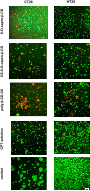
Figure 3: Representative images of mouse NIH 3T3 fibroblasts incubated with either (A–C) no oligo or 20 µM of...
Figure 4: Representative confocal microscopy section showing the FAM vesicles inside the cell. Mouse NIH 3T3 ...
Beilstein J. Org. Chem. 2021, 17, 739–748, doi:10.3762/bjoc.17.64
Graphical Abstract
Figure 1: Chemical structure of ganglioside GM1a (a β-ᴅ-galactosyl-(1→3)-N-acetyl-β-ᴅ-galactosaminyl-(1→4)-[α-...
Figure 2: Construction of the Svennerholm name GP1cα from its Glycologue structure identifier. At each step o...
Figure 3: Ganglioside carbohydrates predicted by the model. All structures are linked to ceramide at the base...
Figure 4: Ganglioside biosynthetic reaction network predicted by the Glycologue enzyme simulator. Starting fr...
Figure 5: Predicted effects on the pathways of ganglioside biosynthesis when individual enzyme activities are...
Beilstein J. Org. Chem. 2021, 17, 711–718, doi:10.3762/bjoc.17.60
Graphical Abstract
Scheme 1: Synthesis of intermediate 1. Reagents and conditions: (i) trifluoroacetic anhydride, CH2Cl2, 0–35 °...
Scheme 2: Synthesis of intermediate 2. Reagents and conditions: (i) Pd/C (wet), EtOAc/CH2Cl2, H2, 45 psi, rt,...
Scheme 3: Synthesis of intermediates 3–5. Reagents and conditions: (i) (Ac)2O, CH2Cl2, rt, 24 h, 95–99%; (ii)...
Scheme 4: Synthesis of compounds A1–21. Reagents and conditions: (i) acetyl chloride, TEA, CH2Cl2, rt, 16 h, ...
Scheme 5: Synthesis of compounds A22 and A23. Reagents and conditions: (i) HATU, DIPEA or DCC, DMAP, DMF or T...
Beilstein J. Org. Chem. 2021, 17, 688–704, doi:10.3762/bjoc.17.58
Graphical Abstract
Figure 1: Selected alkaloids containing the pyrrolidone motif.
Scheme 1: A) Classical γ-lactam synthesis by atom transfer radical cyclizations; B) previously developed tand...
Figure 2: X-ray crystal structure of the major (2R,4S)-alkoxyamine hydrochloride derived from 9j. Displacemen...
Scheme 2: Formation of the α-(aminoxy)amides 9o,p.
Figure 3: X-ray crystal structure of the minor cis-diastereomers of the keto lactam 13j (left) and the hydrox...
Scheme 3: Thermal radical cyclization reactions of amides 9l–p bearing cyclic units. Conditions: a) t-BuOH, 1...
Scheme 4: Epimerization of spirolactams 12m,n.
Scheme 5: The Dess–Martin oxidation of lactams 12l–o. Conditions: a) DMP (1.3 equiv), t-BuOH (10 mol %), CH2Cl...
Scheme 6: Selected transformations of the lactams trans-12b and 12o.
Scheme 7: Diastereoselectivity for the formation of α-(aminoxy)amides 9i–k.
Scheme 8: Rationalization of the diastereoselectivity for the formation of the α-(aminoxy)amide 9l.
Scheme 9: Rationalization of the thermal radical cyclization diastereoselectivity of alkoxyamines 9a–k. (S)-C...
Scheme 10: The stereochemical course for the formation of products 12m,n by thermal radical cyclization of alk...
Scheme 11: Formation of bicycles 12o,p.
Beilstein J. Org. Chem. 2021, 17, 622–629, doi:10.3762/bjoc.17.54
Beilstein J. Org. Chem. 2021, 17, 589–621, doi:10.3762/bjoc.17.53
Graphical Abstract
Figure 1: Potential classification of plastic recycling processes. The area covered by the present review is ...
Figure 2: EG produced during glycolytic depolymerisation of PET using DEG + DPG as solvent and titanium(IV) n...
Scheme 1: Simplified representation of the conversion of 1,4-PBD to C16–C44 macrocycles using Ru metathesis c...
Figure 3: Main added-value monomers obtainable by catalytic depolymerisation of PET via chemolytic methods.
Scheme 2: Hydrogenolytic depolymerisation of PET by ruthenium complexes.
Scheme 3: Depolymerisation of PET via catalytic hydrosilylation by Ir(III) pincer complex.
Scheme 4: Catalytic hydrolysis (top) and methanolysis (bottom) reactions of PET.
Scheme 5: Depolymerisation of PET by glycolysis with ethylene glycol.
Figure 4: Glycolysis of PET: evolution of BHET yield over time, with and without zinc acetate catalyst (196 °...
Scheme 6: Potential activated complex for the glycolysis reaction of PET catalysed by metallated ILs and evol...
Scheme 7: One-pot, two-step process for PET repurposing via chemical recycling.
Scheme 8: Synthetic routes to PLA.
Scheme 9: Structures of the zinc molecular catalysts used for PLA-methanolysis in various works. a) See [265], b) ...
Scheme 10: Depolymerisation of PLLA by Zn–N-heterocyclic carbene complex.
Scheme 11: Salalen ligands.
Scheme 12: Catalytic hydrogenolysis of PLA.
Scheme 13: Catalytic hydrosilylation of PLA.
Scheme 14: Hydrogenative depolymerisation of PBT and PCL by molecular Ru catalysts.
Scheme 15: Glycolysis reaction of PCT by diethylene glycol.
Scheme 16: Polymerisation–depolymerisation cycle of 3,4-T6GBL.
Scheme 17: Polymerisation–depolymerisation cycle of 2,3-HDB.
Scheme 18: Hydrogenative depolymerisation of PBPAC by molecular Ru catalysts.
Scheme 19: Catalytic hydrolysis (top), alcoholysis (middle) and aminolysis (bottom) reactions of PBPAC.
Scheme 20: Hydrogenative depolymerisation of PPC (top) and PEC (bottom) by molecular Ru catalysts.
Scheme 21: Polymerisation-depolymerisation cycle of BEP.
Scheme 22: Hydrogenolysis of polyamides using soluble Ru catalysts.
Scheme 23: Catalytic depolymerisation of epoxy resin/carbon fibres composite.
Scheme 24: Depolymerisation of polyethers with metal salt catalysts and acyl chlorides.
Scheme 25: Proposed mechanism for the iron-catalysed depolymerisation reaction of polyethers. Adapted with per...
Beilstein J. Org. Chem. 2021, 17, 461–484, doi:10.3762/bjoc.17.41
Graphical Abstract
Figure 1: Phosphonopeptides, phosphonodepsipeptides, peptides, and depsipeptides.
Figure 2: The diverse strategies for phosphonodepsipeptide synthesis.
Scheme 1: Synthesis of α-phosphonodepsidipeptides as inhibitors of leucine aminopeptidase.
Figure 3: Structure of 2-hydroxy-2-oxo-3-[(phenoxyacetyl)amino]-1,2-oxaphosphorinane-6-carboxylic acid (16).
Scheme 2: Synthesis of α-phosphonodepsidipeptide 17 as coupling partner for cyclen-containing phosphonodepsip...
Scheme 3: Synthesis of α-phosphonodepsidipeptides containing enantiopure hydroxy ester as VanX inhibitors.
Scheme 4: Synthesis of α-phosphonodepsidipeptides as VanX inhibitors.
Scheme 5: Synthesis of optically active α-phosphonodepsidipeptides as VanX inhibitors.
Scheme 6: The synthesis of phosphonodepsipeptides through a thionyl chloride-catalyzed esterification of N-Cb...
Scheme 7: Synthesis of α-phosphinodipeptidamide as a hapten.
Scheme 8: Synthesis of α-phosphonodepsioctapeptide 41.
Scheme 9: Synthesis of phosphonodepsipeptides via an in situ-generated phosphonochloridate.
Scheme 10: Synthesis of α-phosphonodepsitetrapeptides 58 as inhibitors of the aspartic peptidase pepsin.
Scheme 11: Synthesis of a β-phosphonodepsidipeptide library 64.
Scheme 12: Synthesis of another β-phosphonodepsidipeptide library.
Scheme 13: Synthesis of γ-phosphonodepsidipeptides.
Scheme 14: Synthesis of phosphonodepsipeptides 85 as folylpolyglutamate synthetase inhibitors.
Scheme 15: Synthesis of the γ-phosphonodepsitripeptide 95 as an inhibitor of γ-gutamyl transpeptidase.
Scheme 16: Synthesis of phosphonodepsipeptides as inhibitors and probes of γ-glutamyl transpeptidase.
Scheme 17: Synthesis of phosphonyl depsipeptides 108 via DCC-mediated condensation and oxidation.
Scheme 18: Synthesis of phosphonodepsipeptides 111 with BOP and PyBOP as coupling reagents.
Scheme 19: Synthesis of optically active phosphonodepsipeptides with BOP and PyBOP as coupling reagents.
Scheme 20: Synthesis of phosphonodepsipeptides with BroP and TPyCIU as coupling reagents.
Scheme 21: Synthesis of a phosphonodepsipeptide hapten with BOP as coupling reagent.
Scheme 22: Synthesis of phosphonodepsitripeptide with BOP as coupling reagent.
Scheme 23: Synthesis of norleucine-derived phosphonodepsipeptides 135 and 138.
Scheme 24: Synthesis of norleucine-derived phosphonodepsipeptides 141 and 144.
Scheme 25: Solid-phase synthesis of phosphonodepsipeptides.
Scheme 26: Synthesis of phosphonodepsidipeptides via the Mitsunobu reaction.
Scheme 27: Synthesis of γ-phosphonodepsipeptide via the Mitsunobu reaction.
Scheme 28: Synthesis of phosphonodepsipeptides via a multicomponent condensation reaction.
Scheme 29: Synthesis of phosphonodepsipeptides with a functionalized side-chain via a multicomponent condensat...
Scheme 30: High yielding synthesis of phosphonodepsipeptides via a multicomponent condensation.
Scheme 31: Synthesis of optically active phosphonodepsipeptides via a multicomponent condensation reaction.
Scheme 32: Synthesis of N-phosphoryl phosphonodepsipeptides.
Scheme 33: Synthesis of phosphonodepsipeptides via the alkylation of phosphonic monoesters.
Scheme 34: Synthesis of phosphonodepsipeptides as inhibitors of aspartic protease penicillopepsin.
Scheme 35: Synthesis of phosphonodepsipeptides as prodrugs.
Scheme 36: Synthesis of phosphonodepsithioxopeptides 198.
Scheme 37: Synthesis of phosphonodepsipeptides.
Scheme 38: Synthesis of phosphonodepsipeptides with C-1-hydroxyalkylphosphonic acid.
Scheme 39: Synthesis of phosphonodepsipeptides with C-1-hydroxyalkylphosphonate via the rhodium-catalyzed carb...
Scheme 40: Synthesis of phosphonodepsipeptides with a C-1-hydroxyalkylphosphonate motif via a copper-catalyzed...
Beilstein J. Org. Chem. 2021, 17, 431–438, doi:10.3762/bjoc.17.39
Graphical Abstract
Scheme 1: Chemistry of the CF3 anion generated from HCF3. a) Decomposition of the trifluoromethyl anion to di...
Figure 1: Trifluoromethyl ketones. a) Hydrolysis of trifluoromethyl ketones. b) Selected examples of biologic...
Scheme 2: Trifluoromethylation of esters by HCF3 by a) Russell and Roques (1998), b) Prakash and co-workers (...
Scheme 3: Substrate scope of esters 1 for trifluoromethylation by HCF3 under the optimized conditions. aDeter...
Beilstein J. Org. Chem. 2021, 17, 293–318, doi:10.3762/bjoc.17.28
Graphical Abstract
Figure 1: Selected examples of 19F-labelled amino acid analogues used as probes in chemical biology.
Figure 2: (a) Sequences of the antimicrobial peptide MSI-78 and pFtBSer-containing analogs and cartoon repres...
Figure 3: (a) Chemical structures of a selection of trifluoromethyl tags. (b) Comparative analysis showing th...
Figure 4: (a) First bromodomain of Brd4 with all three tryptophan residues displayed in blue and labelled by ...
Figure 5: (a) Enzymatic hydroxylation of GBBNF in the presence of hBBOX (b) 19F NMR spectra showing the conve...
Figure 6: (a) In-cell enzymatic hydrolysis of the fluorinated anandamide analogue ARN1203 catalyzed by hFAAH....
Figure 7: (a) X-ray crystal structure of CAM highlighting the location the phenylalanine residues replaced by...
Figure 8: 19F PREs of 4-F, 5-F, 6-F, 7-FTrp49 containing MTSL-modified S52CCV-N. The 19F NMR resonances of ox...
Figure 9: 19F NMR as a direct probe of Ud NS1A ED homodimerization. Schematic representation showing the loca...
Figure 10: (a) Representative spectrum of a 182 μM sample of Aβ1-40-tfM35 at varying times indicating the majo...
Figure 11: Illustration of the conformational switch induced by SDS in 4-tfmF-labelled α-Syn. Also shown are t...
Figure 12: (a) Structural models of the Myc‐Max (left), Myc‐Max‐DNA (middle) and Myc‐Max‐BRCA1 complexes (righ...
Figure 13: (a) Side (left) and bottom (right) views of the pentameric apo ELIC X-ray structure (PDB ID: 3RQU) ...
Figure 14: (a) General structure of a selection of recently developed 19F-labelled nucleotides for their use a...
Figure 15: Monitoring biotransformation of the fluorinated pesticide cyhalothrin by the fungus C. elegans. The...
Figure 16: Following the biodegradation of emerging fluorinated pollutants by 19F NMR. The spectra are from cu...
Figure 17: Discovery of new fluorinated natural products by 19F NMR. The spectrum is of the culture supernatan...
Figure 18: Application of 19F NMR to investigate the biosynthesis of nucleocidin. The spectra are from culture...
Figure 19: Detection of new fluorofengycins (indicated by arrows) in culture supernatants of Bacillus sp. CS93...
Figure 20: Measurement of β-galactosidase activity in MCF7 cancer cells expressing lacZ using 19F NMR. The deg...
Figure 21: Detection of ions using 19F NMR. (a) Structure of TF-BAPTA and its 19F iCEST spectra in the presenc...
Figure 22: (a) The ONOO−-mediated decarbonylation of 5-fluoroisatin and 6-fluoroisatin. The selectivity of (b)...
Beilstein J. Org. Chem. 2021, 17, 245–272, doi:10.3762/bjoc.17.25
Graphical Abstract
Scheme 1: Synthesis of 1,1-difluoro-2,3-dimethylcyclopropane (2).
Scheme 2: Cyclopropanation via dehydrohalogenation of chlorodifluoromethane.
Scheme 3: Difluorocyclopropanation of methylstyrene 7 using dibromodifluoromethane and zinc.
Scheme 4: Synthesis of difluorocyclopropanes from the reaction of dibromodifluoromethane and triphenylphosphi...
Scheme 5: Generation of difluorocarbene in a catalytic two-phase system and its addition to tetramethylethyle...
Scheme 6: The reaction of methylstyrene 7 with chlorodifluoromethane (11) in the presence of a tetraarylarson...
Scheme 7: Pyrolysis of sodium chlorodifluoroacetate (12) in refluxing diglyme in the presence of alkene 13.
Scheme 8: Synthesis of boron-substituted gem-difluorocyclopropanes 16.
Scheme 9: Addition of sodium bromodifluoroacetate (17) to alkenes.
Scheme 10: Addition of sodium bromodifluoroacetate (17) to silyloxy-substituted cyclopropanes 20.
Scheme 11: Synthesis of difluorinated nucleosides.
Scheme 12: Addition of butyl acrylate (26) to difluorocarbene generated from TFDA (25).
Scheme 13: Addition of difluorocarbene to propargyl esters 27 and conversion of the difluorocyclopropenes 28 t...
Scheme 14: The generation of difluorocyclopropanes using MDFA 30.
Scheme 15: gem-Difluorocyclopropanation of styrene (32) using difluorocarbene generated from TMSCF3 (31) under...
Scheme 16: Synthesis of a gem-difluorocyclopropane derivative using HFPO (41) as a source of difluorocarbene.
Scheme 17: Cyclopropanation of (Z)-2-butene in the presence of difluorodiazirine (44).
Scheme 18: The cyclopropanation of 1-octene (46) using Seyferth's reagent (45) as a source of difluorocarbene.
Scheme 19: Alternative approaches for the difluorocarbene synthesis from trimethyl(trifluoromethyl)tin (48).
Scheme 20: Difluorocyclopropanation of cyclohexene (49).
Scheme 21: Synthesis of difluorocyclopropane derivative 53 using bis(trifluoromethyl)cadmium (51) as the diflu...
Scheme 22: Addition of difluorocarbene generated from tris(trifluoromethyl)bismuth (54).
Scheme 23: Addition of a stable (trifluoromethyl)zinc reagent to styrenes.
Scheme 24: The preparation of 2,2-difluorocyclopropanecarboxylic acids of type 58.
Scheme 25: Difluorocyclopropanation via Michael cyclization.
Scheme 26: Difluorocyclopropanation using N-acylimidazolidinone 60.
Scheme 27: Difluorocyclopropanation through the cyclization of phenylacetonitrile (61) and 1,2-dibromo-1,1-dif...
Scheme 28: gem-Difluoroolefins 64 for the synthesis of functionalized cyclopropanes 65.
Scheme 29: Preparation of aminocyclopropanes 70.
Scheme 30: Synthesis of fluorinated methylenecyclopropane 74 via selenoxide elimination.
Scheme 31: Reductive dehalogenation of (1R,3R)-75.
Scheme 32: Synthesis of chiral monoacetates by lipase catalysis.
Scheme 33: Transformation of (±)-trans-81 using Rhodococcus sp. AJ270.
Scheme 34: Transformation of (±)-trans-83 using Rhodococcus sp. AJ270.
Scheme 35: Hydrogenation of difluorocyclopropenes through enantioselective hydrocupration.
Scheme 36: Enantioselective transfer hydrogenation of difluorocyclopropenes with a Ru-based catalyst.
Scheme 37: The thermal transformation of trans-1,2-dichloro-3,3-difluorocyclopropane (84).
Scheme 38: cis–trans-Epimerization of 1,1-difluoro-2,3-dimethylcyclopropane.
Scheme 39: 2,2-Difluorotrimethylene diradical intermediate.
Scheme 40: Ring opening of stereoisomers 88 and 89.
Scheme 41: [1,3]-Rearrangement of alkenylcyclopropanes 90–92.
Scheme 42: Thermolytic rearrangement of 2,2-difluoro-1-vinylcyclopropane (90).
Scheme 43: Thermal rearrangement for ethyl 3-(2,2-difluoro)-3-phenylcyclopropyl)acrylates 93 and 95.
Scheme 44: Possible pathways of the ring opening of 1,1-difluoro-2-vinylcyclopropane.
Scheme 45: Equilibrium between 1,1-difluoro-2-methylenecyclopropane (96) and (difluoromethylene)cyclopropane 97...
Scheme 46: Ring opening of substituted 1,1-difluoro-2,2-dimethyl-3-methylenecyclopropane 98.
Scheme 47: 1,1-Difluorospiropentane rearrangement.
Scheme 48: Acetolysis of (2,2-difluorocyclopropyl)methyl tosylate (104) and (1,1-difluoro-2-methylcyclopropyl)...
Scheme 49: Ring opening of gem-difluorocyclopropyl ketones 106 and 108 by thiolate nucleophiles.
Scheme 50: Hydrolysis of gem-difluorocyclopropyl acetals 110.
Scheme 51: Ring-opening reaction of 2,2-difluorocyclopropyl ketones 113 in the presence of ionic liquid as a s...
Scheme 52: Ring opening of gem-difluorocyclopropyl ketones 113a by MgI2-initiated reaction with diarylimines 1...
Scheme 53: Ring-opening reaction of gem-difluorocyclopropylstannanes 117.
Scheme 54: Preparation of 1-fluorovinyl vinyl ketone 123 and the synthesis of 2-fluorocyclopentenone 124. TBAT...
Scheme 55: Iodine atom-transfer ring opening of 1,1-difluoro-2-(1-iodoalkyl)cyclopropanes 125a–c.
Scheme 56: Ring opening of bromomethyl gem-difluorocyclopropanes 130 and formation of gem-difluoromethylene-co...
Scheme 57: Ring-opening aerobic oxidation reaction of gem-difluorocyclopropanes 132.
Scheme 58: Dibrominative ring-opening functionalization of gem-difluorocyclopropanes 134.
Scheme 59: The selective formation of (E,E)- and (E,Z)-fluorodienals 136 and 137 from difluorocyclopropyl acet...
Scheme 60: Proposed mechanism for the reaction of difluoro(methylene)cyclopropane 139 with Br2.
Scheme 61: Thermal rearrangement of F2MCP 139 and iodine by CuI catalysis.
Scheme 62: Synthesis of 2-fluoropyrroles 142.
Scheme 63: Ring opening of gem-difluorocyclopropyl ketones 143 mediated by BX3.
Scheme 64: Lewis acid-promoted ring-opening reaction of 2,2-difluorocyclopropanecarbonyl chloride (148).
Scheme 65: Ring-opening reaction of the gem-difluorocyclopropyl ketone 106 by methanolic KOH.
Scheme 66: Hydrogenolysis of 1,1-difluoro-3-methyl-2-phenylcyclopropane (151).
Scheme 67: Synthesis of monofluoroalkenes 157.
Scheme 68: The stereoselective Ag-catalyzed defluorinative ring-opening diarylation of 1-trimethylsiloxy-2,2-d...
Scheme 69: Synthesis of 2-fluorinated allylic compounds 162.
Scheme 70: Pd-catalyzed cross-coupling reactions of gem-difluorinated cyclopropanes 161.
Scheme 71: The (Z)-selective Pd-catalyzed ring-opening sulfonylation of 2-(2,2-difluorocyclopropyl)naphthalene...
Figure 1: Structures of zosuquidar hydrochloride and PF-06700841.
Scheme 72: Synthesis of methylene-gem-difluorocyclopropane analogs of nucleosides.
Figure 2: Anthracene-difluorocyclopropane hybrid derivatives.
Figure 3: Further examples of difluorcyclopropanes in modern drug discovery.