Search results
Search for "cytotoxicity" in Full Text gives 292 result(s) in Beilstein Journal of Organic Chemistry. Showing first 200.
Analogs of the carotane antibiotic fulvoferruginin from submerged cultures of a Thai Marasmius sp.
Beilstein J. Org. Chem. 2021, 17, 1385–1391, doi:10.3762/bjoc.17.97
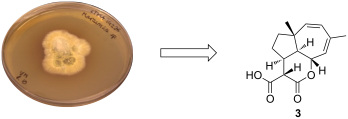
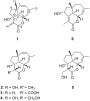
- metabolites exhibited very weak cytotoxic effects at the highest concentration, only 2, 4, and 6 displayed mild cytotoxicity, allowing for a determination of IC50 values, which ranged from 9.5–32 µg/mL. To our surprise, fulvoferruginin (1) displayed greater cytotoxic effects than previously reported (though
- for other cell lines) [8], which led us to assess its cytotoxicity further against different carcinoma cell lines. The IC50 values of compound 1 range from 0.06–0.7 µg/mL for all tested cell lines (Table S2 in Supporting Information File 1). Discussion The lack of bioactivity for metabolites 2–6 can
- be attributed to an absence of the α-methylene lactone unit present in fulvoferruginin (1). Nevertheless, the cytotoxicity detected here for fulvoferruginin shows that re-evaluating the bioactivity of previously isolated basidiomycete metabolites in different bioassays can lead to unexpected results



Synthesis of 10-O-aryl-substituted berberine derivatives by Chan–Evans–Lam coupling and investigation of their DNA-binding properties
Beilstein J. Org. Chem. 2021, 17, 991–1000, doi:10.3762/bjoc.17.81
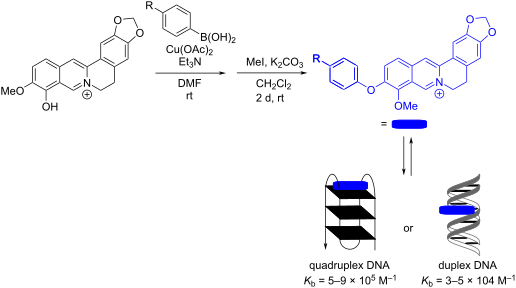
- , it has been found that berberine (1a) exhibits a selective cytotoxicity against cancer cells [12][13], which is mainly based on its DNA-binding properties [14]. Since the complexation with DNA leads to significant changes of the fluorescent quantum yields of the bound berberine, it can also be used


Enhanced target cell specificity and uptake of lipid nanoparticles using RNA aptamers and peptides
Beilstein J. Org. Chem. 2021, 17, 891–907, doi:10.3762/bjoc.17.75
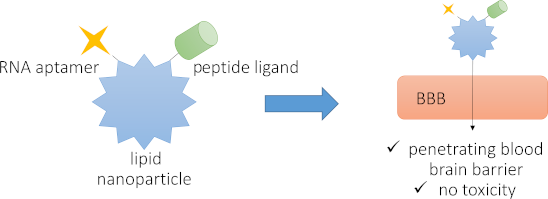
- average sizes of 57.3 nm and 91.9 nm, respectively, as well as a more negative ZP (−11 mV and −9.4 mV, respectively, Table 2). These ZP values indicate that complexation leads from a neutral to anionic LNP product [39], a property that typically confers with low to no cytotoxicity in vivo [40]. Further



Amino- and polyaminophthalazin-1(2H)-ones: synthesis, coordination properties, and biological activity
Beilstein J. Org. Chem. 2021, 17, 558–568, doi:10.3762/bjoc.17.50
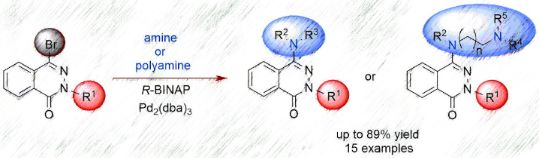
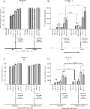
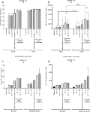
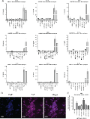
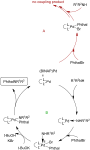
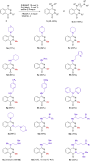
- properties of selected aminophthalazinones towards Cu(II) ions were investigated and the participation of the nitrogen atoms in the complexation of the metal ion was shown. A biological screening of the potential cytotoxicity of selected synthesized compounds on HT-29 and PC-3 cell lines, as well as on the L
- -929 cell line, proved that some amino derivatives of phthalazinone show interesting anticancer activities. The detailed synthesis, spectroscopic data, and biological assays are reported. Keywords: amination; complexes; cytotoxicity; Pd cross-coupling; phthalazinone; Introduction Phthalazine and its
- platinum disc electrode suggested that the [(L3)Cu(II)Cl2]/[(L3)Cu(I)Cl2] redox couple was formed. For more details, see Supporting Information File 2. Bioactivity Cytotoxicity analysis – MTT assay We used the MTT assay to evaluate compounds 5c, 5d, 5f, 5g, 6b, and 6d for their potential activity on






Chemical constituents of Chaenomeles sinensis twigs and their biological activity
Beilstein J. Org. Chem. 2020, 16, 3078–3085, doi:10.3762/bjoc.16.257
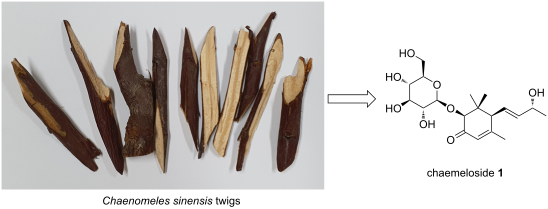
- effects including cytotoxicity against cancer cell lines, antineuroinflammatory activity, and potential neurotrophic effect were evaluated. Keywords: antineuroinflammation; Chaenomeles sinensis; cytotoxicity; megastigmane; neurotrophic effect; Introduction Chaenomeles sinensis (Thouin) Koehne (Rosaceae
- compounds 1–12 were evaluated for their cytotoxicity against four human tumor cell lines, antineuroinflammatory activity using lipopolysaccharide (LPS)-stimulated murine microglia BV-2 cell lines, and potential neurotrophic effects in C6 cells. Results and Discussion From the n-BuOH-soluble fraction of the
- continuing search for cytotoxic, antineuroinflammatory, and neurotrophic secondary metabolites from C. sinensis [13][14][15][21], the isolates (1–12) were tested for these biological activities. The cytotoxicity was evaluated on the basis of the growth inhibitory effects of the isolated compounds 1–12


Selected peptide-based fluorescent probes for biological applications
Beilstein J. Org. Chem. 2020, 16, 2971–2982, doi:10.3762/bjoc.16.247

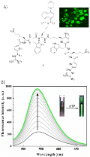
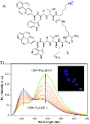
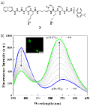
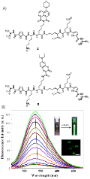
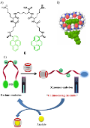
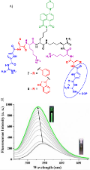
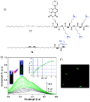
- intensity. Control studies confirmed that the tailor-made GCP moiety is crucial for selective recognition of 14-3-3 proteins. A high cell viability is observed for these two probes when tested with HeLa cell lines in cytotoxicity studies. β-Tryptase β-Tryptase is the predominant secretory granule-derived




Synthesis and investigation of quadruplex-DNA-binding, 9-O-substituted berberine derivatives
Beilstein J. Org. Chem. 2020, 16, 2795–2806, doi:10.3762/bjoc.16.230
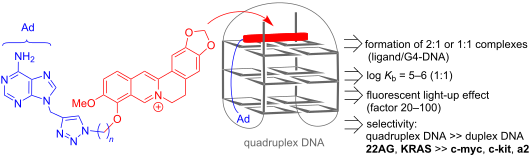
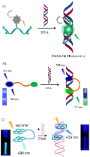
- several human cancer cells, but has only a relatively low cytotoxicity in healthy cells [31][32]. Berberine is also known as a G4-DNA ligand [33]. Especially berberine derivatives that carry additional substituents with varying alkyl chain lengths in the 9- and 13-position show enhanced binding properties


Bifurcated synthesis of methylene-lactone- and methylene-lactam-fused spirolactams via electrophilic amide allylation of γ-phenylthio-functionalized γ-lactams
Beilstein J. Org. Chem. 2020, 16, 2769–2775, doi:10.3762/bjoc.16.227
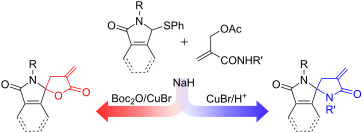
- understanding of the structure–cytotoxicity relationship [14]. Therefore, we were motivated to develop a new synthetic methodology for N-alkyl and N-phenyl derivatives 4 and 5 starting from 2 with 1. Results and Discussion Our studies began with an exploration of a promising substrate for the desired
- bearing an acrylamide side chain as a common intermediate. Finally, we subjected methylene-lactone-fused spirolactams to the assay of cytotoxicity on P388 cells (Figure 2). N-Methyl-substituted spirolactam 5c exhibited potent cytotoxicity (IC50 0.32 μg/mL) which was comparable to that of the N-acetyl
- analog E (0.16 μg/mL) [14]. It should be noted that the IC50 values of our recently reported non-conjugated lactone F [27] was >100 μg/mL. In addition to 5c, we tested the cytotoxicity of methylene-lactam-based compound 4o, which exhibited weak activity (IC50 12.4 μg/mL) against the P388 cell line. These

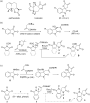


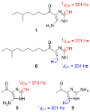
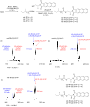
Nocarimidazoles C and D, antimicrobial alkanoylimidazoles from a coral-derived actinomycete Kocuria sp.: application of 1JC,H coupling constants for the unequivocal determination of substituted imidazoles and stereochemical diversity of anteisoalkyl chains in microbial metabolites
Beilstein J. Org. Chem. 2020, 16, 2719–2727, doi:10.3762/bjoc.16.222
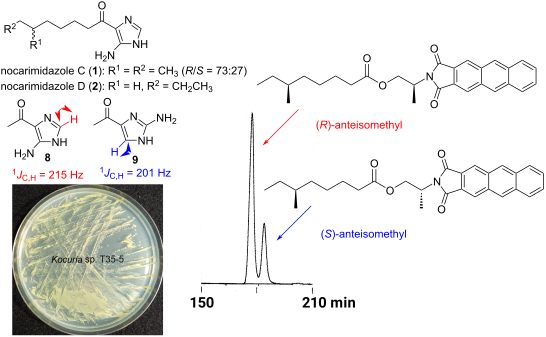
- 1 and 4 exhibited weak cytotoxicity against P388 murine leukemia cells, with an IC50 of 38 and 33 μM, respectively. Conclusion Alkanoylimidazoles, 4-acylated imidazoles of varying chain length and terminal branching, with occasional substitution at C-5 by an amino group, are an emerging class of
- 13.5 min), nocarimidazole B (4, 8.0 mg, tR 17.3 min) from fraction 4, and bulbimidazole A (5, 3.2 mg, tR 11.2 min) from fraction 5. Bioassays The antimicrobial activity was evaluated in a similar manner as previously reported [22]. The cytotoxicity against P388 murine leukemia cells was examined



Enzyme-instructed morphological transition of the supramolecular assemblies of branched peptides
Beilstein J. Org. Chem. 2020, 16, 2709–2718, doi:10.3762/bjoc.16.221

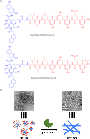
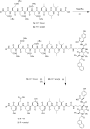
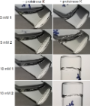
- concentrations, exhibit the same morphological appearances, agreeing with the statement that the nanofibers likely are made of Nap-ffky. Cytotoxicity, cell lysates, and protein delivery We investigated the cell compatibility of 1 and 2 by incubation with two kinds of mammalian cells, HeLa and Saos-2 cells, using




Host–guest interaction of cucurbit[8]uril with oroxin A and its effect on the properties of oroxin A
Beilstein J. Org. Chem. 2020, 16, 2332–2337, doi:10.3762/bjoc.16.194

- involve three main intermolecular forces: a hydrophobic effect, hydrogen bonding and ion–dipole interactions at the carbonyl portals [7][8][9]. The high thermal stability [10], ease of synthesis [11], general absence of cytotoxicity or toxicity [12][13] and their good molecular recognition and binding


Clustering and curation of electropherograms: an efficient method for analyzing large cohorts of capillary electrophoresis glycomic profiles for bioprocessing operations
Beilstein J. Org. Chem. 2020, 16, 2087–2099, doi:10.3762/bjoc.16.176
- fucosylation or increase in galactosylation is needed for either antibody dependent cell cytotoxicity [1][2] or complement-dependent cytotoxicity [3][4], respectively, whilst additionally, antibody mannosylation is important for clearance [5]. For these reasons, glycosylation is a critical quality attribute


Automated high-content imaging for cellular uptake, from the Schmuck cation to the latest cyclic oligochalcogenides
Beilstein J. Org. Chem. 2020, 16, 2007–2016, doi:10.3762/bjoc.16.167
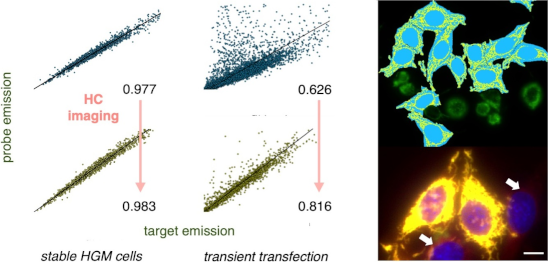
- ), here exemplified by asparagusic acid. A persistent challenge in this evolution is the simultaneous and quantitative detection of cytosolic delivery and cytotoxicity in a high-throughput format. Here, we show that the combination of the HaloTag-based chloroalkane penetration assay (CAPA) with automated
- results can be obtained from dose–response curves of the targeted delivery to selected cells and the cytotoxicity in the same experiment, even with poorly optimized cellular systems. Keywords: automation; cell-penetrating peptides; cellular uptake; cytosolic delivery; cytotoxicity; high-content imaging
- transfection results. In contrast to the linear Schmuck peptides, the inactivity of a bafilomycin treatment in gene transfection processes indicates the nonendocytic cellular uptake pathway. Among the central challenges with CPPs in general are the cytotoxicity and the endosomal capture, particularly with an




Three new O-isocrotonyl-3-hydroxybutyric acid congeners produced by a sea anemone-derived marine bacterium of the genus Vibrio
Beilstein J. Org. Chem. 2020, 16, 1869–1874, doi:10.3762/bjoc.16.154
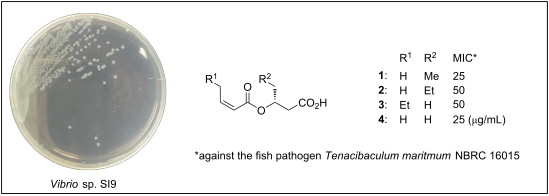
- (3), and 25 μg/mL (4), respectively. None of the compounds showed cytotoxicity against 3Y1 rat embryonic fibroblastic cells below 50 μg/mL. Conclusion In summary, the known O-isocrotonyl-3-hydroxybutyric acid (4) and its three new congeners with different alkyl chain lengths, O-isocrotonyl-3
- )-configuration of the 3-hydroxy acid components in 1–4. These compounds showed no cytotoxicity but were weakly antibacterial against a fish ulcer pathogen, Tenacibaculum maritimum. The (2Z)-enoic acyl termini in 1–4 are precedented by 5, discovered from another Vibrio bacterium, and the (R)-configured short
- . Antibacterial assay The antibacterial activity was evaluated by a microculture technique described previously [20], except for a 1:100 reduction of the seeding density of T. maritimum NBRC16015. Cytotoxicity assay 3Y1 rat embryonic fibroblastic cells were maintained in low-glucose DMEM medium containing ʟ


Antibacterial scalarane from Doriprismatica stellata nudibranchs (Gastropoda, Nudibranchia), egg ribbons, and their dietary sponge Spongia cf. agaricina (Demospongiae, Dictyoceratida)
Beilstein J. Org. Chem. 2020, 16, 1596–1605, doi:10.3762/bjoc.16.132
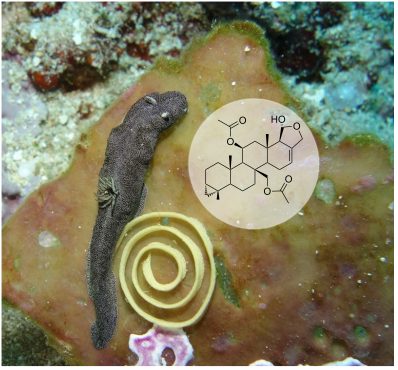
- sponge prey availability [41]. The isolated metabolites showed various biological activities, such as cytotoxicity, antimicrobial, antiviral and antitumor activities, inhibition of transactivation for the farnesoid X receptor, inhibition of mammalian phospholipase A2, and ichthyotoxicity against the



Anthelmintic drug discovery: target identification, screening methods and the role of open science
Beilstein J. Org. Chem. 2020, 16, 1203–1224, doi:10.3762/bjoc.16.105
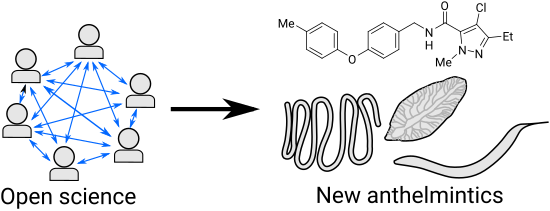
- activity, with IC50 value for the xL3 motility improved to 0.38 µM and for the L4 development to 0.7 nM, with a similar activity for the corresponding fluoropyrazole derivative 24. These latter two compounds 23 and 24 showed high selectivity for the parasite, with low or no cytotoxicity. The authors went





A cyclopeptide and three oligomycin-class polyketides produced by an underexplored actinomycete of the genus Pseudosporangium
Beilstein J. Org. Chem. 2020, 16, 1100–1110, doi:10.3762/bjoc.16.97
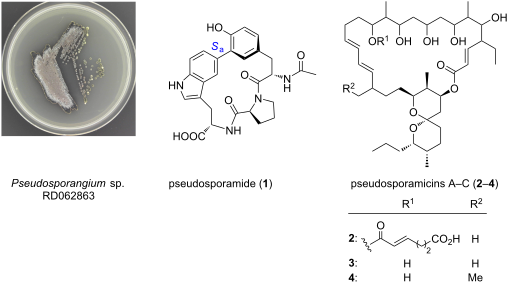
- Glomerella cingulata. All compounds showed moderate cytotoxicity against P388 murine leukemia cells with IC50 values in the micromolar to submicromolar ranges. These results exemplified the validity of phylogeny-focused strain selection combined with biosynthetic gene-directed genome mining for the efficient
- examined in antimicrobial and cytotoxicity assays (Table 3). Pseudosporamide (1) was not active against all microorganisms tested in this study. Pseudosporamicin 2–4 were selectively active against the Gram-positive bacterium Kocuria rhizophila and the filamentous fungus Glomerella cingulate, but were
- inactive against Staphylococcus aureus, Escherichia coli, Rhizobium radiobacter, and Candida albicans. The antimicrobial potency of 2 and 3 were similar, implying that the acyl side chain at C13 of compound 2 had no influence on the activity. In addition, compounds 1–4 showed moderate cytotoxicity against


Synthesis and anticancer activity of bis(2-arylimidazo[1,2-a]pyridin-3-yl) selenides and diselenides: the copper-catalyzed tandem C–H selenation of 2-arylimidazo[1,2-a]pyridine with selenium
Beilstein J. Org. Chem. 2020, 16, 1075–1083, doi:10.3762/bjoc.16.94
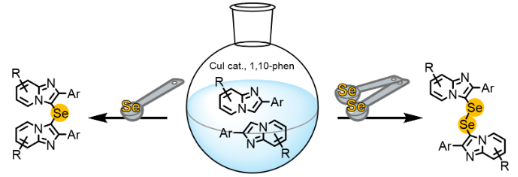
- appropriate quantity under otherwise identical reaction conditions. The prepared selenides and diselenides bearing two imidazo[1,2-a]pyridine rings were all novel compounds. Among the prepared diselenides and selenides that exhibited cytotoxicity against cancer cells, bis[2-(4-methoxyphenyl)imidazo[1,2-a
- ]pyridin-3-yl] diselenide showed an excellent anticancer activity and low cytotoxicity toward noncancer cells, suggesting that this diselenide is a potential lead compound for anticancer therapy. Keywords: anticancer activity; copper catalyst; diselenide; imidazopyridine; selenide; selenium; Introduction
- Figure 6, 2f also exhibited cytotoxicity against U251 human glioblastoma cells and HKBMM human malignant meningioma cells. Importantly, the diselenide 2f was more cytotoxic toward HeLa cancer cells than to human brain microvascular endothelial (HBME) cells, which are noncancerous (Figure 7). Hence, the


Efficient synthesis of piperazinyl amides of 18β-glycyrrhetinic acid
Beilstein J. Org. Chem. 2020, 16, 798–808, doi:10.3762/bjoc.16.73
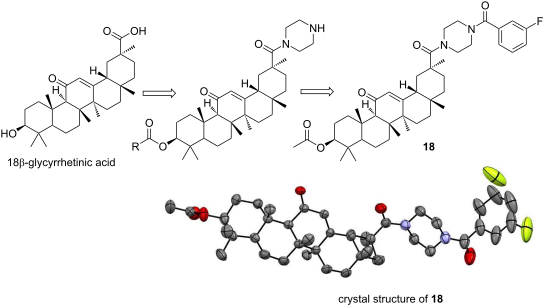
- modifications at the C3-OH group of 18β-glycyrrhetinic acid are identified to be relatively common and effective. The modification of the C3-OH group, altering the molecular polarity of 18β-glycyrrhetinic acid, may be an advantage in achieving better cytotoxicity or antiproliferative activity [8][9][10]. For


Combining enyne metathesis with long-established organic transformations: a powerful strategy for the sustainable synthesis of bioactive molecules
Beilstein J. Org. Chem. 2020, 16, 738–755, doi:10.3762/bjoc.16.68
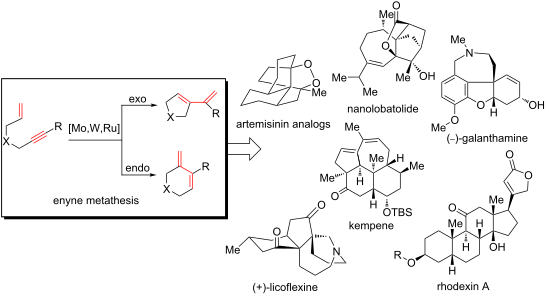
- constitute a broad family of natural macrolides that act as powerful cytotoxic agents against various cancer cell lines. Due to the stereochemical intricacy and high cytotoxicity, these compounds have attracted a great deal of attention from synthetic chemists. The application of an intermolecular enyne
- highly critical parameter for their activity, while certain alterations of the side chain do not affect the cytotoxicity to a notable extent. Anthramycin In an interesting approach to the protected precursor 8 of (+)-anthramycin (8a), a compound with strong antitumor activity having a




Two antibacterial and PPARα/γ-agonistic unsaturated keto fatty acids from a coral-associated actinomycete of the genus Micrococcus
Beilstein J. Org. Chem. 2020, 16, 297–304, doi:10.3762/bjoc.16.29
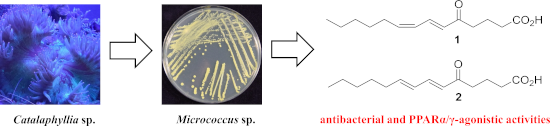
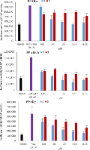
- cytotoxicity against murine leukemia P388 cells at 100 µM. Additionally, compounds 1 and 2 were evaluated for agonist activity to peroxisome proliferator-activated receptors (PPARs) because similar oxo fatty acids are known to act as PPAR agonists [42]. PPARs are ligand-activated transcription factors playing
- . The tests were done in triplicates, and the absorbance at a wavelength of 650 nm was measured with the help of a microplate reader. Cytotoxicity assay The cytotoxicity assay was carried out in a similar manner as described in [17]. P388 murine leukemia cells were maintained in RPMI-1640 medium


Potent hemithioindigo-based antimitotics photocontrol the microtubule cytoskeleton in cellulo
Beilstein J. Org. Chem. 2020, 16, 125–134, doi:10.3762/bjoc.16.14
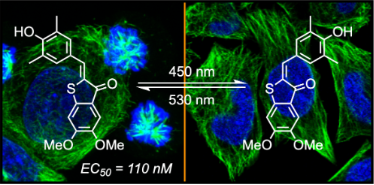
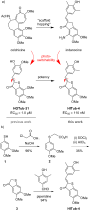
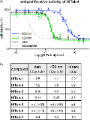
- future in vivo studies. We also noted that the para-hydroxy HITubs featured ca. 30% residual (Z)-HITub at PSS λ = 450 nm in cell-free measurements, and that for HITub-2–4, the PSS isomer mixture's cellular cytotoxicity at that wavelength was on average 3.3-fold lower than the cytotoxicity of the





Photocontrolled DNA minor groove interactions of imidazole/pyrrole polyamides
Beilstein J. Org. Chem. 2020, 16, 60–70, doi:10.3762/bjoc.16.8
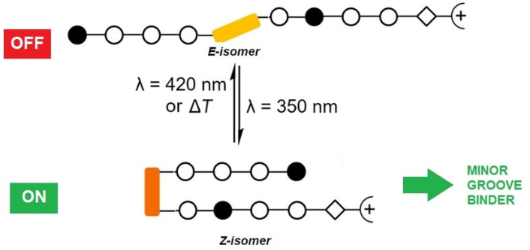
- to modulate gene expression in an organism has attracted considerable interest in molecular medicine [1]. However, the missing selectivity of chemical agents, such as chemotherapeutics, often results in undesirable cytotoxicity, harming healthy cells, and thereby inducing a multitude of side effects



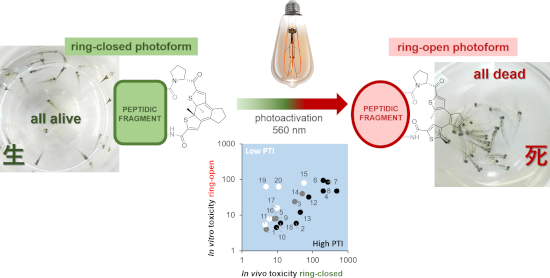
Light-controllable dithienylethene-modified cyclic peptides: photoswitching the in vivo toxicity in zebrafish embryos
Beilstein J. Org. Chem. 2020, 16, 39–49, doi:10.3762/bjoc.16.6
- , we noticed that there was generally a poor correlation between the antibacterial activity on the one side, and the cytotoxicity against HeLa cells on the other side, and erythrocytes as a third scenario. Different compounds could thus be regarded as potential leads for chemotherapy of either
- cells may not be the leading cause of in vivo toxicity for these membranolytic peptides. Based on the results described above, we wondered whether the cytotoxicity against epithelial cells should be considered as an important safety aspect for applications in humans, and whether it should be monitored
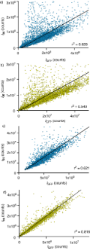
- such comparisons are known for peptides or peptidomimetics. When plotting the D. rerio embryotoxicity LD50 values of the ring-open (activated, ON) photoforms against the in vitro HeLa cytotoxicity indicators, namely against IC50 [30] of the ring-closed (deactivated, OFF) photoforms (Figure 5A), the


Pigmentosins from Gibellula sp. as antibiofilm agents and a new glycosylated asperfuran from Cordyceps javanica
Beilstein J. Org. Chem. 2019, 15, 2968–2981, doi:10.3762/bjoc.15.293
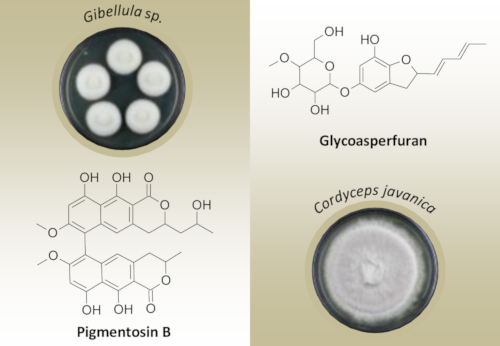
- cholesterol acyltransferase (ACAT) inhibitors [35], insecticides, antimicrobial agents, and immunomodulators [36]. In the current study, beauverolide N (4) displayed weak antibiofilm activity against S. aureus DSM1104 (MIC 250 μg/mL) and weak cytotoxicity against KB3.1 cells (IC50 16 μg/mL), while
- against Caenorhabditis elegans was investigated using a microtiter plate assay according to Helaly and co-workers [9], while the cytotoxicity was tested against murine fibroblast (L929) and human HeLa (KB3.1) cell lines according to Chepkirui and co-workers [50]. The isolated compounds were also tested
- Department in Thailand is gratefully acknowledged for permission to conduct a study in the protected area. We also thank Wera Collisi, Christel Kakoschke, and Donnaya Thanakitpipattana for conducting the cytotoxicity assay, NMR spectroscopic measurements, and providing some sequence data, respectively