


Search results
Search for "single electron transfer" in Full Text gives 145 result(s) in Beilstein Journal of Organic Chemistry.
One hundred years of benzotropone chemistry
- Arif Dastan,
- Haydar Kilic and
- Nurullah Saracoglu
Beilstein J. Org. Chem. 2018, 14, 1120–1180, doi:10.3762/bjoc.14.98
- single-electron-transfer-based oxidation processes of 162 gave 12 in 60% yield. 3.1.2. Other synthetic approaches: A convenient synthesis of 2,3-benzotropone (12) from α-tetralone (171) by ring expansion was performed by Sato’s group (Scheme 31) [140]. First, 1-ethoxy-3,4-dihydronaphthalene (172) was

Graphical Abstract

Scheme 1: Tropone (1), tropolone (2) and their resonance structures.

Figure 1: Natural products containing a tropone nucleus.

Figure 2: Possible isomers 11–13 of benzotropone.

Scheme 2: Synthesis of benzotropones 11 and 12.

Scheme 3: Oxidation products of benzotropylium fluoroborate (16).

Scheme 4: Oxidation of 7-bromo-5H-benzo[7]annulene (22).

Scheme 5: Synthesis of 4,5-benzotropone (11) using o-phthalaldehyde (27).

Scheme 6: Synthesis of 4,5-benzotropone (11) starting from oxobenzonorbornadiene 31.

Scheme 7: Acid-catalyzed cleavage of oxo-bridge of 34.

Scheme 8: Synthesis of 4,5-benzotropone (11) from o-xylylene dibromide (38).

Scheme 9: Synthesis of 4,5-benzotropone (11) via the carbene adduct 41.

Scheme 10: Heck coupling strategy for the synthesis of 11.

Scheme 11: Synthesis of benzofulvalenes via carbonyl group of 4,5-benzotropone (11).

Figure 3: Some cycloheptatrienylium cations.

Scheme 12: Synthesis of condensation product 63 and its subsequent oxidative cyclization products.

Figure 4: A novel series of benzo[7]annulenes prepared from 4,5-benzotropone (11).

Scheme 13: Preparation of substituted benzo[7]annulene 72 using the Mukaiyama-Michael reaction.

Figure 5: Possible benzo[7]annulenylidenes 73–75.

Scheme 14: Thermal and photochemical decomposition of 7-diazo-7H-benzo[7]annulene (76) and the trapping of int...

Scheme 15: Synthesis of benzoheptafulvalene 86.

Scheme 16: Synthesis of 7-(diphenylmethylene)-7H-benzo[7]annulene (89).

Scheme 17: Reaction of 4,5-benzotropone (11) with dimethyl diazomethane.

Scheme 18: Synthesis of dihydrobenzomethoxyazocine 103.

Scheme 19: Synthesis and reducibility of benzo-homo-2-methoxyazocines.

Scheme 20: Synthesis of 4,5-benzohomotropones 104 and 115 from 4,5-benzotropones 11 and 113.

Scheme 21: A catalytic deuterogenation of 4,5-benzotropone (11) and synthesis of 5-monosubstituted benzo[7]ann...

Scheme 22: Synthesis of methyl benzo[7]annulenes 131 and 132.

Scheme 23: Ambident reactivity of halobenzo[7]annulenylium cations 133a/b.

Scheme 24: Preparation of benzo[7]annulenylidene–iron complexes 147.

Scheme 25: Synthesis of 1-ethynylbenzotropone (150) and the etheric compound 152 from 4,5-benzotropone (11) wi...

Scheme 26: Thermal decomposition of 4,5-benzotropone (11).

Scheme 27: Reaction of 4,5-benzotropone (11) with 1,2-ethanediol and 1,2-ethanedithiol.

Scheme 28: Conversions of 1-benzosuberone (162) to 2,3-benzotropone (12).

Scheme 29: Synthesis strategies for 2,3-bezotropone (12) using 1-benzosuberones.

Scheme 30: Oxidation-based synthesis of 2,3-benzotropone (12) via 1-benzosuberone (162).

Scheme 31: Synthesis of 2,3-benzotropone (12) from α-tetralone (171) via ring-expansion.

Scheme 32: Preparation of 2,3-benzotropone (12) by using of benzotropolone 174.

Figure 6: Benzoheptafulvenes as condensation products of 2,3-benzotropone (12).

Scheme 33: Conversion of 2,3-benzotropone (12) to tosylhydrazone salt 182 and gem-dichloride 187.

Figure 7: Benzohomoazocines 191–193 and benzoazocines 194–197.

Scheme 34: From 2,3-benzotropone (12) to carbonium ions 198–201.

Scheme 35: Cycloaddition reactions of 2,3-benzotropone (12).
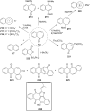
Scheme 36: Reaction of 2,3-benzotropone (12) with various reagents and compounds.

Figure 8: 3,4-Benzotropone (13) and its resonance structure.

Scheme 37: Synthesis of 6,7-benzobicyclo[3.2.0]hepta-3,6-dien-2-one (230).

Figure 9: Photolysis and thermolysis products of 230.

Figure 10: Benzotropolones and their tautomeric structures.

Scheme 38: Synthesis strategies of 4,5-benzotropolone (238).

Scheme 39: Synthesis protocol for 2-hydroxy-4,5-benzotropone (238) using oxazole-benzo[7]annulene 247.

Figure 11: Some quinoxaline and pyrazine derivatives 254–256 prepared from 4,5-benzotropolone (238).

Scheme 40: Nitration product of 4,5-benzotropolone (238) and its isomerization to 1-nitro-naphthoic acid (259)....

Scheme 41: Synthesis protocol for 6-hydroxy-2,3-benzotropone (239) from benzosuberone (162).
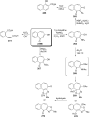
Scheme 42: Various reactions via 6-hydroxy-2,3-benzotropone (239).

Scheme 43: Photoreaction of 6-hydroxy-2,3-benzotropone (239).

Scheme 44: Synthesis of 7-hydroxy-2,3-benzotropone (241) from benzosuberone (162).

Scheme 45: Synthesis strategy for 7-hydroxy-2,3-benzotropone (241) from ketone 276.

Scheme 46: Synthesis of 7-hydroxy-2,3-benzotropone (241) from β-naphthoquinone (280).

Scheme 47: Synthesis of 7-hydroxy-2,3-benzotropone (241) from bicyclic endoperoxide 213.

Scheme 48: Synthesis of 7-hydroxy-2,3-benzotropone (241) by ring-closing metathesis.

Figure 12: Various monosubstitution products 289–291 of 7-hydroxy-2,3-benzotropone (241).

Scheme 49: Reaction of 7-hydroxy-2,3-benzotropone (241) with various reagents.

Scheme 50: Synthesis of 4-hydroxy-2,3-benzotropones 174 and 304 from diketones 300/301.

Scheme 51: Catalytic hydrogenation of diketones 300 and 174.

Scheme 52: Synthesis of halo-benzotropones from alkoxy-naphthalenes 306, 307 and 310.

Figure 13: Unexpected byproducts 313–315 during synthesis of chlorobenzotropone 309.

Figure 14: Some halobenzotropones and their cycloadducts.

Scheme 53: Multisep synthesis of 2-chlorobenzotropone 309.

Scheme 54: A multistep synthesis of 2-bromo-benzotropone 26.

Scheme 55: A multistep synthesis of bromo-2,3-benzotropones 311 and 316.

Scheme 56: Oxidation reactions of 8-bromo-5H-benzo[7]annulene (329) with some oxidants.

Scheme 57: Synthesis of 2-bromo-4,5-benzotropone (26).

Scheme 58: Synthesis of 6-chloro-2,3-benzotropone (335) using LiCl and proposed intermediate 336.

Scheme 59: Reaction of 7-bromo-2,3-benzotropone (316) with methylamine.

Scheme 60: Reactions of bromo-2,3-benzotropones 26 and 311 with dimethylamine.

Scheme 61: Reactions of bromobenzotropones 311 and 26 with NaOMe.

Scheme 62: Reactions of bromobenzotropones 26 and 312 with t-BuOK in the presence of DPIBF.

Scheme 63: Cobalt-catalyzed reductive cross-couplings of 7-bromo-2,3-benzotropone (316) with cyclic α-bromo en...

Figure 15: Cycloadduct 357 and its di-π-methane rearrangement product 358.

Scheme 64: Catalytic hydrogenation of 2-chloro-4,5-benzotropone (311).

Scheme 65: Synthesis of dibromo-benzotropones from benzotropones.

Scheme 66: Bromination/dehydrobromination of benzosuberone (162).

Scheme 67: Some transformations of isomeric dibromo-benzotropones 261A/B.

Scheme 68: Transformations of benzotropolone 239B to halobenzotropolones 369–371.

Figure 16: Bromobenzotropolones 372–376 and 290 prepared via bromination/dehydrobromination strategy.

Scheme 69: Synthesis of some halobenzotropolones 289, 377 and 378.

Figure 17: Bromo-chloro-derivatives 379–381 prepared via chlorination.

Scheme 70: Synthesis of 7-iodo-3,4-benzotropolone (382).

Scheme 71: Hydrogenation of bromobenzotropolones 369 and 370.

Scheme 72: Debromination reactions of mono- and dibromides 290 and 375.

Figure 18: Nitratation and oxidation products of some halobenzotropolenes.
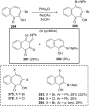
Scheme 73: Azo-coupling reactions of some halobenzotropolones 294, 375 and 378.

Figure 19: Four possible isomers of dibenzotropones 396–399.

Figure 20: Resonance structures of tribenzotropone (400).

Scheme 74: Two synthetic pathways for tribenzotropone (400).

Scheme 75: Synthesis of tribenzotropone (400) from dibenzotropone 399.

Scheme 76: Synthesis of tribenzotropone (400) from 9,10-phenanthraquinone (406).

Scheme 77: Synthesis of tribenzotropone (400) from trifluoromethyl-substituted arene 411.

Figure 21: Dibenzosuberone (414).

Figure 22: Reduction products 415 and 416 of tribenzotropone (400).

Figure 23: Structures of tribenzotropone dimethyl ketal 417 and 4-phenylfluorenone (412) and proposed intermed...

Figure 24: Structures of benzylidene- and methylene-9H-tribenzo[a,c,e][7]annulenes 419 and 420 and chiral phos...

Figure 25: Structures of tetracyclic alcohol 422, p-quinone methide 423 and cation 424.

Figure 26: Structures of host molecules 425–427.

Scheme 78: Synthesis of non-helical overcrowded derivatives syn/anti-431.

Figure 27: Hexabenzooctalene 432.

Figure 28: Structures of possible eight isomers 433–440 of naphthotropone.

Scheme 79: Synthesis of naphthotropone 437 starting from 1-phenylcycloheptene (441).

Scheme 80: Synthesis of 10-hydroxy-11H-cyclohepta[a]naphthalen-11-one (448) from diester 445.

Scheme 81: Synthesis of naphthotropone 433.

Scheme 82: Synthesis of naphthotropones 433 and 434 via cycloaddition reaction.

Scheme 83: Synthesis of naphthotropone 434 starting from 452.

Figure 29: Structures of tricarbonyl(tropone)irons 458, and possible cycloadducts 459.

Scheme 84: Synthesis of naphthotropone 436.

Scheme 85: Synthesis of precursor 465 for naphthotropone 435.

Scheme 86: Generation of naphthotropone 435 from 465.

Figure 30: Structures of tropylium cations 469 and 470.

Figure 31: Structures of tropylium ions 471+.BF4−, 472+.BF4−, and 473+.BF4−.

Scheme 87: Synthesis of tropylium ions 471+.BF4− and 479+.ClO4−.

Scheme 88: Synthesis of 1- and 2-methylanthracene (481 and 482) via carbene–carbene rearrangement.

Figure 32: Trapping products 488–490.

Scheme 89: Generation and chemistry of a naphthoannelated cycloheptatrienylidene-cycloheptatetraene intermedia...

Scheme 90: Proposed intermediates and reaction pathways for adduct 498.

Scheme 91: Exited-state intramolecular proton transfer of 505.

Figure 33: Benzoditropones 506 and 507.

Scheme 92: Synthesis of benzoditropone 506e.

Scheme 93: Synthetic approaches for dibenzotropone 507 via tropone (1).

Scheme 94: Formation mechanisms of benzoditropone 507 and 516 via 515.

Scheme 95: Synthesis of benzoditropones 525 and 526 from pyromellitic dianhydride (527).

Figure 34: Possible three benzocyclobutatropones 534–536.

Scheme 96: Synthesis of benzocyclobutatropones 534 and 539.

Scheme 97: Synthesis attempts for benzocyclobutatropone 545.

Scheme 98: Generation and trapping of symmetric benzocyclobutatropone 536.

Scheme 99: Synthesis of chloro-benzocyclobutatropone 552 and proposed mechanism of fluorenone derivatives.

Scheme 100: Synthesis of tropolone analogue 559.

Scheme 101: Synthesis of tropolones 561 and 562.

Figure 35: o/p-Tropoquinone rings (563 and 564) and benzotropoquinones (565–567).

Scheme 102: Synthesis of benzotropoquinone 566.

Scheme 103: Synthesis of benzotropoquinone 567 via a Diels–Alder reaction.

Figure 36: Products 575–577 through 1,2,3-benzotropoquinone hydrate 569.

Scheme 104: Structures 578–582 prepared from tropoquinone 567.

Figure 37: Two possible structures 583 and 584 for dibenzotropoquinone, and precursor compound 585 for 583.
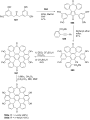
Scheme 105: Synthesis of saddle-shaped ketone 592 using dibenzotropoquinone 584.
Selective carboxylation of reactive benzylic C–H bonds by a hypervalent iodine(III)/inorganic bromide oxidation system
- Toshifumi Dohi,
- Shohei Ueda,
- Kosuke Iwasaki,
- Yusuke Tsunoda,
- Koji Morimoto and
- Yasuyuki Kita
Beilstein J. Org. Chem. 2018, 14, 1087–1094, doi:10.3762/bjoc.14.94
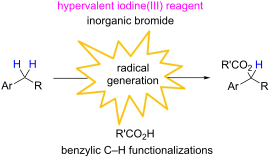
- single-electron-transfer (SET) reactivities [33][34][35][36][37] allow selective activation of the benzylic C(sp3)–H bond for oxidative functionalization and coupling reactions. Initially, the SET oxidation ability of pentavalent iodine reagents, especially o-iodoxybenzoic acid (IBX), in benzylic

Graphical Abstract

Scheme 1: Hypervalent iodine(III)-induced benzylic C–H functionalization for oxidative coupling with carboxyl...

Scheme 2: Radical reactivities of the I(III)–Br bond generated from PIDA.

Scheme 3: Benzylic C–H carboxylations by the iodosobenzene/NaBr system.

Scheme 4: Outline of the proposed reaction mechanism for the PIDA/NaBr system.

Scheme 5: Reaction of benzyl bromide 2h’ under radical C–H acetoxylation conditions.
Polysubstituted ferrocenes as tunable redox mediators
- Sven D. Waniek,
- Jan Klett,
- Christoph Förster and
- Katja Heinze
Beilstein J. Org. Chem. 2018, 14, 1004–1015, doi:10.3762/bjoc.14.86
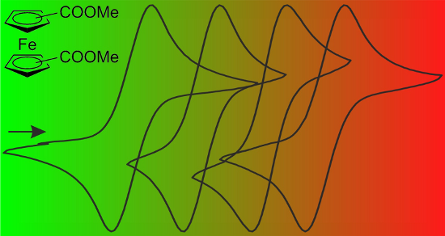
- (ferrocenylmethyl)ammonium salts acting as catholytes. Ferrocene dicarboxylic acid has been described as mediator for the voltammetric determination of glutathione in hemolized erythrocytes [16]. (Substituted) ferrocenium salts were successfully employed as single-electron transfer (SET) reagents in organic

Graphical Abstract

Scheme 1: Selected transformations with ferrocene/ferrocenium as SET reagents (a) [27], catalyzed (b,c) [29-31] and medi...

Scheme 2: Methyl esters of ferrocene carboxylic acids 1 [45,46], 2 [47-49], 2a [50], 2b [51,52], 3, 4 [54] and pseudo octahedral high-spin...

Figure 1: Normalized cyclic voltammograms for anodic sweeps of 1–4 in CH2Cl2/[n-Bu4N][B(C6F5)4] (scan rate 10...

Figure 2: Electrochemical potentials E1/2 (vs FcH/FcH+) of esters 1–4 versus sum of Hammett values ∑σp/m with...

Figure 3: a) Partial ATR IR spectra (transmission normalized, C=O stretching vibration region) of solids 1–4....

Figure 4: IR spectroelectrochemical oxidation of 3 to 3+ in CH2Cl2/[n-Bu4N][B(C6F5)4] (C=O stretching vibrati...

Figure 5: a) Normalized UV–vis spectra of 1–4 in CH2Cl2. b) Normalized UV–vis absorptions of 1+–4+ in CH2Cl2/[...

Figure 6: Absorption energy E of ferrocene bands of 1–4 (a) and energies of the low energy absorption maxima ...

Figure 7: UV–vis spectroelectrochemical oxidation of 3 in CH2Cl2/[n-Bu4N][B(C6F5)4] (0–1.1 V vs Ag pseudo ref...

Figure 8: 1H NMR oxidation titration of 3 in CD2Cl2 with [N(2,4-C6H3Br2)3]+ as oxidant. a[N(2,4-C6H3Br2)3]. b...
Cobalt-catalyzed directed C–H alkenylation of pivalophenone N–H imine with alkenyl phosphates
- Wengang Xu and
- Naohiko Yoshikai
Beilstein J. Org. Chem. 2018, 14, 709–715, doi:10.3762/bjoc.14.60
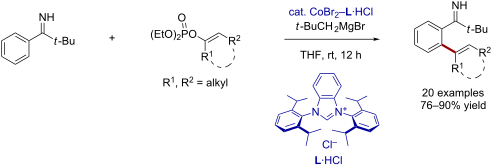
- . The species B would then undergo a single-electron transfer (SET) to the alkenyl phosphate 2 to generate a pair of an oxidized cobaltacycle B+ and a radical anion 2•−. This would be followed by the elimination of a phosphate anion and immediate recombination of the cobalt center and the alkenyl

Graphical Abstract

Scheme 1: Cobalt–NHC-catalyzed C–H alkenylation reactions with alkenyl electrophiles.

Scheme 2: Reaction of substituted pivalophenone N–H imines with 2a. aThe major regioisomer is shown (rr = reg...

Scheme 3: Reaction of 1a with various alkenyl phosphates. aA mixture of E- and Z-alkenyl phosphate (ca. 1:1) ...

Scheme 4: The cyclization of o-alkenylpivalophenone N–H imine.

Scheme 5: Proposed catalytic cycle (R = t-BuCH2, R' = P(O)(OEt)2).
Stepwise radical cation Diels–Alder reaction via multiple pathways
- Ryo Shimizu,
- Yohei Okada and
- Kazuhiro Chiba
Beilstein J. Org. Chem. 2018, 14, 704–708, doi:10.3762/bjoc.14.59
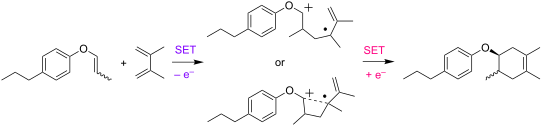
- two distinctive pathways, including “direct” and “indirect”, are possible to construct the Diels–Alder adduct. Keywords: Diels–Alder reaction; radical cation; rearrangement; single electron transfer; stepwise; Introduction Umpolung, also known as polarity inversion, is a powerful approach in
- synthetic organic chemistry to trigger reactions that are otherwise difficult or impossible. In an umpolung reaction, the normal reactivity of the molecules being studied is reversed, e.g., electrophilicity is generated from a nucleophile. The single electron transfer (SET) process has been recognized as

Graphical Abstract

Scheme 1: Radical cation Diels–Alder reaction of trans-anethole [17].

Scheme 2: Radical cation Diels–Alder reactions of aryl vinyl ether and sulfides [17,25].

Scheme 3: Radical cation Diels–Alder reaction of aryl vinyl ether (1). Conditions: 1.0 M LiClO4/CH3NO2, carbo...

Scheme 4: Oxidative SET-triggered reaction of aryl vinyl ether 1c. Conditions: 1.0 M LiClO4/CH3NO2, carbon fe...

Figure 1: GC–MS Monitoring of the oxidative SET-triggered reaction of aryl vinyl ether 1c.

Scheme 5: Oxidative SET-triggered rearrangement of vinyl cyclobutane 4. Conditions: 1.0 M LiClO4/CH3NO2, carb...

Scheme 6: Unsuccessful rearrangement of cyclobutanes. Conditions: 1.0 M LiClO4/CH3NO2, carbon felt electrodes...

Scheme 7: Proposed mechanism for the radical cation Diels–Alder reaction of aryl vinyl ether 1.
Investigating radical cation chain processes in the electrocatalytic Diels–Alder reaction
- Yasushi Imada,
- Yohei Okada and
- Kazuhiro Chiba
Beilstein J. Org. Chem. 2018, 14, 642–647, doi:10.3762/bjoc.14.51
- -8588, Japan 10.3762/bjoc.14.51 Abstract Single electron transfer (SET)-triggered radical ion-based reactions have proven to be powerful options in synthetic organic chemistry. Although unique chain processes have been proposed in various photo- and electrochemical radical ion-based transformations
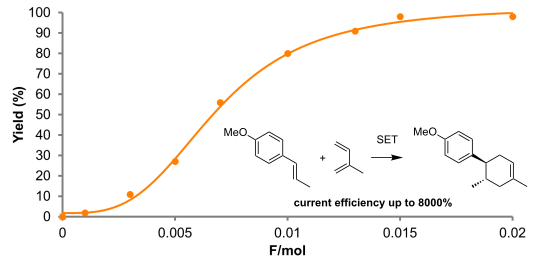
- efficiency of up to 8000%. The reaction monitoring profiles showed sigmoidal curves with induction periods, suggesting the involvement of intermediate(s) in the rate determining step. Keywords: chain process; Diels–Alder reaction; electrocatalytic; radical cation; single electron transfer; Introduction
- Recently, radical ion reactivity has received great attention in the field of synthetic organic chemistry. The single electron transfer (SET) strategy is the key to generating radical ions, which provide powerful intermediates for bond formations. Photo- [1][2][3][4][5][6] and electrochemistry [7][8][9][10

Graphical Abstract

Scheme 1: SET-triggered Diels–Alder reaction of trans-anethole (1) and isoprene (2).

Figure 1: Plausible mechanism for the electrocatalytic Diels–Alder reaction. Adapted from [22].

Scheme 2: Undesired dimerization of trans-anethole (1).

Figure 2: GC–MS monitoring of the electrocatalytic Diels–Alder reaction (1: 300 mM; 2: 3000 mM).

Figure 3: GC–MS monitoring of the electrocatalytic Diels–Alder reaction (1: 1 mM; 2: 2000 mM).

Figure 4: GC–MS monitoring of the electrocatalytic Diels–Alder reaction (1: 2 M; 2: 6 M). Blue dots show the ...
Progress in copper-catalyzed trifluoromethylation
- Guan-bao Li,
- Chao Zhang,
- Chun Song and
- Yu-dao Ma
Beilstein J. Org. Chem. 2018, 14, 155–181, doi:10.3762/bjoc.14.11
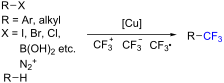
- NMR spectroscopy and ESIMS. It was proposed that [CuCF3] was generated through reduction of S-(trifluoromethyl)diphenylsulfonium triflate by Cu0 through a single-electron transfer (SET) process (Scheme 3). In 2015, the group of Lu and Shen [16] developed a new electrophilic trifluoromethylation
- this conversion. A plausible mechanism is proposed in Scheme 24. First, the CF3 radical, generated from Umemoto’s reagent through copper-mediated single electron transfer (SET), reacts with copper affording CuCF3. Second, Ar–CF3 was formed by the reaction of CuCF3 with the aryl radical derived from the
- , generated through copper-mediated single electron transfer from diazonium salt A, released nitrogen gas affording the aryl radical C. On the other hand, the CF3 radical was generated through the reaction of TBHP with NaSO2CF3 in the presence of Cu(I) species. Then, the CF3 radical reacted with the Cu(I

Graphical Abstract

Figure 1: Selected examples of pharmaceutical and agrochemical compounds containing the trifluoromethyl group....

Scheme 1: Introduction of a diamine into copper-catalyzed trifluoromethylation of aryl iodides.
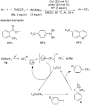
Scheme 2: Addition of a Lewis acid into copper-catalyzed trifluoromethylation of aryl iodides and the propose...

Scheme 3: Trifluoromethylation of heteroaromatic compounds using S-(trifluoromethyl)diphenylsulfonium salts a...

Scheme 4: The preparation of a new trifluoromethylation reagent and its application in trifluoromethylation o...

Scheme 5: Trifluoromethylation of aryl iodides using CF3CO2Na as a trifluoromethyl source.

Scheme 6: Trifluoromethylation of aryl iodides using MTFA as a trifluoromethyl source.

Scheme 7: Trifluoromethylation of aryl iodides using CF3CO2K as a trifluoromethyl source.
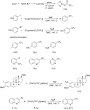
Scheme 8: Trifluoromethylation of aryl iodides and heteroaryl bromides using [Cu(phen)(O2CCF3)] as a trifluor...

Scheme 9: Trifluoromethylation of aryl iodides with DFPB and the proposed mechanism.

Scheme 10: Trifluoromethylation of aryl iodides using TCDA as a trifluoromethyl source. Reaction conditions: [...

Scheme 11: The mechanism of trifluoromethylation using Cu(II)(O2CCF2SO2F)2 as a trifluoromethyl source.

Scheme 12: Trifluoromethylation of benzyl bromide reported by Shibata’s group.

Scheme 13: Trifluoromethylation of allylic halides and propargylic halides reported by the group of Nishibayas...

Scheme 14: Trifluoromethylation of propargylic halides reported by the group of Nishibayashi.

Scheme 15: Trifluoromethylation of alkyl halides reported by Nishibayashi’s group.

Scheme 16: Trifluoromethylation of pinacol esters reported by the group of Gooßen.

Scheme 17: Trifluoromethylation of primary and secondary alkylboronic acids reported by the group of Fu.

Scheme 18: Trifluoromethylation of boronic acid derivatives reported by the group of Liu.

Scheme 19: Trifluoromethylation of organotrifluoroborates reported by the group of Huang.

Scheme 20: Trifluoromethylation of aryl- and vinylboronic acids reported by the group of Shibata.

Scheme 21: Trifluoromethylation of arylboronic acids via the merger of photoredox and Cu catalysis.

Scheme 22: Trifluoromethylation of arylboronic acids reported by Sanford’s group. Isolated yield. aYields dete...

Scheme 23: Trifluoromethylation of arylboronic acids and vinylboronic acids reported by the group of Beller. Y...

Scheme 24: Copper-mediated Sandmeyer type trifluoromethylation using Umemoto’s reagent as a trifluoromethylati...

Scheme 25: Copper-mediated Sandmeyer type trifluoromethylation using TMSCF3 as a trifluoromethylation reagent ...

Scheme 26: One-pot Sandmeyer trifluoromethylation reported by the group of Gooßen.

Scheme 27: Copper-catalyzed trifluoromethylation of arenediazonium salts in aqueous media.
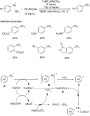
Scheme 28: Copper-mediated Sandmeyer trifluoromethylation using Langlois’ reagent as a trifluoromethyl source ...

Scheme 29: Trifluoromethylation of terminal alkenes reported by the group of Liu.

Scheme 30: Trifluoromethylation of terminal alkenes reported by the group of Wang.

Scheme 31: Trifluoromethylation of tetrahydroisoquinoline derivatives reported by Li and the proposed mechanis...
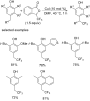
Scheme 32: Trifluoromethylation of phenol derivatives reported by the group of Hamashima.
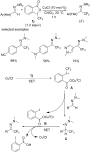
Scheme 33: Trifluoromethylation of hydrazones reported by the group of Baudoin and the proposed mechanism.

Scheme 34: Trifluoromethylation of benzamides reported by the group of Tan.
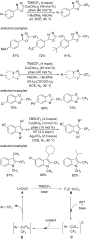
Scheme 35: Trifluoromethylation of heteroarenes and electron-deficient arenes reported by the group of Qing an...

Scheme 36: Trifluoromethylation of N-aryl acrylamides using CF3SO2Na as a trifluoromethyl source.
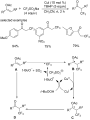
Scheme 37: Trifluoromethylation of aryl(heteroaryl)enol acetates using CF3SO2Na as the source of CF3 and the p...

Scheme 38: Trifluoromethylation of imidazoheterocycles using CF3SO2Na as a trifluoromethyl source and the prop...

Scheme 39: Copper-mediated trifluoromethylation of terminal alkynes using TMSCF3 as a trifluoromethyl source a...

Scheme 40: Improved copper-mediated trifluoromethylation of terminal alkynes reported by the group of Qing.

Scheme 41: Copper-catalyzed trifluoromethylation of terminal alkynes reported by the group of Qing.
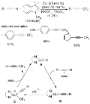
Scheme 42: Copper-catalyzed trifluoromethylation of terminal alkynes using Togni’s reagent and the proposed me...

Scheme 43: Copper-catalyzed trifluoromethylation of terminal alkynes using Umemoto’s reagent reported by the g...
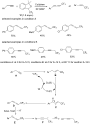
Scheme 44: Copper-catalyzed trifluoromethylation of 3-arylprop-1-ynes reported by Xiao and Lin and the propose...
Photocatalytic formation of carbon–sulfur bonds
- Alexander Wimmer and
- Burkhard König
Beilstein J. Org. Chem. 2018, 14, 54–83, doi:10.3762/bjoc.14.4
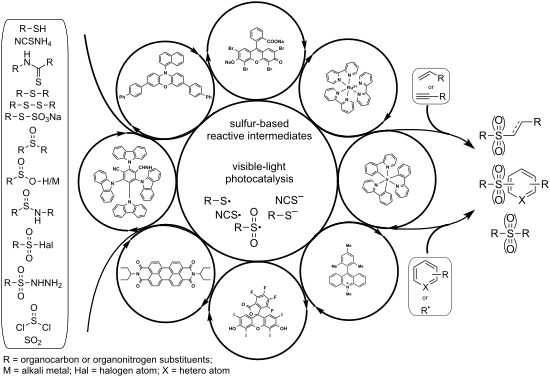
- . Photoredox-active metal complexes or organic dyes are used to initiate photo-induced single-electron transfer (SET) processes upon excitation with visible-light. Such photooxidations or photoreductions yield reactive organic radicals, which can undergo unique bond forming reactions, under very mild
- alternative reductive pathway, where photoexcited [Ru(bpy)3]2+* first oxidizes the sulfur anion by single-electron transfer and is re-oxidized by dioxygen could not be excluded. Lei and co-workers reported an external oxidant-free photocatalyzed procedure for the same reaction, also applying [Ru(bpy)3](PF6)2
- from alkyl and aryl thiosulfates and aryl diazonium salts (Scheme 39) [74]. They confirmed by transient absorption spectroscopy that a single-electron transfer occurs between [Ru(bpy)3]Cl2 and the aryl diazonium salt. Additionally, electron paramagnetic resonance studies showed that K2CO3 interacts

Graphical Abstract

Scheme 1: General overview over the sulfur-based substrates and reactive intermediates that are discussed in ...
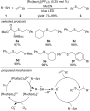
Scheme 2: Photoredox-catalyzed radical thiol–ene reaction, applying [Ru(bpz)3](PF6)2 as photocatalyst.

Scheme 3: Photoredox-catalyzed thiol–ene reaction of aliphatic thiols with alkenes enabled by aniline derivat...
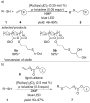
Scheme 4: Photoredox-catalyzed radical thiol–ene reaction for the postfunctionalization of polymers (a) and n...

Scheme 5: Photoredox-catalyzed thiol–ene reaction enabled by bromotrichloromethane as redox additive.
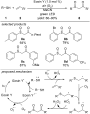
Scheme 6: Photoredox-catalyzed preparation of β-ketosulfoxides with Eosin Y as organic dye as photoredox cata...
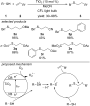
Scheme 7: Greaney’s photocatalytic radical thiol–ene reaction, applying TiO2 nanoparticles as photocatalyst.

Scheme 8: Fadeyi’s photocatalytic radical thiol–ene reaction, applying Bi2O3 as photocatalyst.

Scheme 9: Ananikov’s photocatalytic radical thiol-yne reaction, applying Eosin Y as photocatalyst.
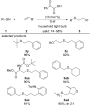
Scheme 10: Organocatalytic visible-light photoinitiated thiol–ene coupling, applying phenylglyoxylic acid as o...

Scheme 11: Xia’s photoredox-catalyzed synthesis of 2,3-disubstituted benzothiophenes, applying 9-mesityl-10-me...
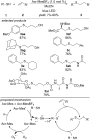
Scheme 12: Wang’s metal-free photoredox-catalyzed radical thiol–ene reaction, applying 9-mesityl-10-methylacri...

Scheme 13: Visible-light benzophenone-catalyzed metal- and oxidant-free radical thiol–ene reaction.
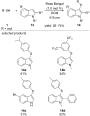
Scheme 14: Visible-light catalyzed C-3 sulfenylation of indole derivatives using Rose Bengal as organic dye.
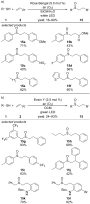
Scheme 15: Photocatalyzed radical thiol–ene reaction and subsequent aerobic sulfide-oxidation with Rose Bengal...
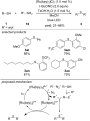
Scheme 16: Photoredox-catalyzed synthesis of diaryl sulfides.

Scheme 17: Photocatalytic cross-coupling of aryl thiols with aryl diazonium salts, using Eosin Y as photoredox...
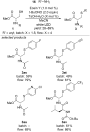
Scheme 18: Photocatalyzed cross-coupling of aryl diazonium salts with cysteines in batch and in a microphotore...
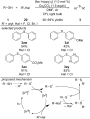
Scheme 19: Fu’s [Ir]-catalyzed photoredox arylation of aryl thiols with aryl halides.

Scheme 20: Fu’s photoredox-catalyzed difluoromethylation of aryl thiols.
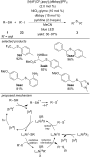
Scheme 21: C–S cross-coupling of thiols with aryl iodides via [Ir]-photoredox and [Ni]-dual-catalysis.
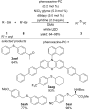
Scheme 22: C–S cross-coupling of thiols with aryl bromides, applying 3,7-bis-(biphenyl-4-yl)-10-(1-naphthyl)ph...
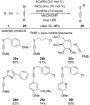
Scheme 23: Collin’s photochemical dual-catalytic cross-coupling of thiols with bromoalkynes.
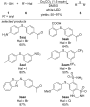
Scheme 24: Visible-light-promoted C–S cross-coupling via intermolecular electron donor–acceptor complex format...
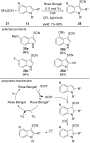
Scheme 25: Li’s visible-light photoredox-catalyzed thiocyanation of indole derivatives with Rose Bengal as pho...
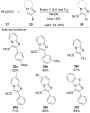
Scheme 26: Hajra’s visible-light photoredox-catalyzed thiocyanation of imidazoheterocycles with Eosin Y as pho...

Scheme 27: Wang’s photoredox-catalyzed thiocyanation reaction of indoles, applying heterogeneous TiO2/MoS2 nan...
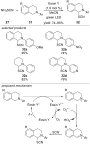
Scheme 28: Yadav’s photoredox-catalyzed α-C(sp3)–H thiocyanation reaction for tertiary amines, applying Eosin ...

Scheme 29: Yadav’s photoredox-catalyzed synthesis of 5-aryl-2-imino-1,3-oxathiolanes.

Scheme 30: Yadav’s photoredox-catalyzed synthesis of 1,3-oxathiolane-2-thiones.
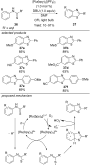
Scheme 31: Li’s photoredox catalysis for the preparation of 2-substituted benzothiazoles, applying [Ru(bpy)3](...
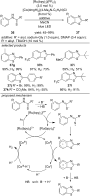
Scheme 32: Lei’s external oxidant-free synthesis of 2-substituted benzothiazoles by merging photoredox and tra...

Scheme 33: Metal-free photocatalyzed synthesis of 2-aminobenzothiazoles, applying Eosin Y as photocatalyst.

Scheme 34: Metal-free photocatalyzed synthesis of 1,3,4-thiadiazoles, using Eosin Y as photocatalyst.
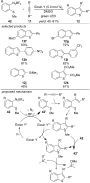
Scheme 35: Visible-light photoredox-catalyzed preparation of benzothiophenes with Eosin Y.

Scheme 36: Visible-light-induced KOH/DMSO superbase-promoted preparation of benzothiophenes.
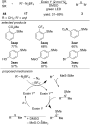
Scheme 37: Jacobi von Wangelin’s photocatalytic approach for the synthesis of aryl sulfides, applying Eosin Y ...

Scheme 38: Visible-light photosensitized α-C(sp3)–H thiolation of aliphatic ethers.

Scheme 39: Visible-light photocatalyzed cross-coupling of alkyl and aryl thiosulfates with aryl diazonium salt...
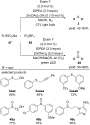
Scheme 40: Visible-light photocatalyzed, controllable sulfenylation and sulfoxidation with organic thiosulfate...

Scheme 41: Rastogi’s photoredox-catalyzed methylsulfoxidation of aryl diazonium salts, using [Ru(bpy)3]Cl2 as ...
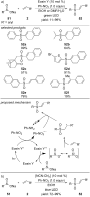
Scheme 42: a) Visible-light metal-free Eosin Y-catalyzed procedure for the preparation of vinyl sulfones from ...
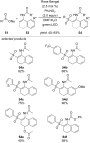
Scheme 43: Visible-light photocatalyzed cross-coupling of sodium sulfinates with secondary enamides.

Scheme 44: Wang’s photocatalyzed oxidative cyclization of phenyl propiolates with sulfinic acids, applying Eos...

Scheme 45: Lei’s sacrificial oxidant-free synthesis of allyl sulfones by merging photoredox and transition met...
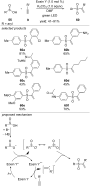
Scheme 46: Photocatalyzed Markovnikov-selective radical/radical cross-coupling of aryl sulfinic acids and term...

Scheme 47: Visible-light Eosin Y induced cross-coupling of aryl sulfinic acids and styrene derivatives, afford...
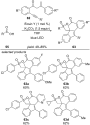
Scheme 48: Photoredox-catalyzed bicyclization of 1,7-enynes with sulfinic acids, applying Eosin Y as photocata...

Scheme 49: Visible-light-accelerated C–H-sulfinylation of arenes and heteroarenes.
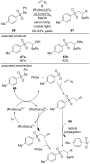
Scheme 50: Visible-light photoredox-catalyzed β-selenosulfonylation of electron-rich olefins, applying [Ru(bpy)...

Scheme 51: Photocatalyzed preparation of β-chlorosulfones from the respective olefins and p-toluenesulfonyl ch...
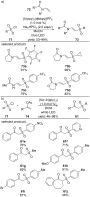
Scheme 52: a) Photocatalyzed preparation of β-amidovinyl sulfones from sulfonyl chlorides. b) Preparation of β...

Scheme 53: Visible-light photocatalyzed sulfonylation of aliphatic tertiary amines, applying [Ru(bpy)3](PF6)2 ...
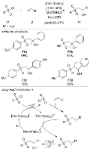
Scheme 54: Reiser’s visible-light photoredox-catalyzed preparation of β-hydroxysulfones from sulfonyl chloride...
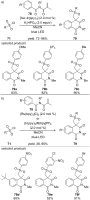
Scheme 55: a) Sun’s visible-light-catalyzed approach for the preparation of isoquinolinonediones, applying [fac...
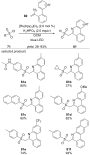
Scheme 56: Visible-light photocatalyzed sulfonylation/cyclization of vinyl azides, applying [Ru(bpy)3]Cl2 as p...

Scheme 57: Visible-light photocatalyzed procedure for the formation of β-ketosulfones from aryl sulfonyl chlor...

Scheme 58: Zheng’s method for the sulfenylation of indole derivatives, applying sulfonyl chlorides via visible...
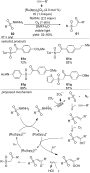
Scheme 59: Cai’s visible-light induced synthesis of β-ketosulfones from sulfonyl hydrazines and alkynes.

Scheme 60: Photoredox-catalyzed approach for the preparation of vinyl sulfones from sulfonyl hydrazines and ci...
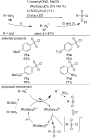
Scheme 61: Jacobi von Wangelin’s visible-light photocatalyzed chlorosulfonylation of anilines.
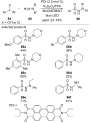
Scheme 62: Three-component photoredox-catalyzed synthesis of N-amino sulfonamides, applying PDI as organic dye....

Scheme 63: Visible-light induced preparation of complex sulfones from oximes, silyl enol ethers and SO2.
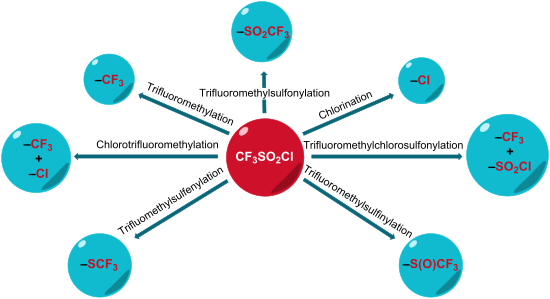
CF3SO2X (X = Na, Cl) as reagents for trifluoromethylation, trifluoromethylsulfenyl-, -sulfinyl- and -sulfonylation and chlorination. Part 2: Use of CF3SO2Cl
- Hélène Chachignon,
- Hélène Guyon and
- Dominique Cahard
Beilstein J. Org. Chem. 2017, 13, 2800–2818, doi:10.3762/bjoc.13.273
- single-electron transfer (SET) between CF3SO2Cl and the association CuBr/chiral phosphoric acid. In the process, SO2 and HCl were released, but the latter was scavenged by Ag2CO3, minimising its impact on the reaction process by notably avoiding hydroamination side reactions. The trifluoromethyl radical

Graphical Abstract
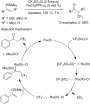
Scheme 1: Trifluoromethylation of silyl enol ethers.

Scheme 2: Continuous flow trifluoromethylation of ketones under photoredox catalysis.
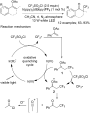
Scheme 3: Trifluoromethylation of enol acetates.

Scheme 4: Photoredox-catalysed tandem trifluoromethylation/cyclisation of N-arylacrylamides: a route to trifl...

Scheme 5: Tandem trifluoromethylation/cyclisation of N-arylacrylamides using BiOBr nanosheets catalysis.

Scheme 6: Photoredox-catalysed trifluoromethylation/desulfonylation/cyclisation of N-tosyl acrylamides (bpy: ...

Scheme 7: Photoredox-catalysed trifluoromethylation/aryl migration/desulfonylation of N-aryl-N-tosylacrylamid...

Scheme 8: Proposed mechanism for the trifluoromethylation/aryl migration/desulfonylation (/cyclisation) of N-...

Scheme 9: Photoredox-catalysed trifluoromethylation/cyclisation of N-methacryloyl-N-methylbenzamide derivativ...

Scheme 10: Photoredox-catalysed trifluoromethylation/cyclisation of N-methylacryloyl-N-methylbenzamide derivat...

Scheme 11: Photoredox-catalysed trifluoromethylation/dearomatising spirocyclisation of a N-benzylacrylamide de...

Scheme 12: Photoredox-catalysed trifluoromethylation/cyclisation of an unactivated alkene.

Scheme 13: Asymmetric radical aminotrifluoromethylation of N-alkenylurea derivatives using a dual CuBr/chiral ...

Scheme 14: Aminotrifluoromethylation of an N-alkenylurea derivative using a dual CuBr/phosphoric acid catalyti...

Scheme 15: 1,2-Formyl- and 1,2-cyanotrifluoromethylation of alkenes under photoredox catalysis.

Scheme 16: First simultaneous introduction of the CF3 moiety and a Cl atom onto alkenes.

Scheme 17: Chlorotrifluoromethylaltion of terminal, 1,1- and 1,2-substituted alkenes.

Scheme 18: Chorotrifluoromethylation of electron-deficient alkenes (DCE = dichloroethane).
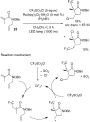
Scheme 19: Cascade trifluoromethylation/cyclisation/chlorination of N-allyl-N-(benzyloxy)methacrylamide.

Scheme 20: Cascade trifluoromethylation/cyclisation (/chlorination) of diethyl 2-allyl-2-(3-methylbut-2-en-1-y...

Scheme 21: Trifluoromethylchlorosulfonylation of allylbenzene derivatives and aliphatic alkenes.

Scheme 22: Access to β-hydroxysulfones from CF3-containing sulfonyl chlorides through a photocatalytic sequenc...
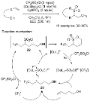
Scheme 23: Cascade trifluoromethylchlorosulfonylation/cyclisation reaction of alkenols: a route to trifluorome...

Scheme 24: First direct C–H trifluoromethylation of arenes and proposed mechanism.

Scheme 25: Direct C–H trifluoromethylation of five- and six-membered (hetero)arenes under photoredox catalysis....

Scheme 26: Alternative pathway for the C–H trifluoromethylation of (hetero)arenes under photoredox catalysis.

Scheme 27: Direct C–H trifluoromethylation of five- and six-membered ring (hetero)arenes using heterogeneous c...

Scheme 28: Trifluoromethylation of terminal olefins.

Scheme 29: Trifluoromethylation of enamides.

Scheme 30: (E)-Selective trifluoromethylation of β-nitroalkenes under photoredox catalysis.

Scheme 31: Photoredox-catalysed trifluoromethylation/cyclisation of an o-azidoarylalkynes.

Scheme 32: Regio- and stereoselective chlorotrifluoromethylation of alkynes.

Scheme 33: PMe3-mediated trifluoromethylsulfenylation by in situ generation of CF3SCl.

Scheme 34: (EtO)2P(O)H-mediated trifluoromethylsulfenylation of (hetero)arenes and thiols.

Scheme 35: PPh3/NaI-mediated trifluoromethylsulfenylation of indole derivatives.

Scheme 36: PPh3/n-Bu4NI mediated trifluoromethylsulfenylation of thiophenol derivatives.

Scheme 37: PPh3/Et3N mediated trifluoromethylsulfinylation of benzylamine.

Scheme 38: PCy3-mediated trifluoromethylsulfinylation of azaarenes, amines and phenols.

Scheme 39: Mono- and dichlorination of carbon acids.

Scheme 40: Monochlorination of (N-aryl-N-hydroxy)acylacetamides.

Scheme 41: Examples of the synthesis of heterocycles fused with β-lactams through a chlorination/cyclisation p...

Scheme 42: Enantioselective chlorination of β-ketoesters and oxindoles.

Scheme 43: Enantioselective chlorination of 3-acyloxazolidin-2-one derivatives (NMM = N-methylmorpholine).
CF3SO2X (X = Na, Cl) as reagents for trifluoromethylation, trifluoromethylsulfenyl-, -sulfinyl- and -sulfonylation. Part 1: Use of CF3SO2Na
- Hélène Guyon,
- Hélène Chachignon and
- Dominique Cahard
Beilstein J. Org. Chem. 2017, 13, 2764–2799, doi:10.3762/bjoc.13.272
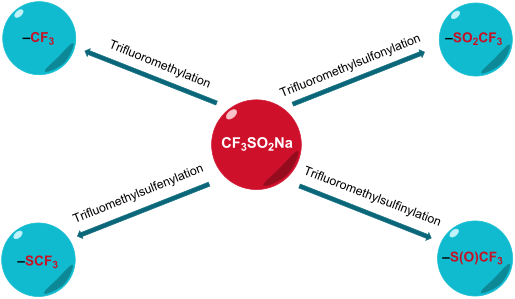
- CF3SO2Na in the presence of copper(I), reacted at the more electron-rich carbon atom of the C=C double bond to give the radical species 5 that was oxidised by copper(II) into the corresponding cationic intermediate 6 via a single electron transfer (SET). Finally, the acetyl cation was eliminated to provide
- -products. The mechanism was similar to previous examples to generate the β-CF3 alkyl radical intermediate 44, which was trapped by halogen atom transfer from the halogenating agent. The nitrogen-centered radical 45 oxidised Mes-Acr* by a single-electron-transfer process to restart the catalytic cycle
- were compatible with the reaction conditions. A series of control experiments that included the inhibition of the reaction in the presence of TEMPO, deuteration and isotope effect experiments were carried out and led the authors to propose the single-electron transfer mechanism presented in Scheme 44

Graphical Abstract

Scheme 1: Trifluoromethylation of enol acetates by Langlois.

Scheme 2: Trifluoromethylation of (het)aryl enol acetates.

Scheme 3: Mechanism for the trifluoromethylation of enol acetates.

Scheme 4: Oxidative trifluoromethylation of unactivated olefins and mechanistic pathway.
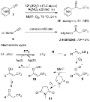
Scheme 5: Oxidative trifluoromethylation of acetylenic substrates.

Scheme 6: Metal free trifluoromethylation of styrenes.

Scheme 7: Synthesis of α-trifluoromethylated ketones by oxytrifluoromethylation of heteroatom-functionalised ...
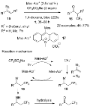
Scheme 8: Catalysed photoredox trifluoromethylation of vinyl azides.

Scheme 9: Oxidative difunctionalisation of alkenyl MIDA boronates.

Scheme 10: Synthesis of β-trifluoromethyl ketones from cyclopropanols.

Scheme 11: Aryltrifluoromethylation of allylic alcohols.

Scheme 12: Cascade multicomponent synthesis of nitrogen heterocycles via azotrifluoromethylation of alkenes.

Scheme 13: Photocatalytic azotrifluoromethylation of alkenes with aryldiazonium salts and CF3SO2Na.

Scheme 14: Copper-promoted intramolecular aminotrifluoromethylation of alkenes with CF3SO2Na.

Scheme 15: Oxytrifluoromethylation of alkenes with CF3SO2Na and hydroxamic acid.

Scheme 16: Manganese-catalysed oxytrifluoromethylation of styrene derivatives.

Scheme 17: Oxytrifluoromethylation of alkenes with NMP/O2 and CF3SO2Na.

Scheme 18: Intramolecular oxytrifluoromethylation of alkenes.

Scheme 19: Hydrotrifluoromethylation of styrenyl alkenes and unactivated aliphatic alkenes.

Scheme 20: Hydrotrifluoromethylation of electron-deficient alkenes.

Scheme 21: Hydrotrifluoromethylation of alkenes by iridium photoredox catalysis.

Scheme 22: Iodo- and bromotrifluoromethylation of alkenes by CF3SO2Na/I2O5 or CF3SO2Na / NaBrO3.

Scheme 23: N-methyl-9-mesityl acridinium and visible-light-induced chloro-, bromo- and SCF3 trifluoromethylati...

Scheme 24: Carbotrifluoromethylation of N-arylacrylamides with CF3SO2Na / TBHP by Lipshutz.

Scheme 25: Carbotrifluoromethylation of N-arylacrylamides with CF3SO2Na/TBHP reported by Lei.

Scheme 26: Carbotrifluoromethylation of N-arylacrylamides with CF3SO2Na/(NH4)2S2O8.

Scheme 27: Metal-free carbotrifluoromethylation of N-arylacrylamides with CF3SO2Na/K2S2O8 reported by Wang.

Scheme 28: Metal-free carbotrifluoromethylation of N-arylacrylamides with CF3SO2Na/PIDA reported by Fu.

Scheme 29: Metal-free cascade trifluoromethylation/cyclisation of N-arylmethacrylamides (a) and enynes (b) wit...

Scheme 30: Trifluoromethylation/cyclisation of N-arylcinnamamides: Synthesis of 3,4-disubstituted dihydroquino...

Scheme 31: Trifluoromethylation/cyclisation of aromatic-containing unsaturated ketones.

Scheme 32: Chemo- and regioselective cascade trifluoromethylation/heteroaryl ipso-migration of unactivated alk...

Scheme 33: Copper-mediated 1,2-bis(trifluoromethylation) of alkenes.

Scheme 34: Trifluoromethylation of aromatics with CF3SO2Na reported by Langlois.

Scheme 35: Baran’s oxidative C–H trifluoromethylation of heterocycles.

Scheme 36: Trifluoromethylation of acetanilides and anilines.

Scheme 37: Trifluoromethylation of heterocycles in water.

Scheme 38: Trifluoromethylation of coumarins in a continuous-flow reactor.

Scheme 39: Oxidative trifluoromethylation of coumarins, quinolines and pyrimidinones.

Scheme 40: Oxidative trifluoromethylation of pyrimidinones and pyridinones.

Scheme 41: Phosphovanadomolybdic acid-catalysed direct C−H trifluoromethylation.
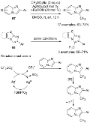
Scheme 42: Oxidative trifluoromethylation of imidazopyridines and imidazoheterocycles.

Scheme 43: Oxidative trifluoromethylation of imidazoheterocycles and imidazoles in ionic liquid/water.
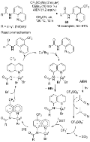
Scheme 44: Oxidative trifluoromethylation of 8-aminoquinolines.

Scheme 45: Oxidative trifluoromethylation of various 8-aminoquinolines using the supported catalyst CS@Cu(OAc)2...

Scheme 46: Oxidative trifluoromethylation of the naphthylamide 70.

Scheme 47: Oxidative trifluoromethylation of various arenes in the presence of CF3SO2Na and sodium persulfate.
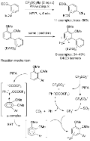
Scheme 48: Trifluoromethylation of electron-rich arenes and unsymmetrical biaryls with CF3SO2Na in the presenc...

Figure 1: Trifluoromethylated coumarin and flavone.

Scheme 49: Metal-free trifluoromethylation catalysed by a photoredox organocatalyst.
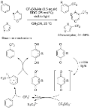
Scheme 50: Quinone-mediated trifluoromethylation of arenes and heteroarenes.
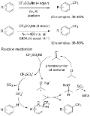
Scheme 51: Metal- and oxidant-free photochemical trifluoromethylation of arenes.

Scheme 52: Copper-mediated trifluoromethylation of arenediazonium tetrafluoroborates.

Scheme 53: Oxidative trifluoromethylation of aryl- and heteroarylboronic acids.
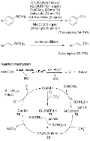
Scheme 54: Oxidative trifluoromethylation of aryl- and vinylboronic acids.

Scheme 55: Oxidative trifluoromethylation of unsaturated potassium organotrifluoroborates.

Scheme 56: Oxidative trifluoromethylation of (hetero)aryl- and vinyltrifluoroborates.

Scheme 57: Copper−catalysed decarboxylative trifluoromethylation of cinnamic acids.

Scheme 58: Iron-mediated decarboxylative trifluoromethylation of α,β-unsaturated carboxylic acids.

Scheme 59: Cu/Ag-catalysed decarboxylative trifluoromethylation of cinnamic acids.

Scheme 60: I2O5-Promoted decarboxylative trifluoromethylation of cinnamic acids.

Scheme 61: Silver(I)-catalysed denitrative trifluoromethylation of β-nitrostyrenes.
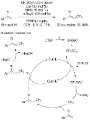
Scheme 62: Copper-catalysed direct trifluoromethylation of styrene derivatives.
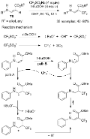
Scheme 63: Transition-metal-free synthesis of β-trifluoromethylated enamines.

Scheme 64: I2O5-mediated iodotrifluoromethylation of alkynes.

Scheme 65: Silver-catalysed tandem trifluoromethylation/cyclisation of aryl isonitriles.

Scheme 66: Photoredox trifluoromethylation of 2-isocyanobiphenyls.

Scheme 67: Trifluoromethylation of potassium alkynyltrifluoroborates with CF3SO2Na.
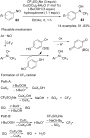
Scheme 68: N-trifluoromethylation of nitrosoarenes with CF3SO2Na (SQ: semiquinone).

Scheme 69: Trifluoromethylation of disulfides with CF3SO2Na.

Scheme 70: Trifluoromethylation of thiols with CF3SO2Na/I2O5.
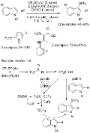
Scheme 71: Electrophilic trifluoromethylsulfenylation by means of CF3SO2Na/(EtO)2P(O)H/CuCl/DMSO.

Scheme 72: Electrophilic trifluoromethylsulfenylation by means of CF3SO2Na/(EtO)2P(O)H/TMSCl.
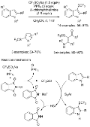
Scheme 73: Electrophilic trifluoromethylsulfenylation by means of CF3SO2Na/PPh3/N-chlorophthalimide.

Scheme 74: Electrophilic trifluoromethylsulfenylation by means of CF3SO2Na/PCl3.

Scheme 75: Electrophilic trifluoromethylsulfenylation by means of CF3SO2Na/PCl3.

Scheme 76: Trifluoromethylsulfenylation of aryl iodides with in situ generated CuSCF3 (DMI: 1,3-dimethyl-2-imi...

Scheme 77: Pioneering trifluoromethylsulfinylation of N, O, and C-nucleophiles.

Scheme 78: Trifluoromethylsulfinylation of (1R,2S)-ephedrine (Im: imidazole; DIEA: N,N-diisopropylethylamine).

Scheme 79: Trifluoromethylsulfinylation of substituted benzenes with CF3SO2Na/CF3SO3H.

Scheme 80: Trifluoromethylsulfinylation of indoles with CF3SO2Na/P(O)Cl3.

Scheme 81: Trifluoromethylsulfinylation of indoles with CF3SO2Na/PCl3.

Scheme 82: Formation of triflones from benzyl bromides (DMA: dimethylacetamide).

Scheme 83: Formation of α-trifluoromethylsulfonyl ketones, esters, and amides.

Scheme 84: Allylic trifluoromethanesulfonylation of aromatic allylic alcohols.

Scheme 85: Copper-catalysed couplings of aryl iodonium salts with CF3SO2Na.

Scheme 86: Palladium-catalysed trifluoromethanesulfonylation of aryl triflates and chlorides with CF3SO2Na.

Scheme 87: Copper-catalysed coupling of arenediazonium tetrafluoroborates with CF3SO2Na.

Scheme 88: Synthesis of phenyltriflone via coupling of benzyne with CF3SO2Na.

Scheme 89: Synthesis of 1-trifluoromethanesulfonylcyclopentenes from 1-alkynyl-λ3-bromanes and CF3SO2Na.

Scheme 90: One-pot synthesis of functionalised vinyl triflones.

Scheme 91: Regioselective synthesis of vinyltriflones from styrenes.

Scheme 92: Trifluoromethanesulfonylation of alkynyl(phenyl) iodonium tosylates by CF3SO2Na.

Scheme 93: Synthesis of thio- and selenotrifluoromethanesulfonates.
Reagent-controlled regiodivergent intermolecular cyclization of 2-aminobenzothiazoles with β-ketoesters and β-ketoamides
- Irwan Iskandar Roslan,
- Kian-Hong Ng,
- Gaik-Khuan Chuah and
- Stephan Jaenicke
Beilstein J. Org. Chem. 2017, 13, 2739–2750, doi:10.3762/bjoc.13.270

- silylation [72]. In these reactions, the single electron transfer (SET) is initiated by KOt-Bu/DMF [63][67][69][71] or KOt-Bu in combination with additives such as bidentate diamine ligands [61][62][63][64][65], 18-crown-6 [70] or azobisisobutyronitrile (AIBN) [62][66]. Herein, we report the synthesis of
- with 6 (Scheme 4d). After 16 h, 93% of 3a was formed, showing unambiguously that the reaction proceeds via 6 as an intermediate. We propose that KOt-Bu assists in α-bromination of 2a to form the intermediate 6 via single electron transfer (SET). Recent mechanistic work by Murphy and co-workers showed

Graphical Abstract

Scheme 1: Two different intermolecular cyclization pathways controlled by reagents used.

Scheme 2: Scope of reaction. Reaction conditions: 1 (1.2 mmol), 2 (1.0 mmol), KOt-Bu (2 mmol), in 3 mL CBrCl3...

Scheme 3: Scope of the reaction. Reaction conditions: 1 (1.0 mmol), 2 (1.5 mmol), In(OTf)3 (0.1 mmol), in 1.5...
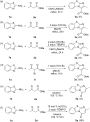
Scheme 4: Control experiments.

Figure 1: Proposed mechanism (benzo[d]imidazo[2,1-b]thiazoles).

Figure 2: Proposed mechanism (benzo[4,5]thiazolo[3,2-a]pyrimidin-4-ones).
Dialkyl dicyanofumarates and dicyanomaleates as versatile building blocks for synthetic organic chemistry and mechanistic studies
- Grzegorz Mlostoń and
- Heinz Heimgartner
Beilstein J. Org. Chem. 2017, 13, 2235–2251, doi:10.3762/bjoc.13.221
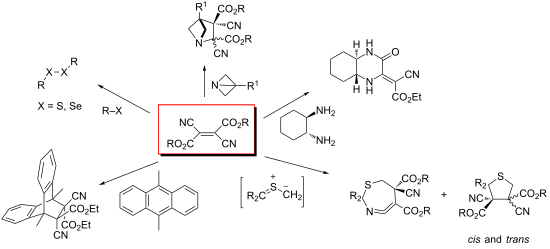
- disulfides and diselenides is explained as a redox process through a single-electron transfer (SET) mechanism with E-1a as the oxidizing reagent, which converted into a mixture of diastereoisomeric diethyl dicyanosuccinates 96 [72]. Very likely, an analogous SET mechanism governs also the reaction of E-1

Graphical Abstract

Figure 1: Dialkyl dicyanofumarates E-1 and dicyanomaleates Z-1.

Scheme 1: Methods for the synthesis of dialkyl dicyanofumarates E-1 from alkyl cyanoacetates 2.

Scheme 2: Methods for the synthesis of dialkyl dicyanofumarates E-1 from alkyl bromoacetates 3.

Scheme 3: Reaction of dimethyl dicyanofumarate (E-1b) with dimethoxycarbene [(MeO)2C:] generated in situ from...

Scheme 4: Cyclopropanation of diethyl dicyanofumarate (E-1a) through reaction with the thiophene derived sulf...

Scheme 5: Cyclopropanation of dimethyl dicyanofumarate (E-1b) through a stepwise reaction with the in situ ge...

Scheme 6: The [2 + 2]-cycloadditions of dimethyl dicyanofumarate (E-1b) with electron-rich ethylenes 20 and 22...

Scheme 7: The [2 + 2]-cycloaddition of isomeric dimethyl dicyanofumarate (E-1b) and dicyanomaleate (Z-1b) wit...

Scheme 8: Non-concerted [2 + 2]-cycloaddition between E-1b and bicyclo[2.1.0]pentene (27).

Scheme 9: Stepwise [3 + 2]-cycloadditions of some thiocarbonyl S-methanides with dialkyl dicyanofumarates E-1...

Scheme 10: Stepwise [3 + 2]-cycloadditions of dimethyl dicyanofumarate (E-1b) and dimethyl dicyanomaleate (Z-1b...

Scheme 11: [3 + 2]-Cycloaddition of diazomethane with dimethyl dicyanofumarate (E-1b) leading to 1H-pyrazole d...

Scheme 12: Reversible Diels–Alder reaction of fulvenes 36 with diethyl dicyanofumarate (E-1a).

Scheme 13: [4 + 2]-Cycloaddition of 9,10-dimethylanthracene (39b) and E-1a.

Scheme 14: Stepwise [4 + 2]-cycloaddition of dimethyl dicyanofumarate (E-1b) with electron-rich 1,1-dimethoxy-...

Scheme 15: Formal [4 + 2]-cycloaddition of 3,4-di(α-styryl)furan (47) with dimethyl dicyanofumarate (E-1b).

Scheme 16: Acid-catalyzed Michael addition of enolizable ketones of type 49 to E-1.

Scheme 17: Reaction of diethyl dicyanofumarate (E-1a) with ammonia NH3.

Scheme 18: Reaction of dialkyl dicyanofumarates E-1 with primary and secondary amines.

Scheme 19: Reaction of dialkyl dicyanofumarates E-1 with 1-azabicyclo[1.1.0]butanes 55.

Scheme 20: Formation of pyrazole derivatives in the reaction of hydrazines with E-1.

Scheme 21: Formation of 5-aminopyrazole-3,4-dicarboxylate 65 via heterocyclization reactions.

Scheme 22: Reactions of aryl- and hetarylcarbohydrazides 67 with E-1a.

Scheme 23: Multistep reaction leading to perhydroquinoxaline derivative 73.

Scheme 24: Synthesis of ethyl 7-aminopteridin-6-carboxylates 75 via a domino reaction.

Scheme 25: Synthesis of morhpolin-2-ones 80 from E-1 and β-aminoalcohols 78 through an initial aza-Michael add...

Scheme 26: Reaction of 3-amino-5-arylpyrazoles 81 with dialkyl dicyanofumarates E-1 via competitive nucleophil...

Scheme 27: Heterocyclization reaction of thiosemicarbazone 86 with E-1a.

Scheme 28: Formation of diethyl 4-cyano-5-oxotetrahydro-4H-chromene-3,4-dicarboxylate (90) from E-1a via heter...

Scheme 29: Reaction of dialkyl dicyanofumarates E-1 with cysteamine (92).

Scheme 30: Formation of disulfides through reaction of thiols with E-1a.

Scheme 31: Formation of CT salts of E-1 with Mn2+ and Cr2+ metallocenes through one-electron transfer.

Scheme 32: Oxidation of diethyl dicyanofumarate (E-1a) with H2O2 to give oxirane 101.

Scheme 33: The aziridination of E-1b through nitrene addition.
Oxidative dehydrogenation of C–C and C–N bonds: A convenient approach to access diverse (dihydro)heteroaromatic compounds
- Santanu Hati,
- Ulrike Holzgrabe and
- Subhabrata Sen
Beilstein J. Org. Chem. 2017, 13, 1670–1692, doi:10.3762/bjoc.13.162
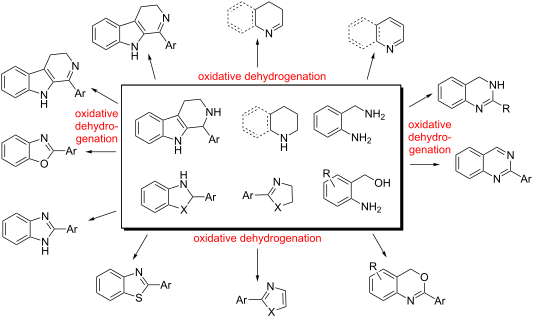
- -workers in the year 2000 [26][27][28][29]. It oxidizes diverse functionalities such as amines, imines, alcohols etc. [30]. Later, it was demonstrated that IBX can also be used as a reagent for oxidative dehydrogenation of benzylic carbons in various aromatic systems via single electron transfer (SET) and
- with the reaction of DDQ on the C4 H-atom of 27 and 28, respectively, to form the transition state E′ (path a). Alternatively it can also attack the H-atom at C5 to generate C′ (path b). A single electron transfer and subsequent H-abstraction on E′ or C′ lead to the formation of F′ or D′, respectively
- isoquinoline 82 from diverse 1,2,3,4-tetrahydroquinolines 81 in moderate to good yield (Scheme 29). Ferrous chloride (FeCl2) acted as a single electron transfer agent in the presence of DMSO to facilitate the reaction. Metal-catalyzed oxidant induced dehydrogenation Our next discussion involved the oxidative

Graphical Abstract

Figure 1: Representative bioactive heterocycles.

Scheme 1: The concept of oxidative dehydrogenation.
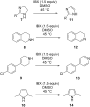
Scheme 2: IBX-mediated oxidative dehydrogenation of various heterocycles [31-34].

Scheme 3: Potential mechanism of IBX-mediated oxidative dehydrogenation of N-heterocycles [31-34].

Scheme 4: IBX-mediated room temperature one-pot condensation–oxidative dehydrogenation of o-aminobenzylamines....
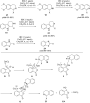
Scheme 5: Anhydrous cerium chloride-catalyzed, IBX-mediated oxidative dehydrogenation of various heterocycles...

Scheme 6: Oxidative dehydrogenation of quinazolinones with I2 and DDQ [37-40].

Scheme 7: DDQ-mediated oxidative dehydrogenation of thiazolidines and oxazolidines.

Scheme 8: Oxone-mediated oxidative dehydrogenation of intermediates from o-phenylenediamine and o-aminobenzyl...

Scheme 9: Transition metal-free oxidative cross-dehydrogenative coupling.

Scheme 10: NaOCl-mediated oxidative dehydrogenation.

Scheme 11: NBS-mediated oxidative dehydrogenation of tetrahydro-β-carbolines.

Scheme 12: One-pot synthesis of various methyl(hetero)arenes from o-aminobenzamide in presence of di-tert-buty...

Scheme 13: Oxidative dehydrogenation of 1, 4-DHPs.

Scheme 14: Synthesis of quinazolines in the presence of MnO2.

Scheme 15: Selenium dioxide and potassium dichromate-mediated oxidative dehydrogenation of tetrahydro-β-carbol...

Scheme 16: Synthesis of substituted benzazoles in the presence of barium permanganate.
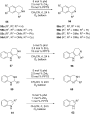
Scheme 17: Oxidative dehydrogenation with phenanthroline-based catalysts. PPTS = pyridinium p-toluenesulfonic ...

Scheme 18: Oxidative dehydrogenation with Flavin mimics.

Scheme 19: o-Quinone based bioinspired catalysts for the synthesis of dihydroisoquinolines.

Scheme 20: Cobalt-catalyzed aerobic dehydrogenation of Hantzch 1,4-DHPs and pyrazolines.

Scheme 21: Mechanism of cobalt-catalyzed aerobic dehydrogenation of Hantzch 1,4-DHPs.

Scheme 22: DABCO and TEMPO-catalyzed aerobic oxidative dehydrogenation of quinazolines and 4H-3,1-benzoxazines....

Scheme 23: Putative mechanism for Cu(I)–DABCO–TEMPO catalyzed aerobic oxidative dehydrogenation of tetrahydroq...

Scheme 24: Potassium triphosphate modified Pd/C catalysts for the oxidative dehydrogenation of tetrahydroisoqu...

Scheme 25: Ruthenium-catalyzed polycyclic heteroarenes.

Scheme 26: Plausible mechanism of the ruthenium-catalyzed dehydrogenation.

Scheme 27: Bi-metallic platinum/iridium alloyed nanoclusters and 5,5’,6,6’-tetrahydroxy-3,3,3’,3’-tetramethyl-...

Scheme 28: Magnesium iodide-catalyzed synthesis of quinazolines.

Scheme 29: Ferrous chloride-catalyzed aerobic dehydrogenation of 1,2,3,4-tetrahydroquinolines.

Scheme 30: Cu(I)-catalyzed oxidative aromatization of indoles.

Scheme 31: Putative mechanism of the transformation.

Scheme 32: Oxidative dehydrogenation of pyrimidinones and pyrimidines.
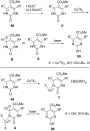
Scheme 33: Putative mechanisms (radical and metal-catalyzed) of the transformation.

Scheme 34: Ferric chloride-catalyzed, TBHP-oxidized synthesis of substituted quinazolinones and arylquinazolin...

Scheme 35: Iridium-catalyzed oxidative dehydrogenation of quinolines.

Scheme 36: Microwave-assisted synthesis of β-carboline with a catalytic amount of Pd/C in lithium carbonate at...

Scheme 37: 4-Methoxy-TEMPO-catalyzed aerobic oxidative synthesis of 2-substituted benzazoles.

Scheme 38: Plausible mechanism of the 4-methoxy-TEMPO-catalyzed transformation.

Scheme 39: One-pot synthesis of 2-arylquinazolines, catalyzed by 4-hydroxy-TEMPO.

Scheme 40: Oxidative dehydrogenation – a key step in the synthesis of AZD8926.

Scheme 41: Catalytic oxidative dehydrogenation of tetrahydroquinolines to afford bioactive molecules.

Scheme 42: Iodobenzene diacetate-mediated synthesis of β-carboline natural products.
Kinetic analysis of mechanoradical formation during the mechanolysis of dextran and glycogen
- Naoki Doi,
- Yasushi Sasai,
- Yukinori Yamauchi,
- Tetsuo Adachi,
- Masayuki Kuzuya and
- Shin-ichi Kondo
Beilstein J. Org. Chem. 2017, 13, 1174–1183, doi:10.3762/bjoc.13.116
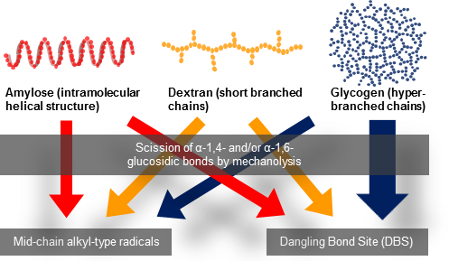
- microcrystalline cellulose powder through mechanocation polymerization with isobutyl vinyl ether in vacuum at 77 K [24]. The aforementioned mechanoanion was confirmed through tetracyanoethylene (TCNE) radical anion formation. The latter radical is produced by a single-electron transfer from the mechanoanion to

Graphical Abstract

Figure 1: Structures of discrete mechanoradicals and the reaction sequence for their formation from cellulose ...

Figure 2: Schematic structure of amylose, dextran and glycogen.

Figure 3: Progressive changes in observed ESR spectra of fractured amylose [5], Dx, and Gly, together with simul...

Figure 4: Schematic representation of bond cleavage at α-1,4- and α-1,6-bonds.

Figure 5: ESR spectrum of fractured sample of Dx and TCNE (a) before and (b) after visible-light irradiation.

Figure 6: Component spectra of the simulated ESR spectra.

Figure 7: Progressive changes in the intensity of component spectra corresponding to the simulated spectra of...

Figure 8: Changes in Dx molecular-weight distribution (MWD) during vibratory milling.

Figure 9: Changes in Dx weight-average molecular weight (Mw) during vibratory milling.

Figure 10: Change in Gly particle diameter during vibratory milling.
The reductive decyanation reaction: an overview and recent developments
- Jean-Marc R. Mattalia
Beilstein J. Org. Chem. 2017, 13, 267–284, doi:10.3762/bjoc.13.30
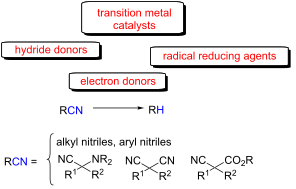
- reduction of radical probes (no rearranged products formed from 25d,l,m) and deuterium-labelling experiments (no deuterium incorporation using THF-d8 and quenching with D2O) discard the possibility of a single-electron transfer pathway. Other reductions suggest a hydride addition with formation of an iminyl
- intermediate 64 via a β-hydride elimination from 63. A single-electron transfer (SET) to the nitrile oxidizes the complex at the metal center into 65 and generates an aryl radical. The electron can also be located in the ligand (non-innocent ligand, not represented in Scheme 21). Then, elimination of MgXCN and
- NHC-boryl nitrile 74, EPR spectroscopy observations [122], and polar effects fit with this proposition. Neutral organic electron donors Powerful single-electron transfer reagents have been described. Kang et al. reported the decyanation of both malononitriles and α-cyanoesters using samarium(II

Graphical Abstract

Scheme 1: Mechanism for the reduction under metal dissolving conditions.

Scheme 2: Example of decyanation in metal dissolving conditions coupled with deprotection [30]. TBDMS = tert-buty...

Scheme 3: Preparation of α,ω-dienes [18,33].

Scheme 4: Cyclization reaction using a radical probe [18].

Scheme 5: Synthesis of (±)-xanthorrhizol (8) [39].

Scheme 6: Mechanism for the reduction of α-aminonitriles by hydride donors.

Scheme 7: Synthesis of phenanthroindolizidines and phenanthroquinolizidines [71].

Scheme 8: Two-step synthesis of 5-unsubstituted pyrrolidines (25 examples and 1 synthetic application, see be...

Scheme 9: Synthesis of (±)-isoretronecanol 19. DBU = 1,8-diazabicyclo[5.4.0]undec-7-ene [74].

Scheme 10: Proposed mechanism with 14a for the NaBH4 induced decyanation reaction (“BH3” = BH3·THF) [74].

Scheme 11: Reductive decyanation by a sodium hydride–iodide composite (26 examples) [81].

Scheme 12: Proposed mechanism for the reduction by NaH [81].

Scheme 13: Reductive decyanation catalyzed by nickel nanoparticles. Yields are given in weight % from GC–MS da...

Scheme 14: Decyanation of 2-cyanobenzo[b]thiophene [87].

Scheme 15: Simplified pathways involved in transition-metal-promoted reductive decyanations [93,95].

Scheme 16: Fe-catalyzed reductive decyanation. Numbers in square brackets represent turnover numbers. The TONs...

Scheme 17: Rh-catalyzed reductive decyanation of aryl nitriles (18 examples, 2 synthetic applications) [103].

Scheme 18: Rh-catalyzed reductive decyanation of aliphatic nitriles (15 examples, one synthetic application) [103].

Scheme 19: Ni-catalyzed reductive decyanation (method A: 28 examples and 2 synthetic applications; method B: 3...

Scheme 20: Reductive decyanation catalyzed by the nickel complex 58 (method A, 14 examples, yield ≥ 20% and 1 ...

Scheme 21: Proposed catalytic cycle for the nickel complex 58 catalyzed decyanation (method A). Only the cycle...

Scheme 22: Synthesis of bicyclic lactones [119,120].

Scheme 23: Reductive decyanation of malononitriles and cyanoacetates using NHC-boryl radicals (9 examples). Fo...

Scheme 24: Proposed mechanism for the reduction by NHC-boryl radicals. The other possible pathway (addition of ...

Scheme 25: Structures of organic electron-donors. Only the major Z isomer of 80 is shown [125,127].

Scheme 26: Reductive decyanation of malononitriles and cyanoacetates using organic electron-donors (method A, ...

Scheme 27: Photoreaction of dibenzylmalononitrile with 81 [128].

Scheme 28: Examples of decyanation promoted in acid or basic media [129,131,134,135].

Scheme 29: Mechanism proposed for the base-induced reductive decyanation of diphenylacetonitriles [136].

Scheme 30: Reductive decyanation of triarylacetonitriles [140].
Direct arylation catalysis with chloro[8-(dimesitylboryl)quinoline-κN]copper(I)
- Sem Raj Tamang and
- James D. Hoefelmeyer
Beilstein J. Org. Chem. 2016, 12, 2757–2762, doi:10.3762/bjoc.12.272
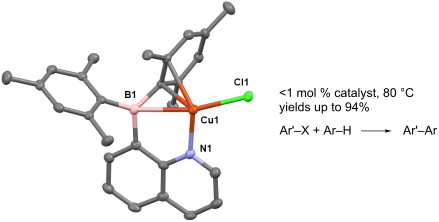
- reactions and, more specifically, direct arylation have been the subject of intense interest. Mechanistic models appear to diverge along those favoring oxidative addition/reductive elimination via Cu(I)/Cu(III) versus proposals favoring a single electron transfer (SET) pathway [55][56]. In the base-promoted

Graphical Abstract

Scheme 1: Coordination of Cu(I) with the ambiphilic ligand 1 to form the catalyst 2.

Scheme 2: Proposed mechanism of direct arylation catalyzed by 2 (X = Cl/I; Ar = aryl).
Copper-catalyzed asymmetric sp3 C–H arylation of tetrahydroisoquinoline mediated by a visible light photoredox catalyst
- Pierre Querard,
- Inna Perepichka,
- Eli Zysman-Colman and
- Chao-Jun Li
Beilstein J. Org. Chem. 2016, 12, 2636–2643, doi:10.3762/bjoc.12.260
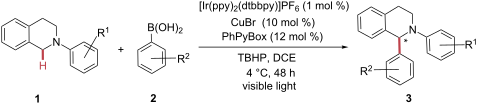
- , entries 7 and 8). A tentative reaction mechanism has been proposed in Scheme 3, in order to rationalize this arylation reaction. Upon visible light irradiation, [Ir(ppy)2(dtbbpy)]PF6 I was converted into an excited state II, Ir(III)* [11][33][34][35][36][37]. The THIQ undergoes a single electron transfer

Graphical Abstract

Scheme 1: Design light-mediated arylation of THIQs.
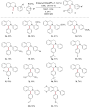
Figure 1: Reaction scope. Reaction conditions: THIQs (0.10 mmol), arylboronic acid (0.30 mmol), TBHP (0.2 mmo...

Scheme 2: Evaluation of chiral ligands.

Scheme 3: Proposed reaction mechanism.
Cp2TiCl/D2O/Mn, a formidable reagent for the deuteration of organic compounds
- Antonio Rosales and
- Ignacio Rodríguez-García
Beilstein J. Org. Chem. 2016, 12, 1585–1589, doi:10.3762/bjoc.12.154
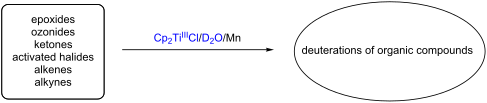
- complexes catalyse α-deuteration of amines and alcohols [13] and palladium complexes catalyse the ortho-selective deuteration of arenes [14]. Also, SmI2/D2O-mediated the chemoselective synthesis of α,α-dideuterio alcohols directly from carboxylic acid under single-electron-transfer conditions [15]. However
- water. This complex is a single electron transfer system (SET) that has an unpaired d-electron and a vacant site, allowing heteroatoms with free valence electrons to coordinate and undergo electron transfer through an inner-sphere mechanism to generate carbon radicals or intermediate titanaoxiranes
- -ordination of water to Cp2TiCl might weakens the strength of the O–H bond. In this way a single electron transfer from titanium to oxygen might facilitate the HAT from the titanocene aqua-complex to the free radicals. Theoretical calculations supported that the coordination of water to Cp2TiIIICl weakens the

Graphical Abstract

Scheme 1: Formation of reaction intermediates susceptible of being reduced by Cp2TiCl/Mn/D2O.

Scheme 2: Proposed reduction of radicals via hydrolysis of an organometalic alkyl-TiIV or as DAT.

Scheme 3: Examples of deuterations of organic compounds using Cp2TiCl/D2O/Mn. aSubstoichiometric amount of Cp2...
NeoPHOX – a structurally tunable ligand system for asymmetric catalysis
- Jaroslav Padevět,
- Marcus G. Schrems,
- Robin Scheil and
- Andreas Pfaltz
Beilstein J. Org. Chem. 2016, 12, 1185–1195, doi:10.3762/bjoc.12.114
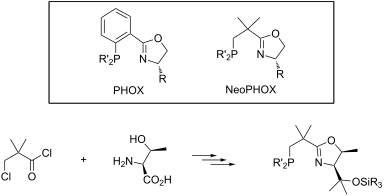
- reaction indeed took place. While for iodides evidence for a radical single electron transfer process as the major pathway was found, the corresponding bromides and chlorides seemed to prefer an SN2 mechanism. Rossi et al. [21] showed that substitution products can be obtained in good yields from neopentyl

Graphical Abstract

Figure 1: Structural motifs of phospinooxazoline ligands.

Scheme 1: Retrosynthetic analysis for NeoPHOX ligands.

Scheme 2: Synthesis of 1st generation NeoPHOX Ir-complexes [19].

Figure 2: Asymmetric hydrogenation with iridium-NeoPHOX catalysts [19].

Figure 3: Employing L-valine as a starting material for C5 substituted oxazoline.

Scheme 3: Synthesis of a C(5)-disubstituted NeoPHOX-Ir complex.

Figure 4: Retrosynthetic analysis for NeoPHOX ligands derived from serine and threonine.

Scheme 4: Revisited synthetic strategy for the preparation of a threonine-based NeoPHOX ligand.

Scheme 5: Undesired β-lactam formation.

Scheme 6: Synthetic strategy for the synthesis of the serine-derived NeoPHOX ligand.

Scheme 7: Derivatization of the 2nd generation NeoPHOX ligands and formation of their iridium complexes.

Figure 5: Crystal structures of selected Ir-complexes. Hydrogen atoms, COD and BArF anions were omitted for c...

Scheme 8: Asymmetric palladium-catalyzed allylic substitution with rac-(E)-1,3-diphenylallyl acetate.

Scheme 9: Asymmetric palladium-catalyzed allylic substitution with rac-(E)-1,3-dimethylallyl acetate.

Scheme 10: Asymmetric palladium-catalyzed allylic substitution with a cyclic substrate.
Synthesis of 2-oxindoles via 'transition-metal-free' intramolecular dehydrogenative coupling (IDC) of sp2 C–H and sp3 C–H bonds
- Nivesh Kumar,
- Santanu Ghosh,
- Subhajit Bhunia and
- Alakesh Bisai
Beilstein J. Org. Chem. 2016, 12, 1153–1169, doi:10.3762/bjoc.12.111
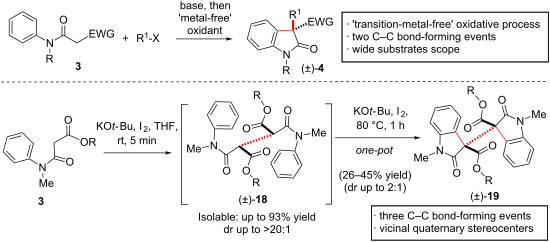
- bond [27][28][29][30], single electron transfer (SET) to a α-halo anilides followed by halide elimination [31][32], and the formation of an aryl radical followed by a 1,5-hydrogen atom translocation [33][34]. Out of these strategies, the initial two require specifically functionalized precursors such
- skeleton such as calycanthine (22c) (Scheme 5) [78]. In all the cases, IDC was feasible with substrates having substituents at the carbon atom α- to the amides. This gave a clue for a radical-mediated process where a single electron transfer (SET) mechanism might be operating. A tentative mechanism has
- –39% yield along with 43–52% of recovered starting material (Scheme 8) and no trace of C-iodide 24 was observed. These results suggest that, NIS and ICl also acts as oxidants and helping in a single electron transfer (SET) in the oxidative coupling reaction [87][88]. It is also well evident in the

Graphical Abstract

Scheme 1: Synthesis of 2-oxindoles via oxidative processes.
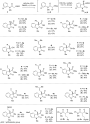
Figure 1: Substrates scope of one-pot ‘transition-metal-free’ IDC. The syntheses of compounds 4a–s according ...

Figure 2: Further substrates scope of one-pot ‘transition metal-free’ IDC. Conditions A: KOt-Bu, iodine; cond...
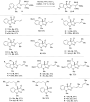
Figure 3: Substrates scope of ‘transition-metal-free’ IDC using KOt-Bu/I2. Reproduced from [46].
Figure 4: C-Alkylation of anilides using KOt-Bu.

Figure 5: Substrates scope of ‘transition-metal-free’ IDC of C-alkylated anilides using DBU/I2.

Scheme 2: Oxidative coupling of C-arylated anilides (±)-11a–d. The synthesis of 12b as per method A has been ...

Scheme 3: Synthesis of spirocyclic product through IDC The synthesis of 14 as per method A has been reproduce...

Scheme 4: Dimerization of β-N-aryl-amidoesters 3a and b. Reproduced from [46].

Scheme 5: Synthesis of dimeric 2-oxindoles utilizing IDC. The syntheses of 19a and b have been reproduced fro...

Scheme 6: Plausible mechanism of ‘transition-metal-free’ IDC The mechanistic consideration in Scheme 6 has been repro...

Scheme 7: Intramolecular-dehydrogenative-coupling (IDC) of 3a and 5a. Reproduced from [46].

Scheme 8: IDC of 3a and 5a using different oxidants. Reproduced from [46].

Scheme 9: Synthesis of 3-substituted-2-oxindoles from benzyl esters.

Scheme 10: 3-Substituted-2-oxindoles from p-methoxybenzyl esters.

Scheme 11: Synthetic elaboration using Tsuji–Trost reactions. Reproduced from [46].
Recent developments in copper-catalyzed radical alkylations of electron-rich π-systems
- Kirk W. Shimkin and
- Donald A. Watson
Beilstein J. Org. Chem. 2015, 11, 2278–2288, doi:10.3762/bjoc.11.248
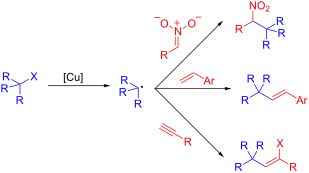
- catalyst. The resultant stabilized alkyl radical then undergoes coupling with a nitronate anion, forging the C–C bond. Single electron transfer from the resultant radical anion to the Cu(II) halide results in the observed product while simultaneously reducing the metal center to regenerate the catalyst. In

Graphical Abstract

Scheme 1: Reactivity of nitronate anions towards alkyl electrophiles.

Scheme 2: Ligands tested in the alkylation of nitroalkanes with alkyl halides. aNaOt-Bu as base, hexanes as s...

Scheme 3: Scope of the copper-catalyzed nitroalkane benzylation.

Scheme 4: Application of the nitro-alkylation reaction to the synthesis of phentermine.

Scheme 5: Possible mechanism of the thermal redox process.

Scheme 6: Scope of the reaction of nitroalkanes with α-bromocarbonyls.

Scheme 7: Synthesis of highly congested β-amino acids.

Scheme 8: Copper-catalyzed alkenylation reactions.

Scheme 9: Proposed mechanism of the copper-catalyzed alkenylation reaction.

Scheme 10: Scope of the copper-catalyzed alkenylation of tertiary electrophiles.

Scheme 11: Scope of the exo-methylene styrene synthesis.

Scheme 12: Phenol-directed synthesis of Z-alkenes.

Scheme 13: Scope of the phenol-directed Z-alkene synthesis.

Scheme 14: Rationale for the formal [3 + 2] cycloaddition.

Scheme 15: Scope of the formal [3 + 2] cycloaddition.

Scheme 16: Benzylation of styrenes using copper catalysis.

Scheme 17: Copper-catalyzed carboiodination of alkynes.

Scheme 18: Copper-catalyzed trans-carbohalogenation of alkynes. aNaI (2 equiv) was added.
Photoinduced 1,2,3,4-tetrahydropyridine ring conversions
- Baiba Turovska,
- Henning Lund,
- Viesturs Lūsis,
- Anna Lielpētere,
- Edvards Liepiņš,
- Sergejs Beljakovs,
- Inguna Goba and
- Jānis Stradiņš
Beilstein J. Org. Chem. 2015, 11, 2166–2170, doi:10.3762/bjoc.11.234
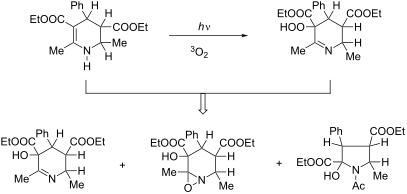
- the formation of the singlet state of 1*, is followed by single-electron transfer from 1* to 3O2 generating 1+• and O2− • in solution. Such reactions between strong nucleophiles and strong electrophiles, especially the annihilation reactions between ion radicals, have not been studied extensively

Graphical Abstract

Figure 1: Electrochemical oxidation of 1 in deareated (blue) and O2 saturated (red) solutions of CH2Cl2/0.1 M...

Figure 2: The X-ray structures of compounds 1 and 2.

Figure 3: Decrease of the UV absorption band of compound 1 under irradiation (254 nm) in air-saturated CHCl3, ...

Scheme 1: Photoinduced reaction of 1 in O2 saturated CHCl3 under irradiation by intensive sunlight.

Scheme 2: Heterocycle transformations of 1 in air saturated CHCl3 solutions.

Scheme 3: Proposed mechanism of conversion of oxaziridine 4 to 5.

Figure 4: The X-ray structures of compounds 4 and 5.
C–H bond halogenation catalyzed or mediated by copper: an overview
- Wenyan Hao and
- Yunyun Liu
Beilstein J. Org. Chem. 2015, 11, 2132–2144, doi:10.3762/bjoc.11.230
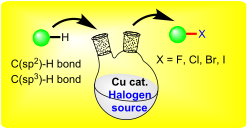
- roles of both reaction medium and halogen source. Notably, attempts in the chlorination of the alkene C–H bond under identical atmosphere were not successful. In the reaction process, a single electron transfer (SET) from the aryl ring to the coordinated Cu(II) complex 3 to the Cu(I) species 4 was the
- and 2-phenyl-1,3,4-oxadiazole were smoothly iodinated to provide iodoheteroarenes 18 (Scheme 10) [45]. As typical electron-enriched arenes, phenols and analogous arenes tend to undergo a single-electron transfer process [46], the property of these arenes also resulted in sound attention to their C–H

Graphical Abstract

Scheme 1: Copper-catalyzed C–H bond halogenation of 2-arylpyridine.

Scheme 2: ortho-Chlorination of 2-arylpridines with acyl chlorides.

Scheme 3: Copper-catalyzed chlorination of 2-arylpyridines using LiCl.

Scheme 4: Copper-catalyzed C–H halogenation of 2-arylpyridines using LiX.

Scheme 5: Copper-mediated selective C–H halogenations of 2-arylpyridine.

Scheme 6: Copper-catalyzed C–H o-halogenation using removable DG.

Scheme 7: Copper-catalyzed C–H halogenations using PIP as DG.

Scheme 8: Copper-catalyzed quinoline C–H chlorination.

Scheme 9: Copper-catalyzed arene C–H fluorination of benzamides.

Scheme 10: Copper-catalyzed arene C–H iodination of 1,3-azoles.
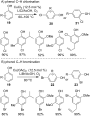
Scheme 11: Copper-catalyzed C–H halogenations of phenols.

Scheme 12: Proposed mechanism for the C–H halogenation of phenols.

Scheme 13: Copper-catalyzed halogenation of electron enriched arenes.

Scheme 14: Copper-catalyzed C–H bromination of arenes.

Scheme 15: CuI-mediated synthesis of iododibenzo[b,d]furans via C–H functionalization.

Scheme 16: Cu-Mn spinel oxide-catalyzed phenol and heteroarene halogenation.

Scheme 17: Copper-catalyzed halogenations of 2-amino-1,3thiazoles.

Scheme 18: Copper-mediated chlorination and bromination of indolizines.

Scheme 19: Copper-catalyzed three-component synthesis of bromoindolizines.

Scheme 20: Copper-mediated C–H halogenation of azacalix[1]arene[3]pyridines.

Scheme 21: Copper-mediated cascade synthesis of halogenated pyrrolones.

Scheme 22: Copper-mediated alkene C–H chlorination in spirothienooxindole.

Scheme 23: Copper-catalyzed remote C–H chlorination of alkyl hydroperoxides.
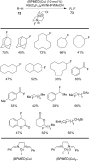
Scheme 24: Copper-catalyzed C–H fluorination of alkanes.
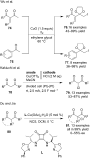
Scheme 25: Copper-catalyzed or mediated C–H halogenations of active C(sp3)-bonds.
Metal-free one-pot synthesis of 2-substituted and 2,3-disubstituted morpholines from aziridines
- Hongnan Sun,
- Binbin Huang,
- Run Lin,
- Chao Yang and
- Wujiong Xia
Beilstein J. Org. Chem. 2015, 11, 524–529, doi:10.3762/bjoc.11.59

- mechanism was proposed as shown in Scheme 4. Initially, aziridine 1a might participate in single-electron transfer (SET) with the persulfate anion to render the radical cation A [32][34]. Concerted ring opening and nucleophilic addition leads to amino radical intermediate B, which is converted to the

Graphical Abstract

Figure 1: Pharmaceutically active 2- and 2,3-disubstituted morpholines.

Scheme 1: One-pot synthesis of morpholines through ring opening of aziridines with haloalcohols.

Scheme 2: Metal-free one-pot synthesis of morpholine 3a from aziridine 1a.

Scheme 3: Metal-free one-pot synthesis of optically pure morpholine derivatives from chiral aziridines.

Scheme 4: Proposed mechanism.
Eosin Y-catalyzed visible-light-mediated aerobic oxidative cyclization of N,N-dimethylanilines with maleimides
- Zhongwei Liang,
- Song Xu,
- Wenyan Tian and
- Ronghua Zhang
Beilstein J. Org. Chem. 2015, 11, 425–430, doi:10.3762/bjoc.11.48
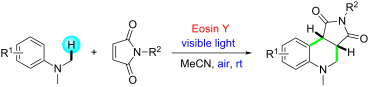
- undergo an oxidative or reductive quenching cycle [48][49][50]. In this mechanism, a single electron transfer (SET) from 1 to 3EY* generates the amine radical cation 4, and at the same time, 3EY* is reduced to the EY•−. In the presence of oxygen, the photoredox catalytic cycle of EY is finished via a SET

Graphical Abstract

Scheme 1: Visible-light-induced sp3 C–H bond functionalization of tertiary amines.
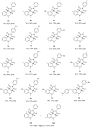
Scheme 2: Substrate scope for aerobic oxidative cyclization of N,N-dimethylanilines with maleimides.

Scheme 3: A proposed reaction mechanism.



