


Search results
Search for "glycol" in Full Text gives 282 result(s) in Beilstein Journal of Organic Chemistry. Showing first 200.
An effective Pd nanocatalyst in aqueous media: stilbene synthesis by Mizoroki–Heck coupling reaction under microwave irradiation
Beilstein J. Org. Chem. 2017, 13, 1717–1727, doi:10.3762/bjoc.13.166

- method at fixed temperature in a sealed vessel. The results are summarized in Table 1. A general screening was performed to determine the optimal reaction time, the identity and presence of a co-solvent (ethanol, isopropanol, ethylene glycol) and the best base (K2CO3, Na2CO3, K3PO4, sodium acetate (NaOAc
- screening showed that the presence of an alcohol was required to obtain the products in high yields (entry 5, Table 1). Ethanol or isopropanol can be used in this system to achieve quantitatively the desired products; however, when ethylene glycol was used lower yields were reached (entries 3, 6 and 7
- ), isopropanol (iPrOH), ethylene glycol and anhydrous Na2SO4 were used without purification. Electrolytes for the electrochemical experiments contain KNO3, H2PdCl4 and PVP polymer [poly-(N-vinylpyrrolidone)] (MW 10000 Da), HCl 35%. All solvents were of analytical grade and distilled before use. All reactions


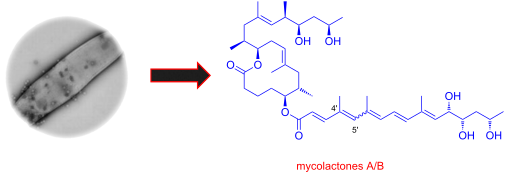
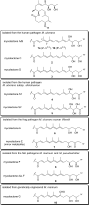
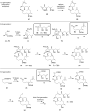
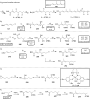
The chemistry and biology of mycolactones
Beilstein J. Org. Chem. 2017, 13, 1596–1660, doi:10.3762/bjoc.13.159









Molecular recognition of N-acetyltryptophan enantiomers by β-cyclodextrin
Beilstein J. Org. Chem. 2017, 13, 1572–1582, doi:10.3762/bjoc.13.157
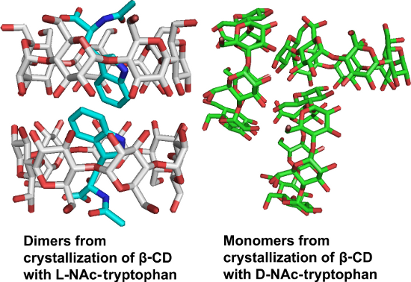
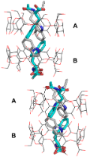
- )salicylaldimine complex in ethanol, novel association of β-CD monomers in structures of β-CD complexes, e.g., with 4-pyridinealdazine [30], polyethylene glycol [38] or adamantane [39]. Conclusion This work has been focused on the ability of β-CD to discriminate between the enantiomers of N-acetyltryptophan. NMR




Synthesis of oligonucleotides on a soluble support
Beilstein J. Org. Chem. 2017, 13, 1368–1387, doi:10.3762/bjoc.13.134
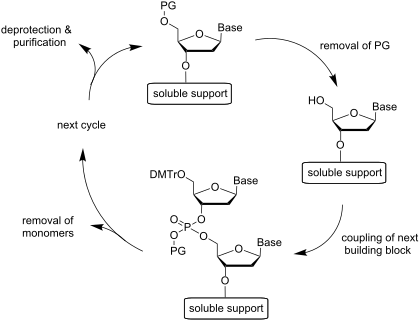
- by Bonora et al. [37] on polyethylene glycol (PEG 5000) monomethyl ester. The overall strategy was rather similar to that of the solid-supported chemistry (Scheme 2). Accordingly, the 3´-terminal nucleoside, 5´-O-DMTr-N6-Bz-dA, was attached to the support via a 3´-succinyl linker, the 5´-O-DMTr group






Mechanochemistry-assisted synthesis of hierarchical porous carbons applied as supercapacitors
Beilstein J. Org. Chem. 2017, 13, 1332–1341, doi:10.3762/bjoc.13.130
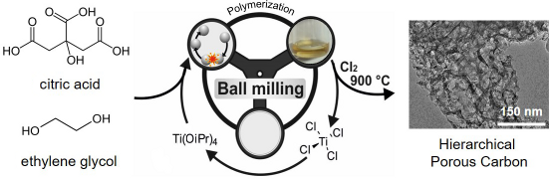
- -defined pore-size distribution. The material was further investigated as supercapacitor electrode using organic and ionic liquid electrolytes (Figure 1). Results and Discussion Mechanochemical synthesis of the polymeric precursor For a typical synthesis, ethylene glycol (EG), citric acid (CA), and
- given in Table S1 in Supporting Information File 1. We further investigated the influence of the EG to CA ratio on the porosity of the material, while keeping the TIPP to CA ratio constant (1:1). The pore volume increased with a higher content of ethylene glycol from 1.34 cm3 g−1 for a ratio of 1:1 to
- 1.83 cm3 g−1 for a ratio of 3:1. This is mainly attributed to the increased mesopore volume, while the micropore volume stayed nearly the same (0.20 cm3 g−1, Table 1). The higher mesopore content originates from the higher amount of ethylene glycol, which promotes the formation of more slightly larger


BODIPY-based fluorescent liposomes with sesquiterpene lactone trilobolide
Beilstein J. Org. Chem. 2017, 13, 1316–1324, doi:10.3762/bjoc.13.128
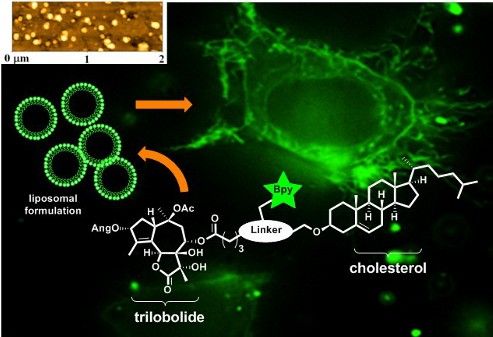
- . Specific drug targeting can be achieved by using, for example, antibodies, peptides, polyethylene glycol polymers, and last but not least, liposomes, which have been nowadays extensively investigated [1][2]. In general, liposomes are employed in order to enhance the therapeutic index of an applied drug by


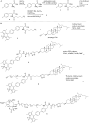


Strategies toward protecting group-free glycosylation through selective activation of the anomeric center
Beilstein J. Org. Chem. 2017, 13, 1239–1279, doi:10.3762/bjoc.13.123



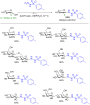
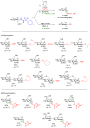


Phosphorus pentasulfide mediated conversion of organic thiocyanates to thiols
Beilstein J. Org. Chem. 2017, 13, 1184–1188, doi:10.3762/bjoc.13.117

- potassium thiocyanate in refluxing propylene glycol [19]. Simple short chain thiocyanates were found to react rapidly to give the corresponding thiols. In comparison to the alkyl substrates, the benzyl derivative reacted sluggishly possibly due to electronic effects which was further evident by the longer


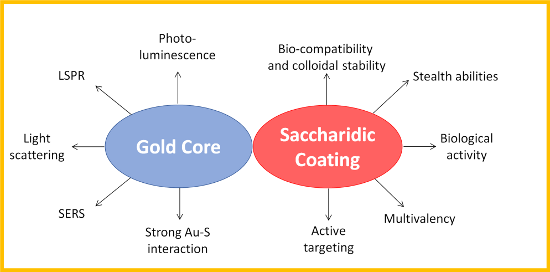
Glyco-gold nanoparticles: synthesis and applications
Beilstein J. Org. Chem. 2017, 13, 1008–1021, doi:10.3762/bjoc.13.100
- intracellular stability. Liz-Marzan et al. assessed the ability of glycan ligands to reduce the protein corona formation around rod-shaped AuNPs [71]. Lactose- and polyethylene glycol (PEG)-functionalized gold nanorods demonstrated similar ability in reducing the interaction with proteins, when compared to
- protein component. In a different example, Barchi and co-workers focused on the Thomsen Friedenreich tumor-associated antigen (TFag) and synthesized TFag-amino acid-coated AuNPs by means of a thiol-polyethylene glycol spacer. Among the synthesized GAuNPs, TFag-Thr-AuNPs showed, in vitro, an increased


Interactions between shape-persistent macromolecules as probed by AFM
Beilstein J. Org. Chem. 2017, 13, 938–951, doi:10.3762/bjoc.13.95
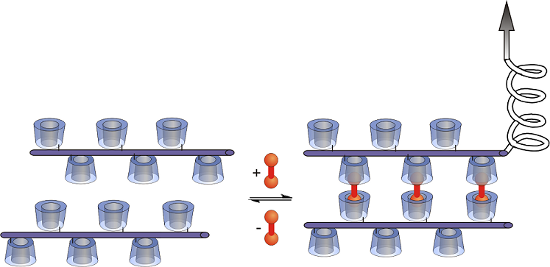
- , synthesized from polymer 8 (Scheme 3) through Cu(I)-catalyzed azide–alkyne cycloaddition (CuAAC) with the triethylene glycol linker 11 (N3-TEG-NH2) which had been prepared in a five-step procedure [62][63]. Probing multivalent interactions by AFM The adhesive forces of 12, due to supramolecular interactions






Transition-metal-free one-pot synthesis of alkynyl selenides from terminal alkynes under aerobic and sustainable conditions
Beilstein J. Org. Chem. 2017, 13, 910–918, doi:10.3762/bjoc.13.92

- , we performed a screening of solvents under oxygen atmosphere (Table 1). Best yields were obtained with DMF, isopropanol or polyethylene glycol (PEG) as the solvents (Table 1, entries 1, 10, 12 and 13), whereas only moderate yields below 50% were obtained when the reaction was conducted in


Expression, purification and structural analysis of functional GABA transporter 1 using the baculovirus expression system
Beilstein J. Org. Chem. 2017, 13, 874–882, doi:10.3762/bjoc.13.88
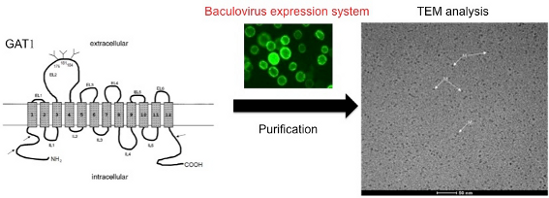
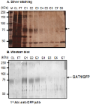
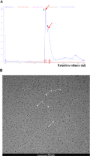
- glycans on the activity of the GAT1 protein, the glycol-engineered insect cells coupled with the baculovirus system may be further applied to produce a GAT1/GFP protein with complex, terminally sialylated N-glycans. Further structural analysis of the GAT1/GFP fusion protein is possible using



Energy down converting organic fluorophore functionalized mesoporous silica hybrids for monolith-coated light emitting diodes
Beilstein J. Org. Chem. 2017, 13, 768–778, doi:10.3762/bjoc.13.76
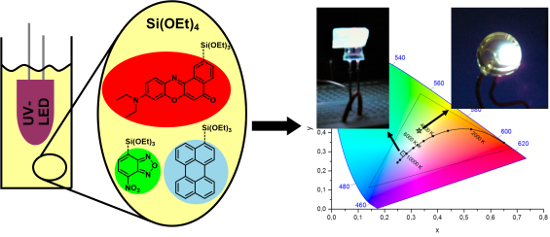
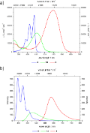
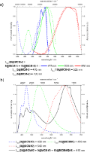
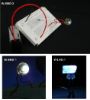
- , 9, and 10 were mixed in ethanol in a ratio of 1:6:17 furnishing a perfect white emission with the CIE chromaticity coordinates of x = 0.33 and y = 0.33. This mixture was then mixed with TEOS (tetraethoxysilane), surfactant P123 (poly(ethylene glycol)-poly(propylene glycol)-poly(ethylene glycol/(EtO







Fluorescent carbon dots from mono- and polysaccharides: synthesis, properties and applications
Beilstein J. Org. Chem. 2017, 13, 675–693, doi:10.3762/bjoc.13.67
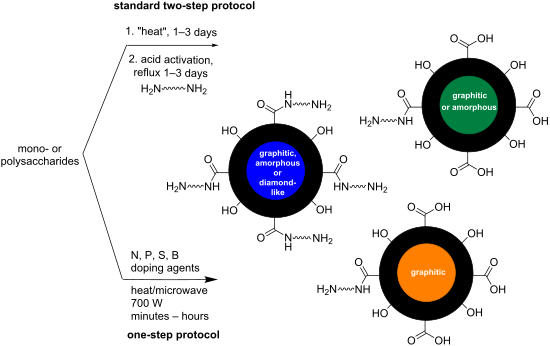
- glucose, this particular monosaccharide has been extensively used as an ideal carbon source for CD formation, under a range of experimental conditions. The microwave-assisted synthesis of FCDs from a glucose solution in the presence of poly(ethylene glycol)-200 (PEG-200) by Yang et al. is, to the best of
- ]. It was found that irradiation times of 14 min could be employed to afford CDs from glycerol, glycol, glucose or sucrose. The source of the inorganic ion was important too, as increasing the valency of either the anion or cation would lead to a greater ability to dehydrate the carbon precursor. An


Transition-metal-catalyzed synthesis of phenols and aryl thiols
Beilstein J. Org. Chem. 2017, 13, 589–611, doi:10.3762/bjoc.13.58

- nucleophilic substitution [39]. In 2015, the Chae group found difunctionalized ethanes including 2-dimethylaminoethanol and ethylene glycol can function as ligand to work with Cu(OAc)2 in the presence of KOH, affording phenols from aryl iodides in moderate to excellent yields (Scheme 17) [40]. In 2010, a
- 2015, on the basis of a successful application of ethylene glycol in a phenol synthesis [39], the Chae group developed a single-step protocol for the direct synthesis of aryl thiols. The protocol employed CuSO4·5H2O as the catalyst and KOH or Cs2CO3 as bases, and could convert aryl iodides, and aryl


Synthesis of 1-indanones with a broad range of biological activity
Beilstein J. Org. Chem. 2017, 13, 451–494, doi:10.3762/bjoc.13.48


A new class of organogelators based on triphenylmethyl derivatives of primary alcohols: hydrophobic interactions alone can mediate gelation
Beilstein J. Org. Chem. 2017, 13, 138–149, doi:10.3762/bjoc.13.17
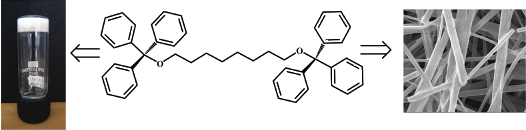
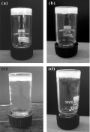
- summarized in Table 1. Three of the compounds (TPM-G4, TPM-G5, TPM-G12) formed organogels in polar solvents like dimethylsulfoxide (DMSO), propan-1-ol, propan-2-ol, butan-1-ol, butan-2-ol, diethylene glycol, and triethylene glycol. TPM-G5 (trityl derivative of 1-hexadecanol) formed an organogel in DMSO while
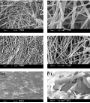
- TPM-G4 (trityl derivative of 1-tetradecanol) was able to gel diethylene glycol and triethylene glycol (Figure 1). TPM-G12 (the ditrityl derivative of 1,8-octanediol) turned out to be an excellent gelator of some polar solvents. It formed gels in DMSO, propan-1-ol, propan-2-ol, butan-1-ol, and butan-2
- loss of the entrapped solvent from the gels. TPM-G5 also formed a strong gel in DMSO which is stable at room temperature for a long time (≈2 weeks). In contrast, organogels formed from TPM-G4 in diethylene glycol and triethylene glycol were weak and not stable at prolonged storage (≈2 days). This is







Diels–Alder reactions of myrcene using intensified continuous-flow reactors
Beilstein J. Org. Chem. 2017, 13, 120–126, doi:10.3762/bjoc.13.15
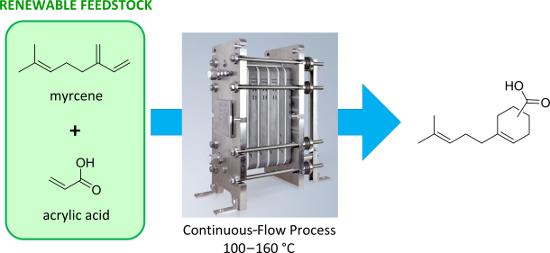
- myrcene (1, 90% purity), maleic anhydride (2a), acrylic acid (2b), itaconic acid (2c), dimethyl maleate (2d), ethyl acrylate (2f) and poly(ethylene glycol) methyl ether acrylate (PEGA, 2g) were obtained from Sigma-Aldrich; bis(2-ethylhexyl) maleate was provided by TriTech Lubricants. The solvents


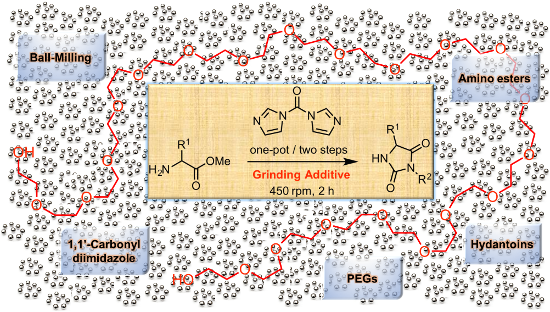
Poly(ethylene glycol)s as grinding additives in the mechanochemical preparation of highly functionalized 3,5-disubstituted hydantoins
Beilstein J. Org. Chem. 2017, 13, 19–25, doi:10.3762/bjoc.13.3


Versatile synthesis of end-reactive polyrotaxanes applicable to fabrication of supramolecular biomaterials
Beilstein J. Org. Chem. 2016, 12, 2883–2892, doi:10.3762/bjoc.12.287

- polyrotaxanes (PRXs) with reactive functional groups at the terminals of the axle polymers are attractive candidates for the design of supramolecular materials. Herein, we describe a novel and simple synthetic method for end-reactive PRXs using bis(2-amino-3-phenylpropyl) poly(ethylene glycol) (PEG-Ph-NH2) as
- simple synthesis method for end-reactive PRXs using commercially available 4-substituted benzoic acids. Typically, 4-substituted benzoic acids are unsuitable for the capping of pseudopolyrotaxanes because they are insufficiently bulky. In this study, bis(2-amino-3-phenylpropyl) poly(ethylene glycol) (PEG
- -catalyzed click reactions are performed. Additionally, fluorescence labeling of the PRX and intracellular fluorescence imaging were performed as an example application. Results and Discussion Synthesis of azide-terminated PRXs using bis(2-amino-3-phenylpropyl) poly(ethylene glycol) and 4-substituted benzoic




Biochemical and structural characterisation of the second oxidative crosslinking step during the biosynthesis of the glycopeptide antibiotic A47934
Beilstein J. Org. Chem. 2016, 12, 2849–2864, doi:10.3762/bjoc.12.284
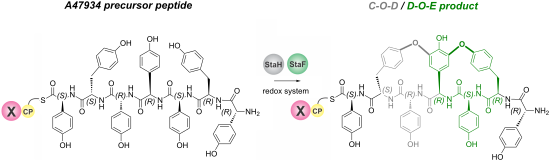
- -function relationship of StaF, we attempted to structurally characterise the protein. We were able to determine the crystal structure of StaF to a resolution of 2.1 Å and 2.2 Å using different cryo-protectant solutions (ethylene glycol and glycerol) and by solving the phase problem through molecular
- for analysis (PDB ID: 5EX8; ethylene glycol cryo-protectant solution). The StaF structure is well resolved and adopts the typical structure of a cytochrome P450 [34], which consists predominantly of α-helices (12 in total: labelled A to L, including two additional helices labelled A’ and J’, Figure 5A
- (≈150 µm length) had formed. The crystals were passed through a cryoprotectant solution (0.1 M phosphate/citrate buffer (pH 4.2), 1.2 M Na2PO4, 0.3 M K2HPO4 and either 25% (v/v) glycerol, or 25% (v/v) ethylene glycol) and then flash cooled in liquid nitrogen for data collection. Two native data sets




Formose reaction controlled by boronic acid compounds
Beilstein J. Org. Chem. 2016, 12, 2668–2672, doi:10.3762/bjoc.12.263

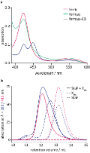
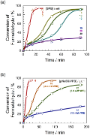
- six-carbon sugar alcohols (ethylene glycol, glycerol, erythritol, D-arabinitol, and D-mannitol, respectively) (Figure 2a). In Figure 2b–d, the signals at ca. 5 min may be due to impurities, e.g., inorganic salts. As can be seen in Figure 2b, the HPLC chart for the formose reaction in the absence of



Formose reaction accelerated in aerosol-OT reverse micelles
Beilstein J. Org. Chem. 2016, 12, 2663–2667, doi:10.3762/bjoc.12.262

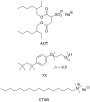
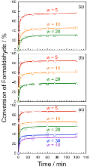
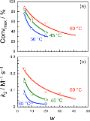
- reaction using formaldehyde-13C as starting material are indicative of the formation of ethylene glycol as a major product. Keywords: aerosol-OT; formose reaction; hexadecyltrimethylammonium bromide; interfacial layer; reverse micelles; triton X-100; water pool; Findings The ‘formose reaction’ yields a
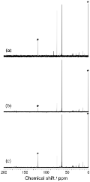
- acetonitrile, the internal standard, respectively. All the spectra contain two intense signals at ca. 63 and 75 ppm, although the ratios of signal intensities are different at different temperatures. The signal at ca. 63 ppm can be assigned to ethylene glycol, which may be derived from glycolaldehyde through
- Cannizzaro reaction. (We could not assign the signal at ca. 75 ppm comparing to signals for various sugar and sugar alcohols.) On the basis of these spectra, we can conclude that ethylene glycol is formed as a major product. In summary, the formose reaction in reverse micelles of AOT, TX, and CTAB was


A self-assembled cyclodextrin nanocarrier for photoreactive squaraine
Beilstein J. Org. Chem. 2016, 12, 2535–2542, doi:10.3762/bjoc.12.248
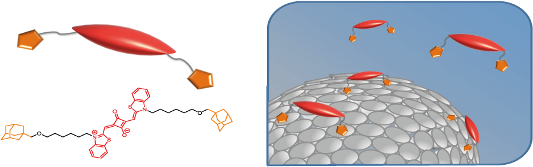
- -assembled from amphiphilic cyclodextrin [27]. Given their negligible toxicity cyclodextrins have been utilized as carriers in a number of studies [28][29]. Amphiphilic cyclodextrins substituted with hydrophobic alkyl groups on the primary side and hydrophilic oligo(ethylene glycol) units on the secondary
- . Amphiphilic β-cyclodextrins substituted with 7 dodecylsulfide groups on the primary side and 7 oligo(ethylene glycol) units on the secondary side were obtained via a straightforward three step synthesis as described [27][30]. A thin film of these amphiphiles was obtained by evaporation of a chloroform




Isosorbide and dimethyl carbonate: a green match
Beilstein J. Org. Chem. 2016, 12, 2256–2266, doi:10.3762/bjoc.12.218
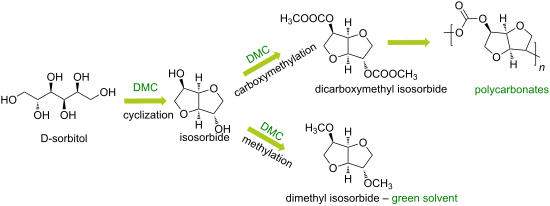
- conditions at the reflux temperature of DMC, methyl derivatives were either not observed or formed in small amount (Scheme 6). In particular, 2-octanol gave only the carboxymethyl derivative, meanwhile the methyl derivatives of propylene glycol propyl ether and 3-hydroxytetrahydrofuran formed only in scarce





