


Search results
Search for "in vivo" in Full Text gives 302 result(s) in Beilstein Journal of Organic Chemistry. Showing first 200.
Synthesis of pyrrolidine-based hamamelitannin analogues as quorum sensing inhibitors in Staphylococcus aureus
Beilstein J. Org. Chem. 2018, 14, 2822–2828, doi:10.3762/bjoc.14.260
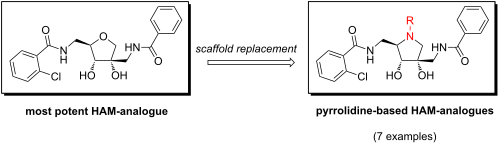
- ), an inhibitor of the RAP/TRAP (RNAIII-activating protein/target of RAP) quorum sensing system in S. aureus (Figure 1) [12][13][14]. Furthermore, hamamelitannin has been shown to inhibit biofilm formation and to potentiate the activity of antibiotics against staphylococcal biofilms in vitro and in vivo


The design and synthesis of an antibacterial phenothiazine–siderophore conjugate
Beilstein J. Org. Chem. 2018, 14, 2646–2650, doi:10.3762/bjoc.14.242
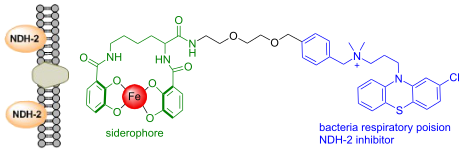
- , the potency of such phenothiazines, including 1, needs to be significantly increased to have more activity in vivo and direct clinical application [11]. A validated target of 1 has been identified as type II NADH dehydrogenase (NDH-2), a respiratory enzyme essential for growth in M. tuberculosis and


Targeting the Pseudomonas quinolone signal quorum sensing system for the discovery of novel anti-infective pathoblockers
Beilstein J. Org. Chem. 2018, 14, 2627–2645, doi:10.3762/bjoc.14.241
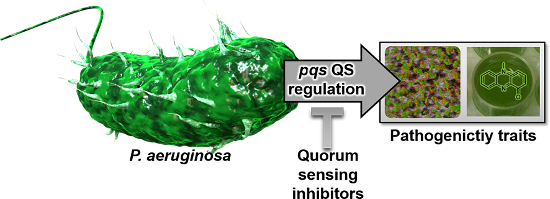
- with G302 could be observed. Various halogenated derivatives of AA could also reduce HHQ and PQS levels. Especially 4- and 6-CABA (3, 4) showed promising results in the suppression of signal molecules as well as in an in vivo mouse survival model at a concentration of 1.5 mM [47]. Anthraniloyl-AMP
- mutation experiments [79]. Moreover an in vivo cross-linking assay of full-length PqsR and a corresponding I68F mutant was carried out leading to the suggestion that upon binding of M64 the protein stability might be increased. Based on these results it was proposed that M64 induces a change in
- using PA14, target engagement was demonstrated in vivo measuring PQS and HHQ levels from the corresponding tissues after treatment. Compound 45 was able to reduce PQS and HHQ levels to 50% and 40%, respectively, 12 hours post-infection. Up to now no further optimization or development of these compounds


Pathoblockers or antivirulence drugs as a new option for the treatment of bacterial infections
Beilstein J. Org. Chem. 2018, 14, 2607–2617, doi:10.3762/bjoc.14.239
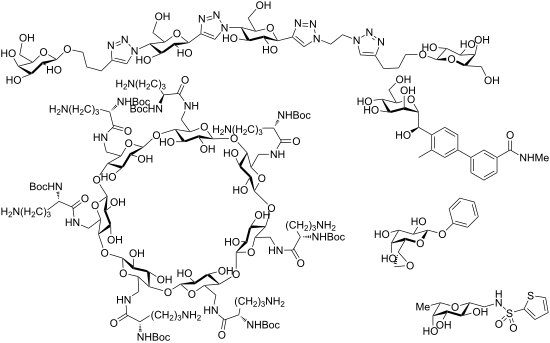
- adhesion in mice [18][19]. These compounds have been extensively optimized in many works published by both groups, culminating in the identification of mannophosphates as prodrugs to increase oral bioavailability [20] and mannose C-glycosides, such as compound 6 , demonstrating enhanced in vivo metabolic
- ] which are also important for mediating bacterial virulence in vivo [33]. Therefore, both LecA and LecB have served as targets for pathoblocker development [22][23][30][34][35]. As a result of the comparatively low affinity of both lectins towards their natural carbohydrate ligands (α-galactosides for
- inhalative administration [46]. Despite its LecB-mediated in vivo activity, this compound had no effect on biofilms in vitro at concentrations up to 2000-fold above the Kd; a biofilm reduction by 80% could be achieved at concentrations as high as 100000-fold above Kd (5 mM). For a future systemic application




Learning from B12 enzymes: biomimetic and bioinspired catalysts for eco-friendly organic synthesis
Beilstein J. Org. Chem. 2018, 14, 2553–2567, doi:10.3762/bjoc.14.232
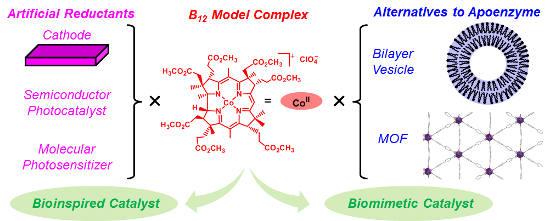
- 10.3762/bjoc.14.232 Abstract Cobalamins (B12) play various important roles in vivo. Most B12-dependent enzymes are divided into three main subfamilies: adenosylcobalamin-dependent isomerases, methylcobalamin-dependent methyltransferases, and dehalogenases. Mimicking these B12 enzyme functions under non
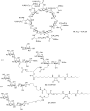
- Cobalamins (B12) are naturally occurring cobalt complexes with unique structures that play various important roles in vivo [1][2][3][4][5]. In B12, the cobalt center is coordinated by four equatorial pyrroles of the corrin ring and 2,3-dimethylbenzimidazole as a lower axial ligand (Figure 1a) [6][7][8]. The
- shown in Figure 2a. The remarkable in vivo and in vitro characters of B12 are summarized as follows: B12 shows good accessibility to Co(I) species with a redox potential (the Co(II)/Co(I) couple in the base-off form) of −500 mV vs the standard hydrogen electrode [21], because of the monoanionic corrin


Comparative cell biological study of in vitro antitumor and antimetastatic activity on melanoma cells of GnRH-III-containing conjugates modified with short-chain fatty acids
Beilstein J. Org. Chem. 2018, 14, 2495–2509, doi:10.3762/bjoc.14.226
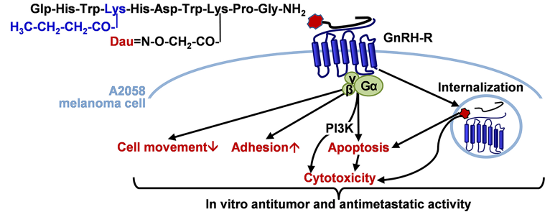
- ), or acetyl-Lys (Lys(Ac)) could improve the proteolytic stability of conjugates [17]. The results of in vitro and in vivo assays demonstrated that the conjugate containing Lys(Ac) in position 4 and Dau in position 8 ([4Lys(Ac)]-GnRH-III(Dau=Aoa)) had higher tumor growth inhibition activity than the
- 4Lys could negatively affect the fitting of the conjugates to the N-terminal part of the GnRH-R. On the basis of these findings [4Lys(Bu)]-GnRH-III(Dau=Aoa), was chosen for the further studies (e.g., in vivo experiments [22]) to evaluate the suitability of this conjugate for targeted chemotherapy
- demonstrated in melanoma cell lines [25][26]. There are also evidences that the short-chain fatty acids, including sodium butyrate and valproic acid, could inhibit the proliferation of melanoma cells both in in vitro (e.g., A2058 [27], B16 cell lines [28]) and in vivo experiments [28][29] or could abrogate the


The enzymes of microbial nicotine metabolism
Beilstein J. Org. Chem. 2018, 14, 2295–2307, doi:10.3762/bjoc.14.204
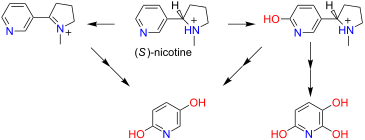
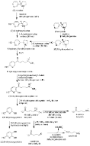
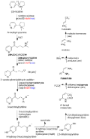
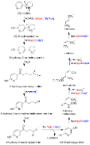
- succinate semialdehyde and methylamine, mao. The expression of both proteins is regulated by nicotine [38][39], suggesting that both contribute in vivo. Mabo (γ-N-methylaminobutyrate demethylating oxidase) is similar in sequence to sarcosine dehydrogenase, and characterization of purified Mabo showed that
- , suggesting that Mao operates in vivo. Finally, pAO1 also contains the sad gene that codes for an NADP+-dependent succinate semialdehyde dehydrogenase forming succinate as product [39]. 2,3-Dihydroxypyridine 3-hydroxylase (2,6-DHPH), the enzyme converting 2,6-dihydroxypyridine to 2,3,6-trihydroxypyridine, has





Synthesis of a water-soluble 2,2′-biphen[4]arene and its efficient complexation and sensitive fluorescence enhancement towards palmatine and berberine
Beilstein J. Org. Chem. 2018, 14, 2236–2241, doi:10.3762/bjoc.14.198
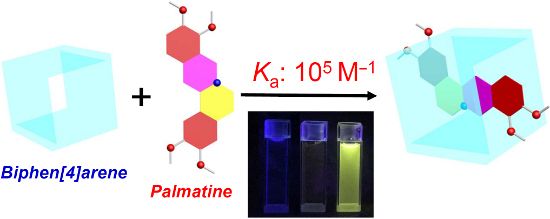
- the blood stream, but also be effectively dis-assembled in the acidic tumor environment, and thus improve the anticancer activity of oxaliplatin in vivo. In 2015, we introduced a new class of macrocyclic arenes, 4,4’-biphen[n]arenes (n = 3,4) with 4,4’-biphenol or 4,4’-biphenol ether monomers linked


Defining the hydrophobic interactions that drive competence stimulating peptide (CSP)-ComD binding in Streptococcus pneumoniae
Beilstein J. Org. Chem. 2018, 14, 1769–1777, doi:10.3762/bjoc.14.151
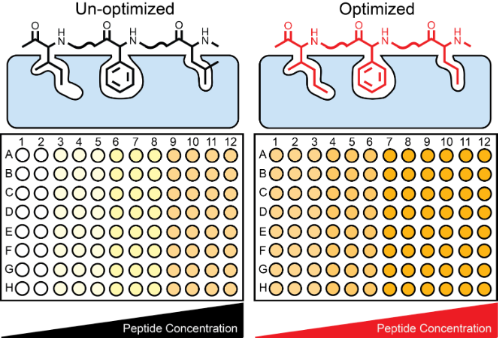
- could be applied to study QS in vivo. Results and Discussion Design and synthesis of CSP1 analogs In this work, we aimed to define the binding pockets in ComD1 that accommodate the hydrophobic side-chain residues in CSP1 and determine their degree of occupancy as a means to optimize CSP1–ComD1


Design and biological characterization of novel cell-penetrating peptides preferentially targeting cell nuclei and subnuclear regions
Beilstein J. Org. Chem. 2018, 14, 1378–1388, doi:10.3762/bjoc.14.116
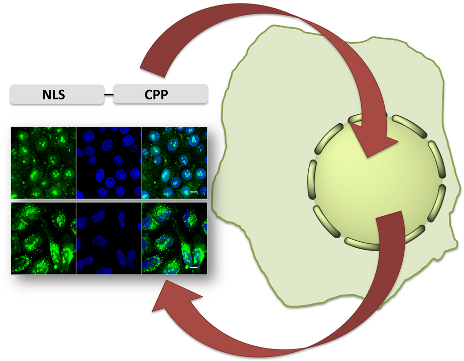
- approach of co-administration is often favored owing to the ease of preparation and a higher capacity of drug that can be administered. Such a combination therapy of DOX and a tumor-penetrating peptide has been recently investigated in vivo using clinically relevant tumor models [41]. Doxorubicin is known



Oligonucleotide analogues with cationic backbone linkages
Beilstein J. Org. Chem. 2018, 14, 1293–1308, doi:10.3762/bjoc.14.111
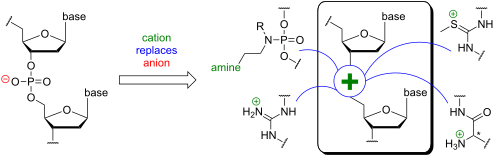
- bioactive agents. However, modifications of the nucleic acid structure are an essential prerequisite for their application in vivo or even in cellulo. The oligoanionic backbone structure of oligonucleotides mainly hampers their ability to penetrate biological barriers such as cellular membranes. Hence





An overview of recent advances in duplex DNA recognition by small molecules
Beilstein J. Org. Chem. 2018, 14, 1051–1086, doi:10.3762/bjoc.14.93
- biological activities were thoroughly studied both in vitro and in vivo. One significant representative of this class is tallimustine (FCE 24517, TAM), which is a benzoyl nitrogen mustard derivative of distamycin characterized by an oligopeptidic pyrrolocarbamoyl framework ending with an amidino moiety [39
- a broad spectrum of in vitro and in vivo antitumor activities. Tallimustine retains the preference for A·T-rich regions in the minor groove that alkylates N3 of adenine in a highly sequence specific manner, thereby inhibiting the binding of transcription factors such as OTF-1 and NFE1 on specific AT
- structure–activity relationship. It has been observed that the number and position of pyrrole rings are crucial for antileukemic activity. The presence of pyrrole rings close to the alkylating BAM moiety is responsible for better cytotoxic activity both in vitro and in vivo, whereas a pyrazole ring in close






The first Pd-catalyzed Buchwald–Hartwig aminations at C-2 or C-4 in the estrone series
Beilstein J. Org. Chem. 2018, 14, 998–1003, doi:10.3762/bjoc.14.85

- -natural C-18 steroid containing cis junction of rings C and D [21][22]. This core-modified compound differs from its natural 13β counterpart not only in the configuration of C-13, but also its more flexible conformation. Poirier et al. investigated the in vitro and in vivo estrogenic activity of 3,17


On the design principles of peptide–drug conjugates for targeted drug delivery to the malignant tumor site
Beilstein J. Org. Chem. 2018, 14, 930–954, doi:10.3762/bjoc.14.80
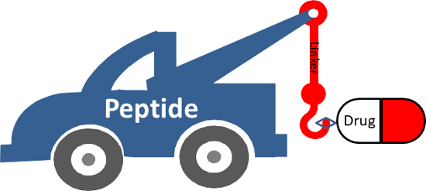
- [120]. The two conjugates were subjected to stability tests and they showed slow drug release in human serum in contrast with nude mice that carboxylesterase enzymes are about 10 times higher [121]. Consequently, the two analogs were heavily evaluated in in vivo models in nude mice bearing various
- . The results demonstrated the stronger inhibition of AN-152 on the tumor with respect to the free DOX [126]. Similarly, in vivo experiments were conducted regarding AN-207 in nude mice bearing xenografts of MDA-PCa-2b prostate cancer cells, showing identical results like AN-152 [127]. Gründker et. al
- . evaluated the antitumor effects of AN-152 in vivo in human LHRH-R-positive HEC-1B endometrial and NIH:OVCAR-3 ovarian cancers, and in the LHRH-R-negative SK-OV-3 ovarian cancer cell line via intravenous injections [128]. The tumor volumes of HEC-1B and NIH:OVCAR-3 cancers were reduced significantly even


Development of novel cyclic NGR peptide–daunomycin conjugates with dual targeting property
Beilstein J. Org. Chem. 2018, 14, 911–918, doi:10.3762/bjoc.14.78
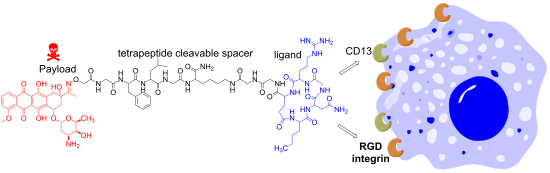
- synthetic route resulting in a higher yield, which might be relevant for larger scale synthesis needed for further in vivo studies. We show that the changes decrease the chemostability of the cyclic NGR moiety, resulting in the formation of isoAsp derivatives in higher amount. Among the new cyclic NGR


Synthesis and in vitro biochemical evaluation of oxime bond-linked daunorubicin–GnRH-III conjugates developed for targeted drug delivery
Beilstein J. Org. Chem. 2018, 14, 756–771, doi:10.3762/bjoc.14.64
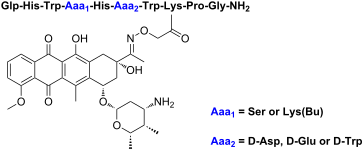
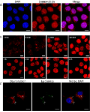
- reported on the identification of a novel daunorubicin–GnRH-III conjugate (GnRH-III–[4Lys(Bu), 8Lys(Dau=Aoa)] with efficient in vitro and in vivo antitumor activity. To get a deeper insight into the mechanism of action of our lead compound, the cellular uptake was followed by confocal laser scanning
- ) and human colon cancer cells (HT-29), is GnRH-III–[4Lys(Bu), 8Lys(Dau=Aoa)] (K2). Recent studies demonstrated that the butyrilation of the lysine in position 4 not only leads to an increased in vitro but also to an enhanced in vivo antitumor activity [29][30]. In order to achieve a better



Stimuli-responsive oligonucleotides in prodrug-based approaches for gene silencing
Beilstein J. Org. Chem. 2018, 14, 436–469, doi:10.3762/bjoc.14.32
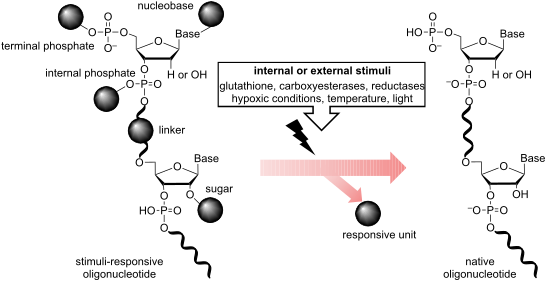
- and some of them have been successful. Moreover, in the search for an alternative way to make efficient ON-based drugs, the general concept of prodrugs was applied to the oligonucleotide field. A prodrug is defined as a compound that undergoes transformations in vivo to yield the parent active drug
- binding site (miRNA masking) [8]. Although many ONs are under investigation for clinical use, several hurdles remain to be overcome for the exploitation of ONs as therapeutic compounds. Among the major limitations of unmodified ONs, poor stability in vivo, low delivery and lack of specificity to target
- 1958 [12], a prodrug is an agent that undergoes chemical or enzymatic transformations in vivo to yield the active parent drug. The prodrug approach is used to optimize the physicochemical properties of the drug and to improve its pharmacological and toxicological profile. Oligonucleotide prodrugs that


Synthesis of fluoro-functionalized diaryl-λ3-iodonium salts and their cytotoxicity against human lymphoma U937 cells
Beilstein J. Org. Chem. 2018, 14, 364–372, doi:10.3762/bjoc.14.24
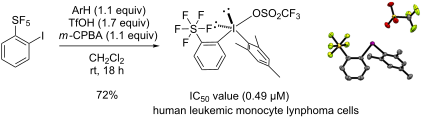
- suggested that antitumor drug candidates could be designed by further structural modification of these compounds 3. Moreover, with 3p exhibiting the greatest potency against U937 cells with comparably lower toxicity against AGLCL cells, further biological studies using 3p including in vivo evaluation should


Fluorogenic PNA probes
Beilstein J. Org. Chem. 2018, 14, 253–281, doi:10.3762/bjoc.14.17
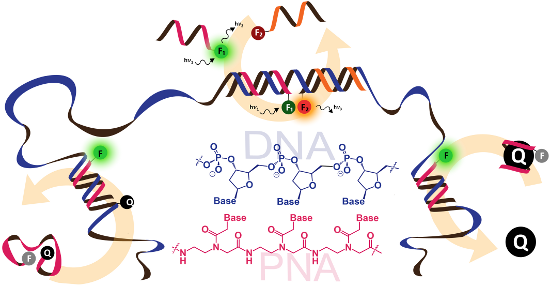
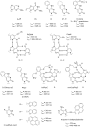
- into a measurable signal. Among several available modes of detection, fluorescence detection offers a number of distinct advantages, but mainly that it is relatively simple, selective, highly sensitive and can be used for real-time monitoring of the biological targets and even their interactions in
- vivo. For nucleic acids, the latter valuable information cannot be obtained by sequencing despite the tremendous advances in the field in recent years [1]. Accordingly, fluorescent oligonucleotide probes are still one of the most important tools not only for the detection of nucleic acids, but also




Fluorescent nucleobase analogues for base–base FRET in nucleic acids: synthesis, photophysics and applications
Beilstein J. Org. Chem. 2018, 14, 114–129, doi:10.3762/bjoc.14.7
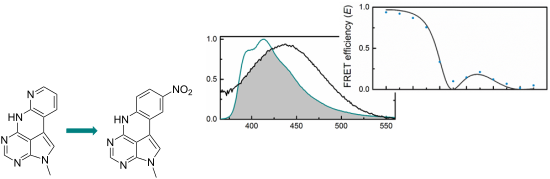
- conformations depending on conditions. Z-DNA, a GC-repeat rich, thermodynamically less preferred, left-handed helical conformation that is favored by cytosine methylation is known to form in vivo under negative supercoiling or high salt concentrations [64][65][66][67][68]. Circular dichroism is traditionally



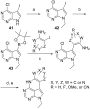


Microfluidic radiosynthesis of [18F]FEMPT, a high affinity PET radiotracer for imaging serotonin receptors
Beilstein J. Org. Chem. 2017, 13, 2922–2927, doi:10.3762/bjoc.13.285
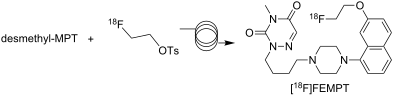
- invaluable insight into normal and abnormal brain function”. A further review by us focusing on 5-HT1AR overviewed a number of PET and SPECT tracers that have been tested in vivo with varying efficacy [2]. A few representative compounds which show the structures that have been tested as radiotracers are
- supersensitivity. Significant research has been directed at the differences between agonist and antagonist binding to 5-HT1A receptors in Alzheimer's disease [10] and this interest has led to the development of a high-resolution in vivo atlas for four of the human brain's serotonin receptors and transporters [11


Binding abilities of polyaminocyclodextrins: polarimetric investigations and biological assays
Beilstein J. Org. Chem. 2017, 13, 2751–2763, doi:10.3762/bjoc.13.271
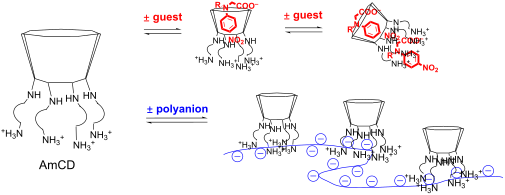
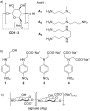
- antibiotics. The fact that these cyclodextrin derivatives might be loaded with an antibiotic allows speculating that a possible antibiotic–CD complex could target the pathogen and in the meanwhile to bind and sequester extracellular DNA, inhibiting its role in vivo. Finally, a particular mention is deserved



Electrophilic trifluoromethylselenolation of terminal alkynes with Se-(trifluoromethyl) 4-methylbenzenesulfonoselenoate
Beilstein J. Org. Chem. 2017, 13, 2626–2630, doi:10.3762/bjoc.13.260
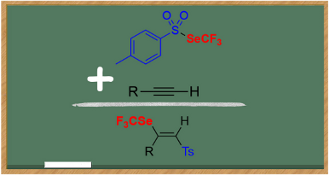
- Clement Ghiazza Anis Tlili Thierry Billard Institute of Chemistry and Biochemistry, Univ Lyon, Université Lyon 1, CNRS, 43 Bd du 11 novembre 1918, F-69622 Villeurbanne, France CERMEP-In vivo Imaging, Groupement Hospitalier Est, 59 Bd Pinel, F-69003 Lyon, France 10.3762/bjoc.13.260 Abstract Herein


Herpetopanone, a diterpene from Herpetosiphon aurantiacus discovered by isotope labeling
Beilstein J. Org. Chem. 2017, 13, 2458–2465, doi:10.3762/bjoc.13.242
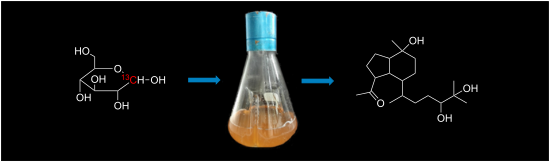
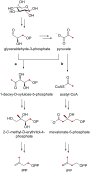
- numerous bacterial terpene cyclase genes [2][3]. Both in vitro and in vivo approaches involving recombinant enzymes are commonly pursued for their functional characterization [4]. Care must be taken, however, in interpreting the results of these analyses, as the products of terpene cyclases are often


Sulfation and amidinohydrolysis in the biosynthesis of giant linear polyenes
Beilstein J. Org. Chem. 2017, 13, 2408–2415, doi:10.3762/bjoc.13.238
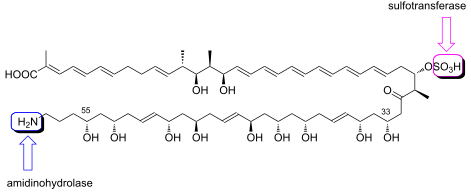
- desulfoclethramycin (1b) and clethramycin (1a) in vivo raised the question of whether there is a preferred or even obligatory order of events in the late-stage tailoring of the mediomycins in S. mediocidicus. In order to resolve this question we sought to characterise the putative sulfotransferase encoded by the
- (smala2697, or its counterpart from S. mediocidicus (medi5536). In each case, co-production of 1a was fully restored (Figure 2C and 2D). These in vivo results together establish that Medi4948 is capable of deprotection of both 1a and 1b and that the sulfotransferase SMALA_2697 (or Medi5536) is responsible





